

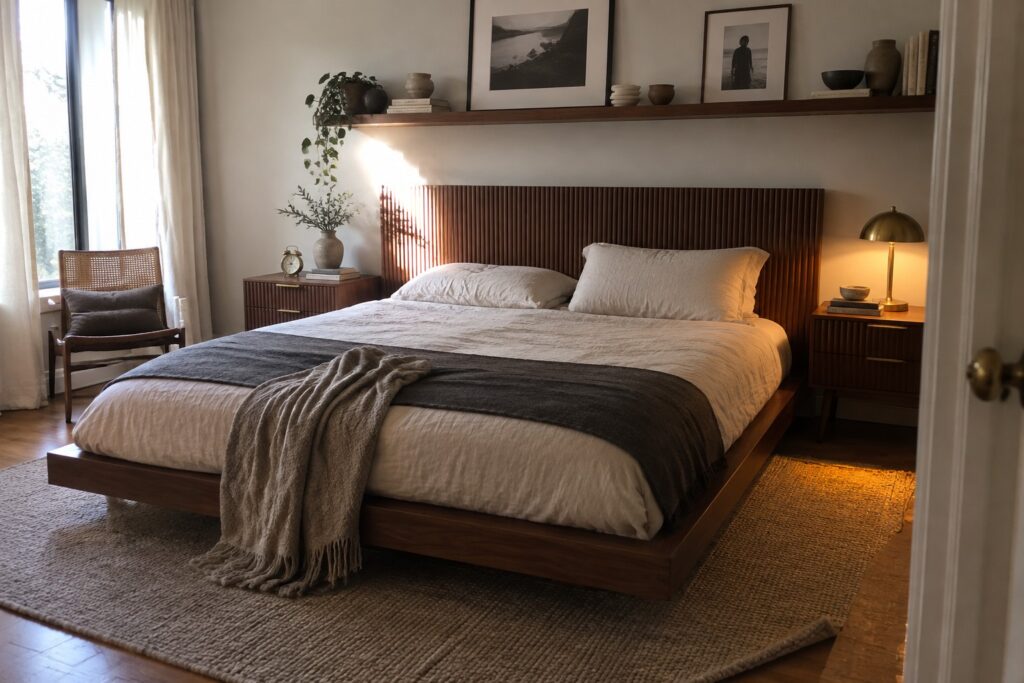
I often notice that walnut furniture brings a steady depth to a bedroom once the pieces settle into the actual layout of the room.
The grain shows up differently depending on where the windows sit and how the light shifts through the day.
Choosing pieces that actually fit the layout matters more than it seems at first.
I have found that balancing darker walnut with lighter walls or bedding keeps the space from closing in on itself during longer evenings.
Small swaps like swapping out a bulky headboard for a simpler frame can shift how the whole room feels to live in.
A Slatted Walnut Headboard For Warm Depth
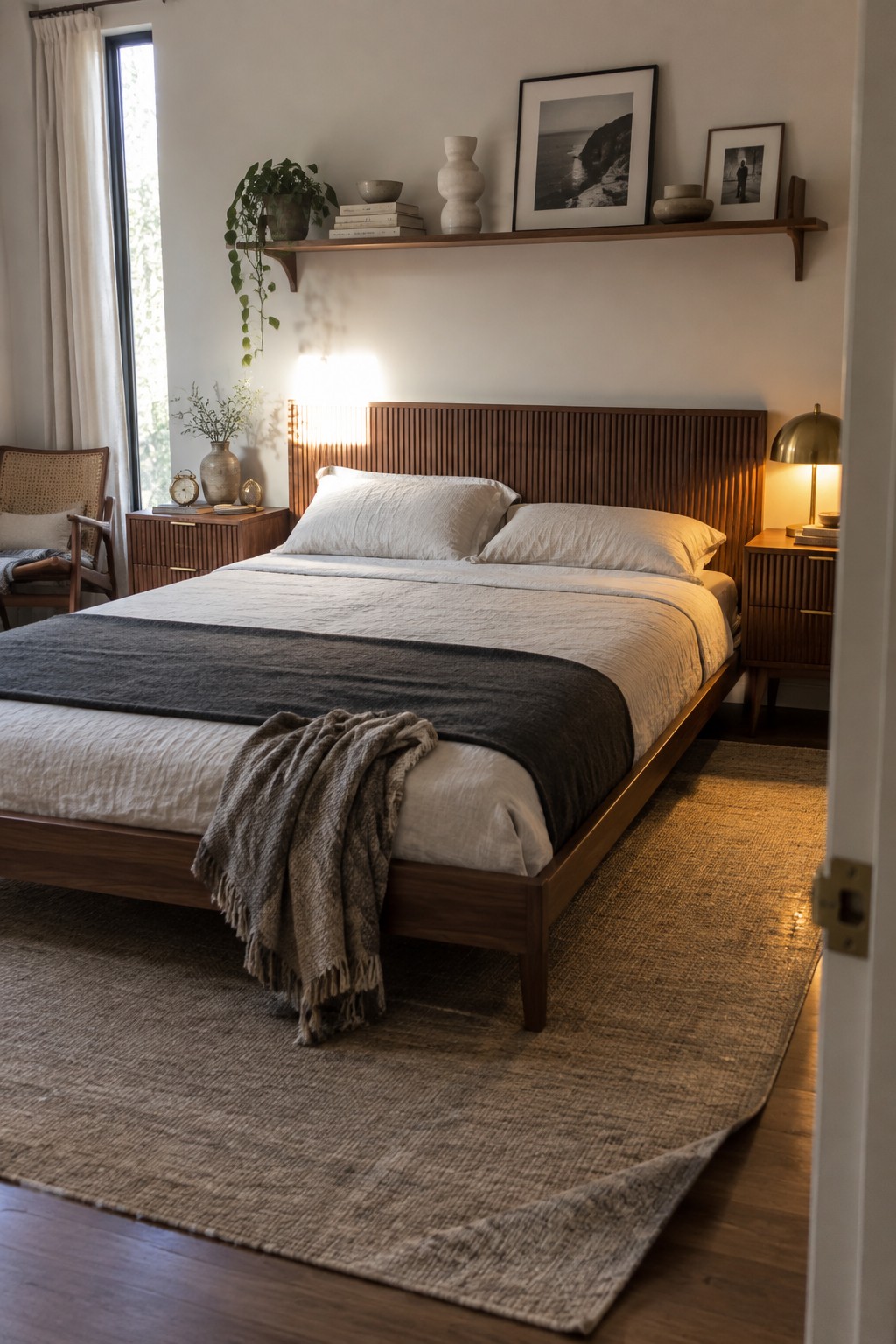
A tall headboard built from walnut with vertical slats gives the bed real presence without needing extra color or pattern. The wood grain shows through clearly, and the slats add just enough texture to keep the surface from feeling flat. It works especially well when the rest of the room stays quiet in tone.
This style suits bedrooms that already lean on natural materials and simple lines. It pairs easily with matching nightstands or a low dresser in the same wood, and it holds its own against softer bedding and rugs. Just avoid crowding the wall above it with too many pieces, or the headboard loses its quiet strength.
Walnut Furniture Anchors a Simple Bedroom
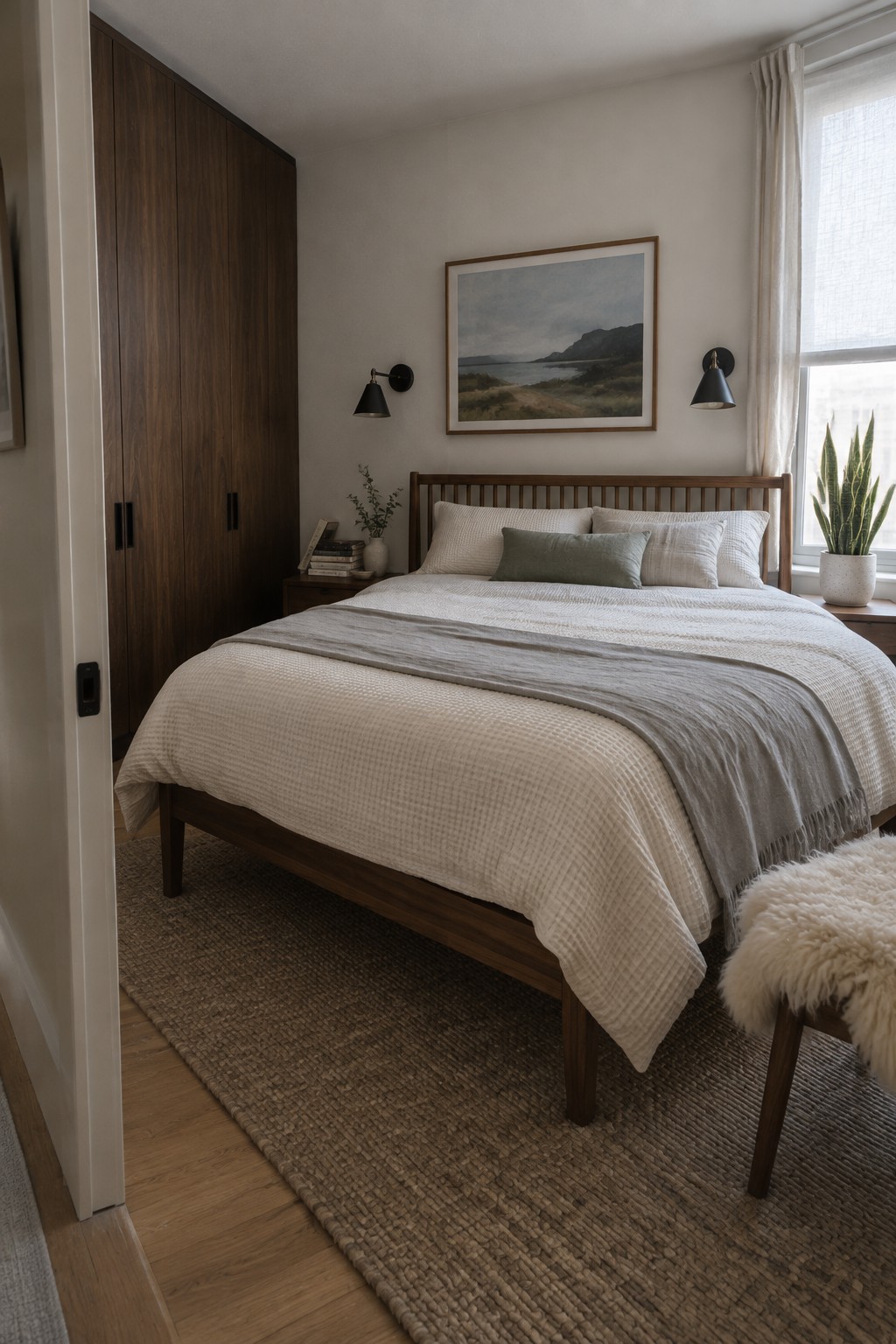
Walnut brings a solid, lasting presence that works especially well in bedrooms. The deep wood tones give the space weight without feeling heavy when the walls stay light and the bedding stays soft.
This setup works best in rooms that get good natural light. Keep other finishes neutral so the walnut pieces stay the main feature rather than competing with bold colors or busy patterns.
Walnut Four-Poster Beds
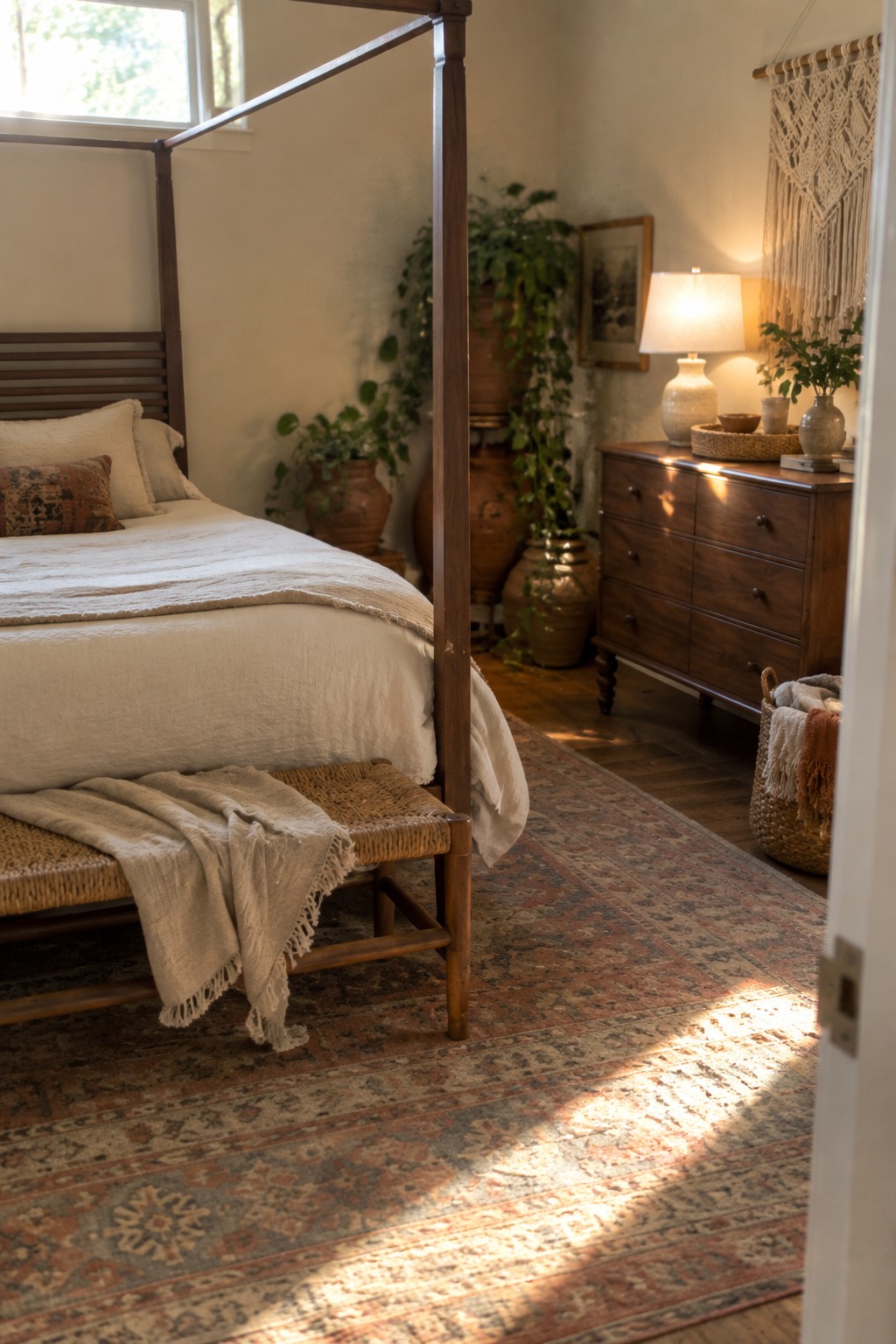
A four-poster bed in deep walnut gives a bedroom a clear center point. The dark wood stands out nicely against lighter walls and bedding, and it makes the room feel more settled without needing a lot of extra pieces.
This works well in spaces that already have some age or character, or in newer rooms that need a bit more weight. Keep the rest of the furniture simple and stick to neutral linens so the bed can do the main job.
Walnut Furniture Against Dark Walls
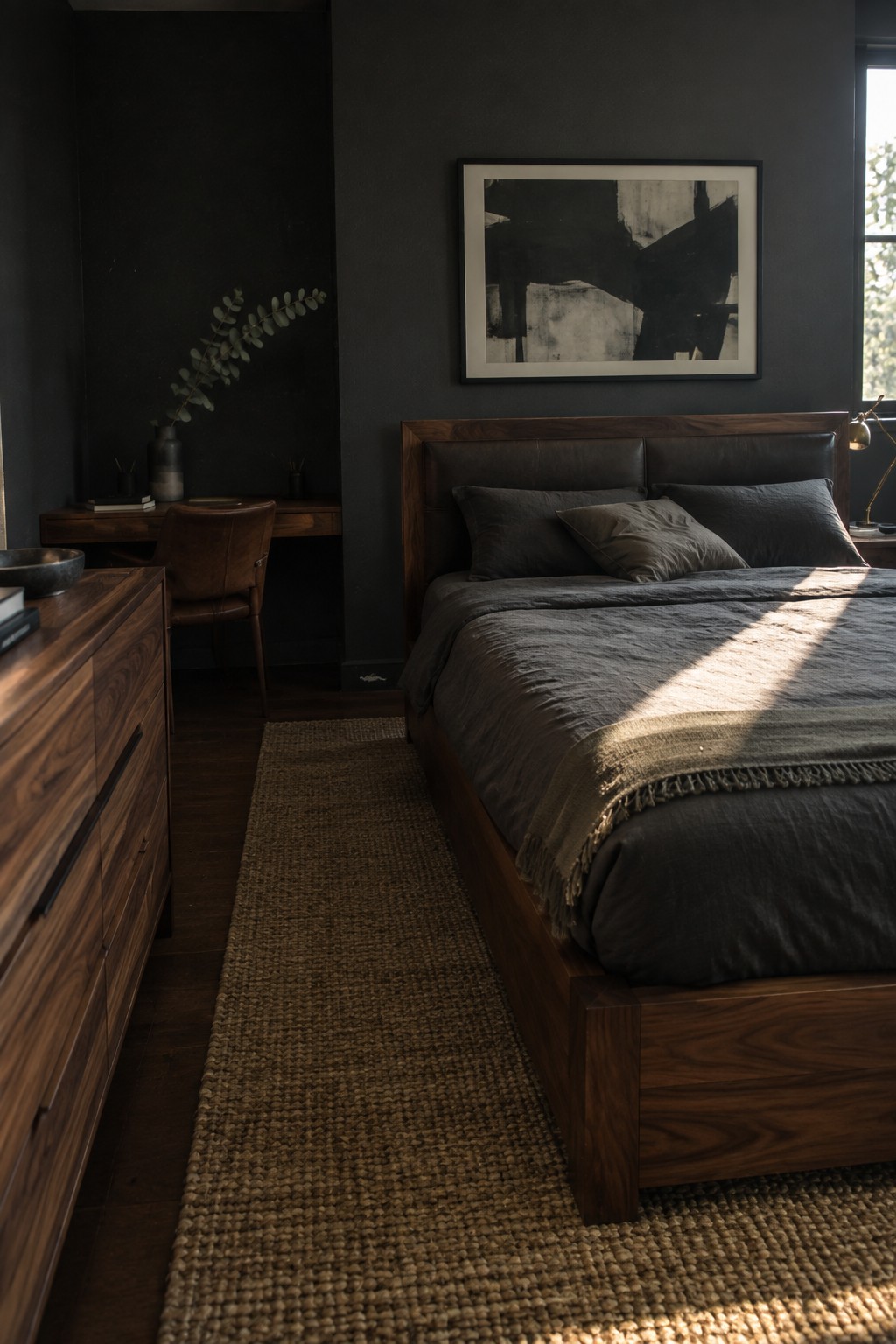
Walnut bedroom furniture looks especially strong when the walls are painted a deep dark shade. The wood grain stays visible and the pieces feel more substantial instead of fading into the background. This approach keeps the room from feeling flat even when the color palette stays limited.
It works best in bedrooms that already lean moody or that get lower light during the day. Keep the bedding and other textiles in similar dark tones so the furniture becomes the main point of interest without extra decoration.
Walnut Furniture Adds Warmth To Any Bedroom
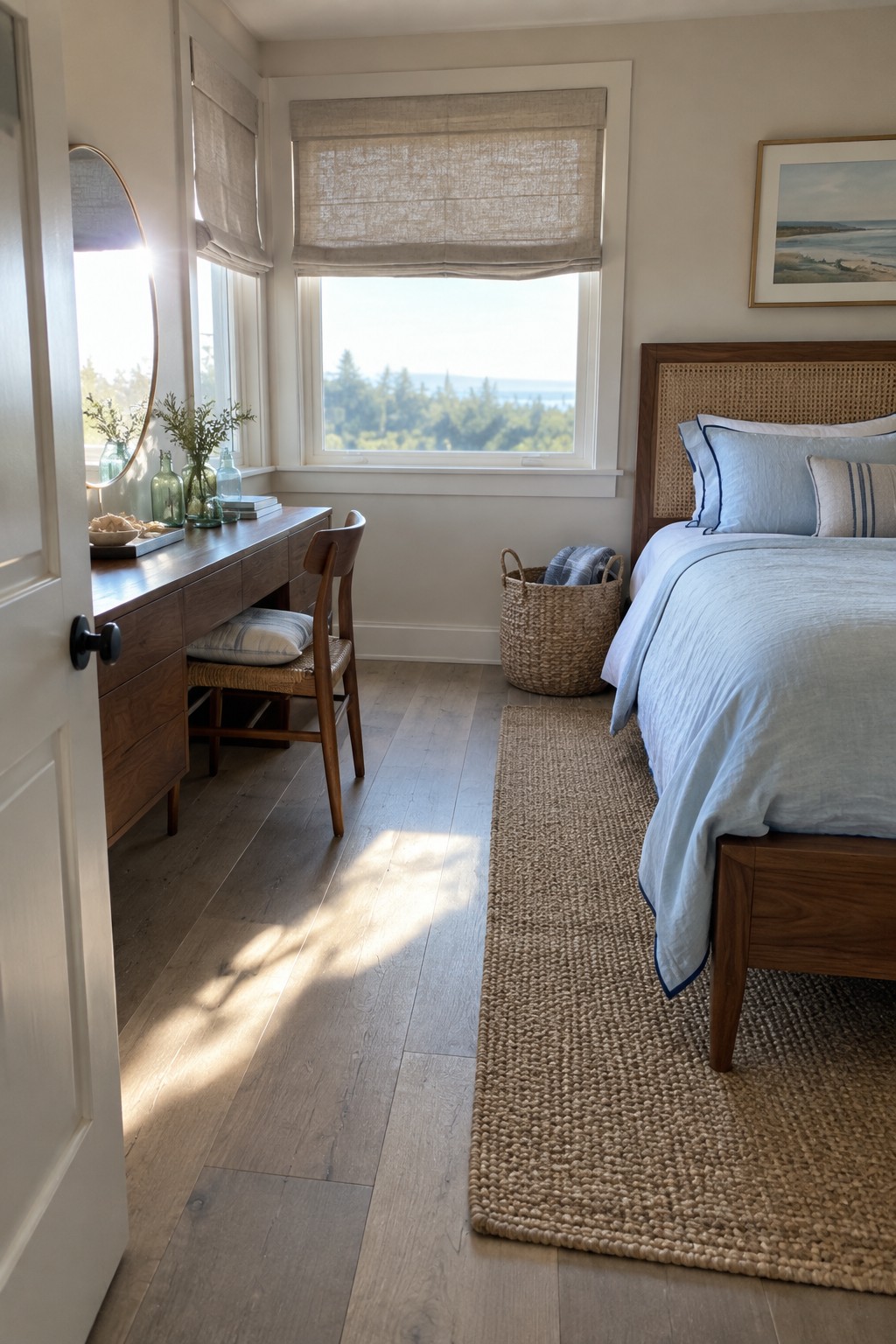
Walnut pieces stand out in a bedroom because the deep grain adds color without needing extra layers or patterns. A simple desk and bed frame in the same tone can tie the whole space together while still letting lighter walls and floors feel open.
This approach works best in rooms that get steady daylight. Keep the bedding and rugs in soft colors so the wood stays the main feature instead of competing with too many other textures.
Walnut Furniture For A Steady Bedroom Tone
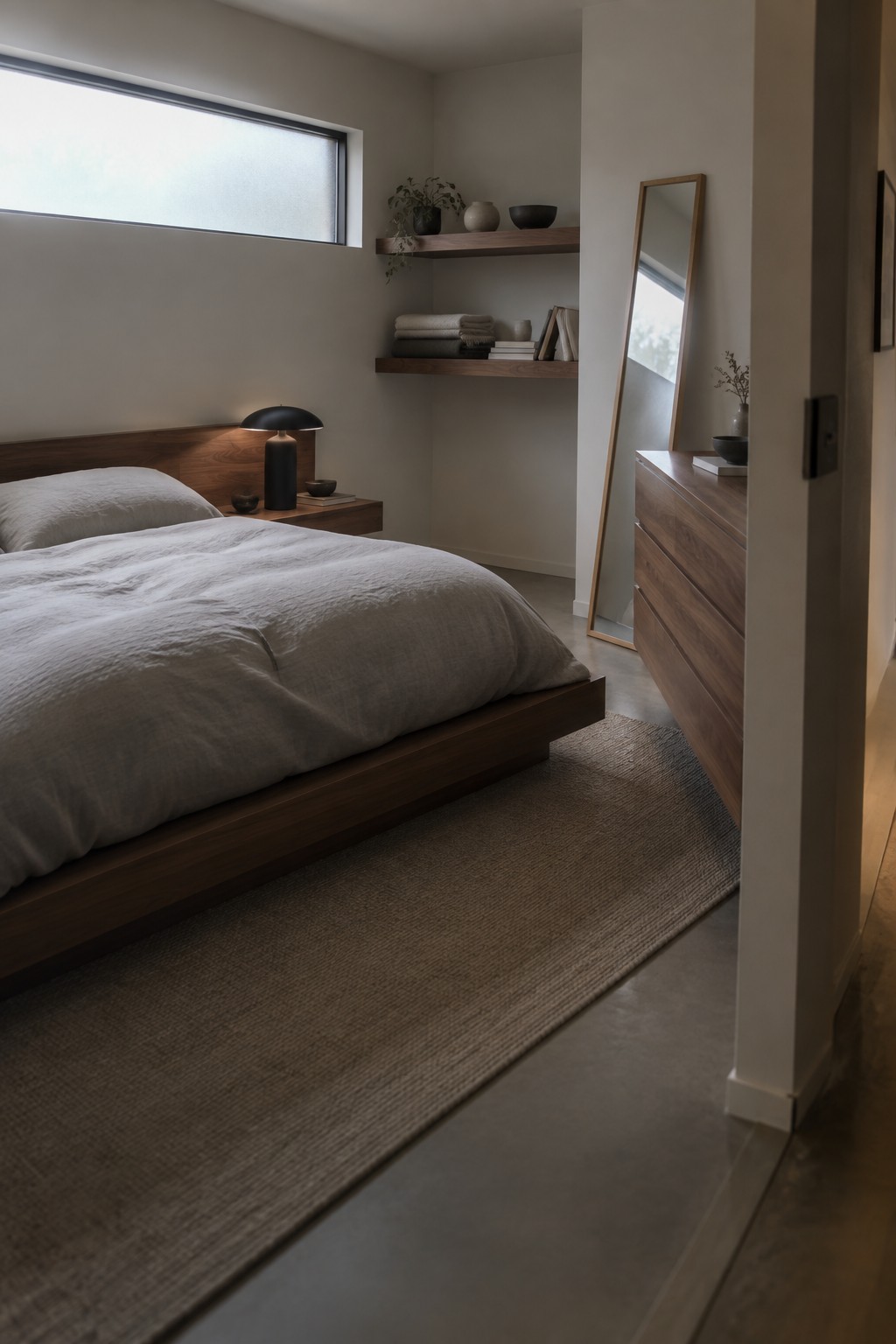
Walnut works well when you use it across several pieces in the same room. The wood gives a consistent color that feels calm and settled, especially against simple bedding and light walls.
This approach suits smaller bedrooms or anyone who wants a clean layout without extra layers. Stick to a few matching pieces and let the natural grain do the rest.
Let Walnut Furniture Anchor the Room
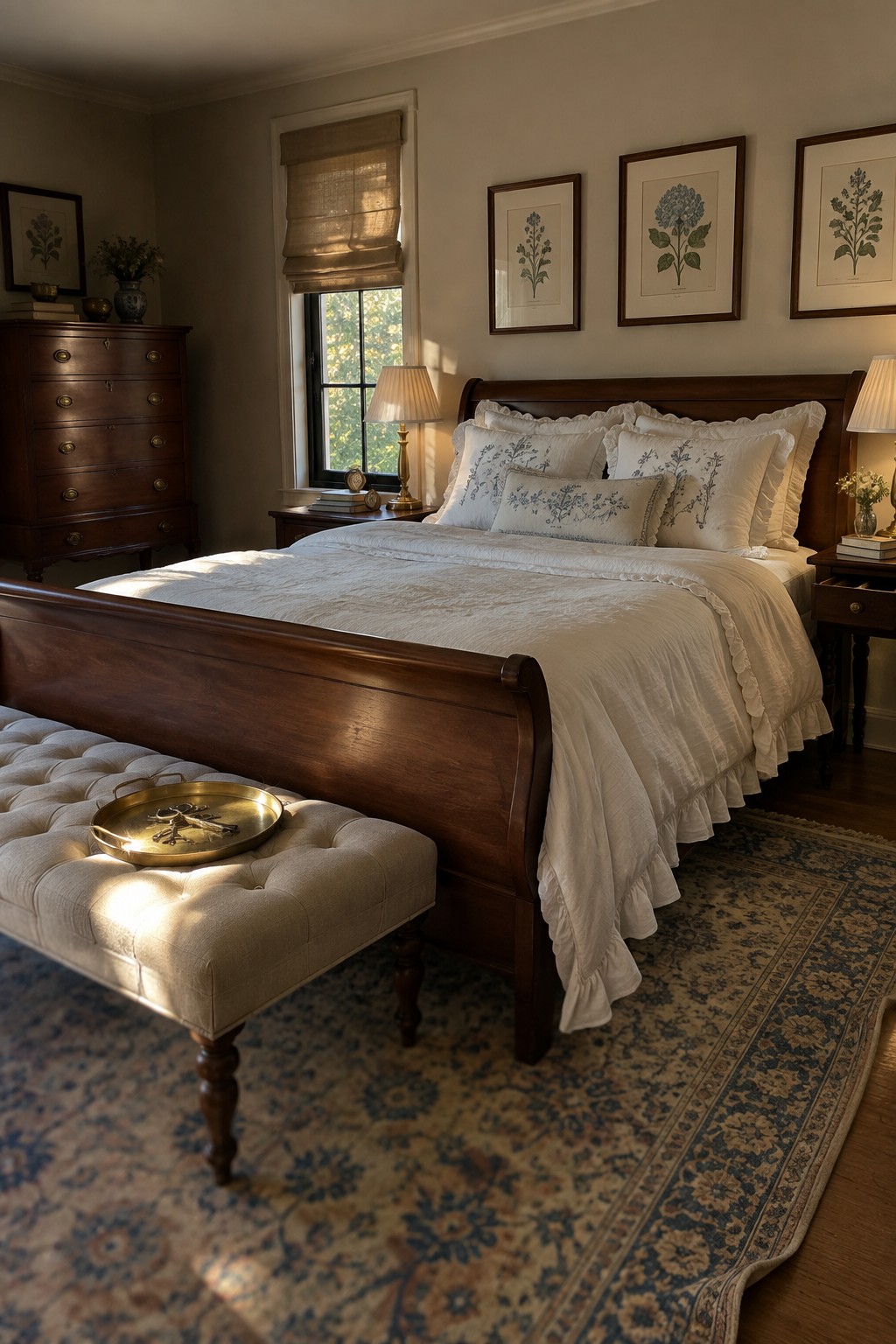
A walnut sleigh bed gives a bedroom real presence. The deep wood tones stand out without needing much else to make the space feel finished, especially when the bedding and walls stay light.
This works best in rooms where you want the furniture to carry the weight. Pair the dark pieces with simple white linens and a few quiet prints so the wood stays the main event instead of getting lost in too many layers.
Walnut Furniture Against Brick Walls
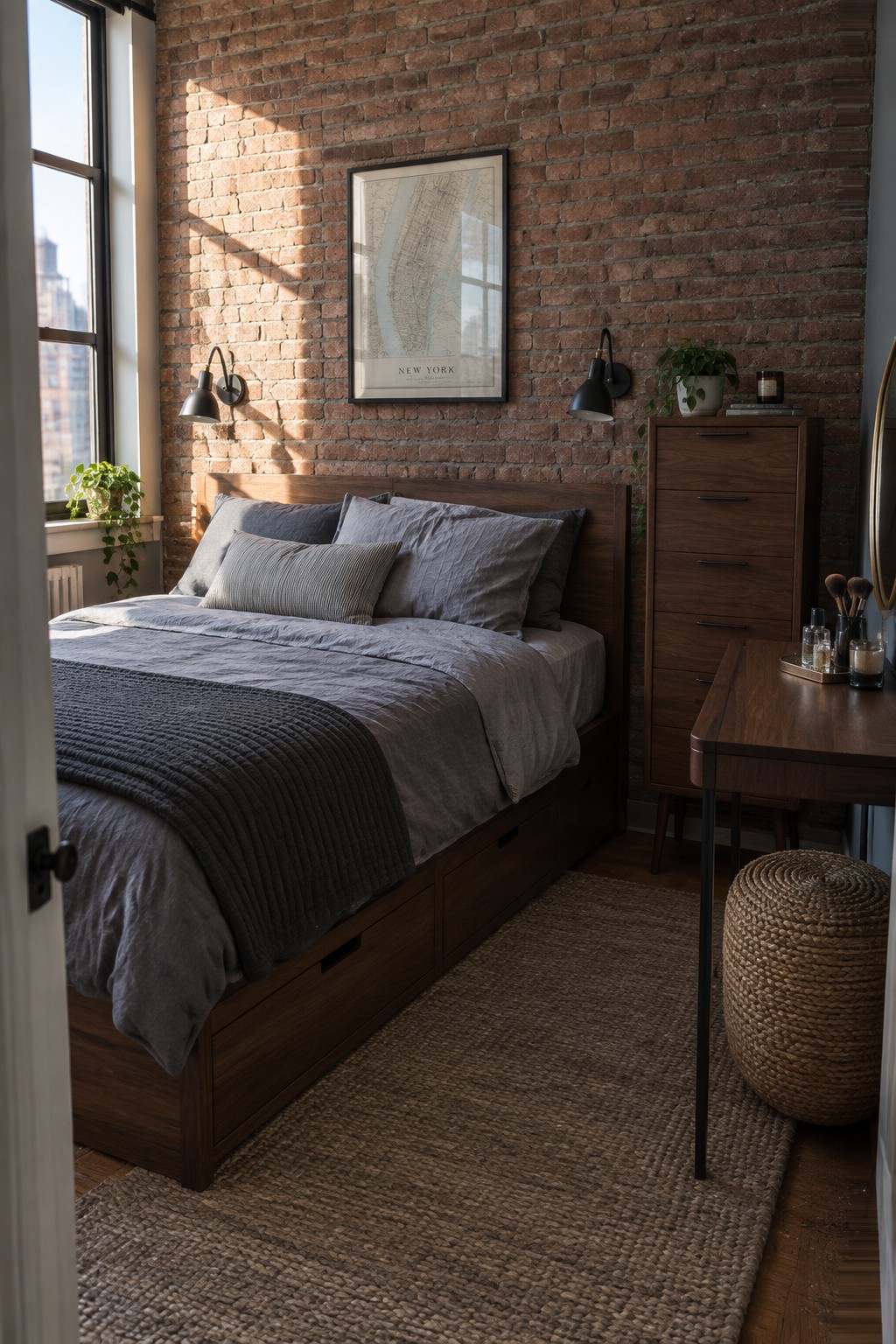
Walnut pieces stand out nicely against red brick because the deep wood tones add warmth without fighting the texture of the wall. The bed frame and tall dresser here show how a consistent wood tone can tie the room together while still letting the brick stay the main feature.
This approach works well in lofts or older buildings where the brick is already exposed. Stick to two or three matching walnut items rather than mixing in lighter woods, and keep the rest of the room simple so the furniture and brick can do the work.
Walnut Armoires That Add Depth To A Bedroom
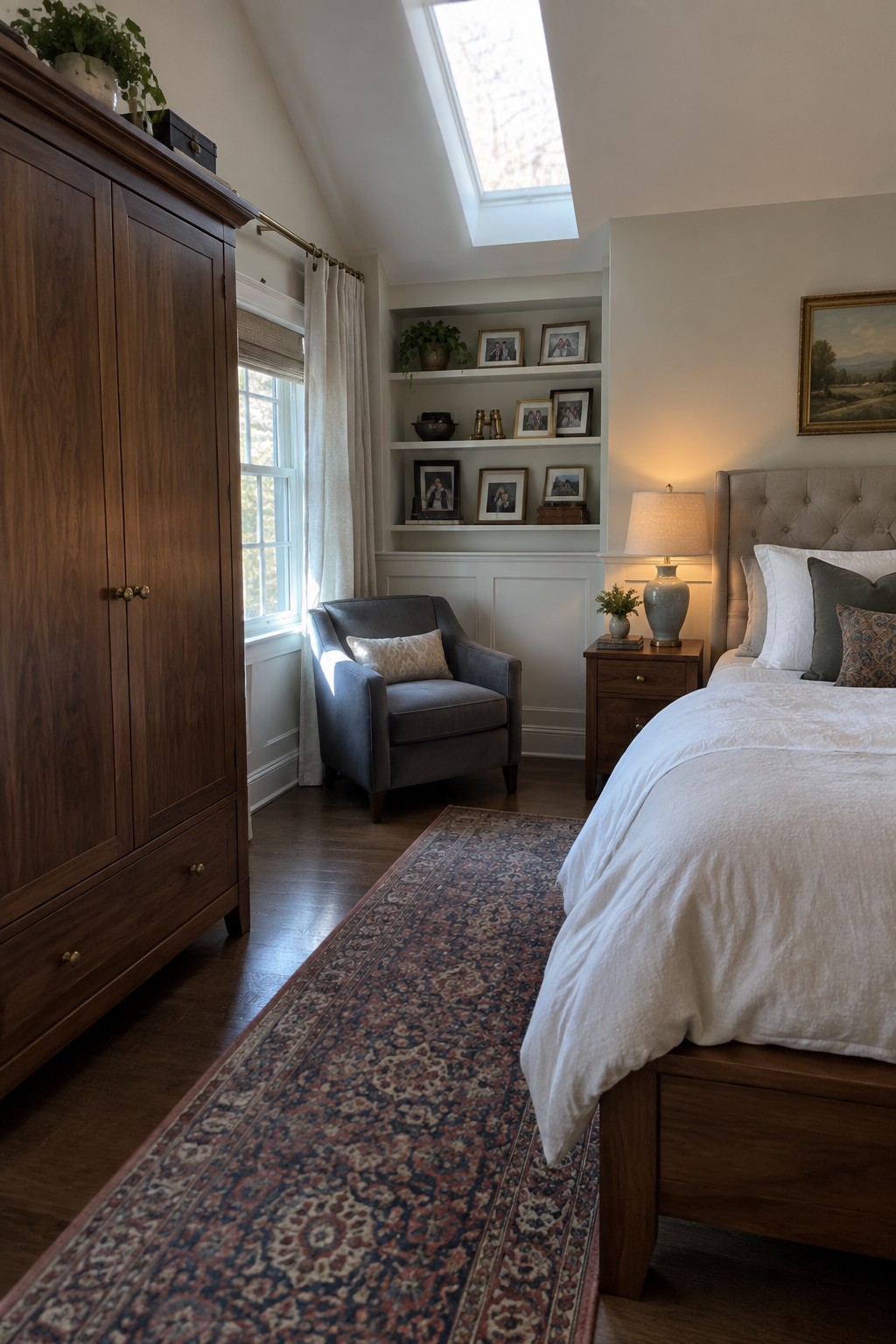
A large walnut armoire can give a bedroom real presence without needing much else. The dark wood stands out against lighter walls and bedding, which keeps the space from feeling flat while still letting it stay bright overall.
This works best in rooms that get steady daylight so the wood reads warm instead of heavy. It suits people who want solid storage but prefer to keep the rest of the room simple.
Walnut Bed and Dresser in Deep Tones
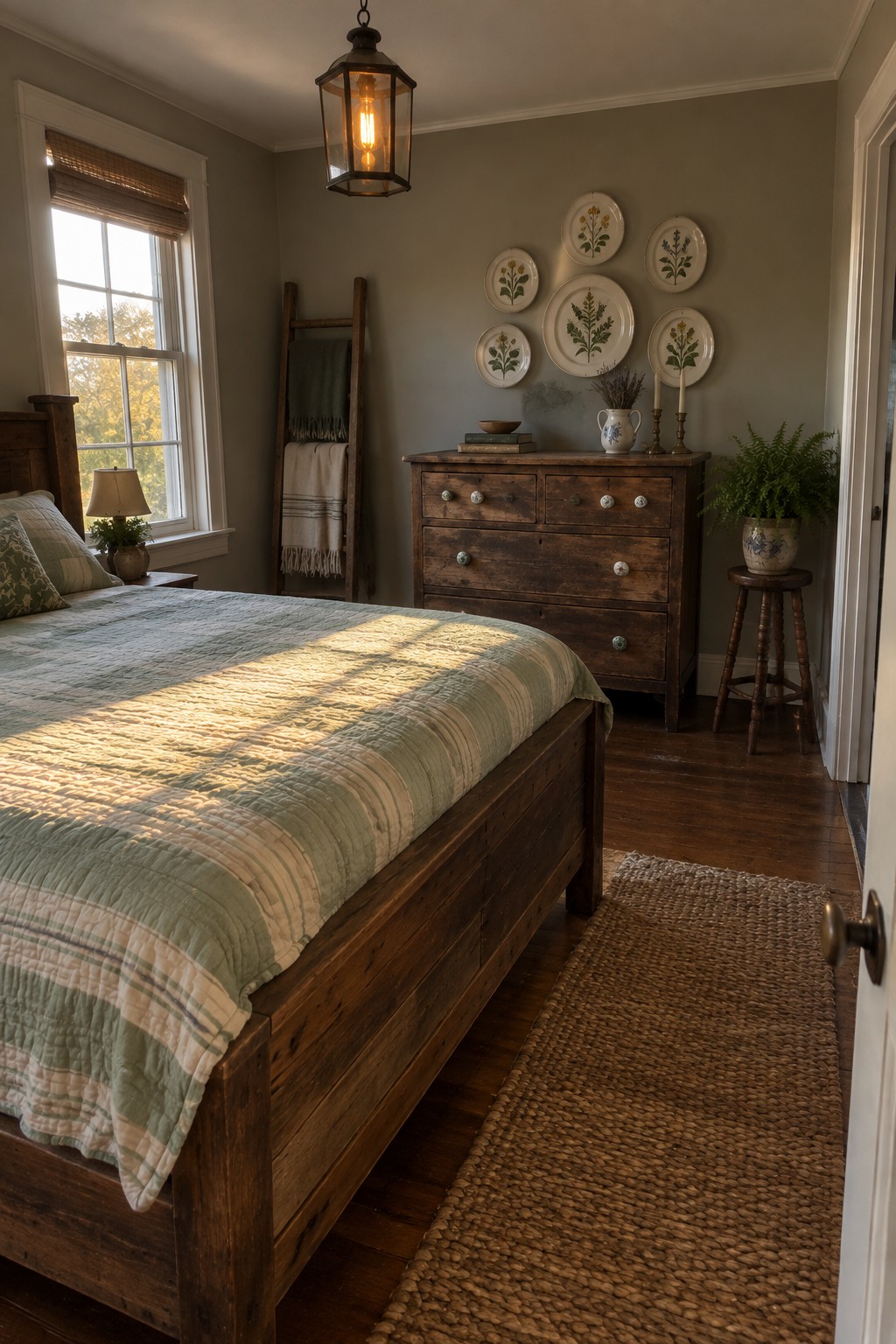
A dark walnut bed frame paired with a matching dresser gives the room a strong, steady base. The deep wood tones feel substantial and warm, and they hold up well against softer bedding and lighter walls.
This approach works best in medium to large bedrooms where the furniture can take up visual weight without crowding the space. Keep the walls neutral and add simple textiles or a few plants so the wood stays the main feature rather than competing with too many other elements.
Anchor the Bedroom with a Dark Walnut Four-Poster Bed
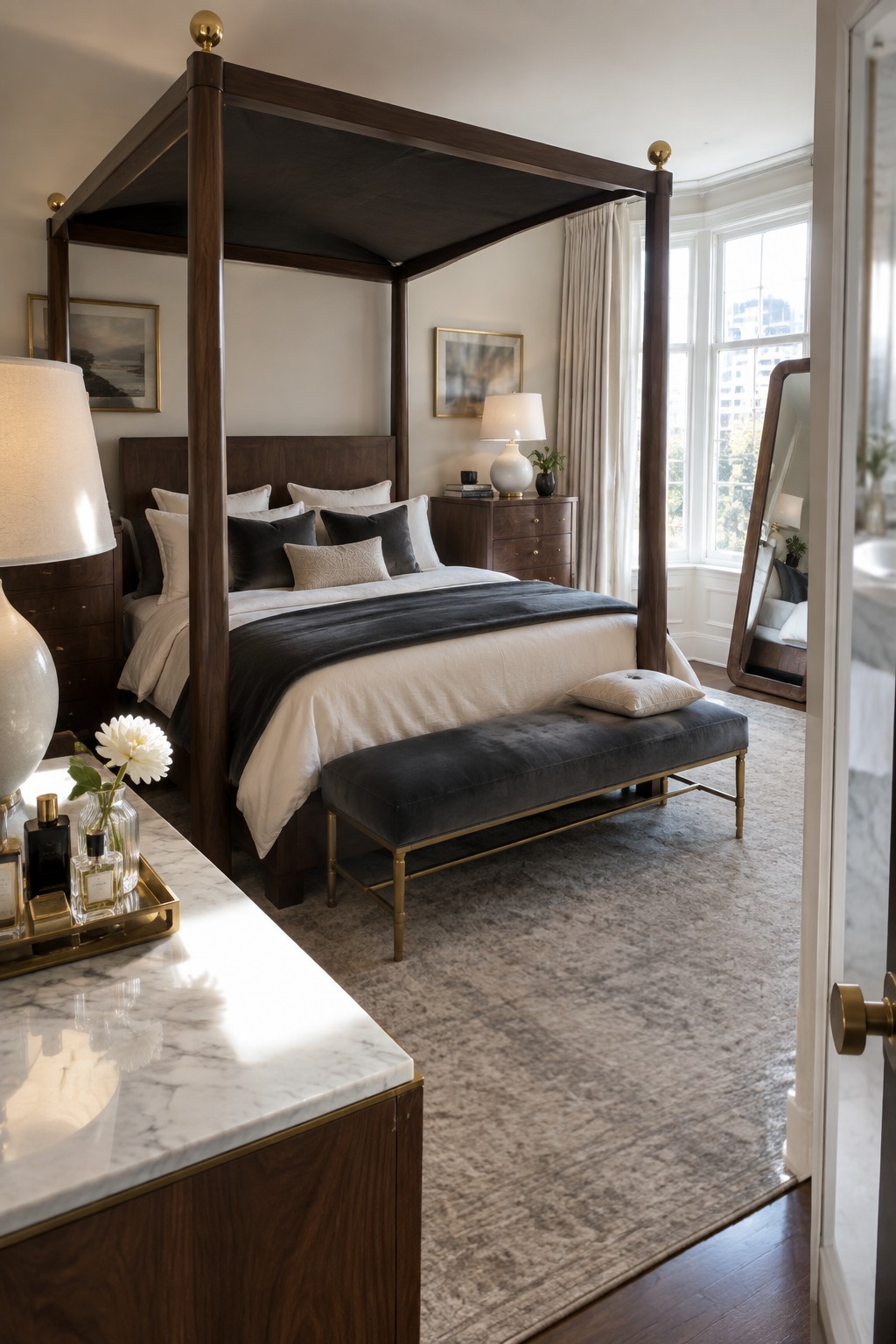
A dark walnut four-poster bed gives the room a clear center when you want deep wood tones throughout. It carries weight on its own, so the rest of the furniture can stay simple without the space feeling scattered.
This works best in bedrooms that have room for the frame to stand out. Keep the bedding light and add just one or two brass or marble pieces nearby so the wood stays prominent rather than overwhelming the room.
Walnut Built-Ins That Frame The Bed
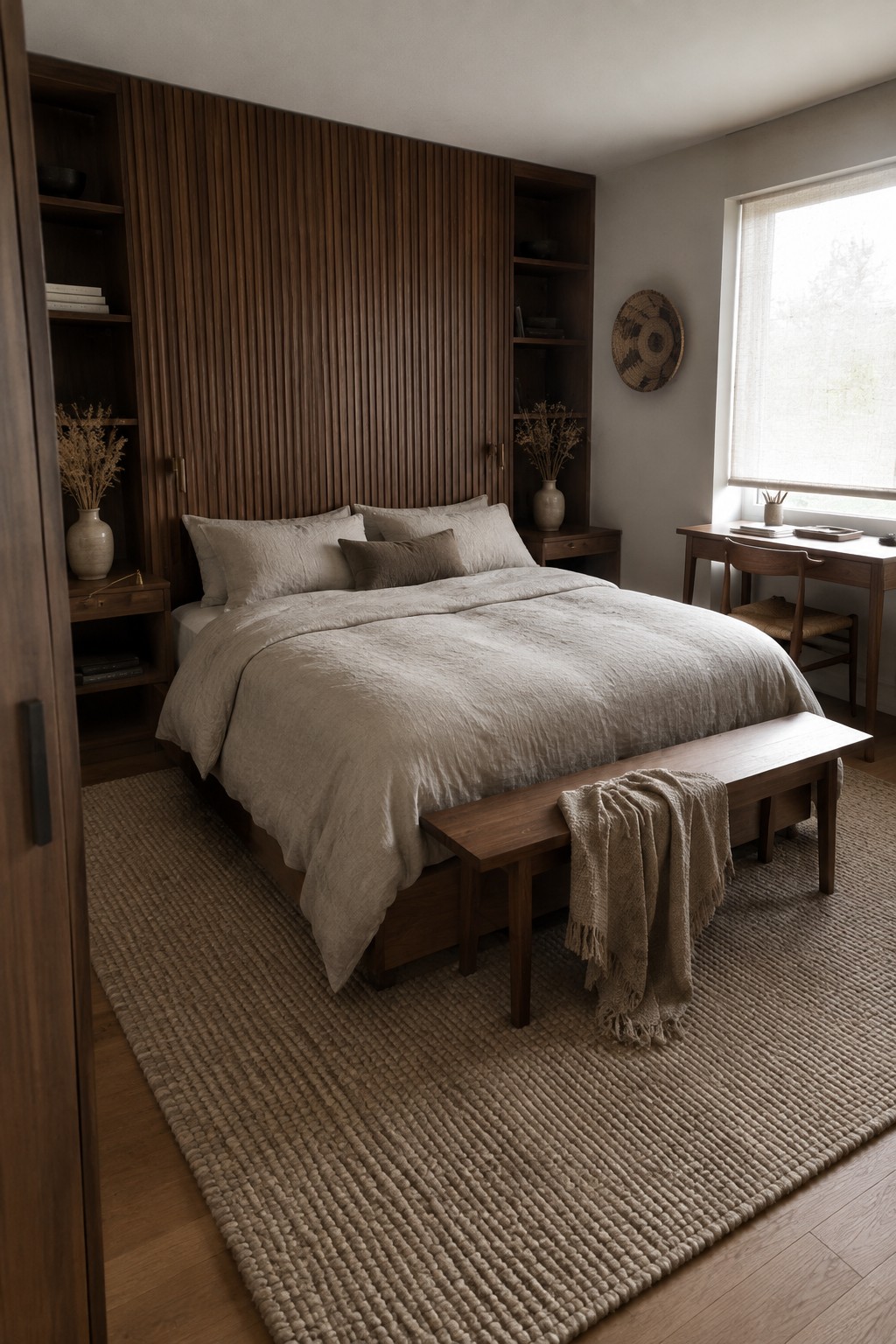
A full wall of walnut behind the bed gives the room a settled, finished look without much extra effort. The built-ins on either side hold books and a few simple objects, while the vertical wood slats behind the headboard add quiet texture that keeps the space from feeling flat.
This approach works best in bedrooms where you already like deeper wood tones and want storage that does not take up floor space. It pairs well with a bench at the foot of the bed and other walnut pieces like nightstands or a small desk, as long as the rest of the room stays fairly simple in color.
Built-In Walnut Furniture For Compact Bedrooms
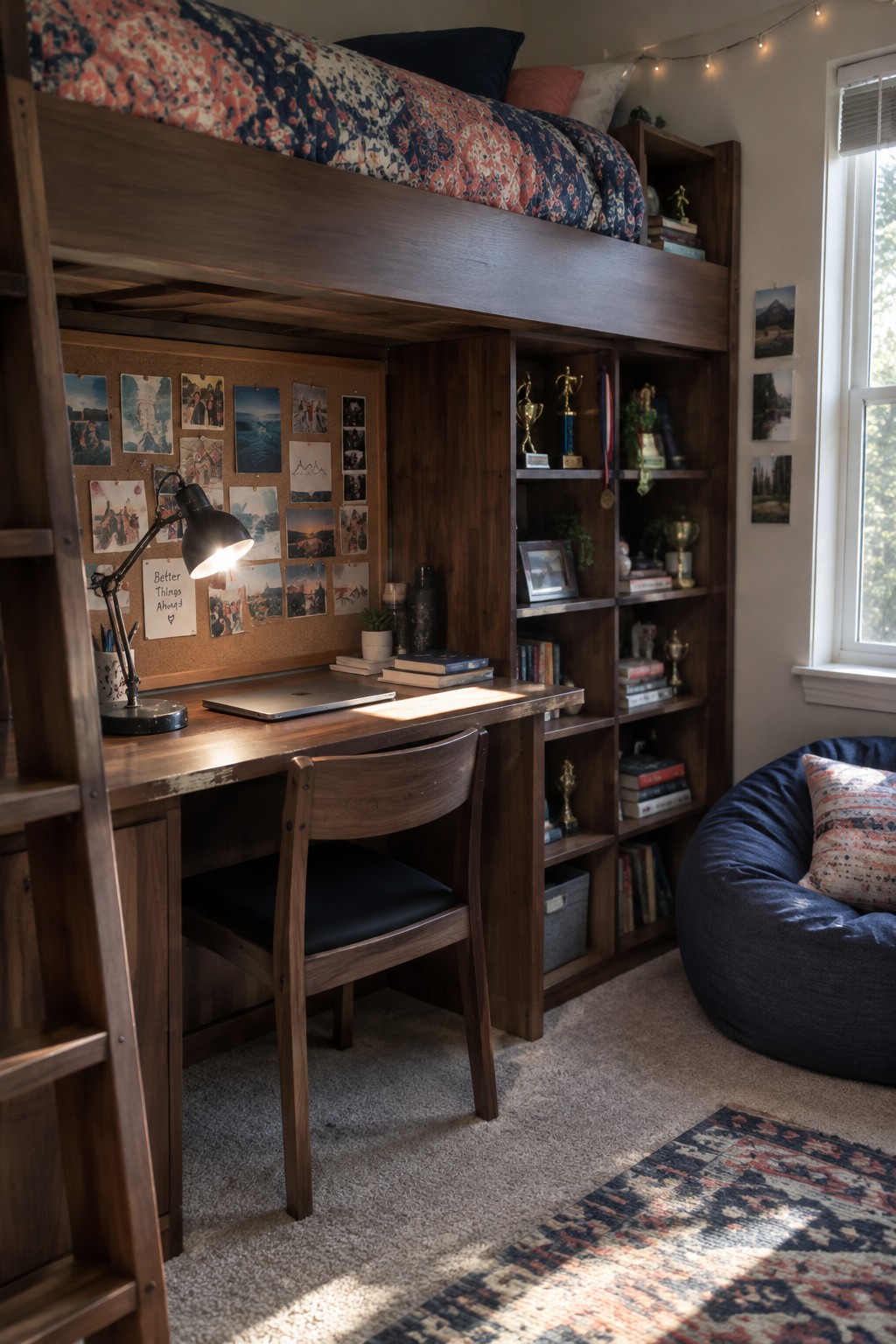
Carrying one walnut tone through the loft bed, desk, and full wall of shelves creates a single, built-in look instead of several separate pieces. The wood feels warm without making the room feel crowded, and the desk fits neatly under the bed so the floor stays open.
This works best in smaller bedrooms where every inch counts. Keep the wood consistent on the main surfaces, then add just a few other pieces in the same tone so the space stays calm and easy to use.
Walnut Trundle Beds Add Storage Without Extra Furniture
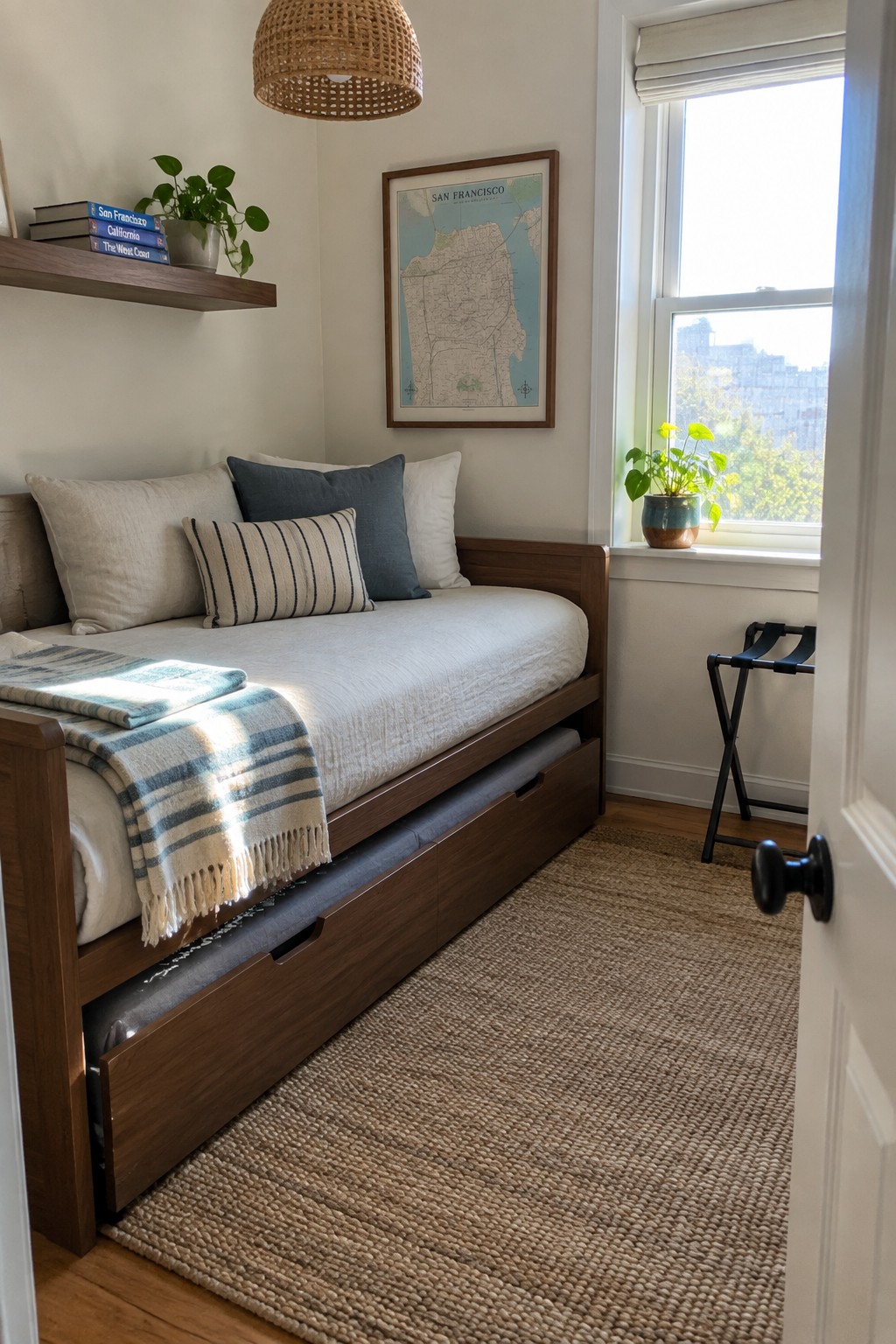
A walnut trundle bed gives you both a main sleeping spot and a pull-out drawer below for guests or extra bedding. The deep wood tone on the frame brings warmth to the room while keeping the overall look simple and grounded.
This setup works well in smaller bedrooms or guest rooms where floor space is limited. Pair it with light bedding and a few other walnut pieces so the wood tones stay consistent without crowding the room.
Built-In Walnut Bed Cabinets
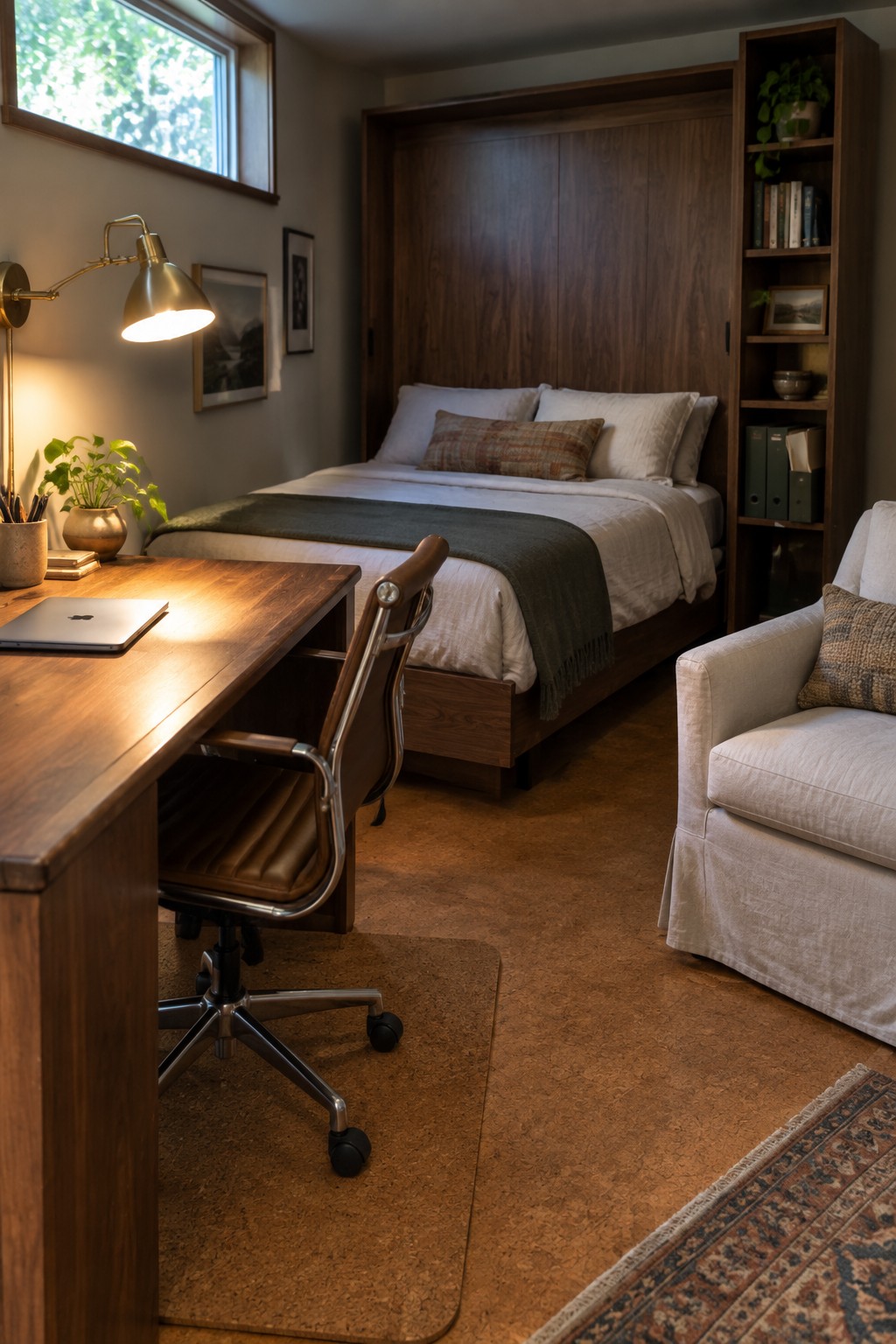
Setting the bed into a tall walnut cabinet gives the room a built-in look without making everything feel heavy. The wood wraps around the bed and adds storage on the sides, which keeps the floor clear and makes the whole space feel more organized.
This works well in bedrooms that already lean toward deeper wood tones. Pair it with a simple desk or chair in the same finish, and leave the rest of the room fairly plain so the cabinet stays the focus.
Walnut Built-Ins For Bedroom Storage
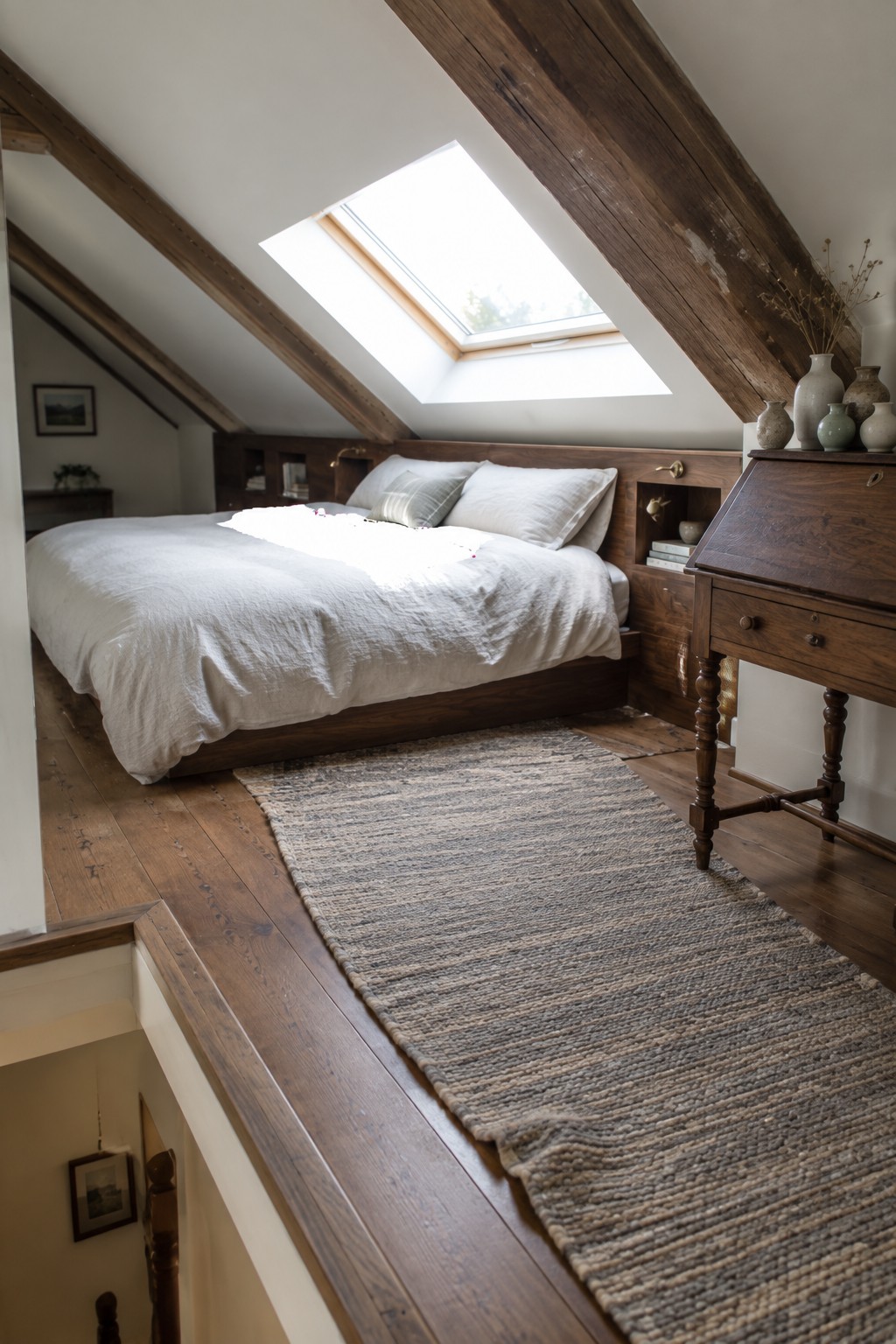
Walnut built-ins around the bed give you storage without adding extra pieces that crowd the room. The wood brings that deep tone throughout, and the shelves stay tucked into the wall so nothing sticks out awkwardly. It works especially well when the ceiling slopes or the space feels tight.
This setup suits homes with older architecture or attic bedrooms where standard dressers would block walkways. Keep the bedding and rugs light so the walnut stays the main feature instead of feeling heavy.
A Matching Walnut Bench at the Foot of the Bed
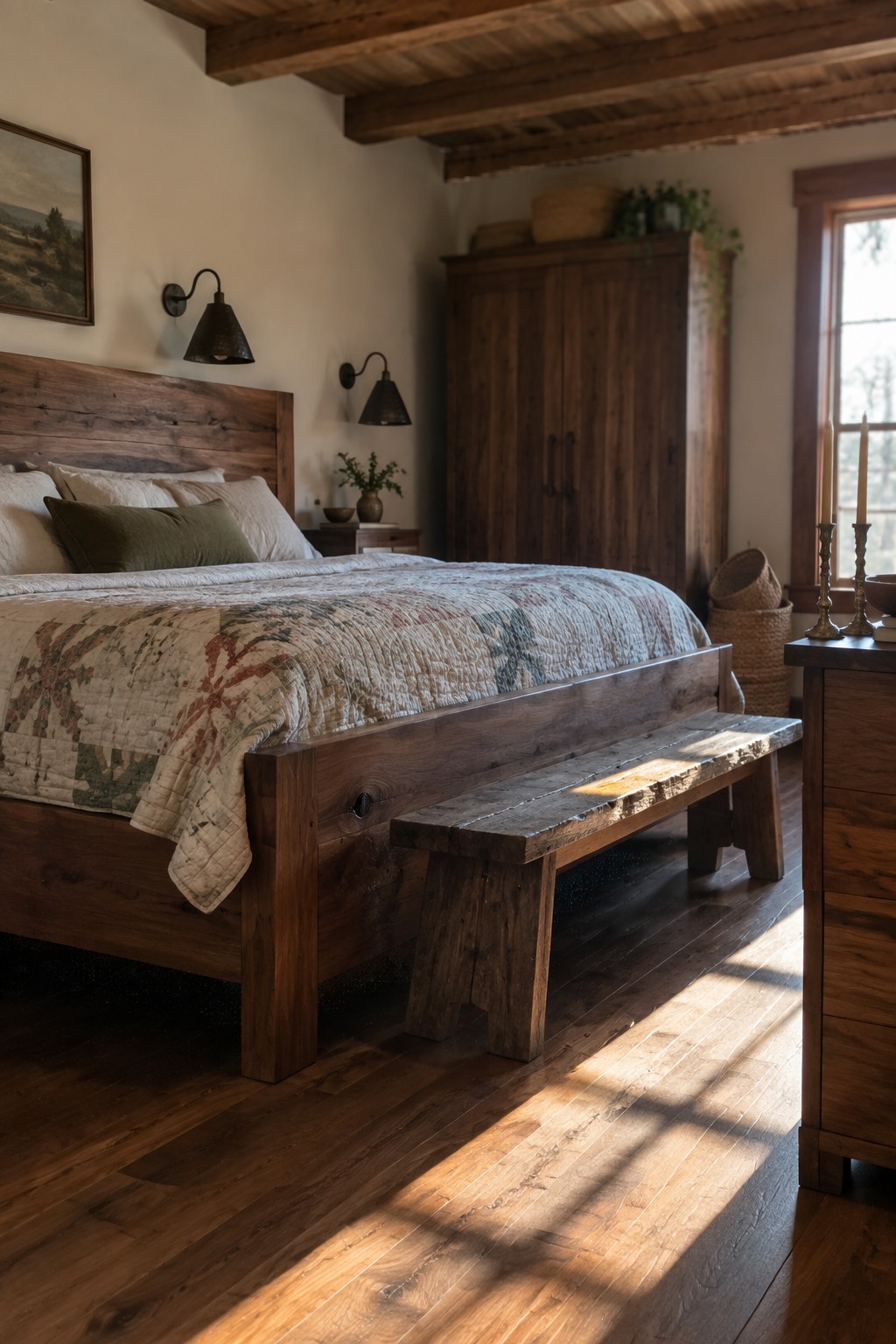
One simple way to strengthen the look of walnut bedroom furniture is to add a bench made from the same wood right at the end of the bed. It carries the deep tone across the room and gives the furniture a more settled, finished feel without adding clutter.
This works best in bedrooms with enough space to keep the bench a few feet from the footboard. The bench can hold a folded quilt or serve as a seat, and it looks most natural when the wood grain and finish line up with the bed frame.
Wrapping The Bed Wall In Walnut
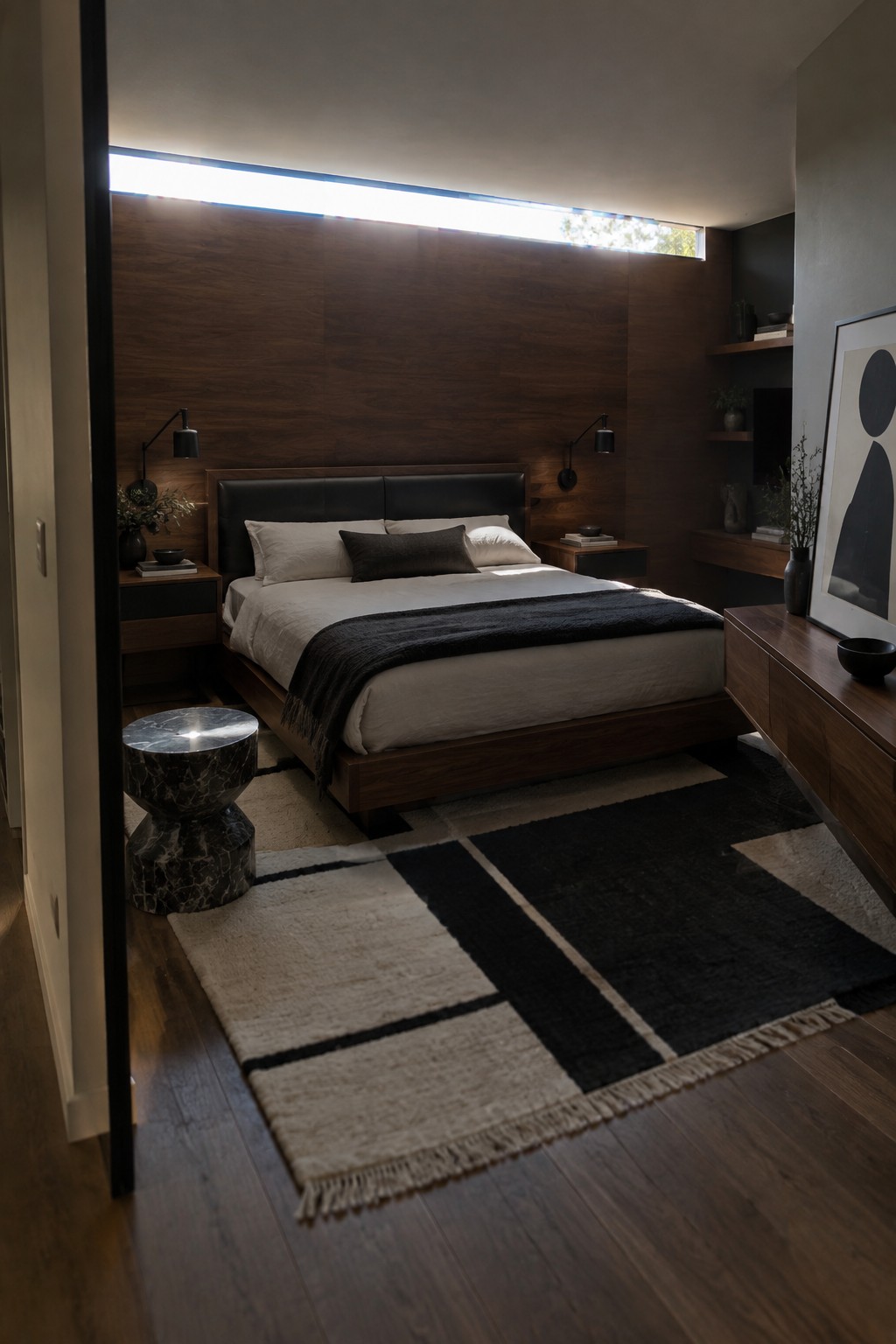
Running walnut paneling across the full wall behind the bed gives the room a steady, enclosed feeling that works especially well with deep wood tones. The wood carries through from the floor up and into the bed frame, so the furniture feels like part of the architecture instead of separate pieces set against a plain wall.
This move works best in bedrooms that already have some size to them, since the dark tone can close a space in. Keep the bedding and rugs lighter so the walnut stays the main event without turning the room too heavy.
Using Walnut Furniture in Bedrooms With Wood Walls
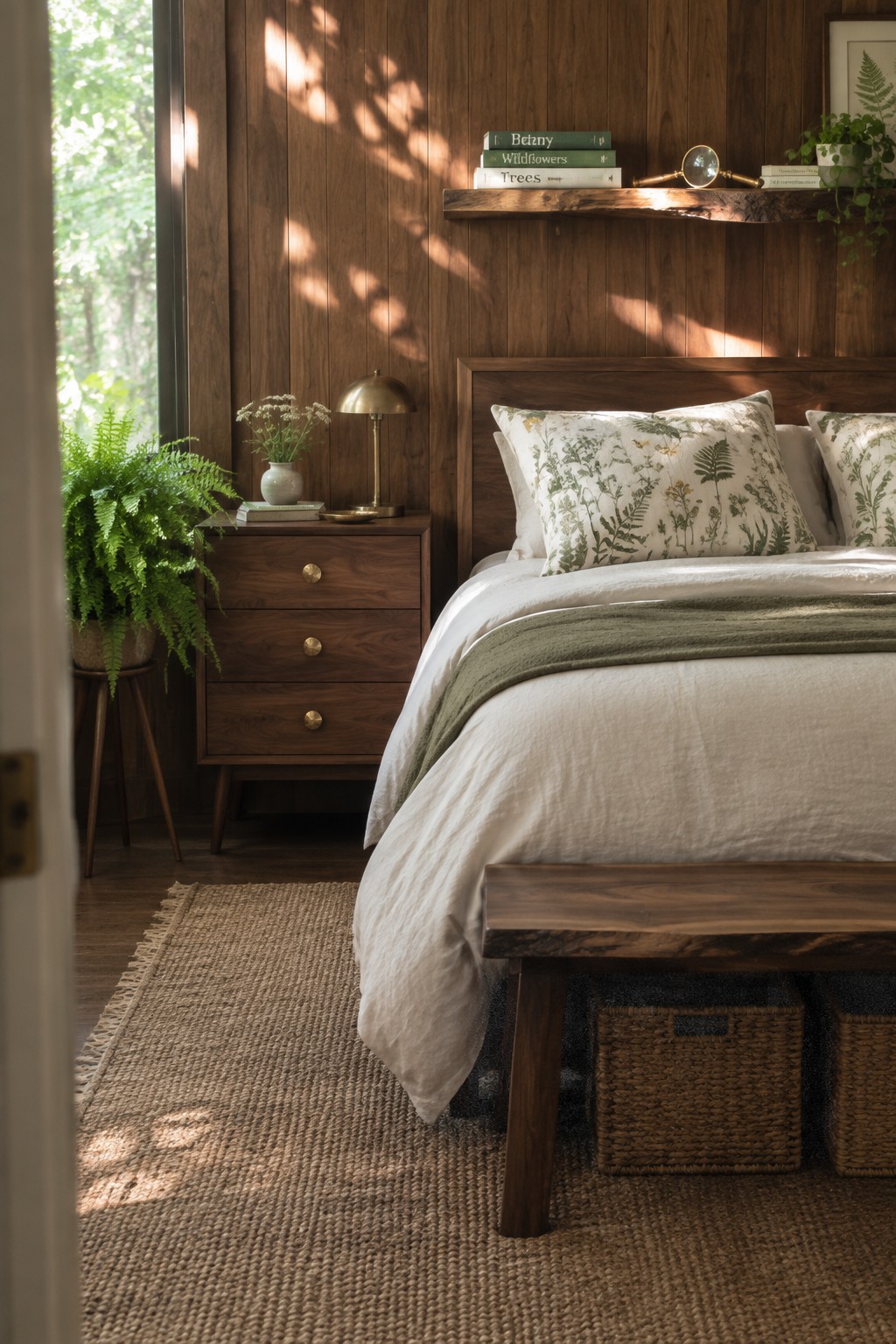
Walnut furniture gives a bedroom real weight and warmth when the walls already have wood tones. The deep color and grain show up clearly next to lighter bedding and help the room feel settled instead of bare.
This approach works best in homes that lean natural and simple. Keep the rest of the space quiet with plain linens and a few green plants so the wood pieces can carry the look without crowding the room.
Walnut Sleigh Beds That Anchor a Room
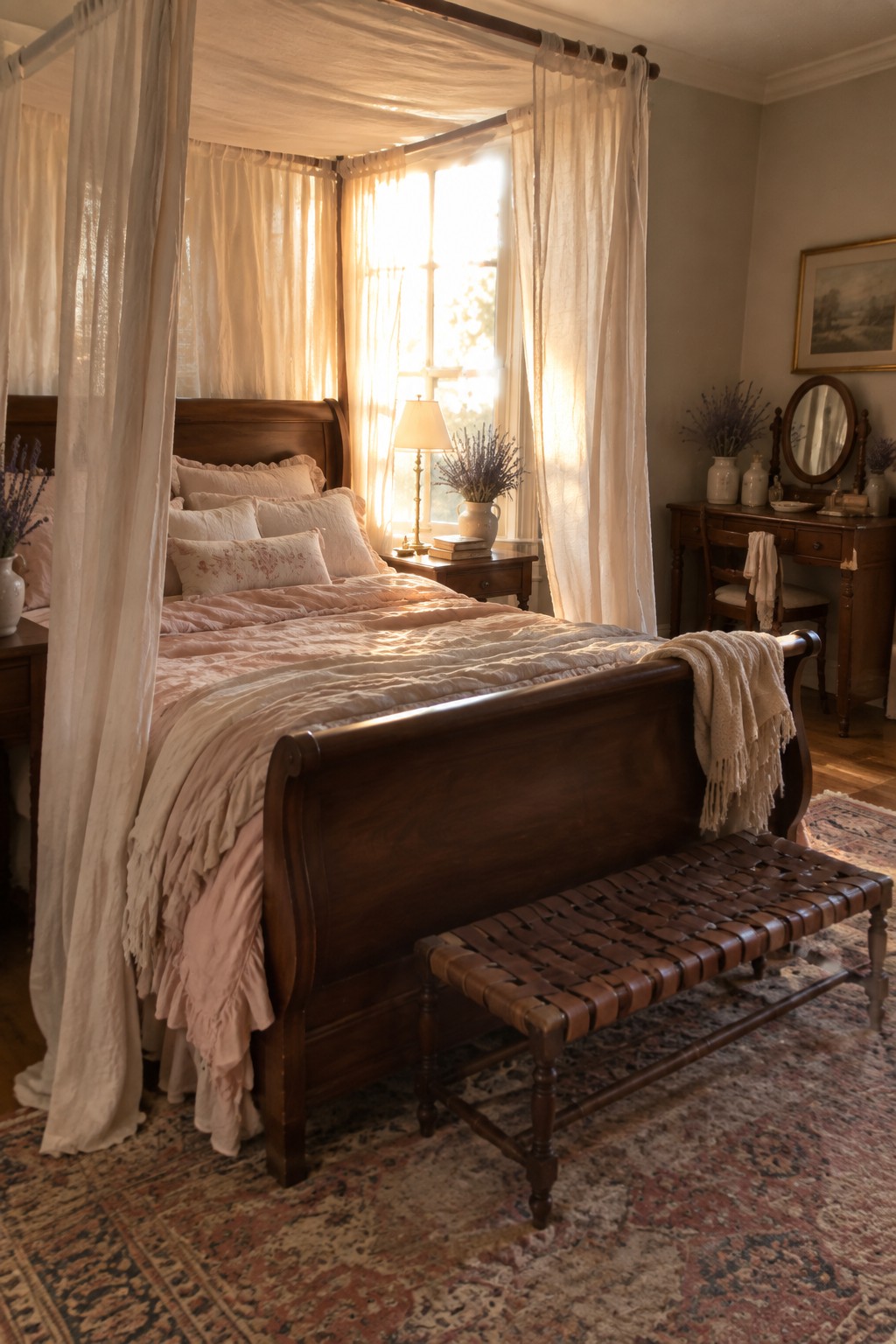
A sleigh bed in deep walnut gives the bedroom a solid center without needing much else. The curved headboard and footboard add shape, and the dark tone holds its own even when the walls and curtains stay pale.
This works best in rooms that get good natural light, since the wood can feel heavy if everything else is dark too. Pair it with a simple bench at the foot for extra seating and to keep the look balanced rather than cluttered.
Match The Wood Tone Across Your Furniture
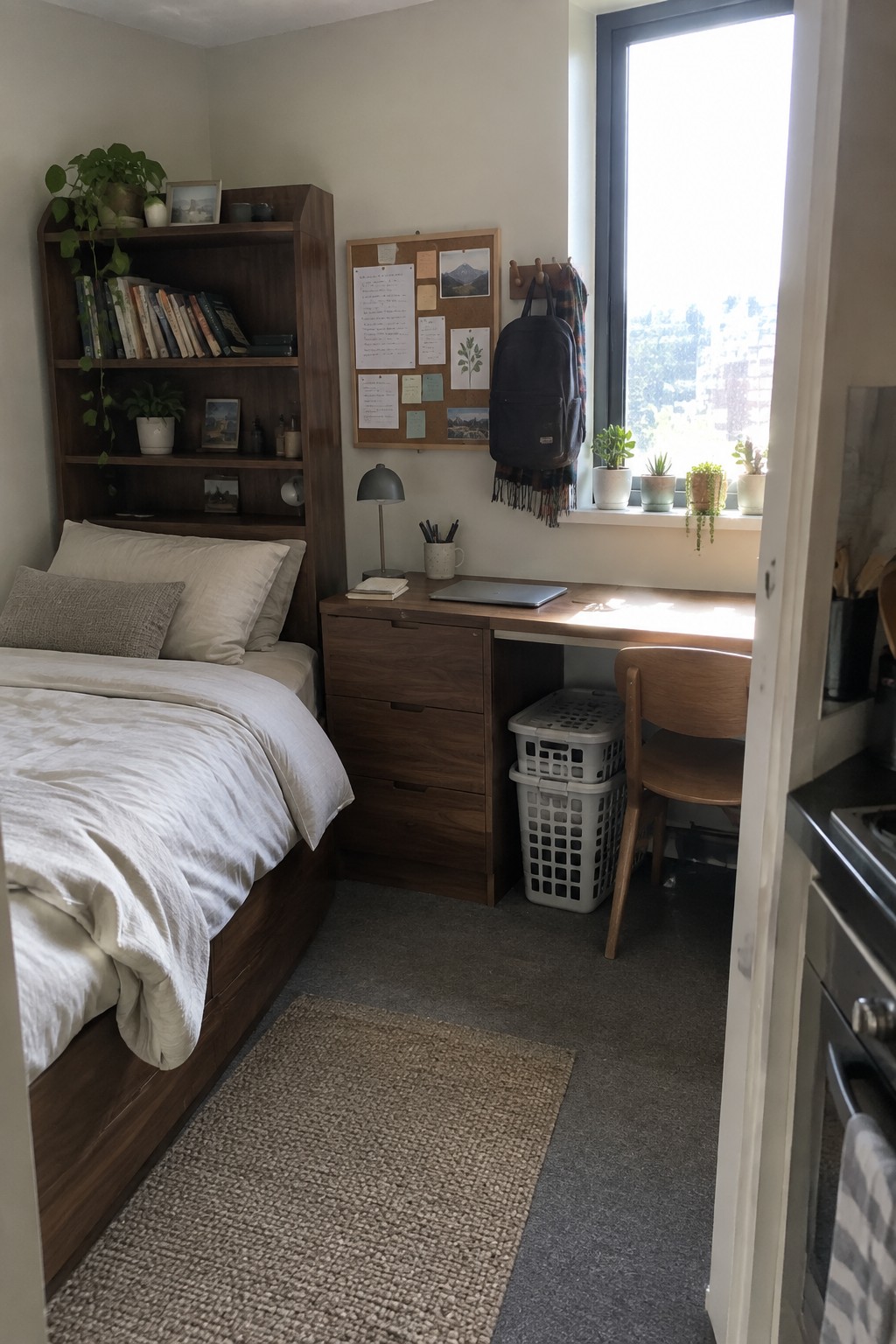
Keeping all the main pieces in the same deep walnut tone helps a bedroom feel calm and put together. The bed, bookshelf, and desk all share that rich color, which makes the space read as one steady unit instead of a mix of separate items.
This works especially well in smaller rooms where you want things to feel steady rather than busy. Stick with the same finish on the larger pieces and let the textiles stay light so the wood stays the main feature.
Let Dark Walnut Furniture Set a Calm Tone
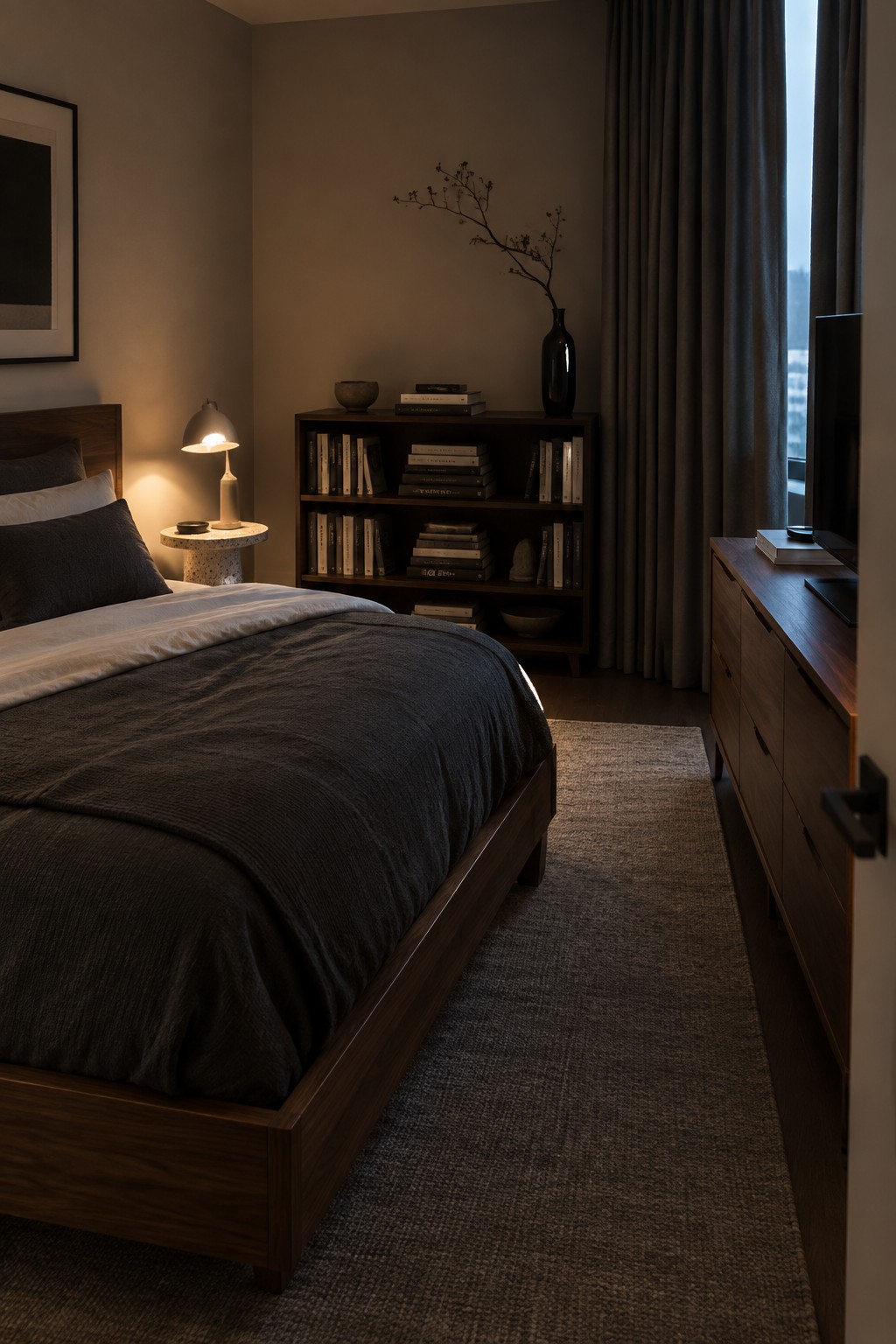
Dark walnut pieces work well when the rest of the room stays quiet. The bed frame and dresser share the same deep wood tone, which pulls the space together without needing extra color or pattern on the walls.
This approach suits smaller bedrooms or apartments where you want the furniture to feel substantial but not heavy. Keep bedding and curtains in soft neutrals so the wood stays the focus rather than competing with other elements.
Frequently Asked Questions
Q: Will dark walnut furniture make my bedroom look too gloomy?
A: Choose pieces with some lighter grain patterns to break up the depth. Position them near windows so natural light hits the surfaces. This keeps the room feeling warm instead of heavy.
Q: Can I mix walnut with metal or fabric accents?
A: Yes, walnut works well with brass hardware or linen bedding for contrast. Start with one or two metal lamps on the nightstands. The deep wood tones ground the softer elements nicely.
Q: How do I clean walnut without damaging the finish?
A: Use a damp cloth for daily wipes and avoid soaking the wood. Apply a wood conditioner every few months to maintain the color.
