

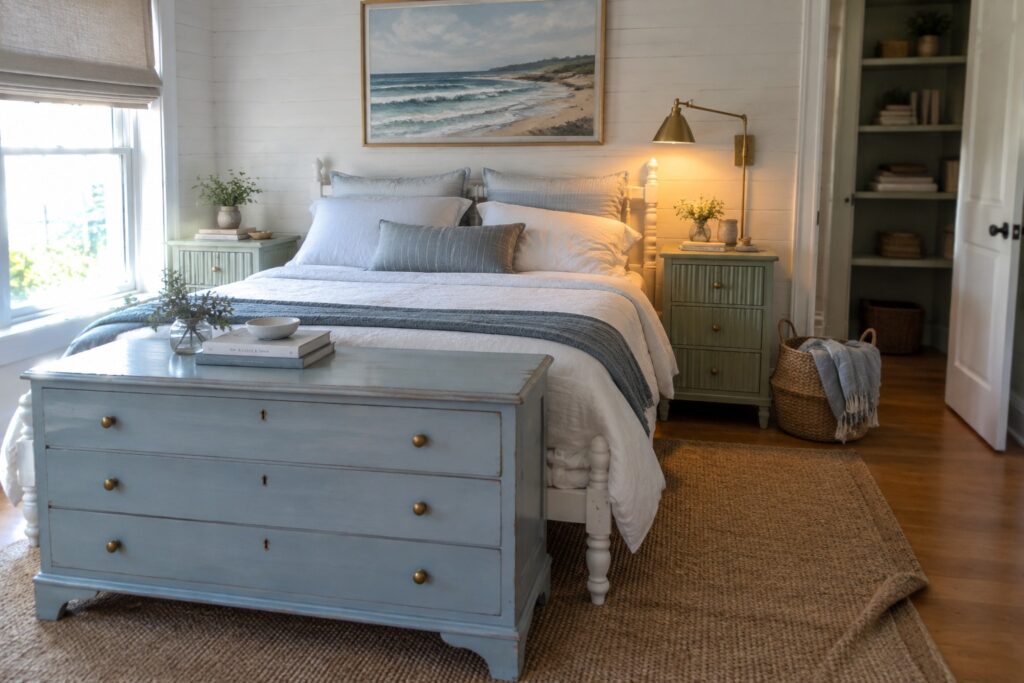
When I step into a bedroom the furniture color often shapes how the whole space feels long before I notice the bedding or the lighting.
Painting a few key pieces can refresh the room without replacing anything, and it lets the layout work better when the tones actually suit how the space is used each day.
I usually try a couple of sample patches on the back of a drawer first because the final shade can shift once the piece sits against the walls and the floor.
Ideas that focus on function as much as looks tend to hold up better once the room is in daily use rather than just staged for a photo.
A few of these updates are worth trying at home.
Paint A Chest In Soft Blue
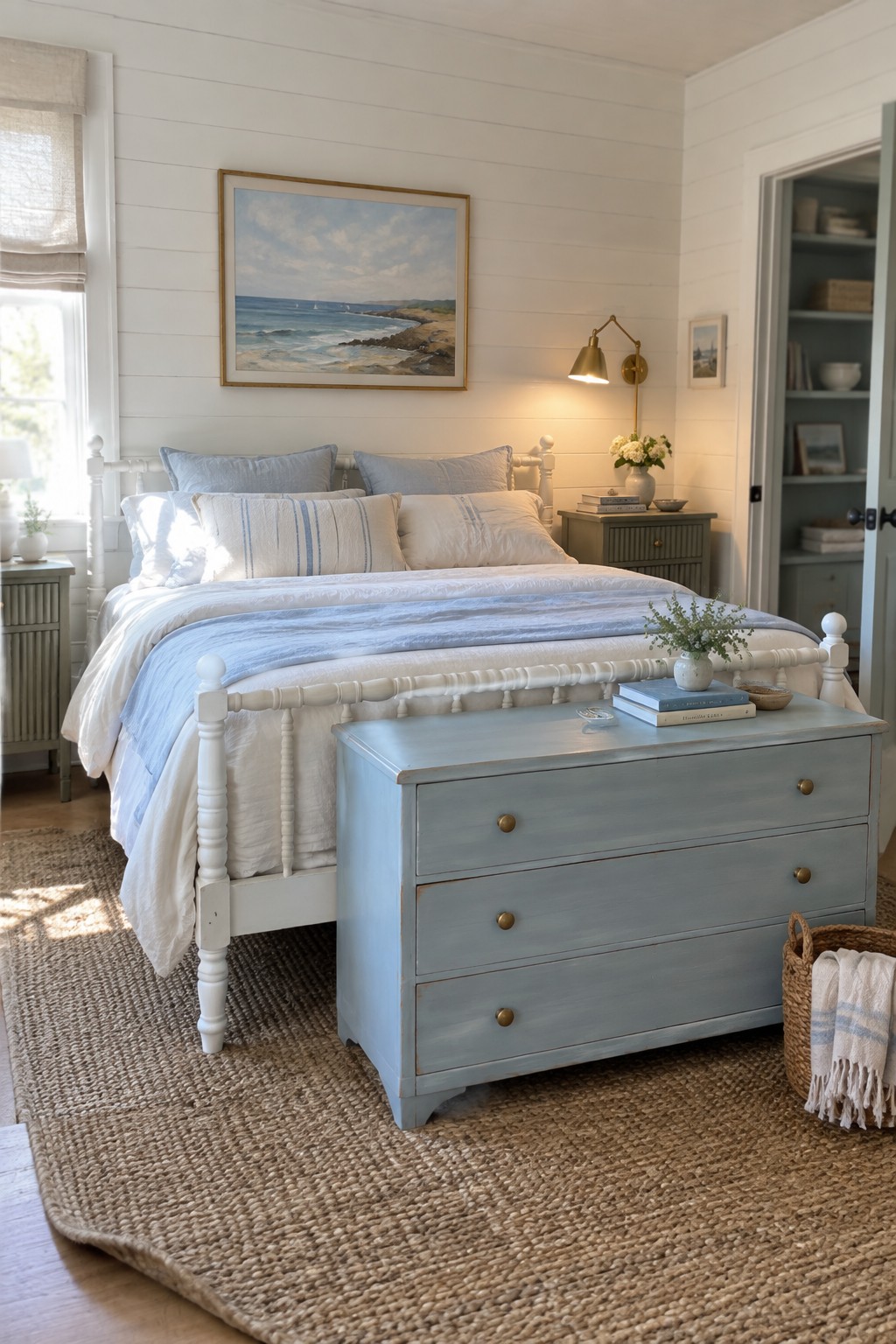
Painting a chest in a soft blue shade is a simple way to bring color into a mostly white bedroom without making the space feel busy. The gentle tone adds just enough interest while keeping the overall feeling calm and light.
This works especially well in rooms that already have white or off-white walls and bedding. Place the chest at the foot of the bed for extra storage, and keep the hardware simple so the color stays the main focus.
Paint the Main Pieces in a Deep Navy
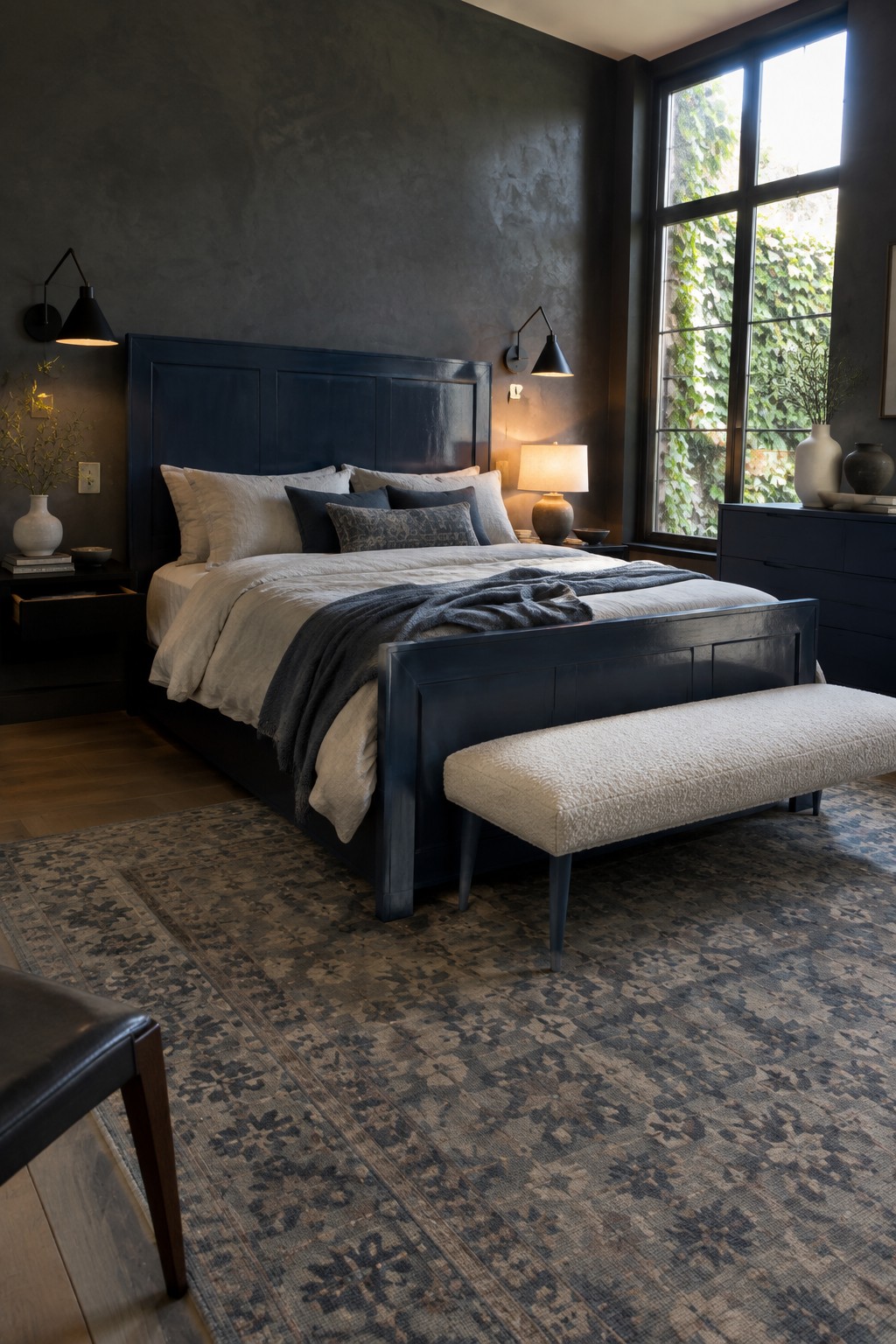
Painting the bed frame, nightstands, and dresser the same dark color gives a bedroom a finished look that feels intentional. It works especially well when the walls are already dark or textured, because the furniture then blends into the background instead of competing with it.
This approach suits older homes or rooms that need a quick refresh without replacing every piece. Keep the bedding and rug lighter so the painted furniture stays the focus. Just make sure the color has enough depth to read as a deliberate choice rather than an afterthought.
Matching Painted Finishes On Bedroom Furniture
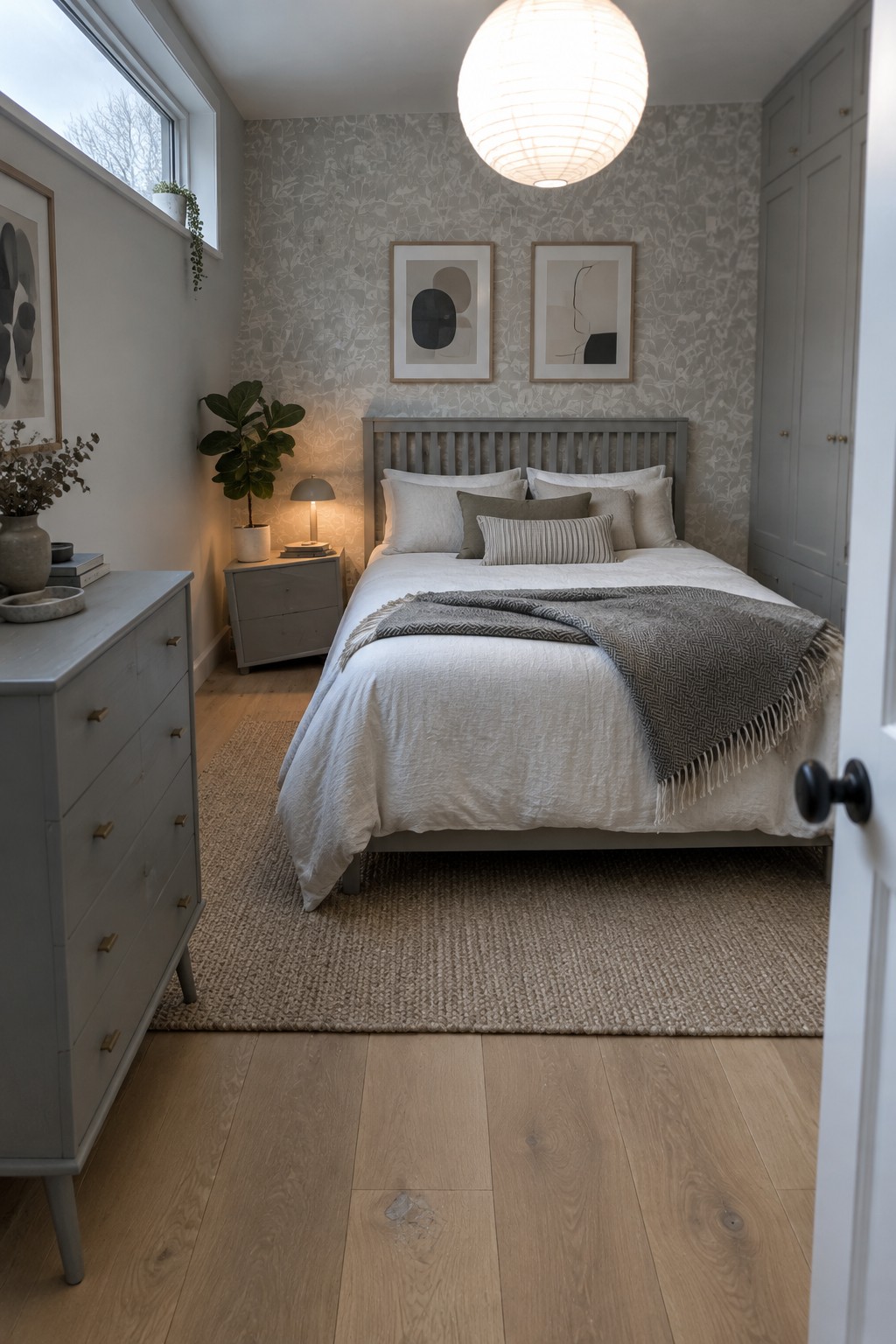
Painting several pieces in the same soft gray gives a bedroom a calm and finished look without much effort. The dresser and bed frame here show how that single color choice can tie older furniture together and make the whole room feel more current.
This approach works best when you have a few mismatched pieces you want to keep. Stick to the same paint sheen across everything and test the color on a small drawer first so the final result stays even.
Painting Bedroom Furniture In A Soft Green Shade
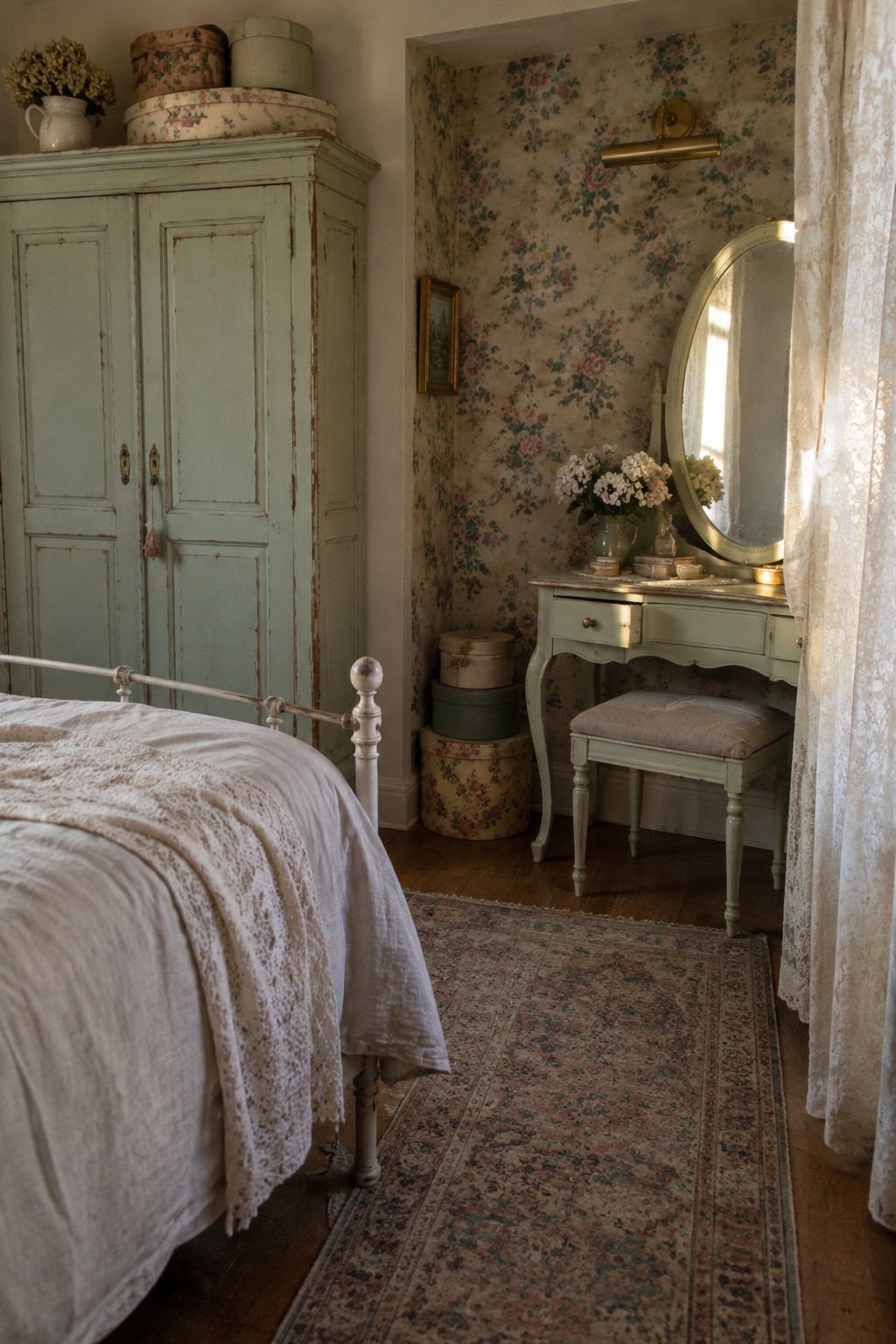
Painting bedroom furniture in a soft green shade gives the room a gentle, pulled-together look without needing lots of new pieces. The same muted color on the main items keeps things simple and calm, especially when the wood has some age or wear showing through.
This approach suits older homes or rooms with mismatched secondhand finds. Choose one light, slightly grayed green and apply it to the largest pieces first so the color feels intentional rather than scattered.
Two Tone Painted Bed Frames
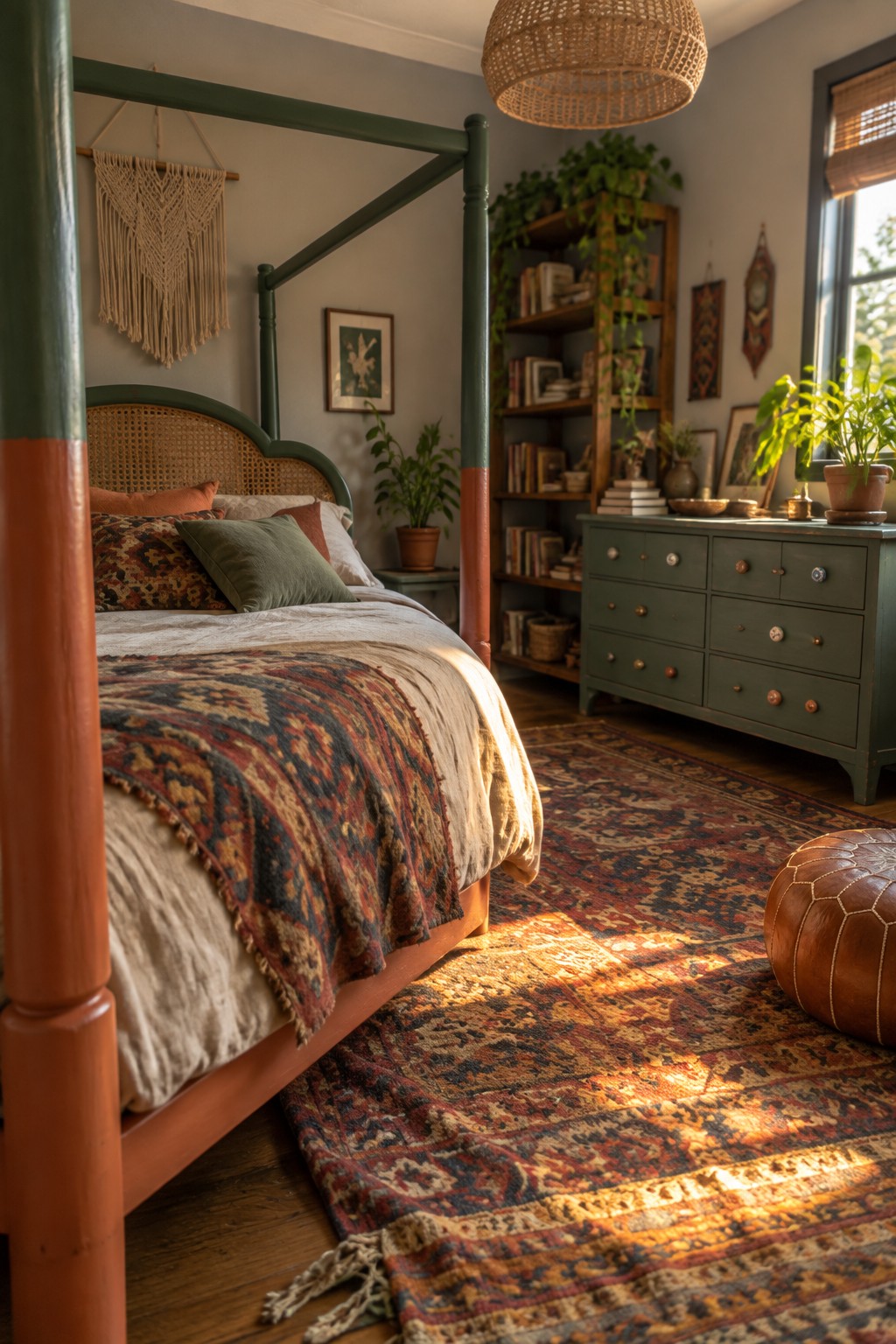
Painting a bed frame in two different colors gives the whole room a quick lift without needing new furniture. The contrast between the upper green and lower terracotta sections on this frame draws the eye and makes the bed feel more like a built piece rather than something bought off the floor.
This approach works best in bedrooms that already have some wood or warm tones, since the paint adds color while still showing the shape of the original frame. It suits older homes or spaces where you want a bit of personality without going full bold on every surface. Just keep the two colors close in tone so the look stays calm rather than busy.
Paint Bedroom Furniture Black
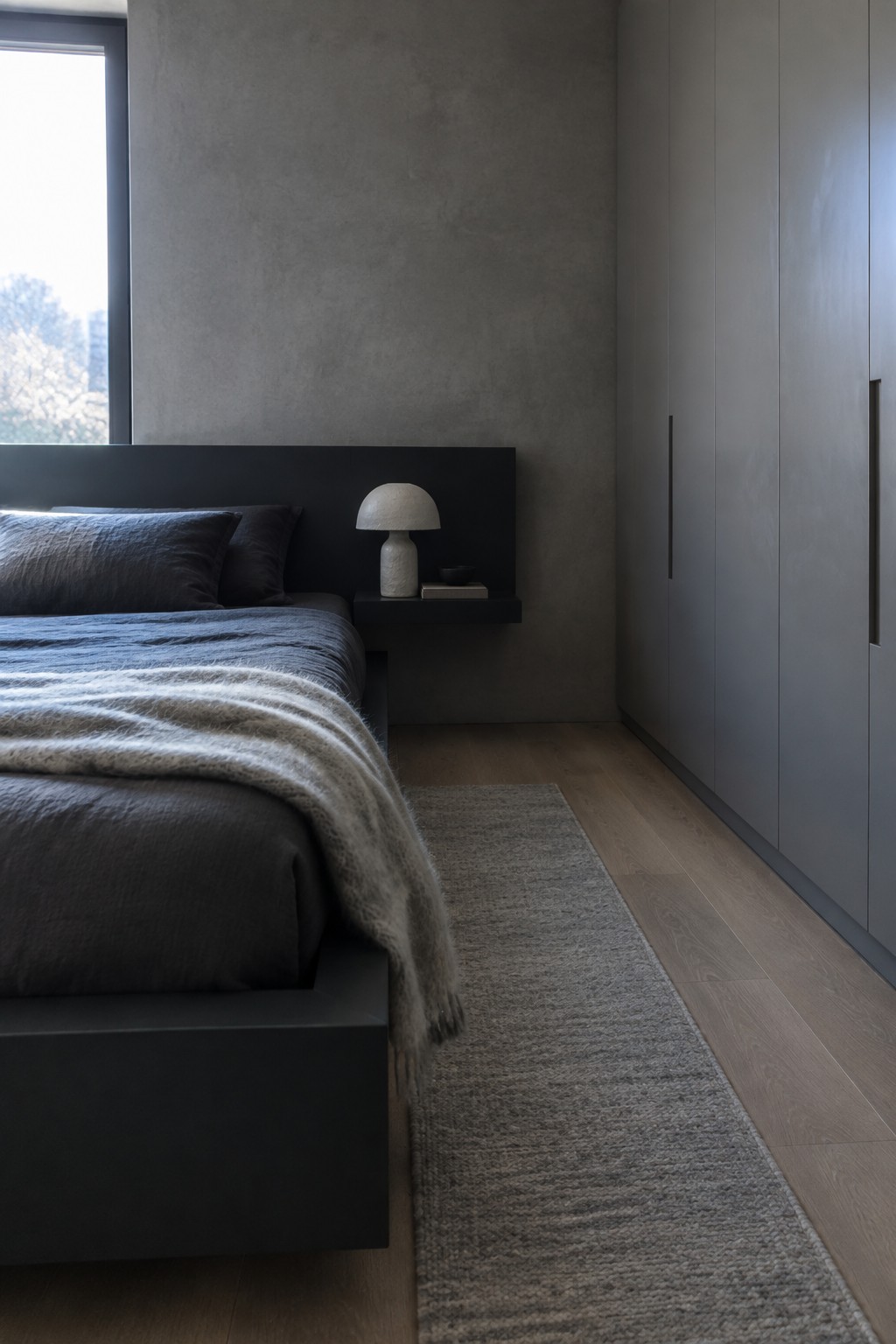
Painting bedroom furniture black gives the whole room a strong, grounded feel without needing lots of extra pieces. The dark finish on the bed and nightstand creates a clean contrast against lighter walls and wood floors, which keeps the space from feeling flat or overly busy.
This approach works best in smaller rooms or spaces with simple layouts, where the painted pieces can stand out on their own. Stick to matte or low-sheen paints on wood furniture so the color feels soft rather than harsh, and test the shade on a small section first since black can read cooler or warmer depending on the light.
Soft Blue Painted Dressers
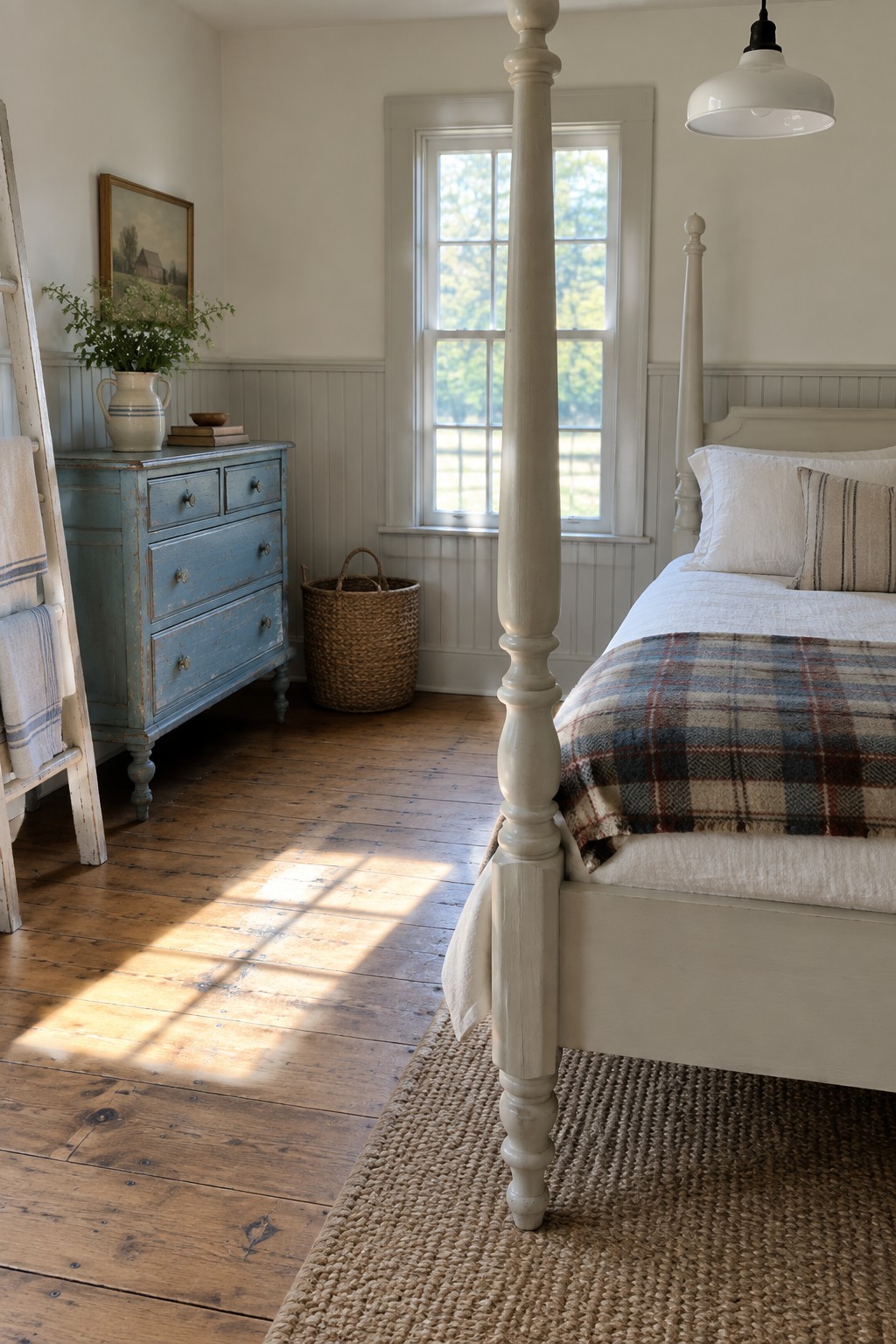
A dresser painted in a soft blue finish brings just enough color to a bedroom without overpowering the space. The gentle shade feels calm next to white bedding and bare wood floors, and it gives an older piece a simple refresh that still looks quiet and put together.
This works best in rooms that already stay mostly neutral. Keep the walls light, skip busy patterns, and let the painted piece stand on its own. It suits older homes or any space where you want storage that feels personal rather than stark.
Soft Pastel Paint Colors for Bedroom Furniture
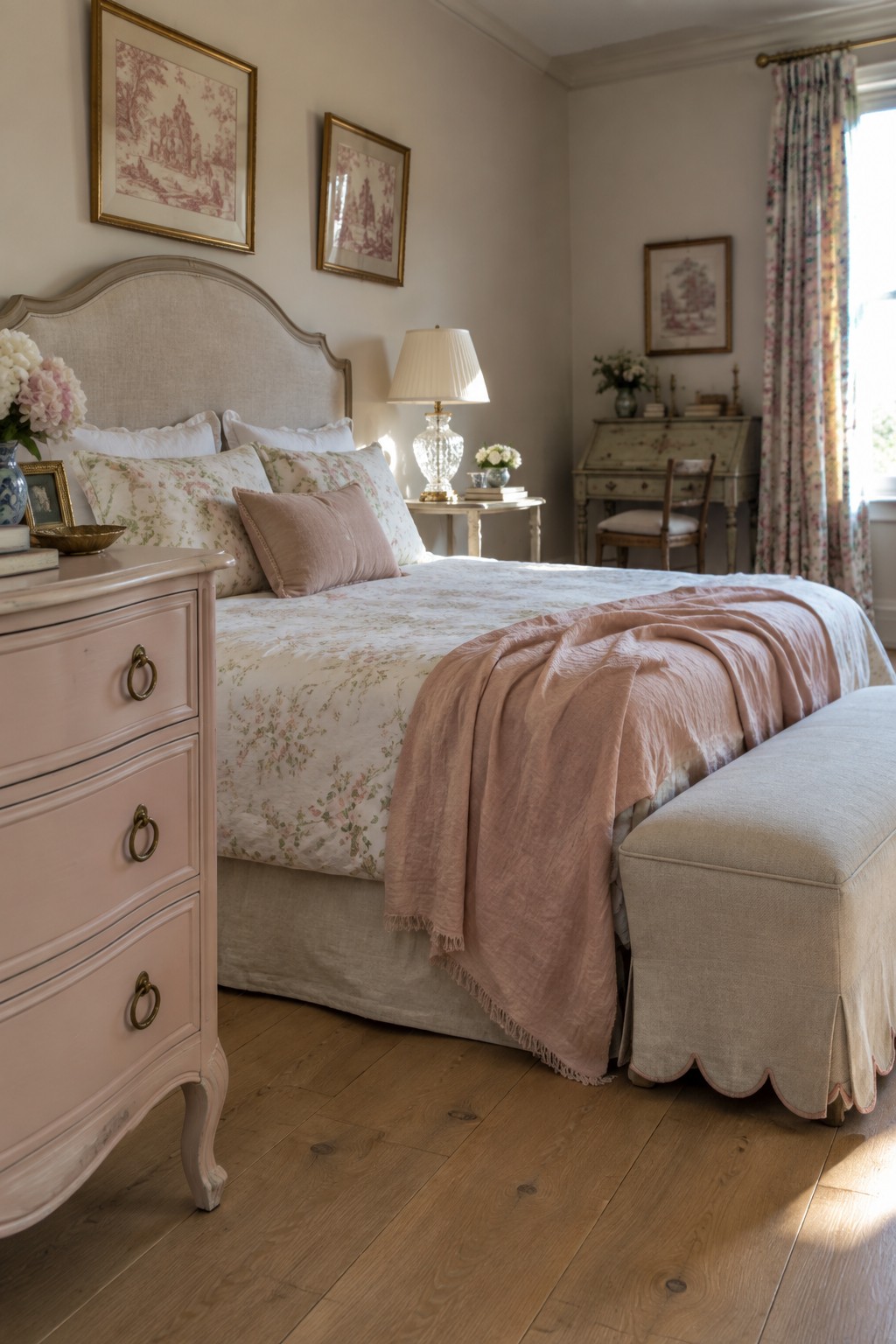
Painting bedroom furniture in soft shades like blush pink or pale green gives older pieces a fresh start without replacing them. The color keeps the wood grain visible while making the room feel lighter and more coordinated with floral fabrics or simple linens.
This works best in homes with traditional or cottage details where you want a calm update. Stick to muted tones rather than bright colors, and test the shade on a small drawer first so it blends with your existing bedding and walls.
Rainbow Gradient Paint On Storage Chests
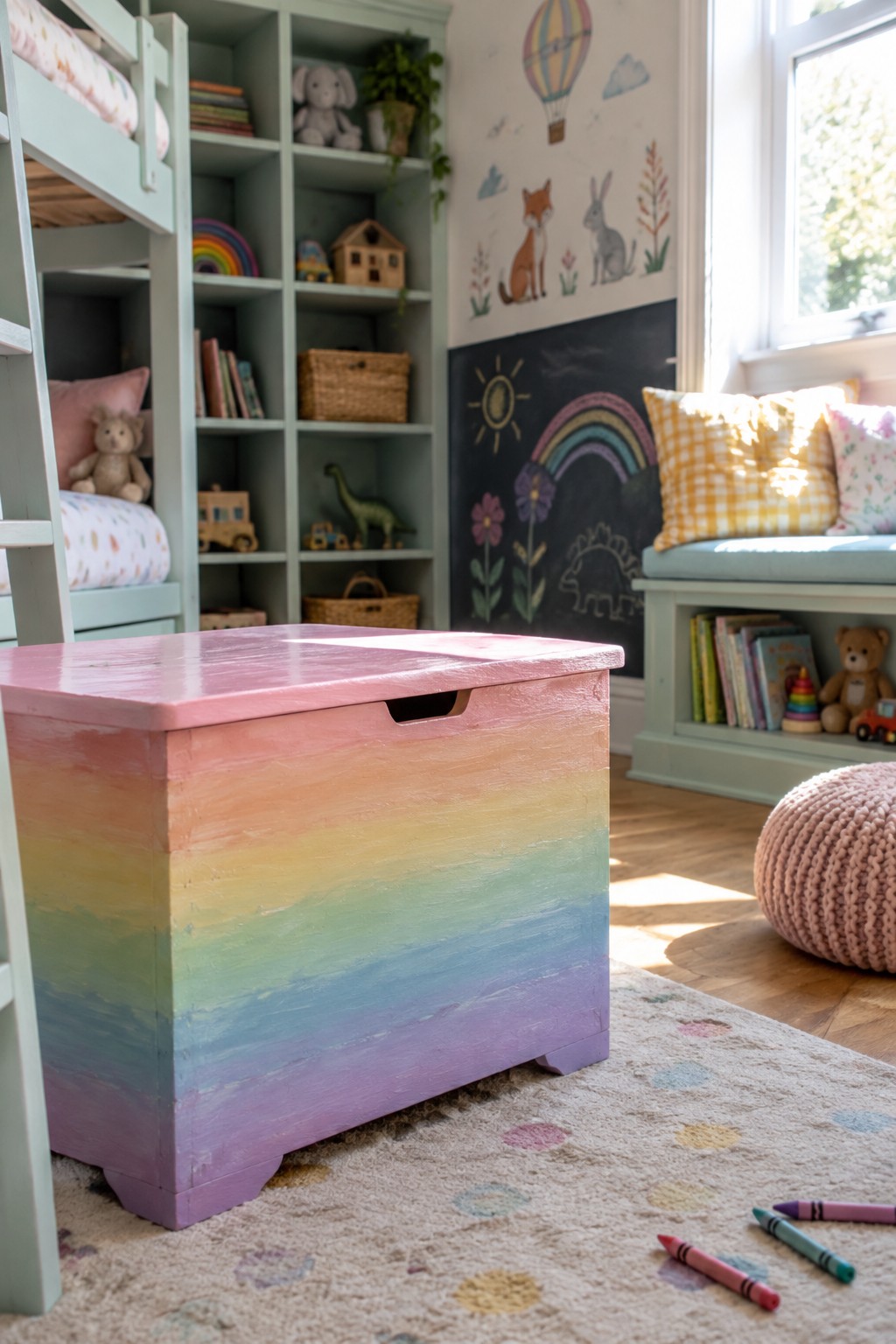
A plain wooden chest can feel brand new with a simple gradient paint treatment. The soft bands of color turn basic storage into something cheerful that fits right into a kid’s room without overpowering it.
This finish works best on pieces that already have clean lines and flat surfaces. Start with a light sanding, then brush on the colors from one end to the other in thin coats. It suits smaller bedrooms where you want color but still need the furniture to stay practical.
Paint Bedroom Furniture The Same Color As The Walls
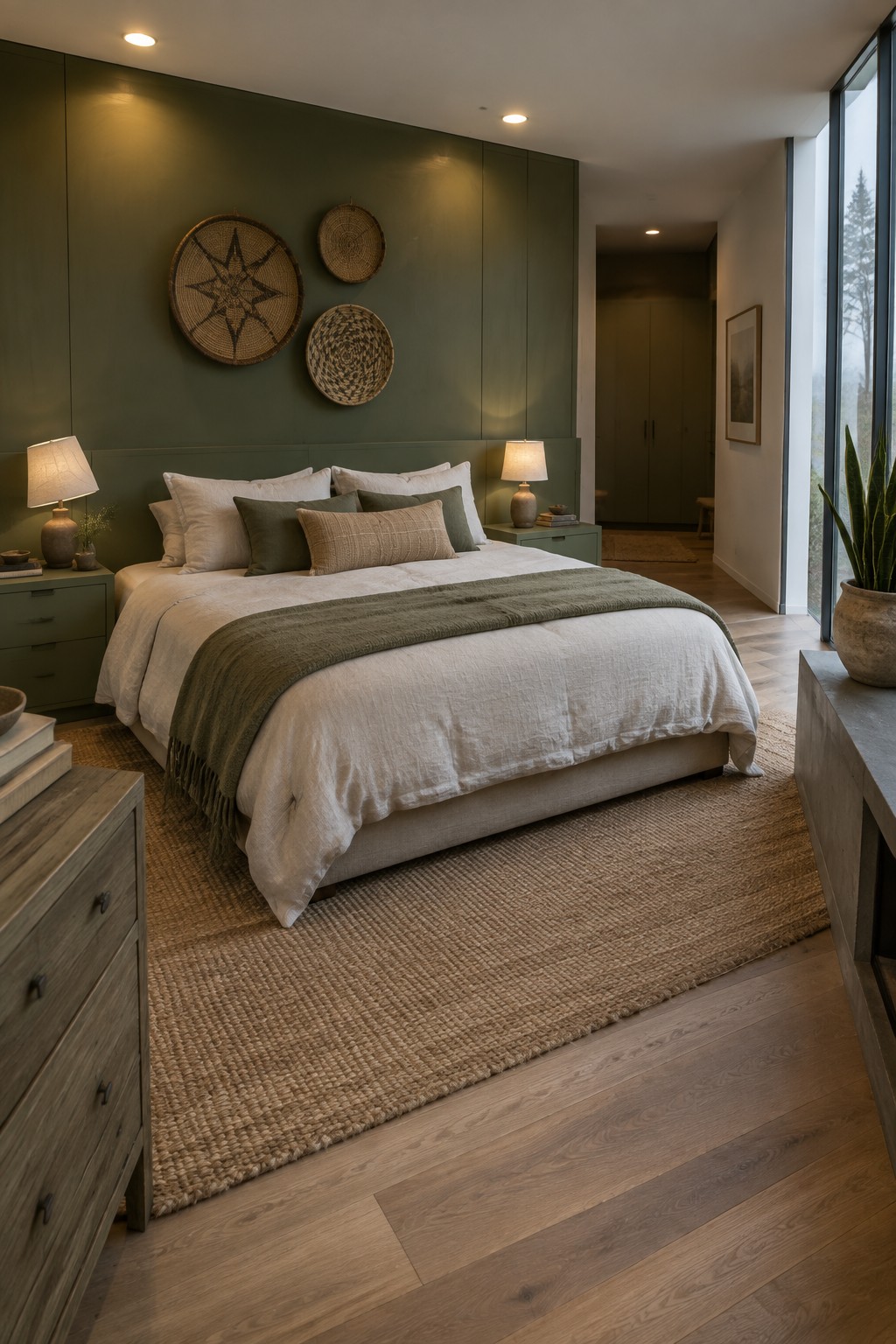
Painting your bedroom furniture to match the wall color gives the whole room a quiet, pulled-together look. In this space the nightstands and bed frame are finished in the same soft green as the wall behind them, so nothing stands out too sharply and the eye can rest.
This approach works especially well in smaller bedrooms or when you want a calmer feel without adding more contrast. Stick to a muted shade, test it on a sample board first, and keep the bedding and rugs in lighter tones so the room does not feel heavy.
Painted Furniture In Soft Coastal Colors
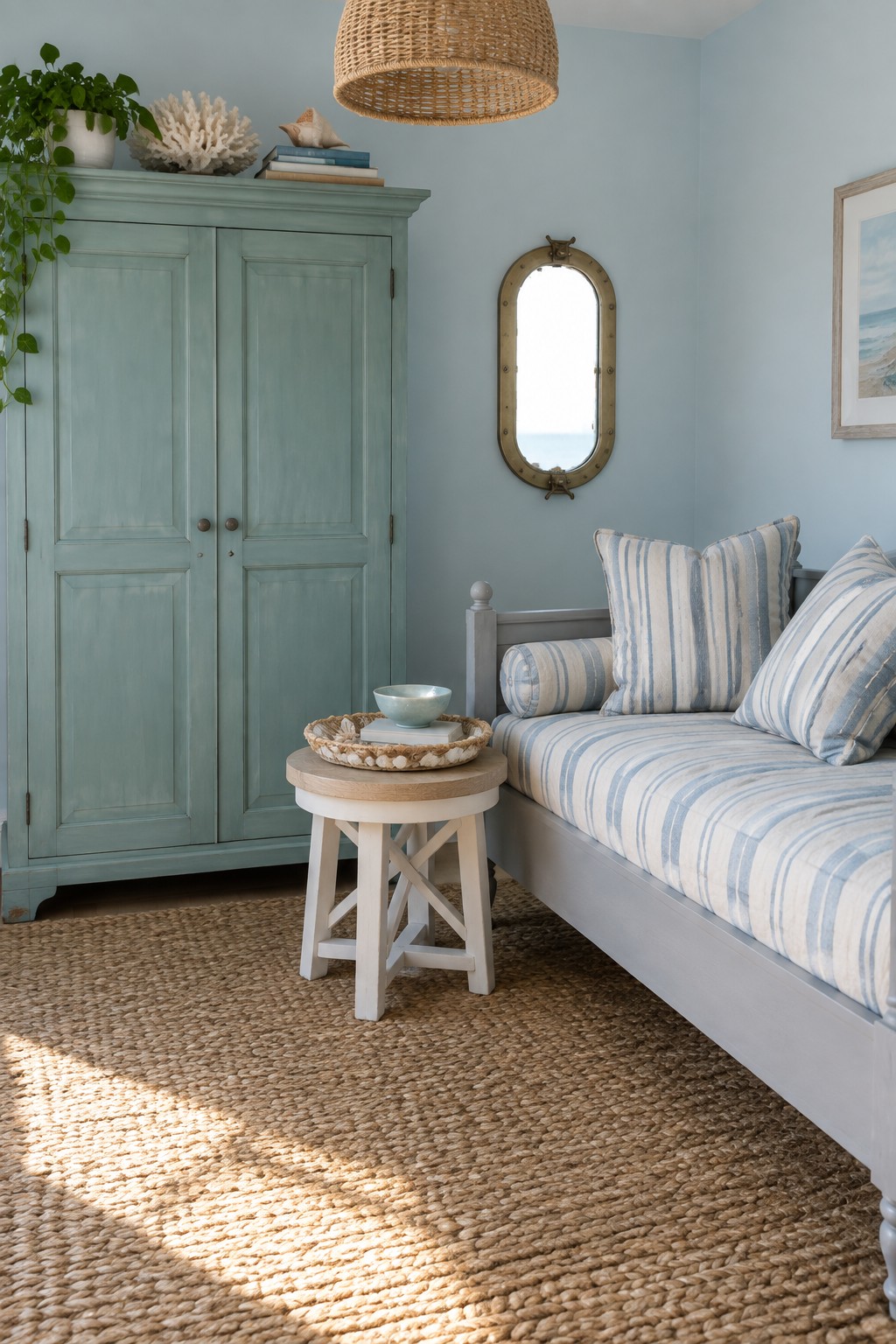
Painting bedroom furniture in gentle blue green shades keeps the room feeling light and easy. The tall armoire in a muted sea tone stands out here because it brings color without weighing the space down.
This works best in homes that lean coastal or casual. Choose matte finishes and keep the rest of the room simple with pale walls and natural textures so the painted pieces stay calm and fresh.
Gray Painted Furniture For A Calm Bedroom
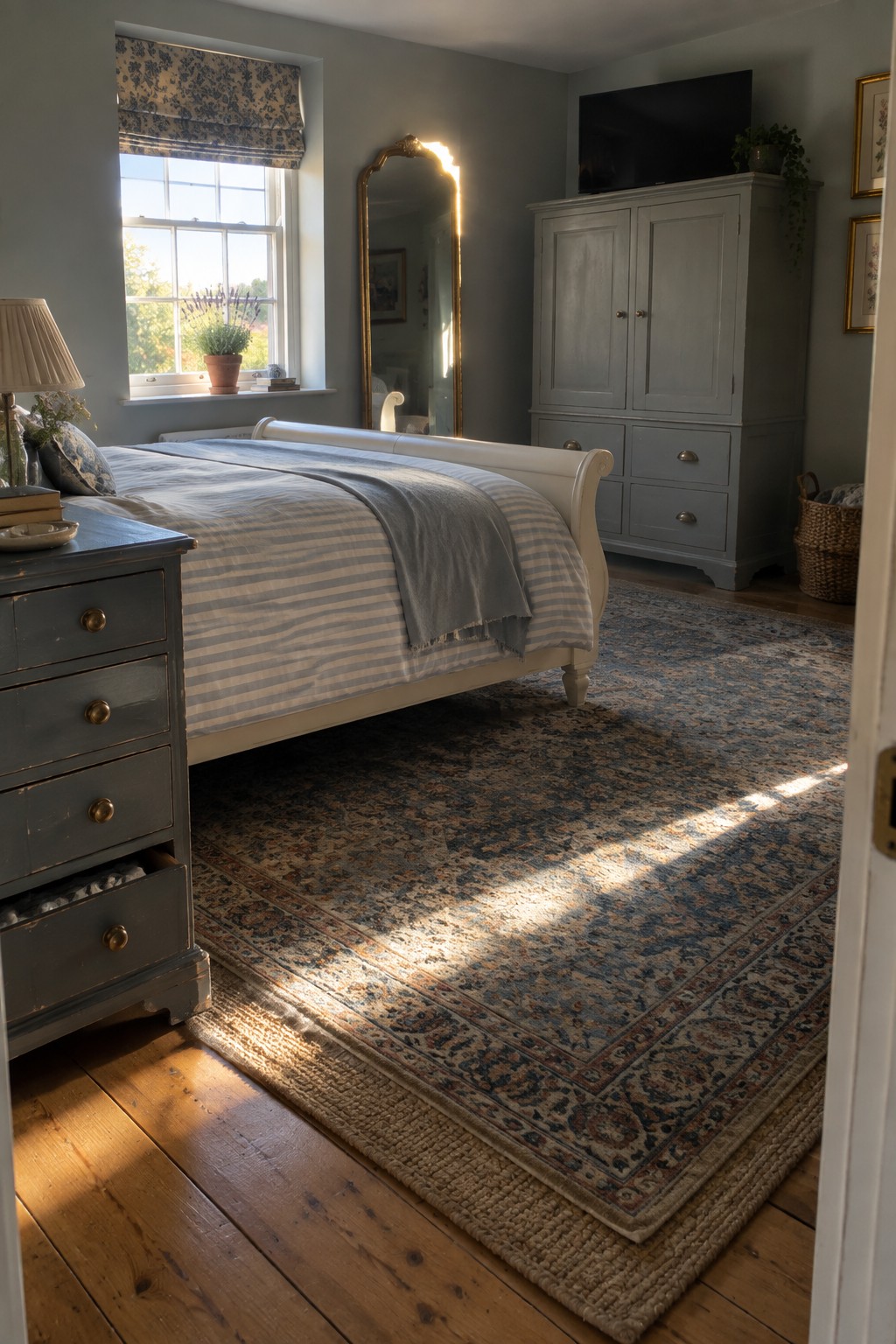
Painting bedroom furniture in a soft gray tone gives the whole space a quiet, settled look. The color sits nicely against lighter walls and wood floors, so nothing feels too stark or heavy.
This works best in rooms where you want the furniture to feel part of the background rather than the main event. Start with a dresser or wardrobe if you are testing the idea, and keep the bed frame in a lighter shade for a bit of contrast.
Paint a Vanity in a Bold Color
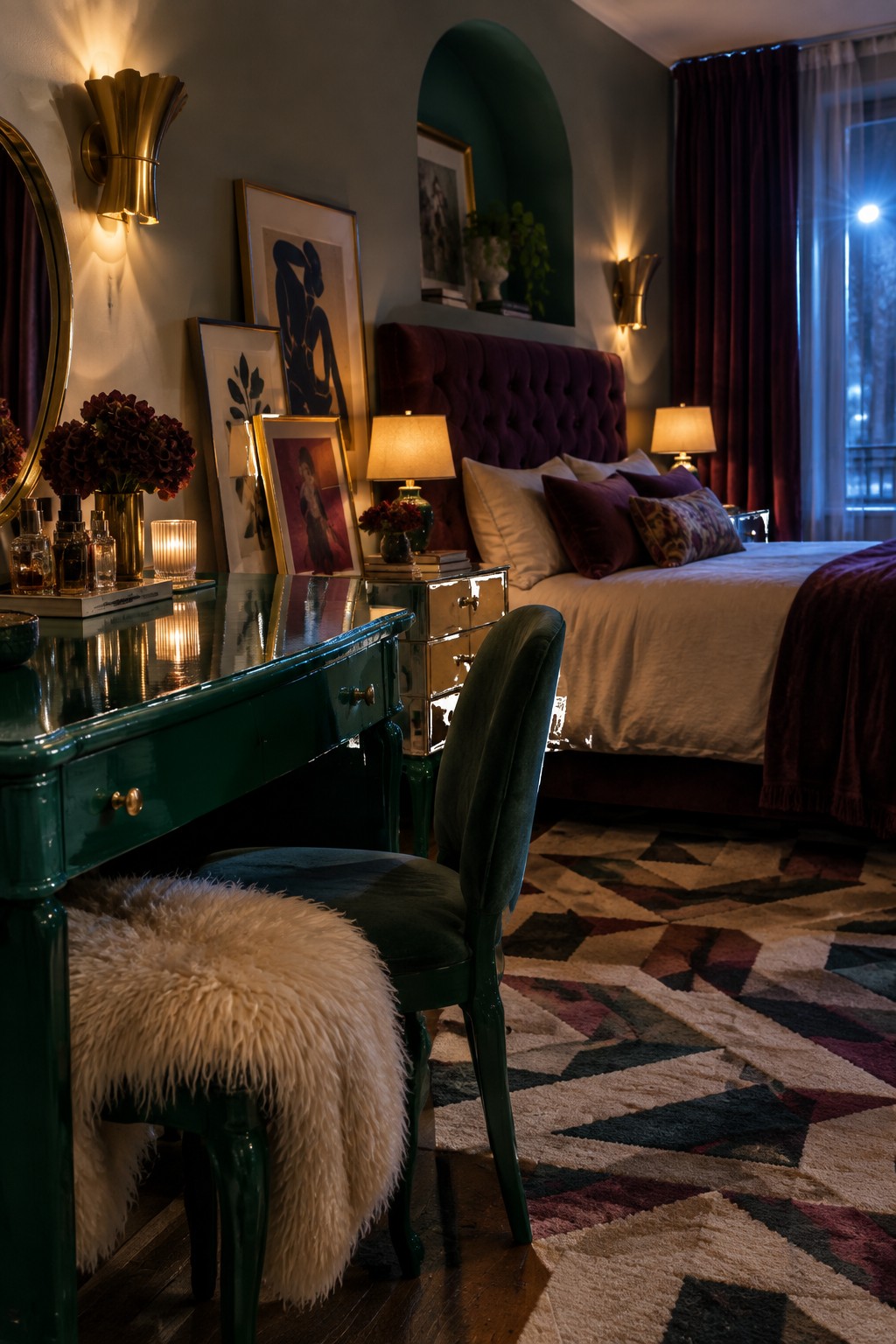
A painted vanity in a deep glossy shade gives a bedroom a quick hit of color that feels more personal than another neutral piece. The finish catches light nicely and helps the furniture stand out against softer bedding and walls without needing a full room overhaul.
This approach works best in spaces that already have some pattern or texture, so the color does not feel too stark. Stick to one or two painted pieces rather than covering every surface, and test the gloss level first since a shiny coat can brighten a darker corner.
Painting Furniture In One Soft Color
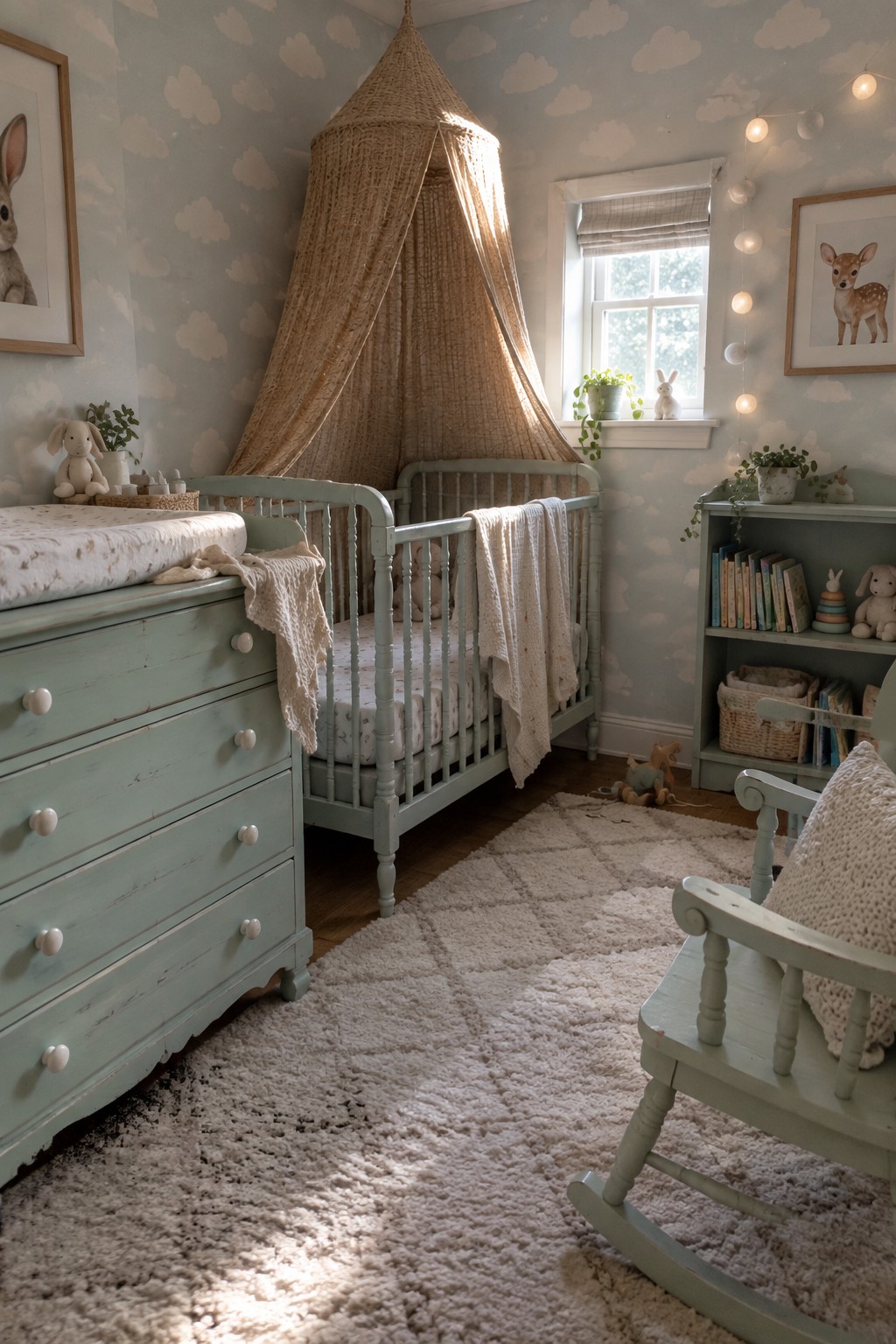
Painting several pieces of furniture the same soft shade is a simple way to make a bedroom feel more put together. The crib and dresser here share the same muted green, which keeps the space calm and avoids a busy mix of finishes.
This approach works best in smaller rooms or kids spaces where you want things to feel gentle rather than bold. Stick to one light color across the main pieces and let the walls and textiles add any extra interest.
Painted Furniture For A Simple Bedroom Update
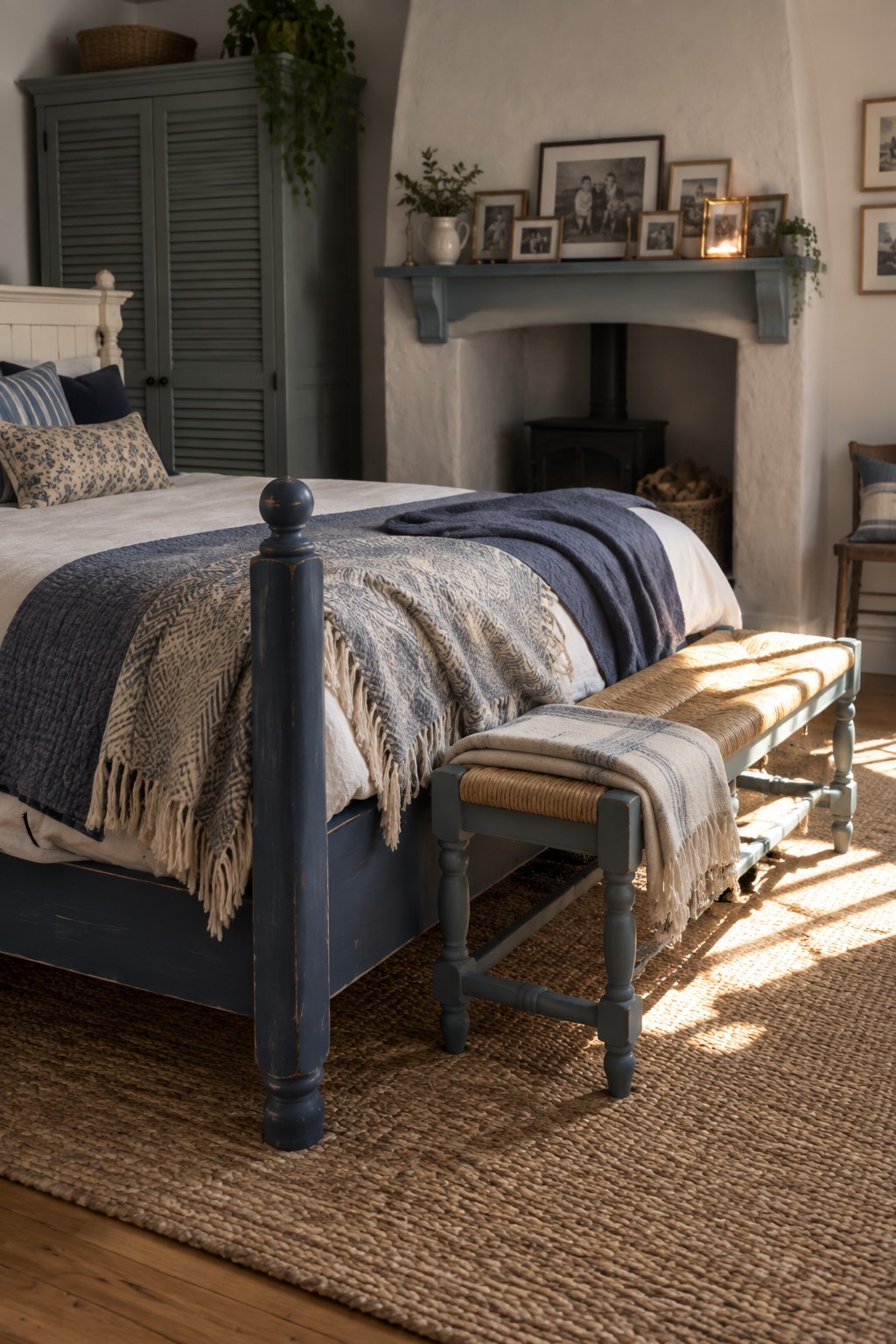
Painting bedroom furniture in one soft color can give the whole room a fresh start without buying new pieces. The bed and bench here share the same blue-gray finish, which keeps things feeling pulled together while still looking relaxed and lived in.
This works especially well in older homes or spaces that already have wood floors and simple textures. Stick to one color family across a few pieces rather than matching everything exactly, and test the paint on a small area first since wood can take color differently.
Paint Your Bed And Dresser In The Same Color
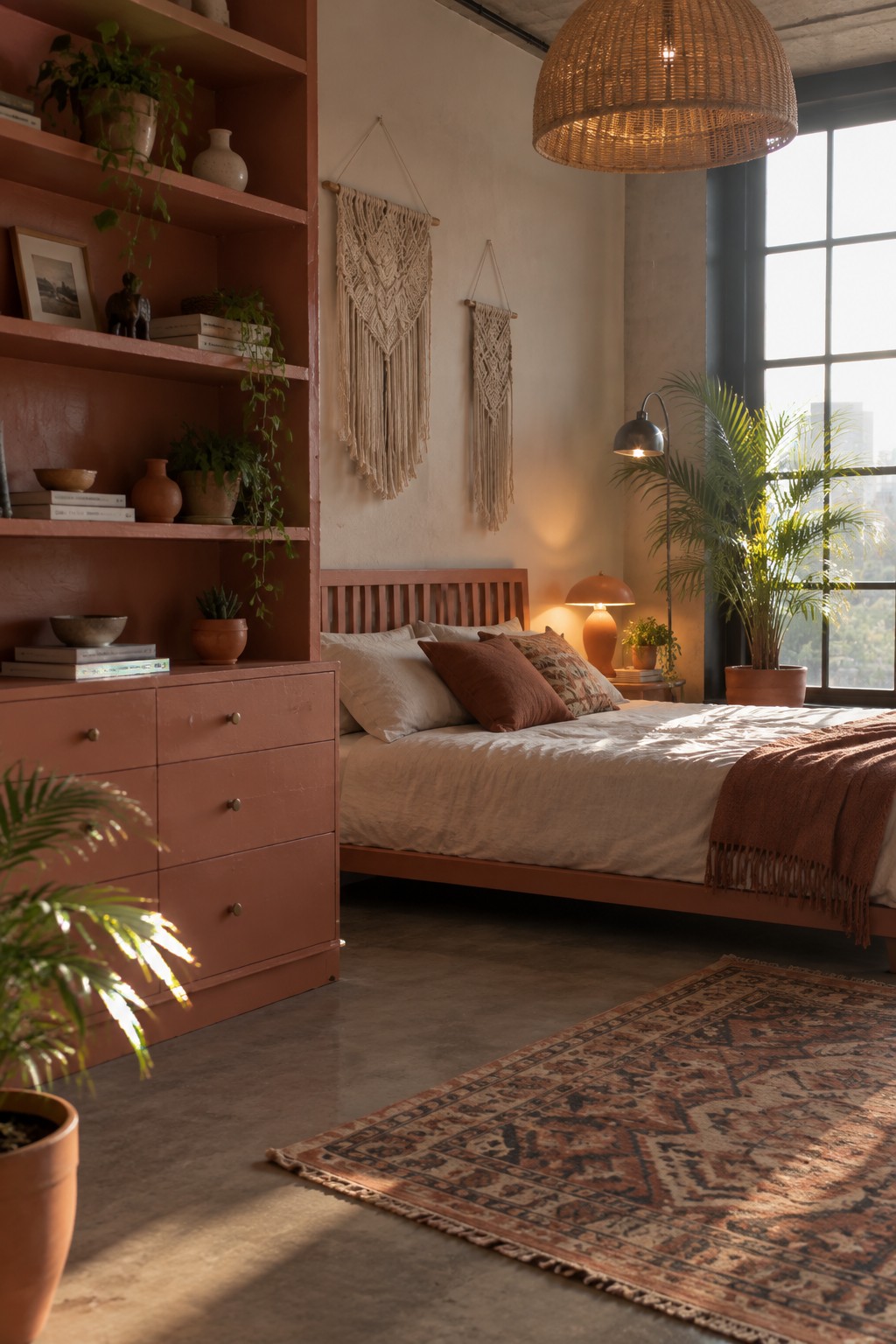
Painting the bed frame and dresser the same color keeps the room feeling calm and put together. When the pieces share one shade, they stop competing for attention and let the bedding and smaller accents do the work instead.
This works best in smaller bedrooms where you want the furniture to feel like built-ins rather than separate bulky items. Choose a matte or eggshell finish and test the paint on the back of a drawer first, since warm tones can look different once the whole piece is covered.
Painting Bedroom Furniture In One Soft Color
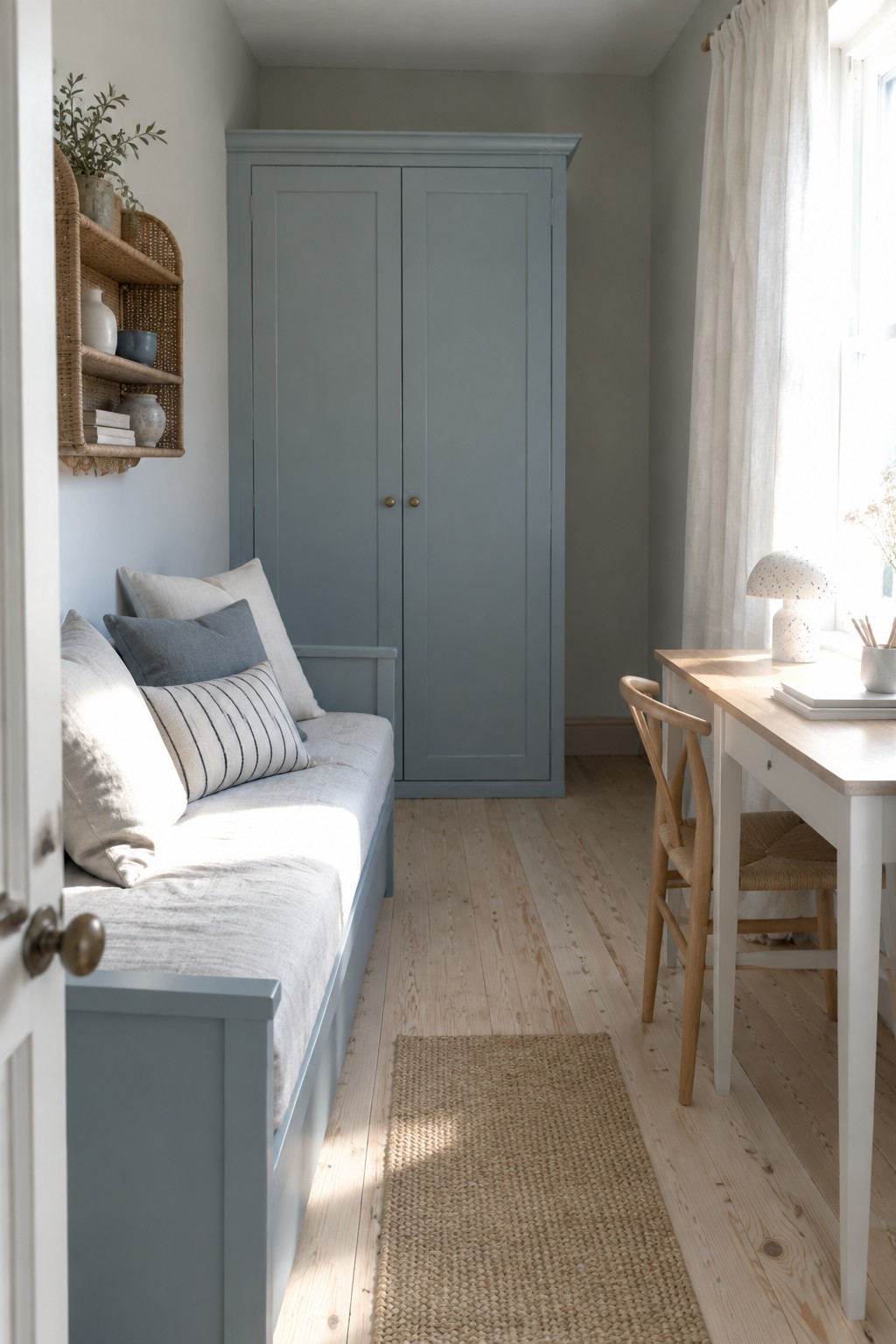
Painting several pieces of bedroom furniture in the same soft blue-gray gives the room a calm and pulled-together look. The matching finish on the bed frame and wardrobe helps everything feel intentional without needing a full set, and it works especially well when the walls are kept light.
This approach suits smaller bedrooms or guest rooms where you want the space to feel orderly. Pick a muted shade that blends with your bedding and curtains, and test the color on a small area first since paint can shift once it is on larger surfaces.
Paint Bedroom Furniture In Multiple Bright Colors

Painting bedroom furniture in several bold colors at once gives a room an instant lift without needing new pieces. The yellow bed frame and the teal dresser with its mix of purple and green drawers show how different hues can work together on separate items instead of matching everything.
This approach suits older furniture that needs a second life or rooms that already have patterned bedding and rugs. Stick to two or three colors max so the look stays lively rather than scattered, and test the shades on small drawers first before committing to larger surfaces.
Frequently Asked Questions
Q: Can I paint over existing finishes without sanding everything down?
A: You can get away with a light scuff sand and a good degreaser on most pieces. Then apply a bonding primer to help the new paint stick. Thin coats prevent drips and build up better than one thick layer.
Q: How do I stop drawers from sticking after I paint them?
A: Paint the inside edges and runners first so they dry fully before you reassemble. Rub a little wax along the tracks once everything cures. This keeps the drawers sliding smooth without extra buildup.
Q: What if the color looks too bold once I finish the first nightstand?
A: You can always add a second coat in a softer shade or mix a bit of white into the leftover paint. Test the mix on the back of the piece first. It saves time over starting from scratch.
