

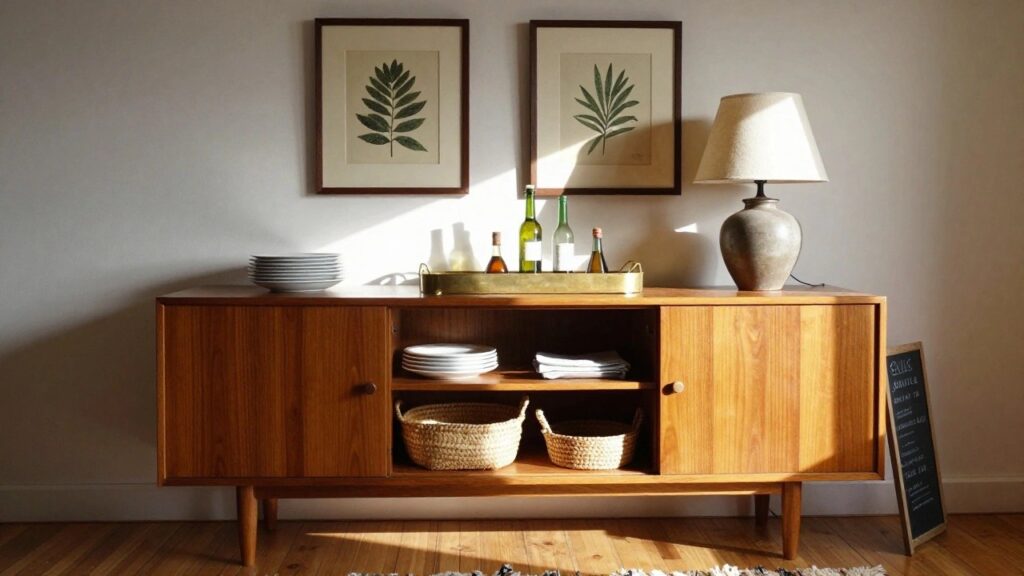
I often notice that a sideboard ends up holding whatever does not have a home elsewhere, which quickly throws off the balance of the dining area.
Over time I have learned that keeping the top clear for actual serving or display while using the inside for daily items changes how the room feels when guests arrive.
Small tweaks add up.
I like to think through what gets reached for most often before deciding on any new system, since that usually reveals the real problem spots.
Adapting these ideas to fit the actual dimensions and traffic patterns around my own piece has helped more than following strict rules ever did.
Mix Open And Closed Storage On A Sideboard
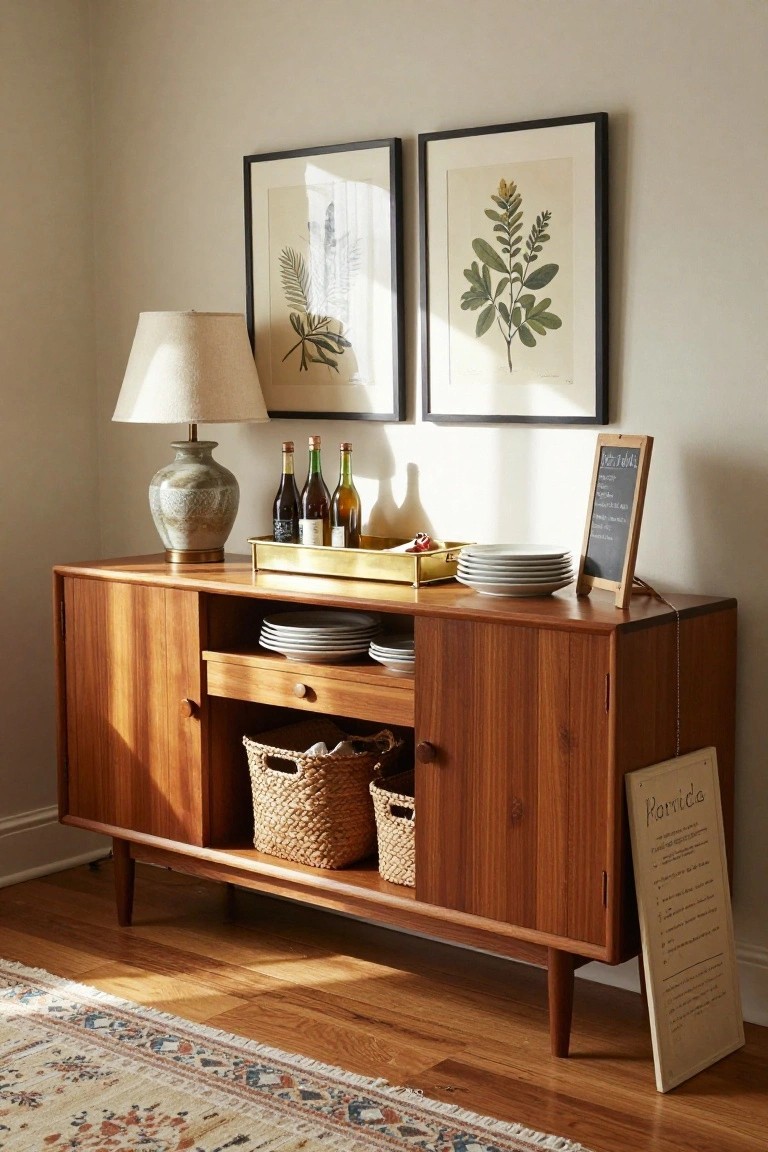
A sideboard with both open shelves and closed doors gives you the best of both worlds. You can grab plates or glasses quickly from the open areas while tucking away the clutter behind cabinet doors. Baskets in the open sections help keep things looking neat without hiding everything away.
This kind of storage works especially well in dining rooms or open plan spaces where you need everyday items close by. Fill the baskets with napkins or extra table linens so they stay organized but still easy to reach when you need them.
Labeled Baskets Keep Sideboard Storage Neat
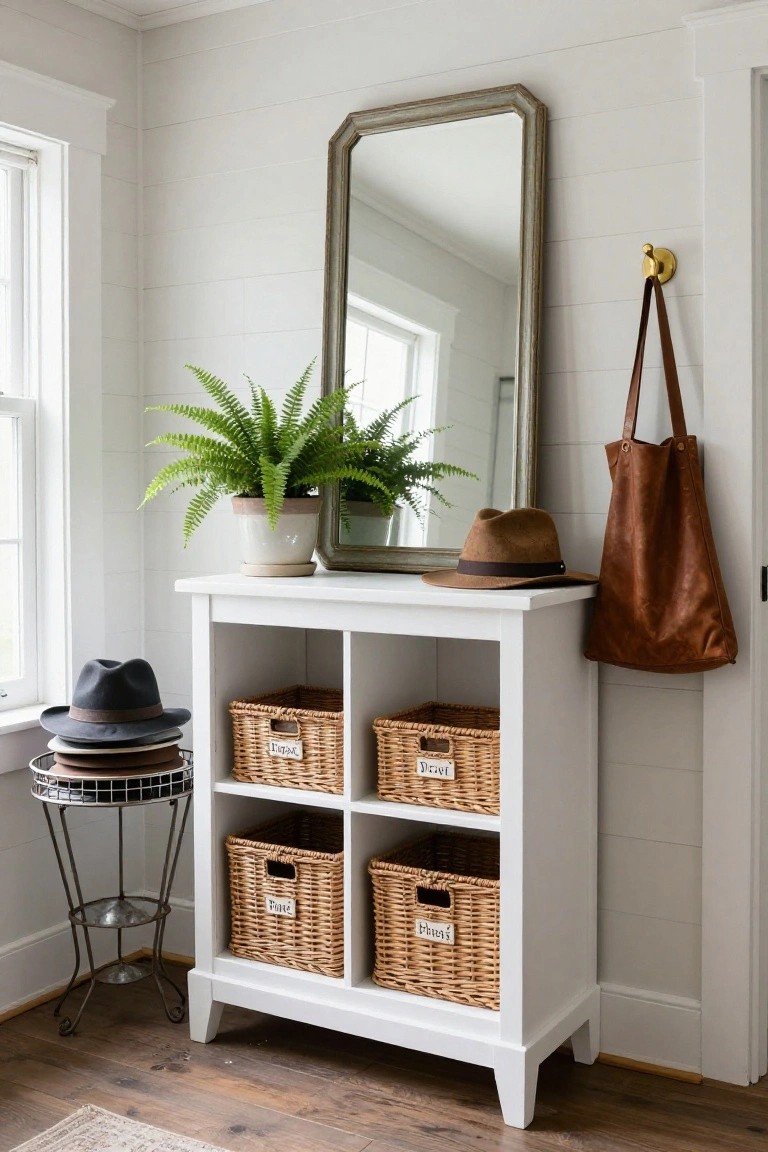
A sideboard works best when the open shelves stay organized instead of turning into a catch-all. Labeled baskets make that easy because you can see what goes where at a glance and still keep the look calm and simple.
This setup suits an entryway or hallway where coats, hats, and daily items pile up fast. Just sort things into matching baskets, add clear labels, and the space stays usable without extra effort.
Display Small Collections in Labeled Jars
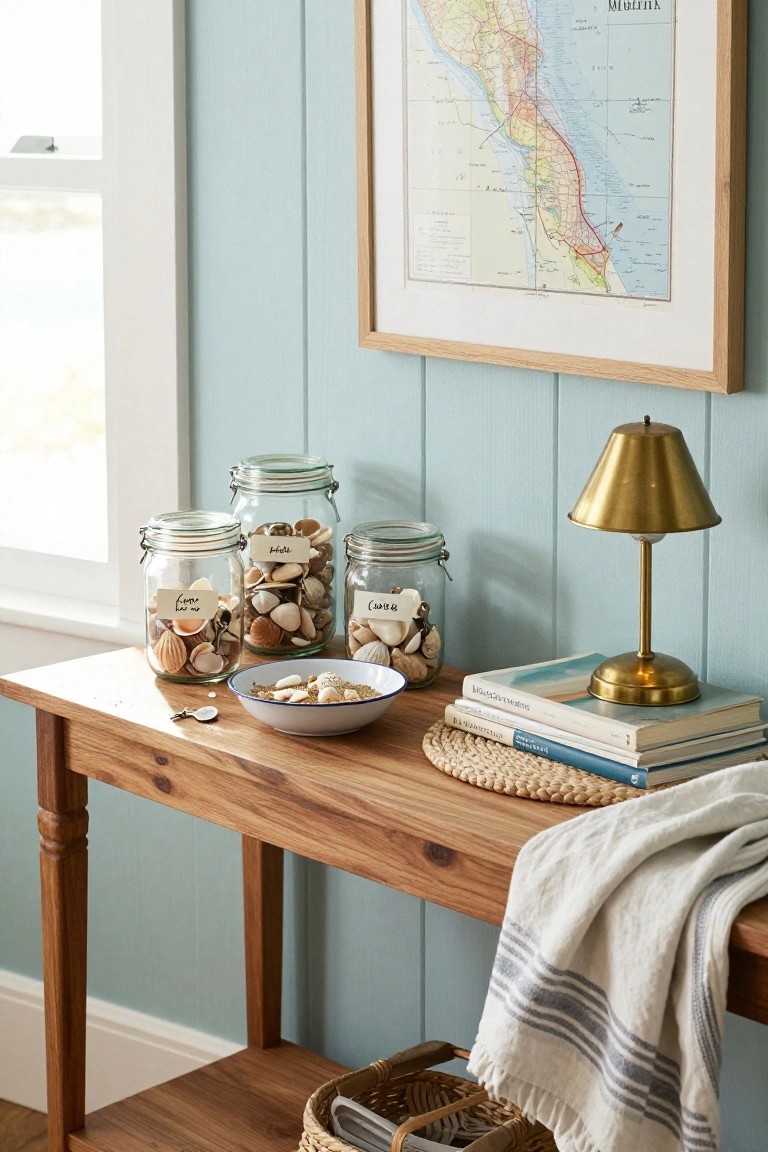
Labeled glass jars turn a sideboard into a practical spot for keeping little collections in order. Instead of loose shells or bits and pieces scattered across the surface, everything stays contained and easy to find. The clear glass also lets you see what is inside without opening every lid.
This works well in entryways or living rooms where you want some personality without extra clutter. Try grouping similar items together and writing simple tags so anyone can grab what they need. It suits homes that already collect things from beach trips or travels and keeps the top of the sideboard from feeling messy.
Hang Hooks Under Shelves For Everyday Items
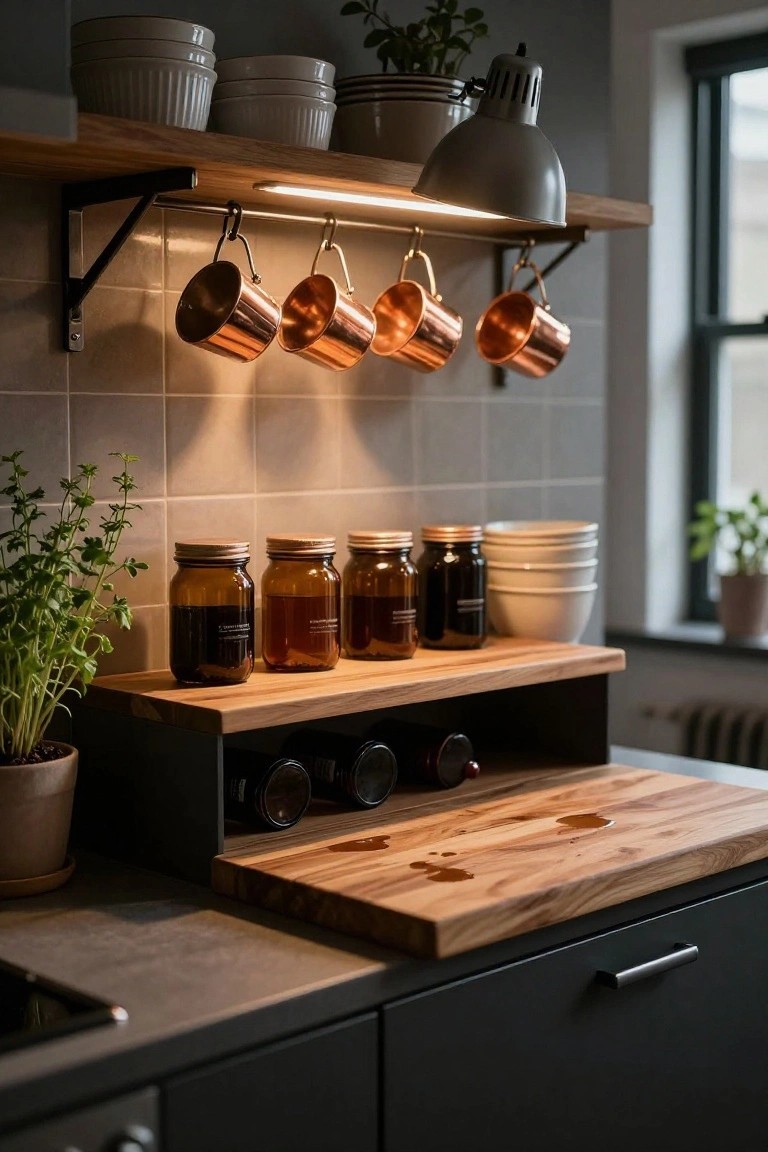
Many kitchens benefit from adding hooks right under a shelf so everyday pieces stay close without crowding the surface. It turns unused space into quick storage and keeps things from getting buried behind other items.
This setup works best in smaller kitchens or near a prep area where you reach for the same tools often. Space the hooks evenly and choose ones that match the shelf material so the whole thing feels intentional rather than tacked on.
Use Fabric Bins For Organized Storage
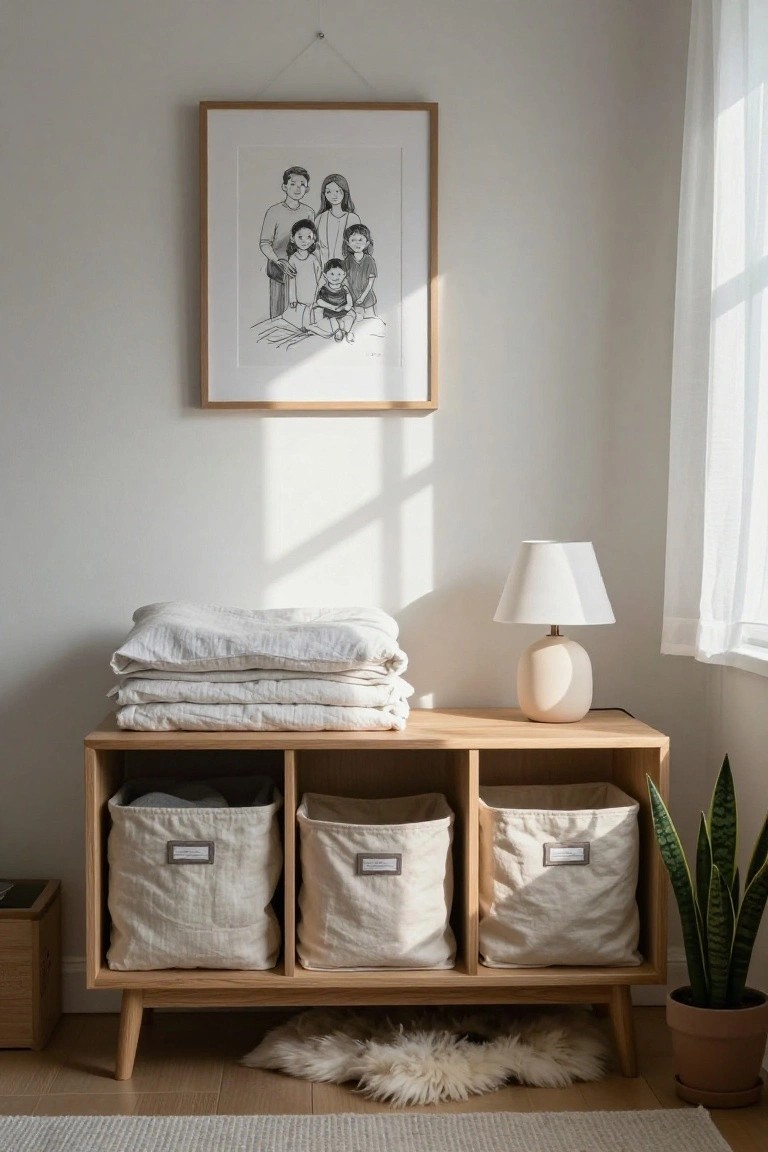
Many sideboards have open spaces that fill up fast with random items. Fabric bins give each section a simple container so things stay sorted without extra doors or shelves.
This works well in a living room or hallway where you need storage that stays easy to reach. Choose bins that match the size of the cubbies and pick a neutral color so the whole piece stays calm and useful.
Baskets Keep Sideboard Shelves Organized
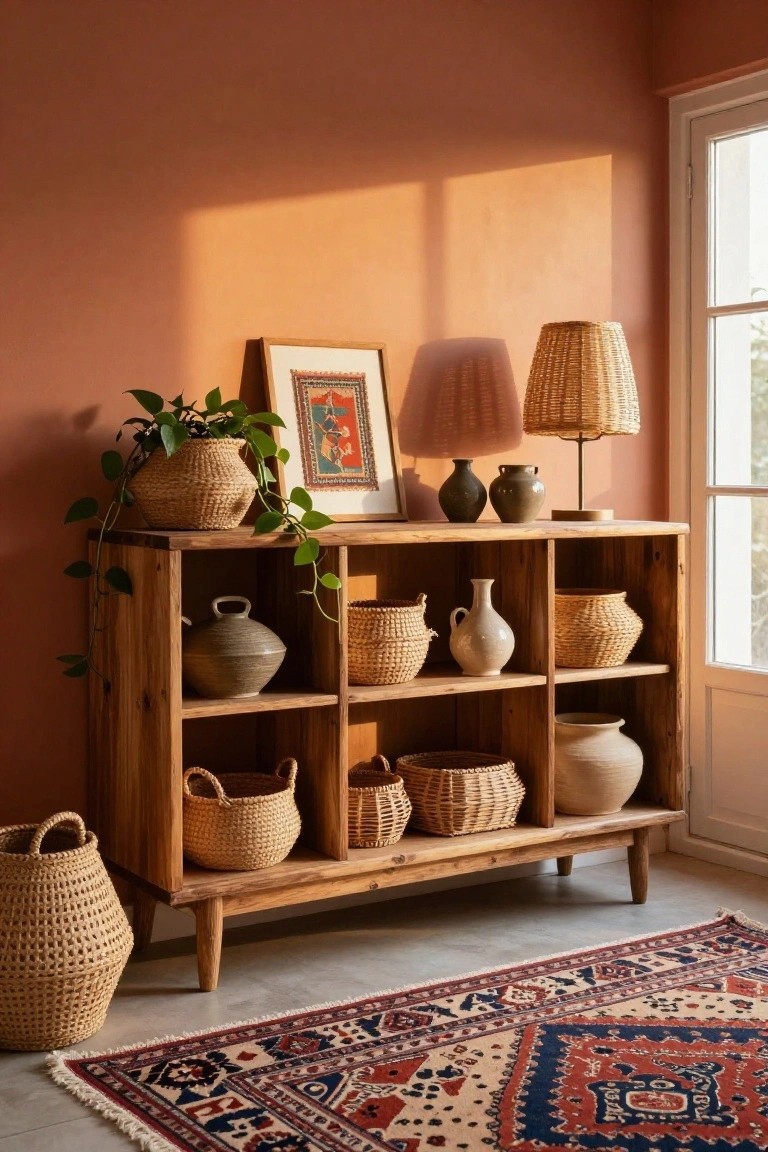
Baskets turn an open sideboard into a practical storage spot without making the room feel closed in. They hide everyday items while adding a natural texture that pairs nicely with wood and soft lighting.
Try grouping a few sizes together on the lower shelves for things like throws or magazines. Leave a couple of open spots for a few ceramics or a plant so the whole piece still feels light. This works best in casual living rooms or hallways where you want function without a heavy look.
Hang a Pegboard Above the Sideboard
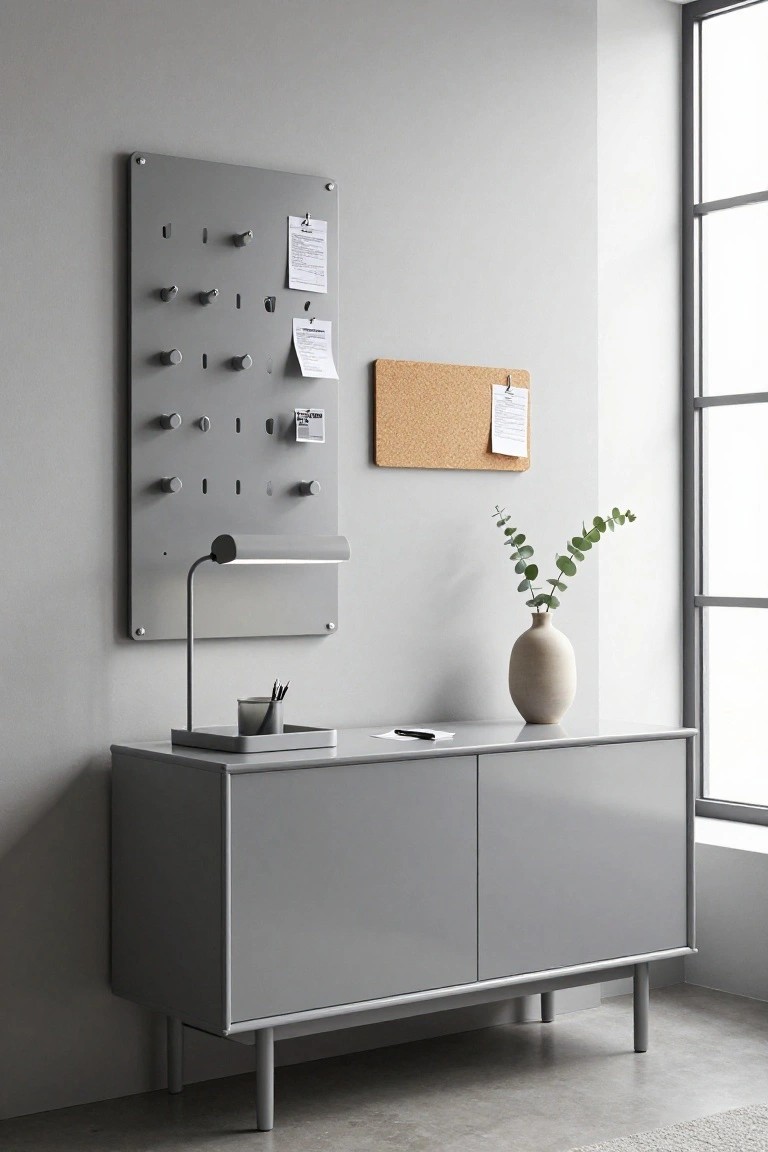
A pegboard mounted right over a sideboard turns an ordinary storage piece into something much more useful. You can keep papers, keys, and small tools right in view instead of digging through drawers every time you need them. The setup works especially well in a home office or entry area where daily items tend to pile up.
Place the pegboard at a comfortable height so you can reach things without stretching. Add a few hooks and small shelves to hold what you use most often, then keep the sideboard surface clear for a lamp or tray. This approach suits smaller homes where one piece of furniture needs to do more than one job.
Organize Everyday Tableware On A Sideboard
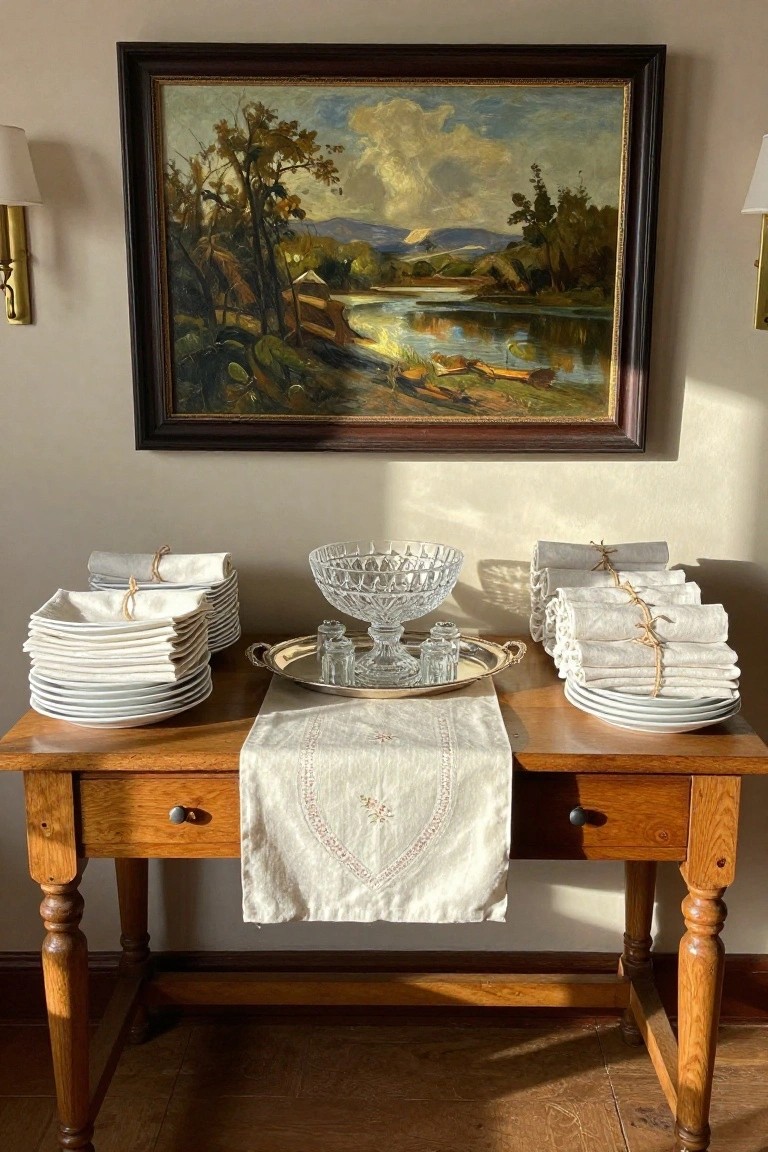
Keeping plates and napkins out on a sideboard makes daily meals simpler. You can grab what you need without opening cabinets, and the stacks stay neat when grouped by size or type.
This works best in homes where the dining area gets regular use. Leave the center open for a tray or serving piece so the surface does not feel crowded.
Label Baskets for Simple Daily Access
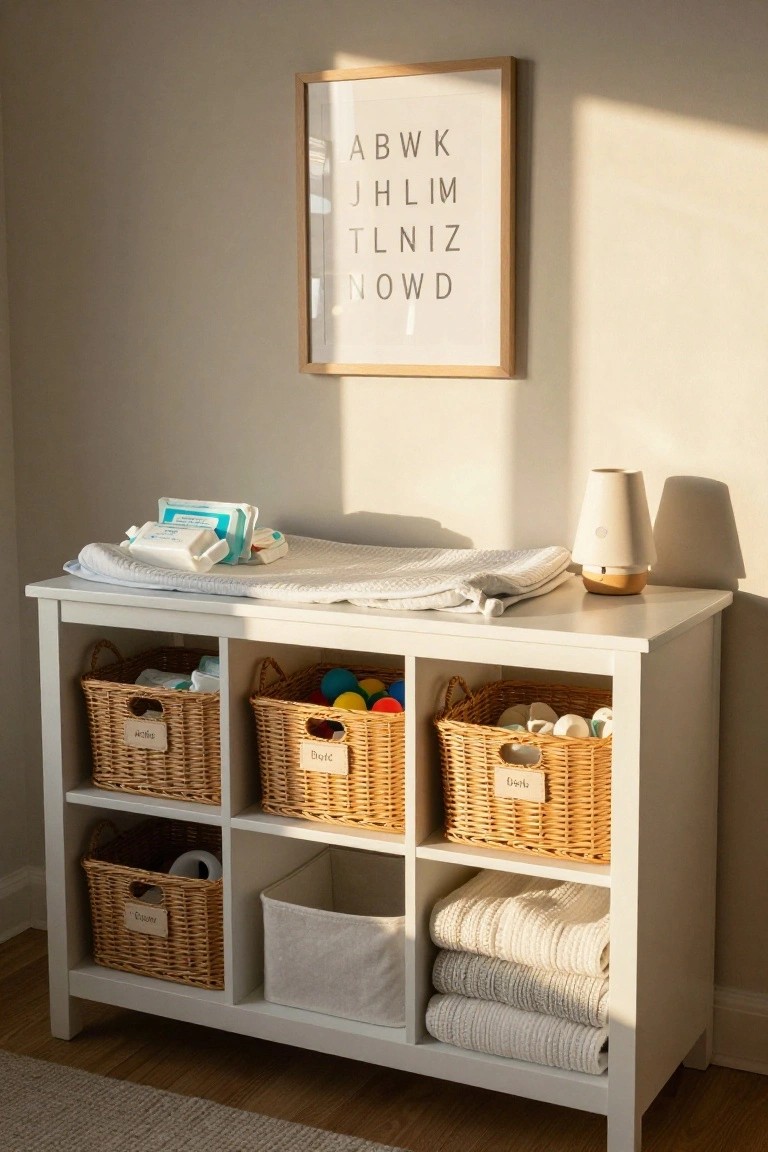
A sideboard with open cubbies works well when you add baskets that are labeled for different categories. This keeps baby supplies or household items sorted without needing to open doors or search through piles.
Place it in a nursery or family room where quick access matters most. Group like items together and use tags that stay visible so anyone can grab what they need right away.
Labeled Baskets Keep Sideboard Storage Simple
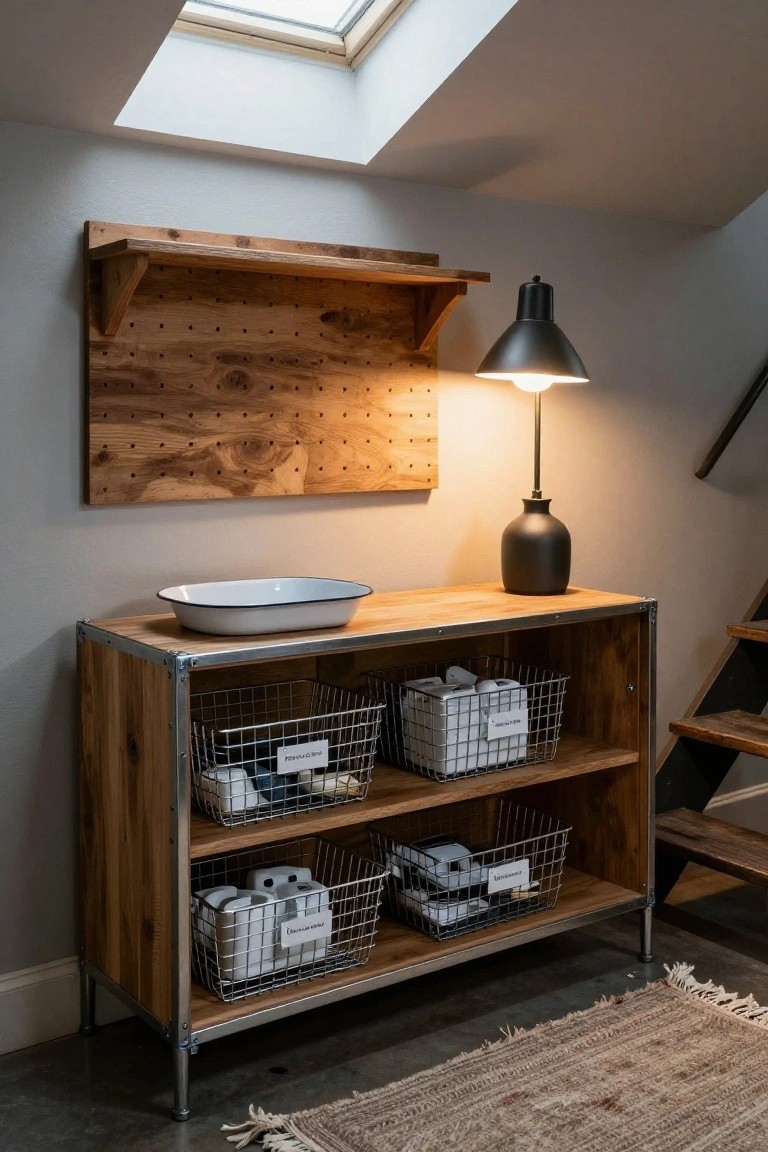
Sideboards often become dumping grounds for small items that never seem to have a home. Labeled wire baskets change that by turning open shelves into tidy, easy-to-use storage without hiding everything behind doors.
This setup works especially well in hallways or family rooms where things like chargers, extra napkins, or pet supplies need to stay close at hand. Sort items by category, add clear tags, and the system stays useful even when everyone in the house puts things away.
Organize Small Essentials in Clear Jars
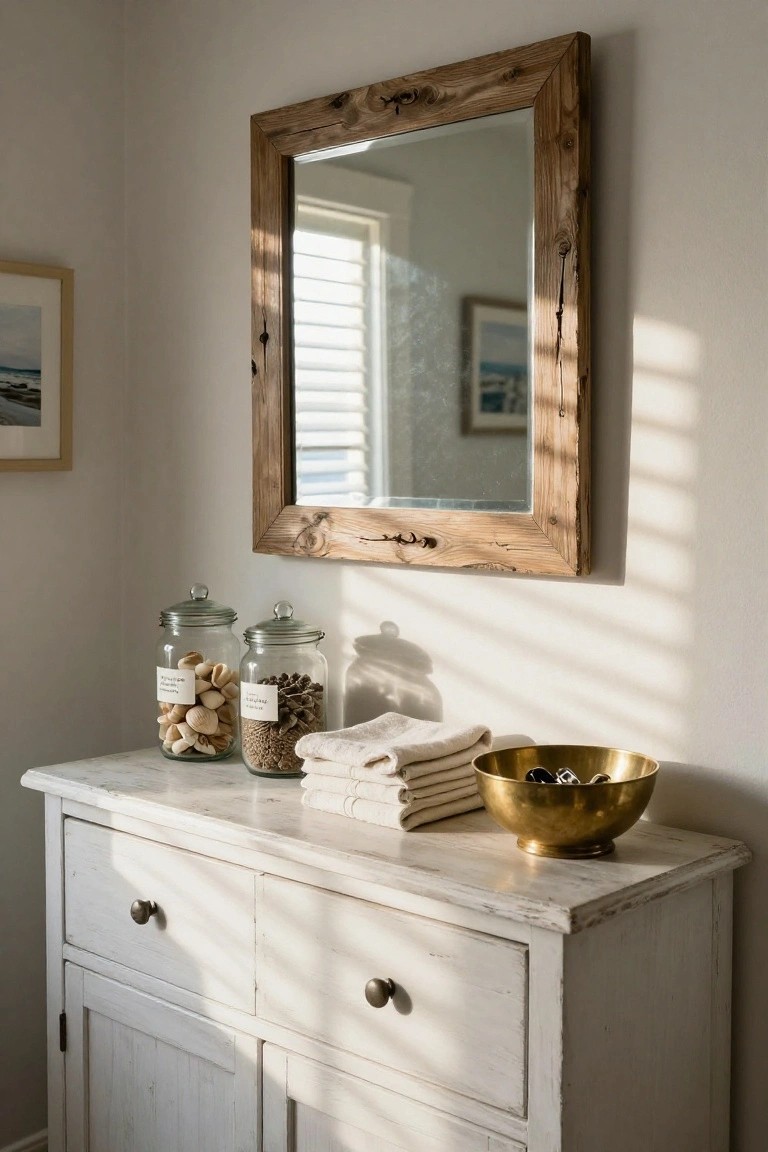
Many people find a sideboard works best when the top stays useful rather than just decorative. Clear jars let you see what you have at a glance and keep small items from scattering across the surface.
Try grouping things like keys, mail, or seasonal bits in a few jars along one side. This setup suits entryways or hallways where you need quick access without adding extra furniture.
Stick to Just Two Large Vessels
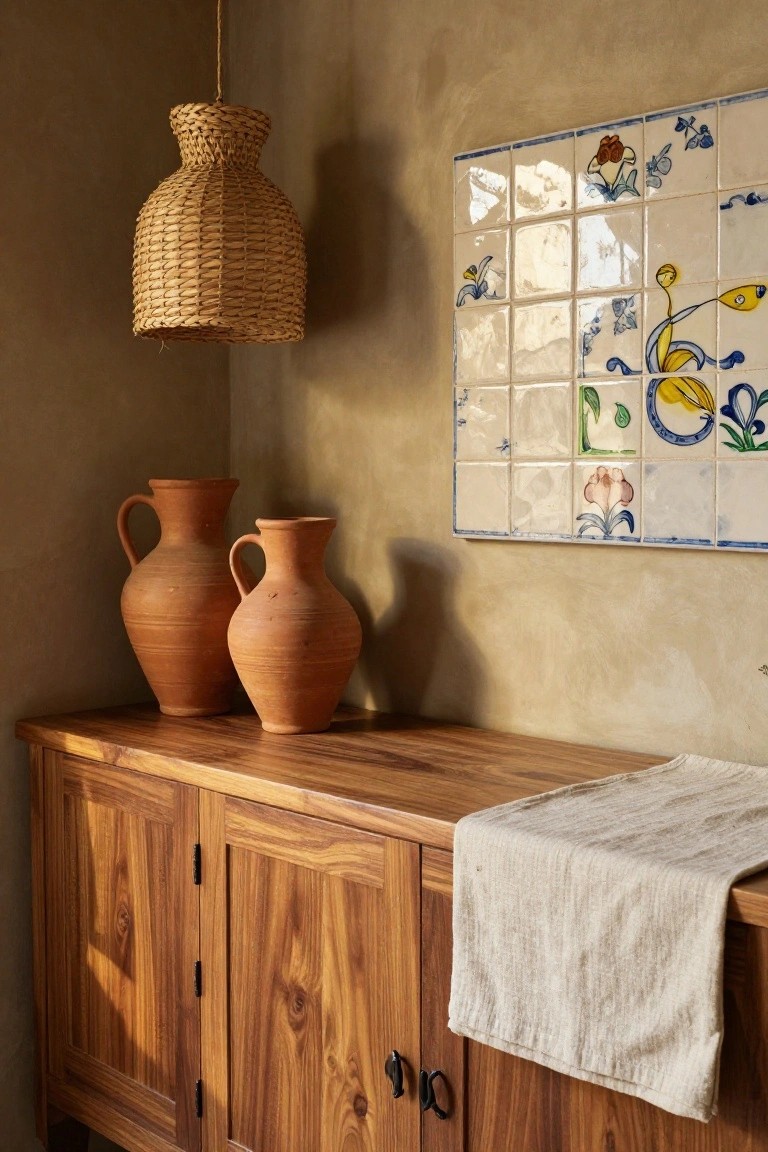
One simple way to keep a sideboard working well day to day is to limit the top to just two big pieces. Two matching clay jugs like the ones here fill the space without making it feel crowded. They add height and shape while leaving the surface open for whatever you actually need to set down.
This approach suits a dining room or entry where the sideboard gets regular use. The plain shapes stay easy to move or clean, and the empty space around them keeps the whole spot feeling calm and ready. A light cloth at one end can add a bit of protection without adding clutter.
Open Shelving Under A Vanity For Quick Access
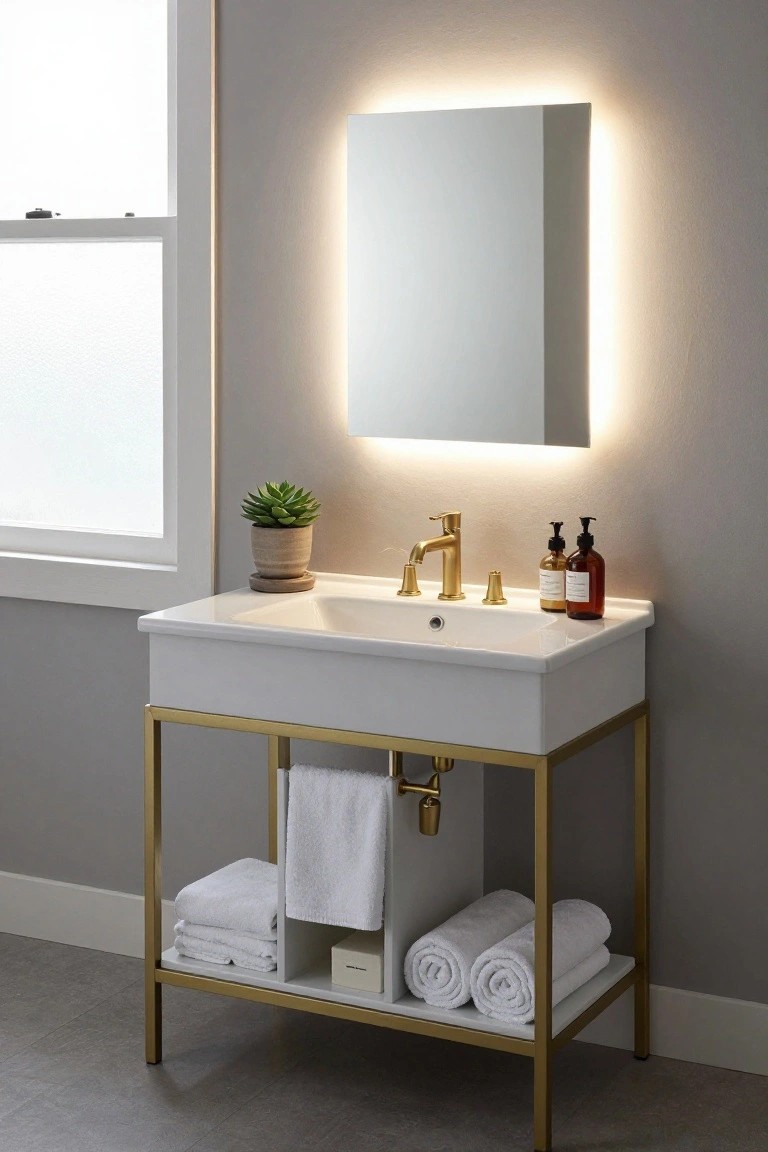
Open lower shelves on a vanity make it easier to grab what you need without opening doors or digging around. The setup keeps rolled towels and everyday supplies visible and ready, which helps the space feel less cluttered even when storage is limited.
This works best in bathrooms that get daily use, since everything stays in plain sight. Keep a few baskets or dividers on the shelves if you want to separate hand towels from larger bath ones, and avoid overcrowding so the area stays practical.
Tuck Baskets Into the Open Bottom for Everyday Storage
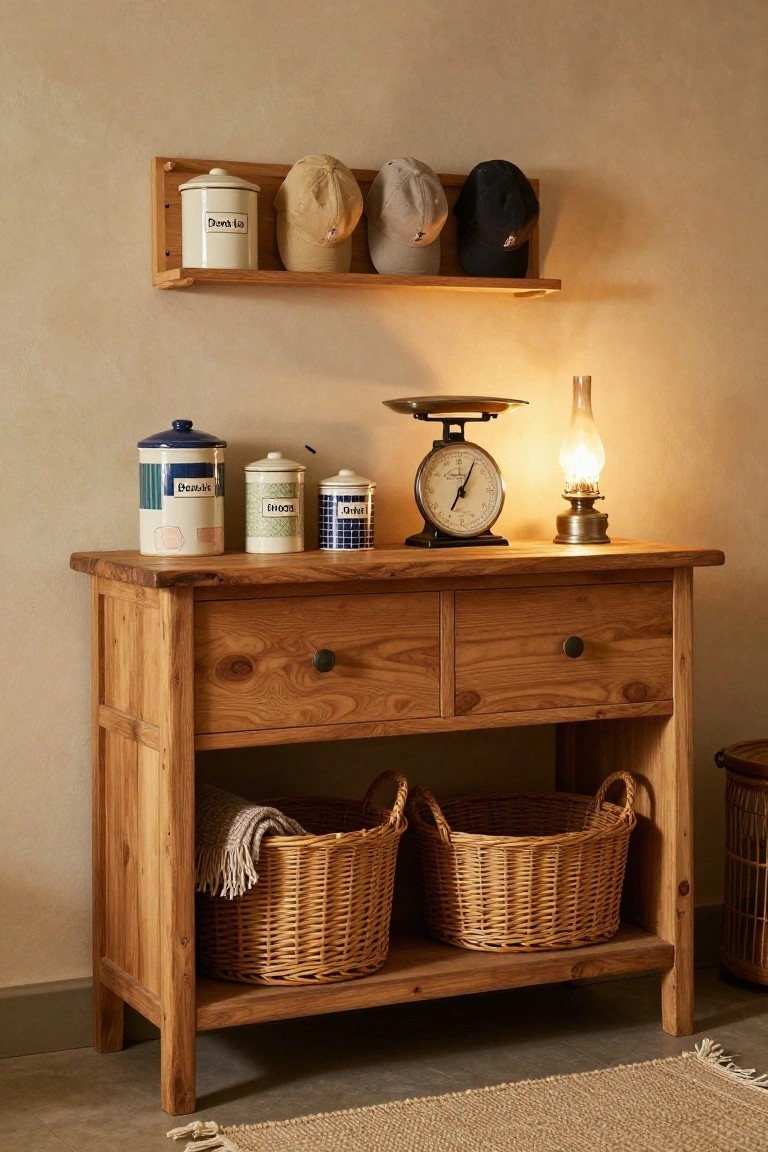
A sideboard with an open lower shelf works best when you fill it with a couple of sturdy baskets. They keep things like throws, shoes, or mail out of sight but still close at hand, which makes the whole piece feel useful instead of just decorative.
This setup works well in entryways or hallways where you need quick access without creating visual mess. Stick to two matching baskets so the space stays tidy, and avoid overfilling them so you can still pull one out easily when needed.
Divide Your Sideboard With Open Cubbies
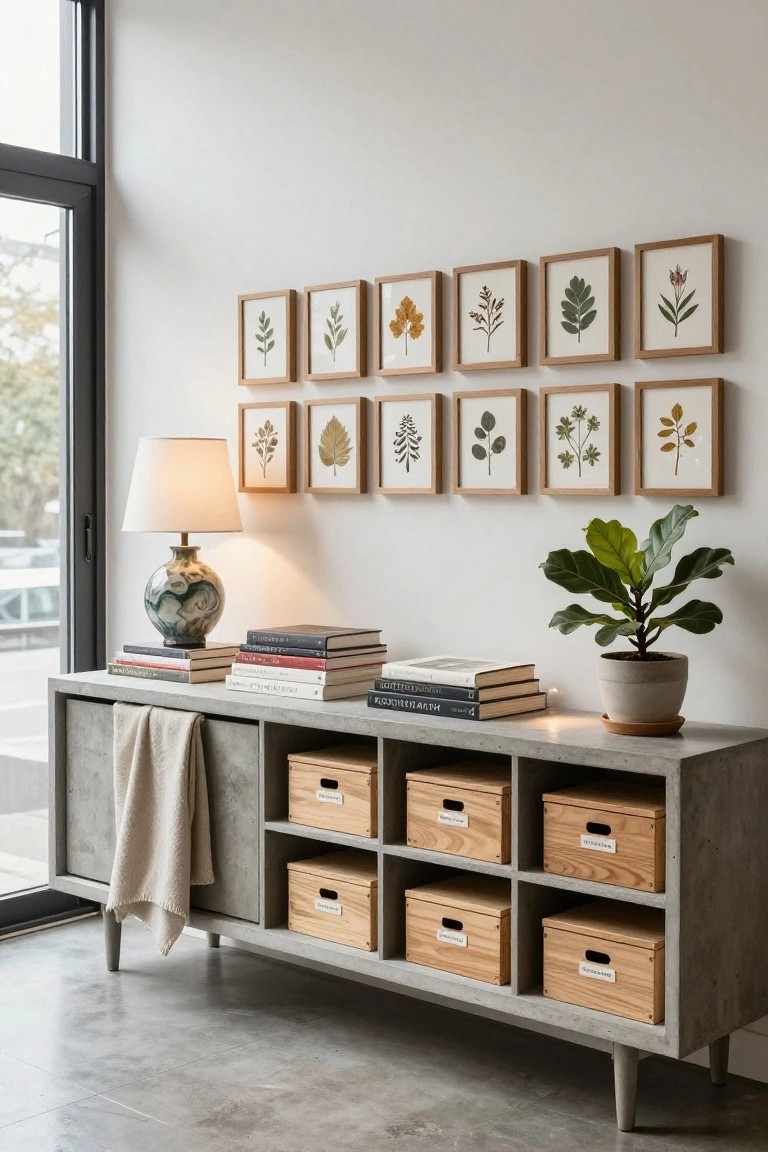
A sideboard with open cubbies makes daily items easier to reach without opening doors or digging around. You can keep things sorted by category and still see what you have at a glance, which helps the piece feel useful instead of just decorative.
This setup works best in living rooms or hallways where you need quick access to blankets, books, or small supplies. Stick with matching boxes so the storage looks neat even when the cubbies stay open.
Hang A Grid Above Your Sideboard
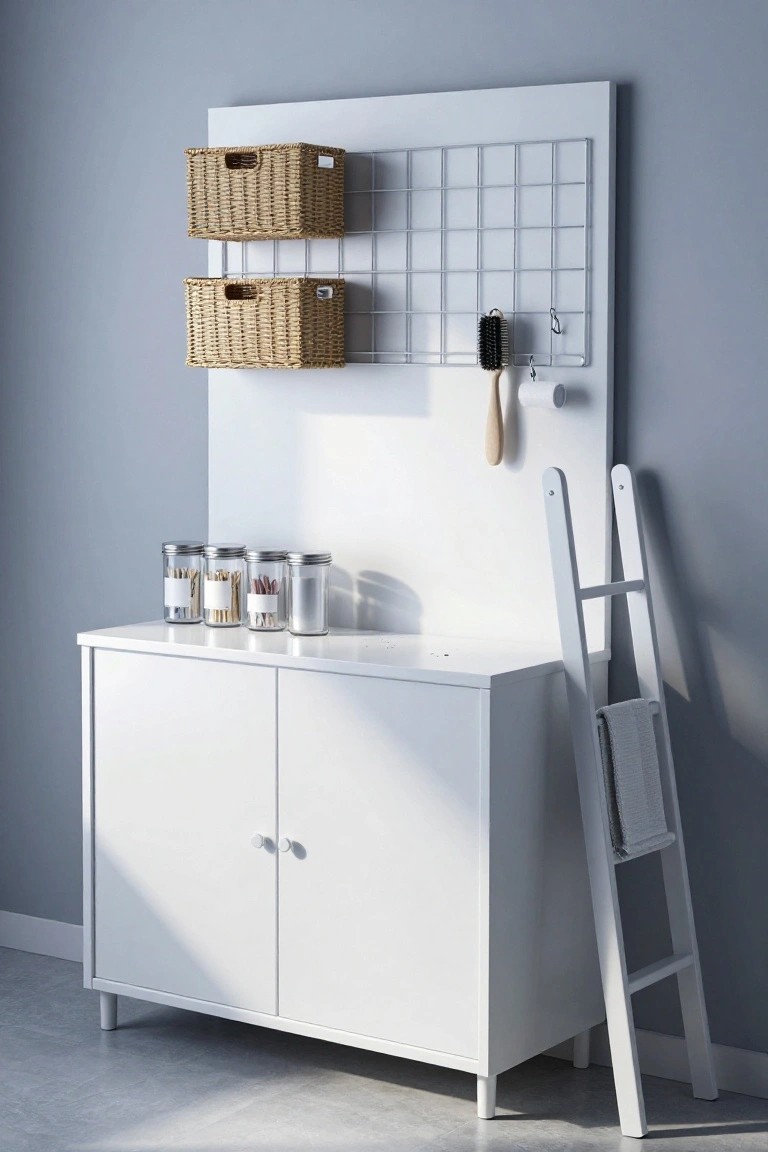
A sideboard already gives you closed storage below, but the wall right above it often goes to waste. Adding a simple grid panel turns that empty space into hanging room for brushes, small baskets, or other everyday items you want close by without piling them on the surface.
This setup works especially well in bathrooms, mudrooms, or narrow hallways where floor space is tight. Mount the grid at a comfortable height, use a few hooks or clips, and leave the sideboard top mostly clear for just a couple of jars or trays. It keeps things organized and easy to reach without adding more furniture.
Organize Folded Items with Individual Trays
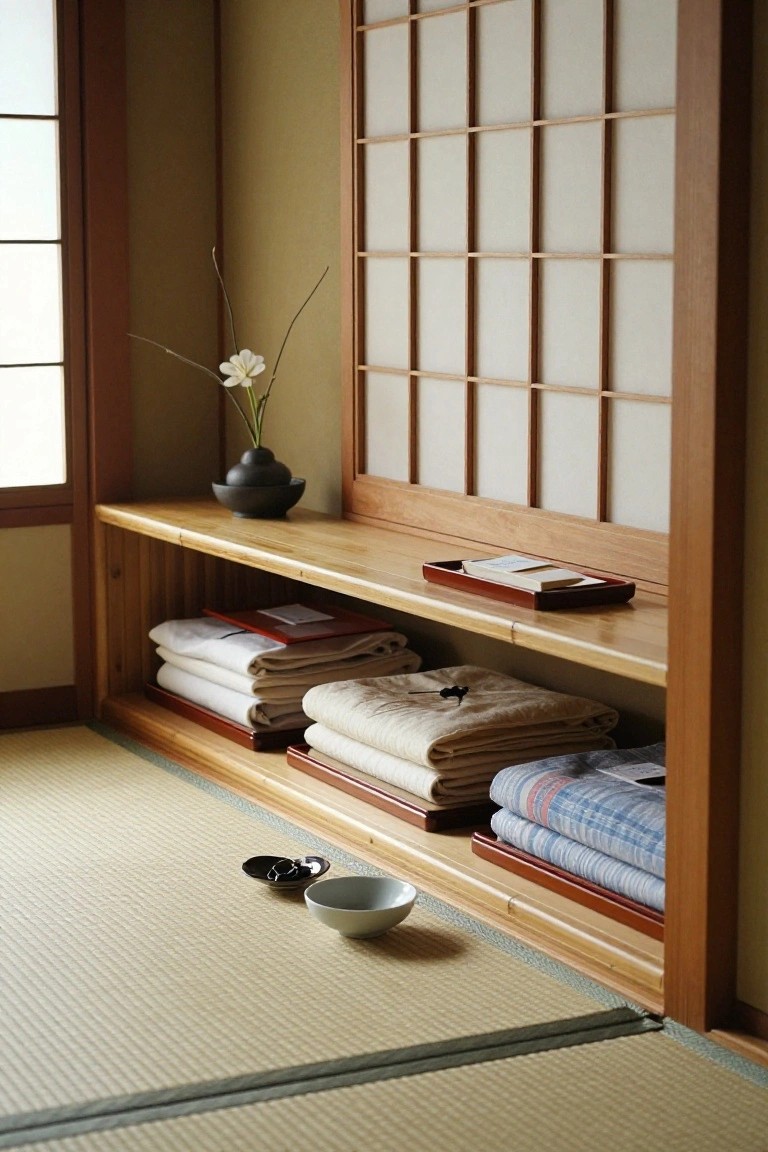
A low sideboard becomes much more useful when you place each stack of folded linens or clothes on its own tray or platform. This keeps everything in clear sections so you can grab what you need without disturbing the rest of the arrangement.
It suits homes that already lean toward simple storage and works especially well in bedrooms or hallways where space is tight. Just match the trays to the sideboard material and leave a little breathing room between stacks so the whole thing stays easy to maintain.
Marble Tops for Clean Sideboard Organization
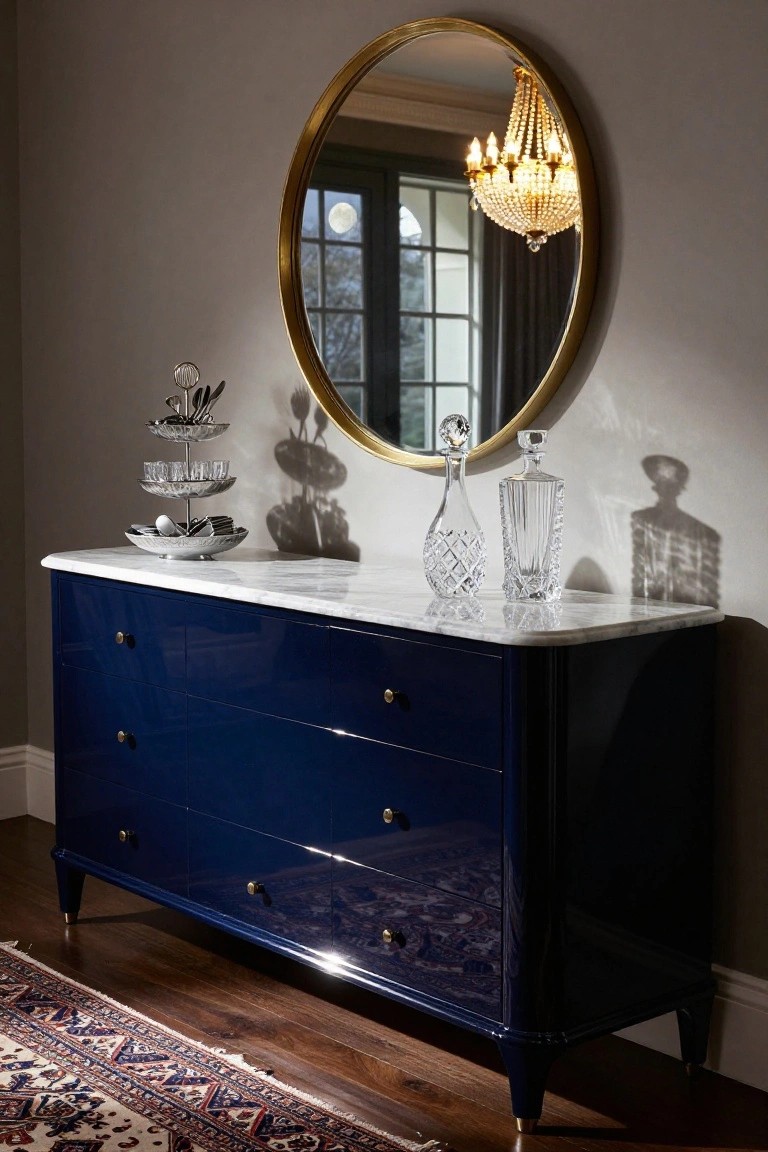
A marble top on a sideboard creates a smooth surface that stays easy to clean and keeps displayed items from sliding around. It works especially well when you want to arrange a few larger pieces like decanters without the whole area starting to feel crowded.
This style fits homes where the sideboard gets daily use in a dining room or open living space. Stick to just a couple of functional items on top so the surface remains practical rather than turning into another storage spot.
Frequently Asked Questions
Q: My sideboard always ends up cluttered by Friday. How do I stop that cycle?
A: Pick one spot for mail and another for keys so everything lands in the same place without thinking. Check those spots at the end of each day and shift stray items back where they belong. This habit keeps the surface clear without a full reset every week.
Q: What works if I need to store odd shaped items like candles or spare cords?
A: Drop them into a low basket that slides out fast when you need something. Keep the basket on a lower shelf so the top stays open for daily use. That single container tucks away the mess while still letting you grab things in seconds.
Q: My kids like to pull things off the sideboard. Any quick fixes for that?
A: Put heavier items at the back. This stops most reaching before it starts.
