

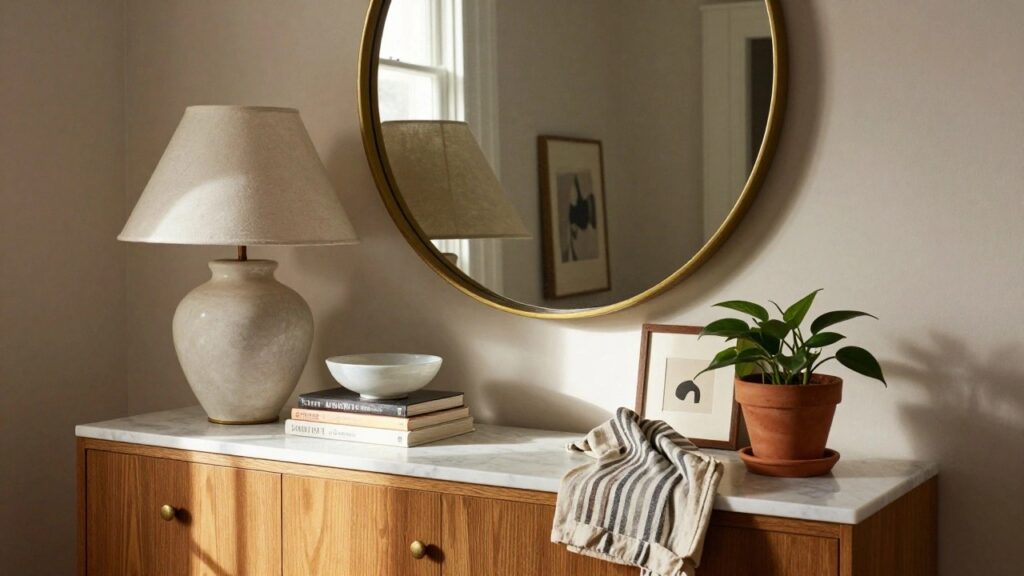
Sideboards often end up as the spot where everyday items collect, so the way they are styled really shapes how comfortable the whole room feels.
I have noticed that arrangements work best when they leave room for actual use instead of crowding every surface.
Balance matters more than people expect.
When I try new ideas at home I usually start with what I already own and see how it changes the flow of the space around it.
Adapting these kinds of suggestions to fit the scale of a real room makes them feel much more natural over time.
Stack Books for Simple Height
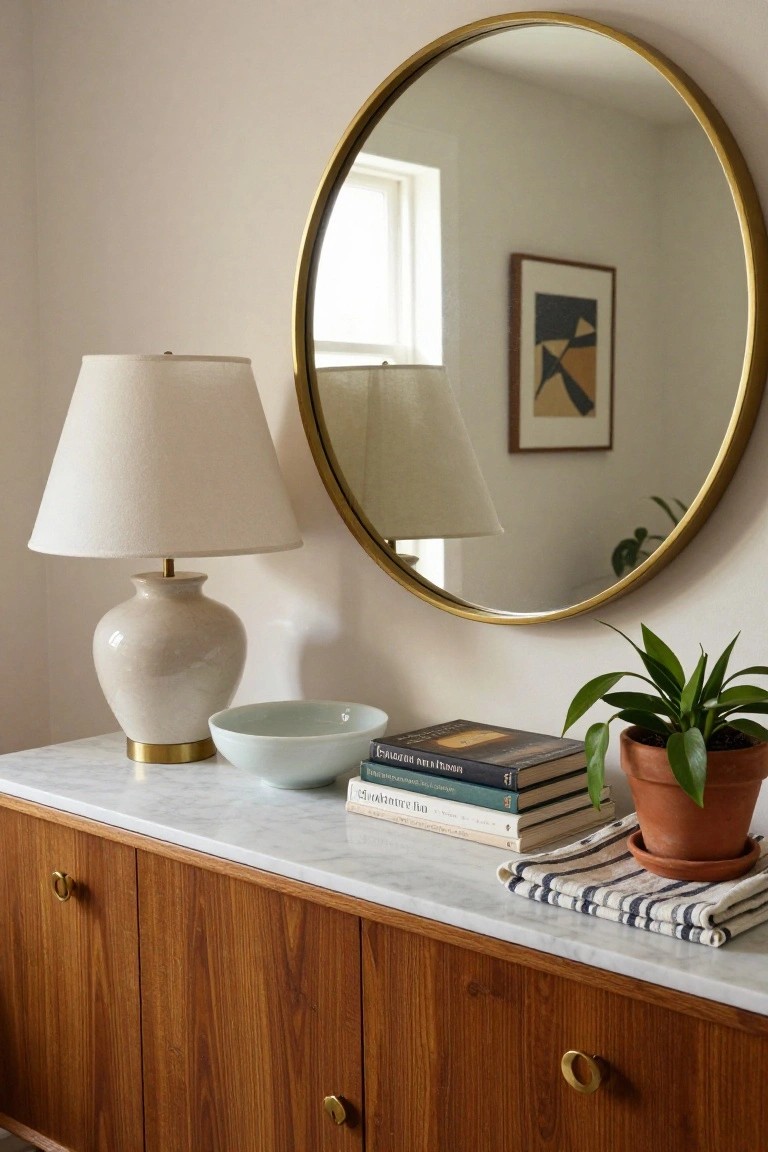
Stacking a few books on a sideboard gives you quick height without extra stands or shelves. The spines add color and texture while the stack itself acts as a base for smaller pieces like a bowl or plant. It keeps the surface from looking too flat and helps the whole arrangement feel pulled together.
This works well in living rooms or entryways where you want the sideboard to look useful rather than just for show. Pick books that fit the room’s colors, then add one living element like a potted plant to soften the stack. Avoid overloading the top so the wood and marble still show through.
Sideboards With Cane Doors Add Quiet Texture
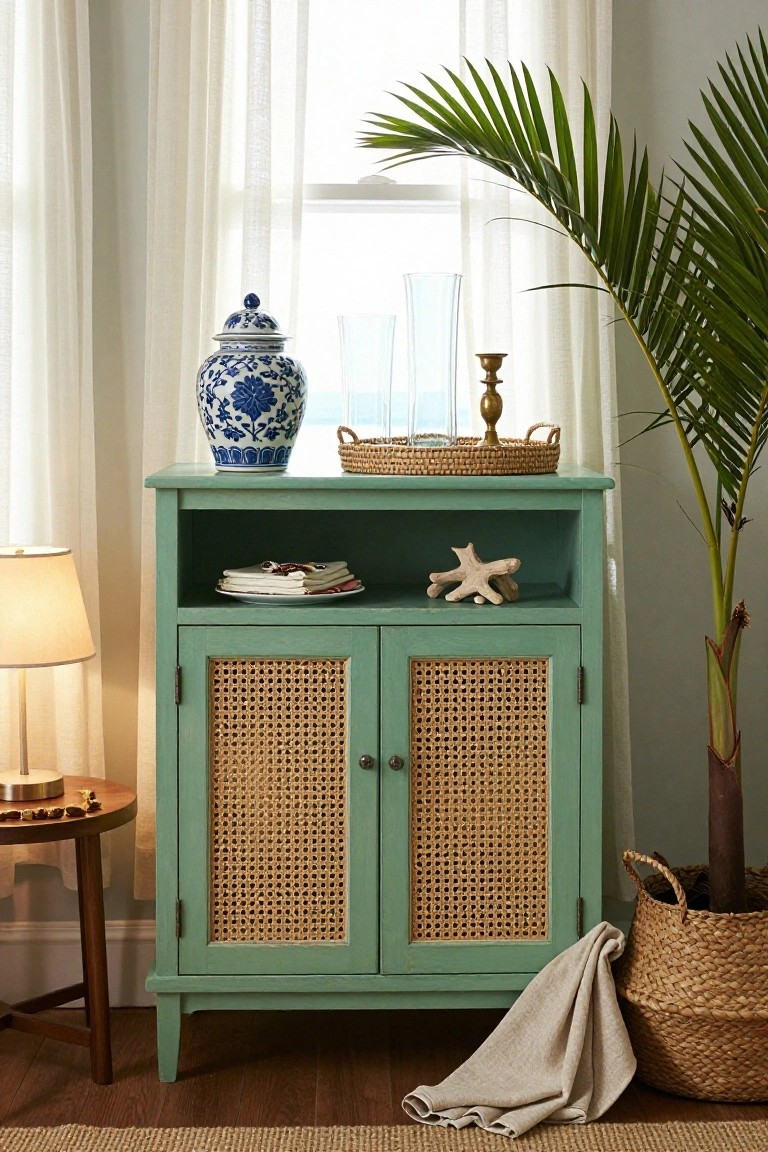
A sideboard with cane doors gives you closed storage without making the piece feel heavy or plain. The woven panels break up the solid look of the cabinet while still hiding everyday items like extra linens or board games. This works especially well in rooms that already have wood floors or natural light.
Place the sideboard against a wall where you need both surface space and hidden storage. Style the top with just a few taller pieces and leave the shelves inside mostly practical. It suits homes that lean coastal or relaxed without going too theme heavy.
Adding a Tall Mirror Over a Sideboard
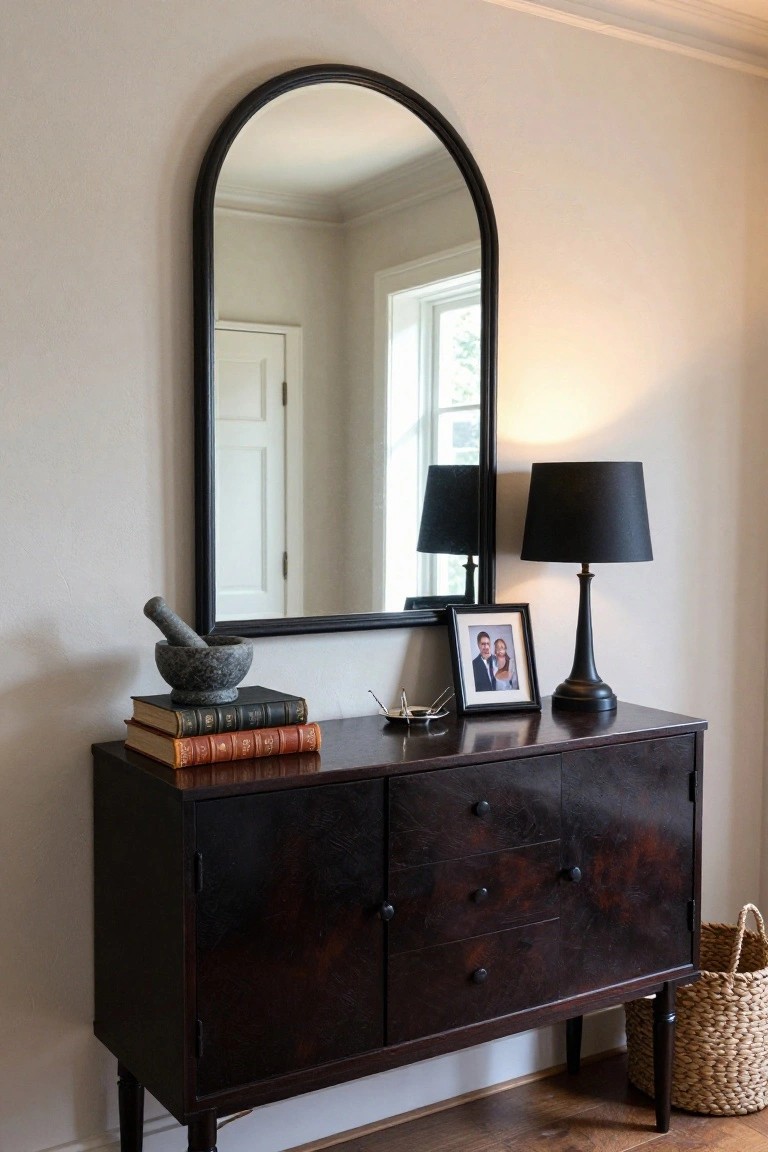
A tall arched mirror above a sideboard helps the whole setup feel brighter and more open. It picks up light from a window and spreads it across the wall, which keeps a darker piece of furniture from feeling heavy in the space.
This works well in an entry or hallway where you want storage without closing the room in. Keep the surface fairly simple with just a few low items so the mirror stays the main feature rather than competing with clutter.
Display Plates on a Wall Rail
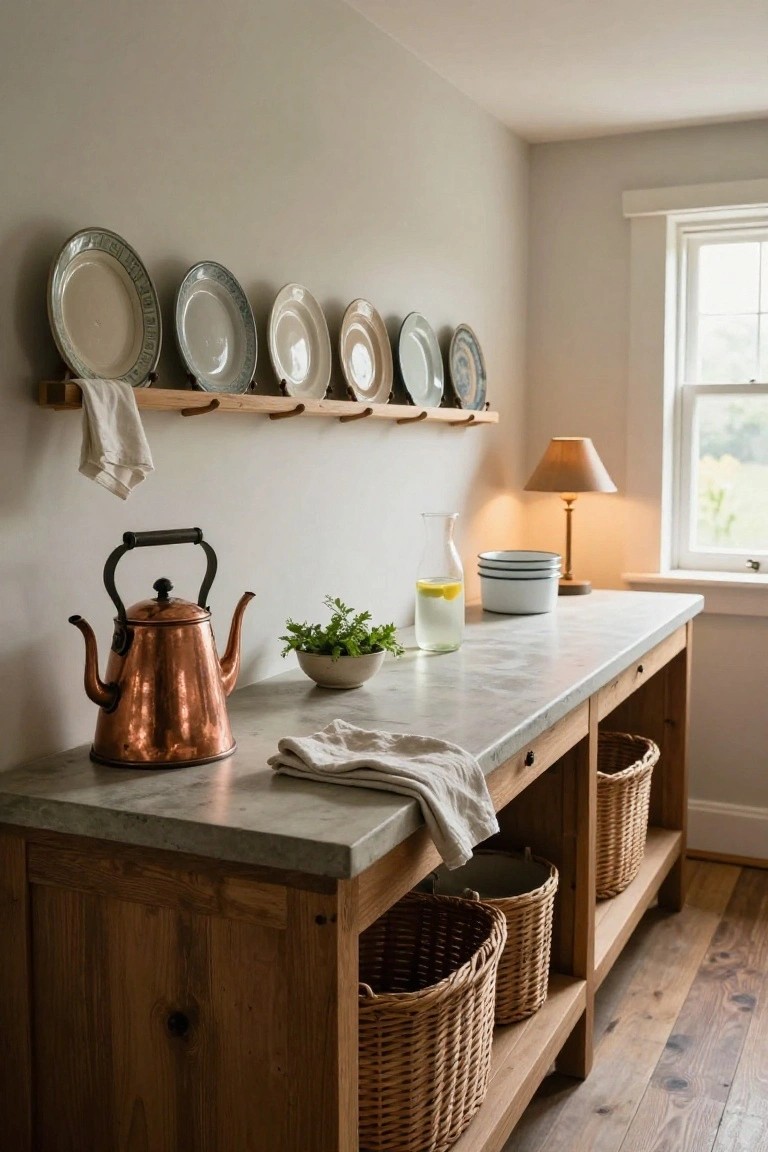
A wall rail for plates gives you a simple way to show off dishes without crowding the sideboard surface. It adds height and interest to the space while keeping everyday pieces within reach for regular use.
This works best in kitchens or dining areas where you want storage that feels open and light. Keep the rail low enough to reach easily and mix a few different plate styles so the display feels collected rather than too matched.
Mix Everyday Items Into Sideboard Styling
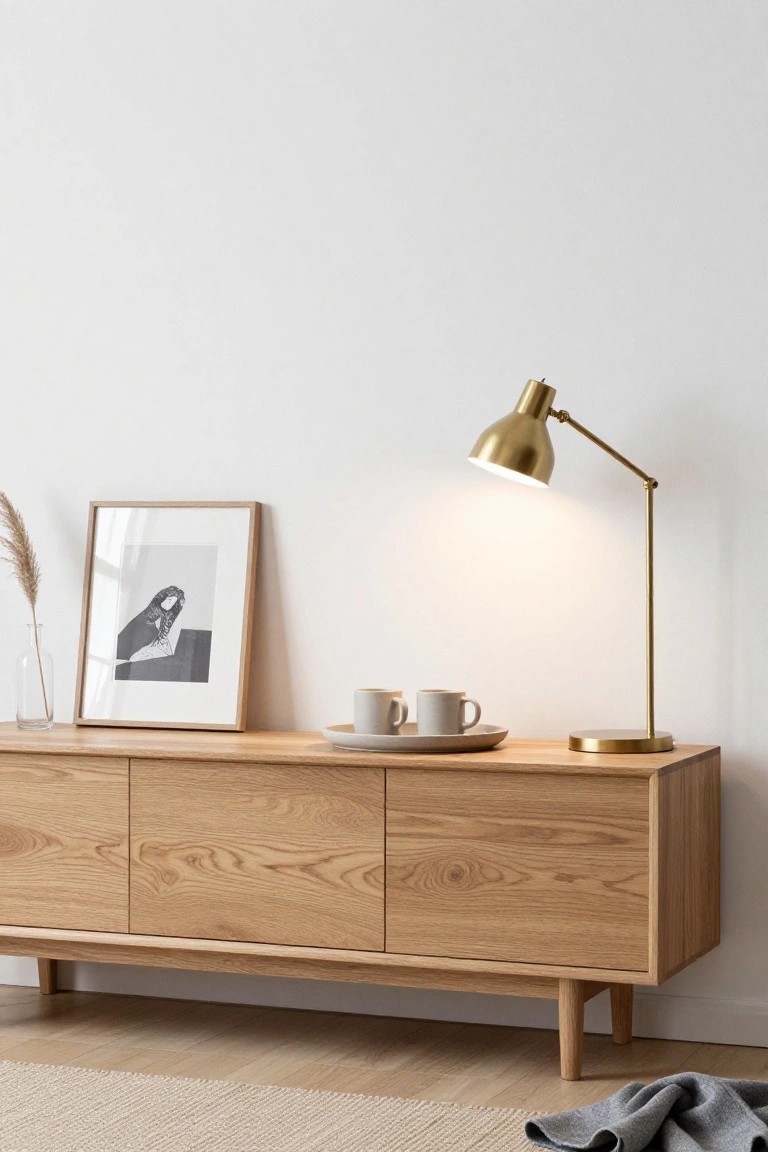
One simple way to style a sideboard is to use pieces that already fit your daily routine. A lamp for extra light pairs easily with a tray that holds mugs or small dishes. This keeps the surface from feeling empty or overly arranged.
The approach works best in living rooms or hallways where the sideboard gets regular use. Stick to just a few items so the top stays open and practical.
Style A Sideboard With A Simple Tray
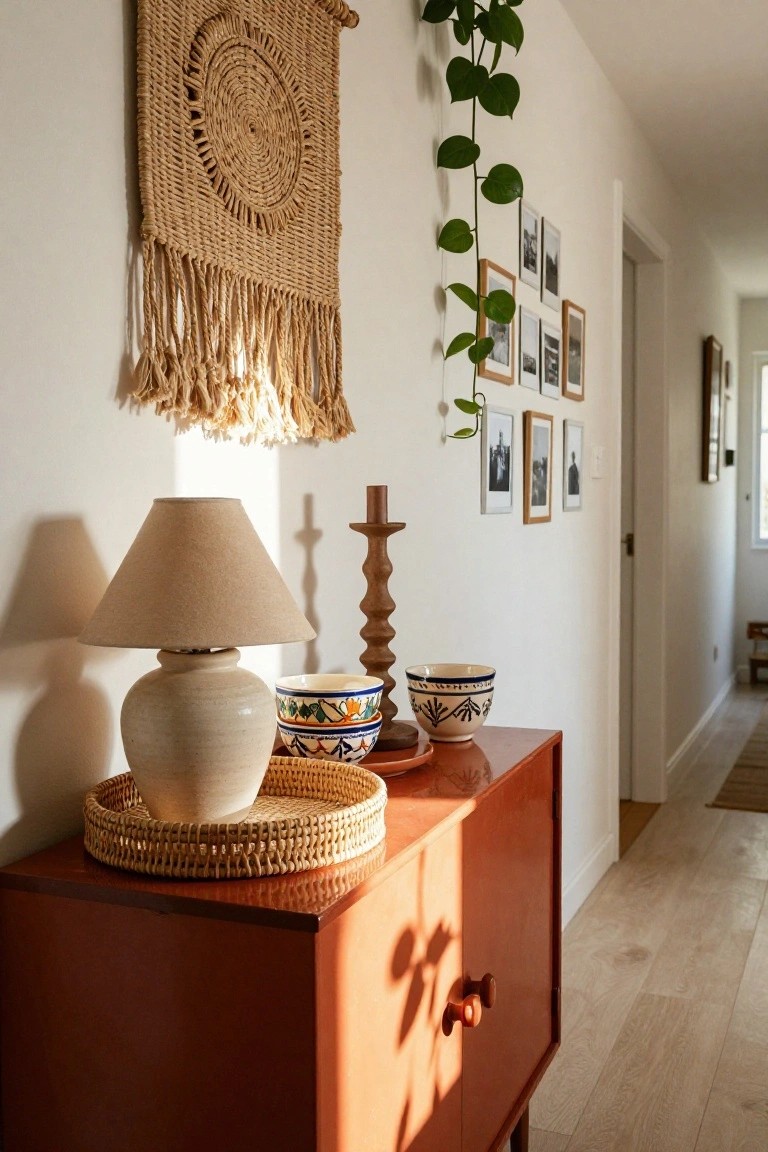
A tray helps pull together the items on a sideboard so the surface stays neat without looking empty. It works especially well when you have a mix of heights like a lamp and smaller pieces that could otherwise feel scattered.
Place the tray toward one side and keep the rest of the surface clear. This setup suits a hallway or living room where you want everyday objects like bowls to feel intentional rather than random.
Drape Fabric for Soft Texture
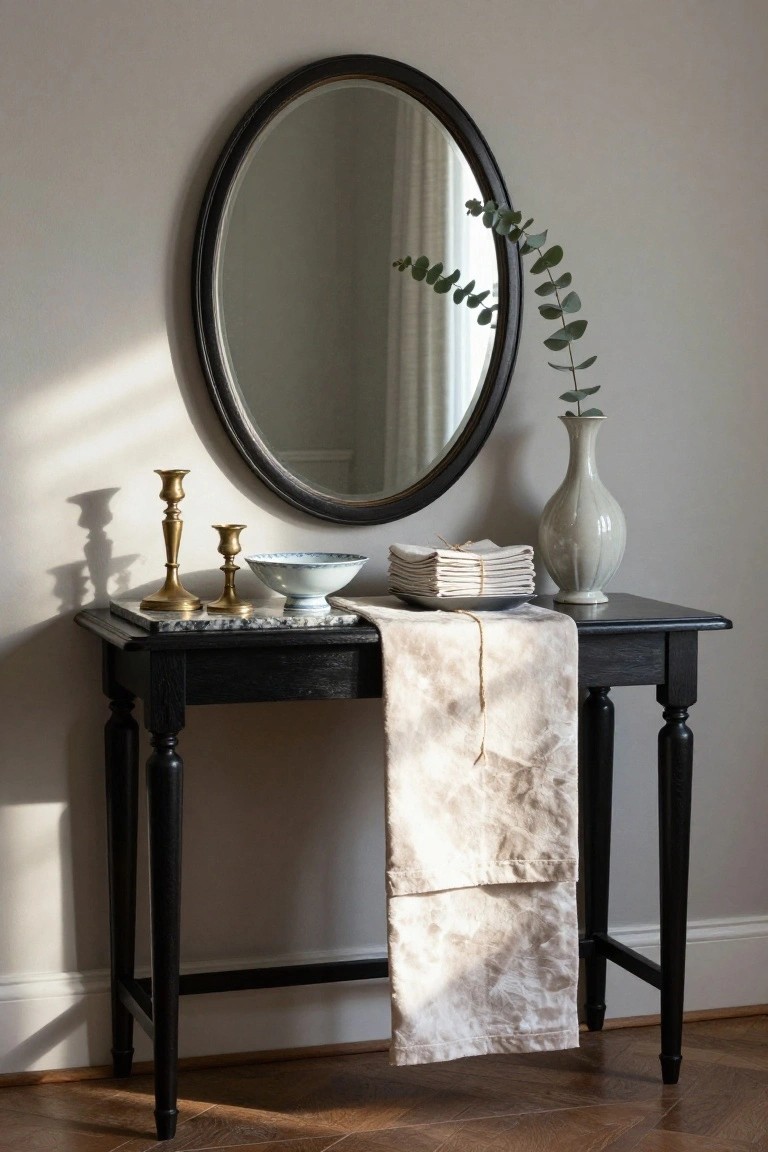
One simple way to style a console table is to let a length of fabric drape over the front edge. It softens the straight lines of the table and gives the whole arrangement a more relaxed feel without adding much effort.
This works especially well in hallways or living rooms where you want the surface to feel welcoming rather than stiff. Keep the rest of the styling light with just a few pieces like brass candlesticks and a vase so the fabric stays the main detail.
Hang a Gallery Wall Above a Painted Sideboard
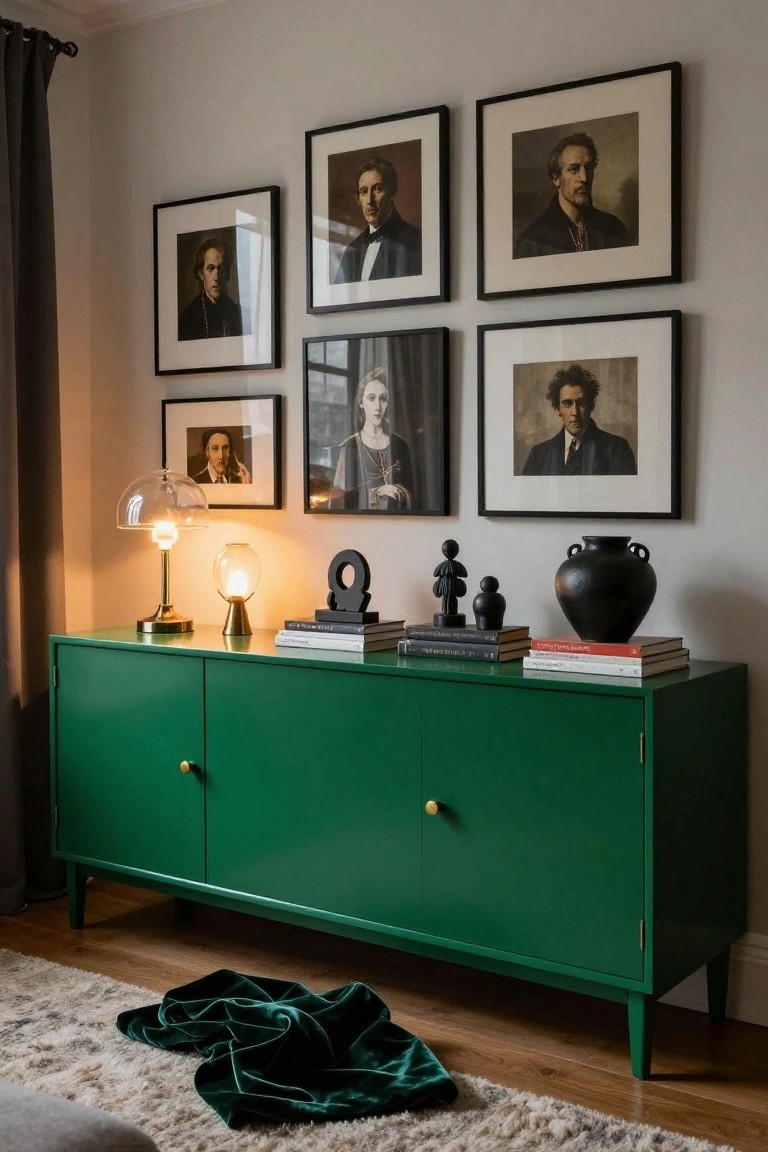
A gallery wall of portraits gives a sideboard real presence without needing much else on the wall. The arrangement draws the eye upward and makes the piece below feel more intentional. A bold color on the sideboard itself helps tie everything together and keeps the look from feeling too formal.
This setup works best in a living room or entry where you already have a few favorite frames. Stick to one subject or tone in the photos so the wall reads as a collection rather than a random mix. Leave enough space on the sideboard for a few lamps and small objects so the surface stays useful.
Sideboards With Woven Basket Storage
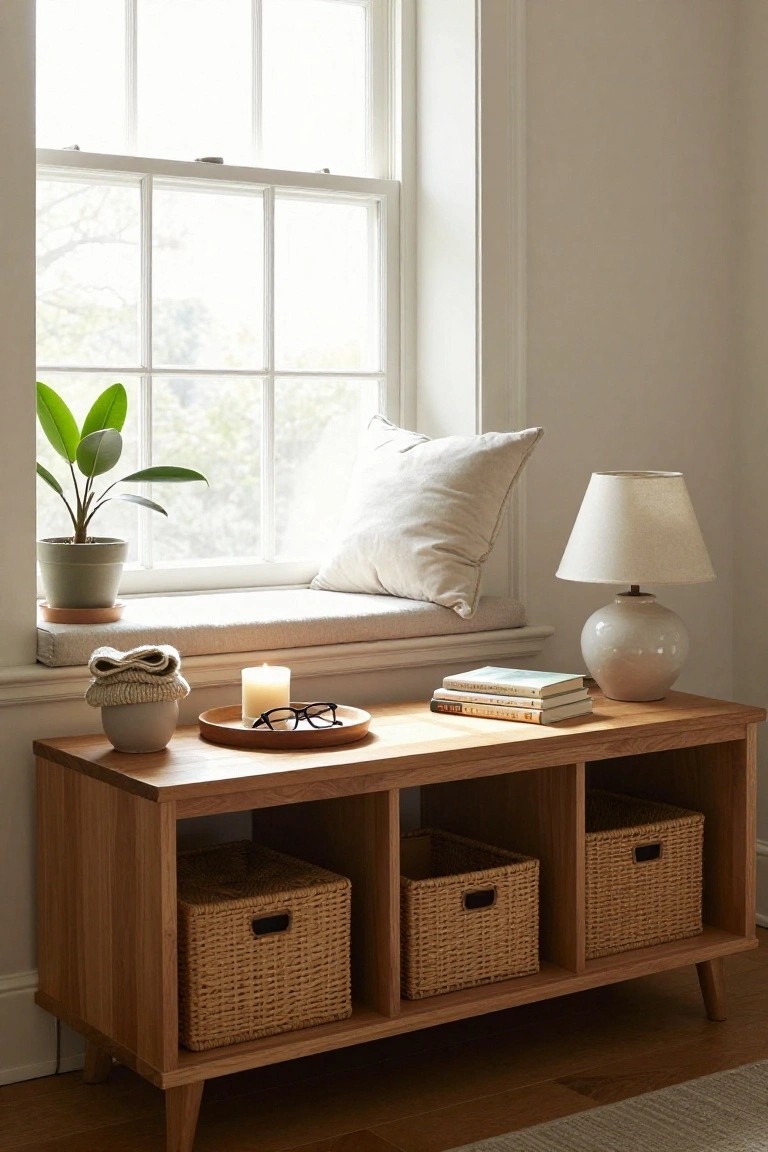
Many people like adding woven baskets to the open sections of a sideboard. It hides the clutter while still letting you grab what you need without digging through drawers.
This setup works best in living rooms or hallways where you want the top surface to stay clear for lamps and a few books. Pick baskets that match the cubby size so the whole piece feels balanced instead of messy.
Mix Natural Branches With A Few Ceramics
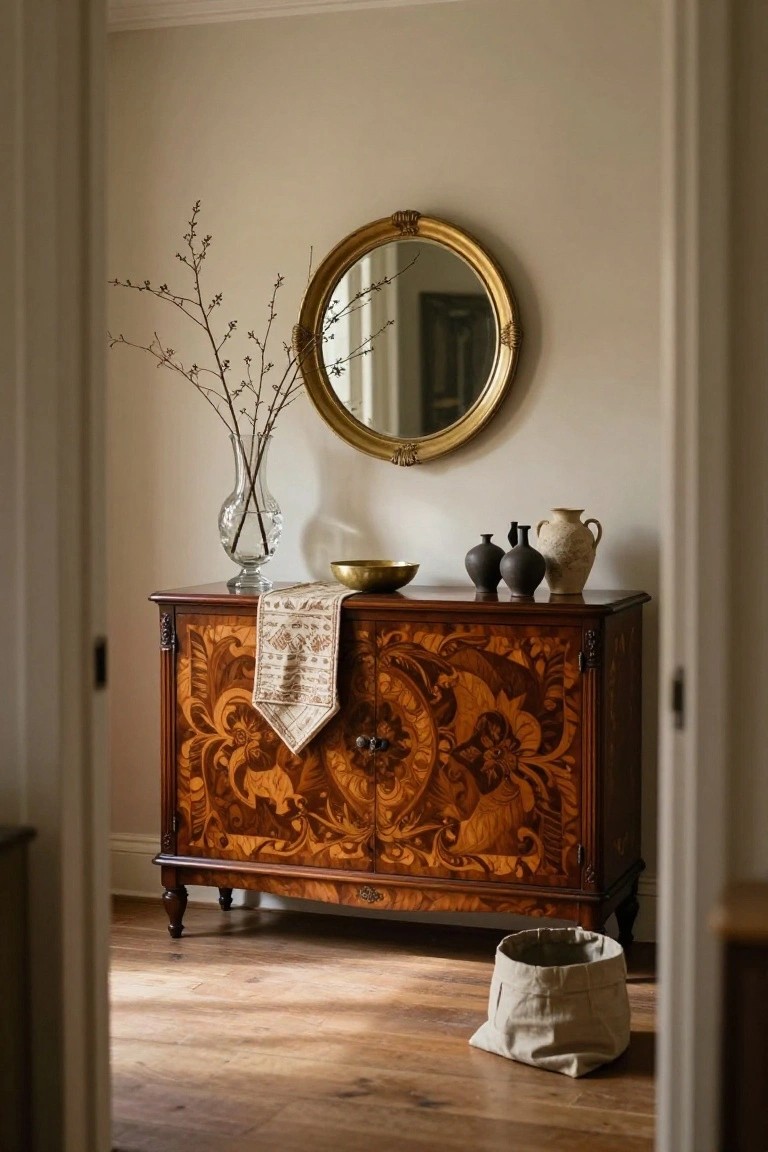
One simple way to style a sideboard is to start with something tall and natural, then add just a couple of smaller pieces around it. The branches bring height without feeling heavy, while the ceramics and bowl keep the surface from looking empty or flat. It works because the mix feels gathered over time rather than arranged all at once.
This approach suits an entry or hallway where you want a quiet focal point. Keep the number of objects low, vary the heights slightly, and let the wood of the sideboard show through. Too many pieces and the look starts to feel crowded.
Organizing Open Shelves With Labeled Jars
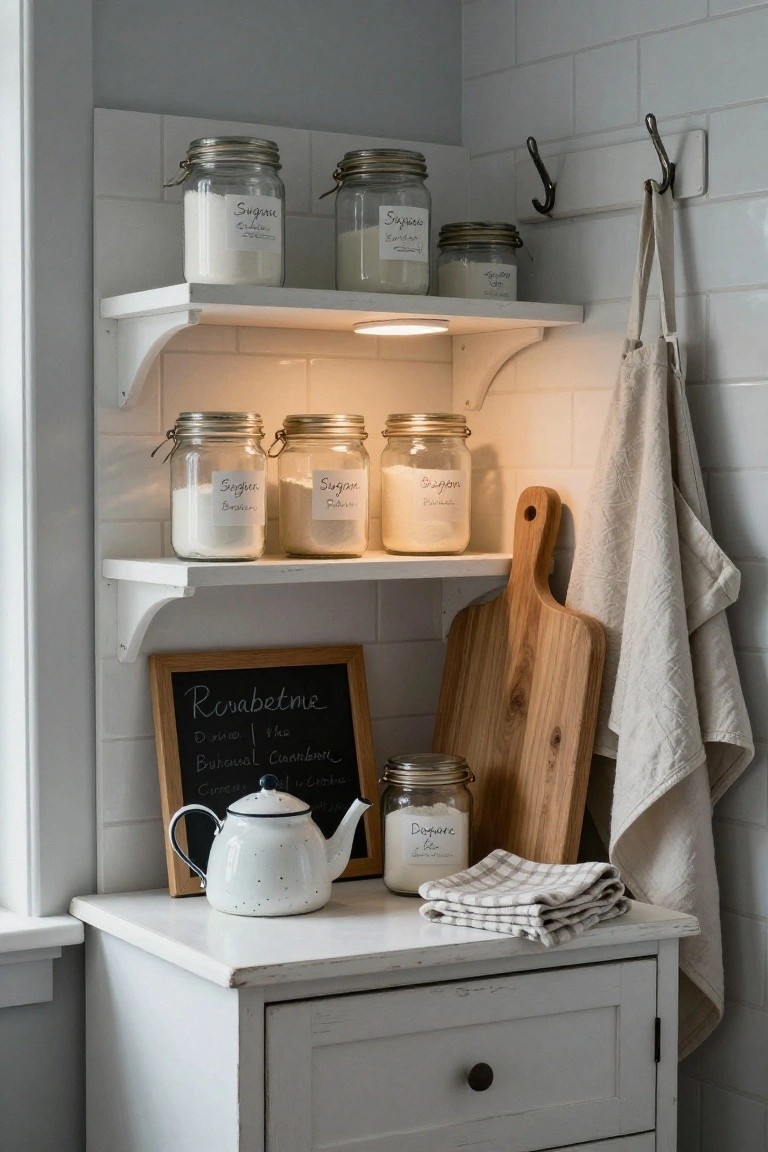
Labeled glass jars give open shelves a tidy, useful look that still feels warm and personal. They turn everyday staples into something worth noticing instead of just shoving them behind doors.
This setup works best in kitchens or butler’s pantries where you reach for things often. Stick to matching jars and keep the labels simple so the shelves stay easy to read and do not start to feel crowded.
Style A Sideboard With Stacked Books And A Tray

A sideboard works best when it feels useful instead of overly arranged. Stacking a few books next to a lamp and a simple tray gives the surface enough height and interest without crowding it. The open space below can hold extra books or a basket, so the whole piece stays practical for daily life.
This approach suits entryways or living rooms where you want storage without hiding everything behind doors. Keep the tray for small items like keys or glasses and let the books add color and texture. It works in both modern and traditional homes as long as you leave a little breathing room on the top surface.
Fresh Fruit Adds An Easy Focal Point
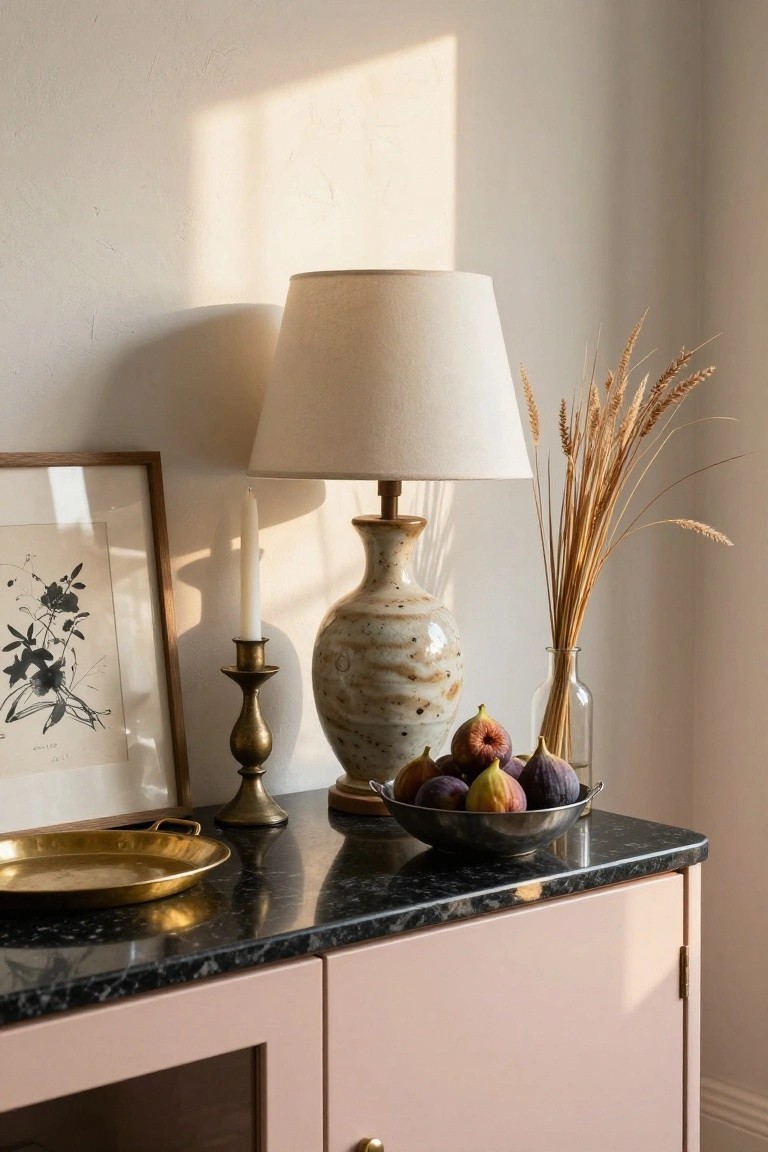
One simple way to style a sideboard is to place a bowl of fresh fruit right in the middle. The figs here bring soft color and a lived-in feel that pairs nicely with the lamp and dried stems without looking too arranged.
This approach works best in spaces you use every day, like a dining room or hallway. Just keep the fruit fresh and change it out every few days so the whole setup stays looking natural.
A Sideboard Makes a Simple Nursery Changing Station
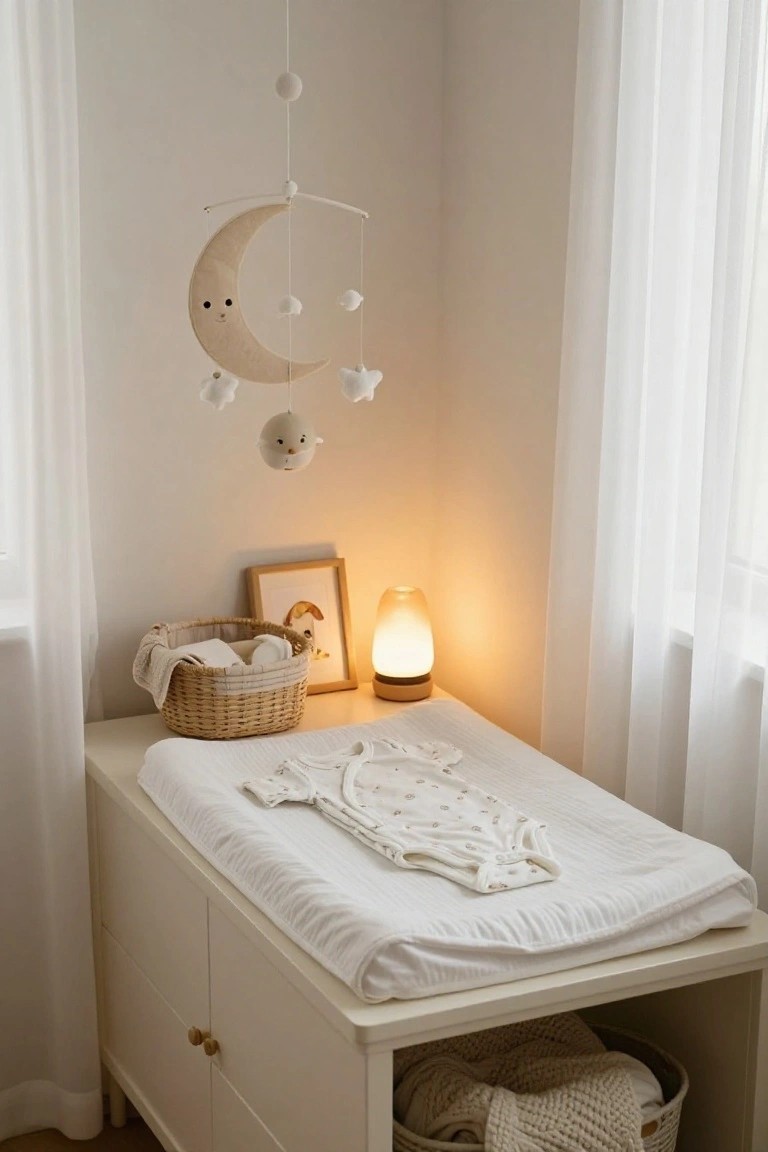
A low sideboard gives you a steady surface that works better than a flimsy changing table for daily use. It blends into the room instead of standing out as baby furniture, and it stays useful long after the changing years are over.
Keep the top clear except for a pad and one small basket for wipes and creams. Tuck extra blankets or clothes into the lower shelves so everything stays close without crowding the space. A soft lamp nearby helps with late night changes while keeping the room feeling calm.
Layering Everyday Items On A Metal Sideboard
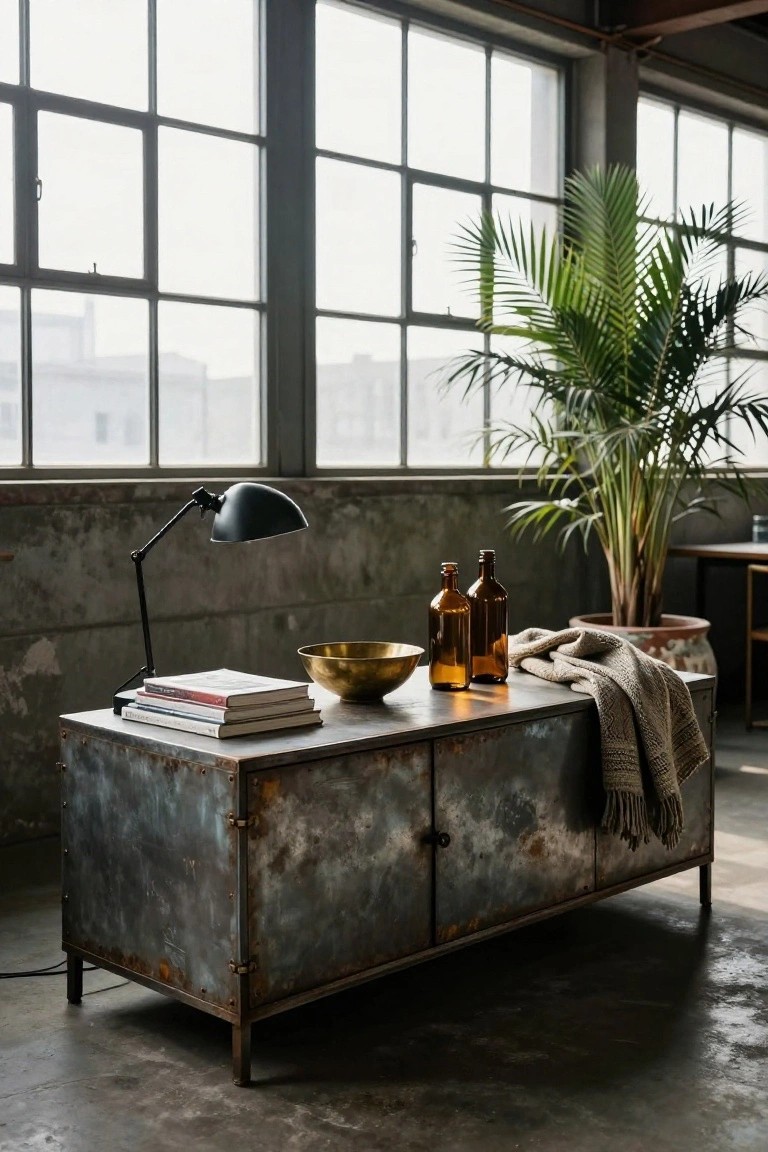
A metal sideboard with a worn finish gives you a sturdy base that still feels relaxed. It works because the surface is large enough to hold a few useful things without looking crowded or overly arranged.
Keep most of the styling practical. Set a lamp and a short stack of books on one side and drape a throw over the other end so the piece feels lived in rather than staged. This approach suits open living areas or loft spaces where you want storage that blends into the room instead of standing out as decoration.
Adding Greenery To A Bathroom Vanity
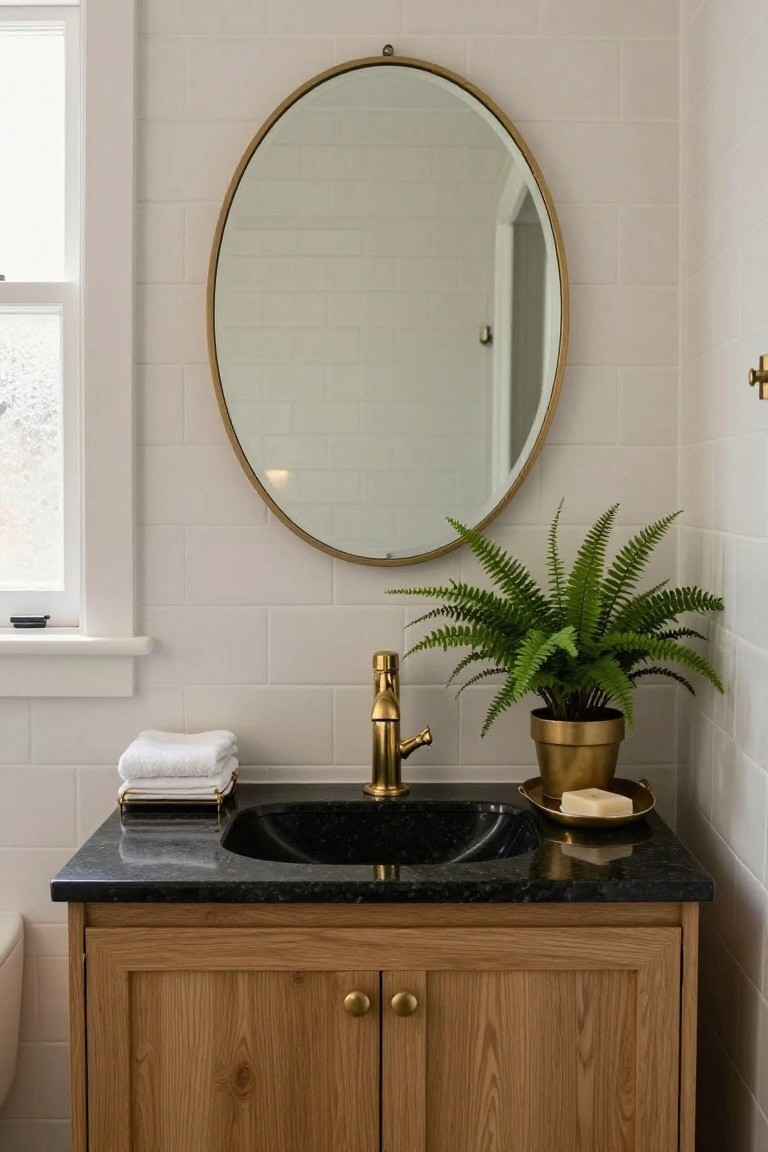
One easy way to make a bathroom feel less stark is to set a potted plant right on the vanity. The fern here adds a bit of soft green that balances the dark stone and wood, and it keeps the space from looking too hard and polished.
This works best in rooms that get decent light and some moisture in the air. Pick a plant that tolerates humidity, set it on a small tray, and keep the rest of the counter fairly clear so the plant stands out without crowding things.
Create an Organized Laundry Station With a Sideboard
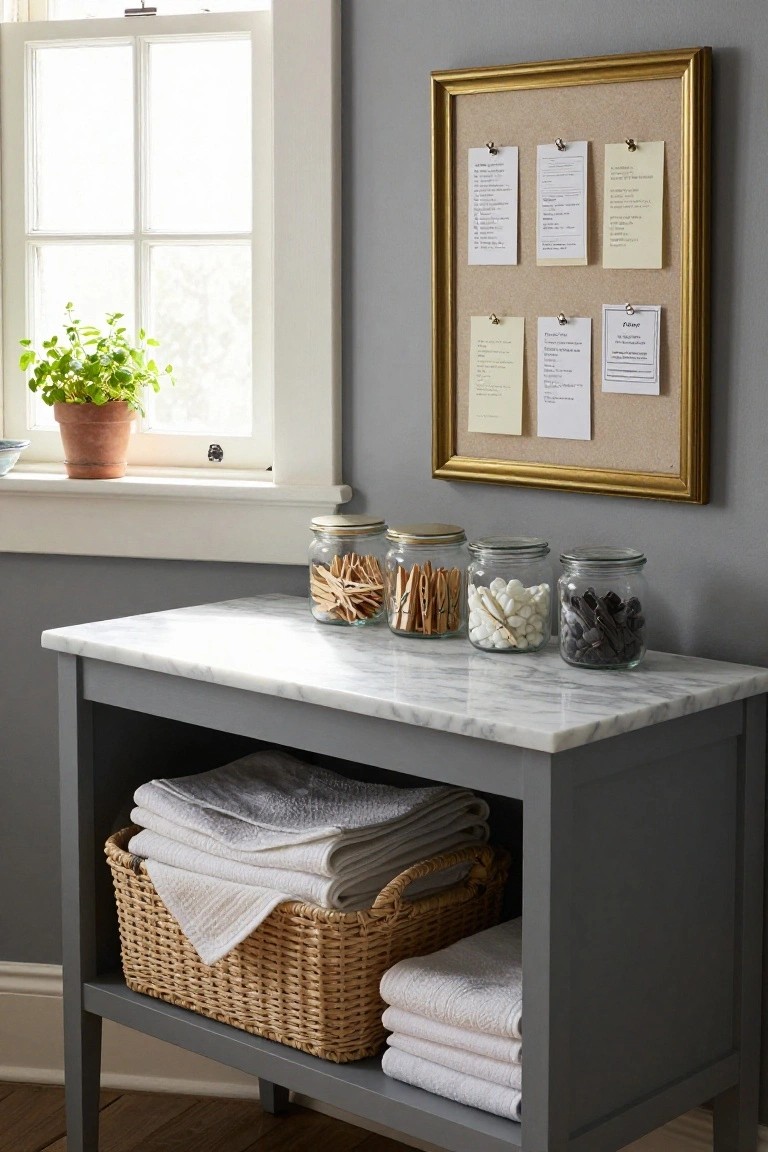
A sideboard can do more than hold dishes or decor. In a laundry room or utility space, it gives you a solid surface for supplies while the lower shelf holds baskets of towels and linens. This setup keeps everything in one spot without needing a full built-in cabinet.
Try placing a few clear jars on top for clothespins, cotton pads, or other small items so you can grab what you need quickly. It works especially well in smaller homes where the laundry area doubles as a hallway or mudroom. Just keep the surface clear enough that it still feels tidy rather than crowded.
Use Matching Lamps To Balance A Sideboard
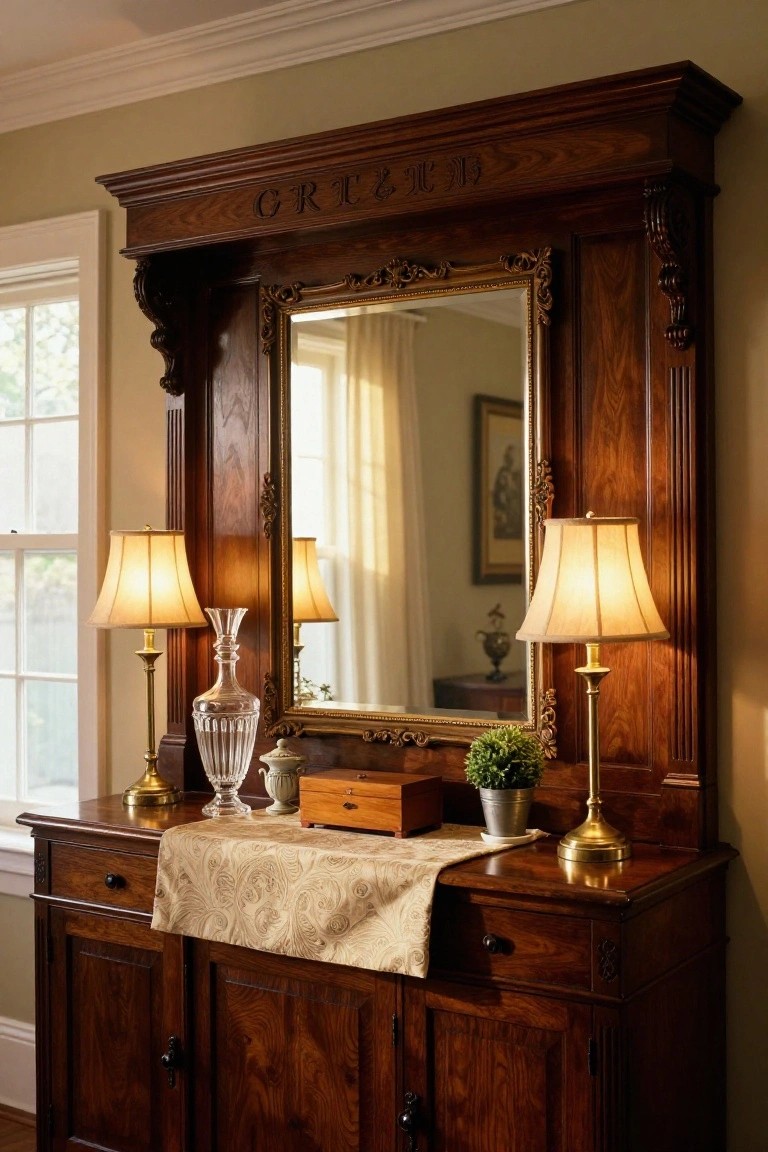
Matching lamps placed at each end of a sideboard can pull the whole surface together. They add height and light without crowding the middle, and they work especially well when there is already a large mirror or piece of art above the cabinet.
This approach suits traditional dining rooms or entryways where the sideboard gets daily use. Keep the lamps simple in shape and similar in scale so the arrangement feels calm rather than busy.
Style A Sideboard With Just A Few Pieces
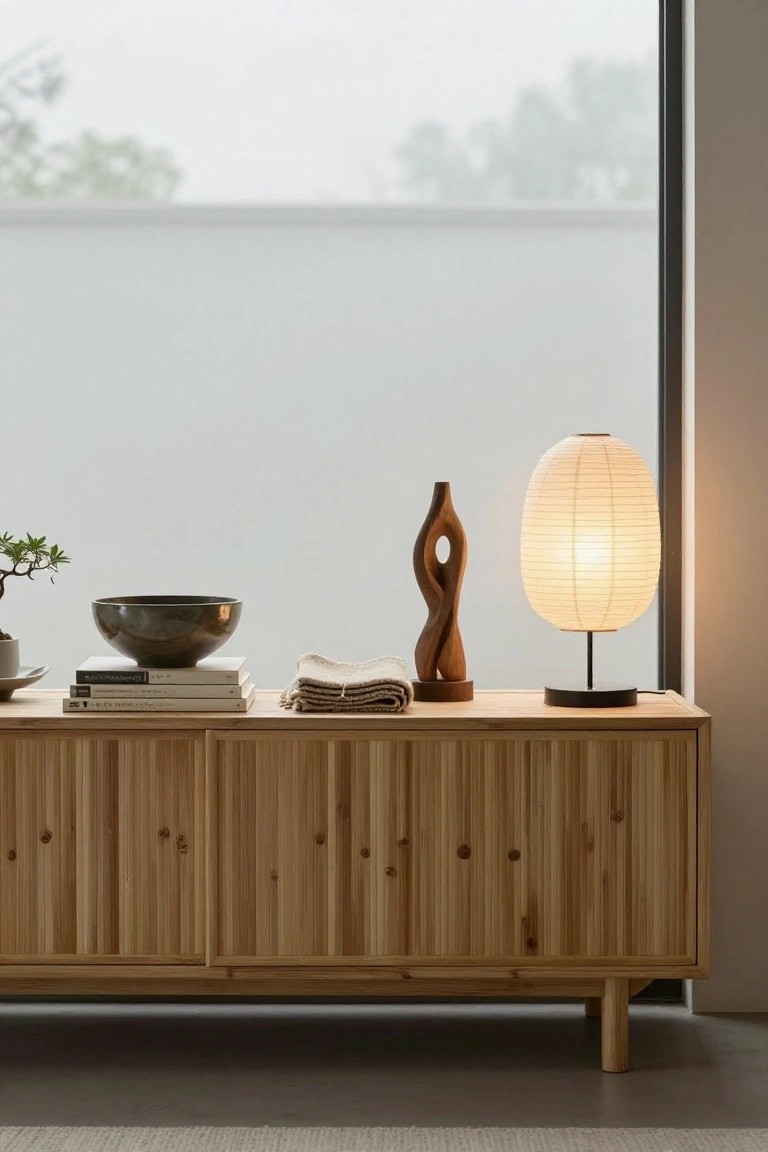
Many sideboards end up looking crowded because people try to fill every inch. Leaving some empty space lets each item stand out more and keeps the whole surface feeling calm instead of busy.
Group a few objects together on one side and leave the rest open. A stack of books, a simple bowl, or a single sculptural piece is often enough. This approach works especially well on longer consoles in living rooms or hallways where you want the wood to show through.
Frequently Asked Questions
Q: How do I keep my sideboard from looking cluttered when I add more than a few pieces?
A: Start by clearing the surface completely and placing your largest item slightly off center. Then layer in two or three smaller objects around it with some breathing room between each one. Step back often to check the view from across the room.
Q: What if my sideboard also needs to hold everyday things like mail or a charging station?
A: Pick a low tray or shallow bowl to corral those items in one spot. Style the rest of the surface around it with just a lamp and one sculptural object. The tray keeps things tidy while the rest still reads as intentional.
Q: How often should I swap out items to keep the look fresh?
A: Change one or two pieces every couple of months when the seasons shift. Rotate in a new vase or a stack of books you actually read. Small updates prevent the arrangement from feeling stale without a full overhaul.
