

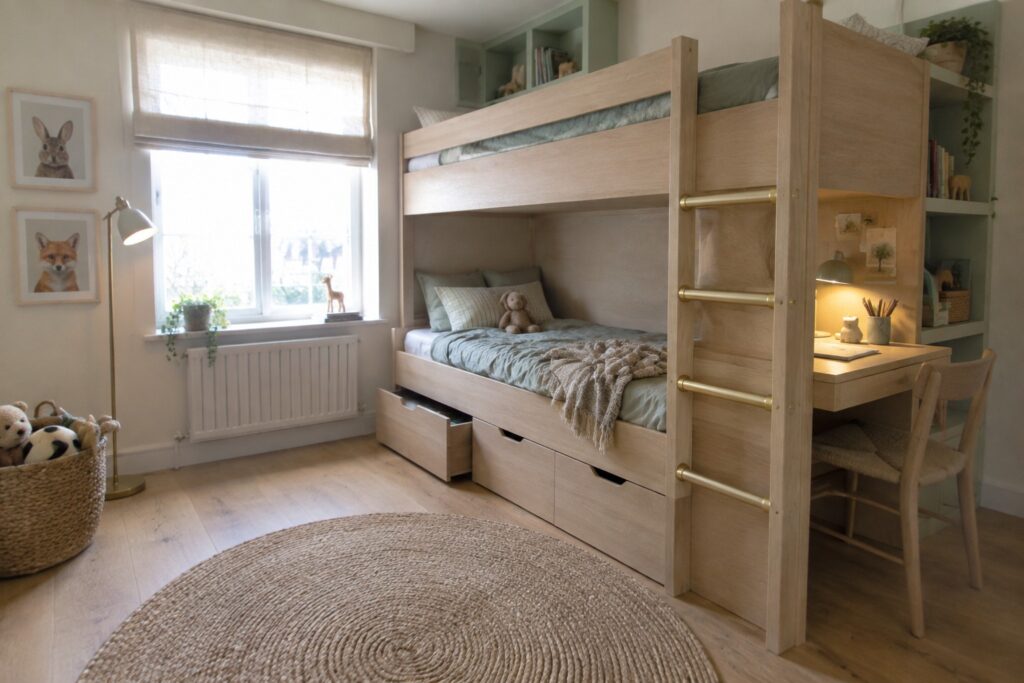
Kids bedrooms tend to collect stuff faster than any other room in the house, which is why storage has to be built right into the furniture from the start.
I have seen setups where the bed and dresser work together to keep the floor clear, and it makes the whole space feel bigger even when it is not.
The way the pieces fit the room layout matters more than how they look in a photo, because kids actually live in these rooms every day.
When I plan changes for my own home I always test whether the storage will hold up to daily use before committing to anything new.
Practical choices often win out in the end.
Bunk Beds With Built-In Drawers
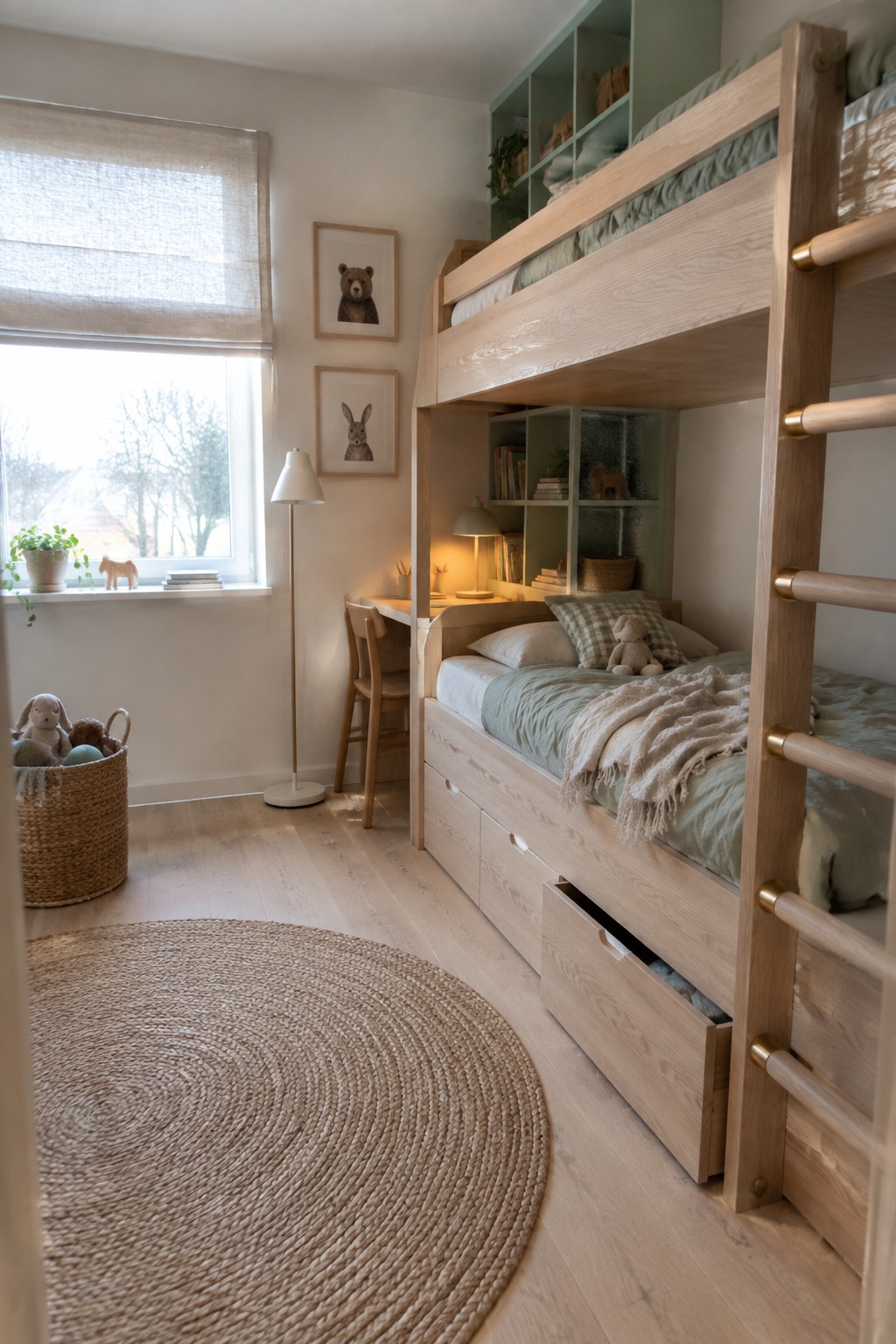
Kids bedrooms usually run out of floor space fast, so building storage straight into the bed frame makes sense. The drawers tucked under the lower bunk hold clothes, extra bedding, or toys without crowding the room with more furniture.
This works best in smaller rooms or shared spaces where every inch counts. Choose beds with deep drawers that glide smoothly and line them with bins if you want to separate items by child or season.
Under Bed Drawers For Everyday Storage
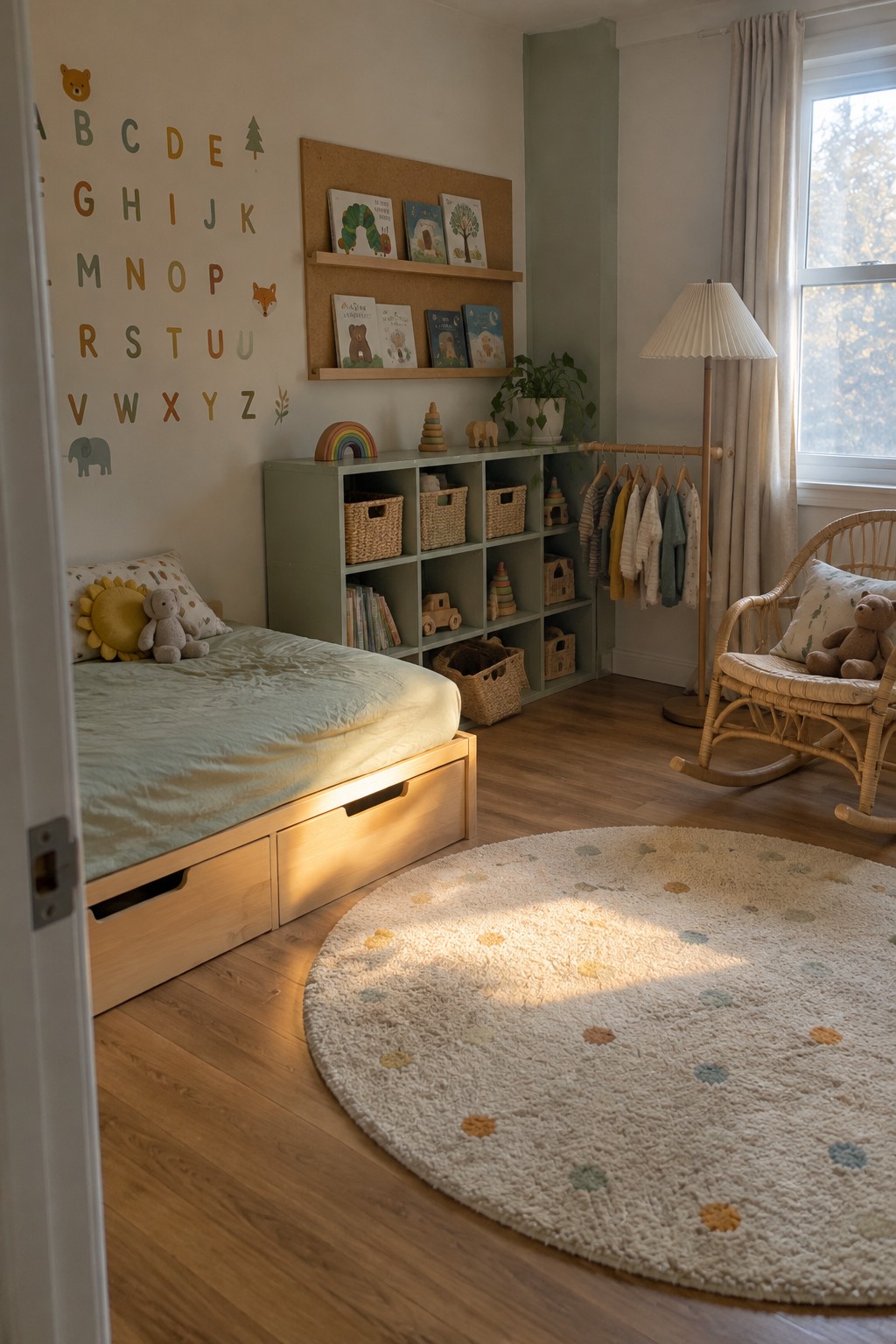
Kids rooms collect a lot of stuff fast, and floor space always seems to run out. A low bed with built-in drawers underneath gives you hidden room for clothes, toys, or extra bedding without adding another piece of furniture.
This works especially well in smaller bedrooms where you want the floor clear for playtime. Pair the drawers with low open cubbies nearby so kids can grab what they need without help.
Loft Beds With Built-In Desks Below
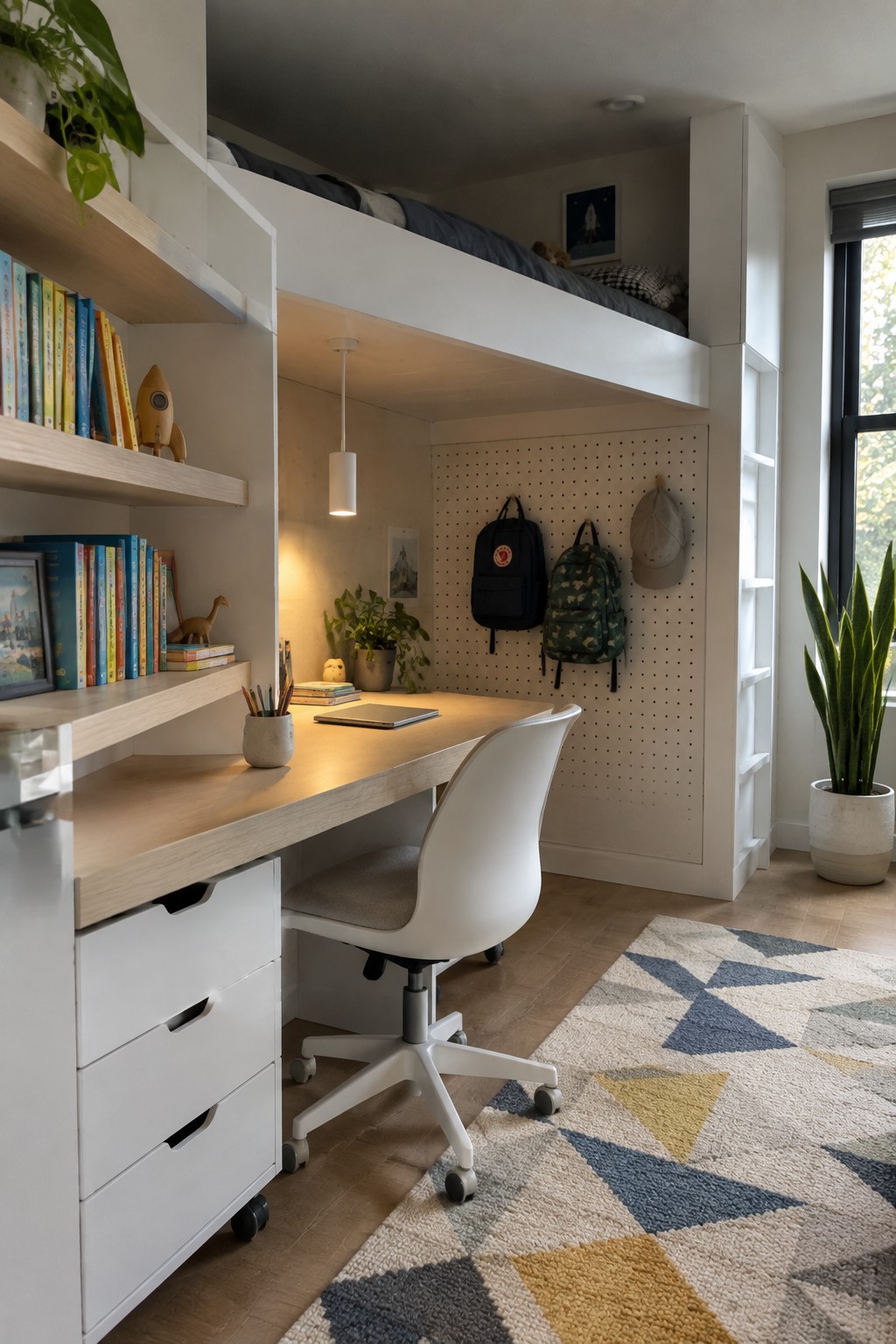
A loft bed leaves the floor space open for a desk right underneath. This setup turns what would normally be wasted vertical space into a real study area that feels separate from the bed.
It works best in smaller bedrooms where kids need room to do homework without the whole space feeling crowded. Adding drawers under the desk and a simple pegboard on the wall helps keep books and supplies in one place.
Built-In Window Seats Add Practical Storage
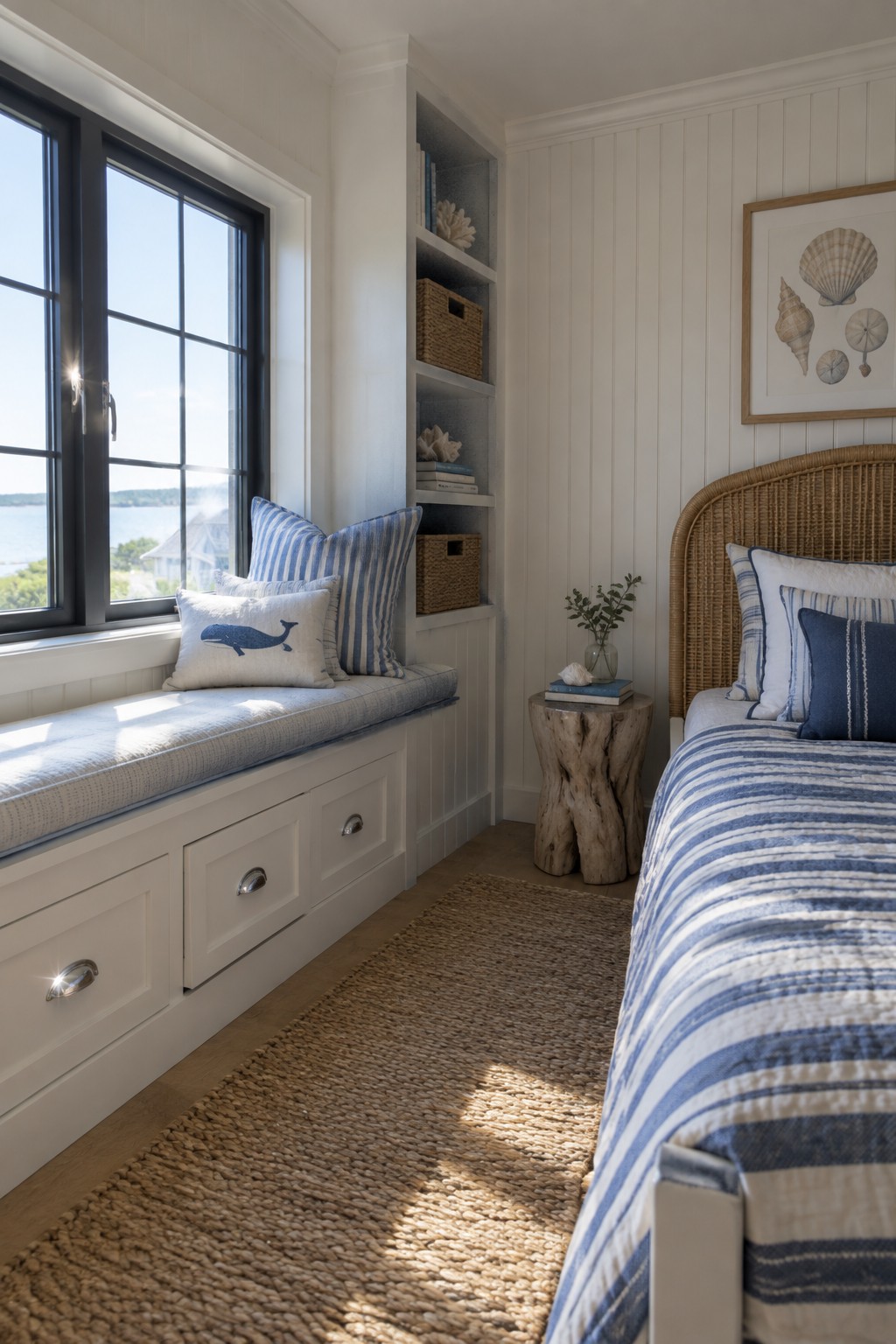
Kids rooms always seem to need more places to tuck things away. A built-in window seat with drawers below turns an unused spot into real storage without crowding the floor. It gives kids a place to sit by the light while keeping toys, books, or extra blankets out of sight.
This idea works best in rooms that already have a decent window and some wall space on either side. It suits both small bedrooms and larger ones where you want the furniture to feel built for the space rather than just placed in it. Match the hardware and paint to the rest of the room so the seat blends in.
Beds With Built-In Drawers Add Storage In Kids Rooms
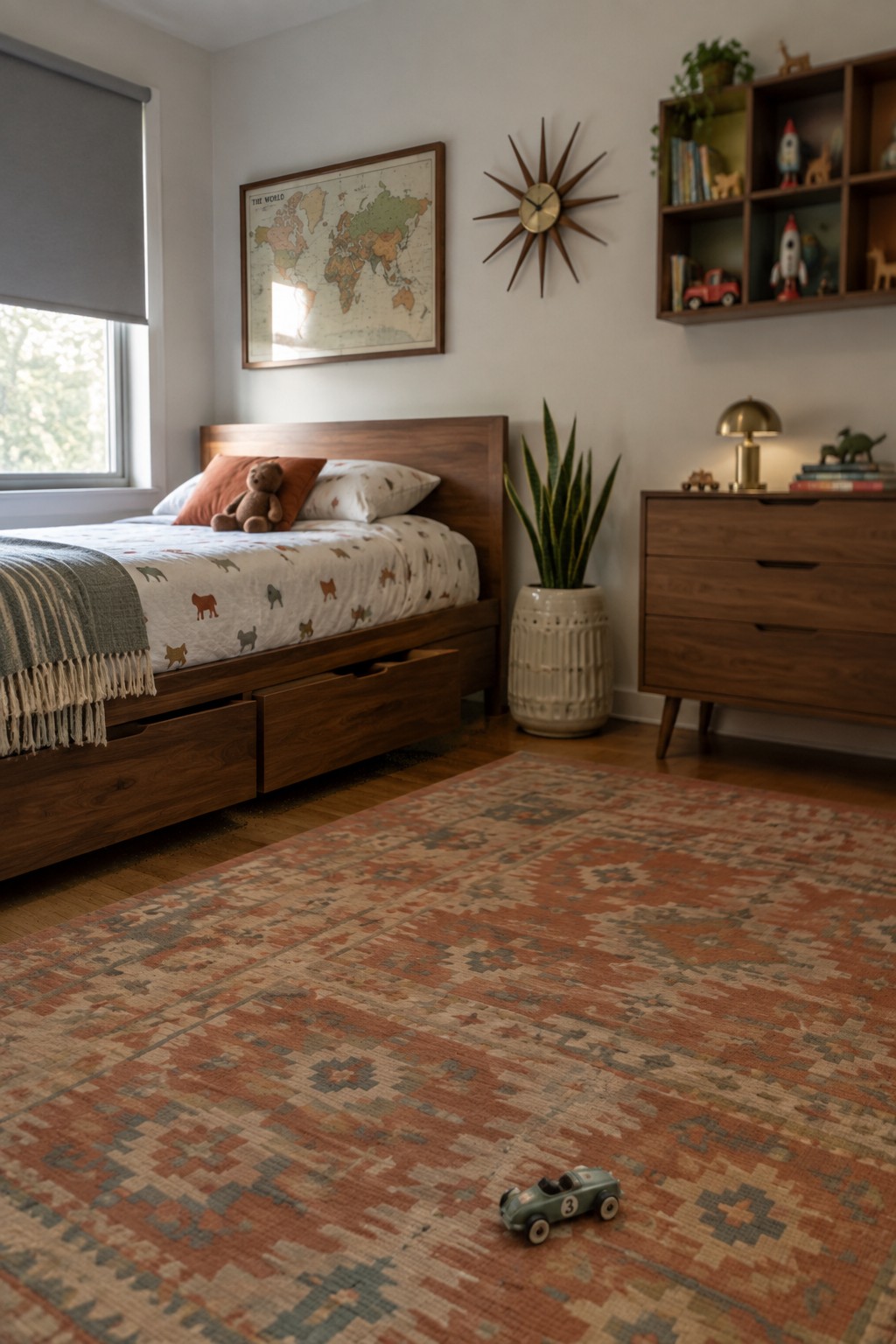
Kids rooms collect a lot of small items that need a place to go. A bed frame with drawers built right into the base gives you that space without adding another piece of furniture that takes up floor room.
This setup works well in smaller bedrooms where every inch counts. It suits families who want simple storage that stays out of the way during playtime and makes cleanup easier at the end of the day.
Under-Bed Trunks Offer Practical Storage
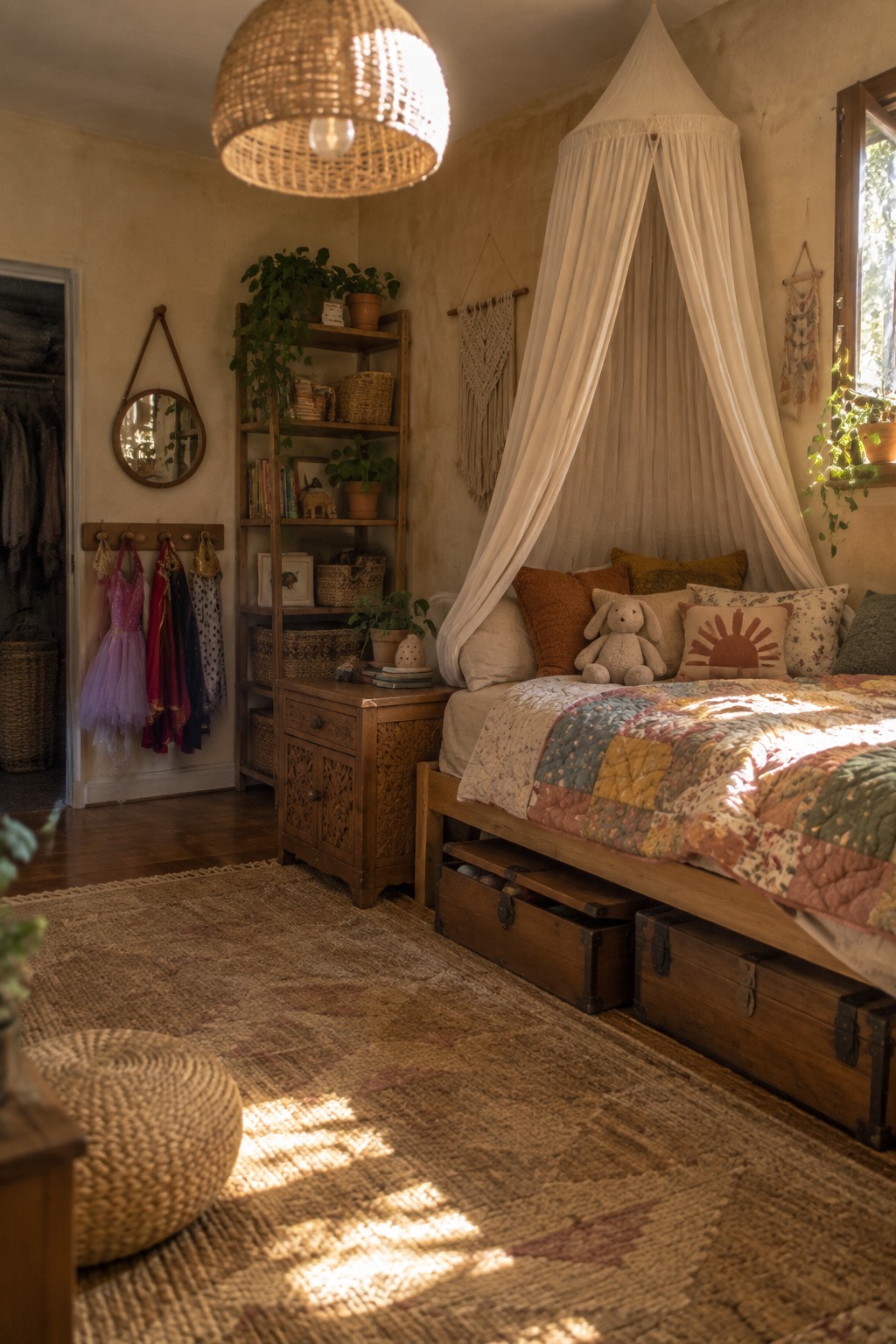
Many kids rooms fill up fast with toys and clothes, so using the space under the bed makes sense. Two wooden trunks tucked beneath a low frame hold extra items without taking up floor space during the day.
This works well in smaller rooms where every inch counts. Pair the trunks with a simple wooden nightstand that has drawers so the whole setup stays useful and easy for kids to manage on their own.
Loft Beds That Free Up Floor Space
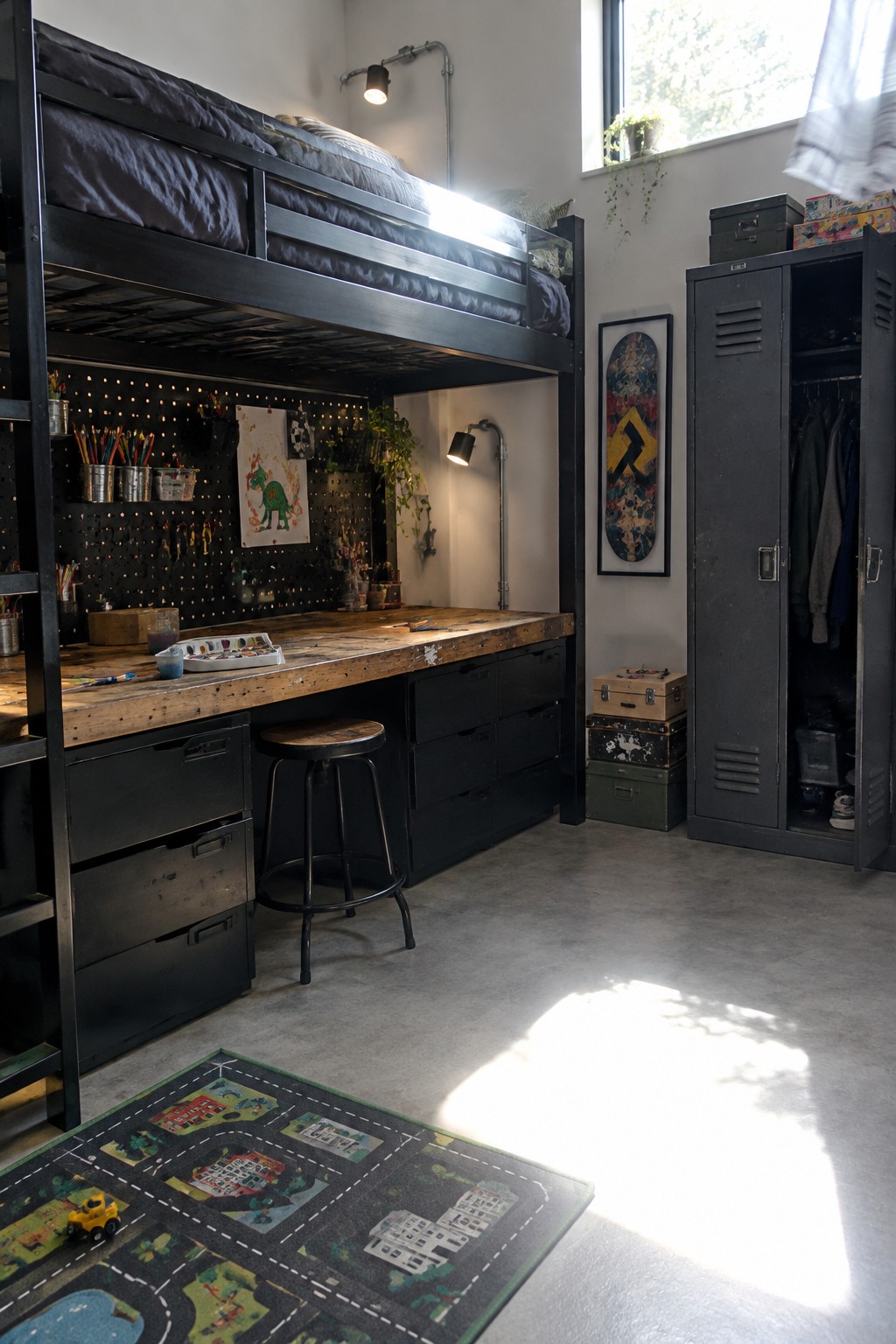
A loft bed works well when a kids room needs both sleeping space and room to work or play. Raising the bed creates a full area underneath for a desk and storage drawers, which keeps the floor from feeling crowded.
This setup suits smaller bedrooms that still need to handle homework, art projects, and toy storage. Choose a sturdy frame with enough clearance for a chair, then add matching drawers or bins below so everything stays organized without extra furniture taking over the room.
Beds With Built-In Drawers
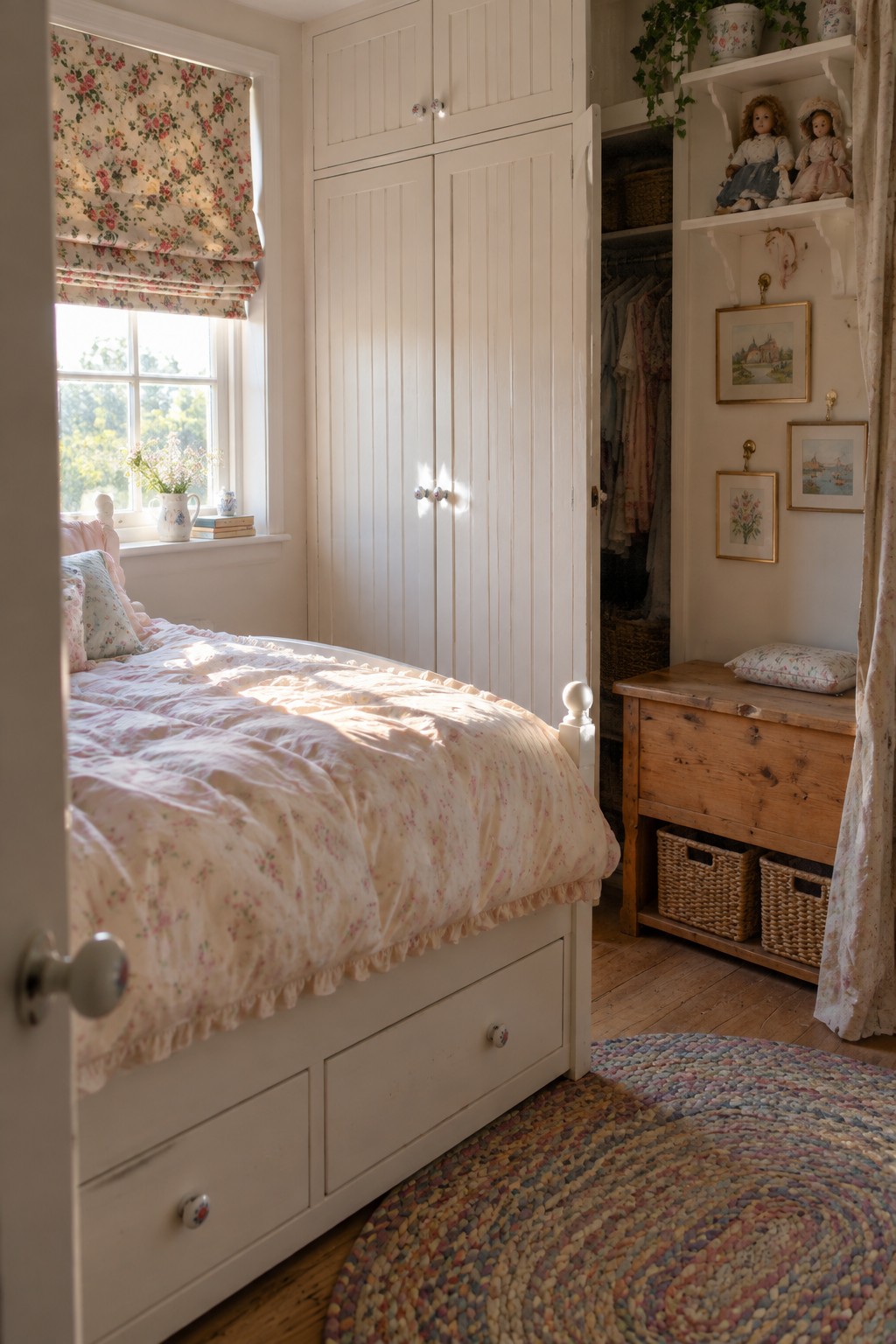
Kids rooms collect more stuff than most people expect, and floor space often runs out fast. A bed with drawers built into the base gives you room for clothes, bedding, or toys without needing another big piece of furniture taking up space.
This setup works well in smaller bedrooms or older homes where closets are shallow. Keep the rest of the furniture simple, like a tall wardrobe and one low chest, so the room stays easy to move around in and quick to tidy.
Tall Wardrobes With Matching Storage Units
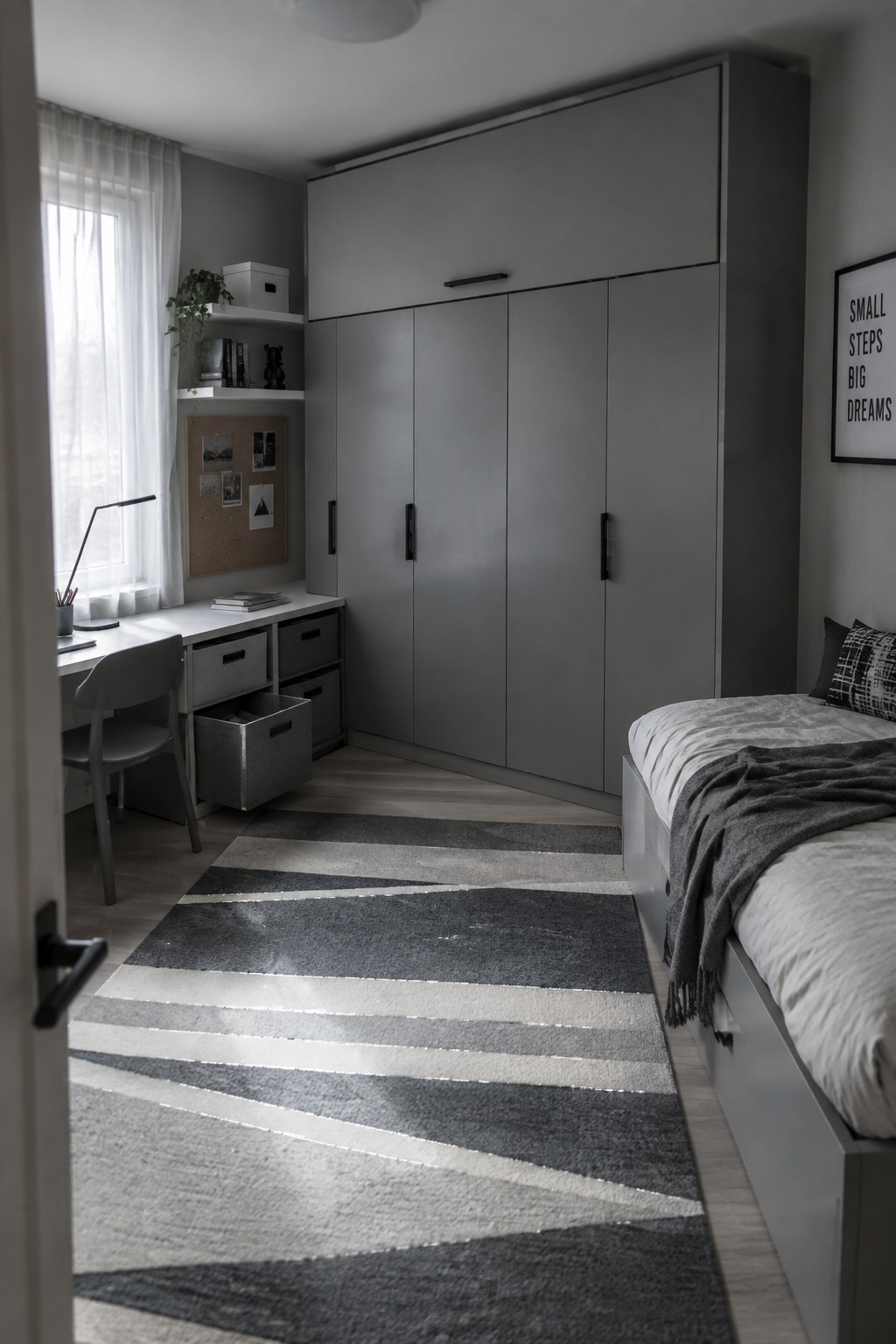
Kids rooms always seem to need more places to put things away. A tall wardrobe that goes all the way to the ceiling gives you hanging space plus room for bins and boxes up high, so the floor stays clear for play.
Pair it with a simple desk that has pull-out bins underneath. This works best in smaller bedrooms where you want one main storage piece to handle most of the mess. Keep the colors simple so the room still feels calm.
Cube Storage Units Kids Can Reach Themselves
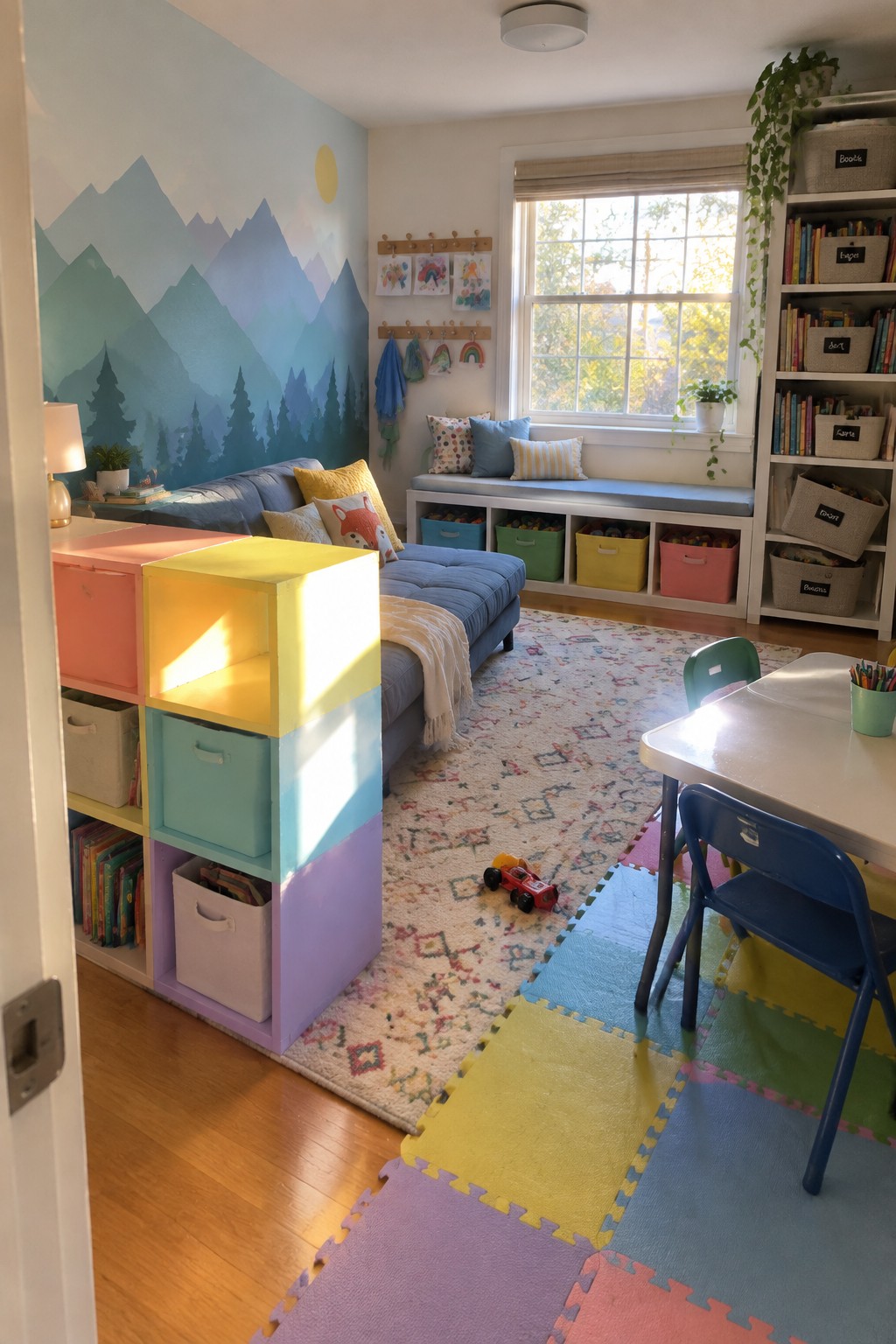
Cube storage works well in kids rooms because the open squares and low height let children put toys away without help. Bins slide in and out easily, and the bright colors turn the whole unit into something that feels more like play furniture than a chore.
Place a few stacked cubes along a wall or beside a bed to hold books, blocks, and stuffed animals. This setup suits smaller bedrooms or shared spaces where floor space matters and you want storage that grows with the child.
Place Storage Furniture Between Twin Beds
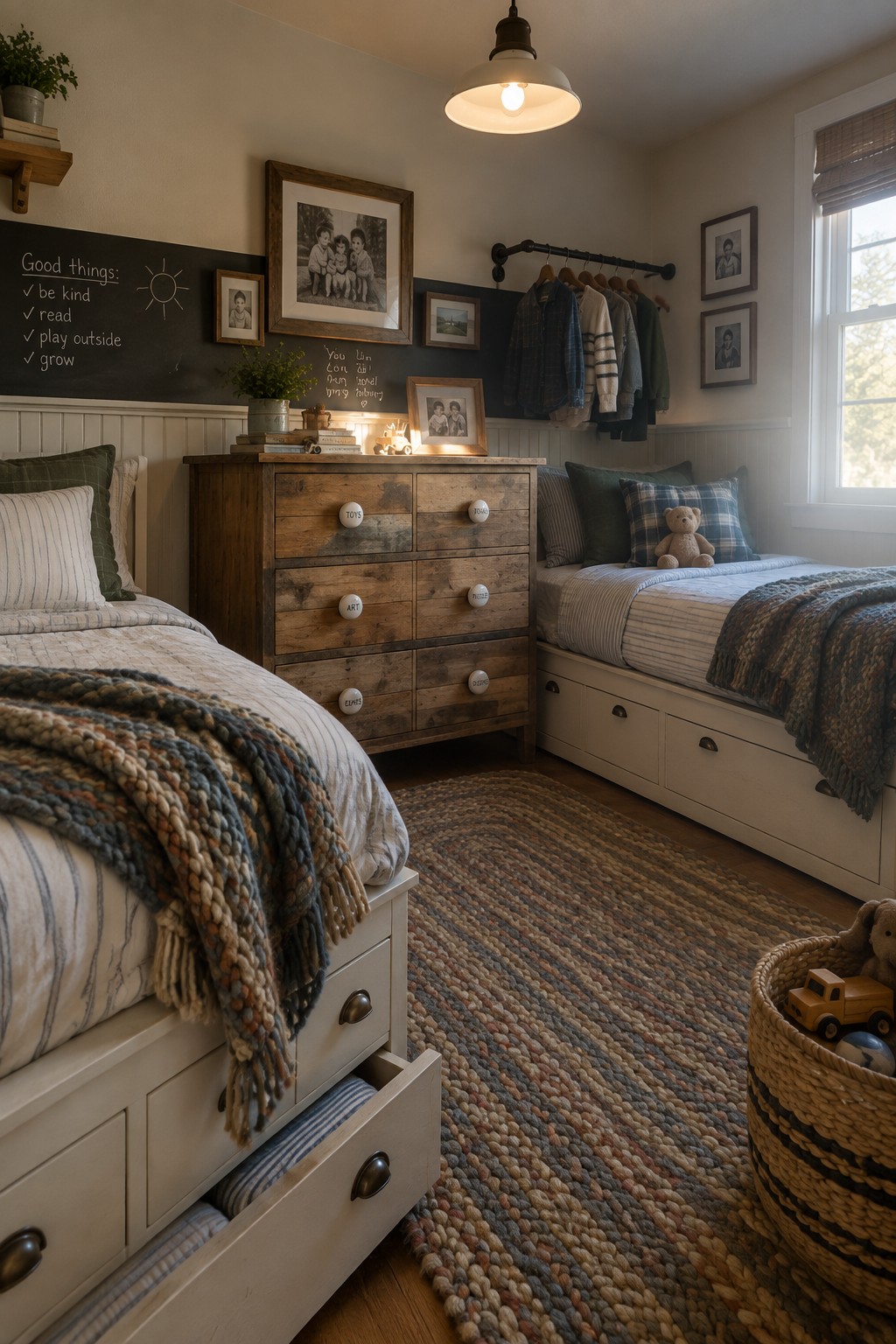
A solid dresser set between two twin beds gives kids a shared spot for clothes without crowding the room. The piece takes up one wall but serves both sides, which keeps the layout simple and balanced.
This works best in smaller bedrooms or shared spaces where every inch counts. Look for drawers that run deep and add matching under bed bins for toys or extra bedding so the floor stays clear.
Loft Beds That Add Storage In Small Rooms
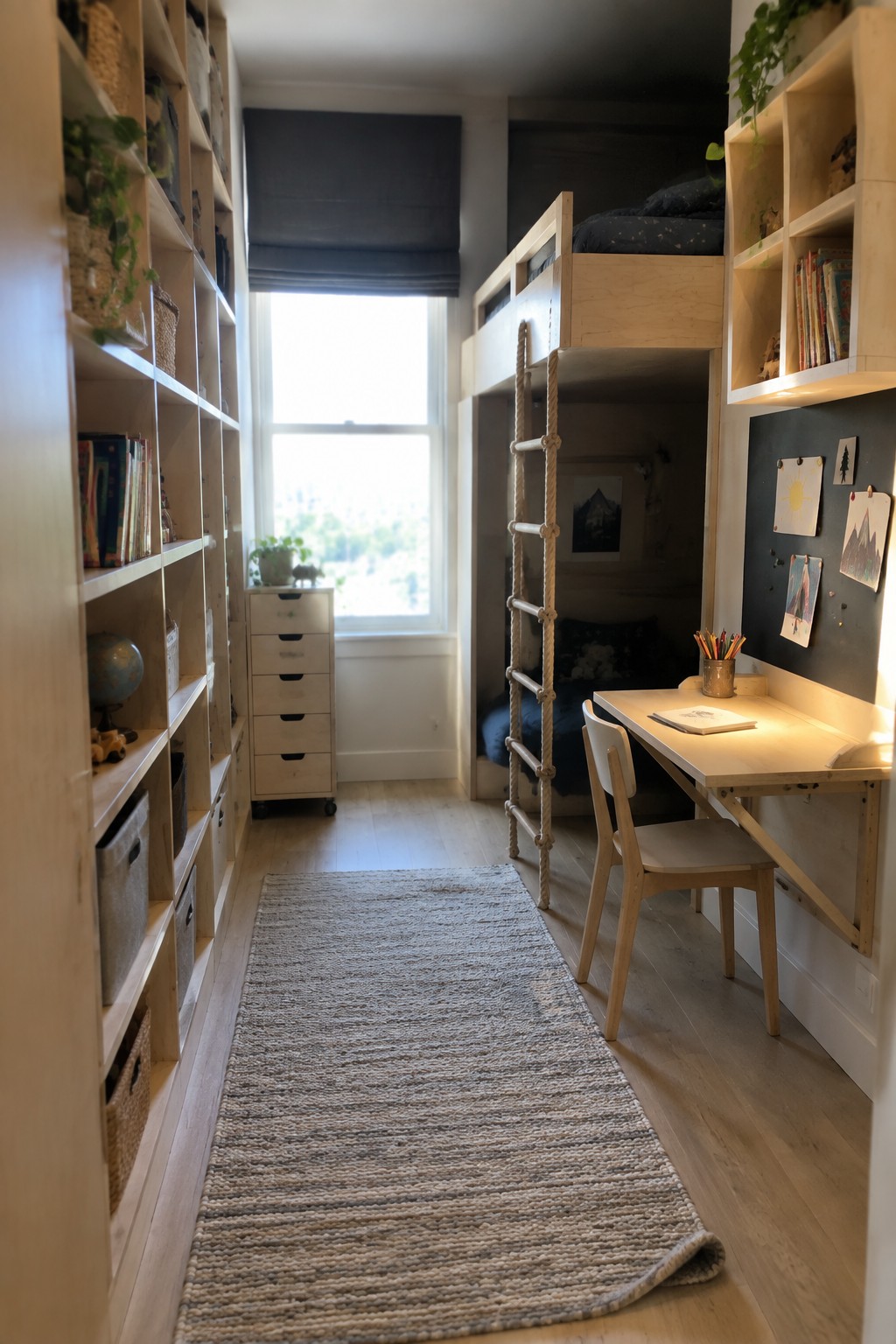
A loft bed works well when floor space is limited because it lifts the sleeping area up and leaves room underneath for other uses. In this setup the bed sits above a desk and some lower storage, which keeps the narrow room from feeling crowded while still giving a child a place to sleep, work, and keep books and toys.
This approach suits small bedrooms in apartments or older homes where every square foot counts. It works best when the bed frame includes side shelves or when you add a simple desk and wall storage underneath so the lower area stays useful instead of turning into dead space.
Bunk Beds With Built-In Drawers
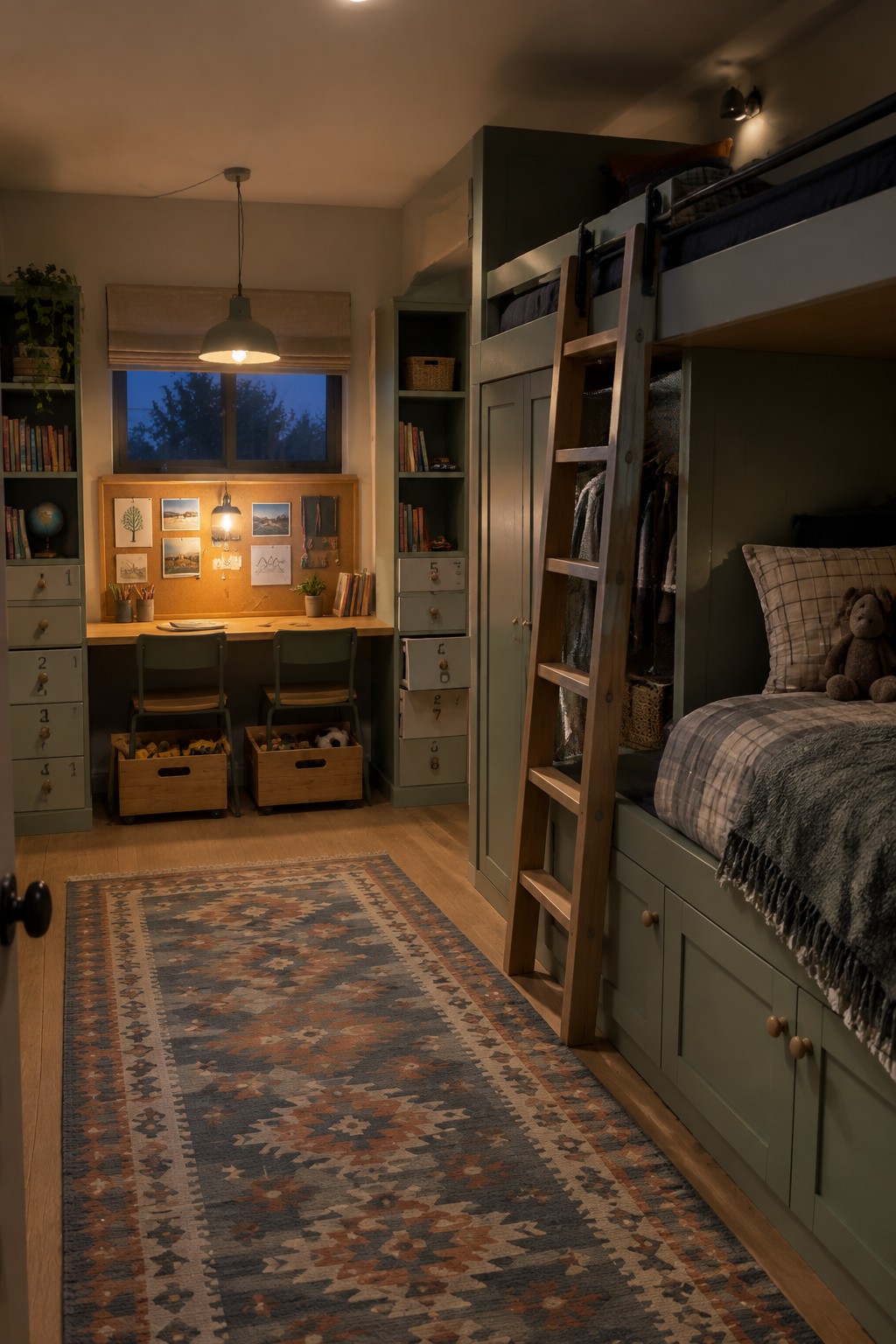
Bunk beds that include drawers right under the mattress can help keep a kids room from getting too crowded. The lower bed sits on a base with several pull-out drawers, so clothes, bedding, and toys stay tucked away instead of scattered on the floor. This setup leaves more open space for play or a desk without adding extra furniture pieces.
It works best in rooms that need to hold two beds plus a study area. The drawers handle everyday items, while a separate desk with its own cubbies and bins keeps school supplies organized nearby. Just check that the ladder feels sturdy and the drawer handles are easy for smaller hands to reach.
Loft Beds With Built-In Storage
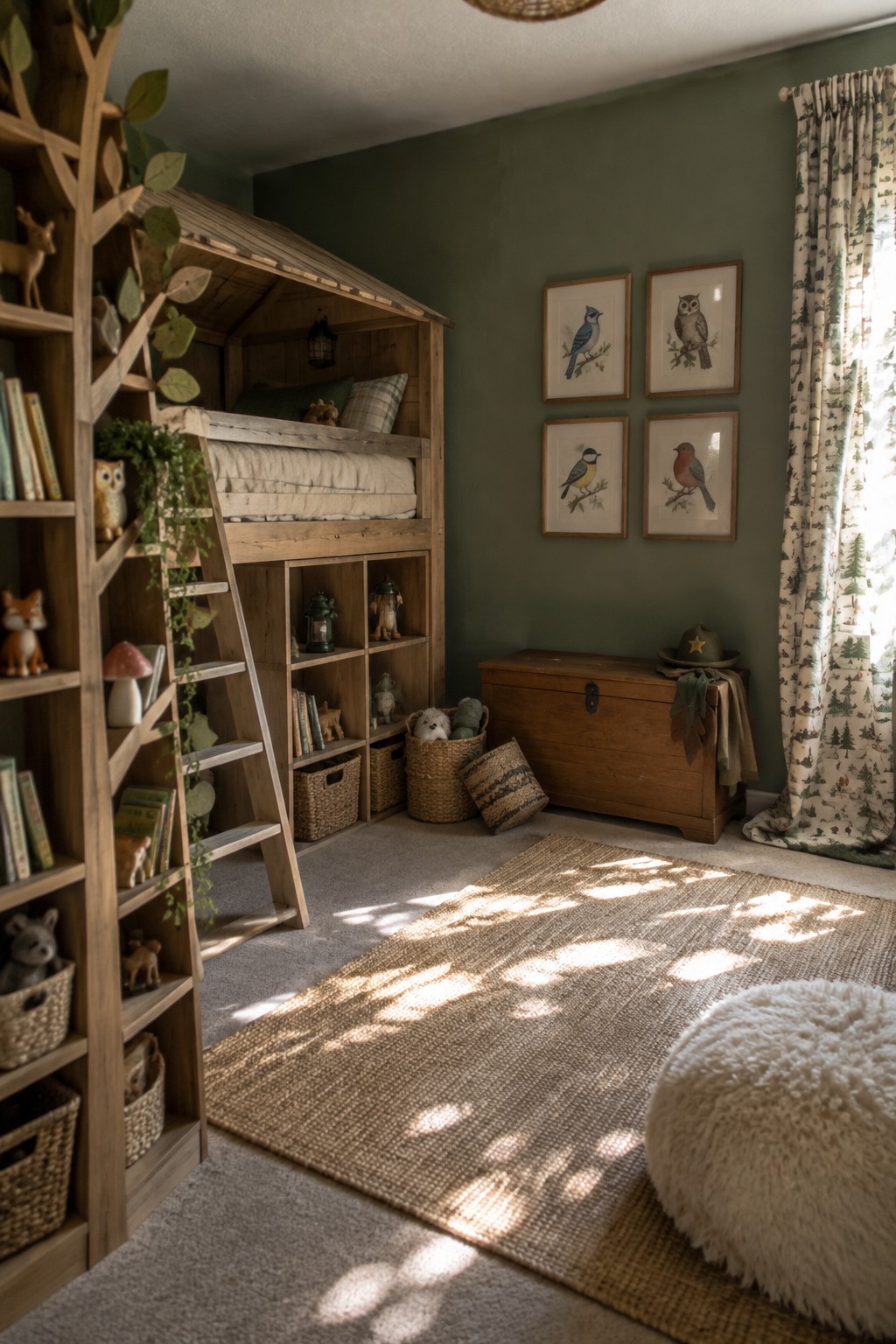
Loft beds work well in kids rooms because they lift the bed up and free the floor for other uses. The space underneath can hold shelves, cubbies, and baskets that keep books, toys, and clothes in order without adding extra furniture.
This setup suits smaller bedrooms where every bit of floor space matters. It works best when the storage stays open and easy to reach so kids can put things away on their own.
Built-In Desks With Extra Drawer Storage
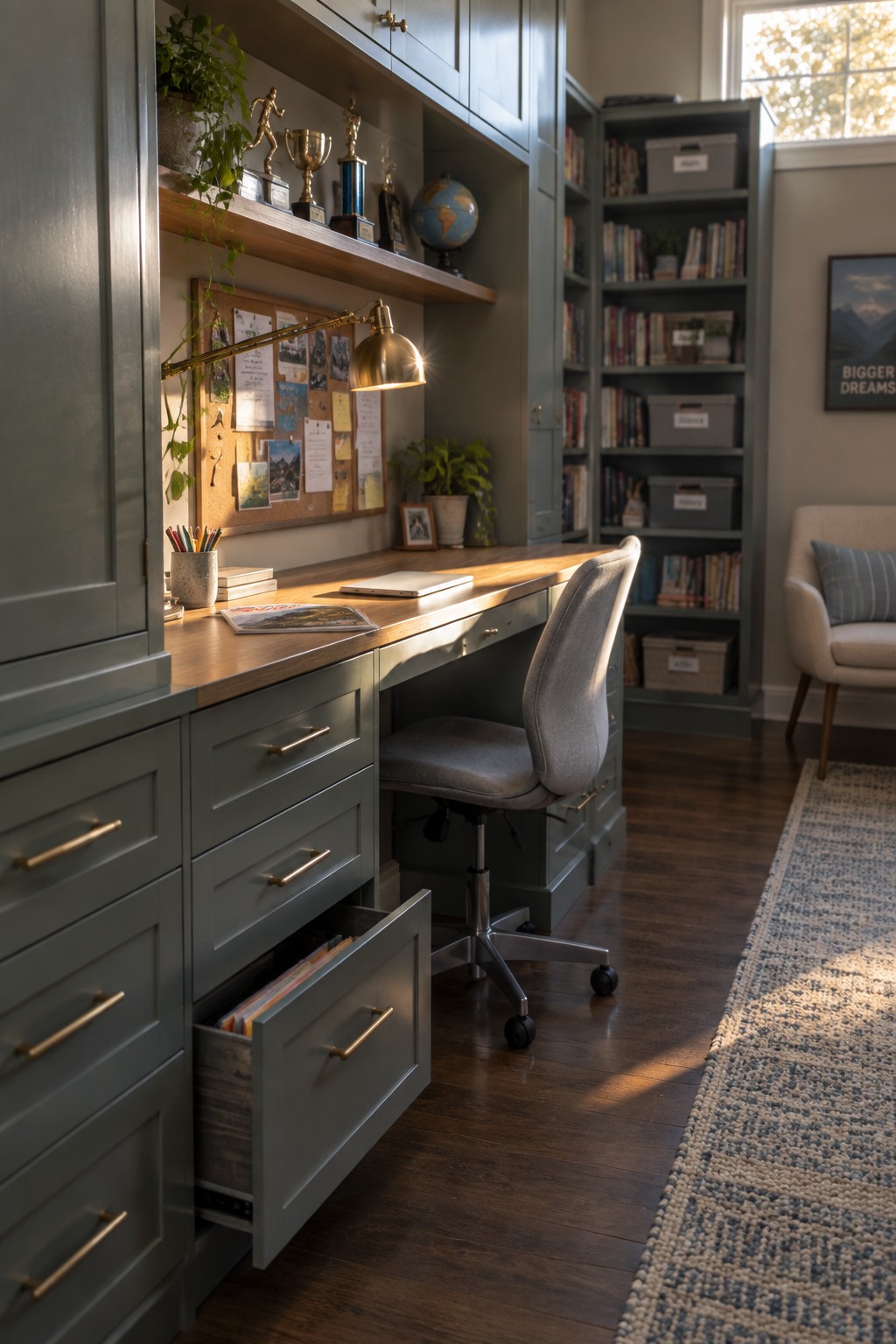
A built-in desk that runs along the wall gives you a solid work surface and hides away all the clutter at the same time. The deep drawers below keep papers, folders, and supplies out of sight, while the open shelves above hold books and smaller items without taking up floor space. This setup works especially well in a shared bedroom where every inch counts.
It suits homes that need one piece to do more than one job. Place it under a window for natural light or along a longer wall if the room is narrow. Just make sure the drawers are sized for what your child actually keeps, so the system stays useful instead of turning into another spot that gets stuffed full.
Storage Beds Keep Kids Rooms Tidy
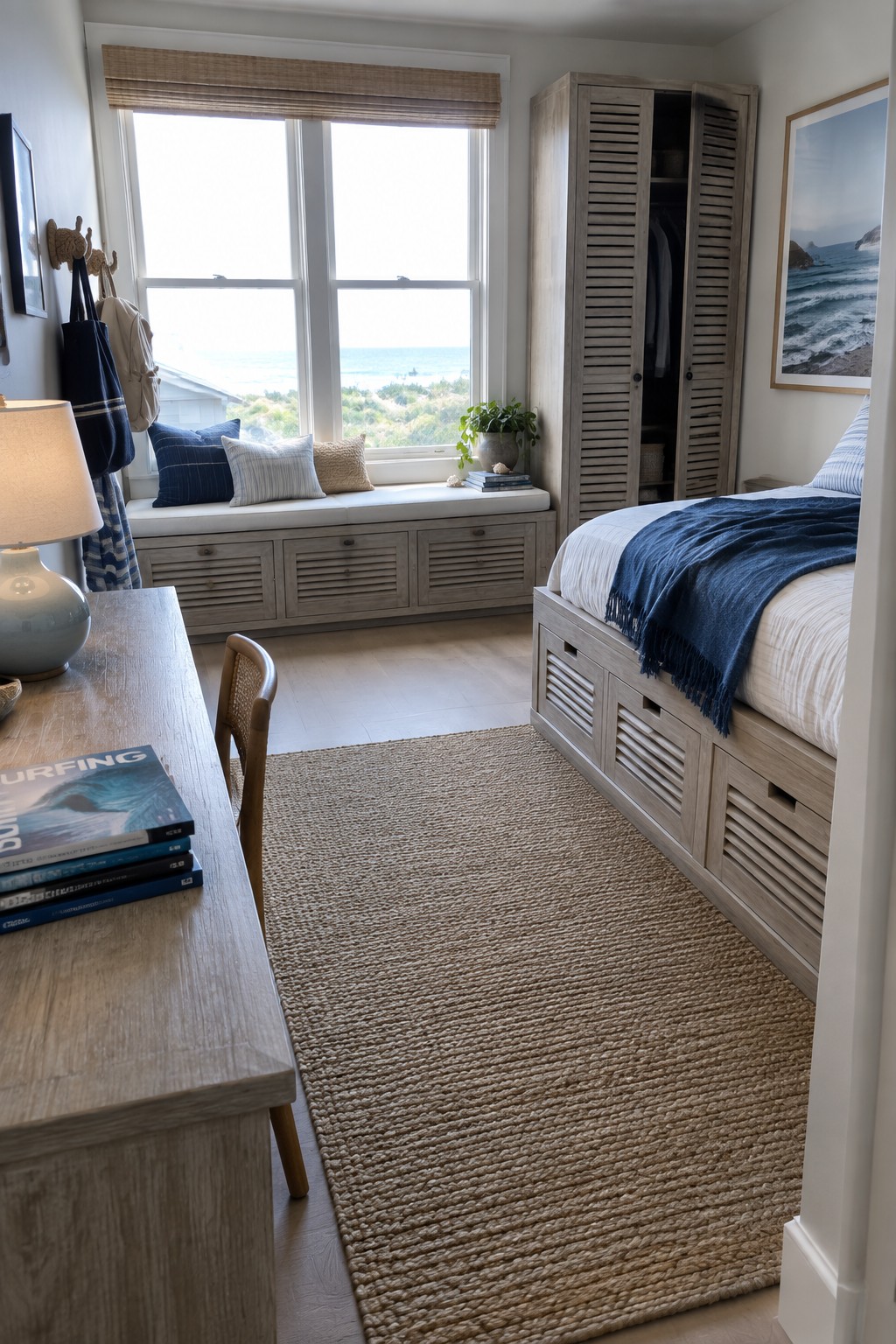
Kids rooms always end up with more stuff than you expect, so a bed with drawers built into the frame makes a real difference. The drawers sit low and pull out without much effort, giving a place for clothes, books, or toys that would otherwise end up on the floor.
This setup works best in smaller bedrooms where every bit of floor space counts. It pairs well with other storage pieces like a bench under the window, so you do not need to add extra dressers that crowd the room.
Labeled Bins Make Daily Cleanup Simpler
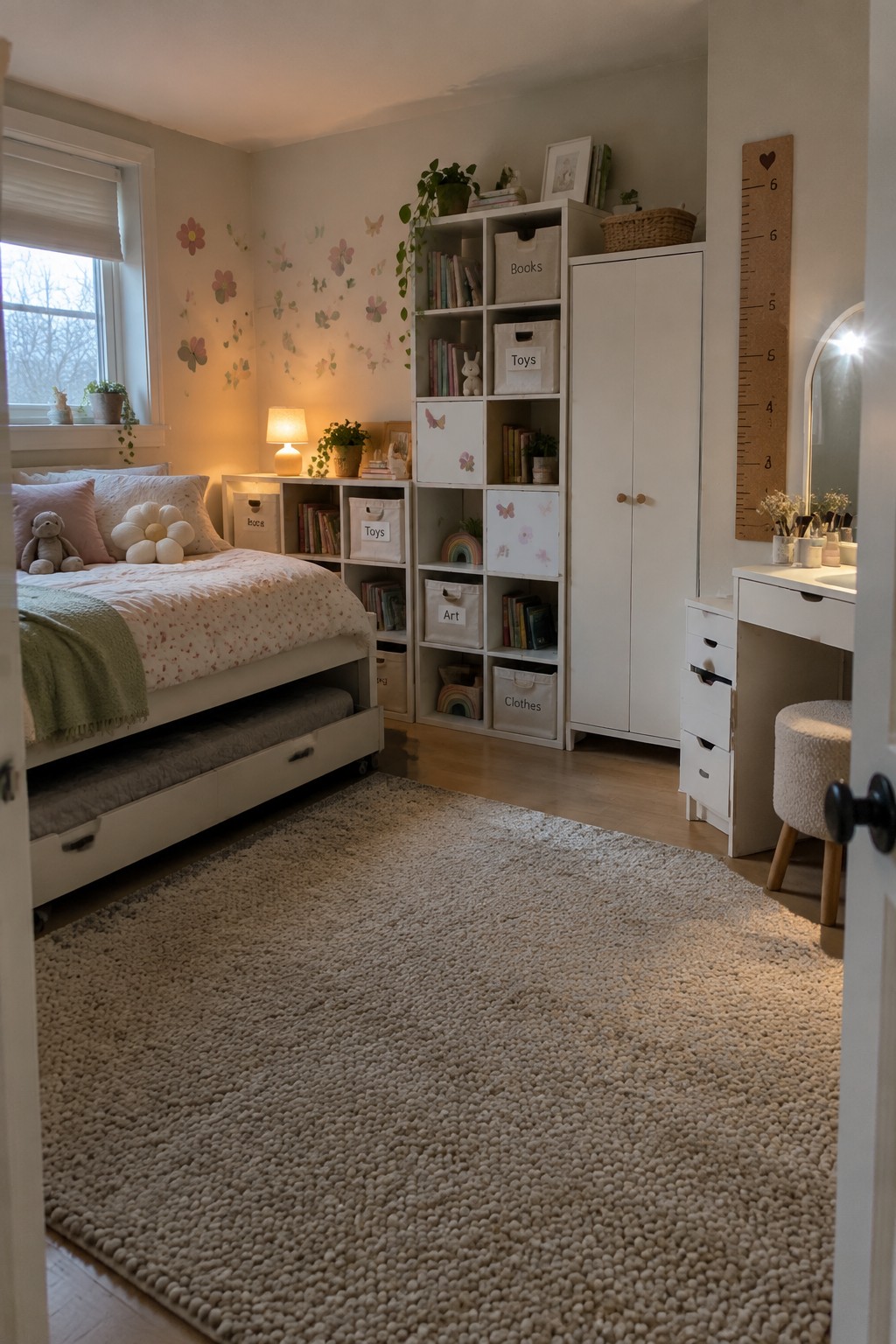
Kids rooms tend to gather lots of small things that end up scattered. Fabric bins that fit into open cubbies give each group of items a clear home and make it easier for children to put things back without constant reminders.
This approach works best in rooms where floor space is limited and kids are old enough to reach the shelves on their own. Keep the labels simple and at eye level so the system stays useful as they grow.
Lidded Storage Benches Keep Supplies Organized
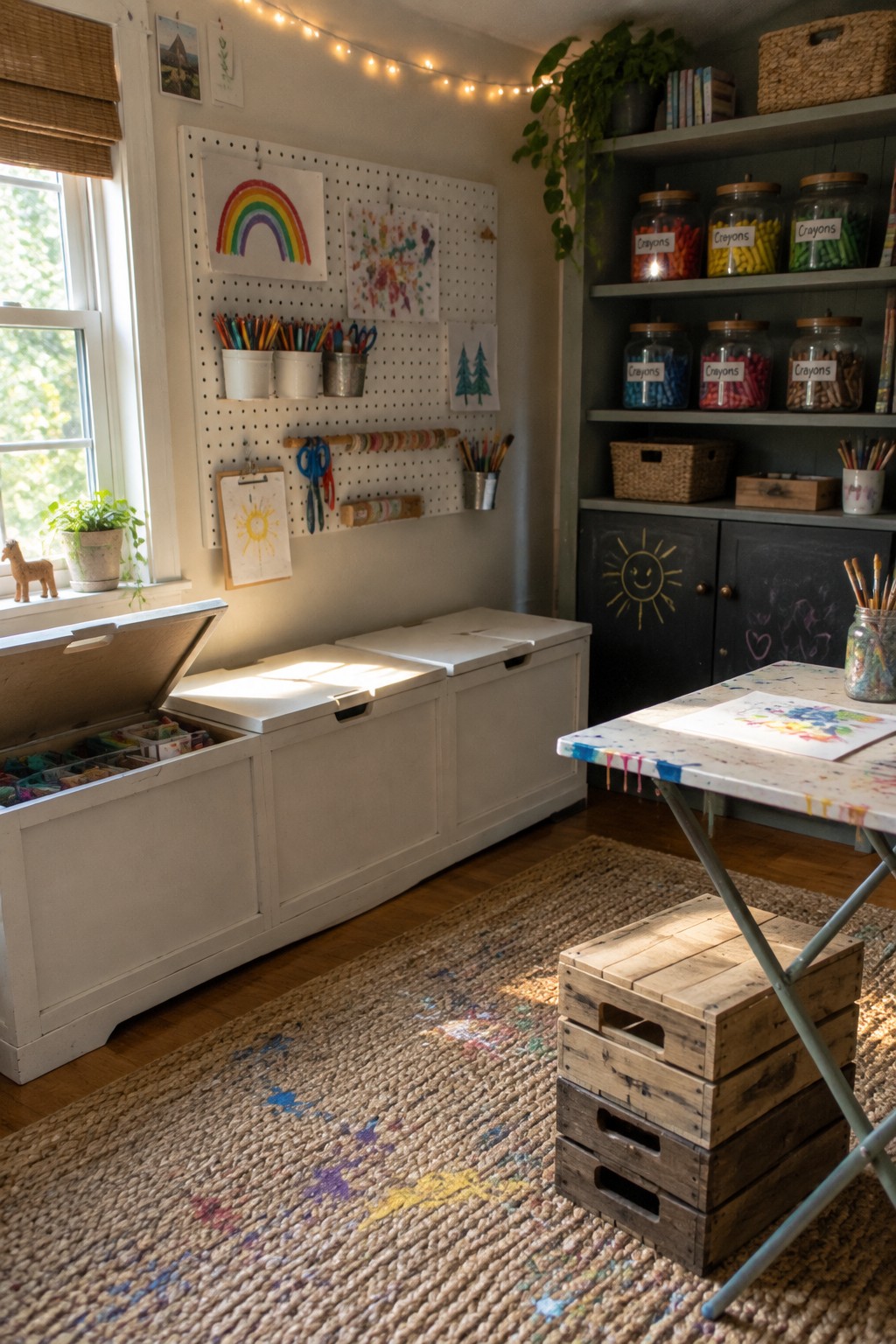
Lidded storage benches give kids rooms a simple way to handle the constant flow of art supplies and toys. They sit low along the wall, offering a flat surface for stacking or sitting while the space inside swallows up whatever does not need to stay out. This setup works especially well when the room doubles as a craft area because everything stays reachable but out of the way once the lids close.
These benches suit homes where floor space is limited and furniture needs to earn its keep. Line a few along one wall under a window or pegboard, and look for models with divided compartments if small items like markers and paper tend to scatter. Avoid overly deep versions that make it hard for kids to reach the bottom on their own.
Frequently Asked Questions
Q: How do I choose furniture that my kid won’t outgrow fast? A: Look for modular units you can rearrange later. Start with a bed that has drawers underneath. Your child can use the same setup for years.
Q: What’s a good way to handle books and clothes together in one space? A: Stack cubbies next to a low dresser so everything stays within reach. Sort items by how often your kid grabs them. This setup cuts down on daily digging.
Q: Can I add storage without buying everything new? A: Swap in baskets that fit existing shelves or under-bed bins you already own. Clear out what gets ignored and fill the gaps with daily stuff. It freshens the room without a full overhaul.
