

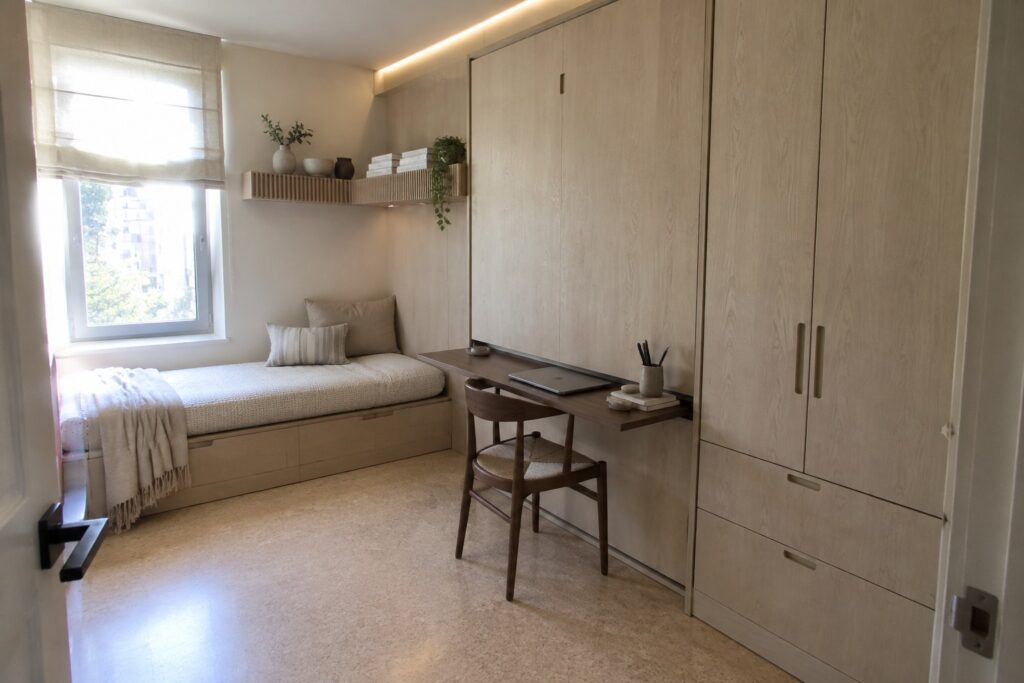
I’ve found that bedrooms with limited floor space often end up feeling more like storage areas than places to relax when the main furniture stays fixed in place.
A Murphy bed that folds away can open up the room for other uses, yet it only works well if the wall unit blends into the rest of the design rather than standing out as a separate piece.
The best versions I have come across include built-in lighting or side panels that keep the look consistent even when the bed is hidden.
Not every style fits every room.
Trying one out in a space similar to mine usually reveals whether the mechanism feels sturdy enough for daily folding without extra effort.
Murphy Beds Built Into Tall Cabinetry
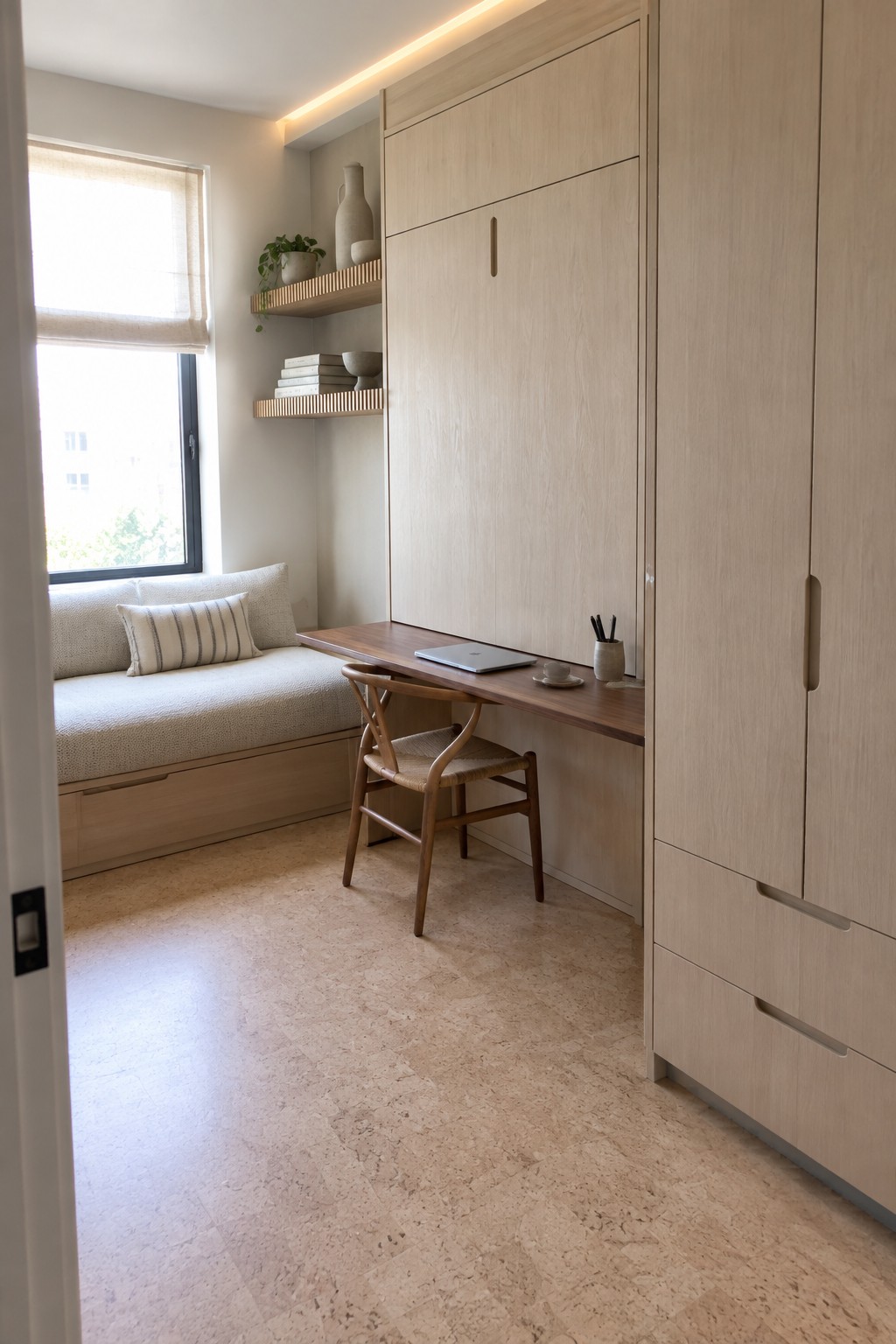
A Murphy bed hidden inside a run of cabinetry keeps the floor clear most of the time and turns the room into something else during the day. The doors close over the mattress, the desk stays in place, and the space reads as a simple work area rather than a bedroom.
This setup works well in small apartments or guest rooms that need to shift between uses. Check that the cabinet depth fits your mattress and that the desk or seating can stay put when the bed is lowered.
Murphy Bed With Desk Space in Front
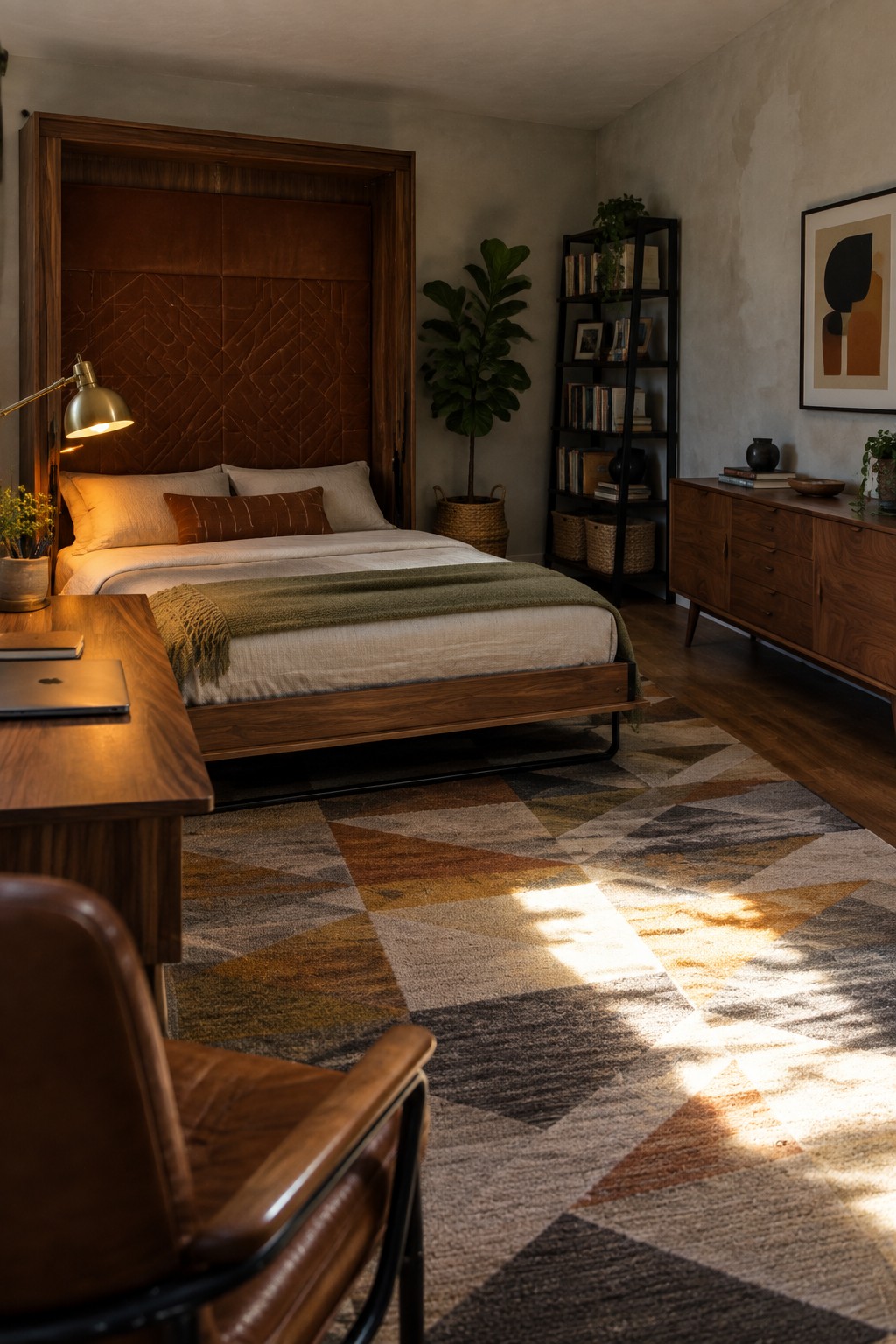
A Murphy bed makes it easy to turn a bedroom into a workspace during the day. When the bed folds up, the floor area opens up for a desk without the room feeling crowded or cramped.
This setup works well in smaller homes or guest rooms that need to serve more than one purpose. Keep the desk low and simple so the bed can lower and raise without hitting anything, and leave enough clearance for a chair to stay in place.
Murphy Bed With Built-In Bench Seating
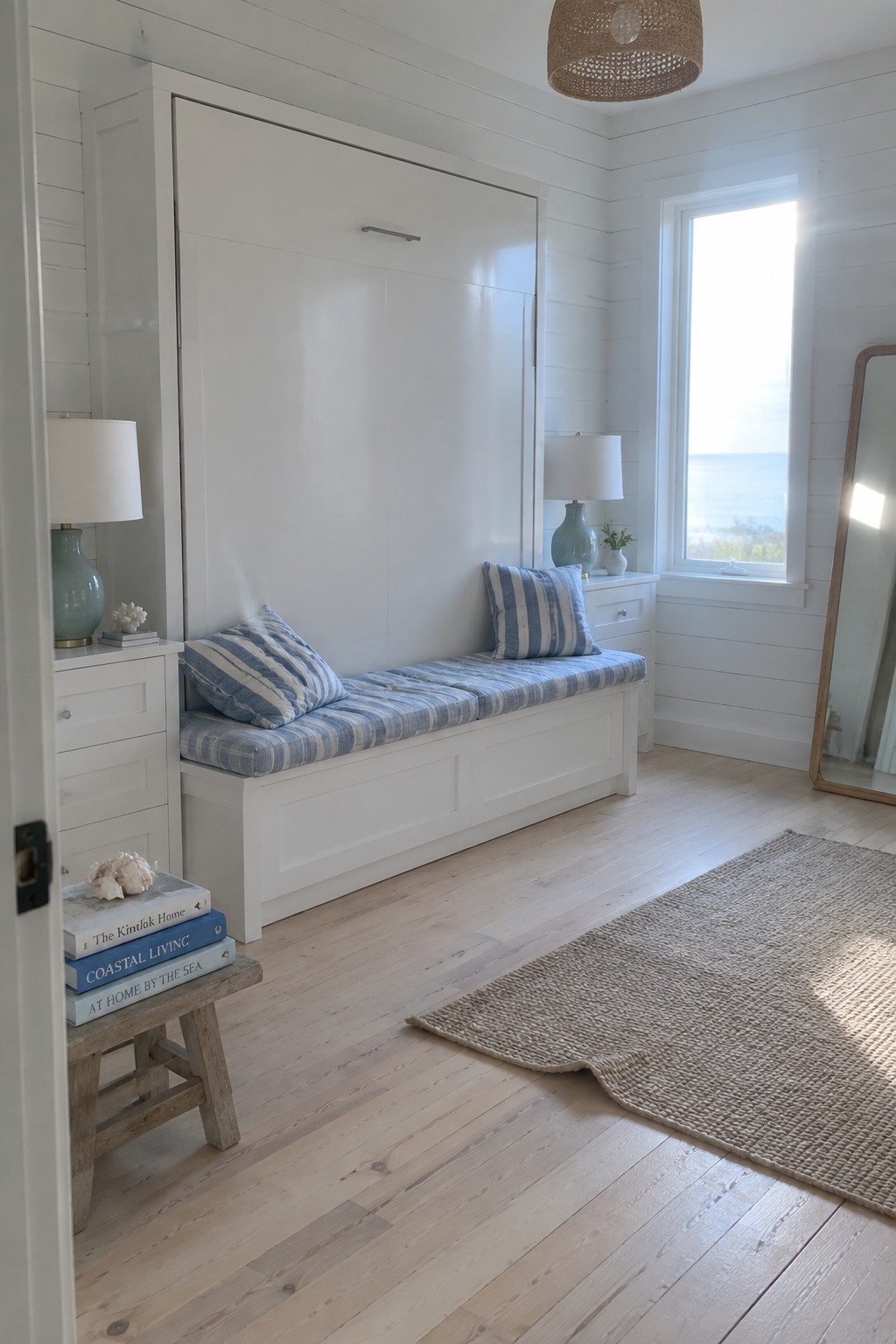
A Murphy bed that includes a bench right in front gives you seating without taking up extra floor space. When the bed is folded away the bench stays useful for sitting or even as a spot to lay out clothes, and the whole setup keeps the room from feeling like it only serves one purpose.
This works well in guest rooms or smaller homes where the space needs to shift between sleeping and daytime use. Look for versions with storage under the bench so extra bedding stays tucked out of sight.
Murphy Beds With Built-In Storage Cabinets
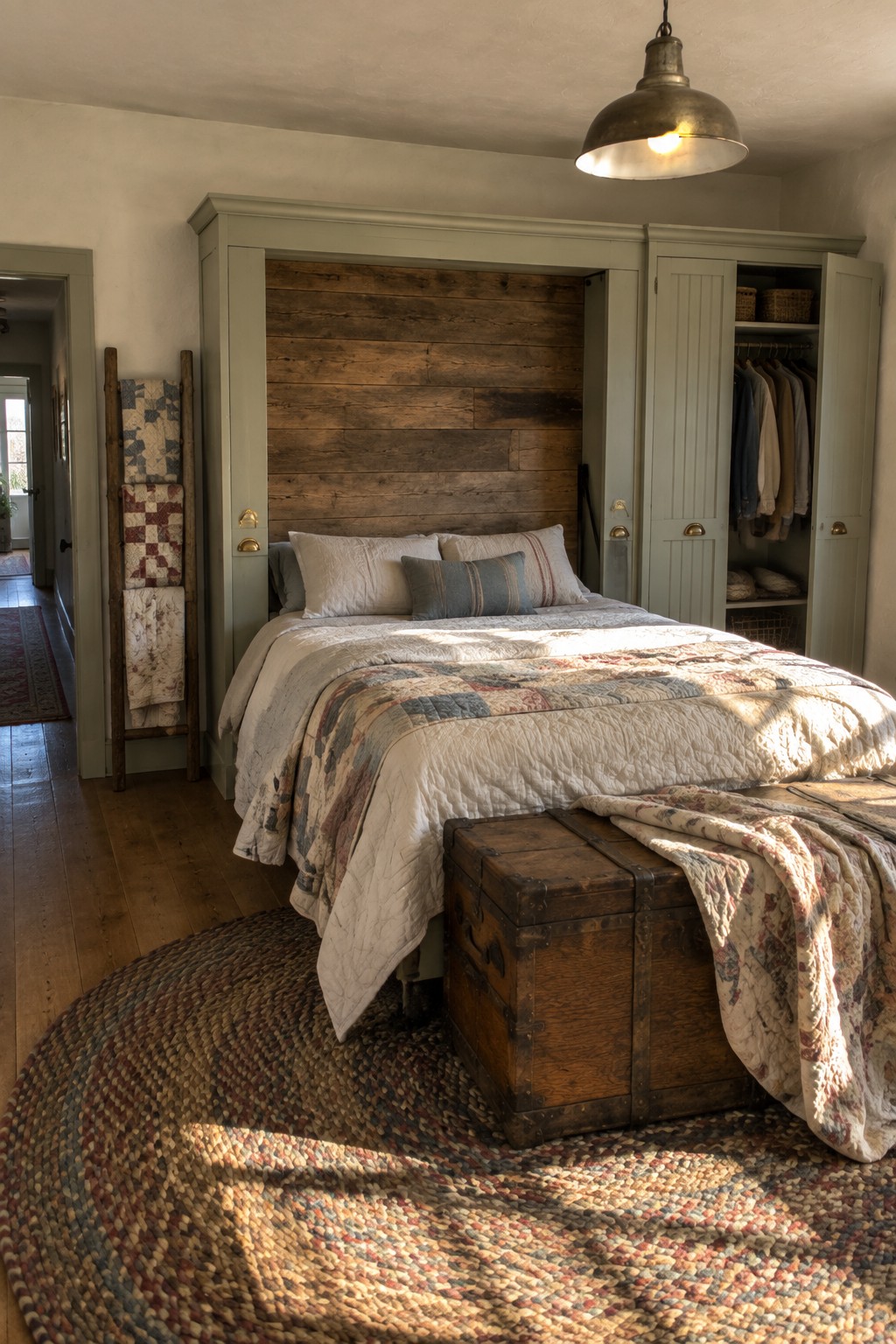
One practical approach is to build cabinets on either side of a Murphy bed so the whole wall works as storage. The cabinets hold everyday clothes and linens while the bed folds away, leaving the floor clear for other uses during the day.
This setup works well in guest rooms or smaller homes where space needs to shift between sleeping and living. Just check that the doors swing open fully once the bed is lowered.
Murphy Bed Built Into Dark Cabinetry
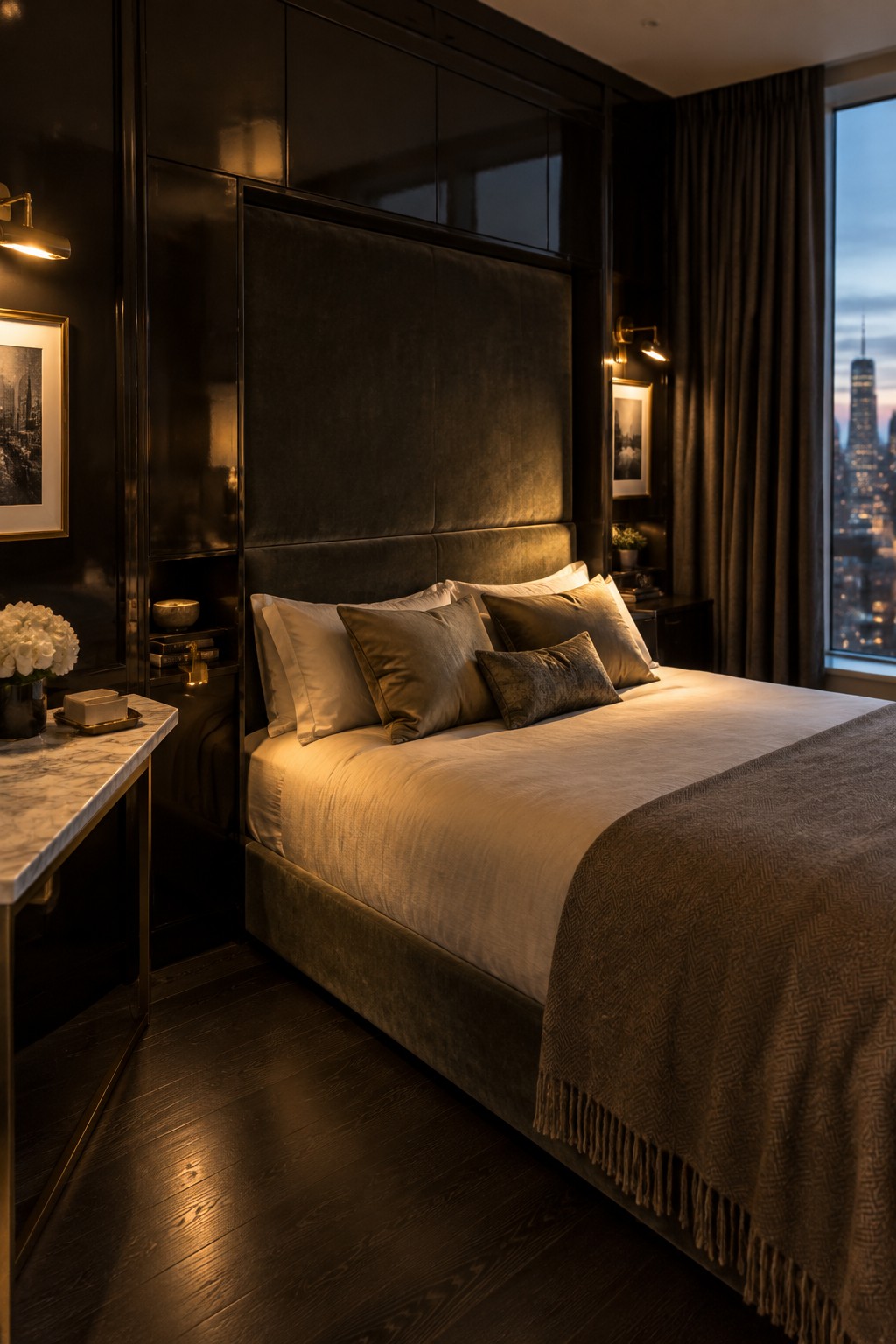
A Murphy bed set into surrounding cabinetry gives a room more usable floor space without making the bed feel like an afterthought. The dark panels around it help the whole unit blend into the wall, so the room stays open and calm even with the bed down.
This setup works best in apartments or smaller homes where the bedroom needs to double as a workspace or sitting area during the day. Choose a finish that matches the rest of the room and check that the hinges and supports can handle daily use.
Murphy Beds With Built-In Storage
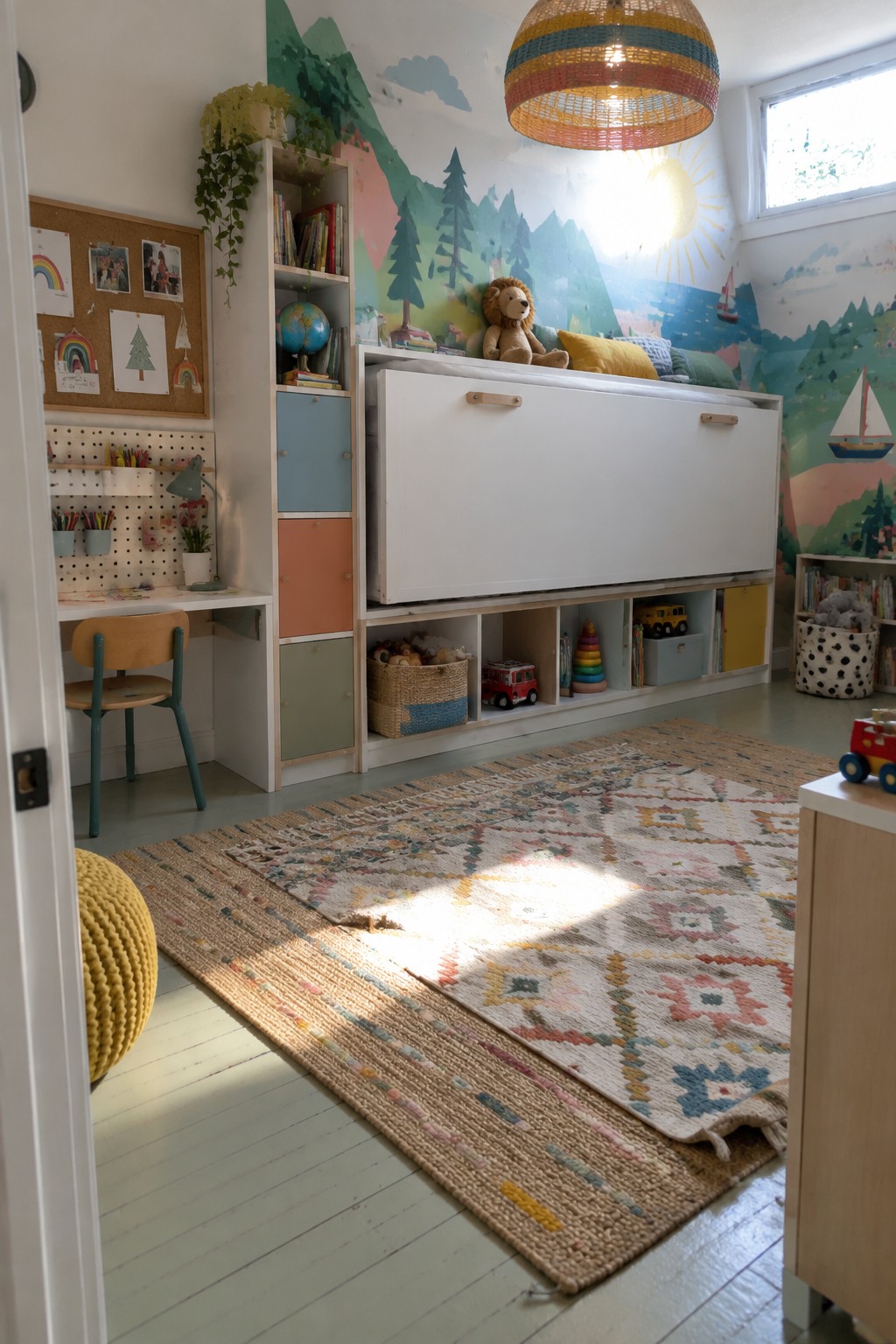
Murphy beds can work especially well in children’s rooms when they include storage around them. The bed tucks up into the wall unit during the day, leaving the floor open while the cabinets and shelves hold books, toys, and other items that would otherwise take up space.
This setup suits smaller bedrooms where kids need room to play or do homework. Choose cabinet colors that fit the rest of the room and keep the lower sections easy to reach. Make sure the bed mechanism stays simple if children will be using it on their own.
Murphy Beds With Matching Built-In Cabinets
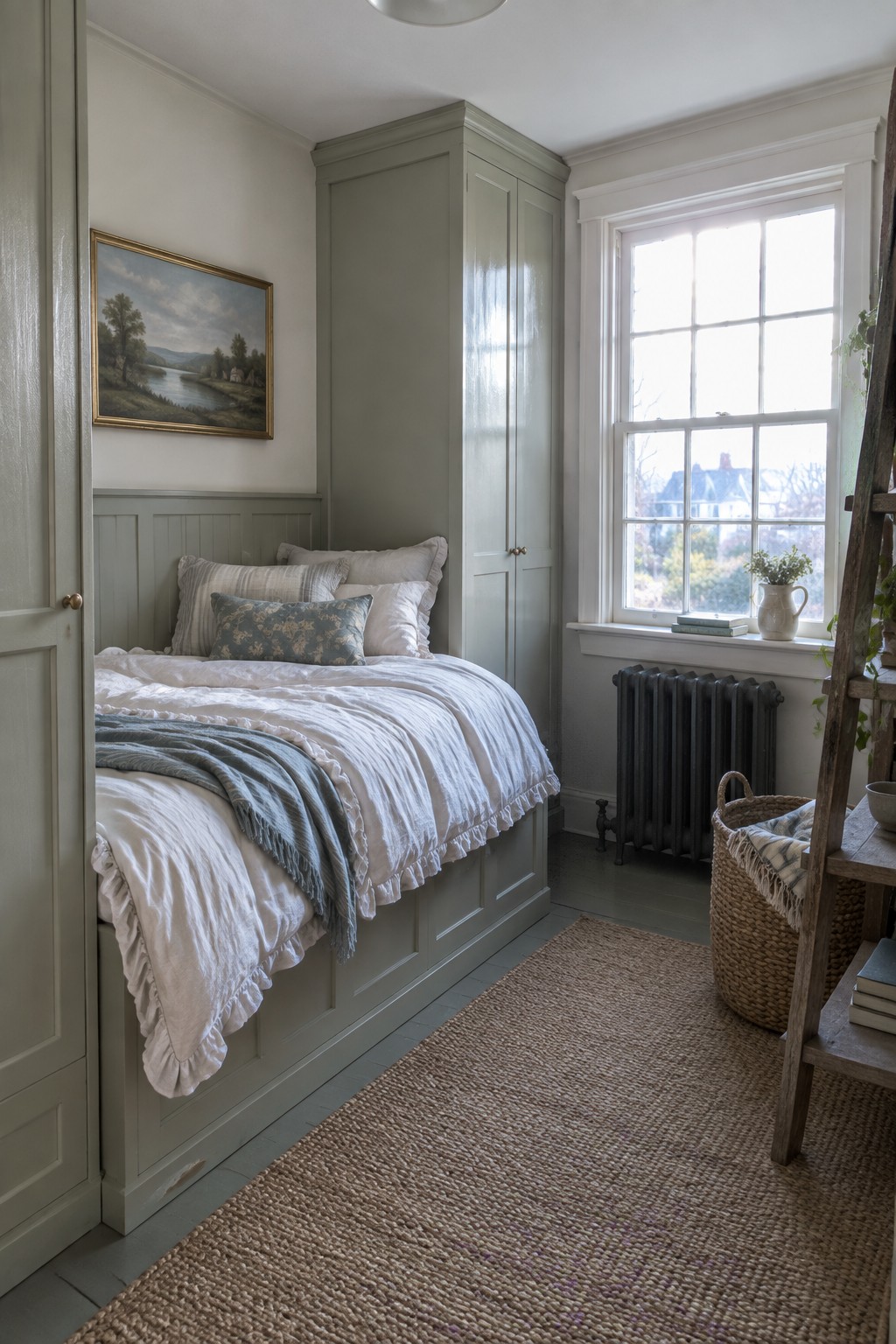
A Murphy bed that folds into matching cabinetry keeps the room open and usable during the day. The built-in unit here runs floor to ceiling and uses the same paint color on the bed base, so the whole wall reads as one piece instead of a separate bed taking up space.
This setup works best in a spare room that needs to serve more than one purpose. It gives you a real bed at night without losing floor space for a desk or seating the rest of the time. Just measure your ceiling height and mattress thickness before you order the cabinetry so everything fits without looking cramped.
Built-In Shelving Around A Murphy Bed

A Murphy bed that sits inside a set of built-in shelves gives you storage and a place to display things without losing floor space. The shelves stay useful whether the bed is up or down, which helps the room feel more like a regular bedroom instead of a space that only works one way.
This works best in apartments or smaller homes where the bedroom has to serve more than one purpose during the day. Keep the shelves from getting too packed so the wall does not feel heavy, and choose a depth that actually fits the things you reach for often.
Murphy Beds For Rooms That Need To Do Double Duty
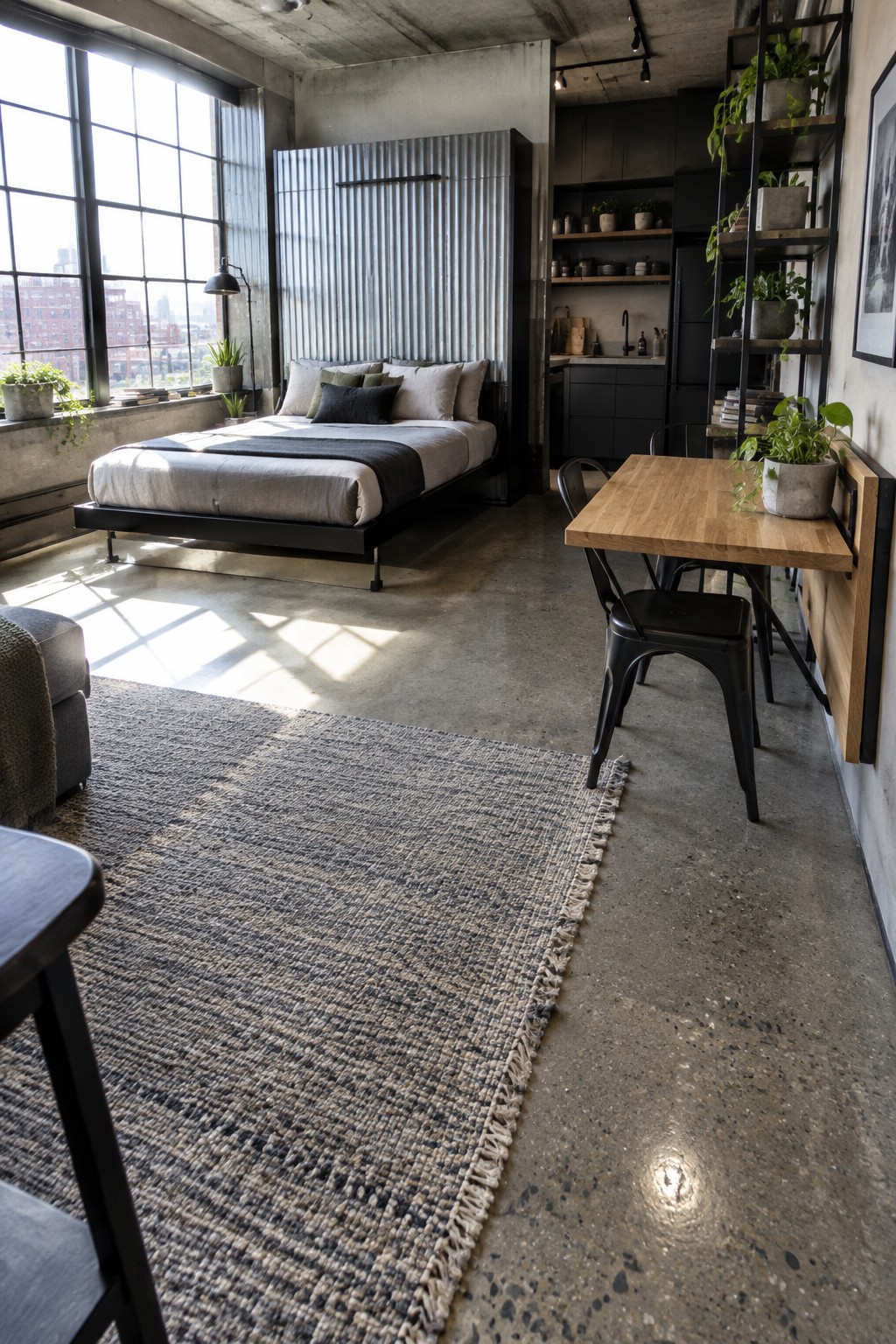
A Murphy bed makes sense when a room has to handle more than just sleeping. It gives you a proper bed at night without claiming the floor all day, which helps in open layouts where the bedroom area shares space with living or dining. The wall treatment around it can hide the mechanism and keep the look clean.
This approach works best in apartments, lofts, or smaller homes where square footage is limited. Mount it on a sturdy wall, leave enough clearance for the bed to drop down, and keep surrounding furniture light so the space still feels open when the bed is stored. Just check the weight rating if you expect daily use.
Low Beds That Leave The Floor Open
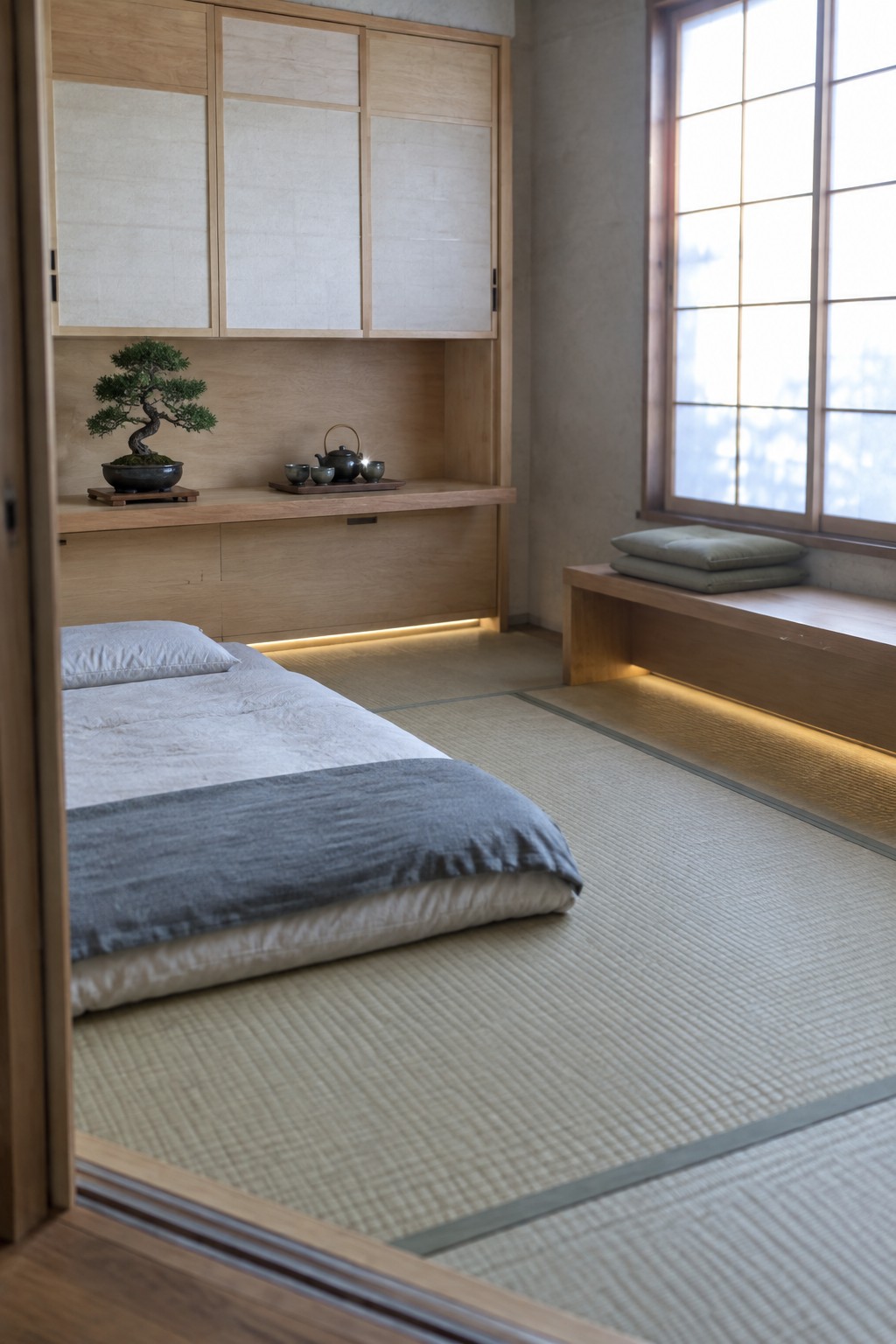
A low bed placed directly on tatami keeps the room feeling open and ready for other uses. When the bedding can be rolled or stored away, the floor stays clear instead of being taken over by a big frame.
This approach suits small bedrooms, guest rooms, or any space that needs to shift between sleeping and daytime activities. Pair it with simple built-in storage nearby so the switch stays quick and the room does not feel crowded.
Wall Storage Keeps The Floor Open

Putting storage on the walls instead of on the floor makes a bedroom much easier to rearrange. This room uses a pegboard, floating shelves, and mounted boards to hold books, plants, and even skateboards, which leaves the main floor area clear for whatever you need that day.
The approach works best in smaller bedrooms or rooms that shift between sleeping and working. Keep the items light and the mounts solid so nothing feels crowded when the floor needs to stay empty.
Built-In Bench Storage For Flexible Rooms
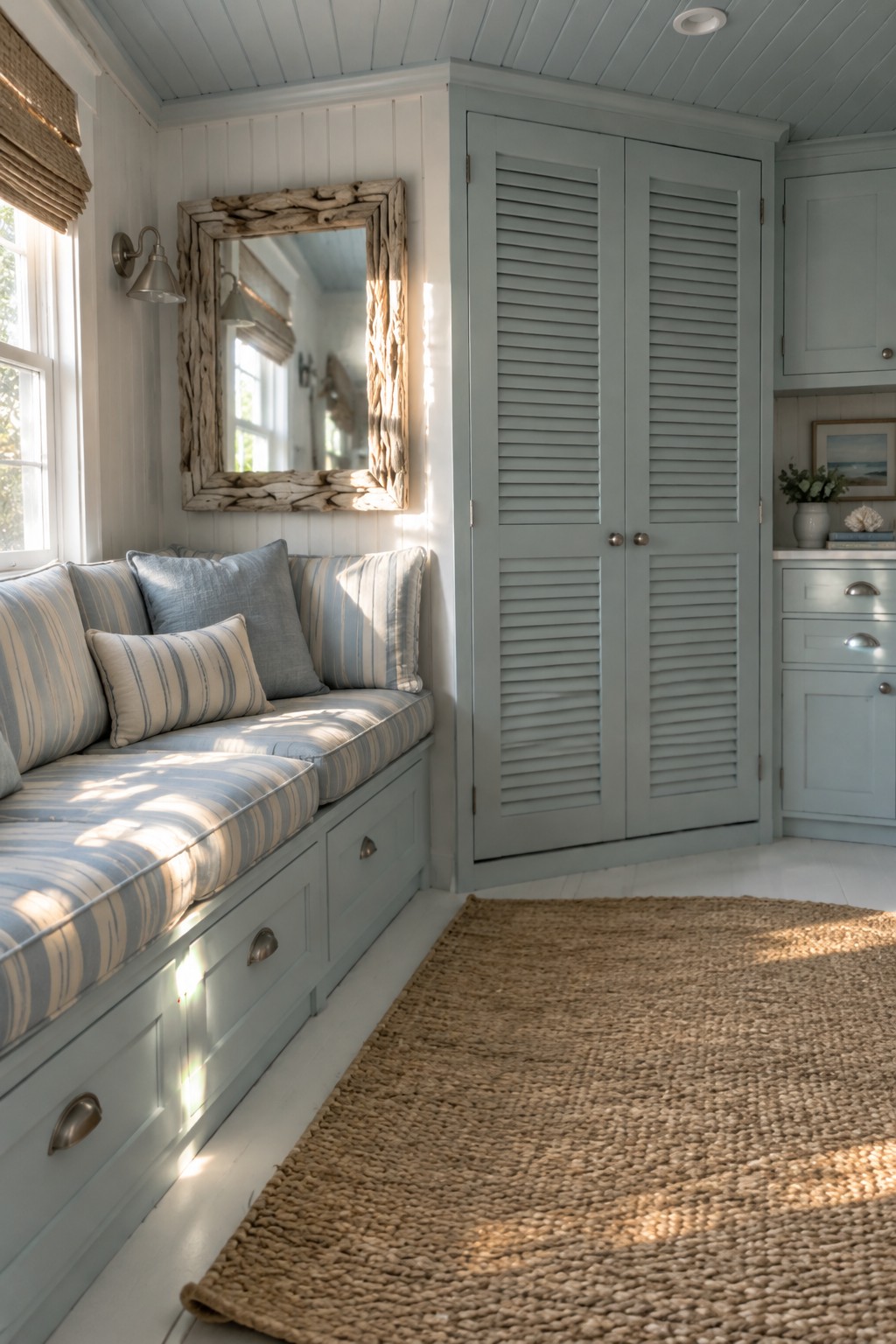
A window bench with drawers underneath gives you seating and storage in one piece. It keeps the floor open and helps the room feel less crowded, which matters when you need space for a Murphy bed or other pieces that move around.
This setup works best in bedrooms or guest rooms where you want everyday storage without adding more furniture. Paint the bench to match the walls and keep cushions simple so it blends in rather than taking over the space.
Built-In Cabinetry That Hides a Murphy Bed
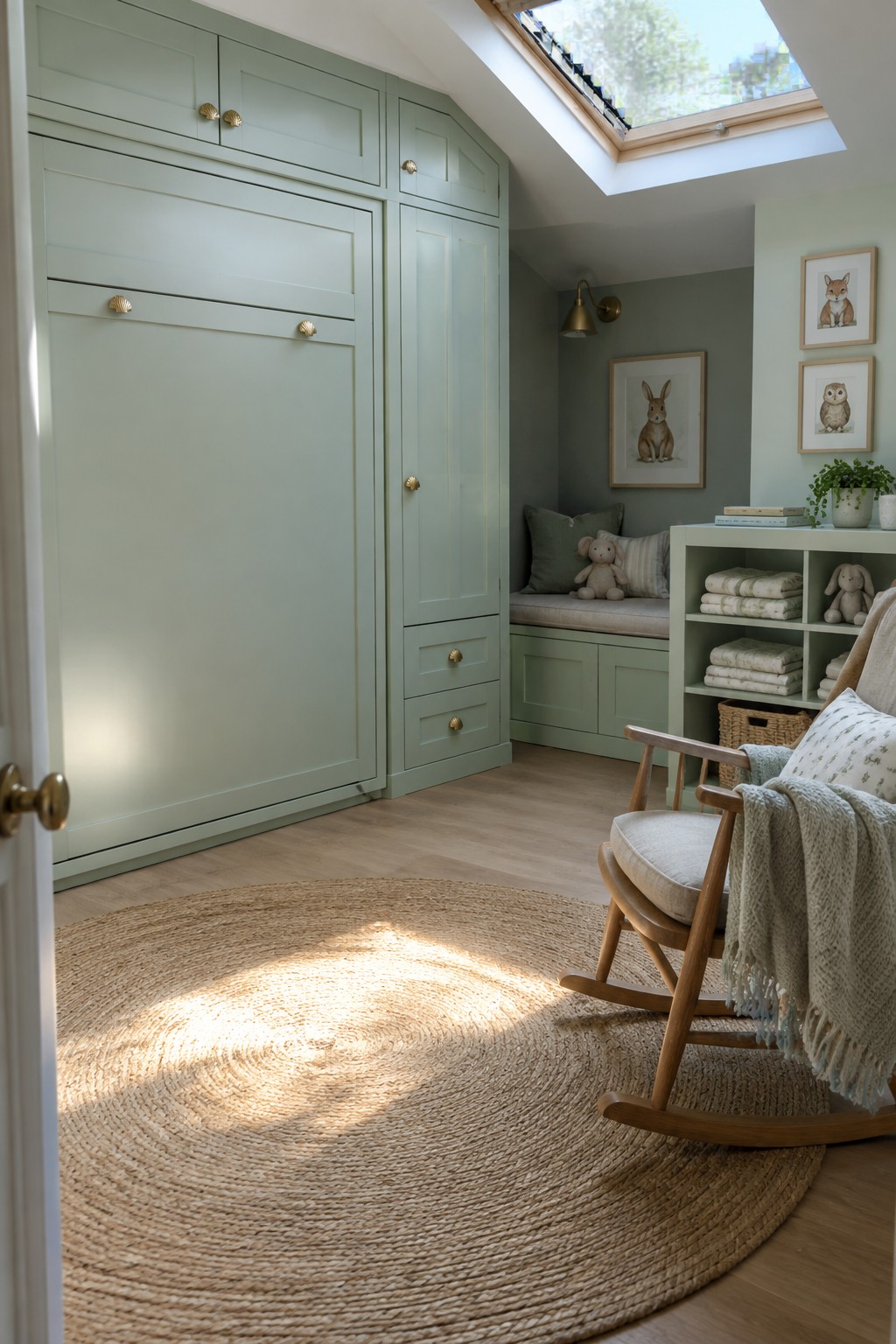
A Murphy bed tucked behind cabinet doors keeps a room from feeling locked into one purpose. The cabinets can match the walls so the bed stays out of sight during the day and the space works as a playroom, office, or sitting area instead.
This approach suits smaller homes or guest rooms that need to shift use often. Match the cabinet color to the trim or walls, and keep the hardware simple so the unit reads as storage rather than furniture.
Murphy Bed With Built-In Desk
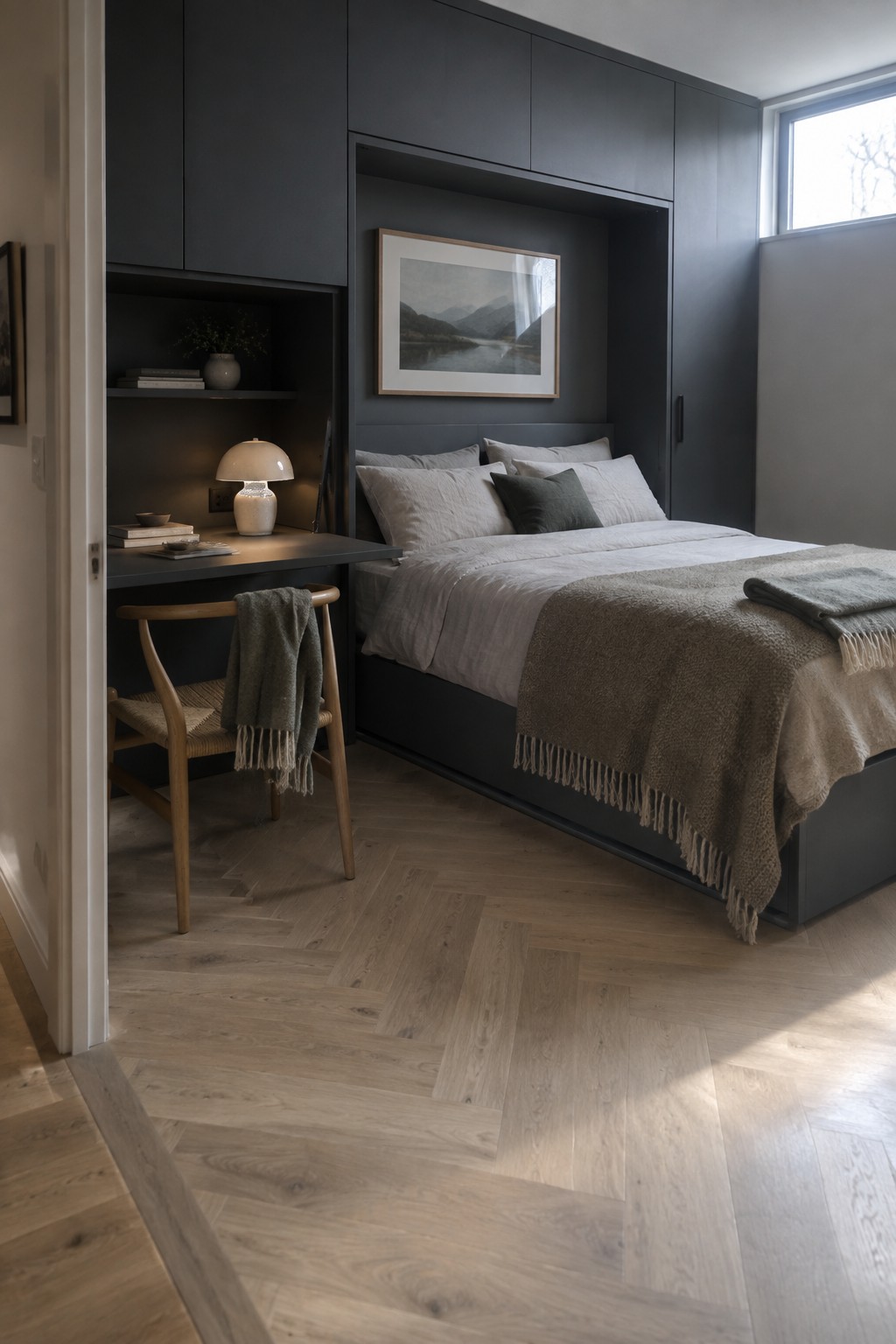
A Murphy bed that folds into cabinetry lets a bedroom pull double duty without feeling cramped. Adding a desk right beside it keeps the work area ready even when the bed is down, so the room shifts easily between sleeping and daytime use.
This works best in smaller homes or guest rooms that need to handle both overnight visitors and regular work. Keep the cabinet color and desk finish close so the whole wall reads as one built-in unit rather than separate pieces.
Murphy Beds Hidden Behind Mirrors
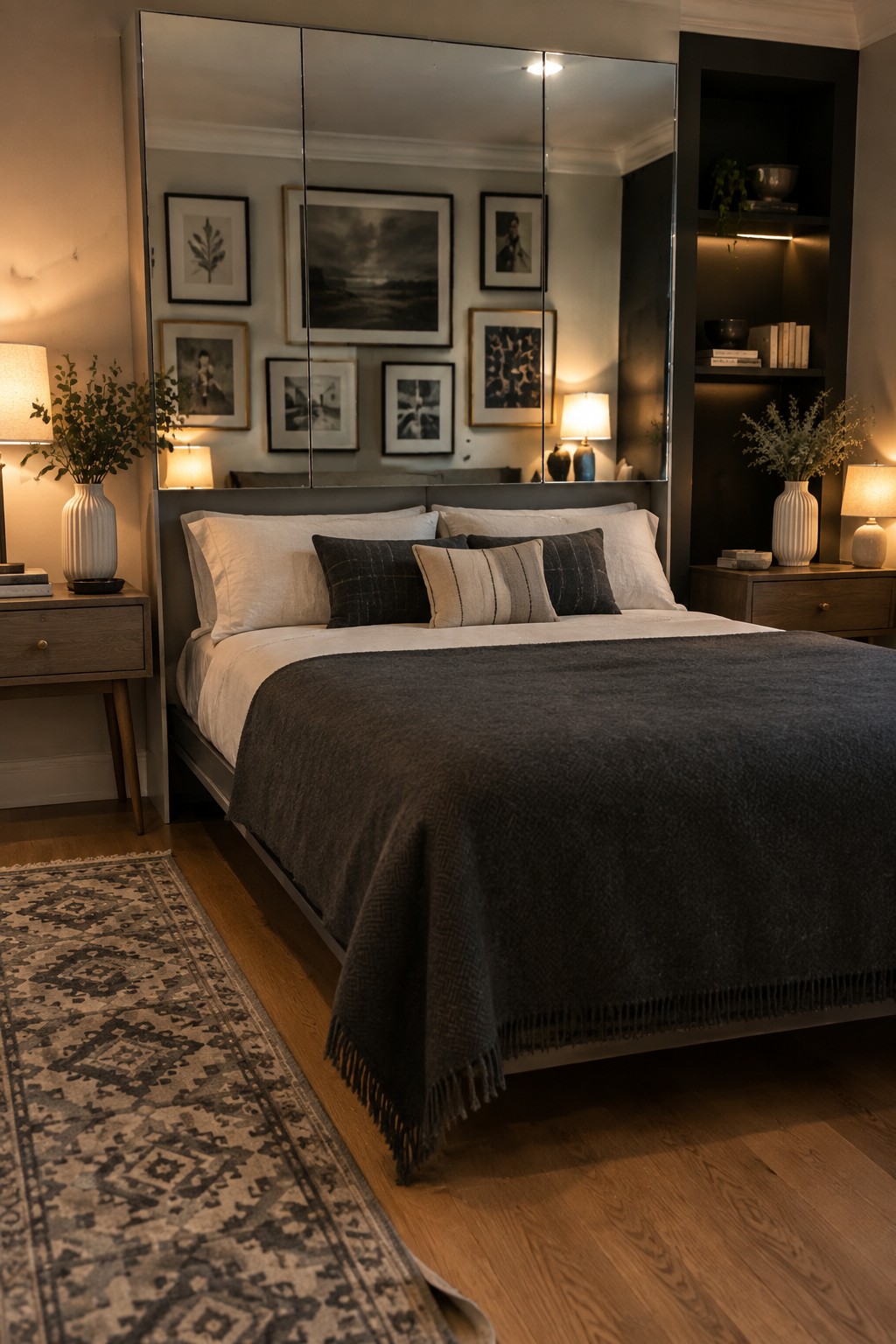
A Murphy bed that folds into a mirrored cabinet is a simple way to keep a bedroom usable for more than sleep. The mirrors reflect light and make the room feel larger even when the bed is down, while the cabinet hides everything once the bed is put away.
This works best in guest rooms, studios, or any space that needs to shift between sleeping and living areas during the day. Just check that the cabinet depth fits your mattress and that the mirrors are securely mounted so they stay flat and safe.
Murphy Bed Hidden in Built-In Cabinetry
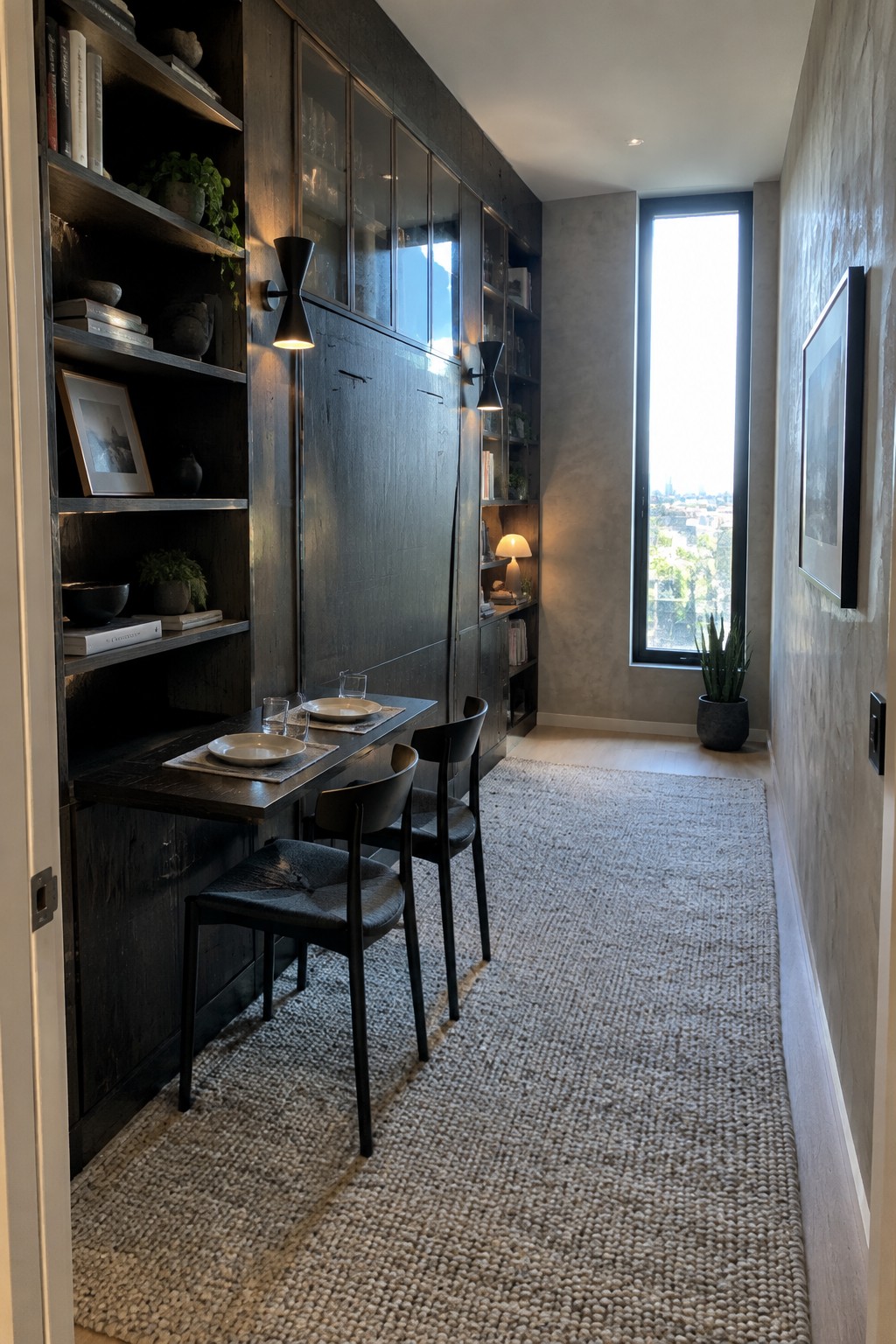
A Murphy bed that folds into a wall of cabinetry and shelving lets a narrow room serve as a workspace or dining area during the day. The bed stays completely out of sight behind large doors, so the space feels open and useful instead of cramped.
This setup works best in small apartments or homes where a guest room needs to double as something else. Make sure the cabinetry is deep enough for the mattress and mechanism, and keep the finish consistent across the whole wall so the bed disappears when it is stored.
Murphy Bed With Built-In Side Seating
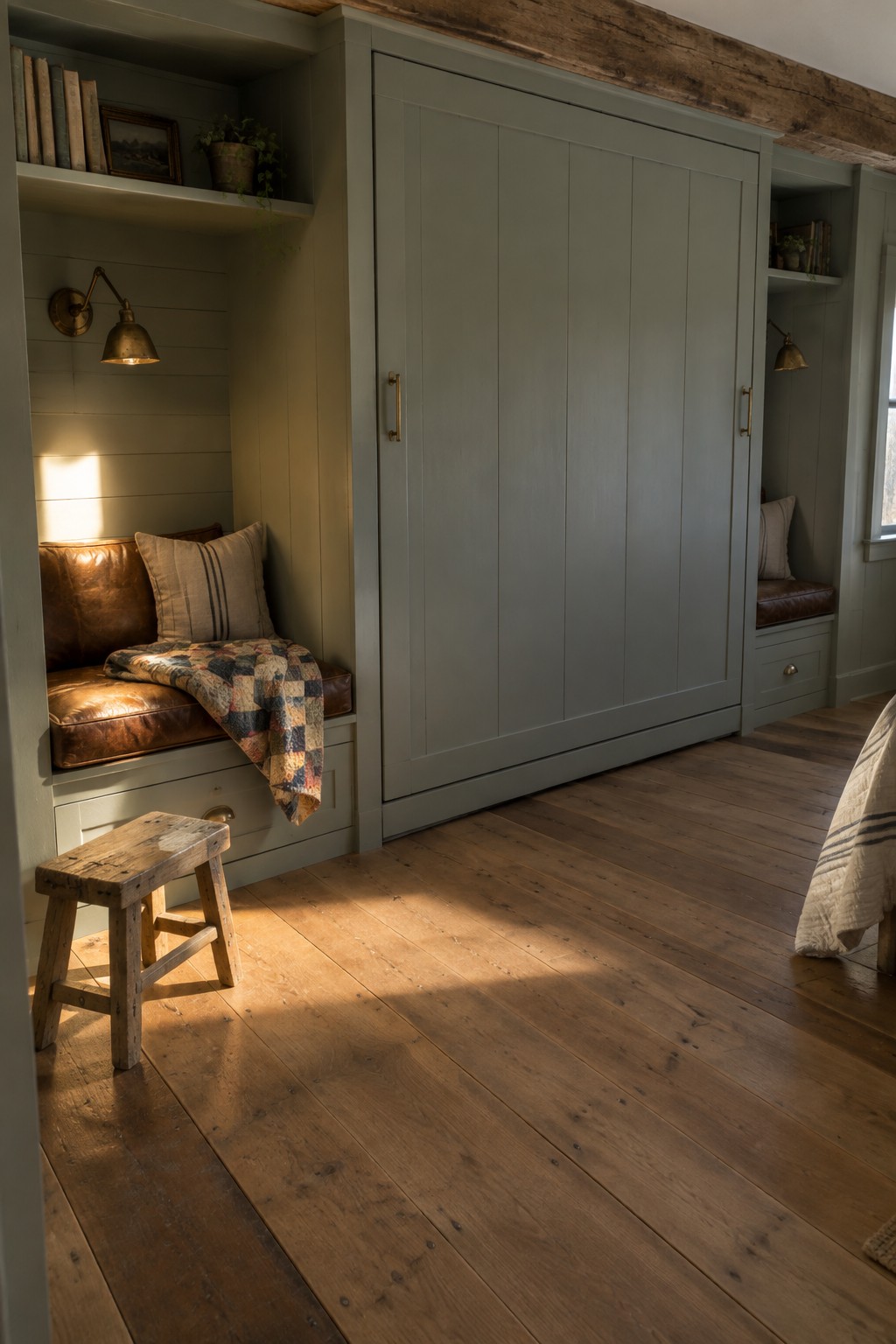
A Murphy bed tucked into a tall cabinet works even better when you add seating on both sides. The benches give the room a place to sit during the day and keep the whole setup from feeling like a single-purpose wall. It turns one feature into something the room can use all the time.
This works best in a guest room or small bedroom where floor space needs to stay open. The benches can hold extra bedding or pillows inside, and the cabinet doors close to keep the bed out of sight. Just make sure the benches are deep enough to feel comfortable and that the cabinet color blends with the walls so the whole thing reads as built-in rather than added on.
Frequently Asked Questions
Q: How much weight can these Murphy beds really hold? A: Most setups handle two adults without any issue. Just check the hardware before you buy. Pick one with solid metal parts if you plan to use it every night.
Q: Do I need to reinforce my wall before installing one? A: The frame needs to attach to studs for safety. A quick stud finder helps you find the right spots.
Q: What happens to my bedding when the bed folds up? A: You can leave sheets and a light blanket on most models. Just tuck everything in tight so nothing falls out.
Q: Can these work in a room with carpet? A: Yes, the legs sit right on the carpet without sliding around. Add some rubber pads if you want extra grip. The floor stays clear once you lift the bed back up.
