

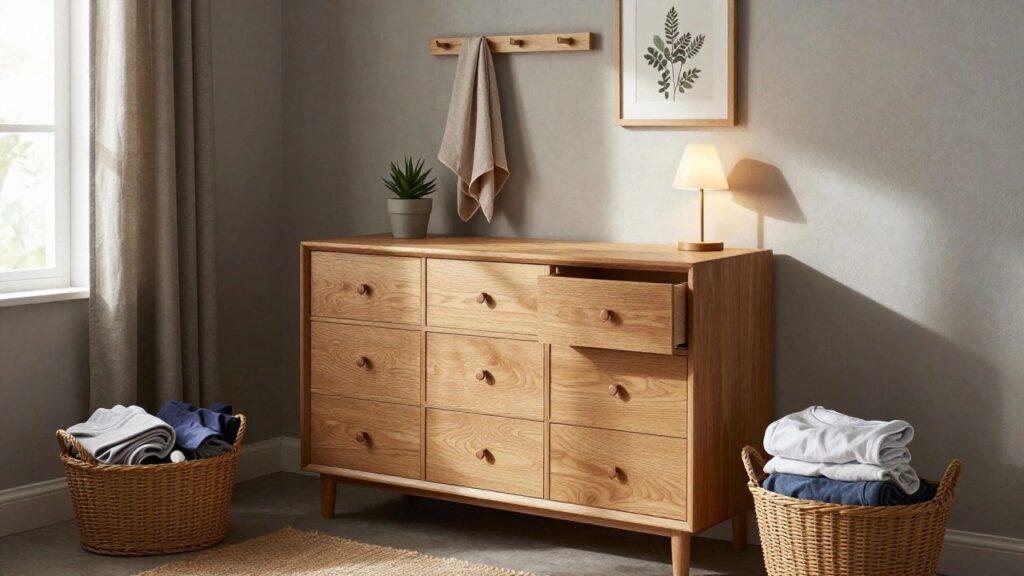
In many bedrooms the dresser ends up shaping the morning routine more than people expect, since everything from clothes to small essentials tends to gather there over time.
I have noticed that when the inside setup matches how I actually reach for things each day, the surface stays clearer without constant effort to tidy it.
Small adjustments like that often make the room feel more settled overall.
In my own space, I tested a few drawer dividers based on what I wear most and found the difference showed up right away in how quickly I could get ready.
It is the kind of change that holds up because it fits the way the room gets used rather than how it looks in a photo.
Adding Wall Hooks Above the Dresser
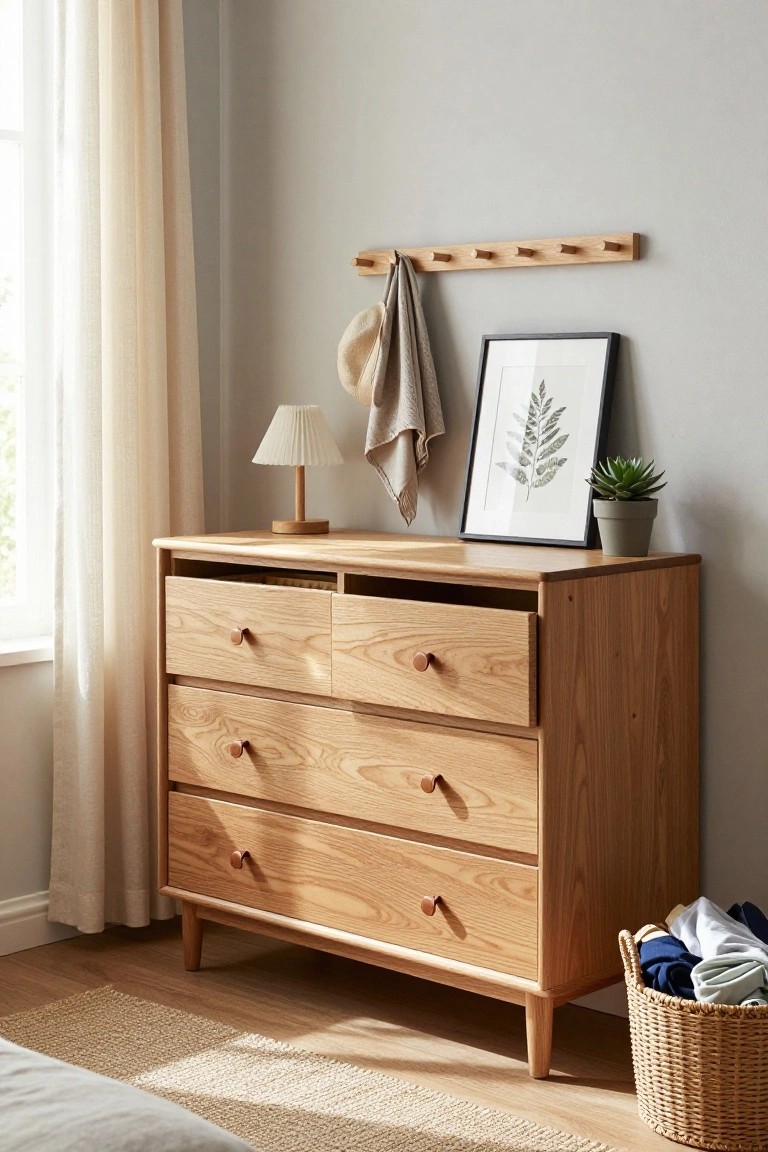
One simple way to keep a dresser looking neat is to add a row of hooks or a peg rail right above it. This gives you a spot for hats, scarves, or other accessories without piling them on the surface or stuffing them into drawers. It also makes use of the wall space that often goes unused in a bedroom.
This setup works best in smaller rooms where every bit of storage counts. Just keep the hooks at a comfortable height and limit what hangs there so the area does not start to feel crowded.
Baskets Help Organize Open Dresser Areas
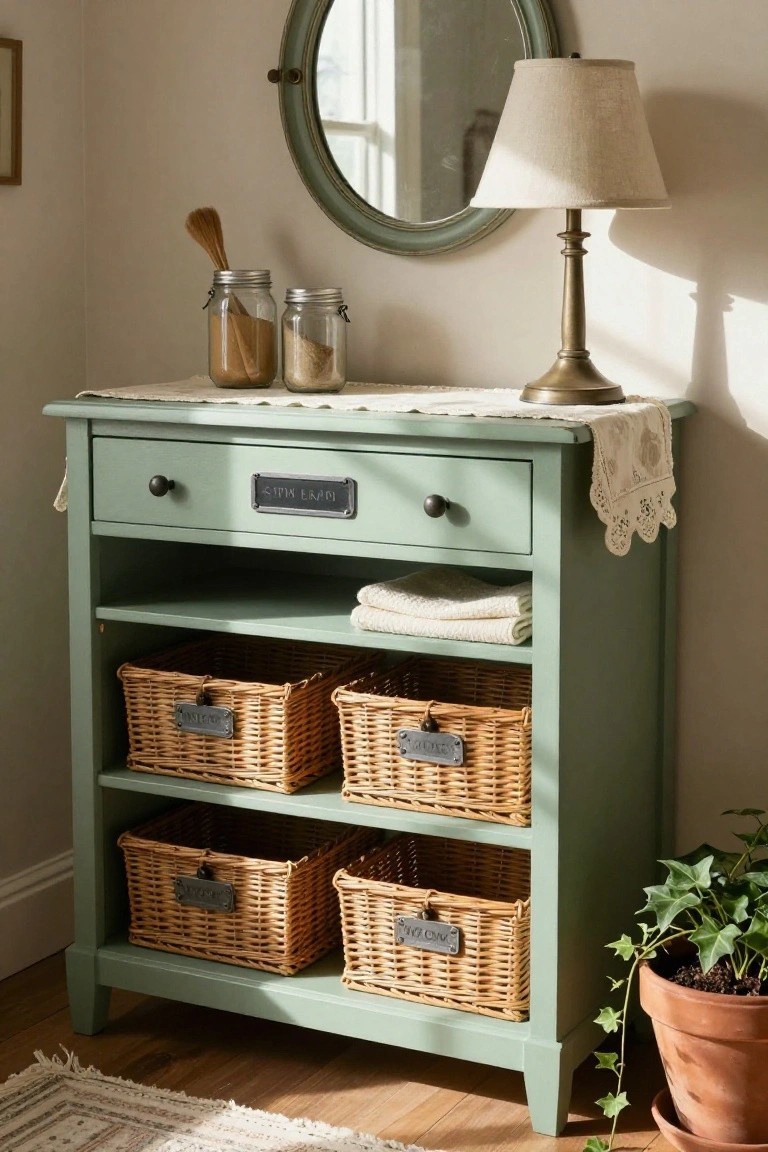
Open shelves on a dresser can quickly turn into a jumble if you just stack things inside. Baskets give each section its own spot so folded towels and other items stay contained and easy to grab. The woven style also adds a bit of texture without making the piece feel heavy.
They work best in bedrooms or hallways where you want storage that stays practical day to day. Choose matching baskets with simple labels so everyone in the house knows where things go. This keeps the top of the dresser clear for a lamp or a few small jars while the lower area stays tidy.
Mount a Floating Dresser
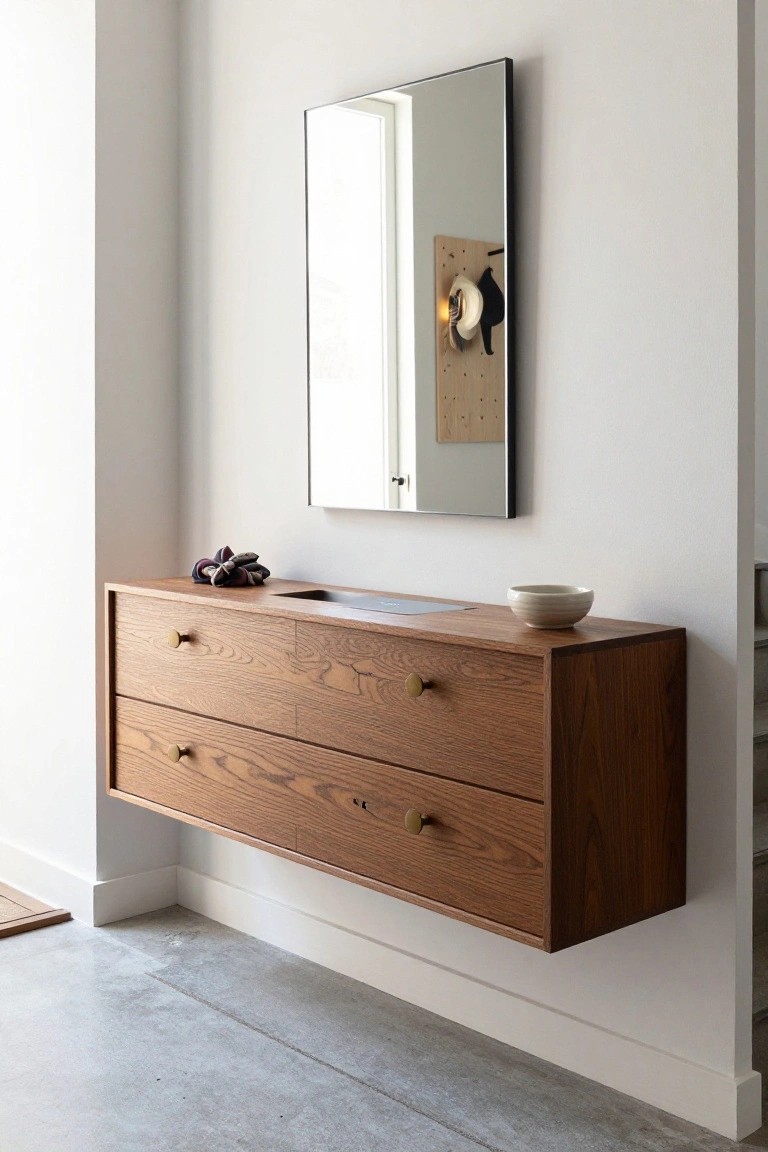
A floating dresser gives you useful storage while leaving the floor open underneath. This setup works especially well in narrow hallways or smaller rooms where a standard piece would crowd the space.
Place it at a height that feels natural for grabbing everyday items, and keep the surface clear except for a few small things. It suits homes that need extra drawer space without adding visual weight to the room.
Baskets Keep Dresser Storage Simple And Tidy
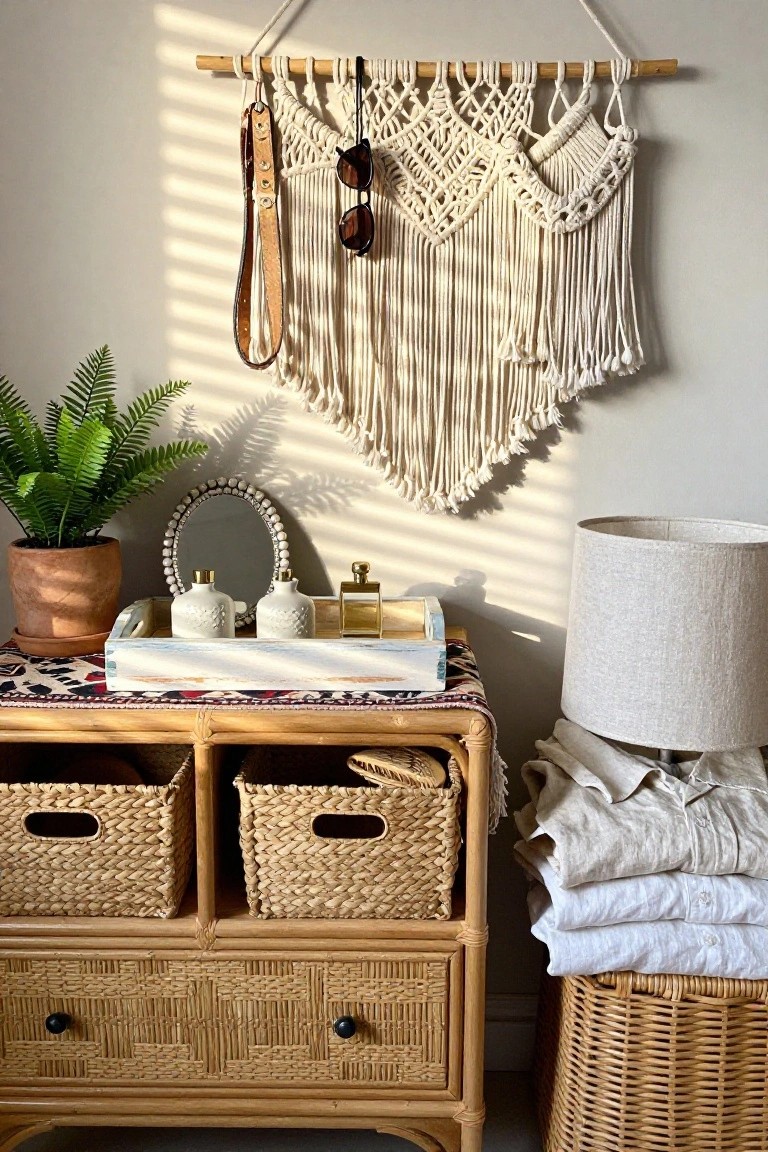
Many dressers with open cubbies work better when you add baskets to hold the things that do not need to stay in drawers. Woven baskets slide in and out easily and keep smaller items from getting lost or scattered.
This setup works well in bedrooms where you want storage that feels light and easy to reach. Use a tray on top for the items you use every day and let the baskets handle the rest so the surface stays clear.
Roll Towels in Drawers for Easy Access
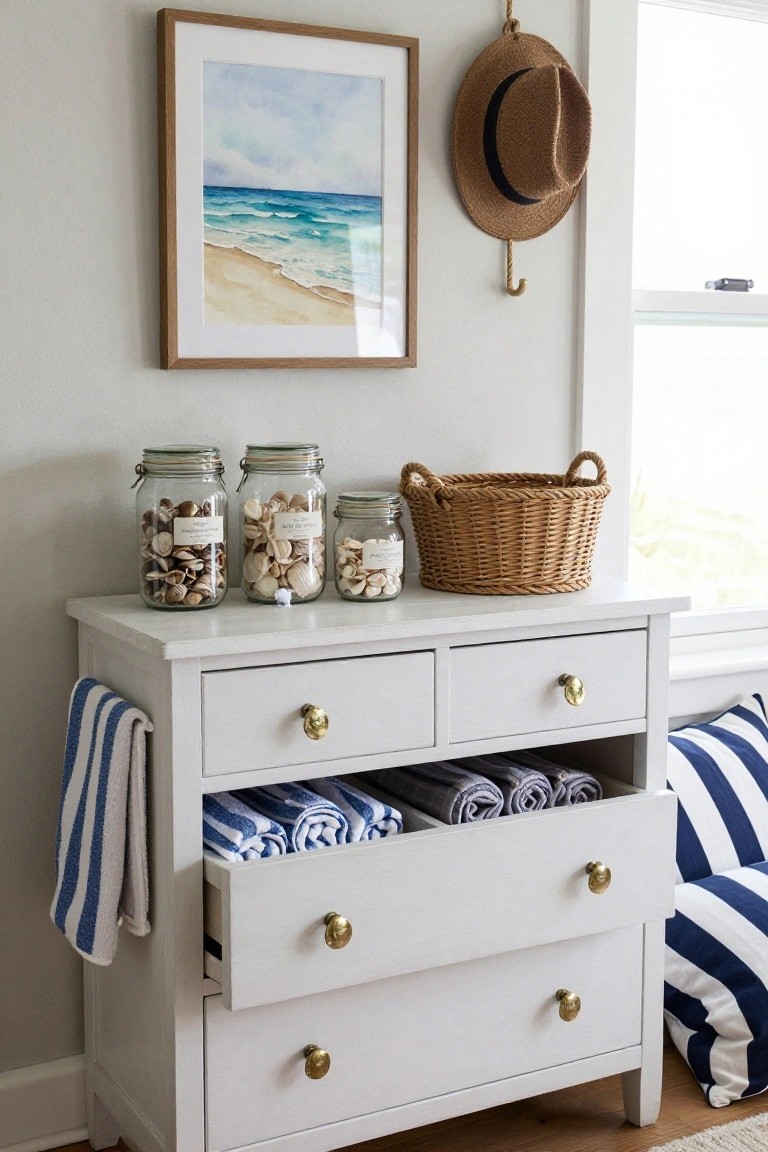
Rolling towels and linens keeps them from getting wrinkled and lets you pack more into each drawer without a mess. It also makes it simple to grab what you need at a glance, especially when a drawer is partly open like this one.
This setup works well in a spare room or guest space where you store extra towels and want them tidy but reachable. Stick with matching sets so the drawer stays looking organized even when it is in use.
Keep Small Items Tidy With a Tray
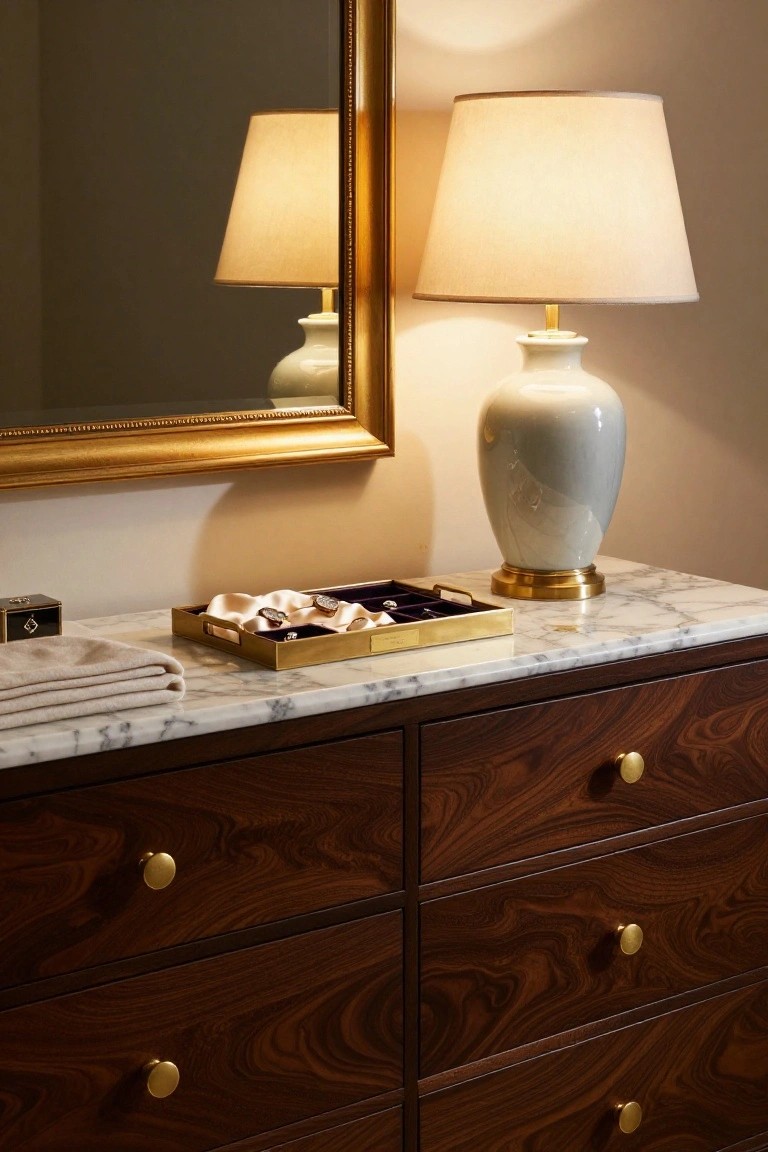
A tray on the dresser top gives small pieces like jewelry and watches a clear spot to land. It stops them from scattering across the surface and makes the whole area feel more put together without much effort.
This works best in a bedroom where you get ready each day. Choose a tray that fits the scale of your dresser and pick one with a little depth so nothing slides off.
Labeled Bins Keep Dresser Cubbies Useful

Many people use simple fabric bins inside the open spaces of a dresser or changing table. The bins turn those cubbies into quick storage for folded clothes and small items without adding more furniture to the room.
This approach works well in nurseries or small bedrooms where you need easy access during daily routines. Choose bins that fit the cubby size and add clear labels so you can pull out what you need without digging around.
Try a Tall Dresser for Everyday Organization
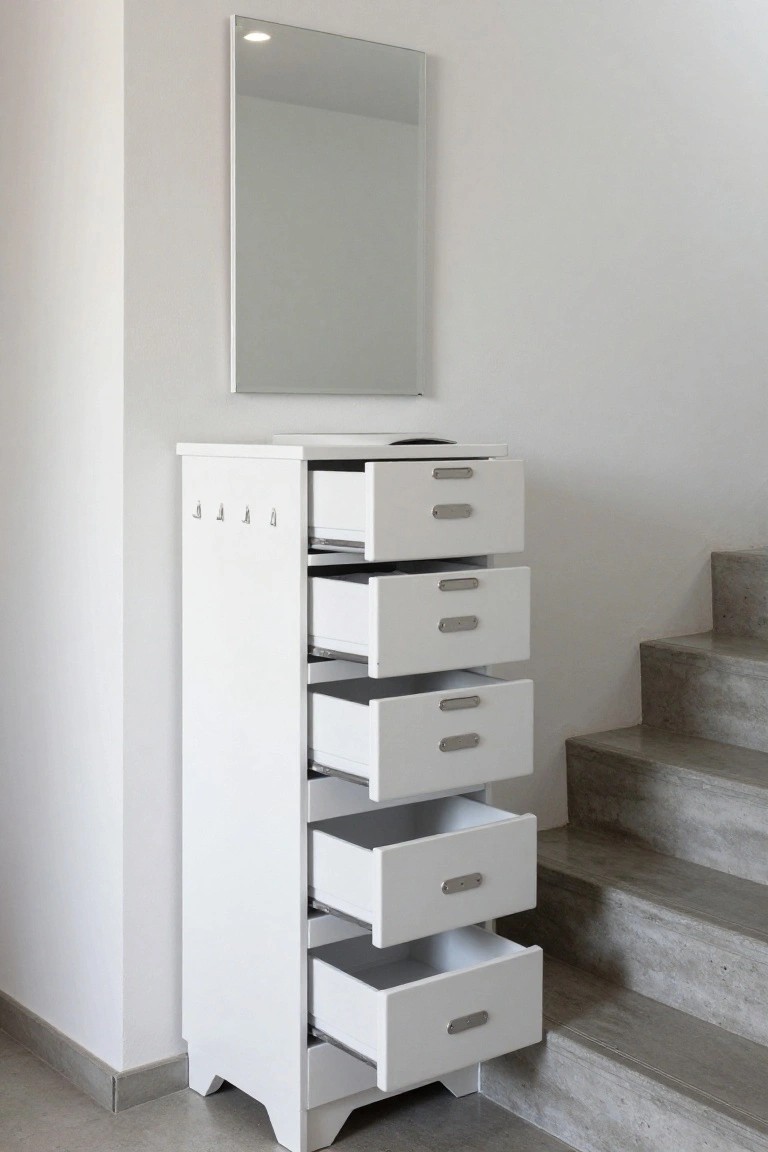
A tall dresser with many smaller drawers gives you separate spots for different items so nothing gets buried at the bottom. This layout keeps daily routines simpler because you can pull out just what you need without moving a stack of other things.
It fits well in narrow spots like hallways or next to stairs where a wide piece would get in the way. Group similar items together in each drawer and leave the top clear for quick grab-and-go use.
Built-In Drawers Keep Small Items Sorted
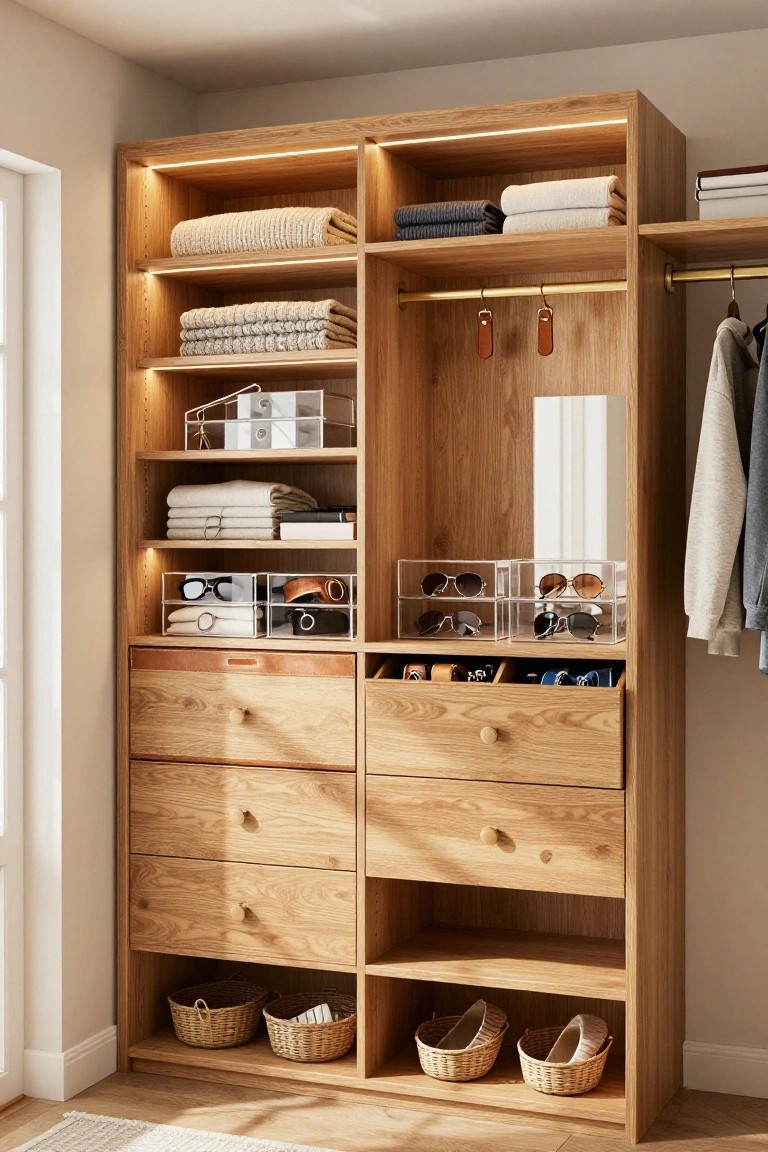
Many people find that adding drawers into a larger shelving unit helps control the clutter that tends to pile up on open shelves. You get a spot for folded clothes higher up and a closed place for belts, sunglasses, and other little things that are easy to misplace.
This setup works well in bedrooms where daily items need to stay visible but contained. It suits homes that already have custom wood storage and pairs nicely with simple baskets on the lowest level for shoes or seasonal pieces.
Add Open Cubbies To Your Dresser For Everyday Items
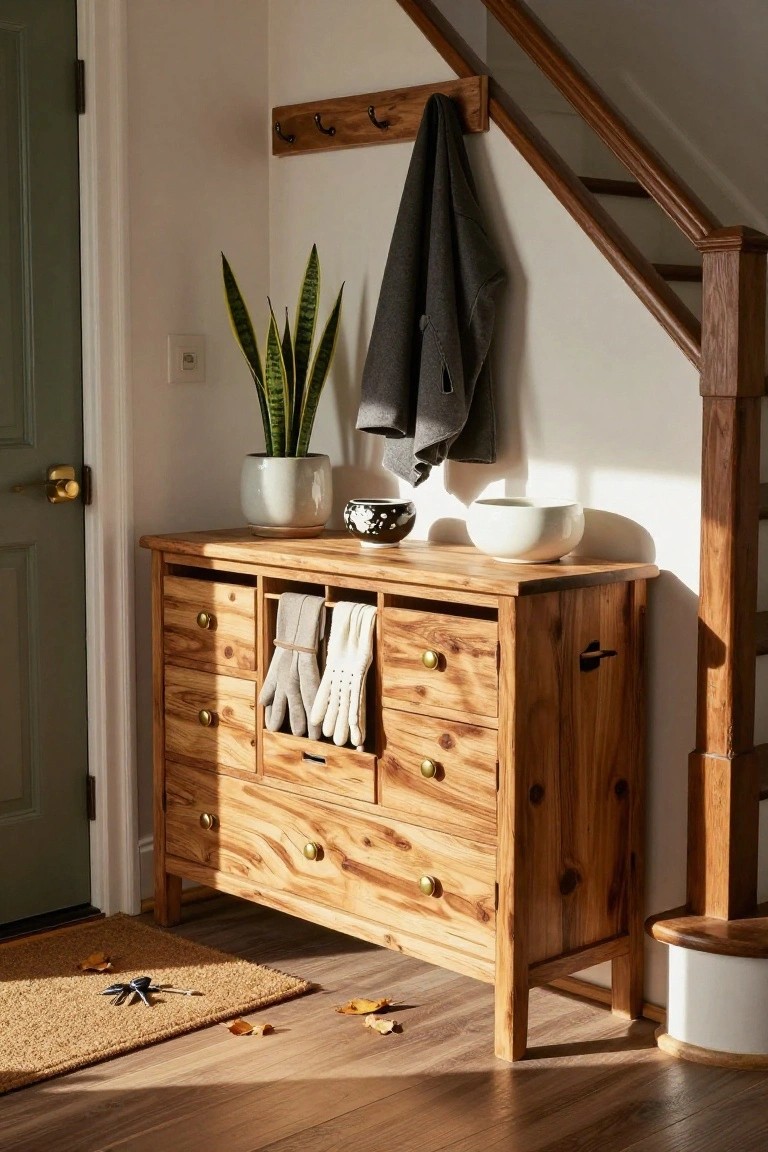
An open cubby section in a dresser can make a big difference when you want quick access to things you use every day. It keeps gloves, scarves, or small bags from getting buried in drawers while still giving you closed storage for the rest.
This setup works especially well in an entryway or hallway where you need to grab items on the way out. Just make sure the cubbies stay fairly shallow so the space does not start to look cluttered.
Use Baskets on Open Shelves
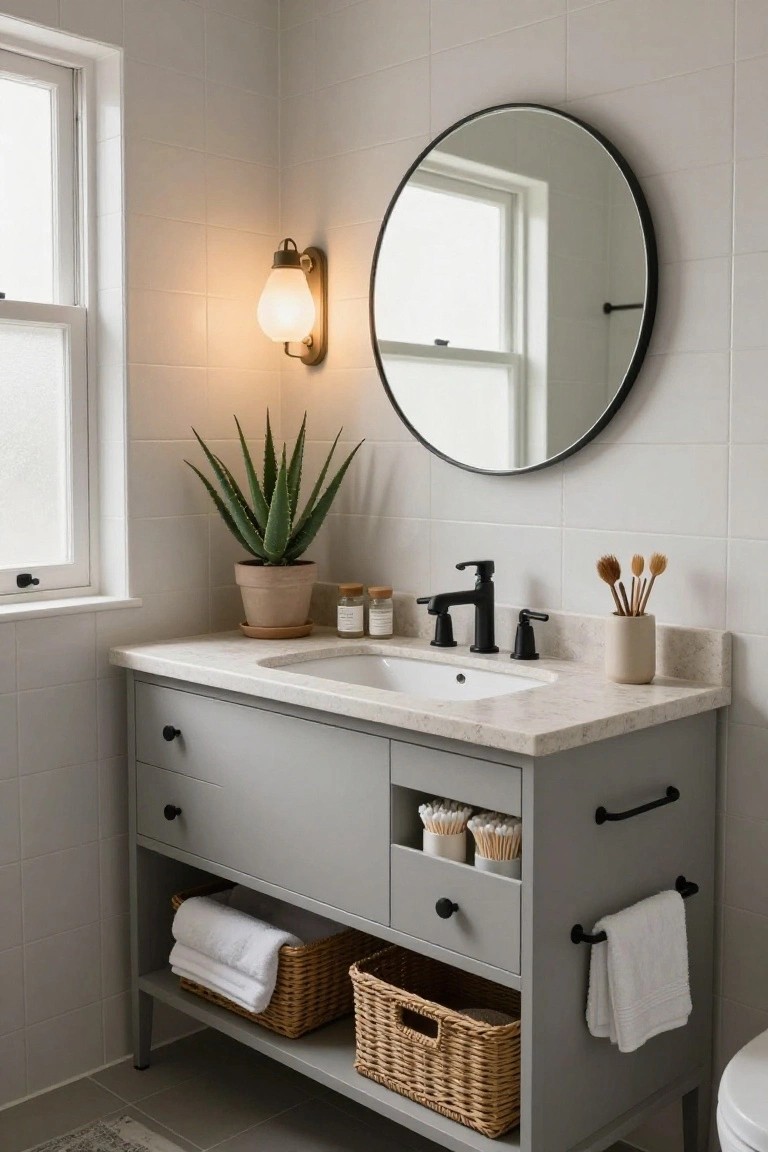
Open storage looks cleaner when you add a few baskets to hold the everyday items. They keep towels and supplies from spilling out while still letting you grab what you need without opening a drawer.
This works best in spaces where you want things handy but out of sight, like under a vanity or dresser. Stick to matching baskets and group similar items together so the area stays simple and easy to maintain.
Use Pull-Out Features In A Dresser For Daily Tasks
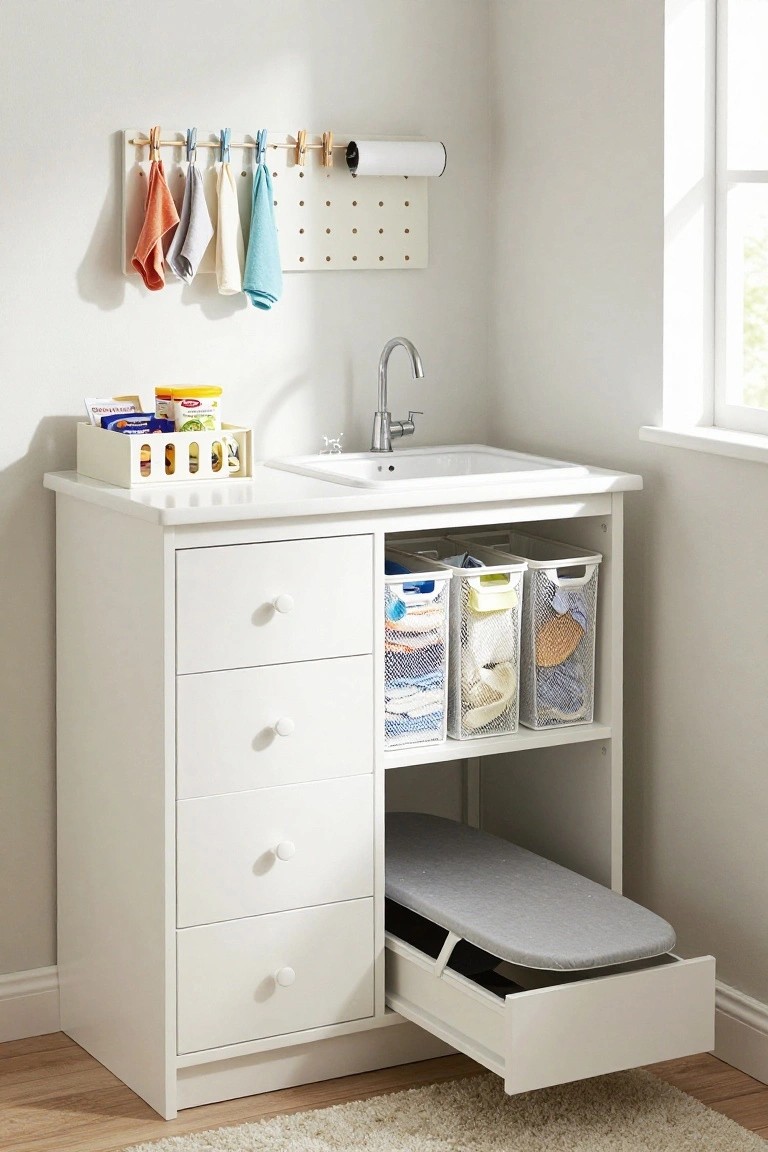
A dresser with a built-in pull-out board gives you a ready surface for ironing without needing a separate board that takes up floor space. It keeps the room looking clean while making laundry chores more practical, especially when the rest of the unit holds baskets for quick sorting of clothes and linens.
This setup works best in smaller homes or combined laundry areas where every inch counts. Keep the drawer hardware strong and choose a board that folds flat so it stays out of the way when not needed.
Roll Clothes in Drawers for Easy Access
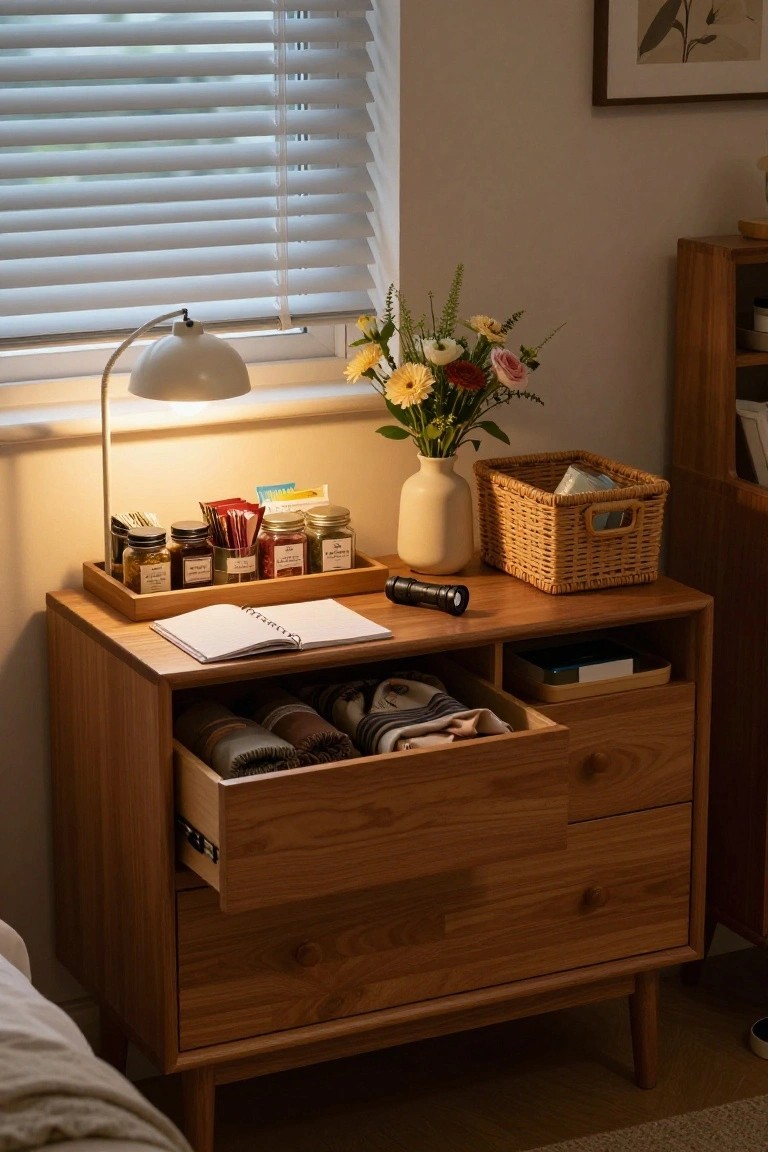
Rolling clothes instead of folding them flat makes a big difference in a dresser drawer. You can see every item without having to dig or unfold things, and the rolls stay in place better when you open and close the drawer. It works especially well for smaller pieces like shirts, scarves, and socks.
This method fits best in bedrooms where space is tight or where you want a simple daily routine. Line the rolls up side by side so everything stays visible and you can grab what you need quickly.
Mix Drawers With Wire Baskets

Wire baskets give you a way to keep smaller items visible and easy to grab while the drawers hide the rest. This mix helps avoid the all-or-nothing look of a dresser that is either fully closed or completely open.
Try sliding a few baskets into any open compartments between the drawers. It works best in a bedroom or hallway where you store both linens and everyday supplies and want quick access without digging.
Use Open Compartments to Corral Remotes
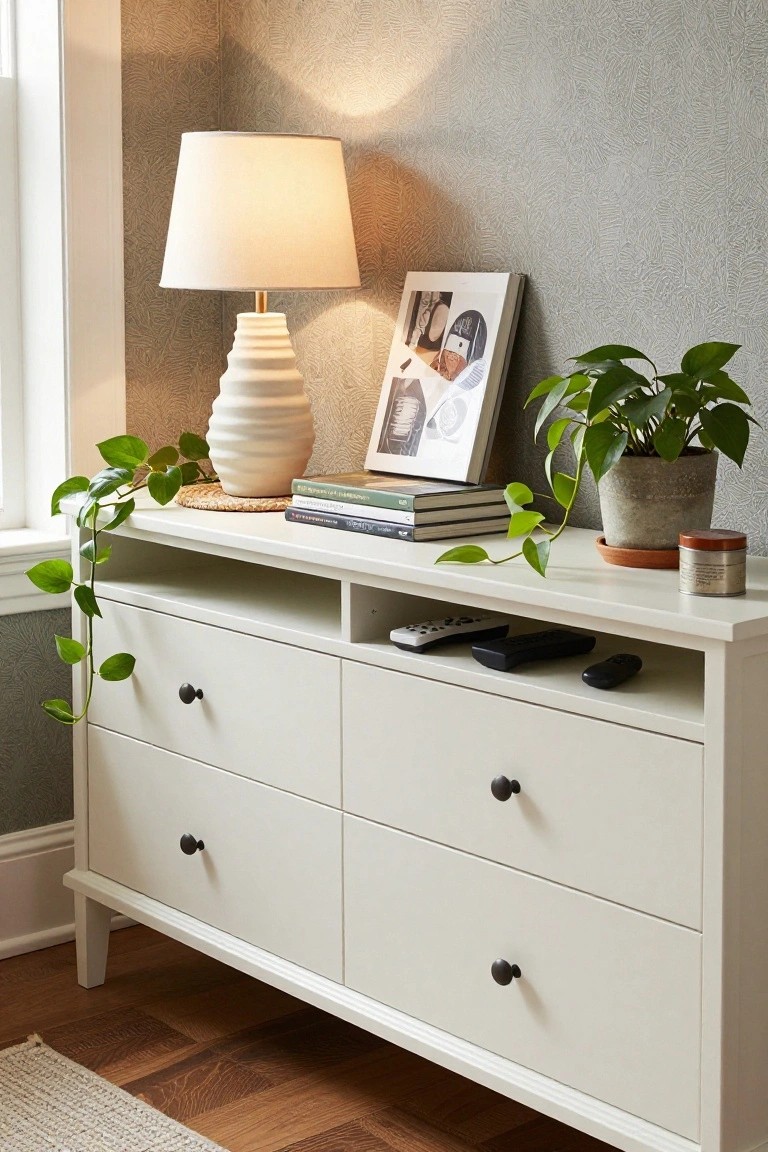
A dresser with built-in open space across the top gives you an easy spot to drop remotes without letting them pile up on tables or get lost in cushions. It keeps the main surfaces clear while still leaving the controls right where you need them.
This works best in a bedroom or living room where the dresser sits near seating. Try to keep the compartment shallow so nothing slides out of reach, and pair it with a simple lamp or a couple of plants so the area still feels put together instead of purely functional.
Use Fabric Bins on Top of the Dresser
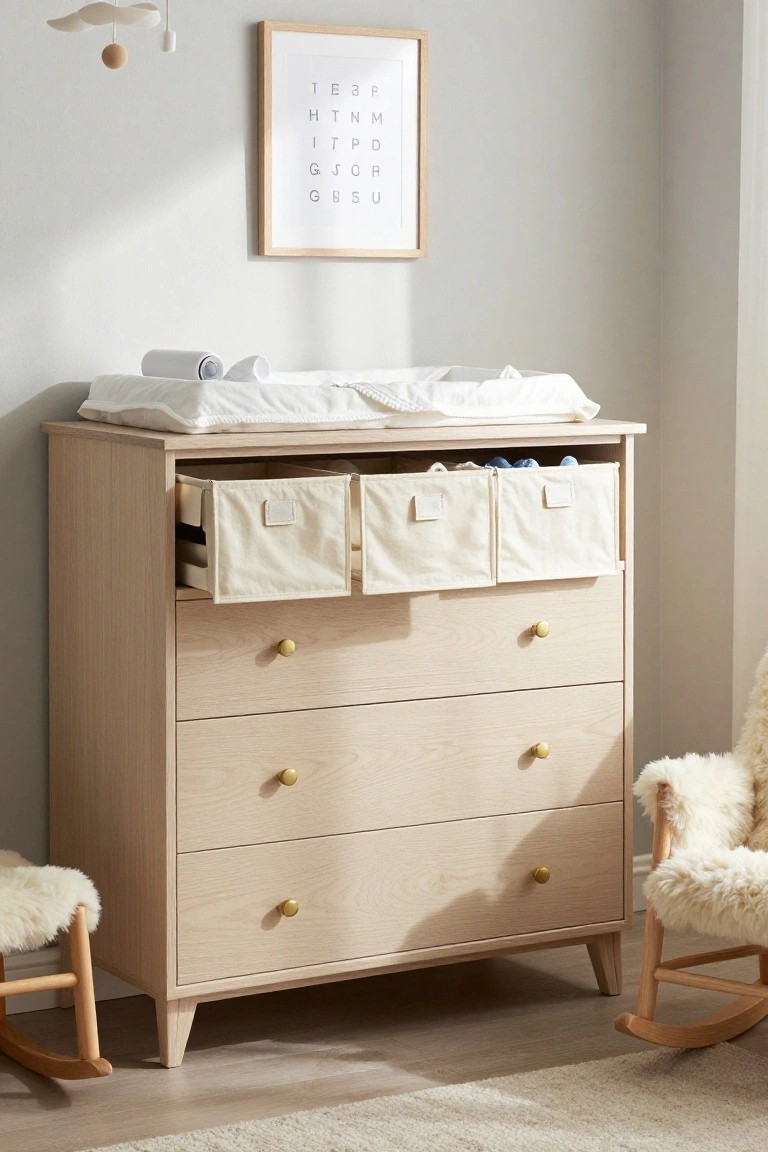
Fabric bins placed across the top of a dresser give you a simple way to keep everyday items within reach. They work especially well when you need quick access without pulling open every drawer, and they help the surface stay clear instead of turning into a catch-all spot.
This approach fits best in a nursery or bedroom where small essentials get used often. Choose bins that sit neatly in any open space above the drawers and stick to a similar color so the whole dresser still looks calm and put together.
Leave A Drawer Open For Daily Items
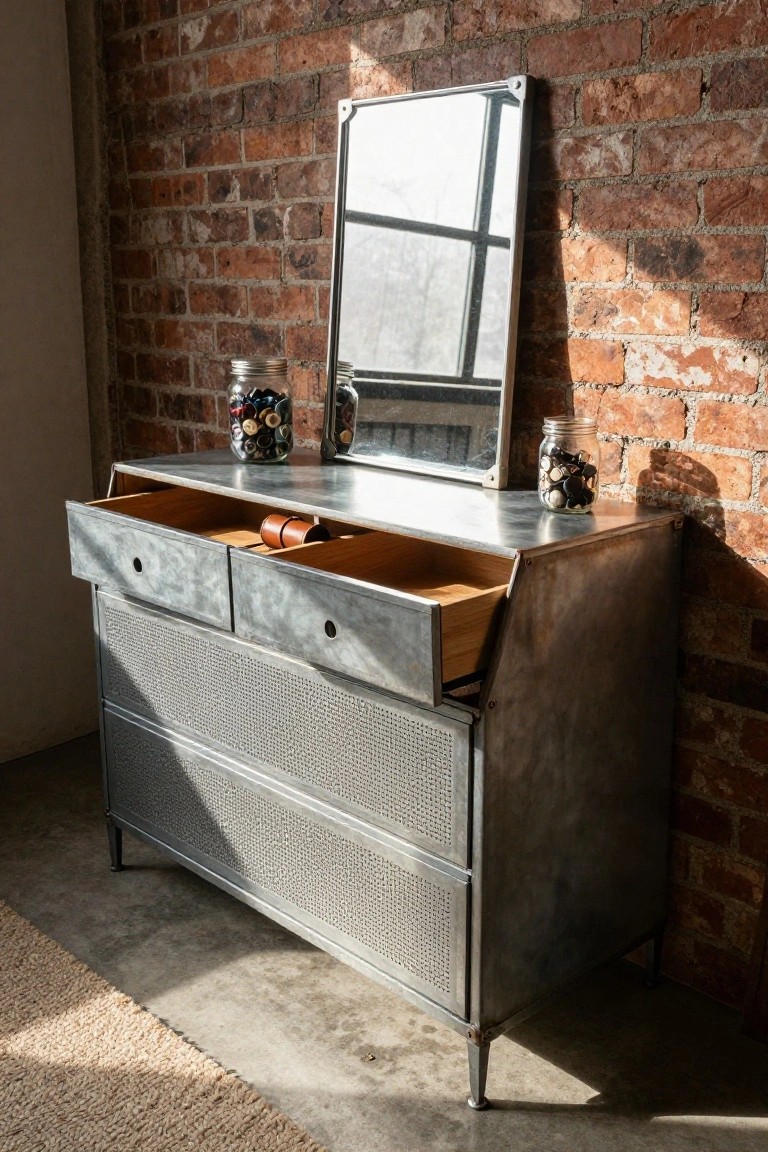
Some people find it easier to stay organized when they can see what they have without pulling out every drawer. An open drawer on top works well for things you reach for often, like accessories or small tools, because it cuts down on the extra steps.
This approach fits best in a bedroom or dressing area where the dresser gets daily use. Just keep the open section limited to one or two drawers so the room still feels tidy overall.
Use Baskets to Expand Dresser Storage

Woven baskets pair well with a dresser because they hold the loose items that do not fit neatly into drawers. They keep the top surface clear while still giving quick access to scarves, bags, or extra linens.
Set one basket on the dresser for everyday things and keep a second one nearby on the floor for overflow. This approach suits smaller bedrooms where you want storage without adding more furniture.
Frequently Asked Questions
Q: How do I stop my drawers from getting messy again a week later?
A: Set a quick Sunday reset where you pull out anything out of place. Put back only the clothes you actually reach for each day. This habit keeps the system working without much effort.
Q: What works best for small items like socks and chargers that always end up scattered?
A: Drop them into separate trays or bins inside one drawer. Group the same types together so you spot what you need right away. You waste less time searching every morning.
Q: My dresser has deep drawers and things sink to the bottom. Any simple fix?
A: Stack folded items in rows instead of piling them high. Add a shelf divider halfway down to create two levels. Everything stays visible and easy to grab.
