

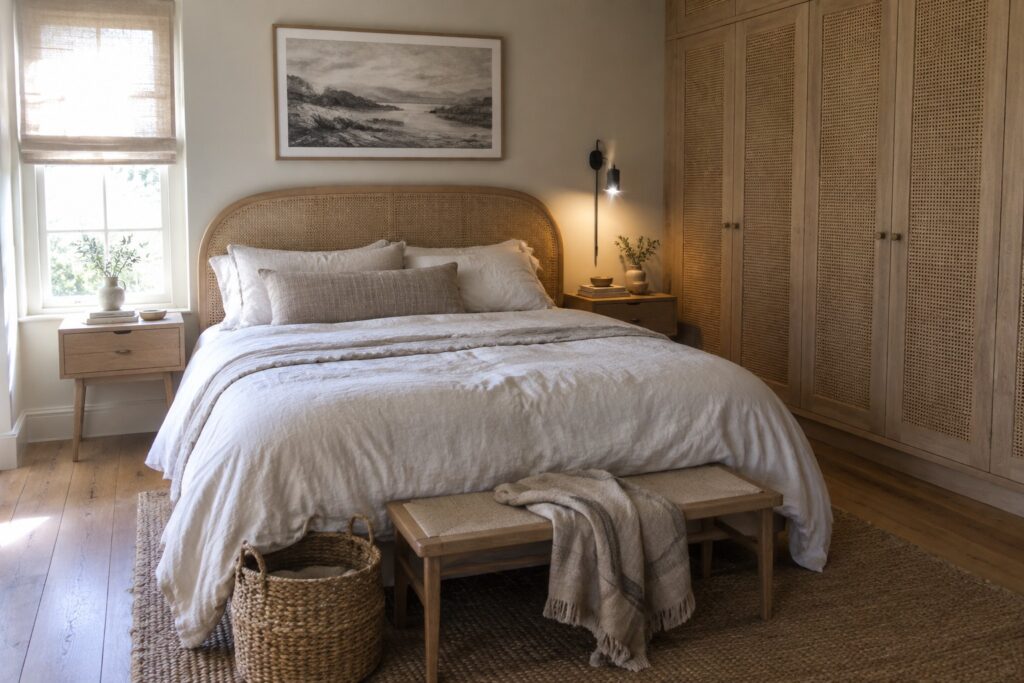
I’ve found that bedrooms settle into something more comfortable when the furniture mixes natural materials with a bit of surface interest rather than staying all flat and uniform.
Cane brings a quiet warmth that works well with wood tones and soft lighting while textured cabinet fronts help larger pieces feel less heavy in the space.
Over time I have seen how those details affect the way a room reads in the morning versus at night when the light shifts across the surfaces.
Small choices like these often make the difference between a bedroom that feels finished and one that still needs something.
A couple of the approaches here strike me as worth testing if the goal is to add depth without crowding the layout.
Cane Doors On Tall Bedroom Cabinets
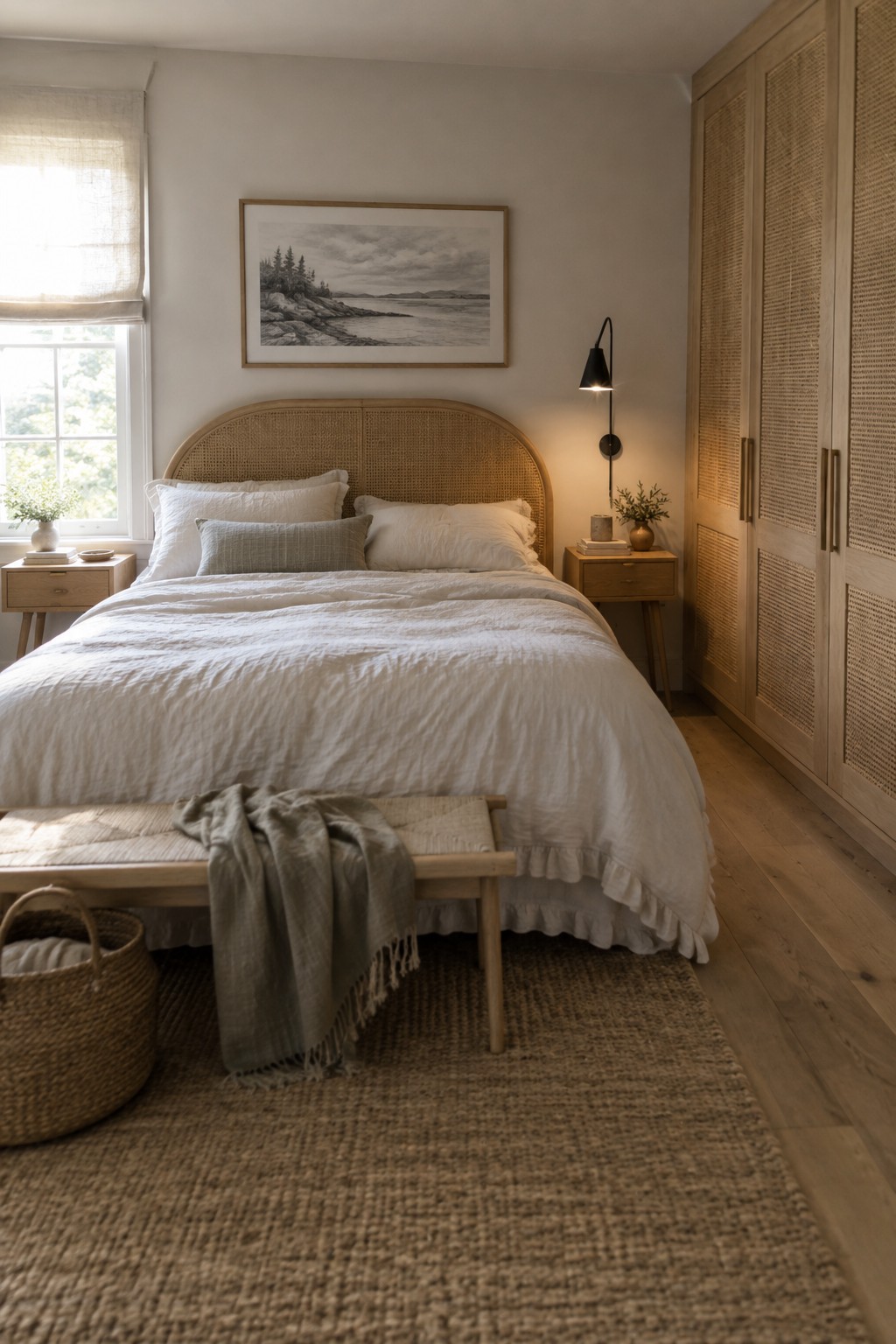
Cane doors on storage pieces add a light textured layer that keeps a bedroom from feeling too flat. The woven surface catches just enough light to stand out while the rest of the room stays simple and calm.
This works best in spaces with light wood tones and soft neutral bedding. Keep the rest of the furniture plain so the cane becomes the main point of interest without crowding the room.
Cane Panels On Nightstands Add Natural Texture
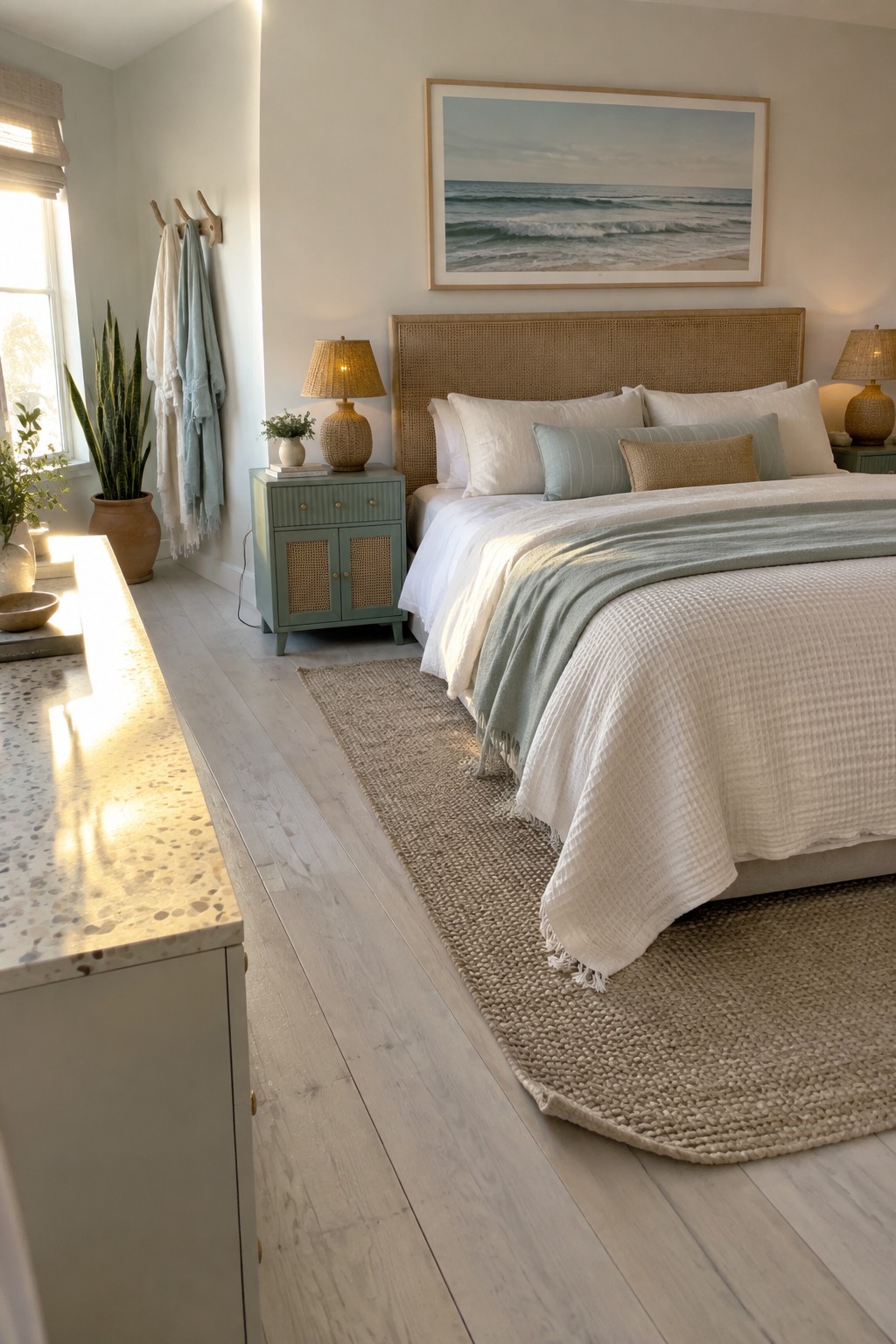
Cane panels on a nightstand give the piece a lighter look while still keeping the storage solid and useful. The woven detail breaks up the solid front without adding much visual weight, which helps in smaller bedrooms where every surface matters.
This works especially well in rooms that already use natural materials like wood floors or linen bedding. Pair it with simple hardware and a single soft color on the cabinet body so the cane texture shows up without competing.
Cane Details on Beds and Storage Cabinets
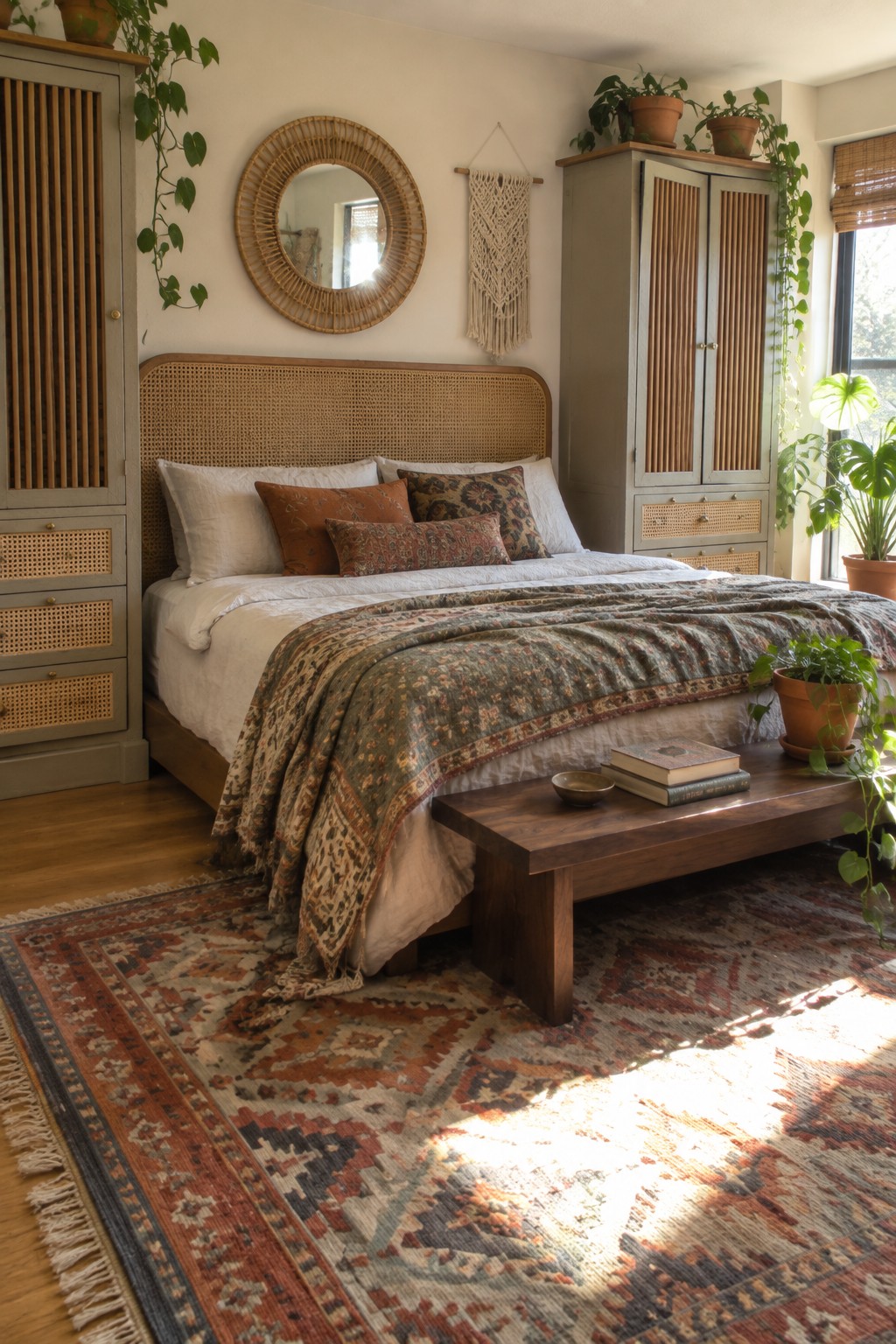
One simple way to add texture to a bedroom is to repeat cane across different pieces. The woven panels on both the headboard and the cabinets create a quiet rhythm that feels natural rather than busy.
This approach works best in rooms with mostly neutral colors and solid wood tones. It gives the space some warmth without needing extra patterns or bold colors, and it suits homes that already mix painted furniture with natural materials.
Cane Headboards In Dark Bedrooms
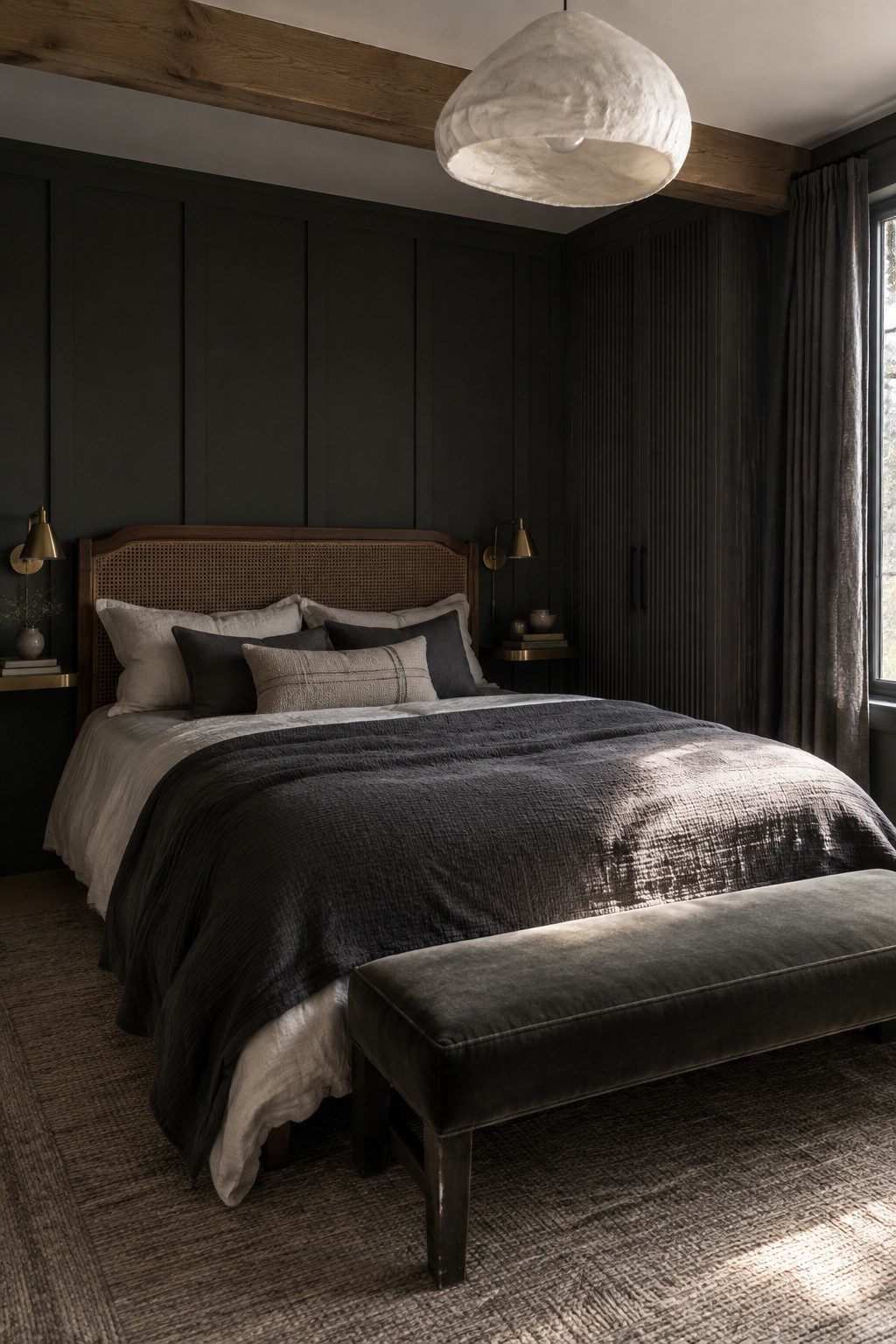
Cane headboards give a bedroom just enough natural texture to keep dark walls from feeling heavy. The woven pattern adds a layer of interest that stands out against solid colors and deeper tones without making the space feel busy.
This approach works best in rooms that already have some built-in storage or wall paneling. The contrast between the open cane weave and any ribbed or fluted cabinet fronts nearby helps both elements read more clearly. Keep the rest of the furnishings simple so the headboard stays the main focal point.
Cane Panels On Bedroom Cabinets for a Lighter Look
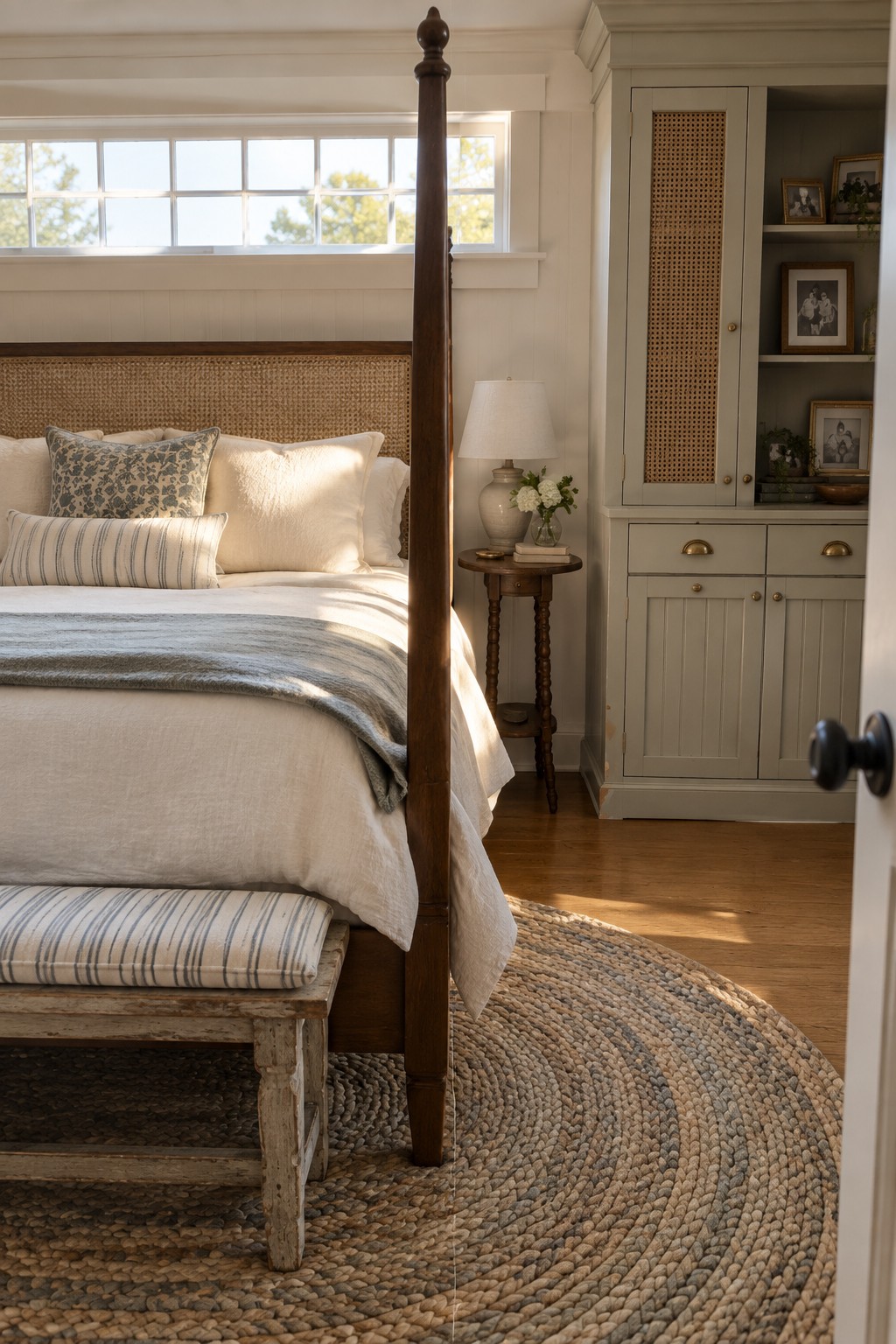
Cane panels on cabinet doors give bedroom storage a lighter feel without losing the weight of a solid piece. The woven texture breaks up flat surfaces and pairs naturally with other woven elements like a headboard or rug.
This works best in rooms that already lean traditional or relaxed. Keep the cabinet frame and hardware simple so the cane reads as a quiet detail rather than a statement.
Cane Inserts In Tall Bedroom Cabinets
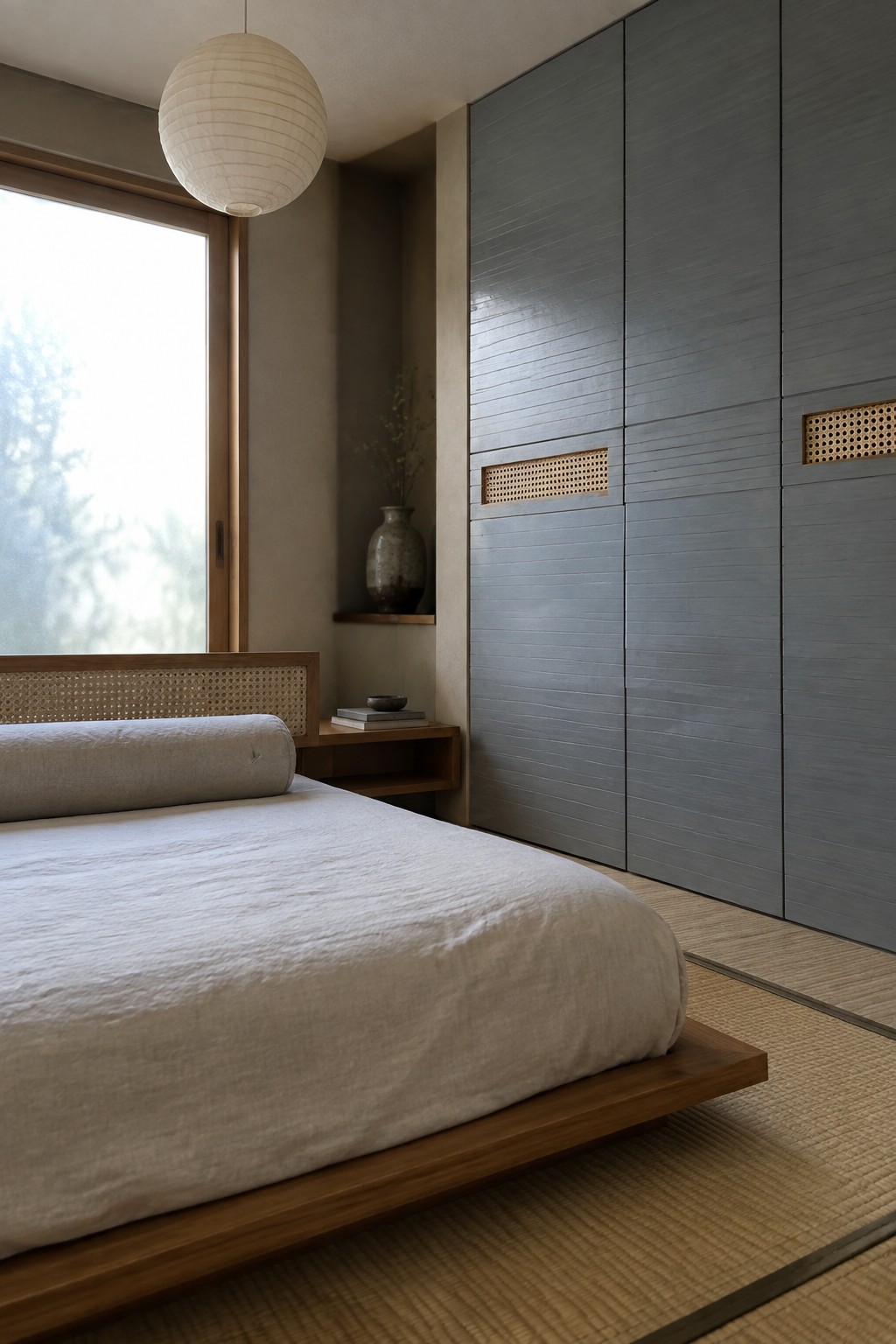
Cane panels set into cabinet doors give storage a lighter feel while adding quiet texture. The material breaks up large flat surfaces without needing extra color or hardware, which helps the whole room stay calm and simple.
This works best in bedrooms that already use wood tones and natural fibers. Keep the rest of the furniture low and plain so the cane detail stands out without competing. Avoid using it on every door if the room is small.
Cane Fronts On Bedroom Cabinets
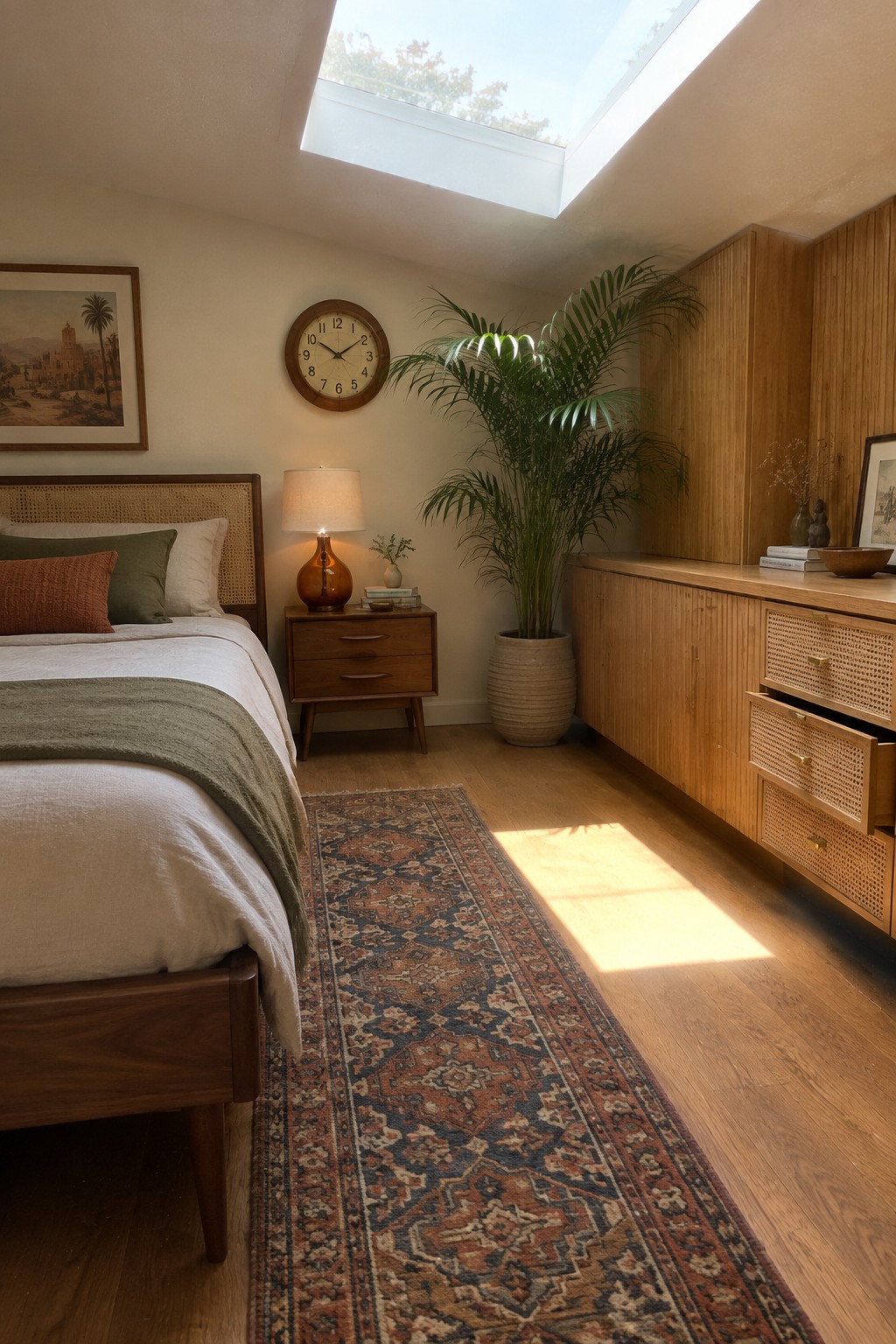
Cane details on cabinet doors and drawers give storage pieces a lighter feel while adding texture that plain wood often lacks. The woven pattern breaks up large surfaces without adding much visual weight, which helps in bedrooms where you already have a bed, nightstands, and other furniture competing for attention.
This works best in rooms that lean toward natural materials and mid-century or transitional styles. Keep the surrounding pieces simple in shape and finish so the cane reads as a quiet accent rather than a busy feature, and make sure the scale of the cabinet fits the wall space without crowding the bed or walkways.
Cane Panels On Bedroom Cabinets for Calm Bedrooms
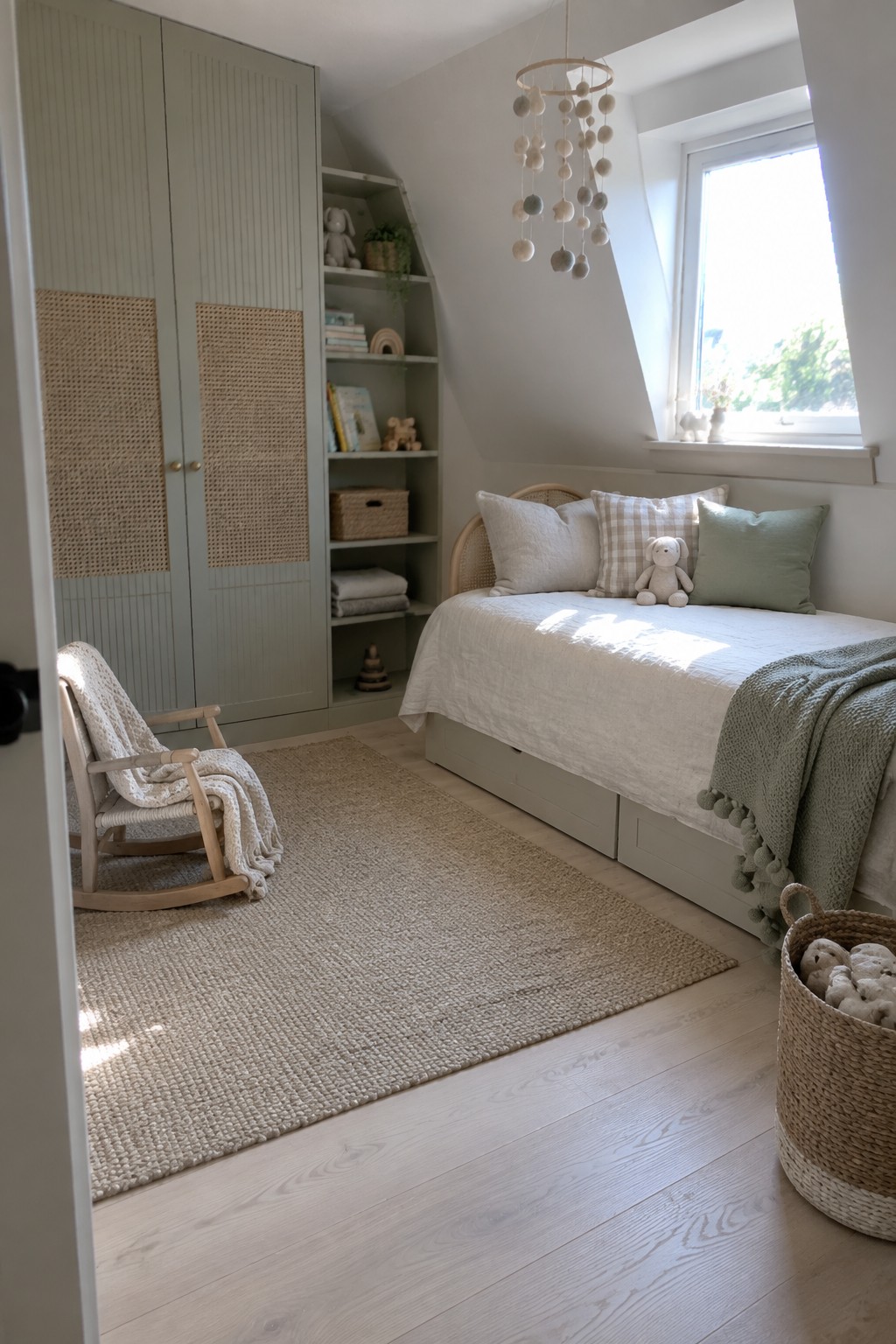
Cane panels on cabinet doors give storage a softer look without adding much visual weight. The woven texture breaks up solid fronts and works especially well in rooms where you want storage to feel part of the space rather than a big block against the wall.
This detail suits calm bedrooms with light colors and natural materials. It pairs easily with painted wood and simple bedding, though it shows dust more than flat surfaces so it needs occasional cleaning.
Cane Cabinet Doors In Bedrooms
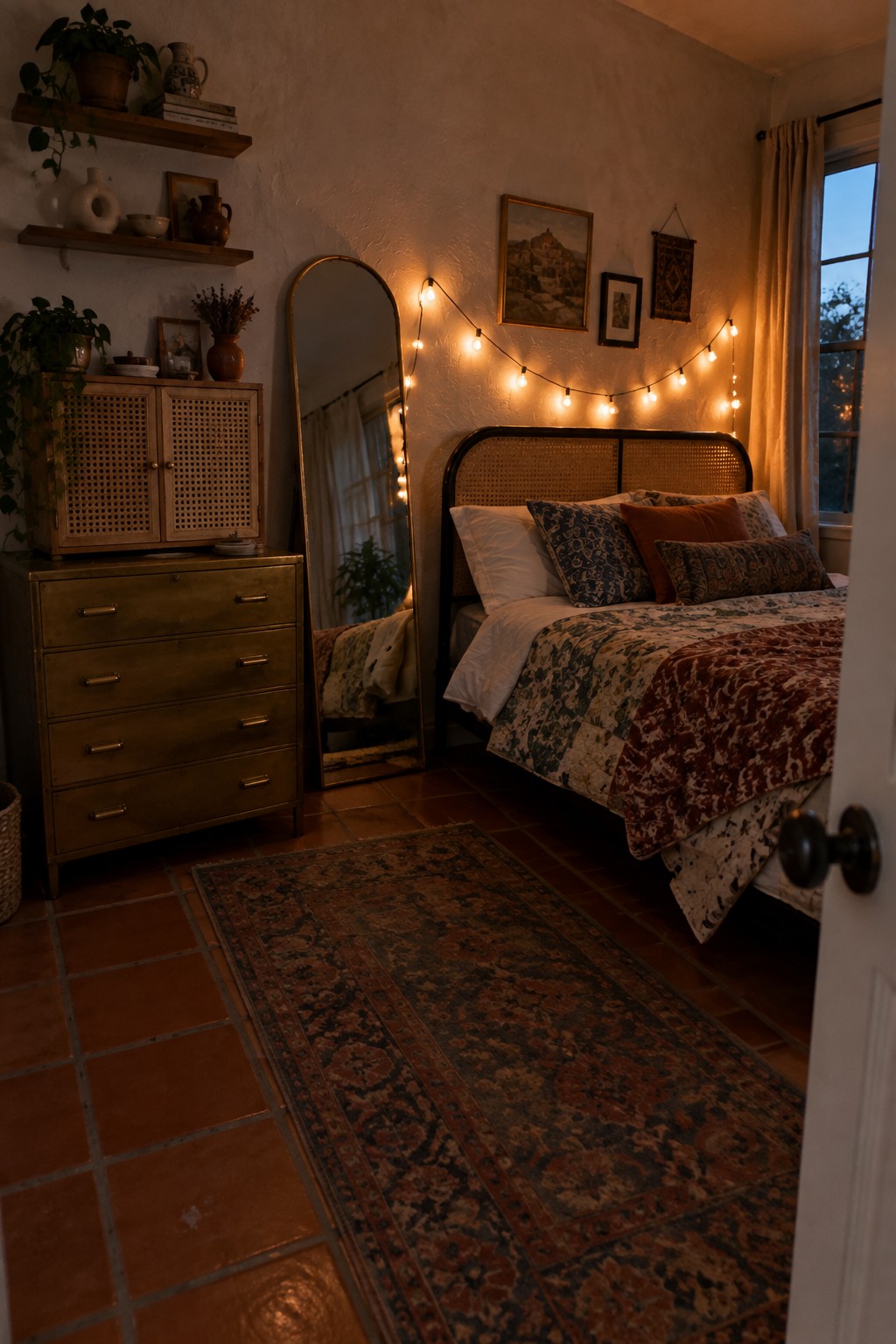
Cane on cabinet doors gives bedroom storage a lighter feel without losing the warmth of wood. The woven texture breaks up flat surfaces and pairs naturally with other cane pieces like a bed frame.
This works best in rooms that already lean on natural materials and earthy tones. Keep the rest of the furniture simple so the cane pattern reads clearly instead of competing with too many other details.
Cane Details On Painted Bedroom Cabinets
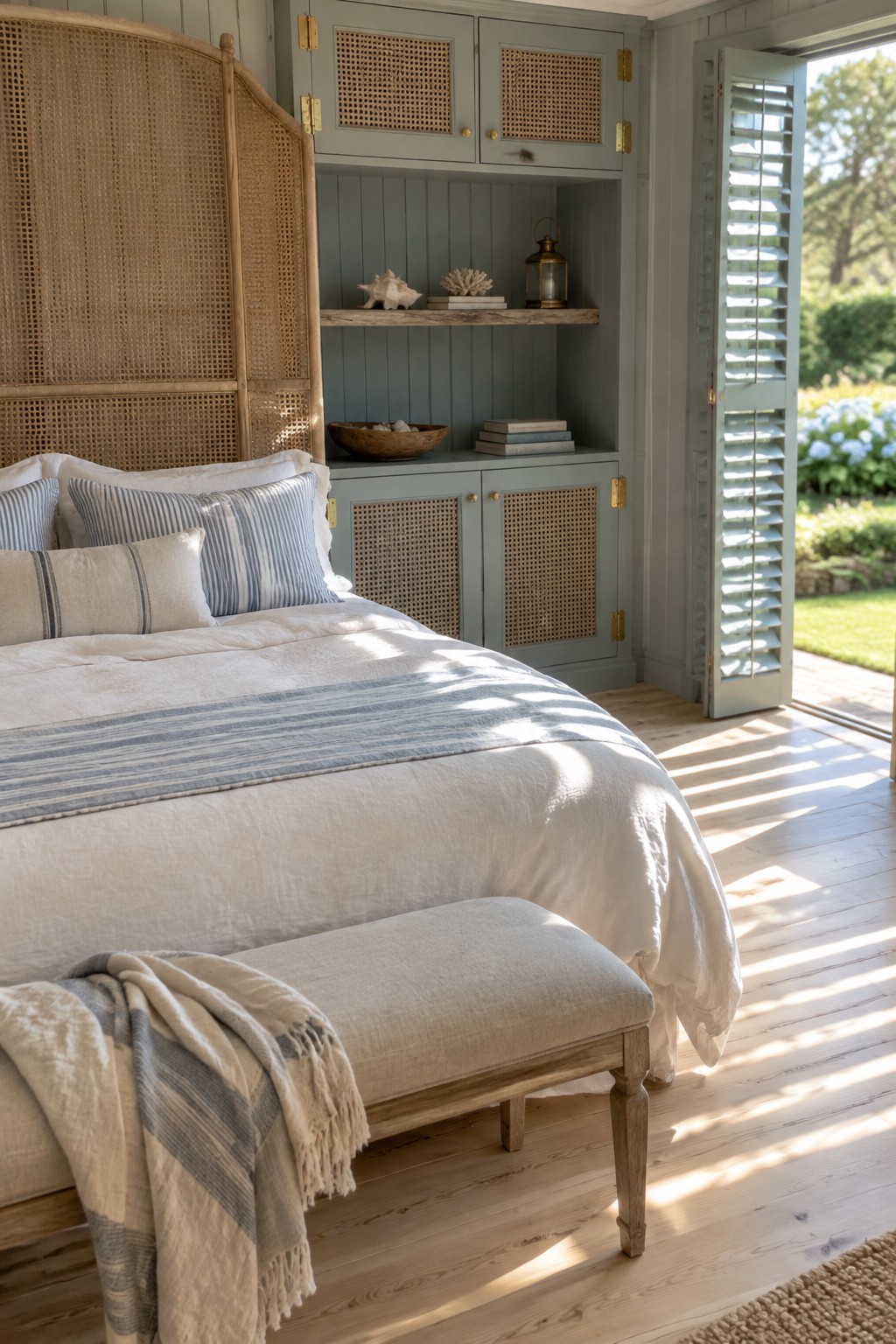
Cane panels on painted storage give the room texture without adding clutter. The woven sections break up the solid cabinet fronts and keep the built-in unit from feeling too heavy or plain.
This approach suits smaller bedrooms where you need storage but still want the space to feel open. Pair the cane with a simple headboard in the same material and keep the bedding light so the texture reads clearly.
Cane Details On Nightstands Add Texture
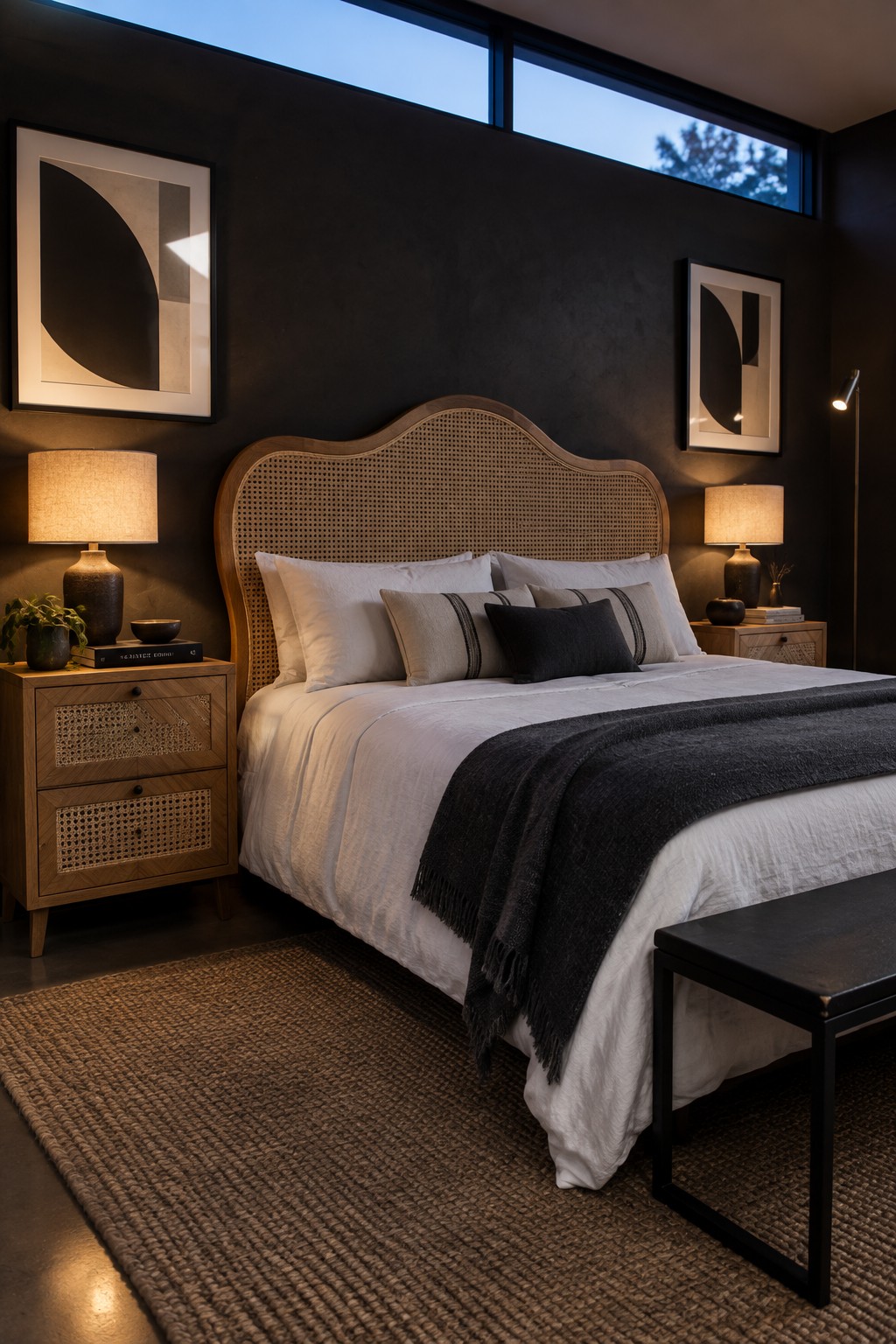
Cane panels on the front of nightstand drawers give a bedroom storage piece a bit more character without adding bulk. The woven texture catches the light differently than flat wood, which helps the furniture feel lighter even in a room with dark walls.
This approach works especially well when you want to echo a cane headboard without repeating the same material everywhere. It suits spaces that already lean modern or minimalist, and the natural fiber keeps the look from feeling too heavy or formal.
Cane Texture On Tall Cabinets
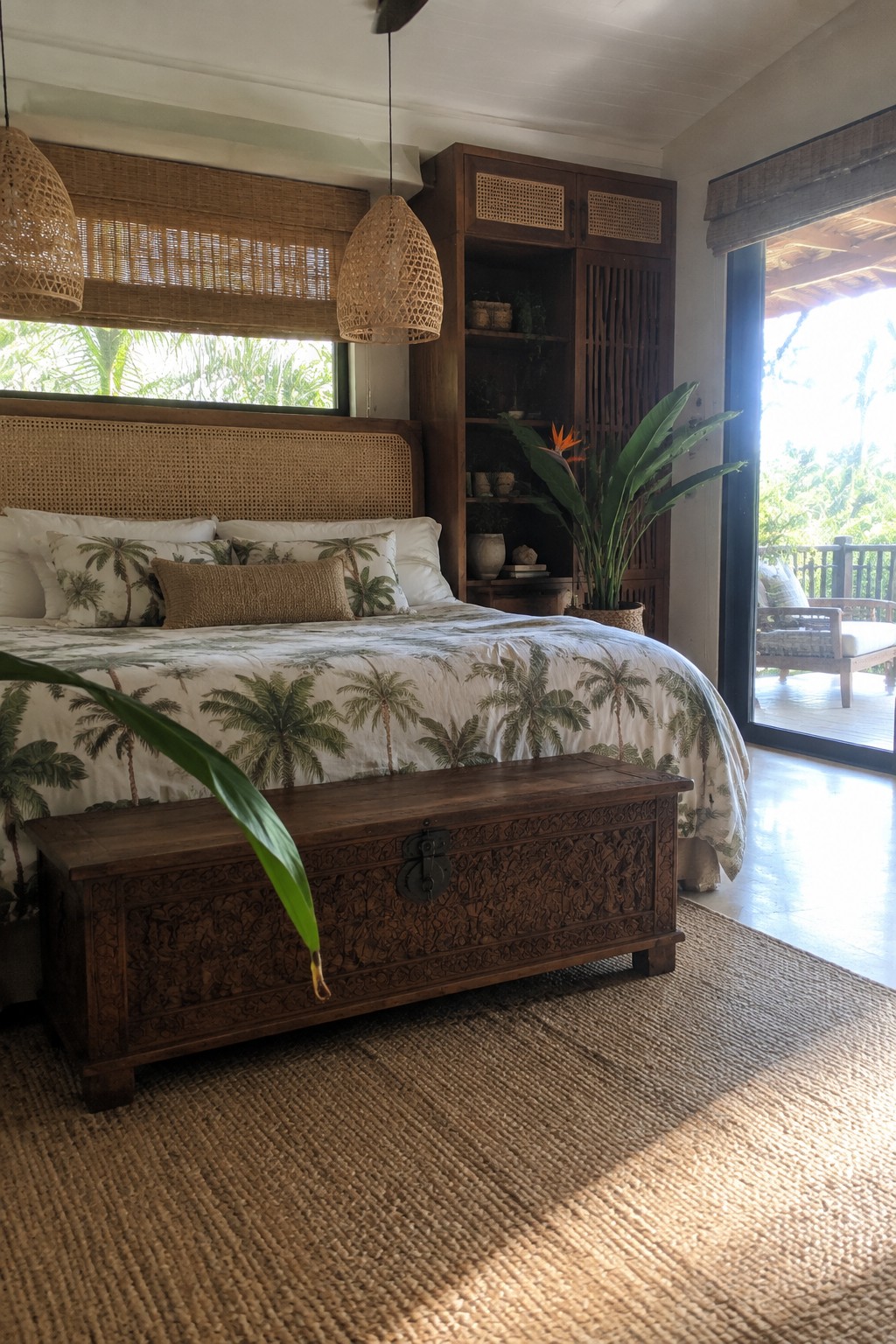
Cane panels set into tall cabinet doors give storage pieces a lighter, more textured look that fits easily into a bedroom. The woven detail breaks up the solid wood surface and adds just enough pattern without extra ornament.
This works best in rooms that already use natural materials like rattan or wood. Pair it with a simple bed and keep other furniture low so the cabinet stands out as the main storage piece. It suits casual or tropical styles and helps the room feel less closed in.
Cane Panels On Bedroom Cabinets With Matching Headboards
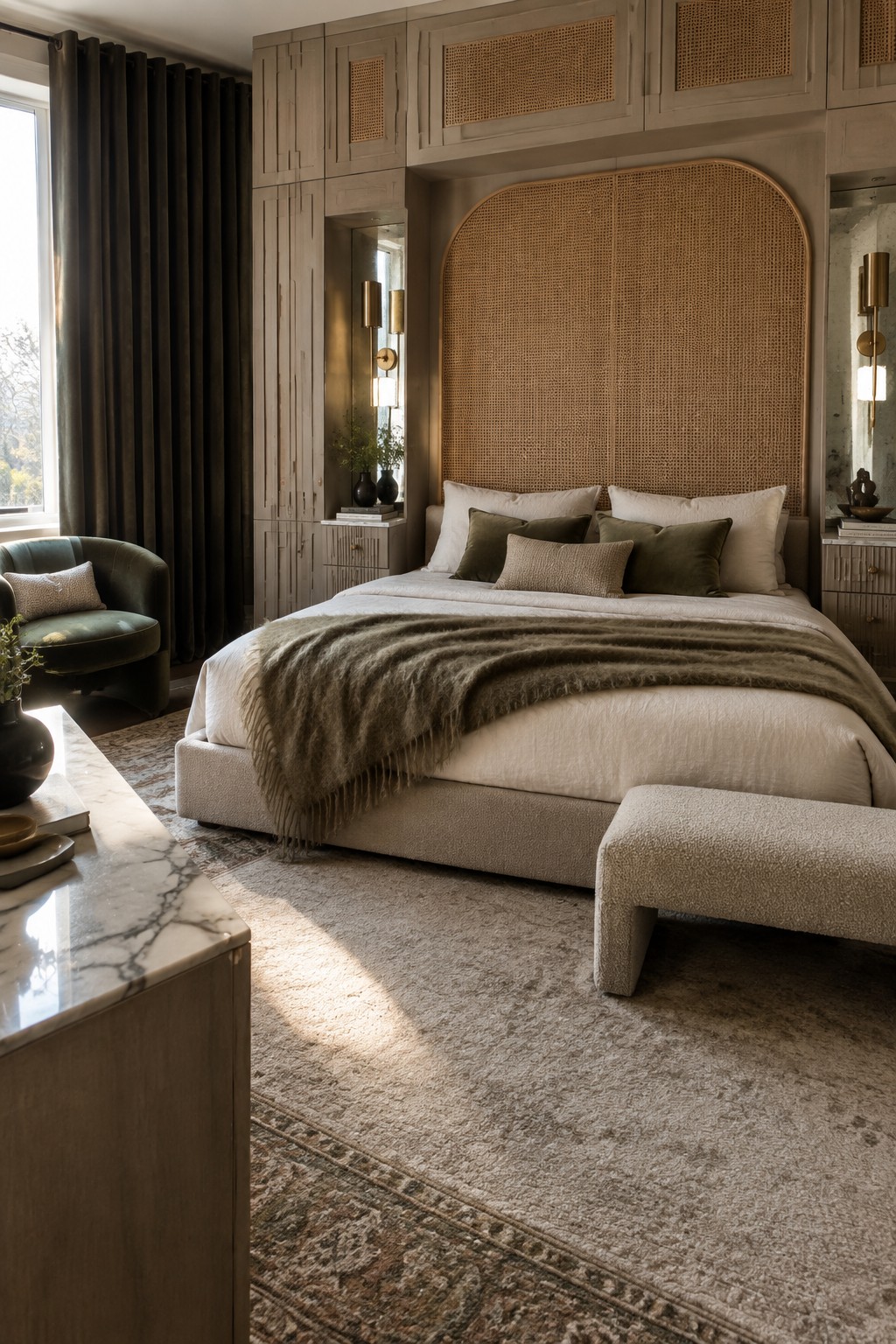
Cane adds a light texture to storage pieces that can otherwise feel heavy in a bedroom. When used on cabinet doors it breaks up the solid wood surface and lets the piece blend in rather than stand out. The woven material also pairs easily with a matching headboard so the whole wall reads as one calm surface instead of separate furniture items.
This works best in rooms that already use soft neutrals and need extra storage without adding more visual weight. Keep the cane in one or two larger areas rather than scattering it across every drawer or door. Too many small cane sections can start to feel busy.
Built-In Cabinets With Cane Panels
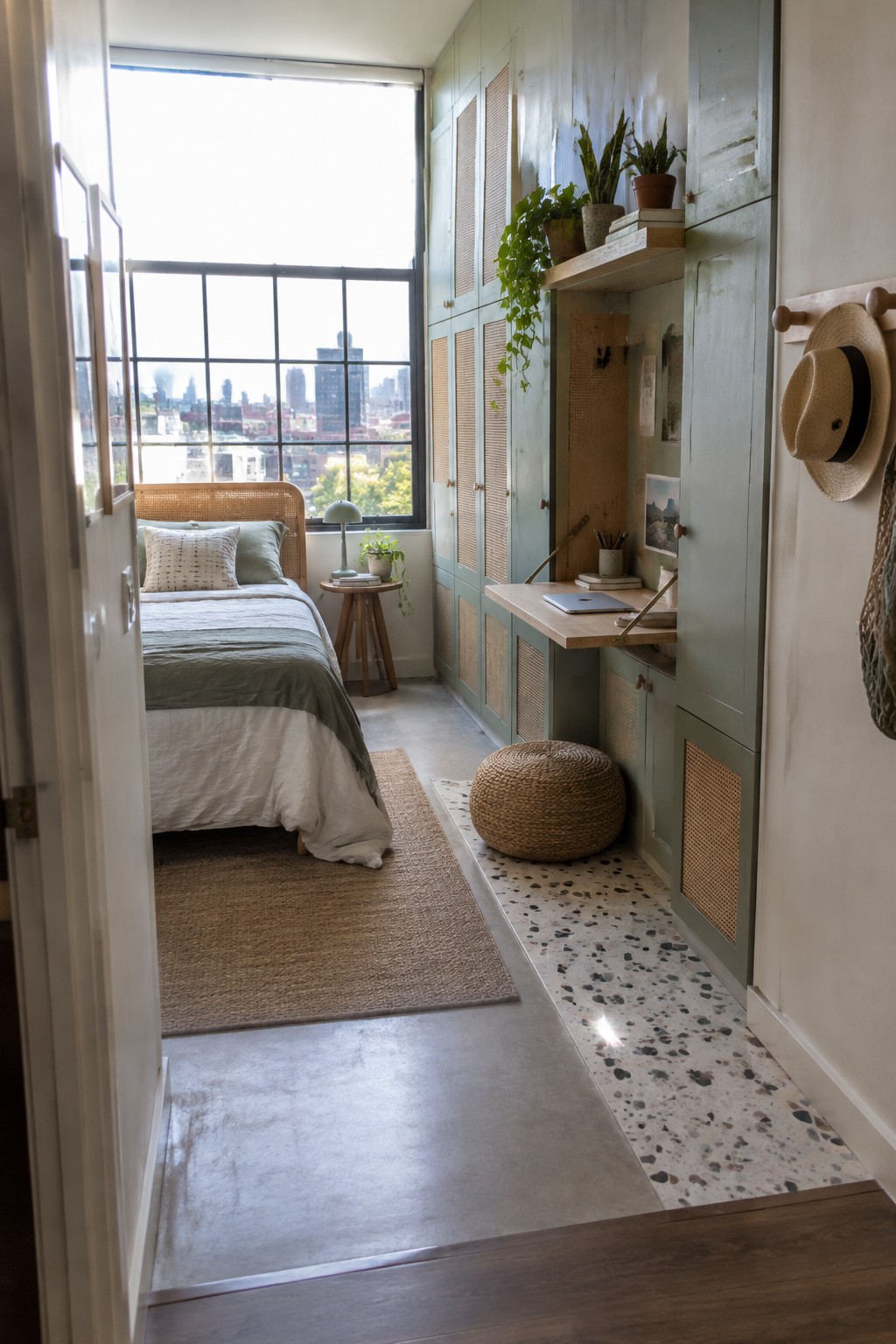
Cane panels on cabinet doors give storage a lighter feel while still keeping the room organized. In a small bedroom this approach adds texture without taking up extra floor space or making the walls feel closed in.
It works best when the cabinet frames are painted to blend with the walls so the cane becomes the main detail. Pair it with simple bedding and a few woven accents elsewhere if you want the texture to read as intentional rather than busy.
Cane Details On Storage Add Quiet Texture
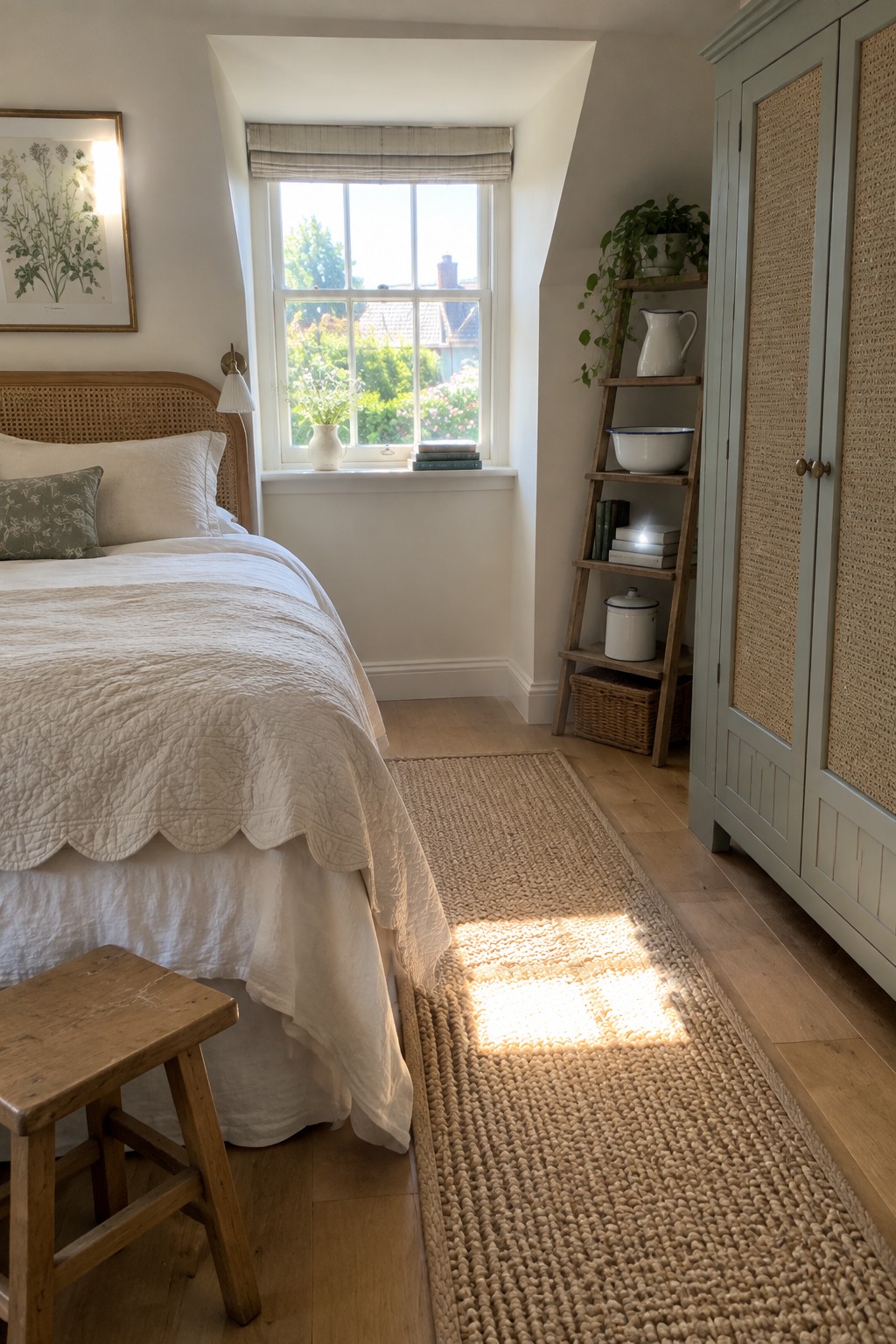
Cane works especially well when it shows up on more than just the bed. Putting the same woven pattern on cabinet doors creates a simple match that feels pulled together without extra effort. The light paint on the wardrobe keeps the look soft while the natural weave adds just enough pattern.
This approach suits bedrooms that already have a cane headboard and need closed storage. It works best in smaller rooms where you want the materials to feel connected rather than adding more furniture. Stick to one or two wood tones and let the cane do the rest.
Cane Headboards With Textured Cabinet Details
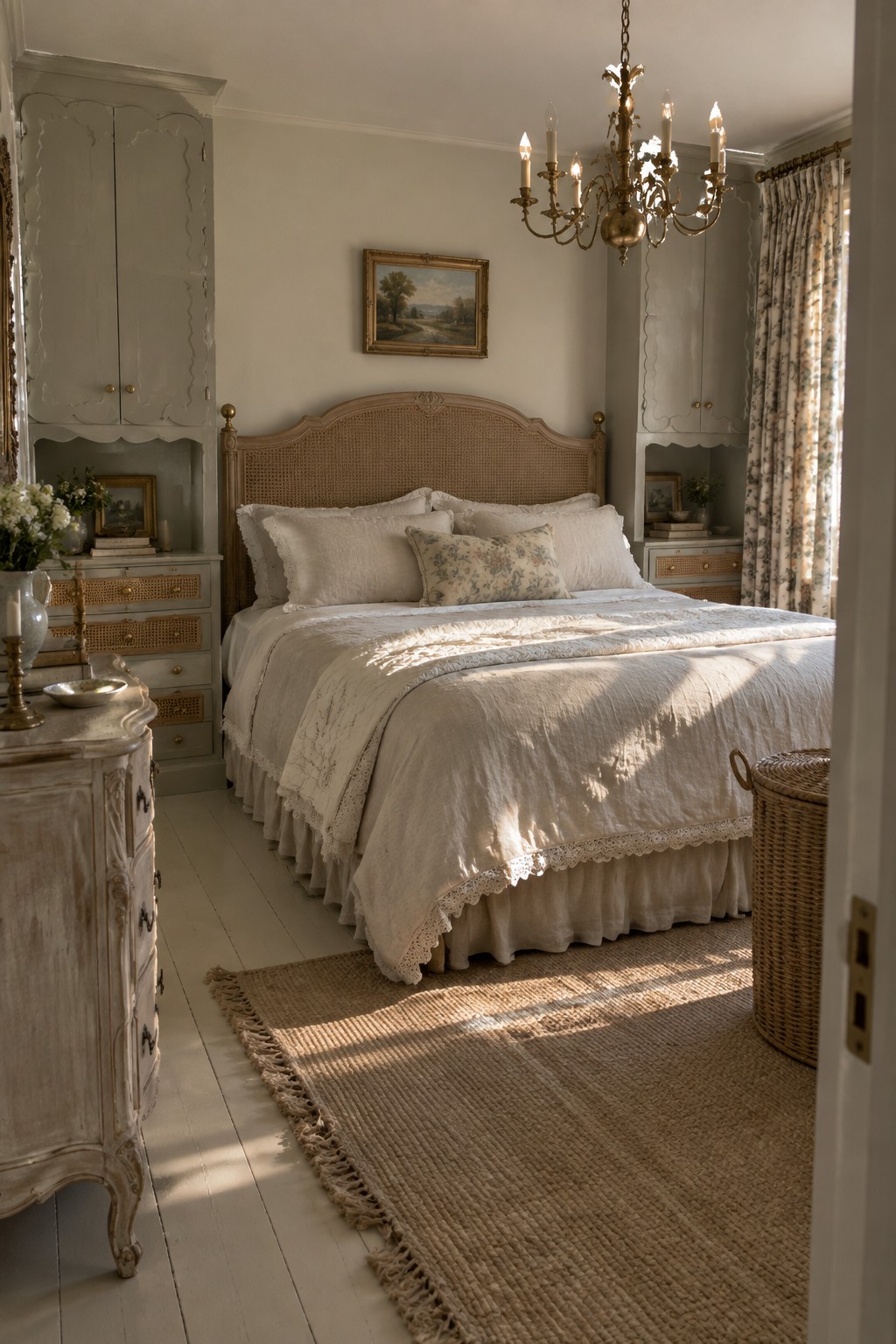
A cane headboard brings a light woven texture into the bedroom without adding weight or darkness. When the cabinets and nightstands carry similar woven or caned fronts, the whole room feels more pulled together and finished.
This approach works well in older homes or any space that already leans toward soft neutrals and natural materials. Keep the rest of the room simple so the textures have room to show up, and avoid crowding the walls with too many other patterns.
Cane Panels On Dark Wood Cabinets
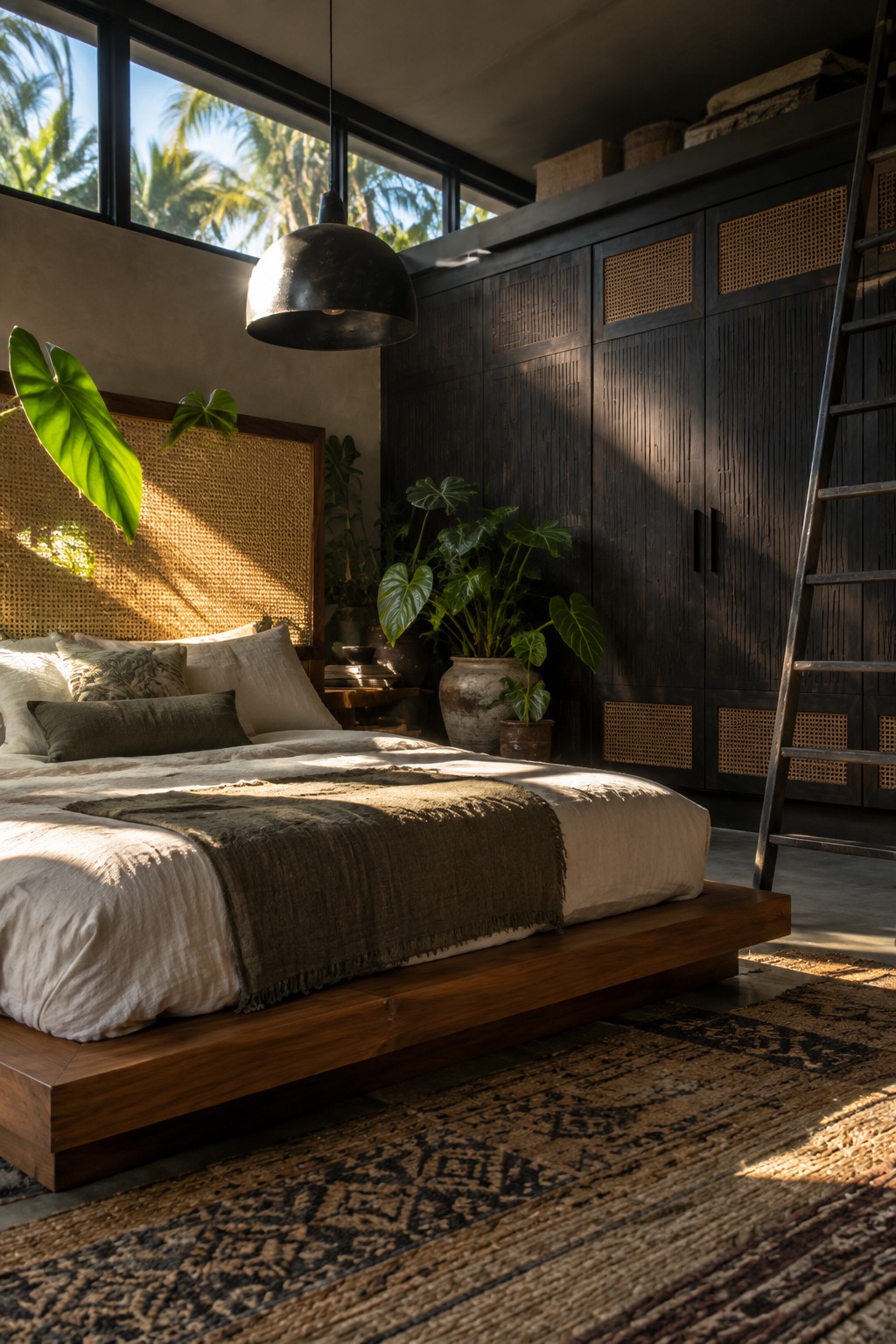
Cane panels add texture to big storage pieces without making them feel heavy. In this bedroom the dark wood wardrobe uses woven cane inserts on several doors, which breaks up the solid surface and lets the piece blend into a room that already has natural materials like the woven headboard and linen bedding.
This works best in bedrooms that already lean toward wood tones and simple layers. Keep the rest of the furniture light so the textured doors stand out, and make sure the room gets enough daylight to highlight the weave. Avoid pairing it with too many other dark or busy surfaces or the texture can get lost.
Cane Panels On Bedroom Cabinets With Cane Headboards
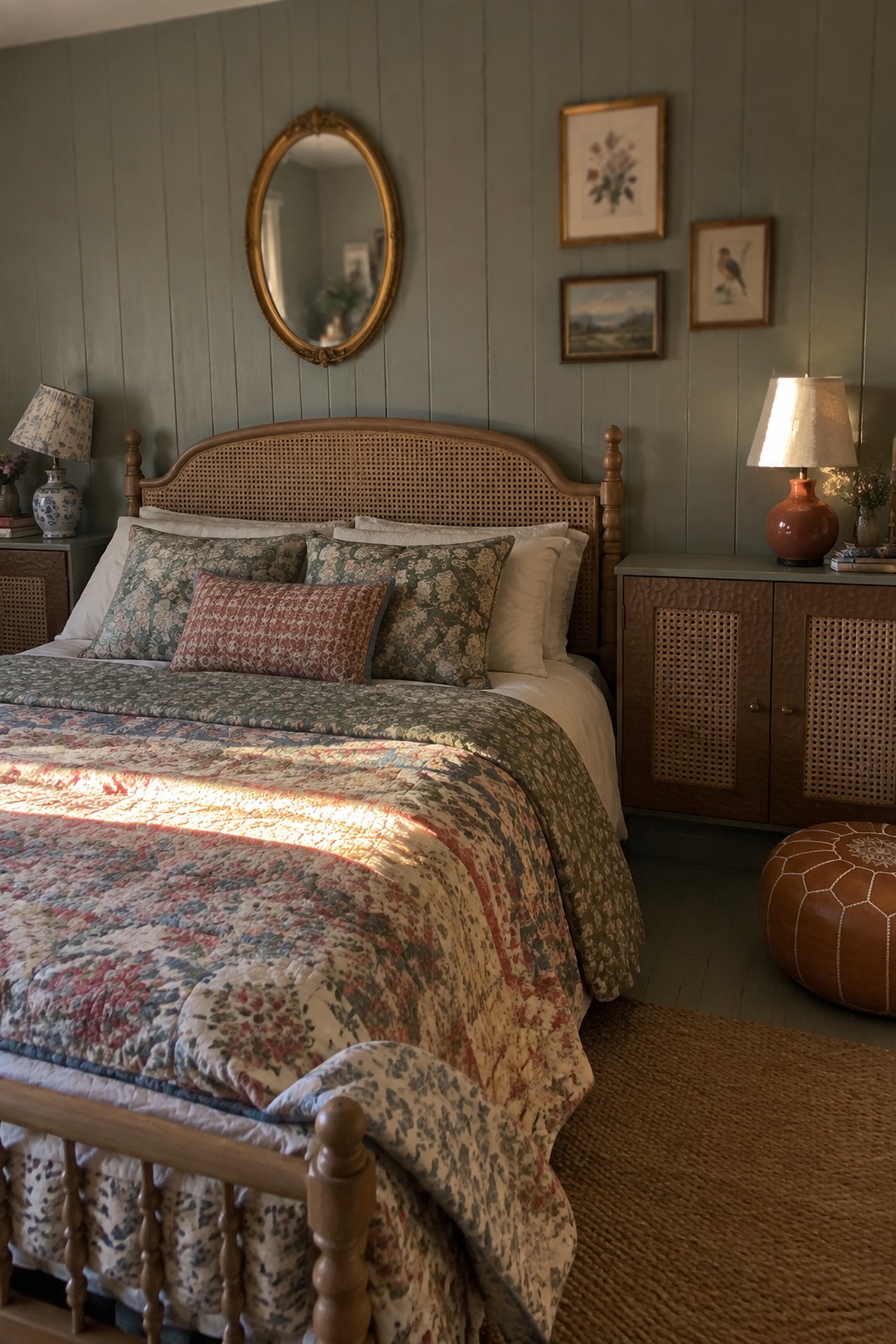
Cane on cabinet doors gives storage pieces a bit of texture without adding bulk. It pairs especially well with a cane headboard since the material repeats in a quiet way and keeps the whole setup feeling coordinated rather than busy.
This works best in bedrooms that already lean toward wood tones and softer colors. Use it on nightstands or a low dresser if you want the storage to feel more interesting than solid wood or painted fronts while still staying practical.
Cane Panels On Bedside Cabinets
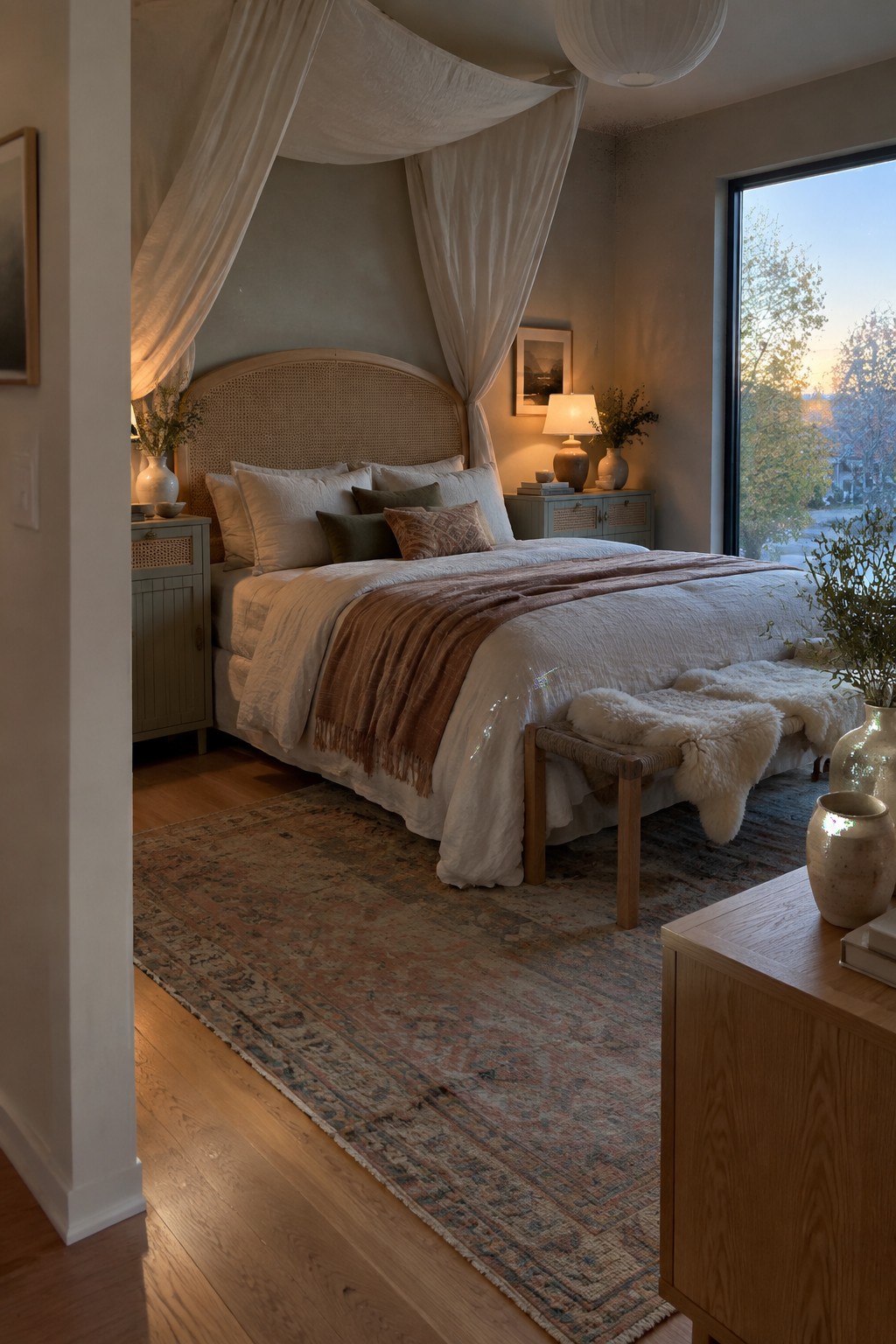
Cane panels on bedside cabinets add a quiet layer of texture that feels natural in a bedroom. The woven detail breaks up solid wood fronts without adding much visual weight, which helps the whole space stay calm and simple.
This works best in rooms that already lean neutral or use other natural materials. Pair the cabinets with plain walls and softer bedding so the cane reads as a small accent rather than the main event.
Frequently Asked Questions
Q: How do I pick the right cane piece for a small bedroom?
A: Go for a single dresser with textured doors instead of a full set. This keeps the space open while adding that woven detail you want.
Q: Will the texture on the cabinets collect a lot of dust?
A: The raised details do catch some dust over time. A quick weekly wipe with a microfiber cloth keeps them looking fresh.
Q: Can I add cane to my existing furniture?
A: You can attach cane webbing to cabinet doors with a staple gun and trim. Sand the surfaces first so the new material sits flat.
