

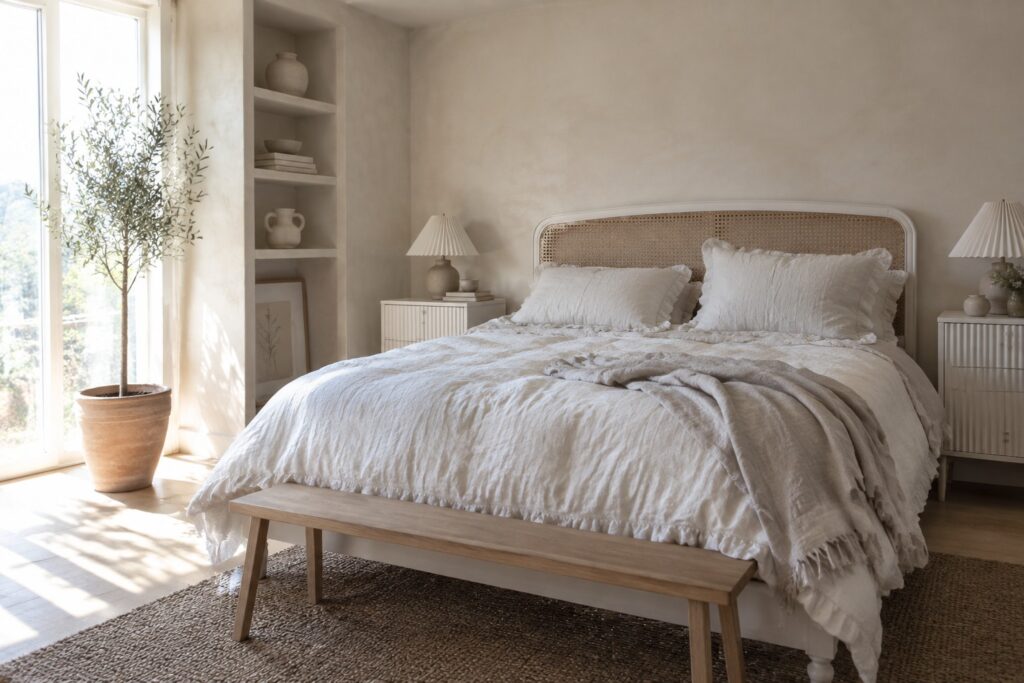
White furniture in a bedroom can shift the whole mood of the space once the neutrals are layered in properly.
I have seen setups where the soft finishes pulled everything together without making the room feel too bright or empty during the day.
Undertones count more than most people realize at first.
When I plan changes like this, I always test samples against the actual walls before committing.
It is the small adjustments in finish that end up making the biggest difference in how comfortable the room feels over time.
White Beds With Rattan Headboards
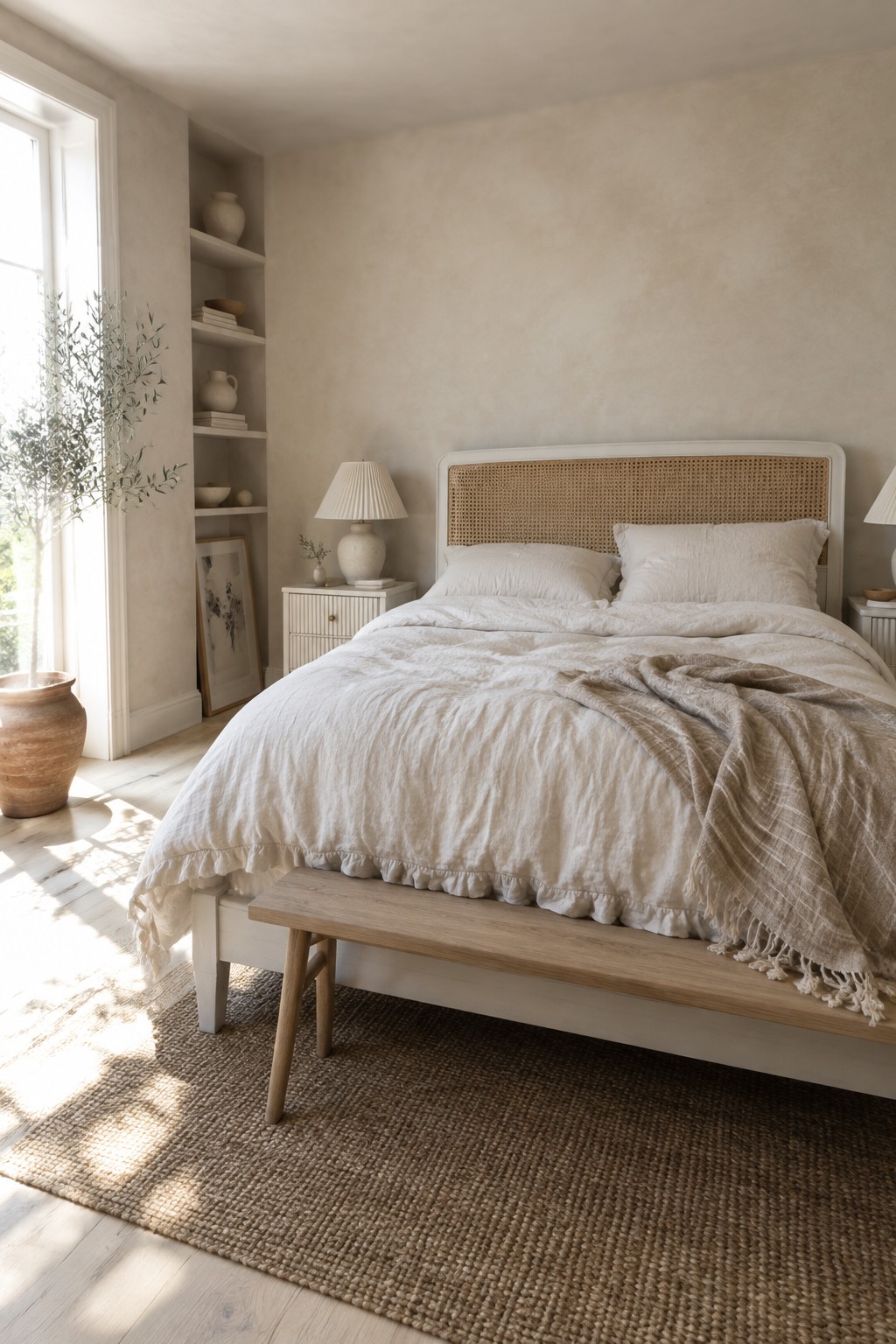
A white bed frame keeps the room feeling light and open. The rattan panel set into the headboard adds a layer of natural texture that prevents the white from looking too plain or cold.
This pairing works best in bedrooms with soft neutral walls and simple linen bedding. It suits smaller rooms especially well since the woven detail brings warmth without crowding the space or requiring extra color.
White Furniture In Neutral Bedrooms
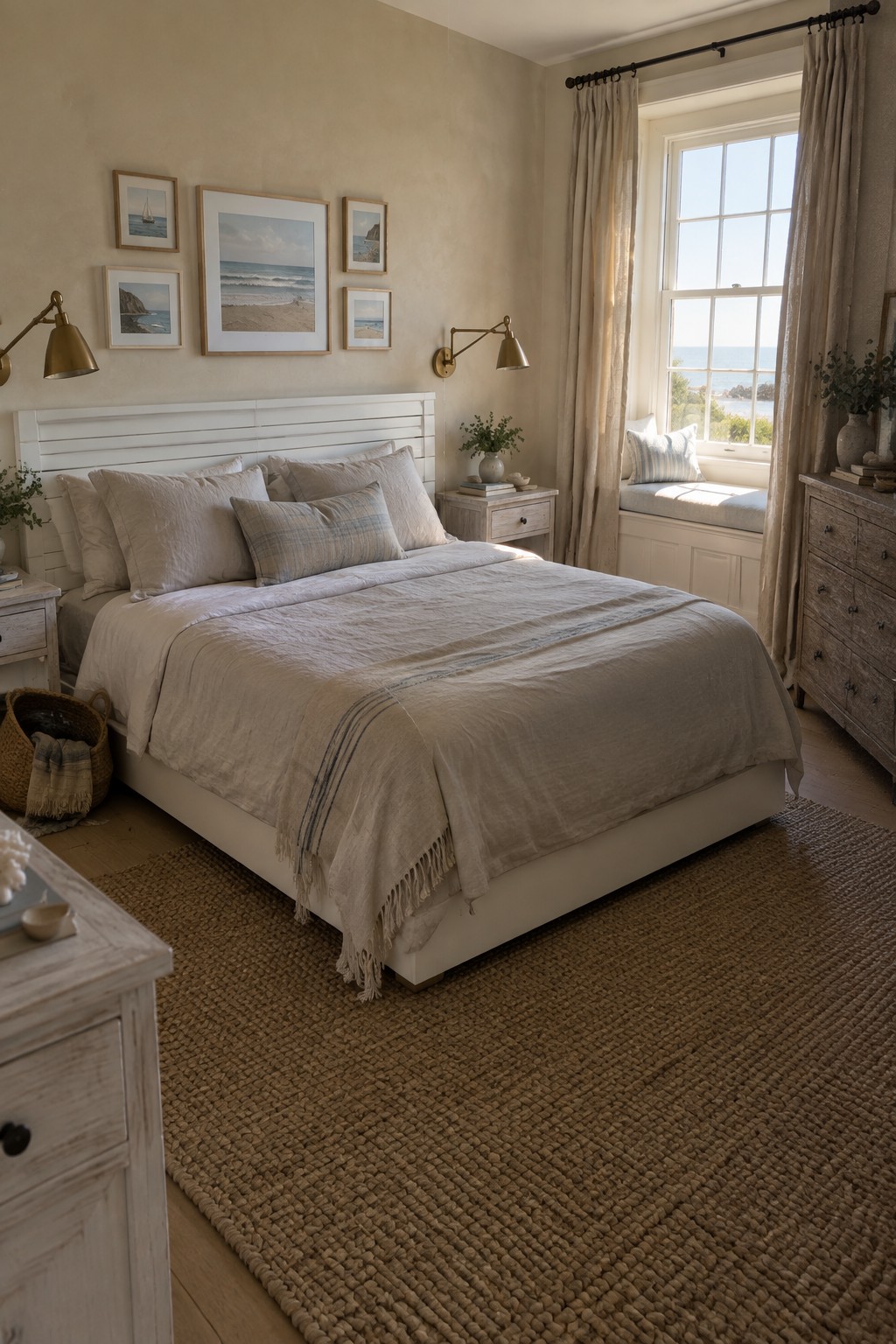
White furniture gives a bedroom a clean base that lets soft neutral layers do the real work. The white bed frame and nightstands stay simple while linen bedding, a woven rug, and textured pillows add warmth without cluttering the space.
This setup works best in rooms that get good natural light. It suits older homes or any space where you want things to feel calm and easy to live in. Stick to natural fibers and avoid too many patterns so the white pieces stay the focus.
White Furniture Against Soft Gray Walls
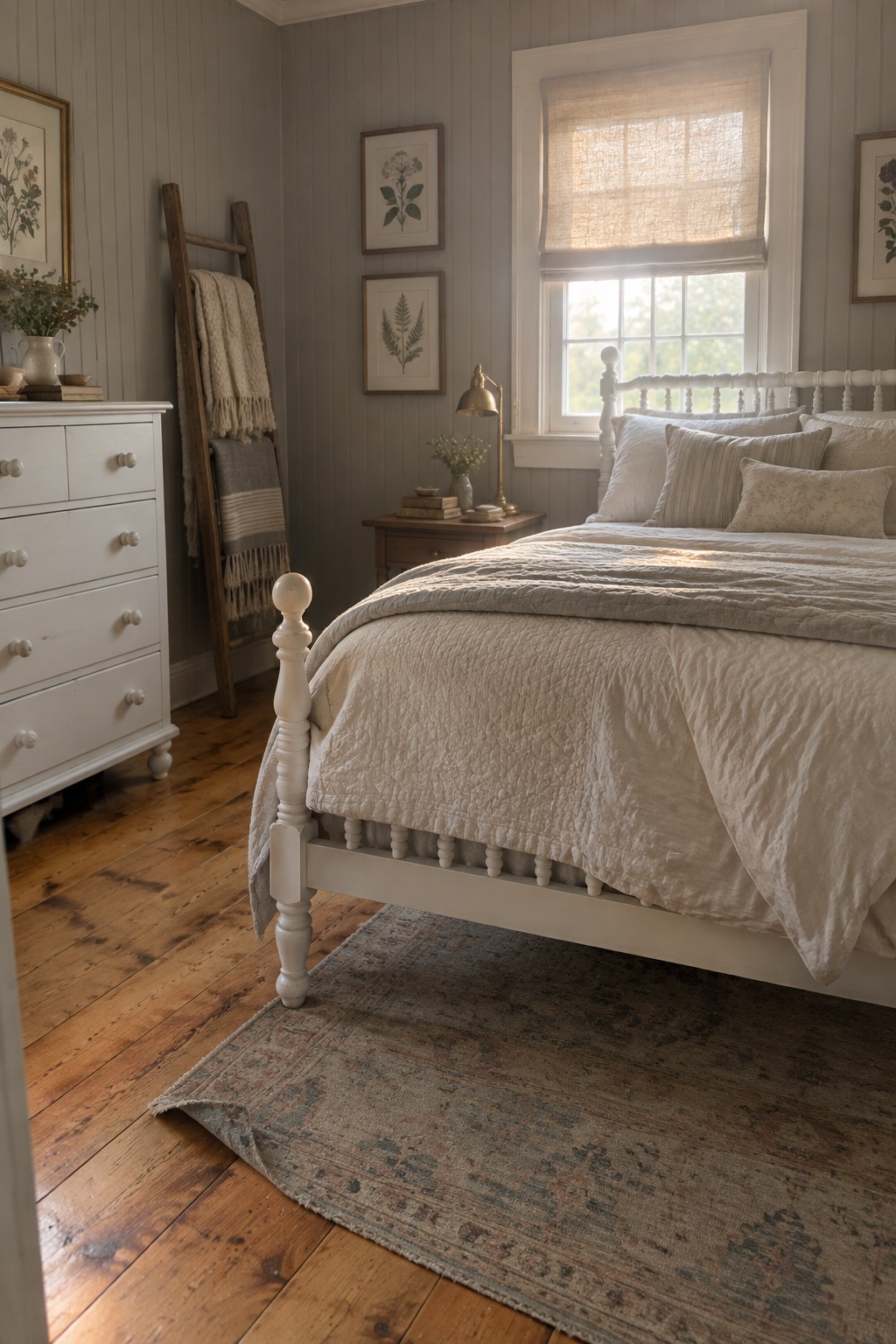
White bedroom furniture stands out nicely when the walls are a soft gray instead of pure white. The contrast keeps the room from feeling flat while still staying calm and light.
This approach works especially well in older homes with wood floors. It gives the furniture a bit of definition without needing bold colors or heavy patterns. Just keep the bedding and textiles in similar soft tones so the whole space stays quiet.
Warm Neutral Walls With White Bedding
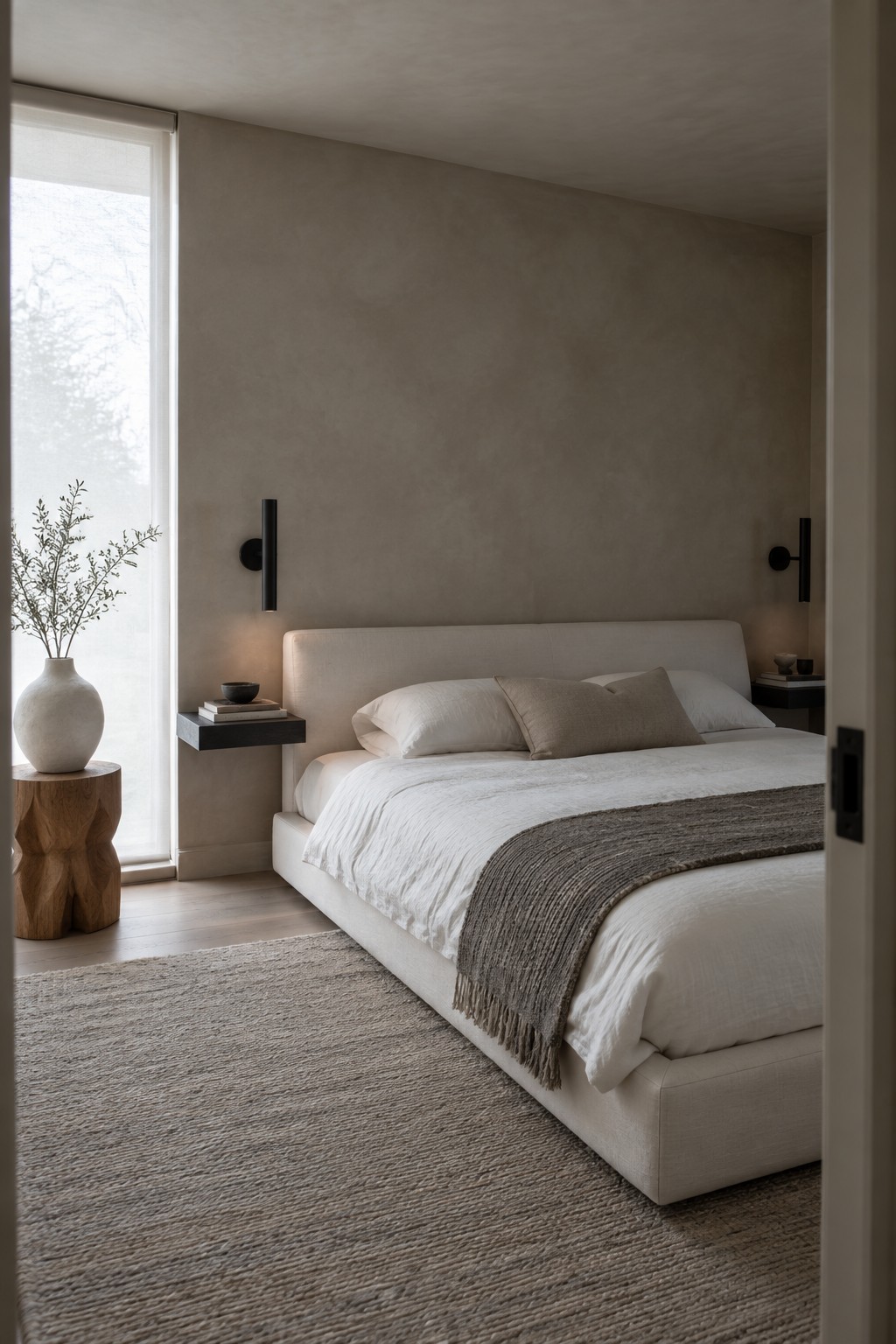
A warm beige wall color changes how white bedding feels in a bedroom. Instead of looking cold or flat, the white stays soft because the walls give it something gentle to sit against. The light upholstered bed frame adds to this by keeping everything in the same quiet range without strong contrast.
This approach works well in rooms that get steady daylight and in homes that already lean toward natural tones. Keep the wall color slightly warm rather than gray so the white does not pick up a chill. Limit extra pattern and let the simple bed and plain linens do the work.
Layering Neutrals Over White Bedroom Furniture

White furniture sets a simple base that keeps a bedroom feeling open. Adding soft neutral bedding, throws, and pillows in beige and cream tones brings warmth without competing with the white pieces or making the room feel busy.
This works best in smaller rooms or homes that already lean toward calm colors. Keep the layers light and textured so the white furniture stays visible, and avoid piling on too many patterns that could start to feel heavy.
White Furniture Against Warm Neutral Walls
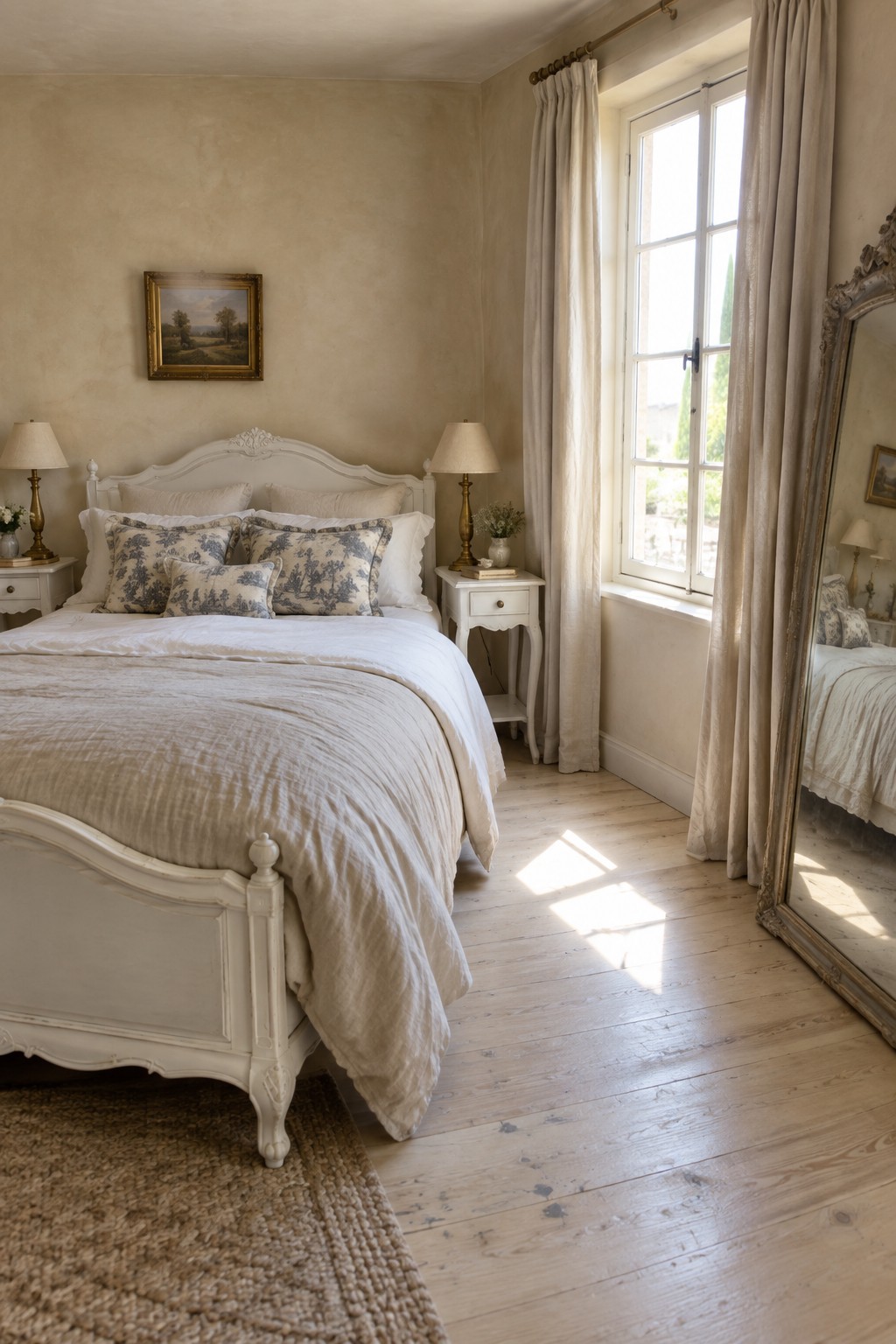
White bedroom furniture often works best when the walls have a little warmth instead of staying pure white. The soft beige tone here keeps the white pieces from looking too bright or cold, so the whole room feels settled rather than stark.
This look suits older homes or anyone who wants a calm bedroom that does not feel overly crisp. Stick with bedding and curtains in the same gentle range so the white furniture blends in instead of standing out.
White Furniture With Soft Neutral Layers

White bedroom furniture gives a room a clean starting point that feels open and easy to live with. Adding layers of soft beige linens, textured pillows, and natural wood pieces keeps the space warm instead of stark.
This works especially well in bedrooms that get good natural light. Keep the palette limited to whites, creams, and light woods so the furniture stays the focus without the room feeling flat or chilly.
White Furniture With Soft Neutral Layers
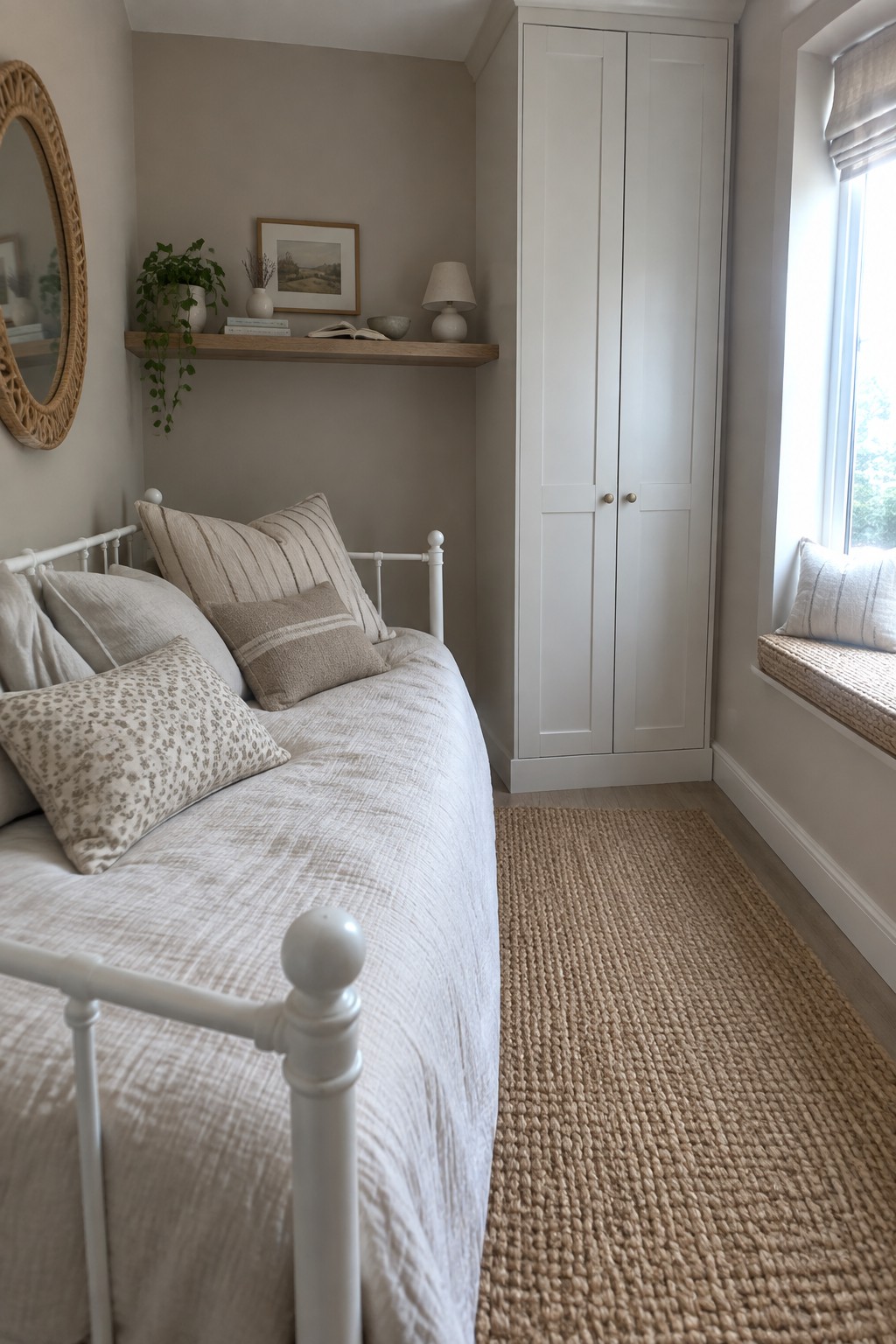
White bedroom furniture feels more inviting when it sits against soft neutral walls and layers of textured bedding. The contrast keeps the pieces from looking too stark while still letting their clean shape show through.
This works well in smaller bedrooms or spaces with limited natural light. Choose linen or cotton in warm off-whites and add a natural fiber rug to soften the overall look without competing with the furniture.
White Furniture In Soft Neutral Bedrooms
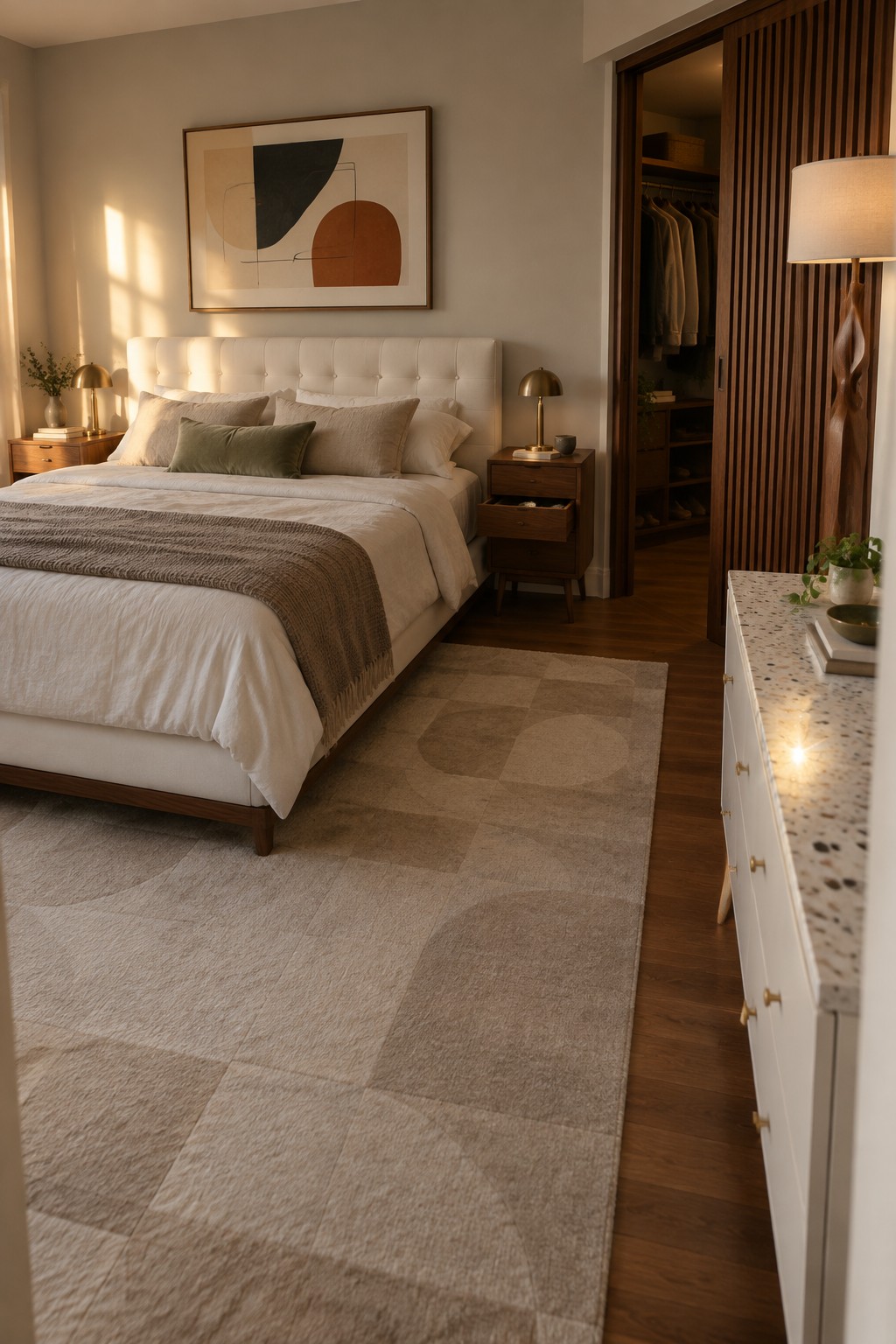
White bedroom furniture gives you a clean starting point that pairs easily with soft neutral finishes. The white bed and dresser here sit comfortably against beige and taupe layers, warm wood tones, and a textured rug that keeps the room from feeling stark.
This works best in spaces where you want a simple refresh without major changes. Keep the rest of the palette quiet, use natural textures like linen and wood, and add just one or two small accents if the room starts to feel too flat.
Built-In Shelving for Soft Neutral Bedrooms
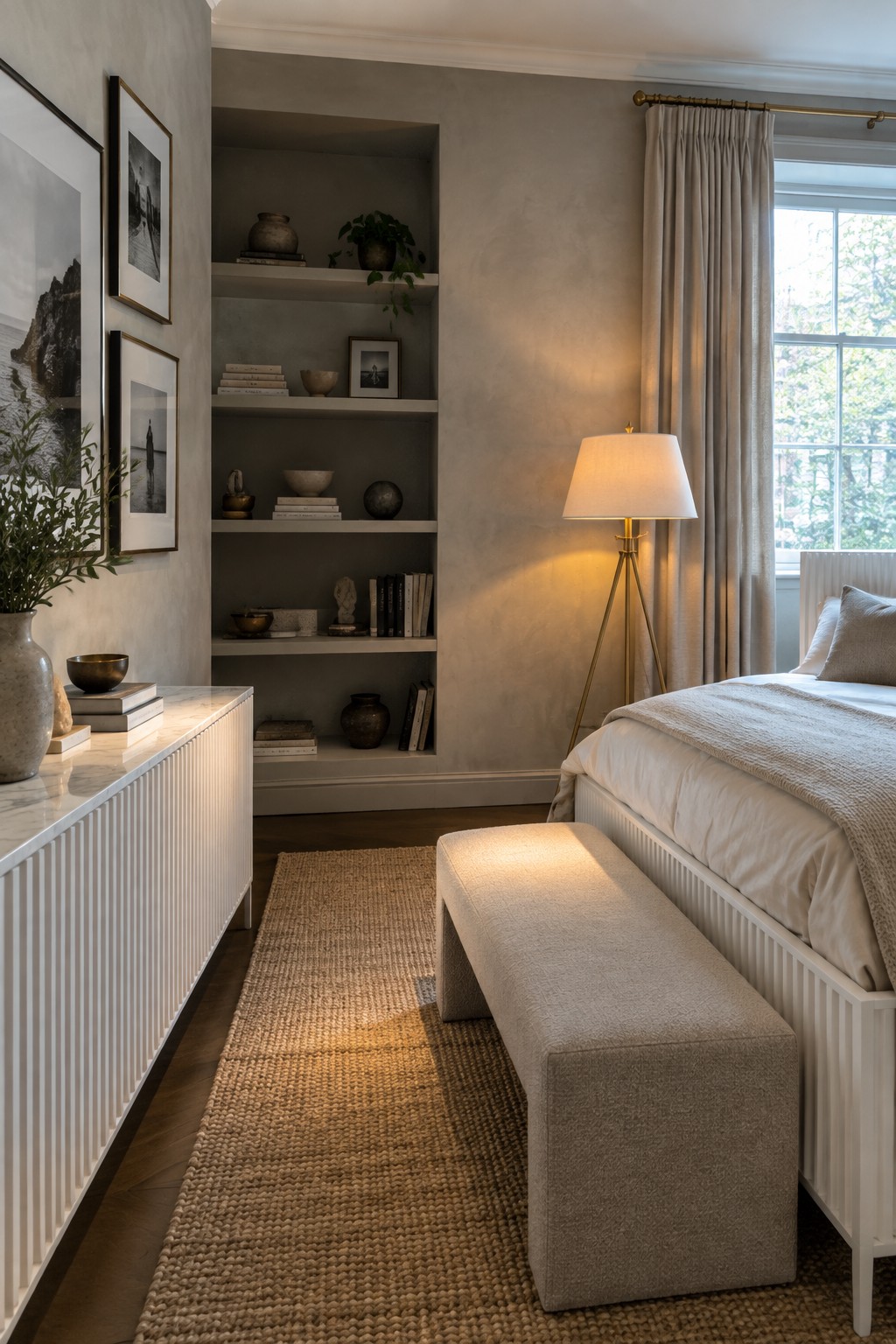
Built-in shelves work well in bedrooms because they use wall space instead of floor space and blend right into the room when painted the same color as the walls. This keeps the focus on the white furniture and the soft layers of bedding and rugs without adding extra pieces that can make a room feel crowded.
This approach works best in homes that need storage but want to stay calm and simple. Keep the shelves fairly open with just a few books and small objects so they do not compete with the white bed and console. It suits smaller rooms especially, where every bit of floor space counts.
White Bed Frames With Soft Neutral Bedding
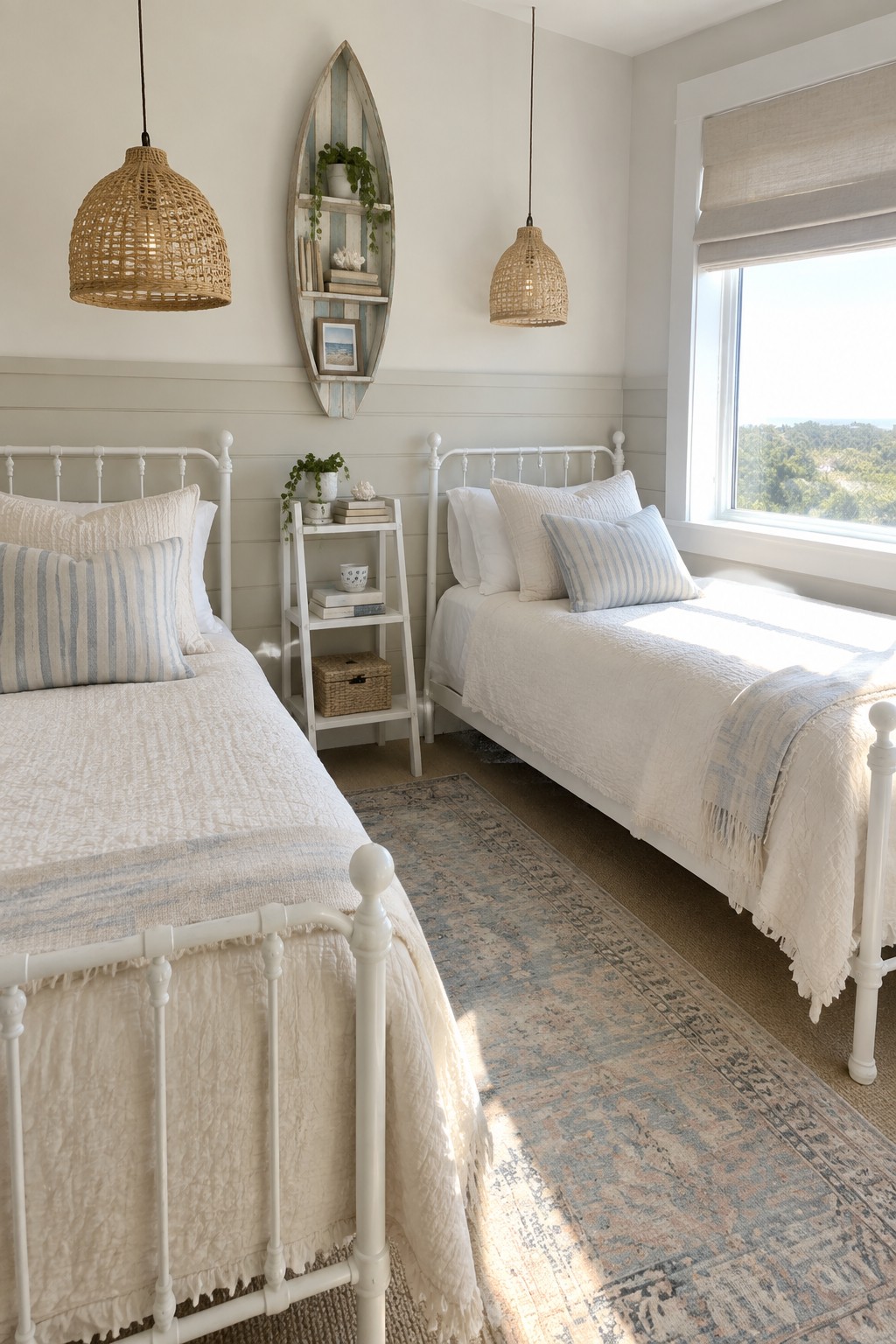
White metal beds give you a clean starting point that works easily with soft neutrals. The frames stay simple enough that the bedding, rugs, and wall color can carry the warmth without anything feeling too stark or heavy.
This setup works best in smaller bedrooms or shared spaces where you want the beds to match without dominating the room. Keep the linens in textured whites and very pale blues, and add natural touches like woven lights so the whole space stays calm and easy to live with.
Low White Beds With Soft Neutral Layers
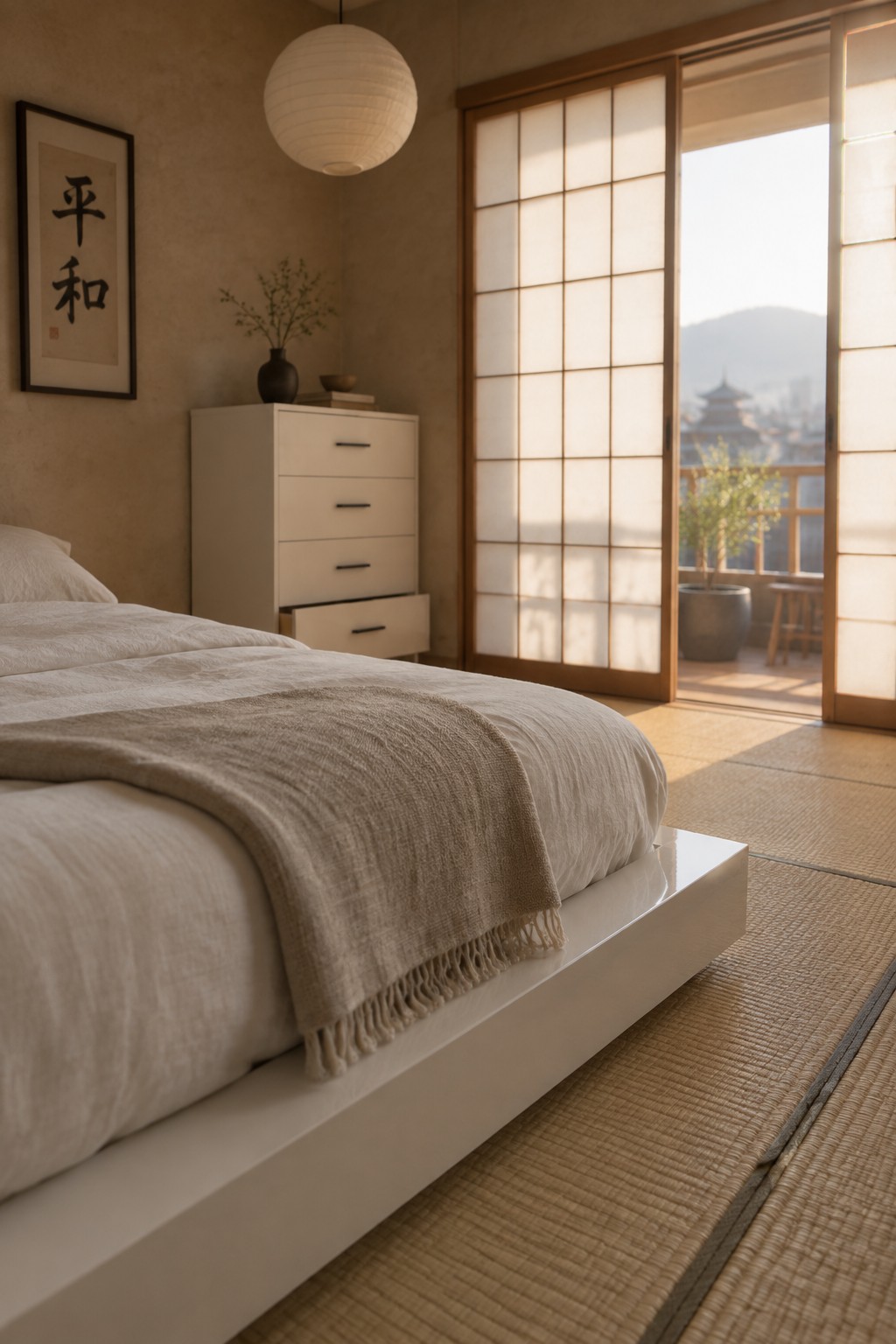
A low white bed feels more settled when the rest of the room stays in soft neutrals. The clean shape of the bed still reads simple, but the warm bedding and natural floor textures keep the whole space from feeling stark or cold.
This works best in smaller rooms or any bedroom where you want things to stay calm and easy to maintain. Use linen or cotton in beige and off-white, then add one or two natural materials like wood or woven flooring so the white does not stand out too sharply.
Distressed White Furniture With Soft Neutral Layers
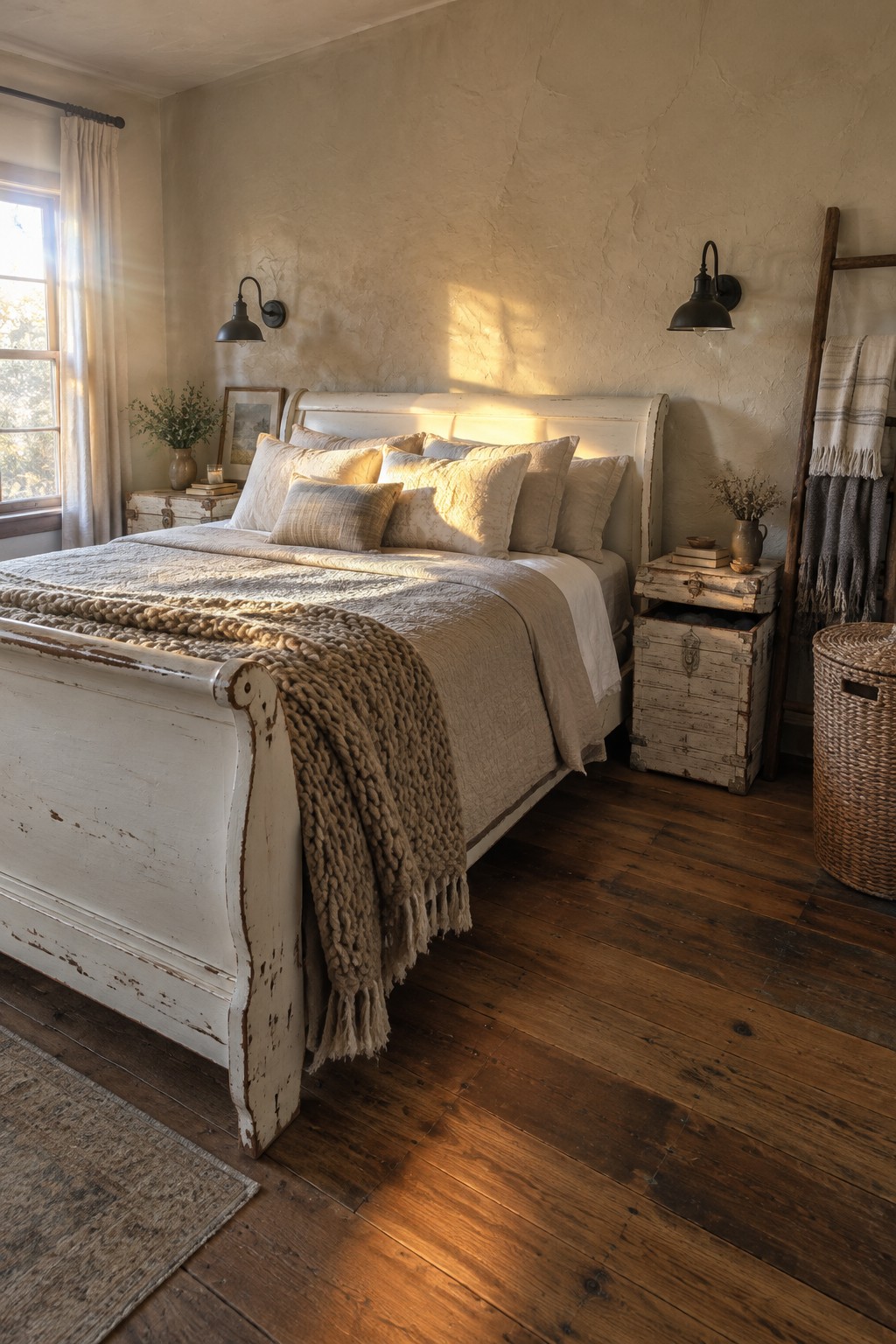
A distressed white bed frame brings just enough age and texture to keep a neutral bedroom from feeling too new or flat. The soft finish works well with linen bedding and chunky throws because it already carries some visual weight on its own.
This combination suits older homes or any room with wood floors, where the contrast between painted furniture and natural grain keeps the space feeling grounded. Limit the bed to a few pillows and one substantial throw so the look stays relaxed rather than styled.
White Furniture That Blends Into Neutral Walls
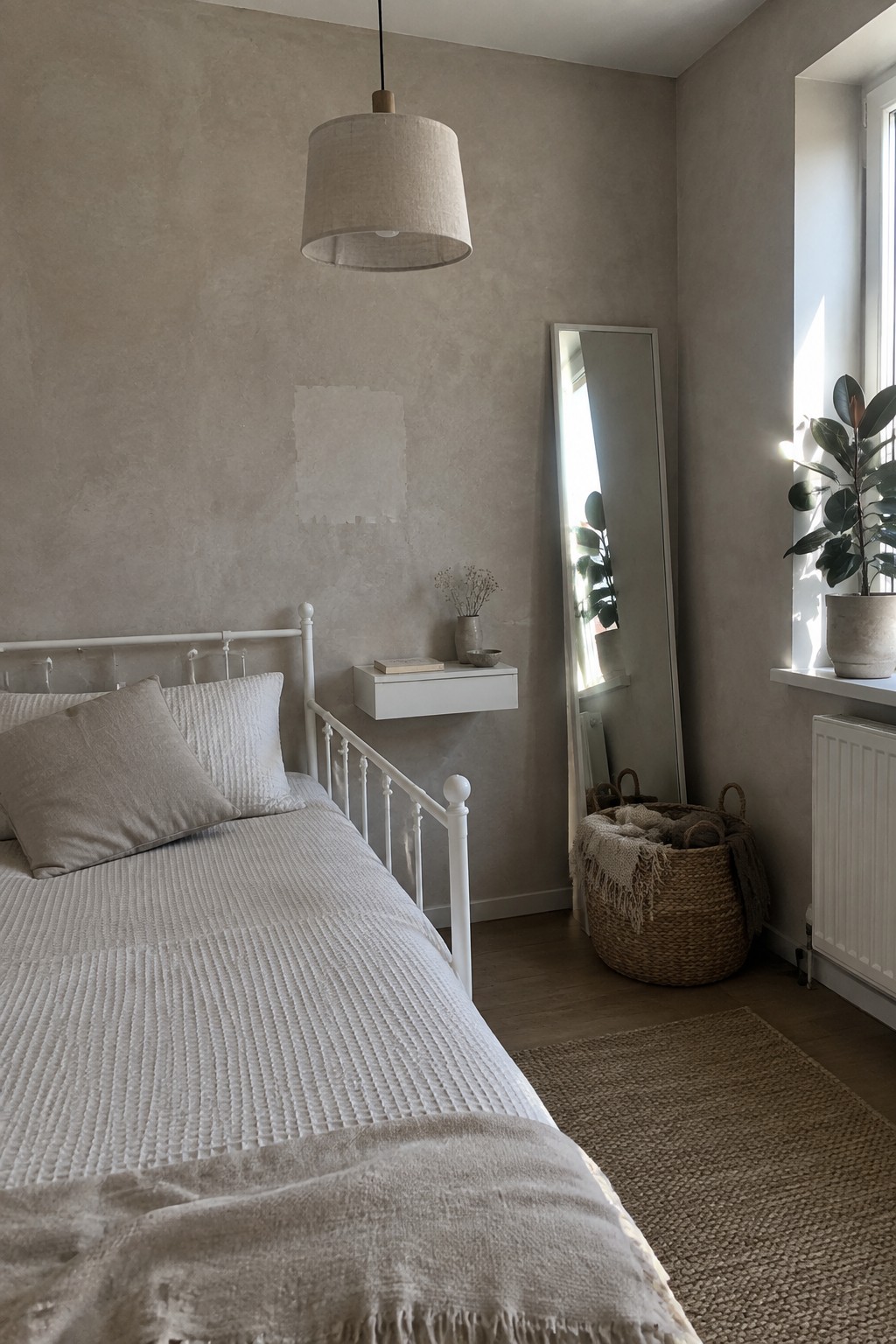
White bedroom pieces often look their best when they do not have to fight against the background. A soft textured wall finish like this one lets the white metal frame and shelf sit quietly instead of popping forward. The result feels calmer and less stark than a pure white wall would.
This approach works especially well in rooms with decent natural light. It suits smaller bedrooms or anyone who wants the furniture to feel part of the space rather than the main focus. Just keep the wall texture fine so the white still reads clean.
White Bed Frames With Warm Neutral Layers

A white metal bed frame keeps the whole room feeling light even when everything else stays in soft beige and wood tones. The clean lines give structure without adding weight, which works especially well in smaller bedrooms or spaces that already have textured walls and heavy furniture.
This look suits older homes or anyone who wants a simple refresh without repainting everything. Stick to one or two wood finishes and layer the bedding in the same neutral range so the white frame reads as part of the palette instead of standing apart.
White Furniture With Soft Neutral Walls
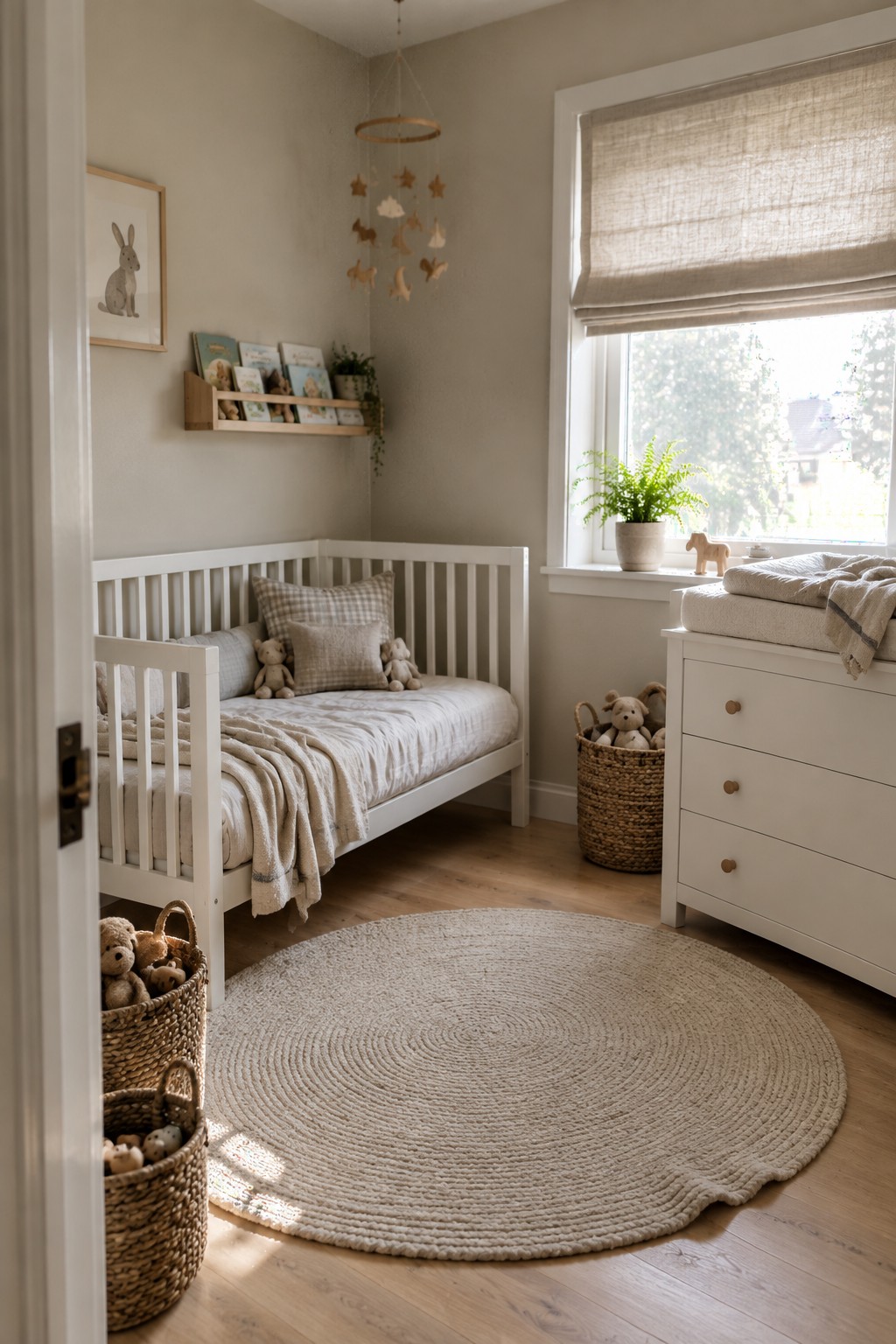
White pieces stand out best when the rest of the room stays in soft, warm neutrals. The walls, bedding, and floor all sit in the same gentle range, so the furniture feels calm instead of stark. This approach keeps the space from feeling cold or busy.
It works especially well in bedrooms or nurseries where you want a quiet background that can grow with the child. Stick to one or two wood tones for contrast and let the textiles do the softening. Avoid adding too many patterns or bright colors if you want the same peaceful effect.
Layer Warm Neutrals Over White Bedroom Furniture
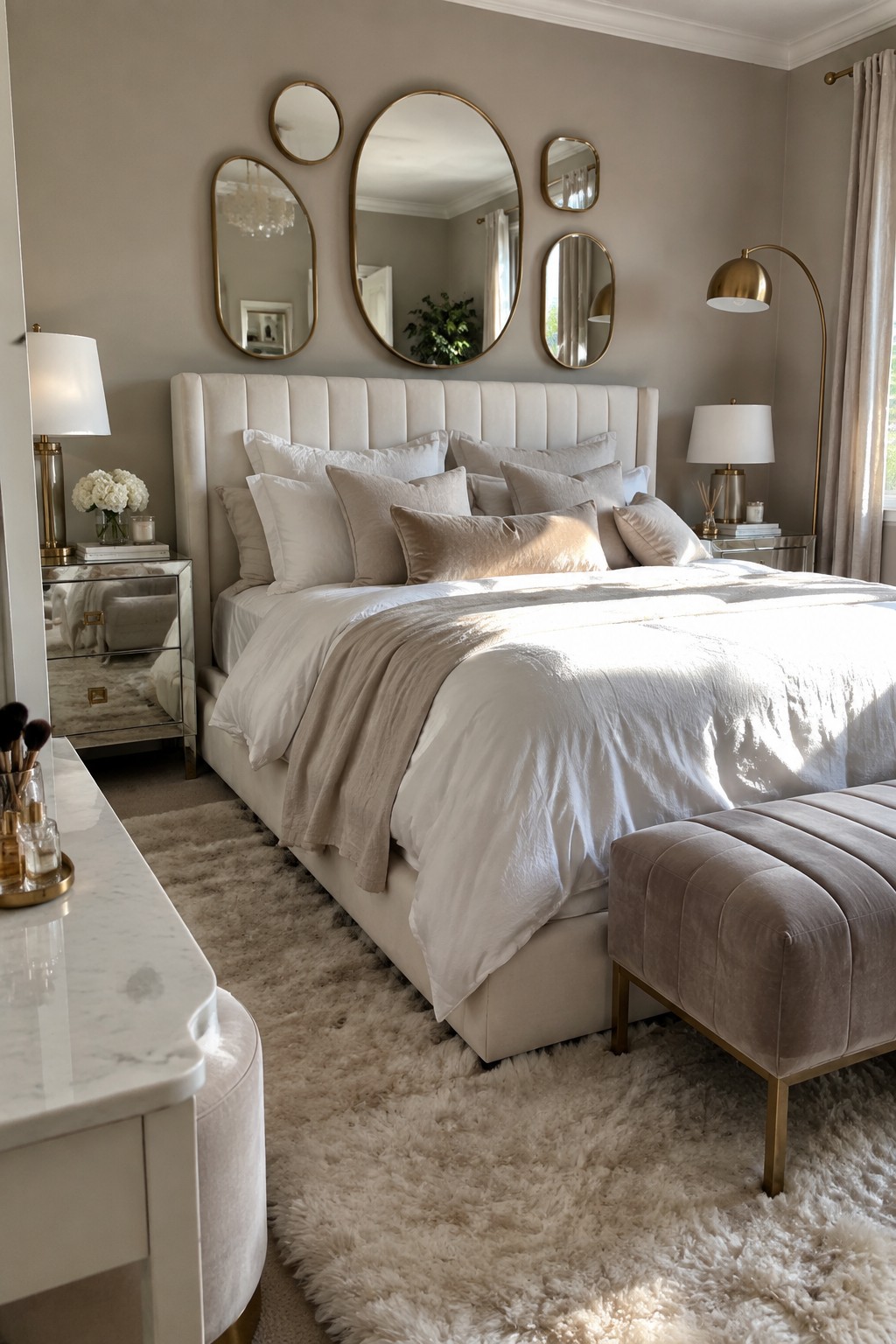
White bedroom furniture looks cleaner when you add a few layers of warm neutral textiles on top. The off-white upholstered bed in this room stays soft because the bedding mixes crisp white sheets with beige pillows and a light linen throw. That simple mix keeps the space from feeling flat or cold.
This works well in most bedrooms, especially ones that get steady daylight. Start with white as the main bedding, then add two or three pillows and one throw in a slightly warmer tone. Keep the rest of the room quiet so the layers can do the work.
White Furniture In A Soft Neutral Bedroom
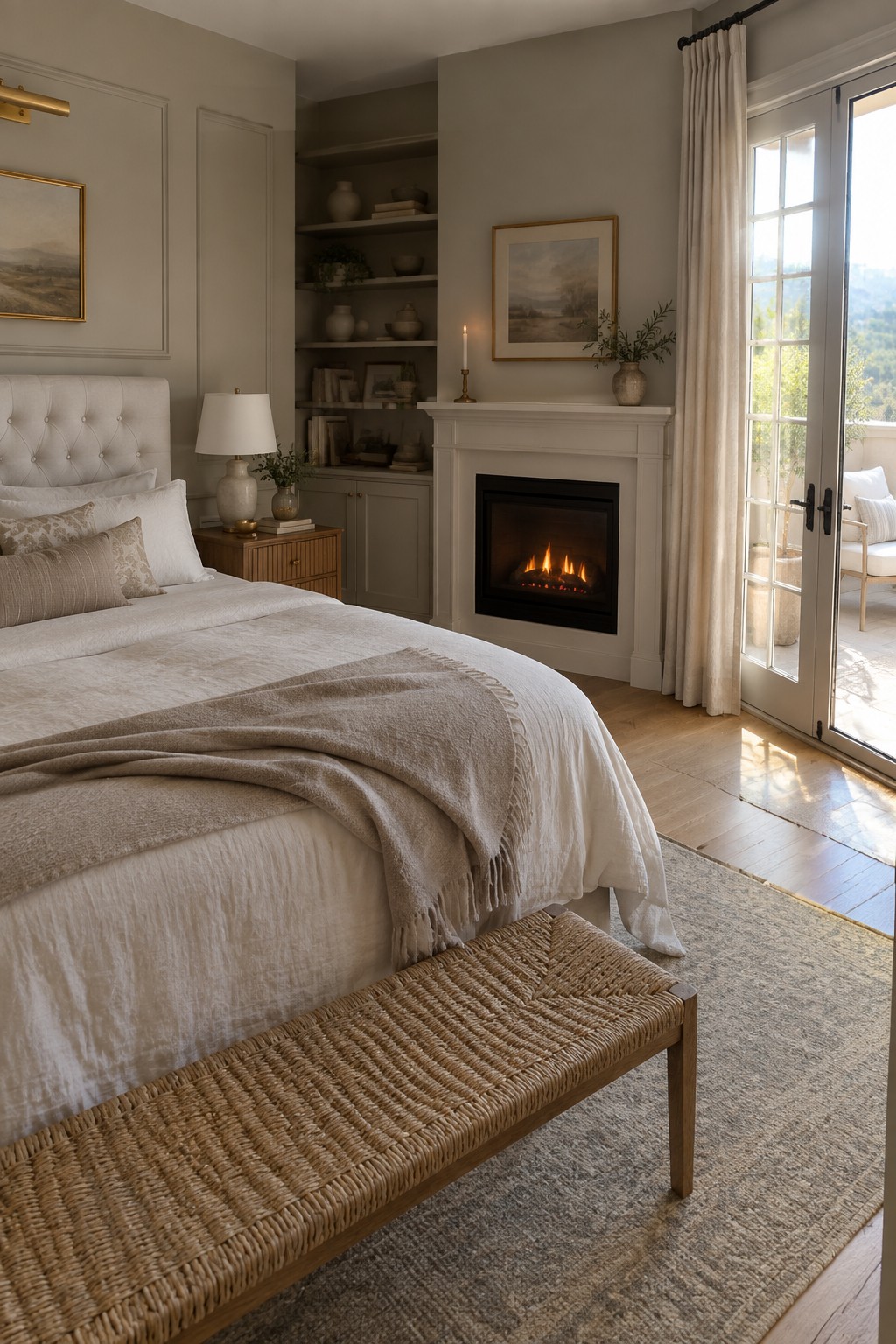
White bedroom furniture can feel much calmer when the rest of the room stays in warm neutrals. The bed and mantel stay bright, but the beige walls, linen bedding, and wood pieces keep everything grounded and easy to live with.
This setup works best in rooms with decent natural light. It also helps to add a few textured elements like a woven bench or a wood nightstand so the white pieces do not feel too stark on their own.
White Furniture In Soft Neutral Rooms
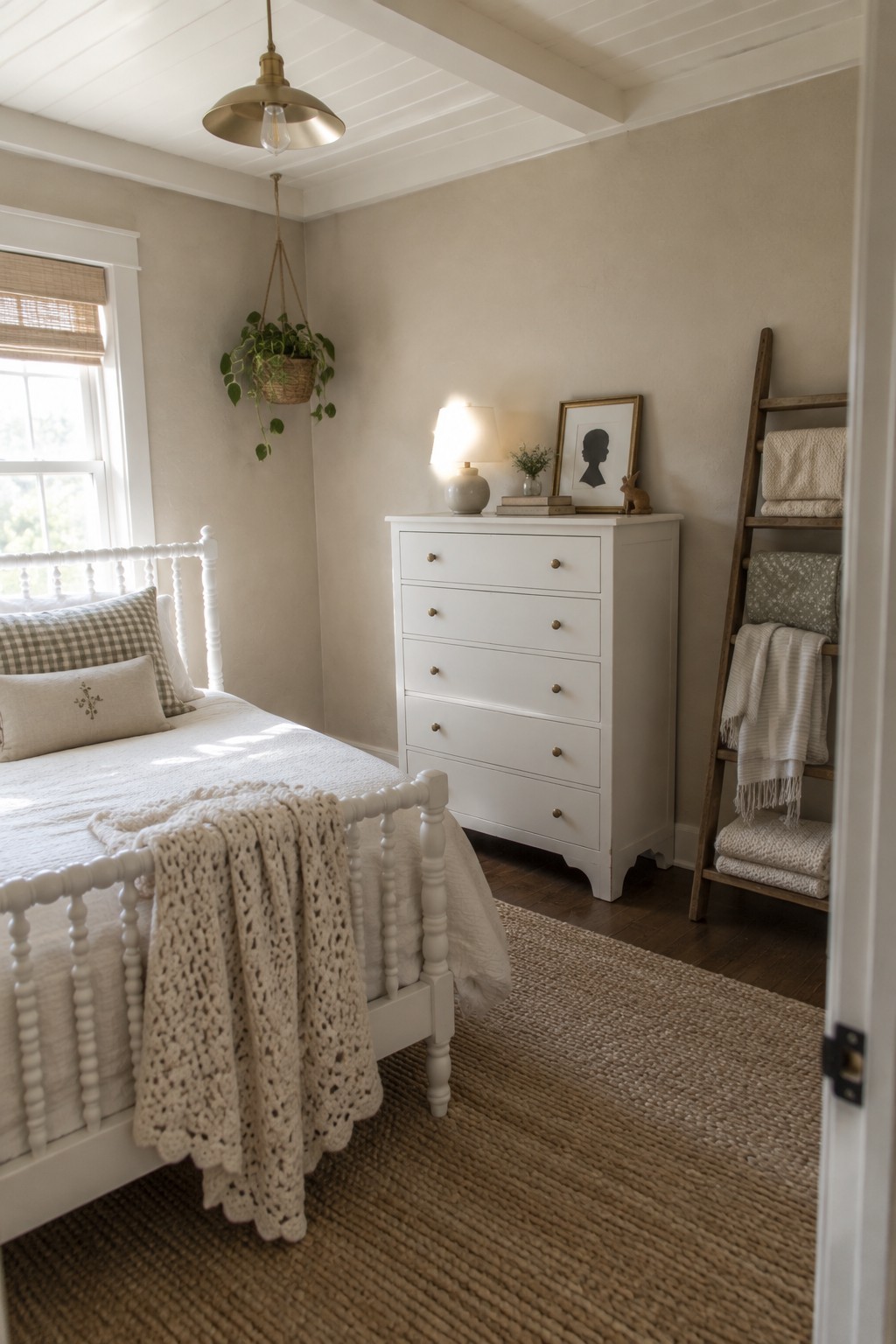
White furniture works well when the walls and floors stay in soft neutral tones. The contrast stays gentle instead of sharp, and the room feels calm and put together without extra effort.
This approach suits smaller bedrooms or any space where you want a quiet feel. Keep the walls in warm off-whites or light greige, then layer in natural rugs and textured linens so the white pieces do not stand out too much.
Rounded White Beds With Soft Neutral Walls
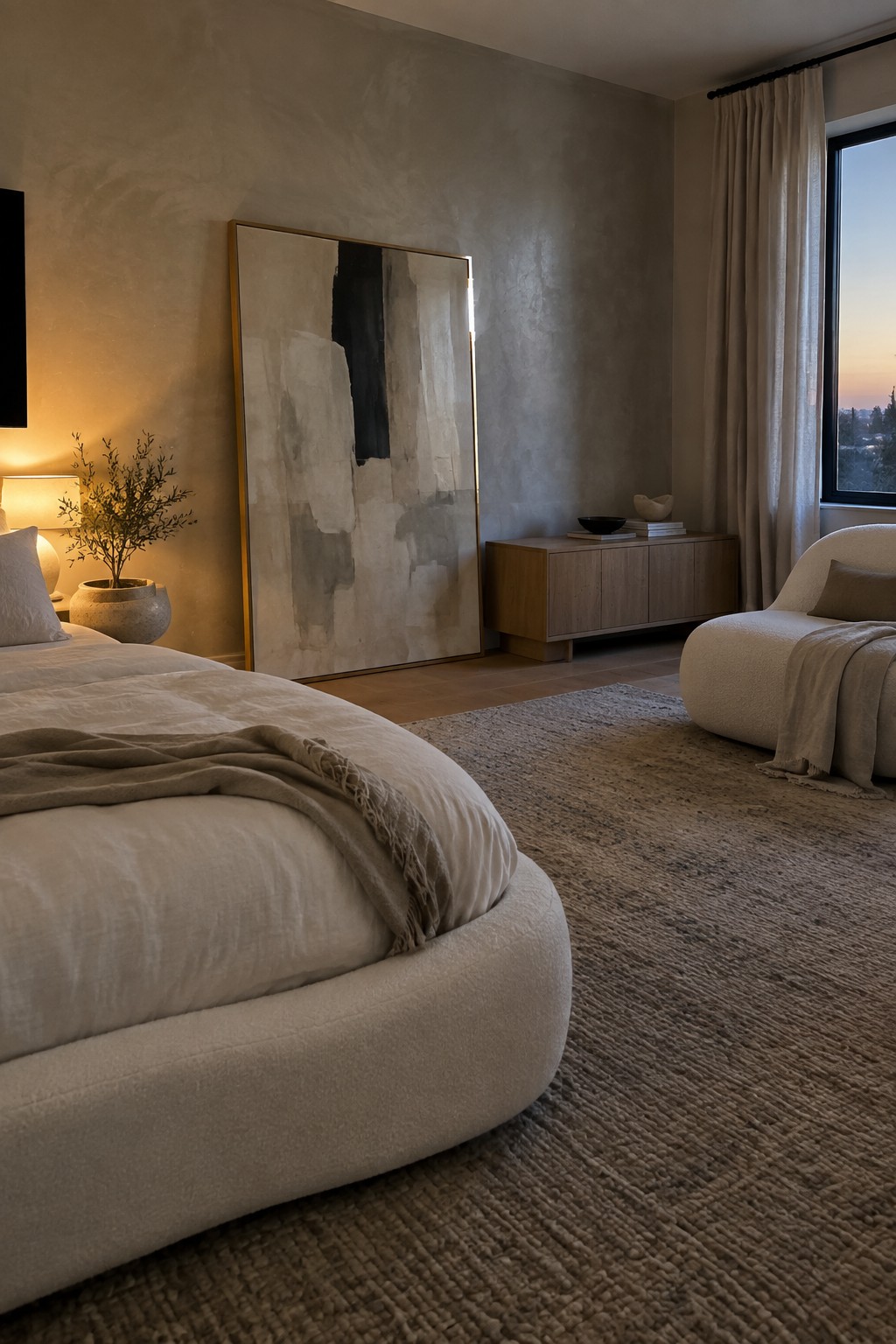
A rounded white bed gives the room a gentle shape that feels less rigid than most bedroom furniture. The soft curve works especially well when the walls stay quiet and textured, so the bed becomes the main form without needing bold color or pattern to stand out.
This setup suits smaller or medium bedrooms where you want one clear focal point. Keep the rest of the finishes simple with plaster walls, a wood console for warmth, and a woven rug underfoot so the white stays calm instead of bright or cold.
White Iron Beds With Warm Neutral Bedding
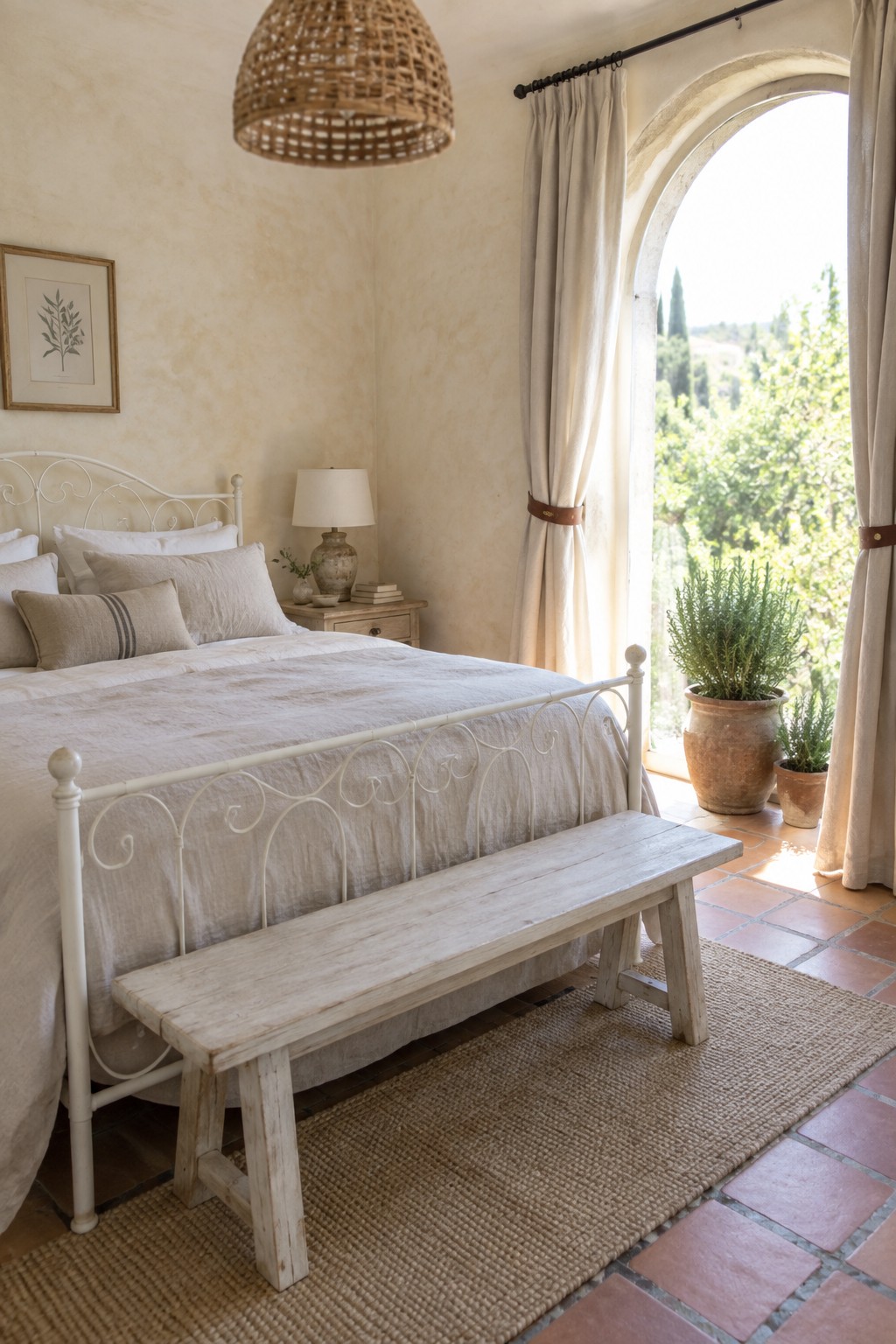
A white iron bed frame brings a clean shape into the room, but it needs soft layers to feel comfortable. Warm neutral linens in beige and cream tones take the edge off the metal and keep the whole bed from looking flat or cold.
This pairing works best in spaces that already have some texture, like wood floors or stone. Keep other furniture simple and light so the white frame stays the main focus without competing with darker pieces or busy patterns.
White Metal Bed Frames With Neutral Textiles
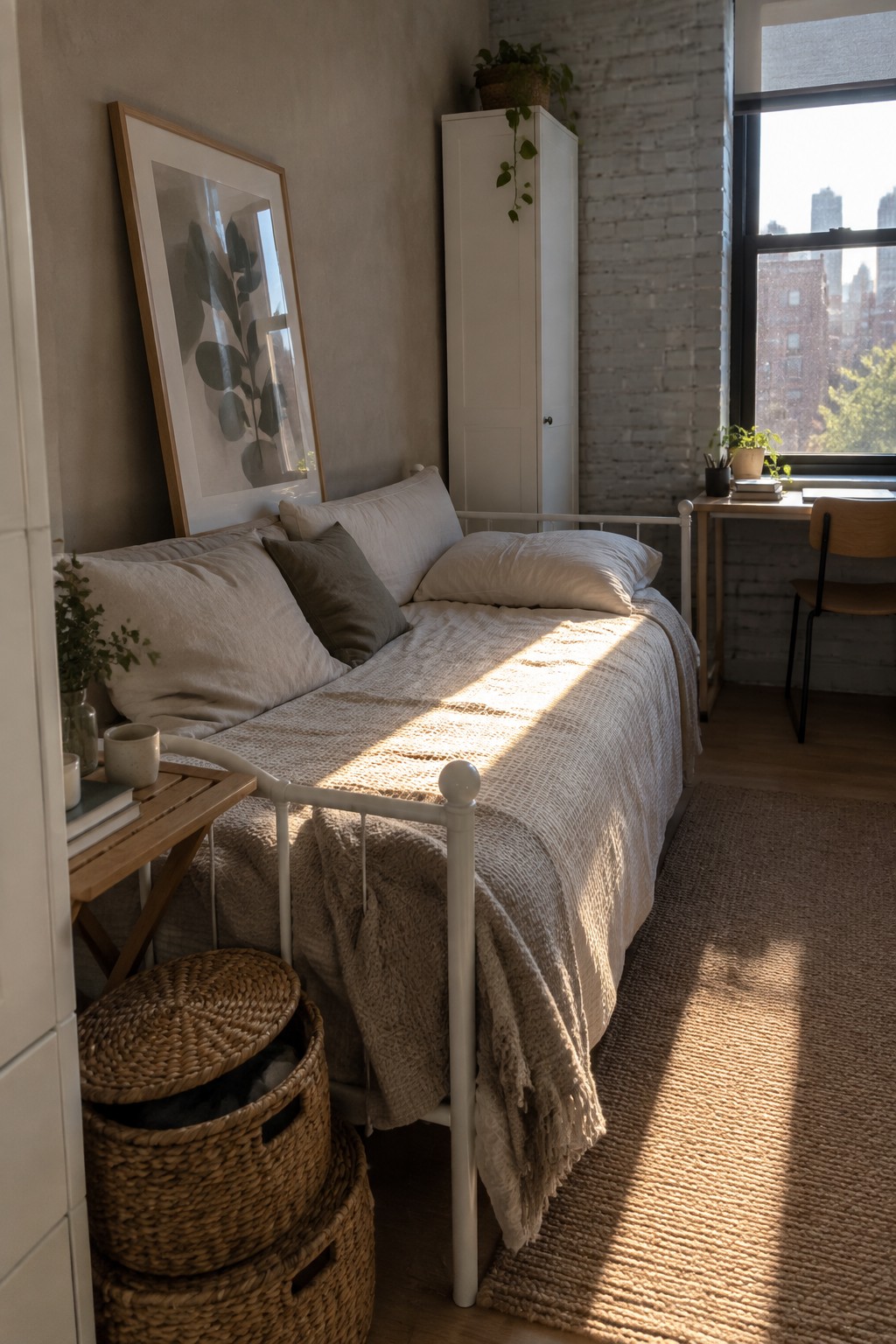
White metal bed frames keep a bedroom feeling open and simple. They do not compete with the soft layers of linen and cotton, so the room stays calm even when sunlight hits the bed all day.
This approach suits smaller bedrooms or apartments where you want light colors but still need some structure. Stick to one or two wood tones for the rest of the furniture and add a few woven baskets for storage so the space stays practical.
White Furniture In Neutral Bedrooms
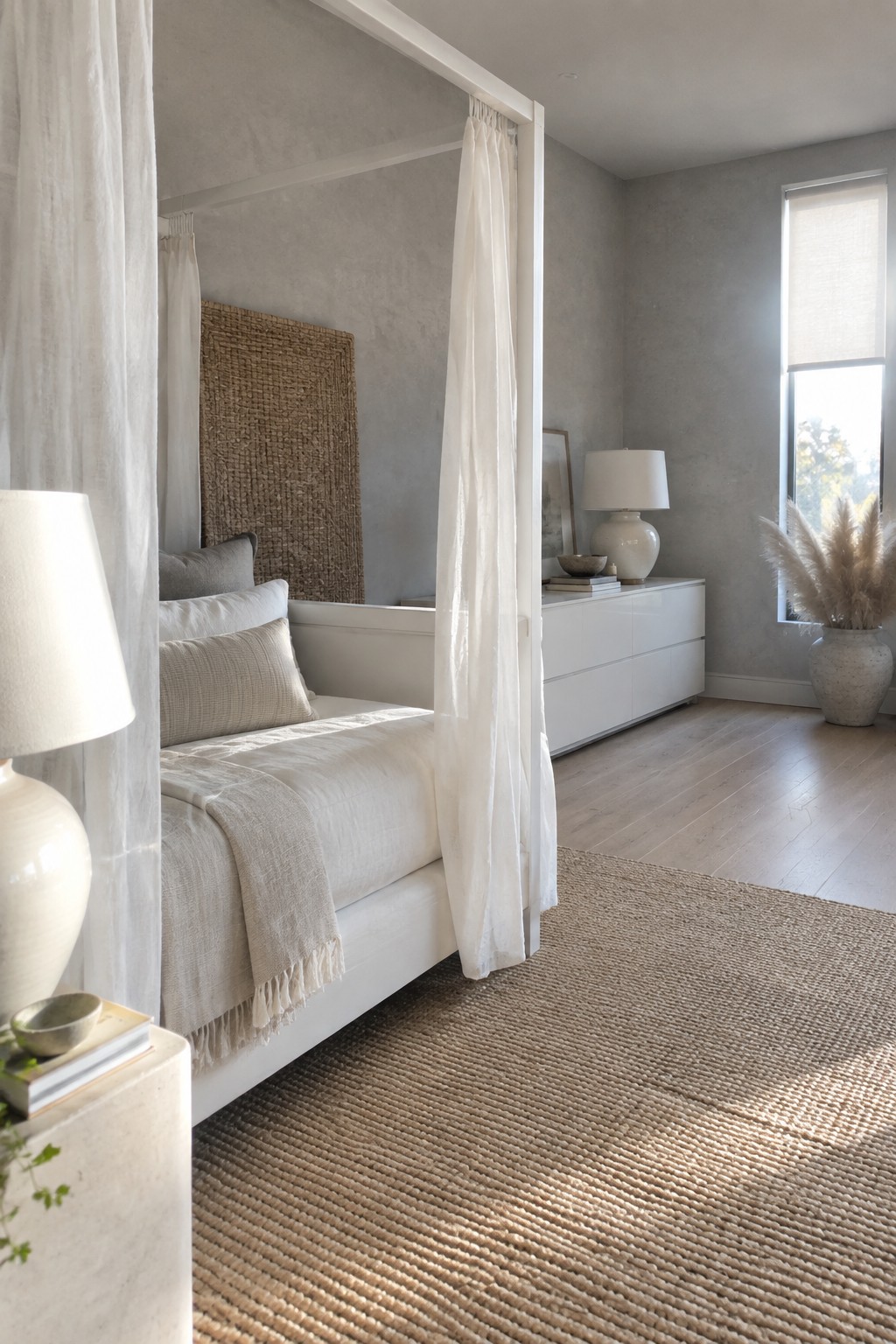
White furniture feels calmer when the rest of the room stays in the same soft range. The pieces do not fight for attention, and the whole space reads as quiet and put together.
This works well in smaller bedrooms or any room where you want things to feel simple. Add a few natural textures like a jute rug so the white does not look too stark on its own.
Frequently Asked Questions
Q: How do I keep white furniture from showing every little mark? A: Wipe it down every week with a soft cloth and a bit of mild soap. That handles most fingerprints and dust before they build up. Pick pieces with a matte or lightly textured finish so small spots stay less obvious.
Q: Should I match all the pieces exactly or mix shades of white? A: Mix a few close shades like warm ivory with cooler off-white. The slight differences add depth without clashing. Start with your biggest item in one tone and layer the rest around it.
Q: What kind of bedding works best with these soft neutrals? A: Go for linen or cotton in pale beige or taupe to keep the calm feel. Add one textured throw in a similar tone for interest. Skip anything too bright so the furniture stays the focus.
Q: Can I use this look in a small bedroom without making it feel cramped? A: Yes, but keep the scale of each piece modest. Float a white nightstand away from the wall to open up floor space. And let natural light hit the surfaces so the room stays airy.
