

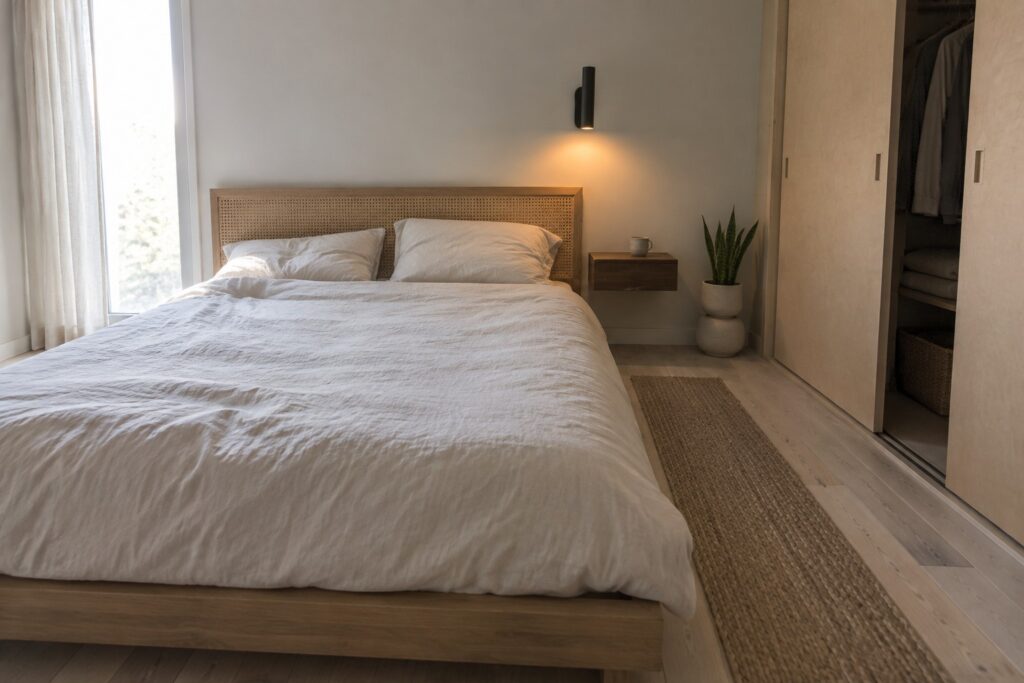
In a small bedroom the furniture choices shape how the space feels from the moment you step inside because every inch affects movement and calm.
I have watched rooms that looked fine in theory turn awkward once the bed and storage were actually in place and daily use began.
Scale often decides whether the room works or fights you.
What stands out first is usually how much floor remains open once the main pieces sit where they belong rather than how the pieces match each other.
A couple of these setups strike me as worth testing in my own room to see which ones truly keep the space open instead of just appearing tidy in pictures.
Low Platform Beds Help Small Bedrooms Feel Bigger
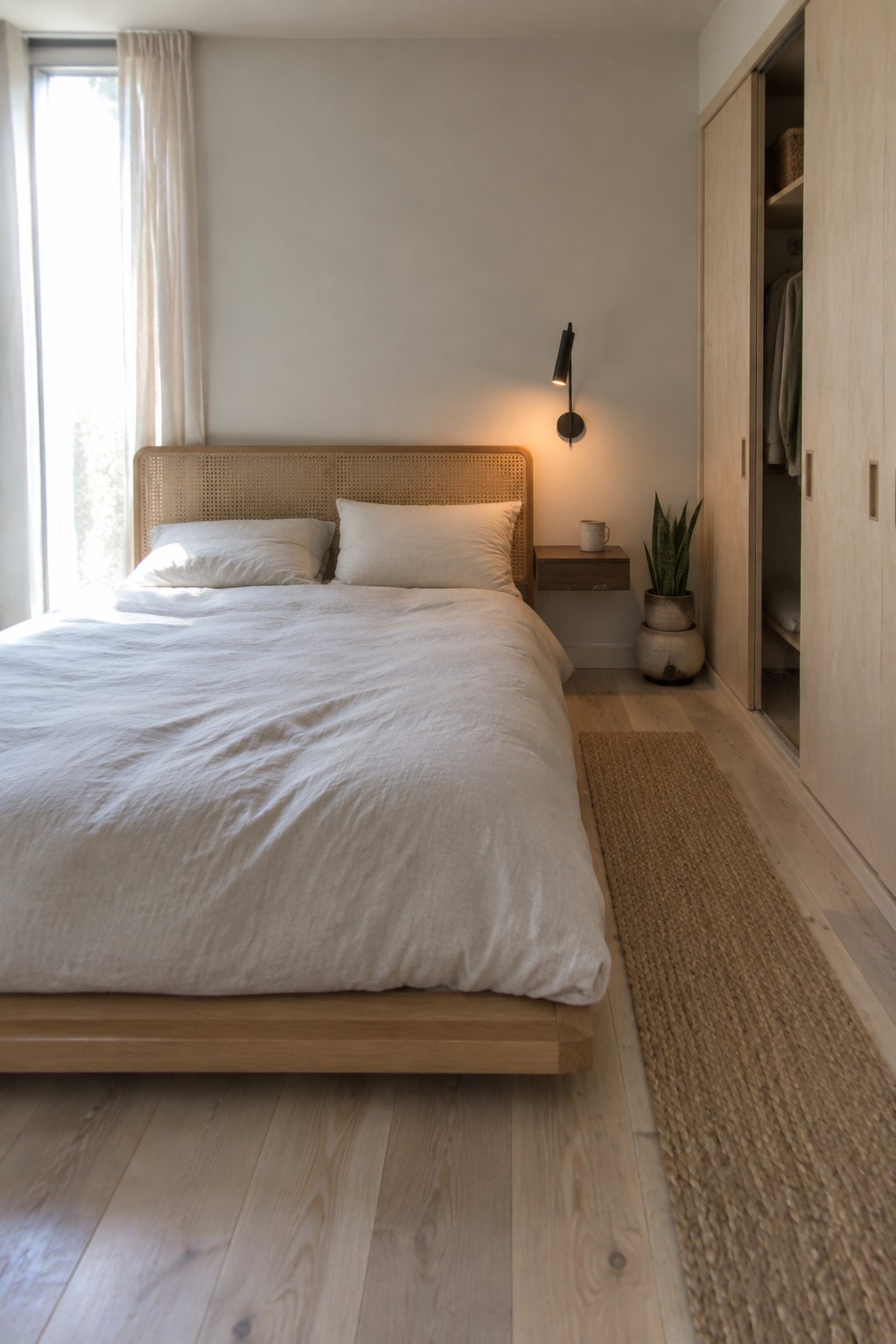
A low platform bed sits right near the floor without a tall frame or box spring. This keeps the room from feeling cramped and gives a calmer, more open look even when square footage is tight.
It works well in simple layouts where you limit other pieces to just a slim headboard and one floating nightstand. The low profile leaves more wall and floor visible, which helps the space feel less crowded overall.
Raised Platform Beds For Small Rooms
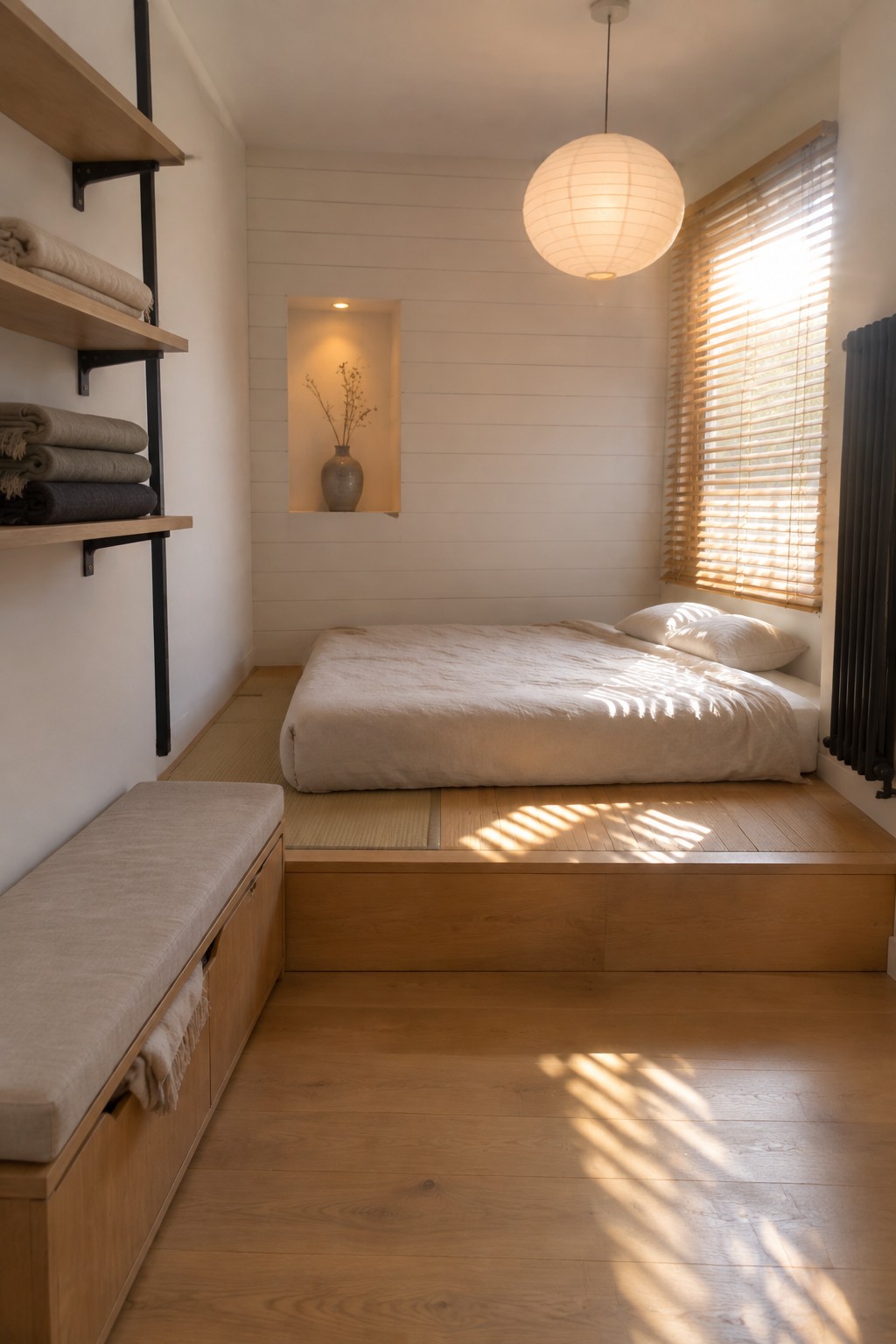
A raised platform bed helps small bedrooms feel more open by lifting the mattress and creating a clear zone for sleeping. The wood base adds some structure while leaving the rest of the floor free, which keeps the space from feeling crowded.
Pair it with a storage bench at the foot and a few wall shelves so you do not need extra dressers taking up floor space. This setup works best in simple, minimalist rooms where you want calm rather than lots of separate pieces.
Daybed Along the Wall
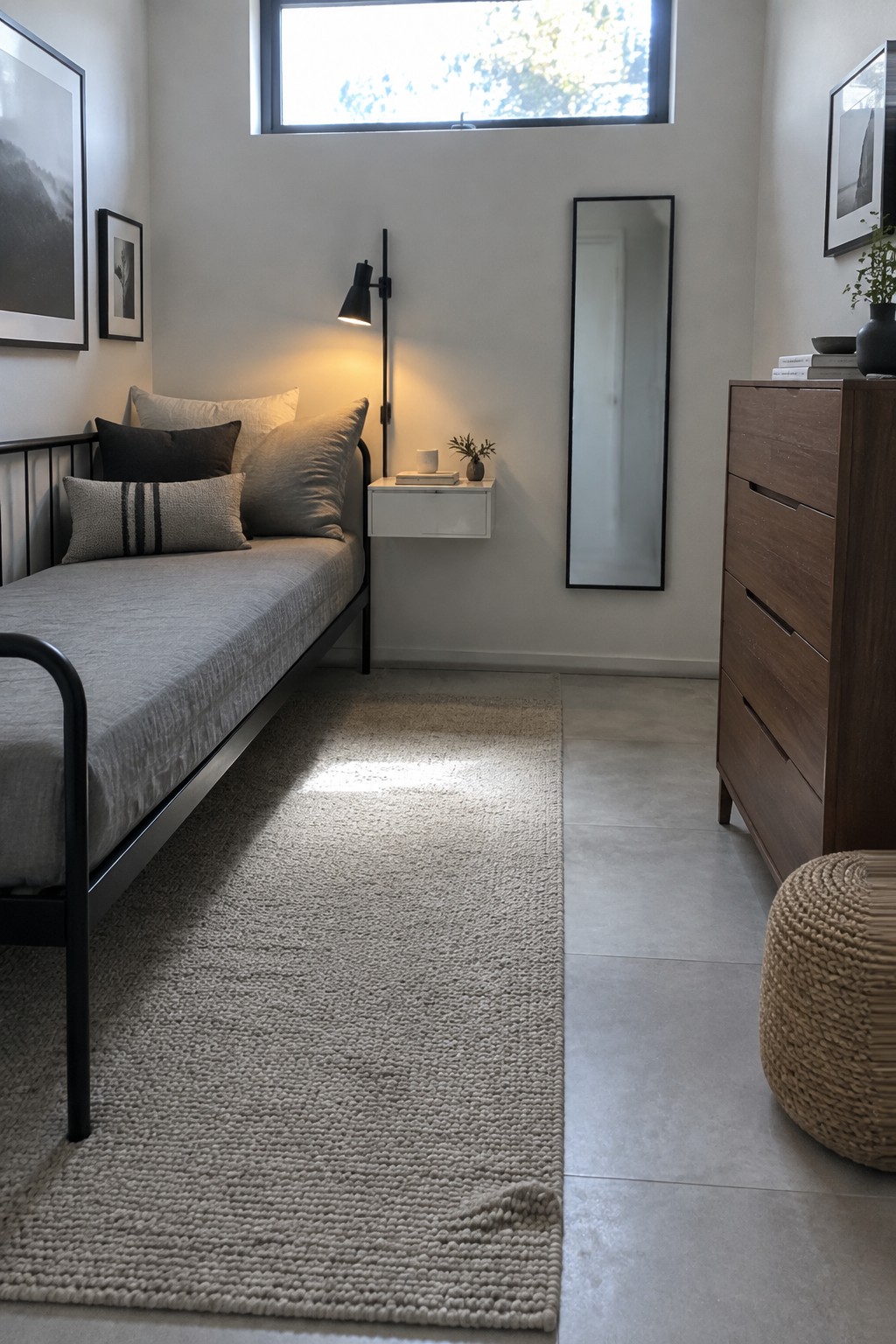
A daybed gives you both a bed and a place to sit without taking up extra floor space. In smaller bedrooms this layout keeps the middle of the room open and makes the space feel less cramped than a standard bed would.
Push the daybed against the longest wall and use a wall sconce instead of a nightstand. This works best in narrow rooms or guest spaces where you need the furniture to do more than one job.
Floating Nightstands For Small Bedrooms
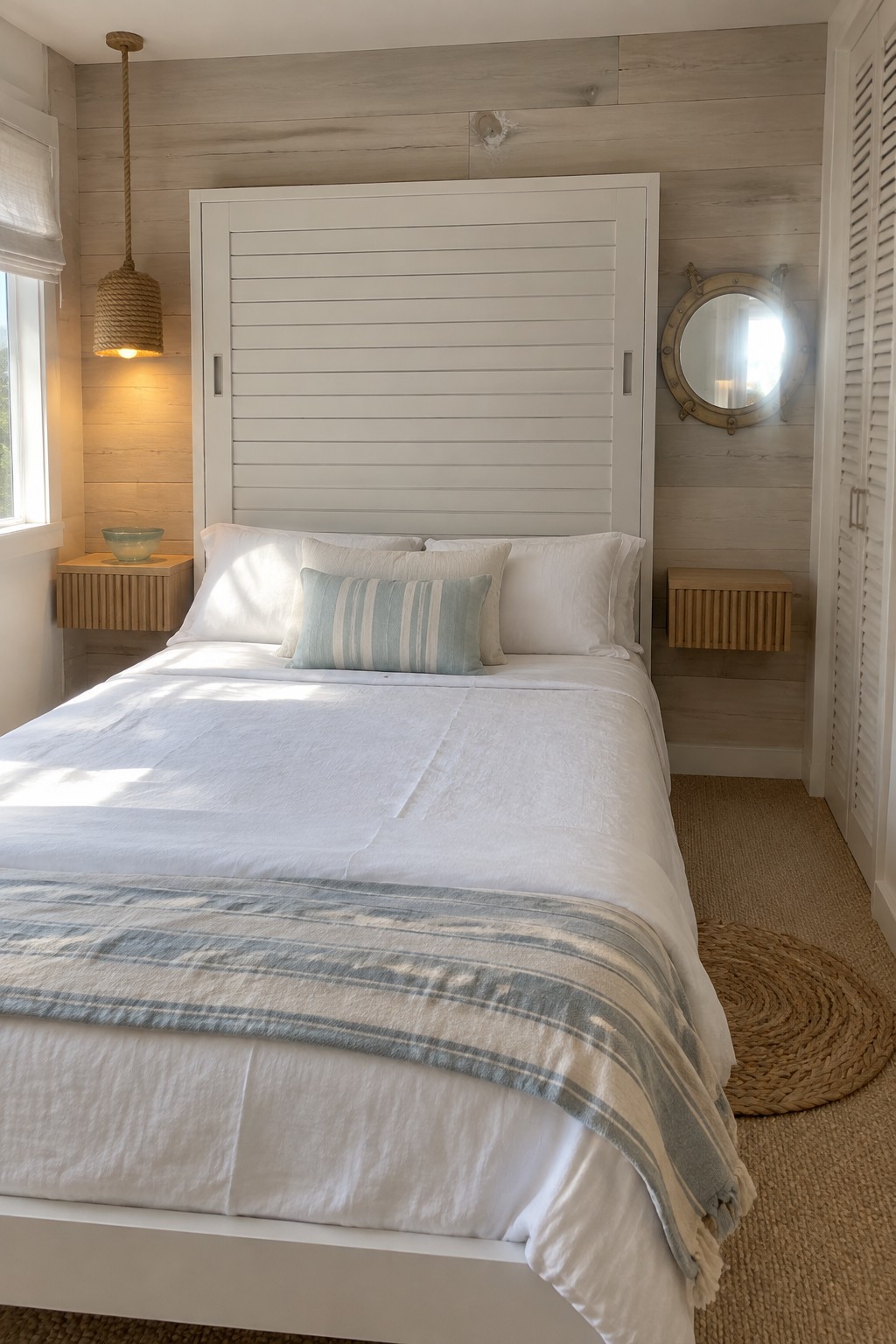
Floating nightstands help a small bedroom feel less crowded because they do not take up any floor space. They mount right to the wall, so the area under the bed stays open and the room reads simpler overall. Light wood tones like the ones shown here pair nicely with white bedding and keep the look calm without adding bulk.
This idea works best in tight layouts where every inch matters. Mount them at a comfortable height for reading or setting down a glass, and keep what sits on top to just a few small items. It suits minimalist rooms that already use light colors and clean lines.
Loft Beds With Built-In Drawers
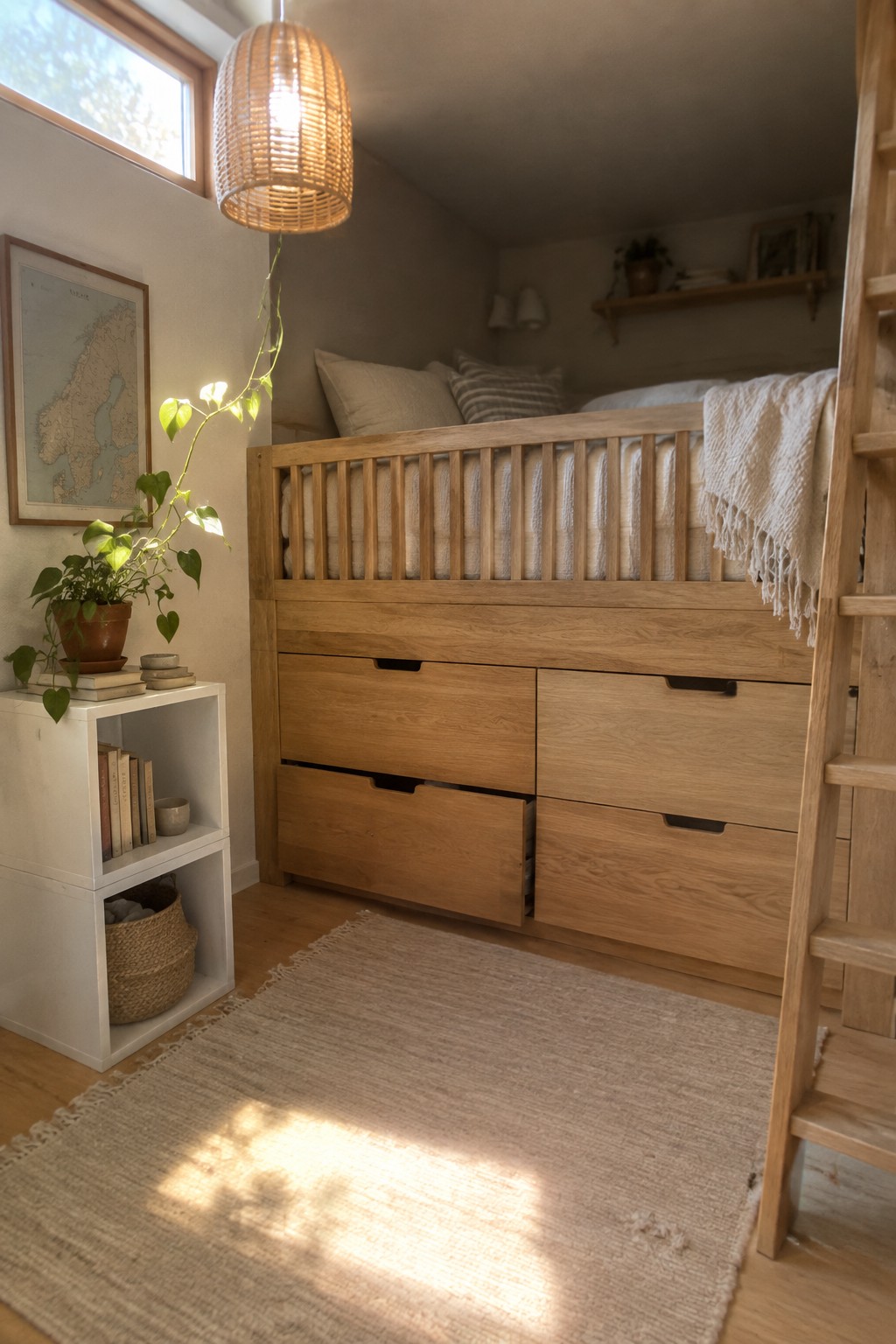
A loft bed with drawers built right into the base gives you a simple way to gain storage in a small bedroom. The raised sleeping area frees up floor space that would otherwise be taken by a regular bed frame and separate dresser.
This setup works best in rooms with decent ceiling height so the bed does not feel cramped. It suits apartments and compact homes where every inch counts, and it keeps the overall look clean when the drawers match the bed frame.
Alcove Beds for Small Bedrooms
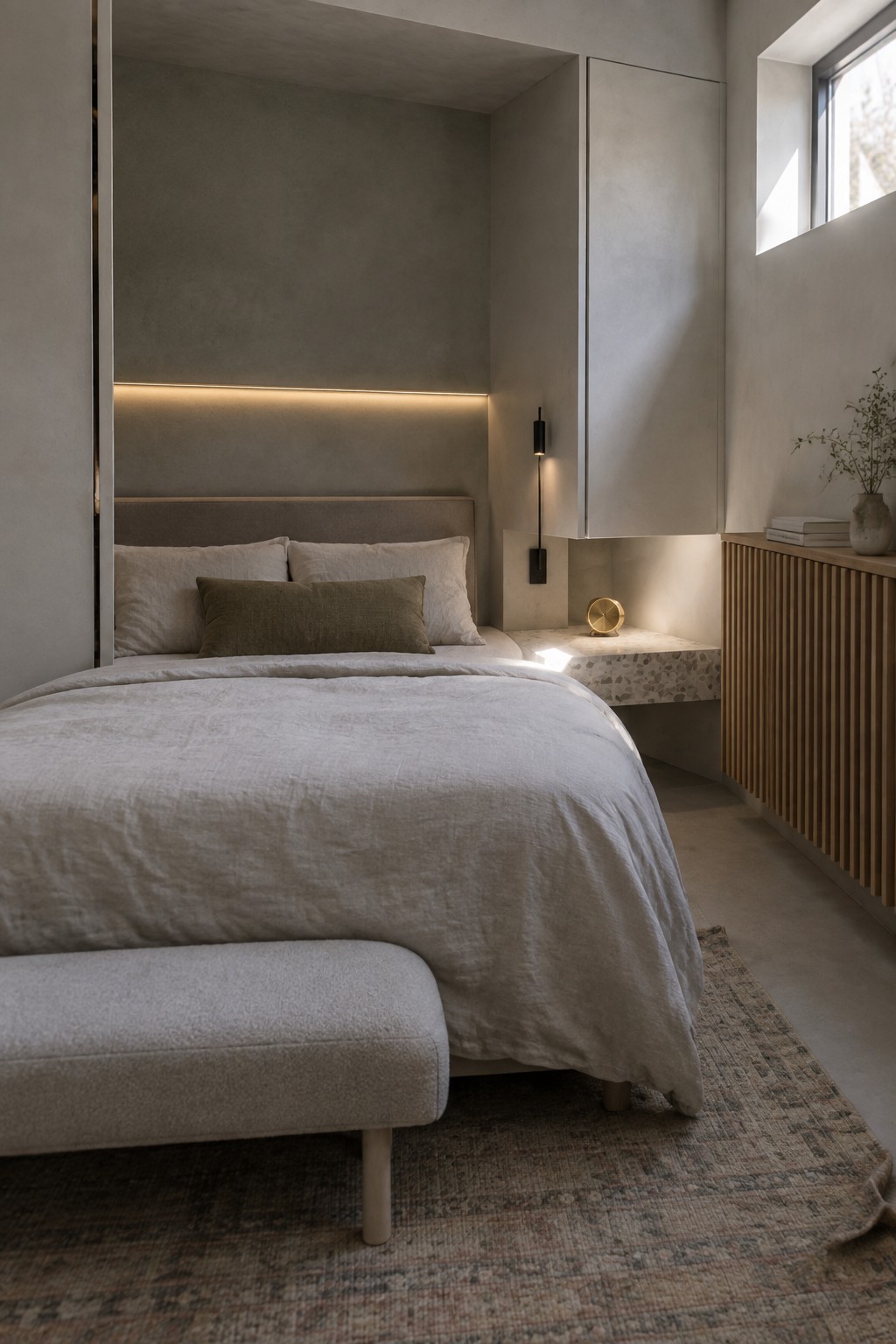
Tucking a bed into a recessed wall alcove is one of the simplest ways to make a small bedroom feel more spacious. The walls naturally frame the bed, and adding a strip of lighting along the top edge keeps the area bright without needing extra lamps on the floor or furniture.
This approach works best in narrow rooms or apartments where floor space is limited. A floating shelf or single wall sconce can replace full nightstands, and the overall layout stays clean while still giving you a defined sleeping area that feels intentional rather than cramped.
A Simple Wooden Dresser For Small Bedroom Storage
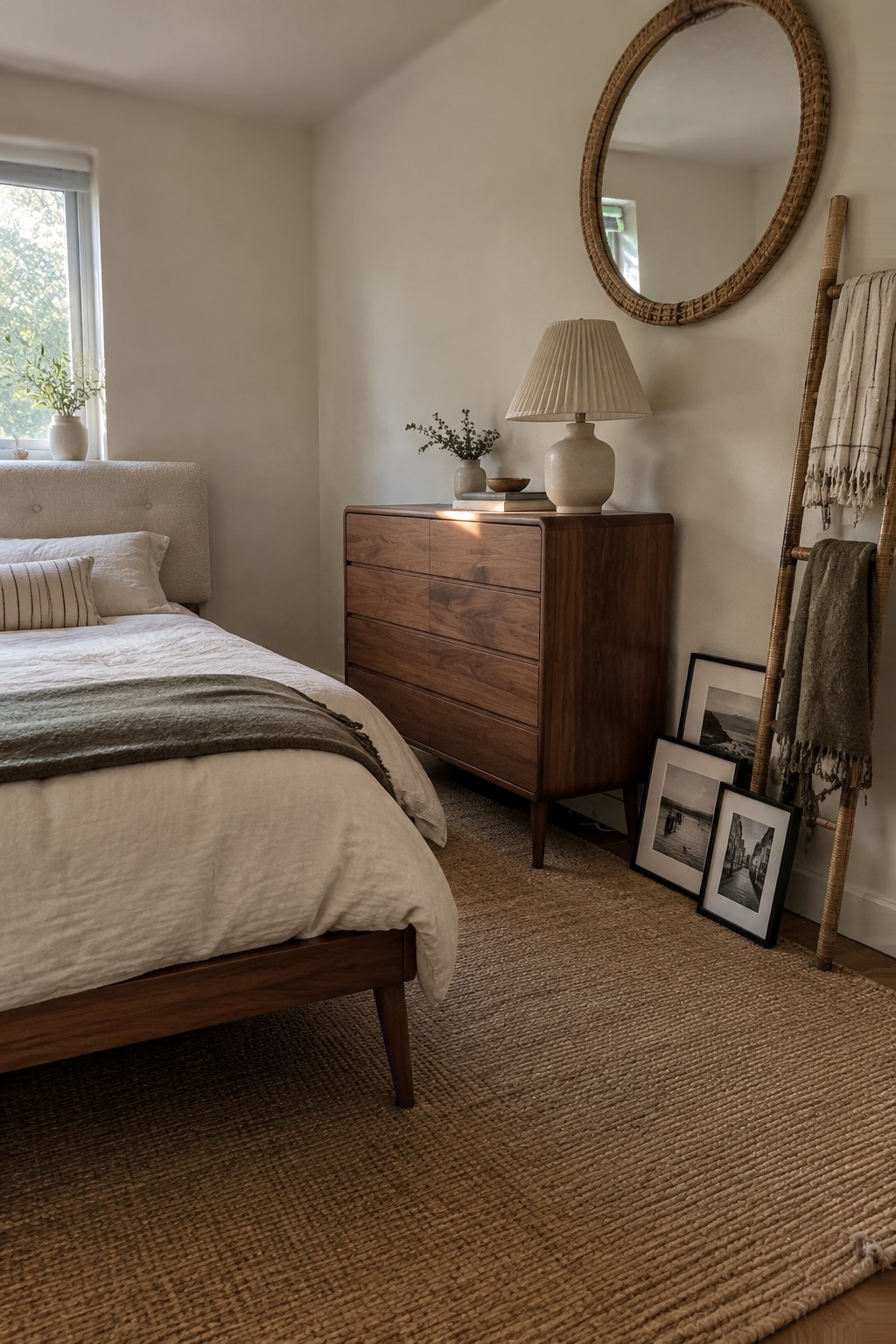
A basic wooden dresser gives you real drawer space without taking over the room. The low shape and clean lines keep things feeling open even when the floor area is tight.
It suits smaller bedrooms best when you need to store clothes but want to avoid bulky pieces. Keep the top mostly clear and let the wood tone match your bed frame so the whole setup stays calm and easy to live with.
Built-In Benches That Add Storage In Small Rooms
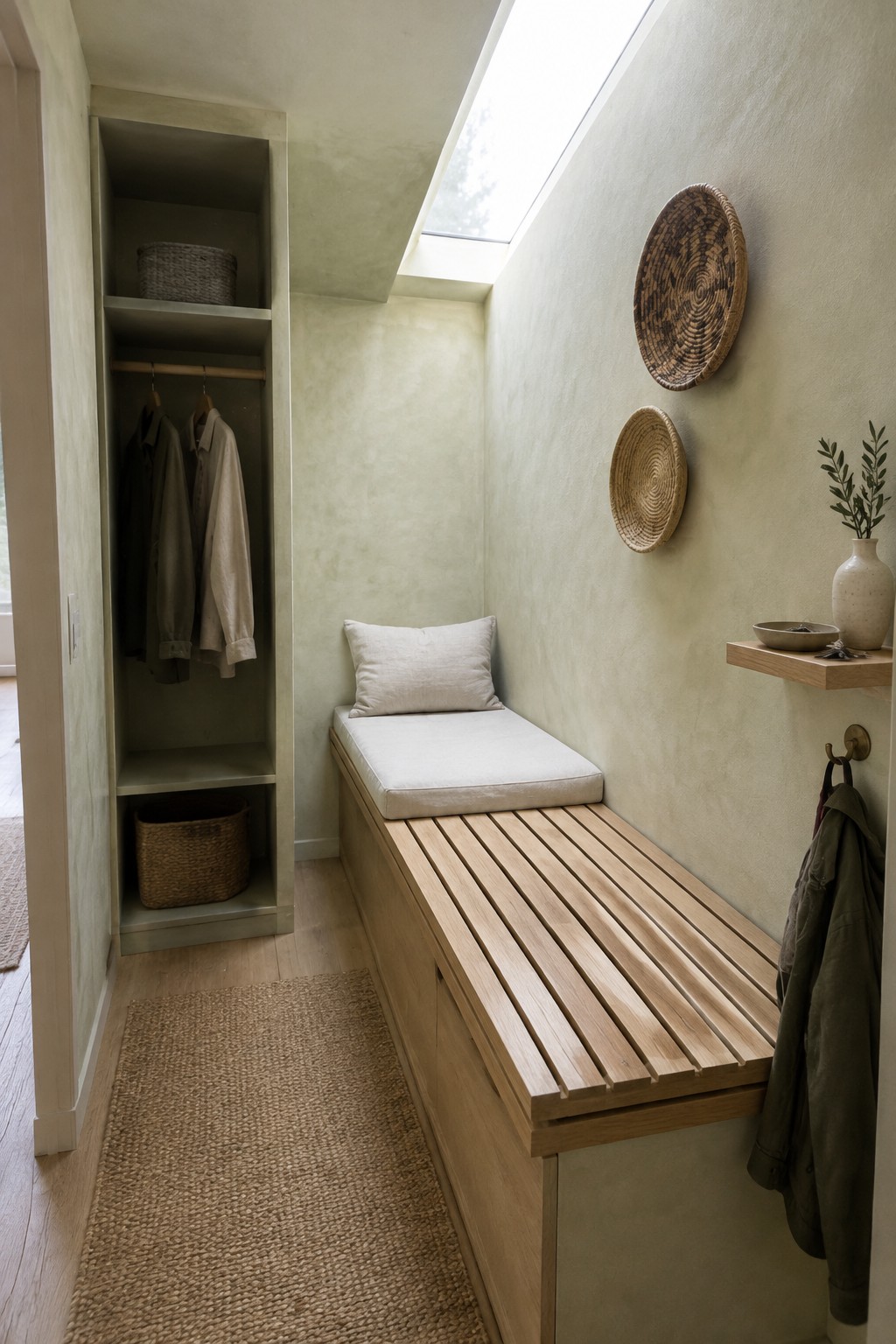
A built-in bench with storage underneath works well in narrow bedrooms because it turns dead wall space into something useful. The slatted top keeps the look light while the cushion turns it into a spot to sit and get dressed.
This kind of piece fits best in tight layouts where a regular chair would get in the way. Keep the finish simple and match it to any existing wood tones so the bench blends in rather than stands out.
Loft Beds Free Up Floor Space For A Desk Below
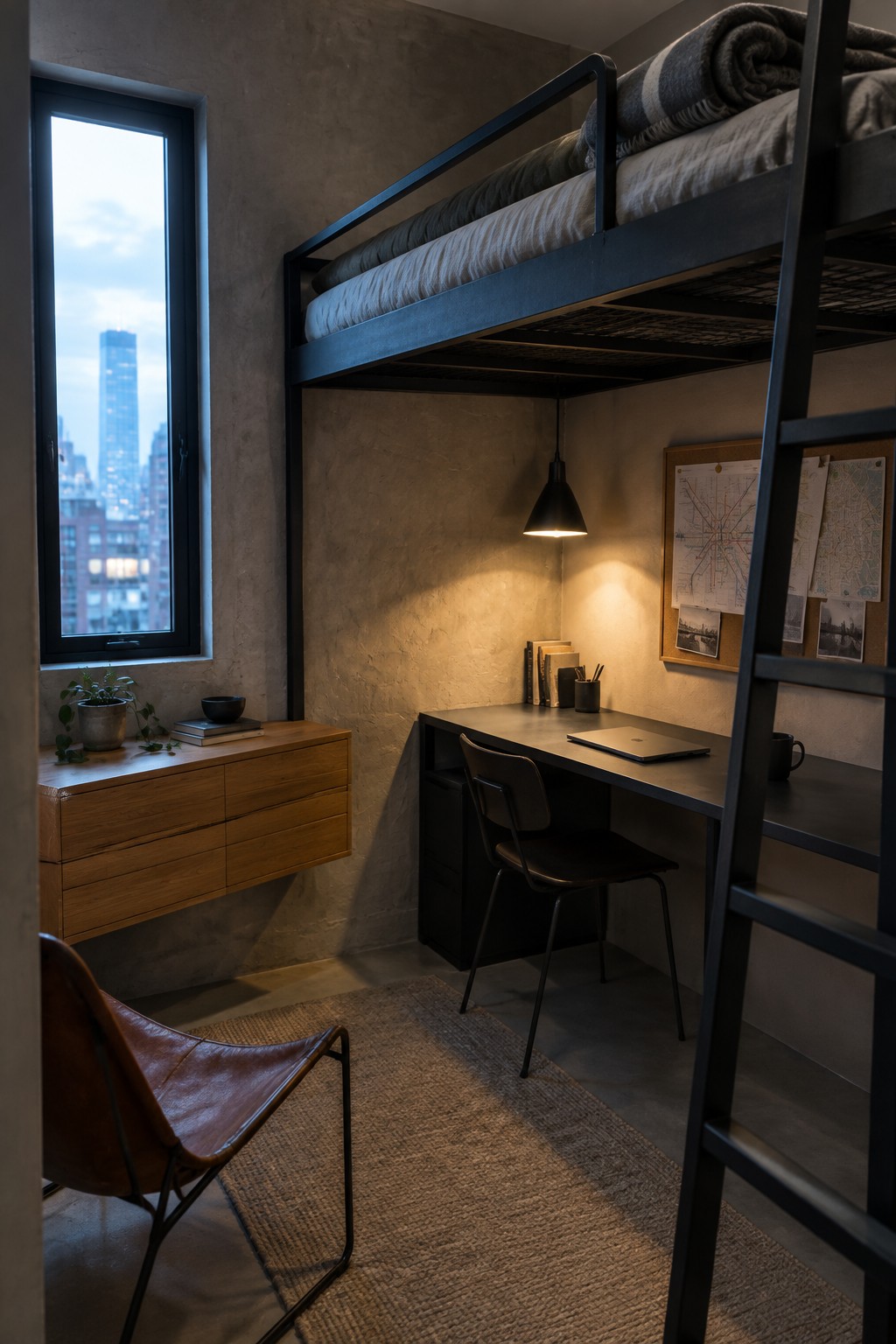
Many small bedrooms run out of floor space fast when you try to fit both a bed and a work area. Raising the bed on a loft frame leaves the area underneath open for a desk and chair without crowding the room.
This approach suits studio apartments or bedrooms under 120 square feet where every inch counts. Choose a sturdy frame with enough clearance for a standard desk chair, and keep the desk surface clear so the space underneath stays usable day to day.
Tuck The Bed Into An Alcove
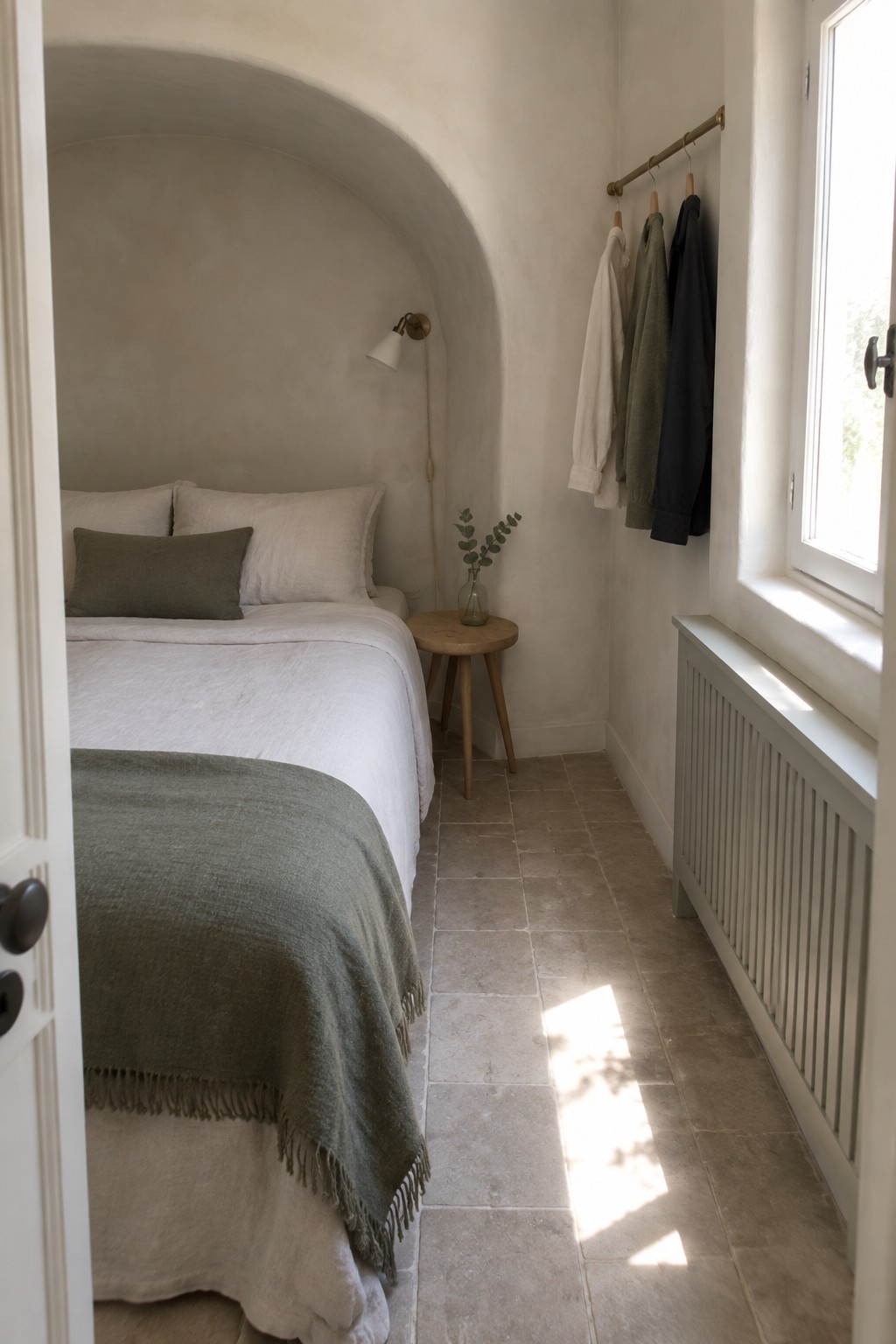
An alcove gives you a built-in spot for the bed that keeps the rest of a small bedroom open and uncluttered. It turns what might feel like wasted wall space into a clear sleeping area without needing extra furniture or dividers.
This setup works best in rooms with existing recesses or in homes where you can frame one out. Keep the bedding light and the walls plain so the alcove reads as part of the room rather than a separate nook. One or two small pieces like a low stool or wall lamp are usually enough.
Low Platform Beds For Small Bedrooms
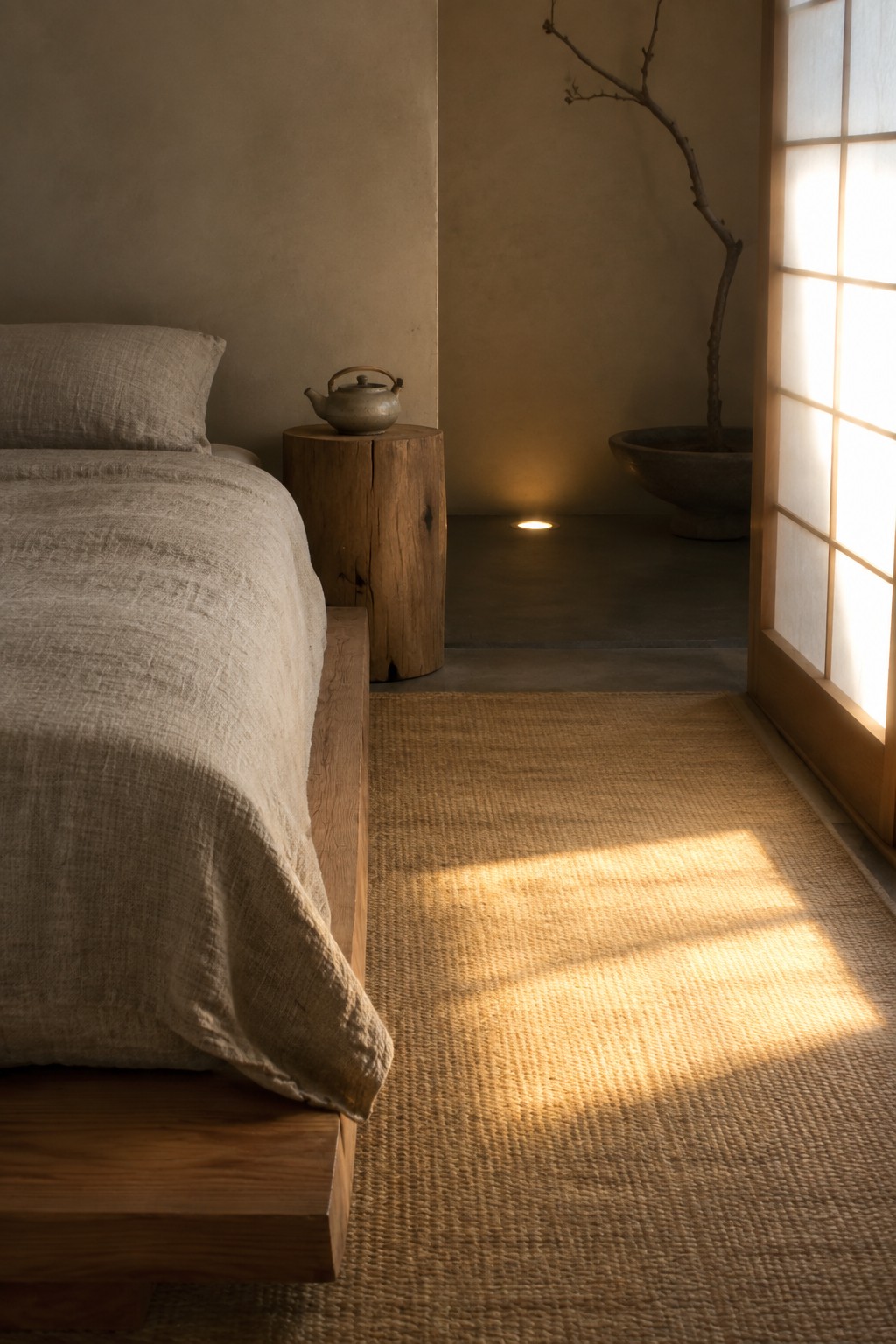
A low bed frame changes how a small room feels right away. It leaves more wall space open and keeps the eye moving across the floor instead of stopping at a tall headboard or thick frame. The simple wood and soft linen in this setup show how little you actually need to make the space feel calm and open.
This choice works best in bedrooms where every inch counts. Keep the rest of the furniture low too and use a light rug to tie the floor together. It suits older homes or apartments with plain walls where you want the room to feel quiet rather than busy.
Built-In Drawers Under The Bed
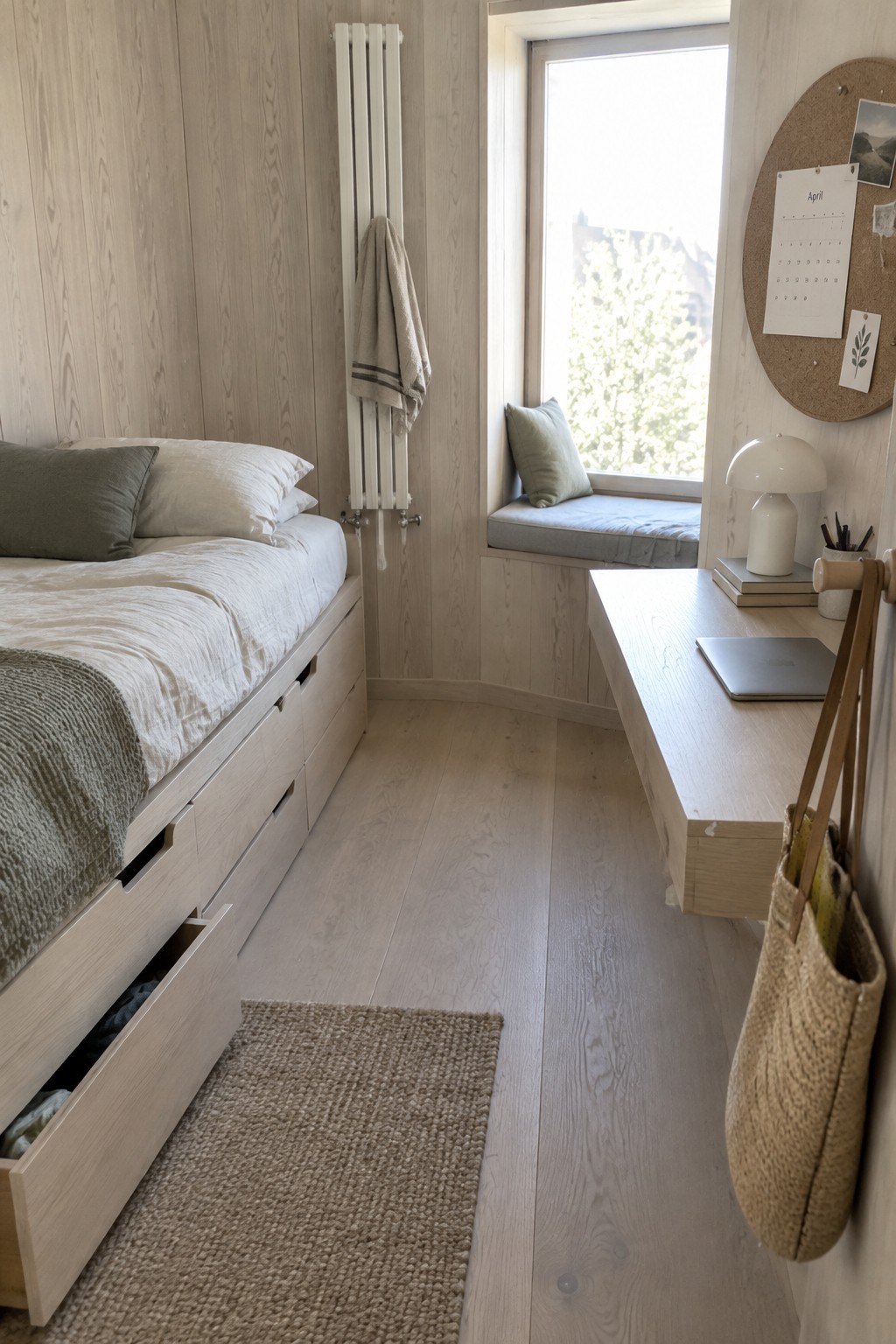
Built-in drawers under the bed give you a place to store extra bedding or off-season clothes without adding another piece of furniture to the room. In a small bedroom this keeps the floor clear and helps the space feel bigger and calmer.
This works best in narrow rooms or guest rooms where every inch counts. Look for low platform beds with deep drawers that slide out easily, and pair them with a wall-mounted desk so you still have a workspace without blocking the walkway.
Built-In Storage Above the Bed
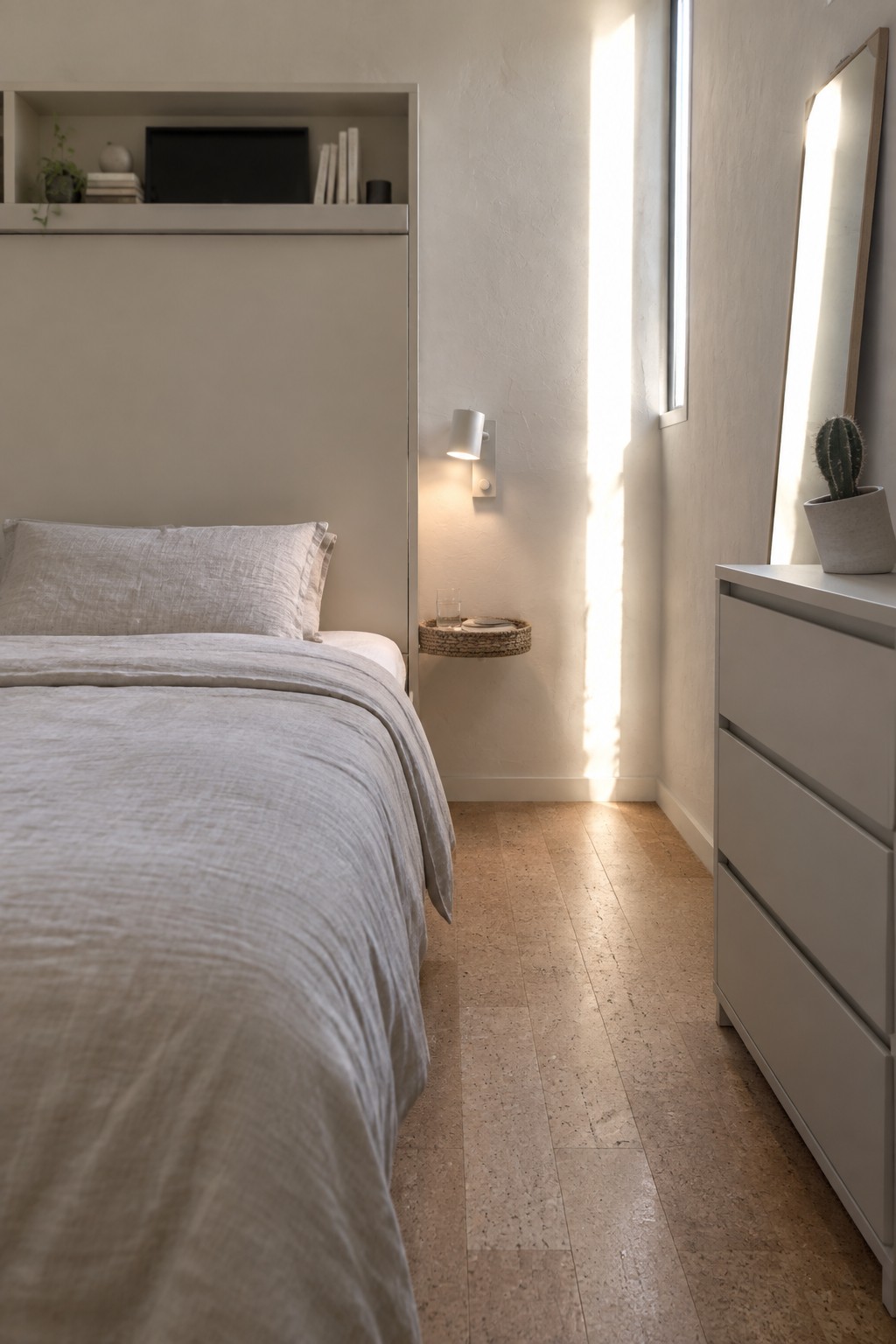
A tall headboard that runs up into a recessed shelf gives you a clean way to add storage without bringing in another piece of furniture. In small bedrooms this keeps the floor clear and stops the room from feeling crowded with extra nightstands or bookcases.
This setup works best in apartments or narrow rooms where every bit of wall space matters. Keep the shelf low enough to reach easily and use it for a few books or a small plant rather than filling it up.
Floating Wall Cabinets Free Up Floor Space
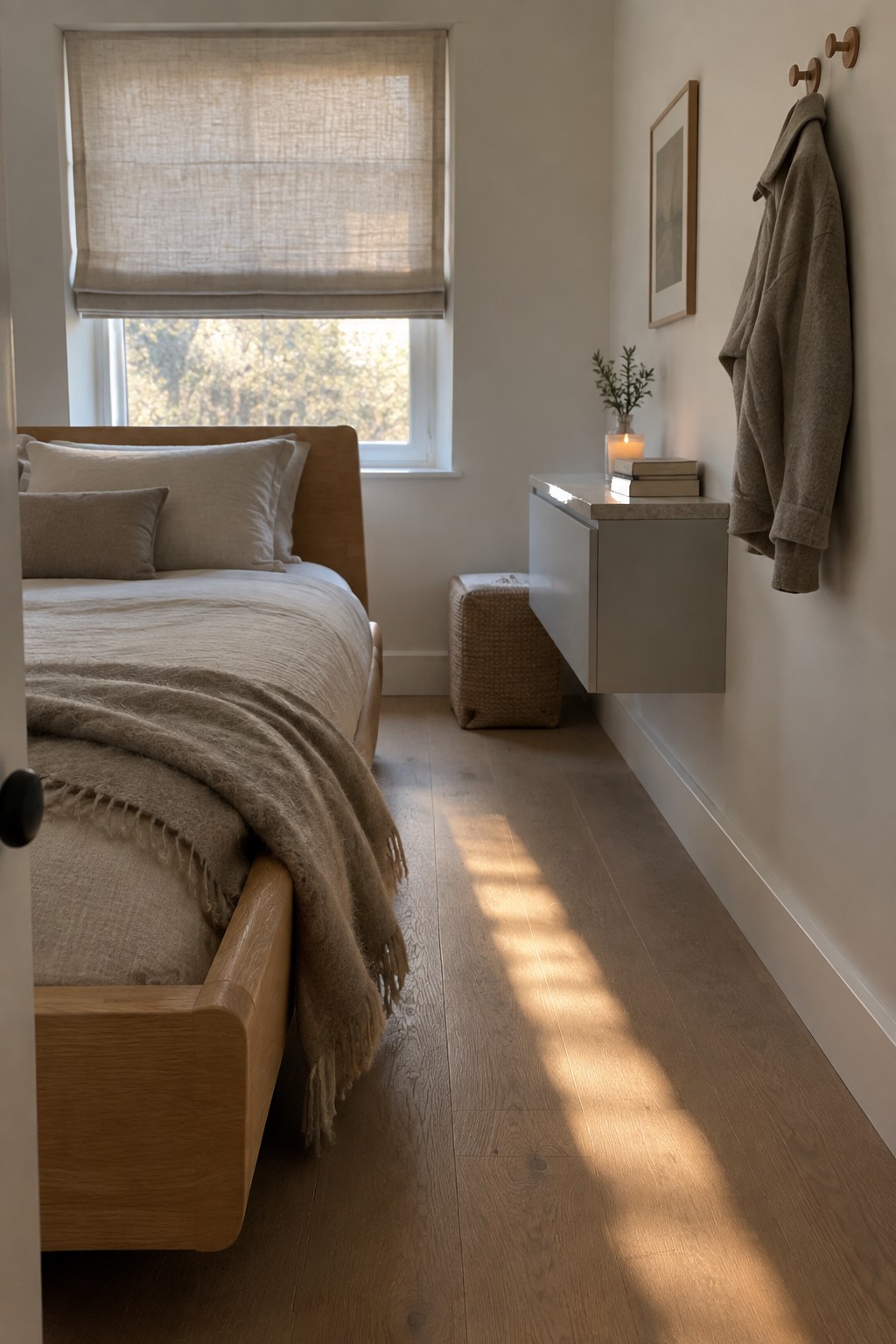
Many small bedrooms feel cramped once you add a bed and a pair of nightstands. A wall-mounted cabinet solves that by giving you surface space and storage without using any floor area, which helps the room feel more open and easier to move through.
This approach works especially well in narrow rooms where the bed already sits close to one wall. Mount the cabinet at a comfortable height, keep the top fairly clear, and use a small pouf or basket on the floor only when you need it. The result stays simple and practical without crowding the walkway.
Loft Beds Free Up Space For A Desk Below
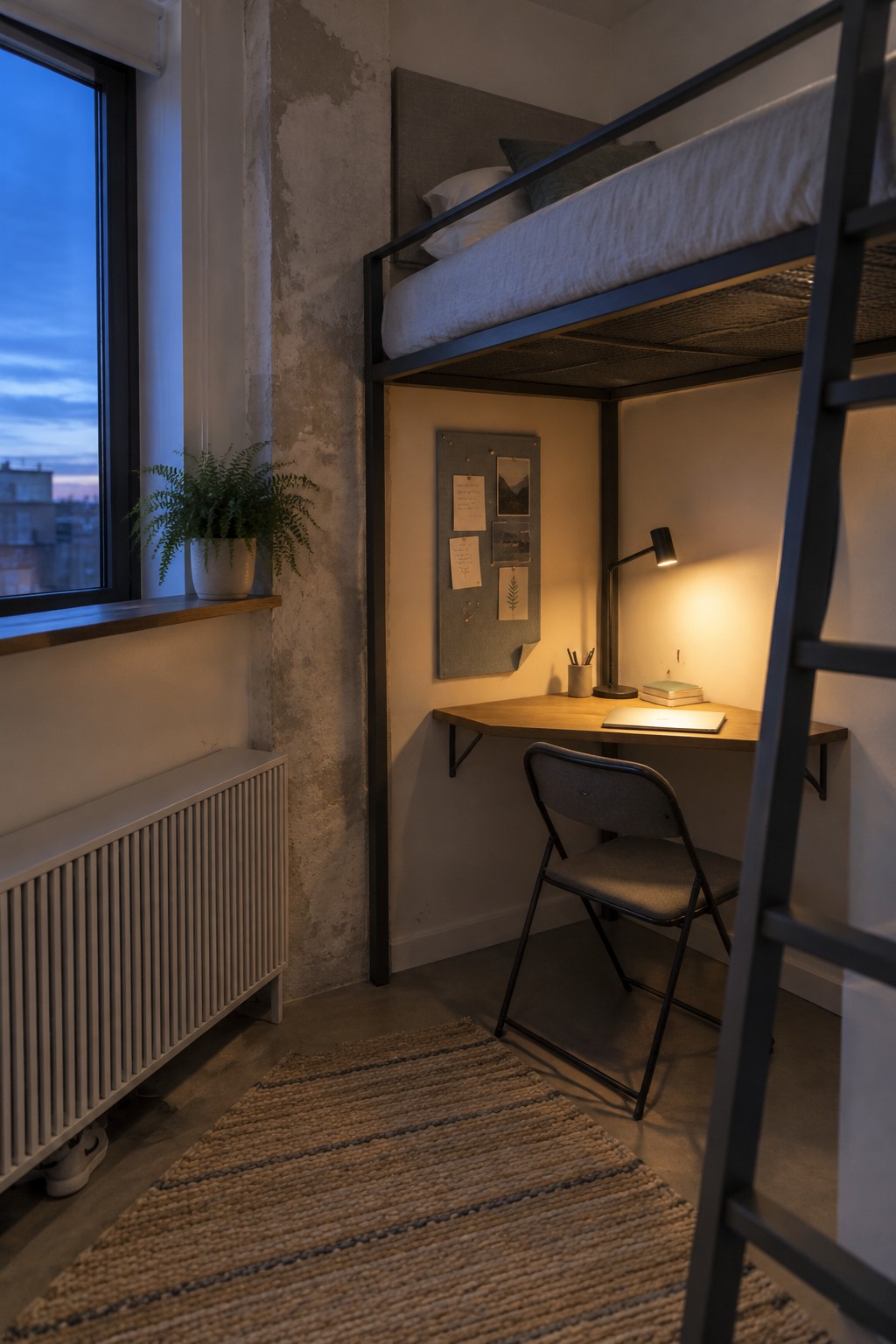
In small bedrooms, raising the bed creates useful room underneath for a desk without making the space feel crowded. This setup keeps the floor open and gives you a clear place to work or study while the sleeping area stays separate above.
It suits rooms with enough ceiling height and works well when you keep the desk simple and the chair easy to tuck in. Watch the ladder placement so it does not block daily movement.
Choose a Slim Spindle Bed for Narrow Rooms
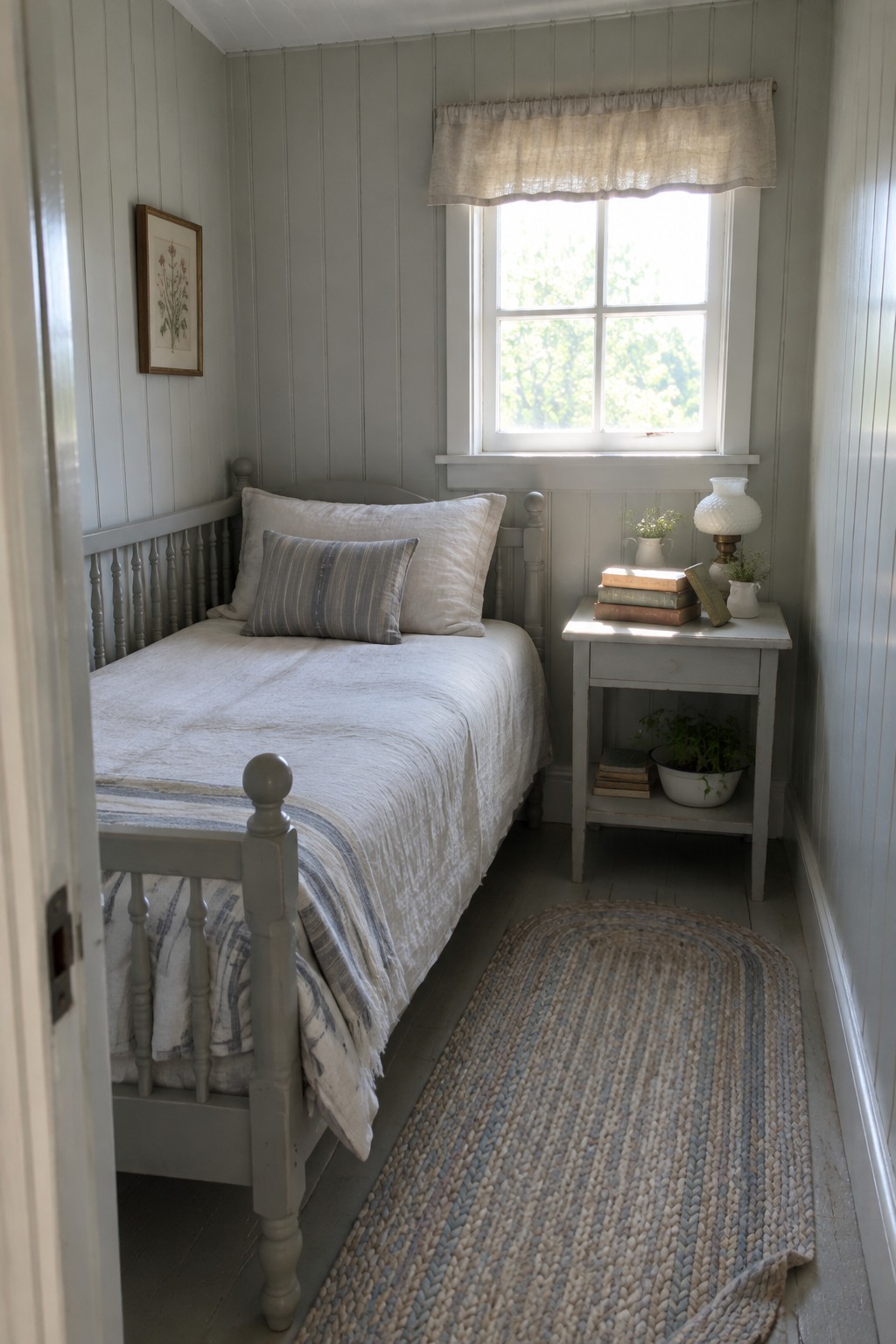
A slim spindle bed frame helps a small bedroom feel more open because it does not block light or take over the floor. The light wood tone and simple turned posts keep the look quiet without adding bulk that heavier styles often bring.
This works best in long, narrow rooms where every inch of walking space matters. Pair the bed with a small side table rather than a wide nightstand so the layout stays easy to move through.
Sofa Beds Give Small Bedrooms More Flexibility
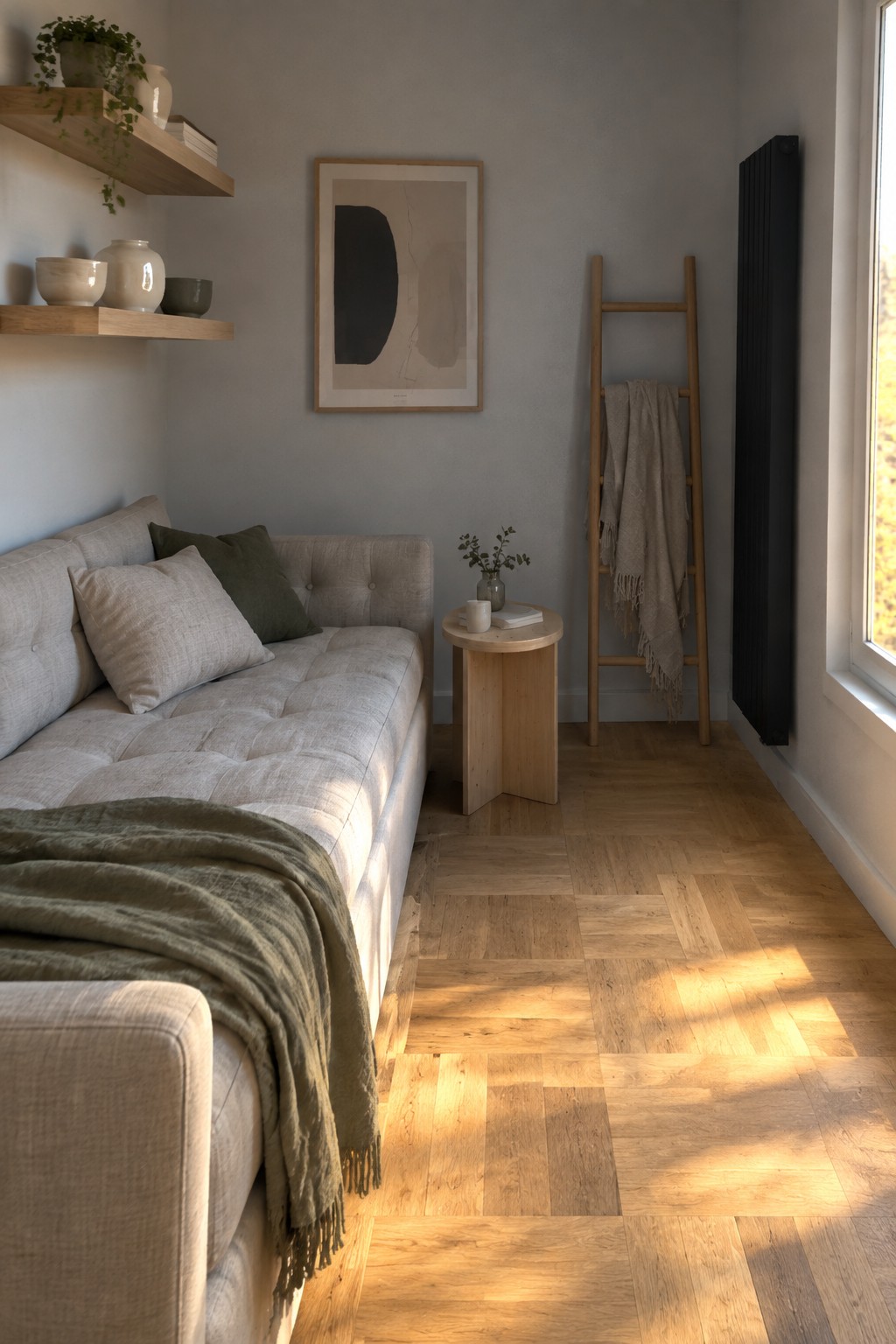
A sofa bed is one of the easiest ways to handle both seating and sleeping in a tight space. It removes the need for a bulky bed frame that would otherwise take over the room and leaves more open floor for moving around.
This setup works best in studios, guest rooms, or any bedroom that has to double as a living area. Pair it with simple wall shelves and a slim side table so nothing else competes for floor space.
Floating Shelves As Nightstands
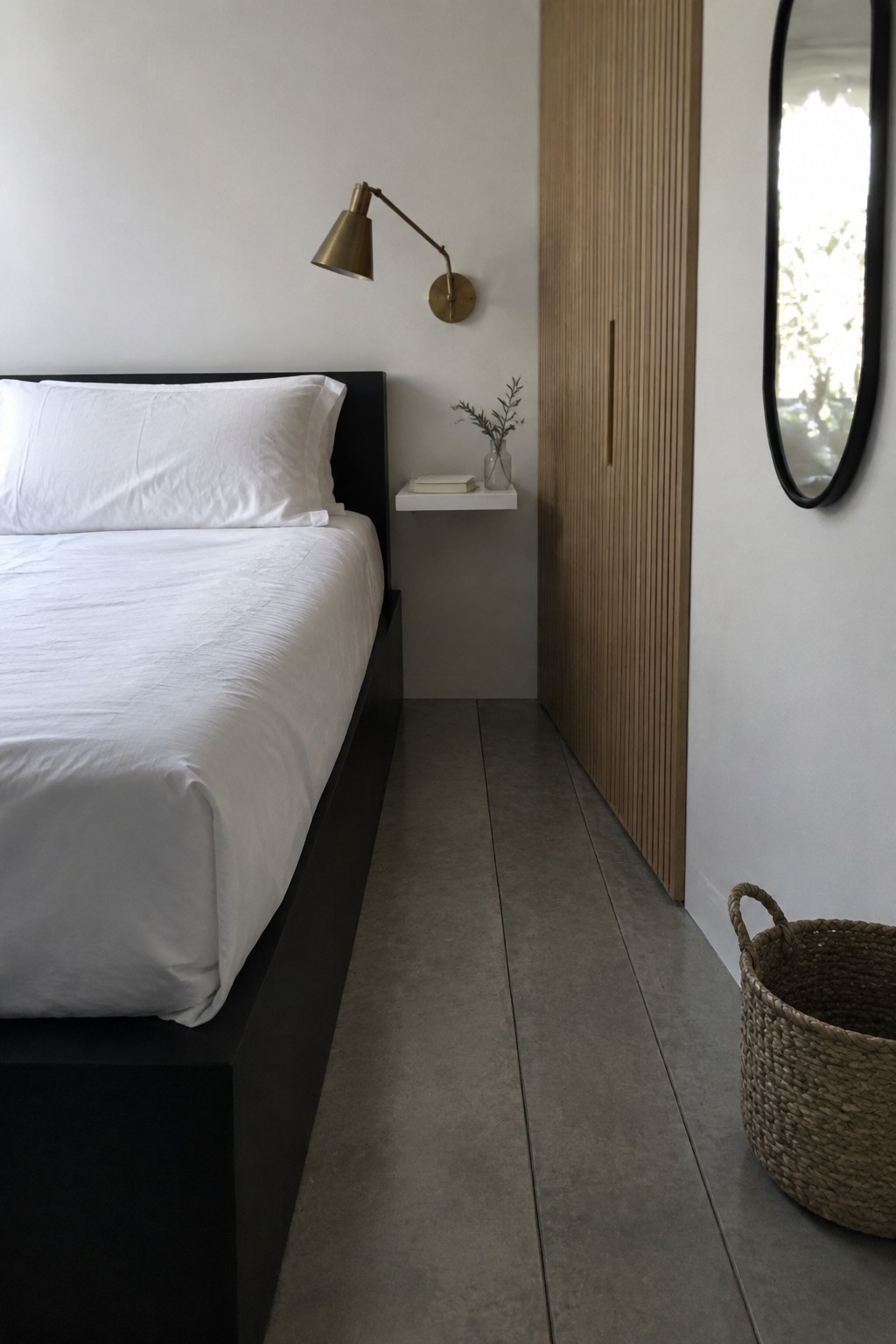
In small bedrooms, bulky nightstands often take up more room than they are worth. A floating shelf paired with a wall sconce gives you a place for a book or water glass without blocking the floor.
This approach works best in narrow layouts where every inch counts. It keeps the space feeling open and suits simple, low-profile furniture choices.
Daybeds That Save Space In Small Rooms
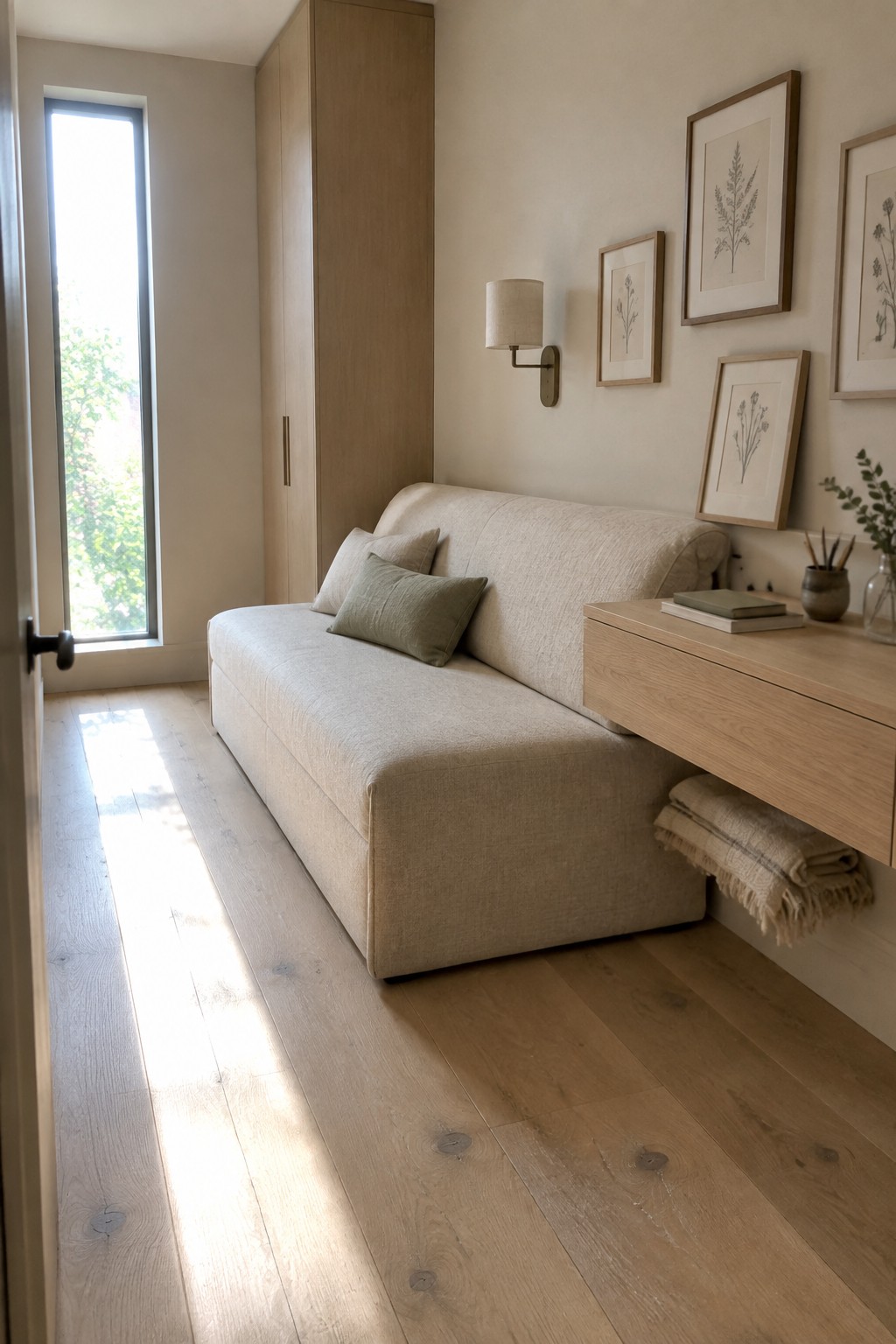
A daybed gives you seating during the day and a place to sleep at night without taking up extra floor space. In a narrow room it sits neatly along one wall and keeps the layout simple.
Place it with a tall built-in cabinet on one end and a floating shelf on the other so everything stays off the floor. This setup works best in small bedrooms or guest rooms where you need the room to feel open and calm.
Frequently Asked Questions
Q: How do I choose a bed that fits without overwhelming my small bedroom?
A: Go for a low platform bed with clean lines. It keeps the view open so the room feels bigger right away. Skip anything with a tall headboard.
Q: What if I need storage but don’t want extra pieces?
A: Pick a bed with drawers built right in. You get space for clothes or linens without adding another bulky item to the floor.
Q: Can I use floating shelves instead of a dresser?
A: Yes, mount a couple of narrow shelves above your bed or desk. They hold essentials and free up floor space so you can move around easier.
Q: How do I arrange everything so the room still feels calm?
A: Place the largest piece against the longest wall first. Then add smaller items around it with plenty of empty space between them.
