

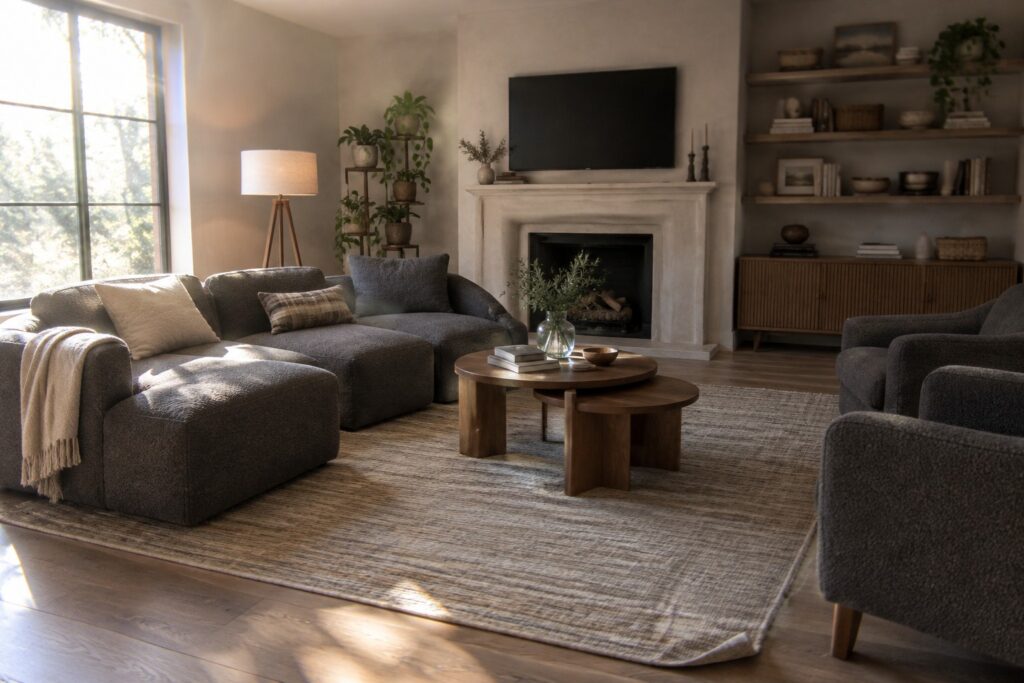
I have noticed that rooms meant for work one hour and guests the next rarely feel settled when the furniture stays fixed in place.
Rearranging heavy pieces every time plans shift quickly turns into a chore that no one wants to repeat.
A few modular choices can ease that friction.
When I picture my own living room, I think first about which pieces could slide or stack without leaving gaps or awkward empty spots.
Trying one or two of these setups in real life would show whether they actually hold up once daily routines take over.
Modular Sectionals That Shift With Your Needs
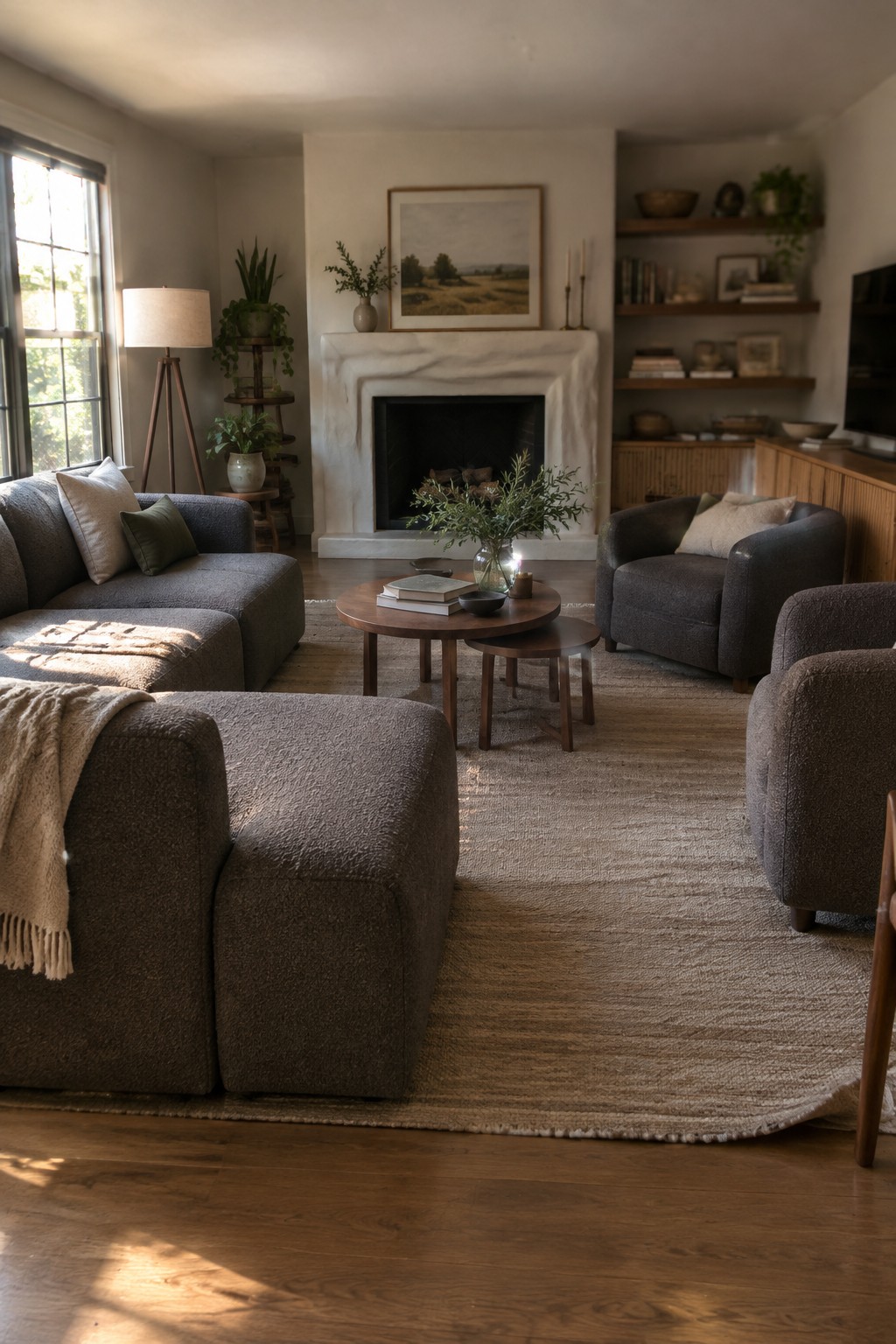
Many people choose modular sectionals because the pieces can be moved into different groupings without buying new furniture. The chunky textured sofas in this room show how a long sectional on one side can pair with separate chairs on the other, leaving the center open for traffic or extra seating when needed.
This approach works well in living rooms that host everything from quiet evenings to larger gatherings. It suits homes where the layout changes with the seasons or with different activities. Keep the scale in mind so the pieces still feel balanced when rearranged.
Bench Seating With Hidden Storage
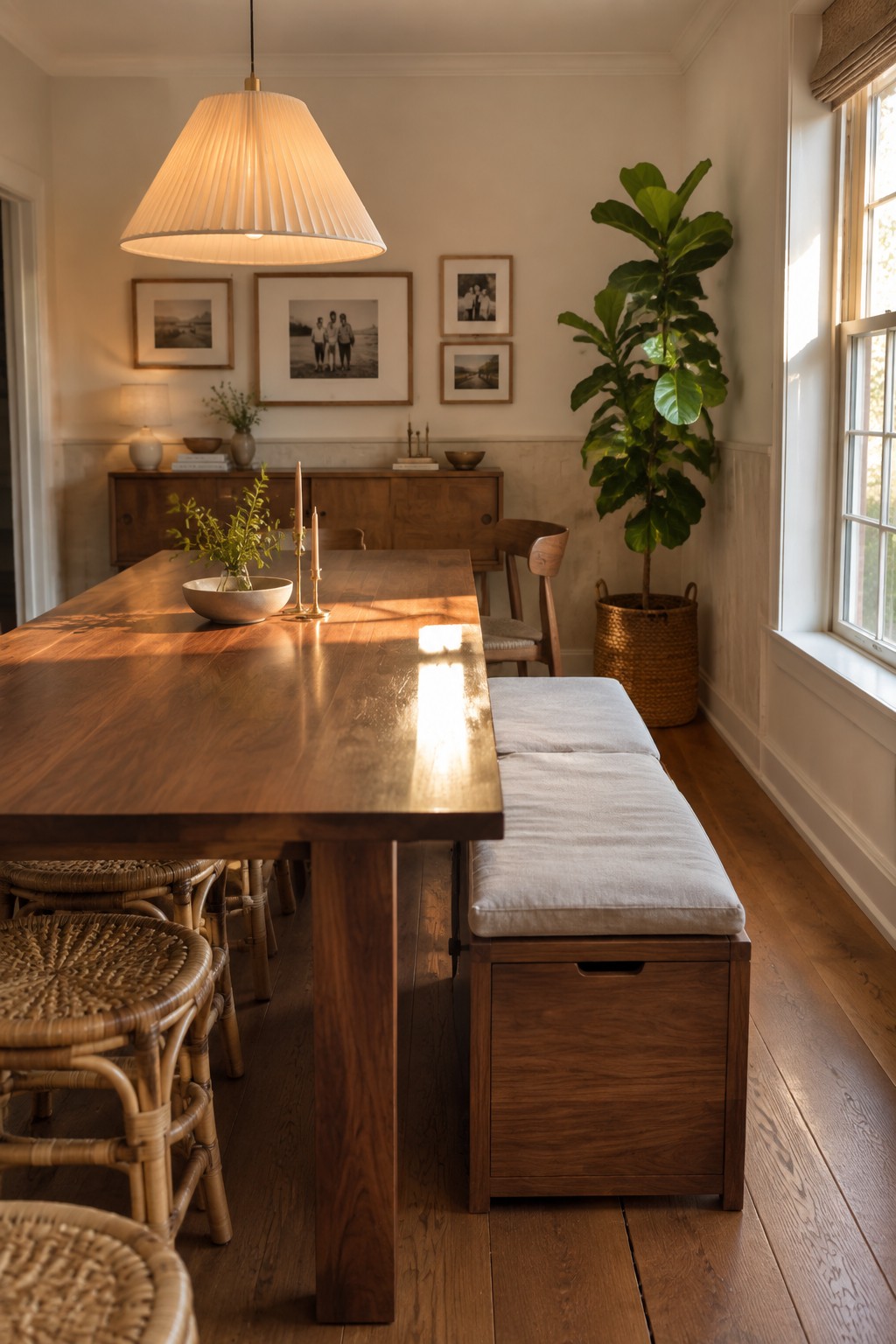
A long bench along one side of the dining table makes it easy to adjust how many people can sit without rearranging a full set of chairs. The lift-up seat adds useful storage for things like extra linens or kids’ art supplies, which keeps the room from feeling cluttered when the table is not in use.
This setup works best in homes where the dining area needs to shift between small family meals and bigger gatherings. It also pairs well with mixed seating so you can add or remove chairs on the other side as needed.
Rolling Islands For Changing Layouts
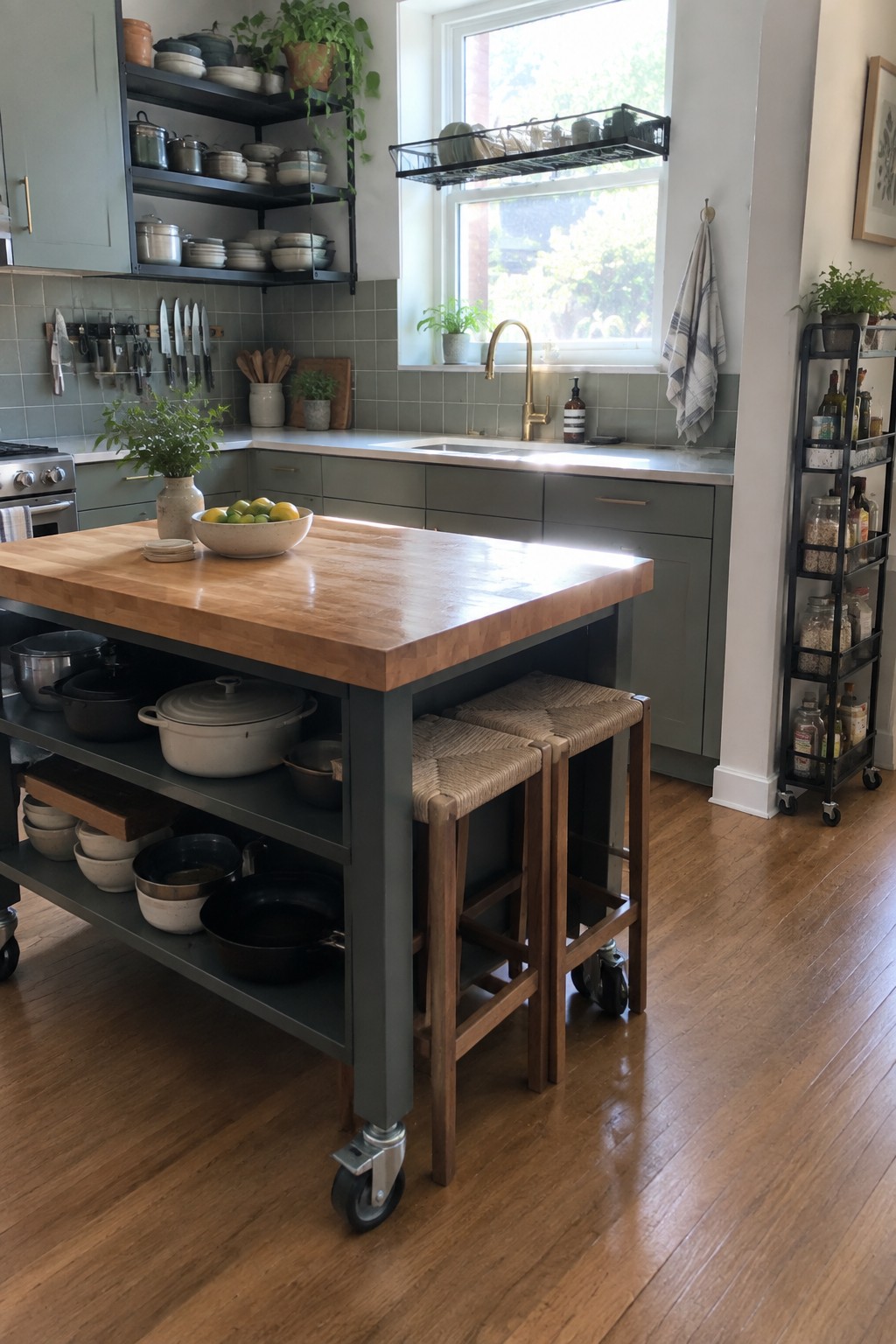
A kitchen island on wheels lets you rearrange the room without any major work. When you need more open floor space or a different flow for gatherings, you can simply roll it into a new spot and lock the casters.
This setup suits smaller homes or open-plan spaces where the kitchen sometimes needs to function as a dining or work area too. Keep the island surface clear enough to move easily and choose wheels that lock firmly so it stays steady during daily use.
Modular Headboard Panels You Can Rearrange
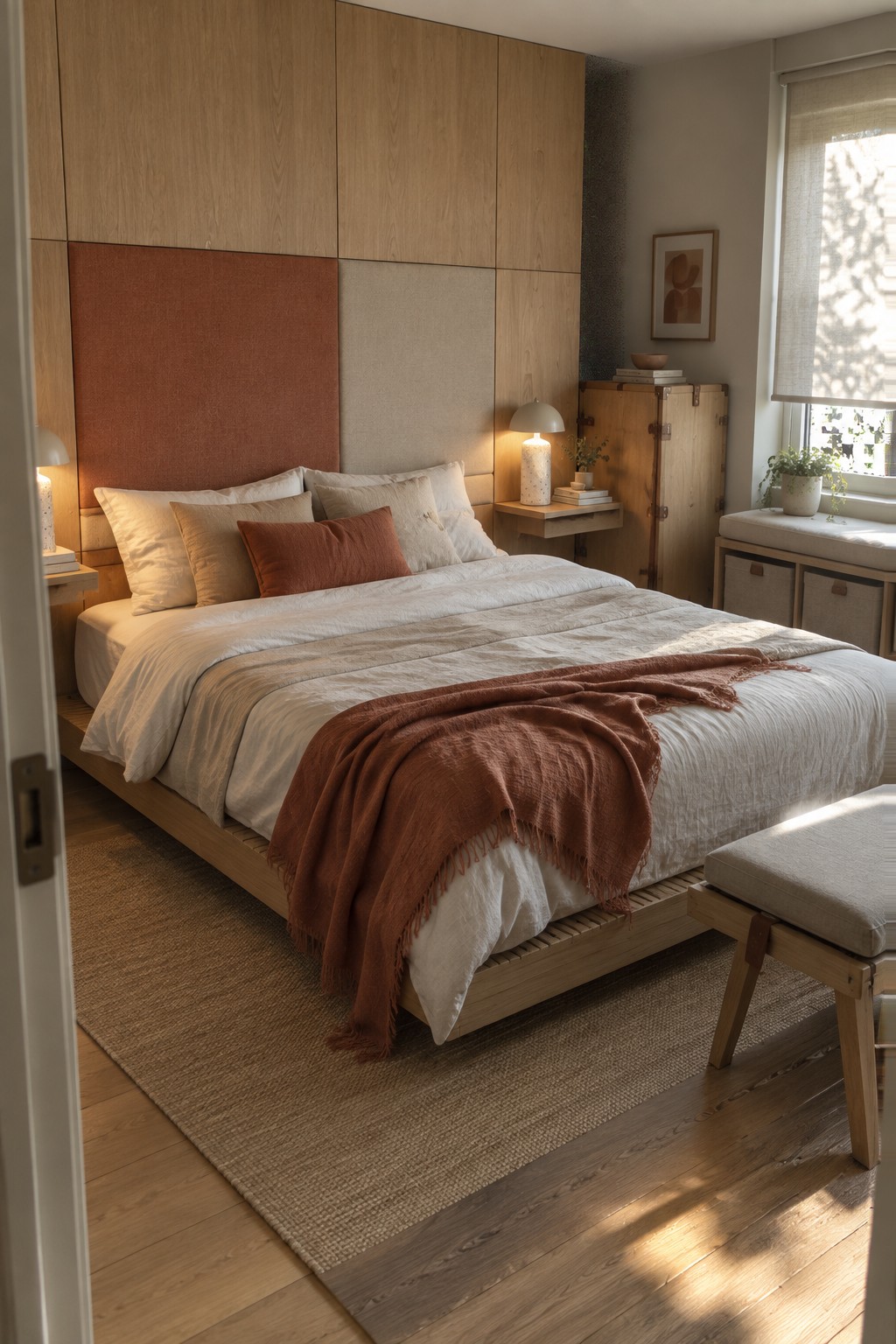
A headboard built from separate panels gives you room to shift things around without buying new furniture. The mix of wood and upholstered sections in this setup shows how you can change the look or size of the bed wall when the room needs to serve a different purpose, like adding a reading chair or turning the space into a guest room.
This approach works well in smaller homes or any bedroom that gets rearranged every few years. Keep the panels simple in color and material so they still work together even after you move them. Just avoid panels that are too heavy or oddly shaped, since those limit how much you can actually change later.
Built-In Desk Units That Shift With How You Use The Room
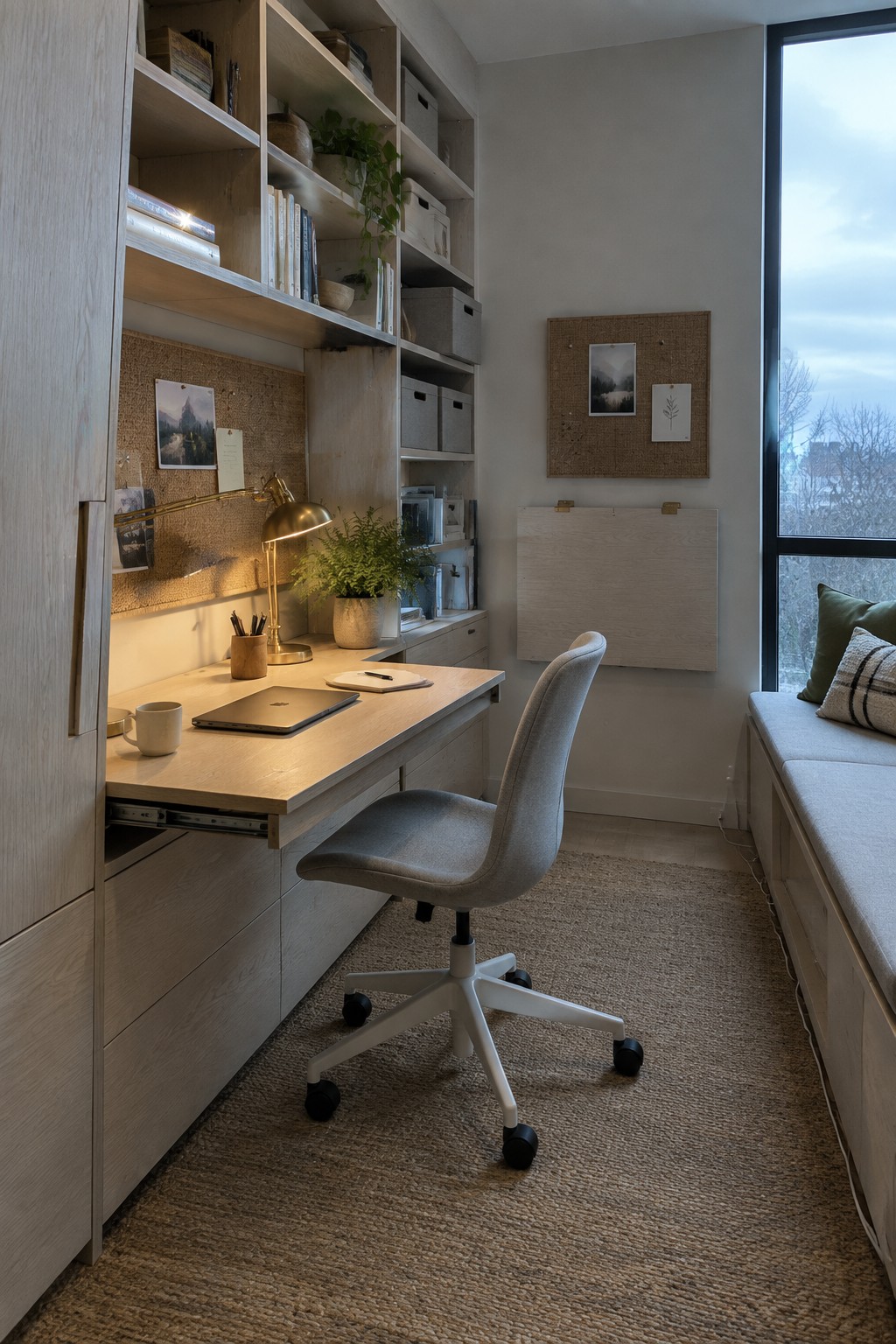
Built-in desk and shelf systems like this one keep the main structure fixed while letting the rest of the room change easily. The open shelves hold both work supplies and everyday items, and the desk surface stays clear enough for different tasks without needing a full reset each time.
This kind of setup suits small homes or multi-use rooms where the same space might handle work during the day and something quieter at night. Pair the fixed unit with one or two movable pieces, such as a rolling chair, so you can adjust the layout without moving heavy furniture.
Movable Changing Tables For Rooms That Shift Over Time
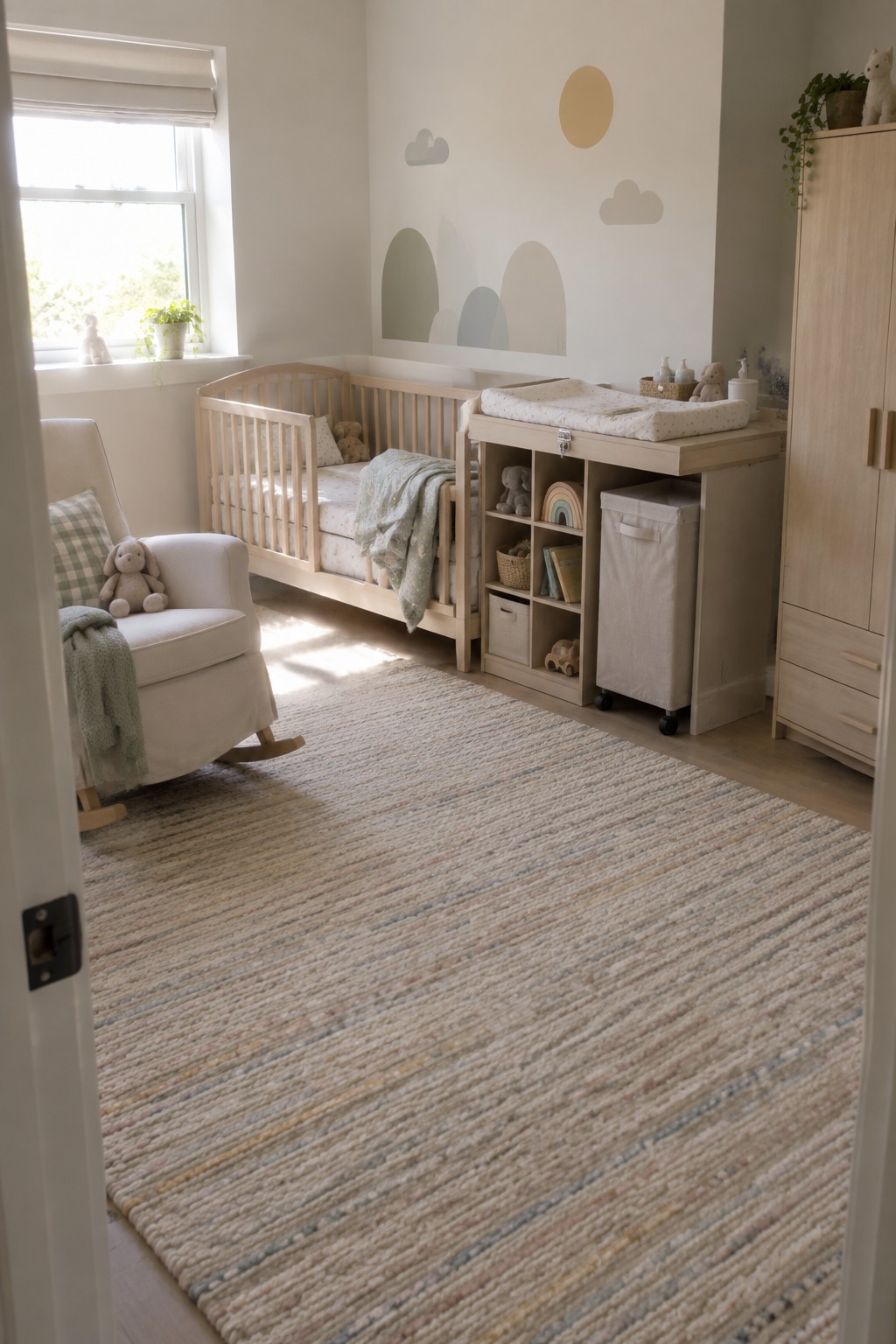
A separate changing table gives you more control over how the room is laid out. Instead of locking the changing surface to the crib or a fixed dresser, you can shift the whole unit when the baby gets older or when the room needs to serve another purpose.
This setup works best in smaller homes or spaces that will change use within a few years. You can roll the table aside, turn it into extra storage, or move it to another room without tearing anything out or buying replacements right away.
Movable Racks Keep Laundry Rooms Flexible
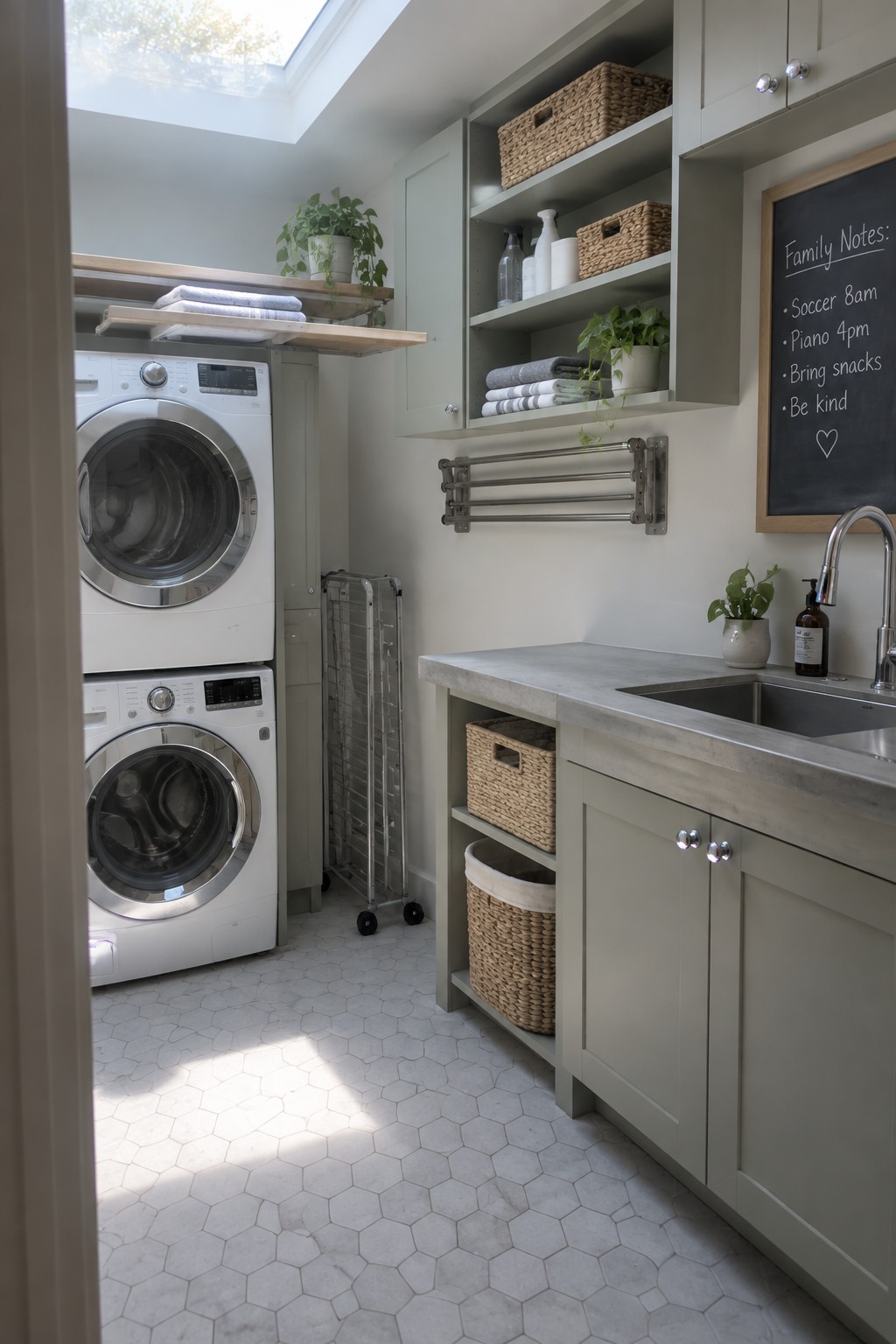
A rolling drying rack that folds flat when not needed gives the room more breathing room on busy days. Pairing it with a few open shelves and simple baskets means you can shift things around without any tools or heavy lifting. The setup stays practical even when the space has to handle laundry, storage, and occasional overflow from other rooms.
This kind of arrangement works especially well in smaller homes or multi-purpose utility areas where the room might need to serve different roles from one week to the next. Keep the rack on wheels so it can tuck against a wall or roll out near a window when the weather is good. Baskets that lift out easily let you grab what you need without disturbing the whole shelf.
Rolling Ottomans That Shift With Your Needs
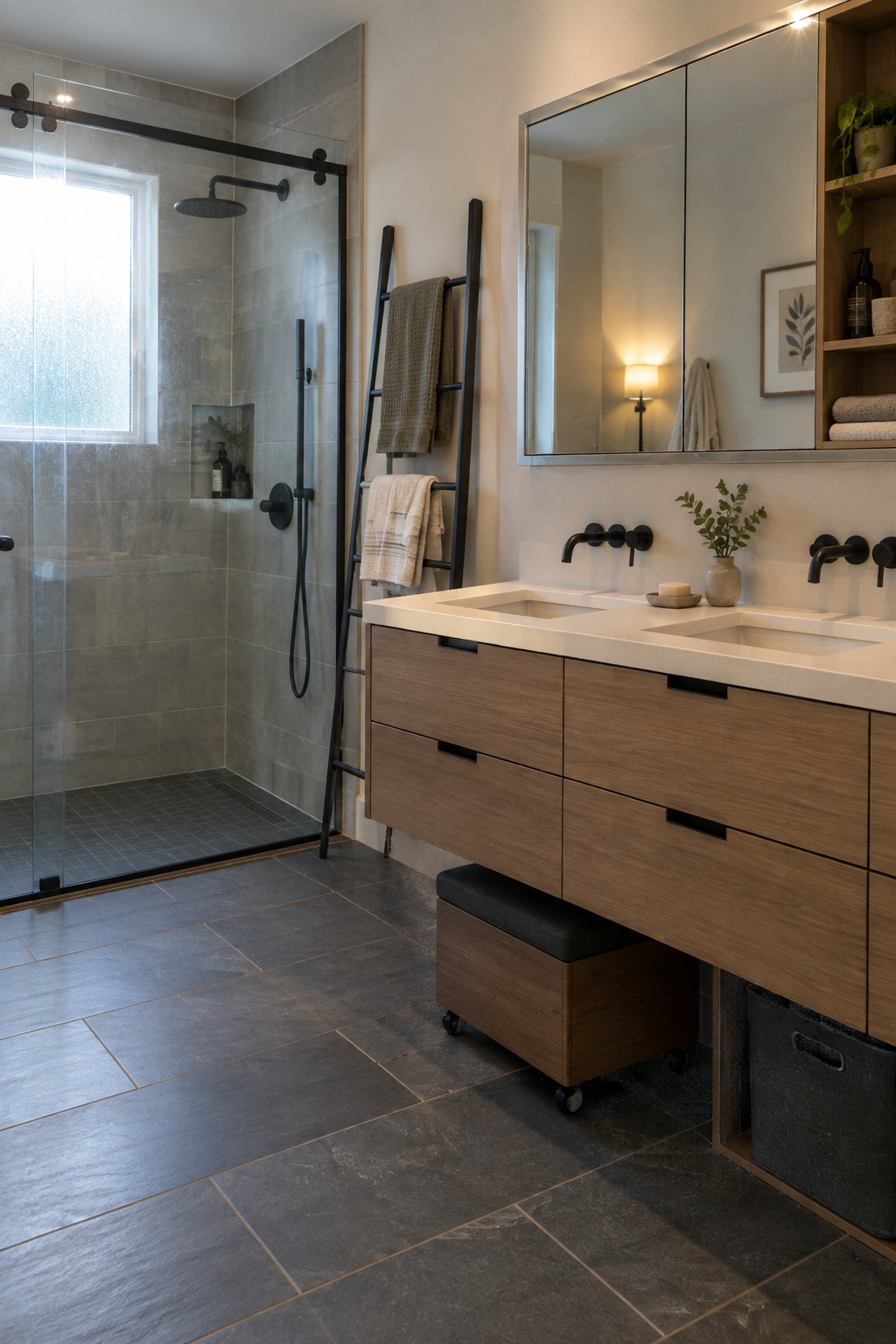
A rolling ottoman adds real flexibility to rooms that double as storage zones and seating areas. In this bathroom the piece tucks neatly under the vanity when it is not needed, yet the wheels let it roll out quickly for extra seating or to clear floor space for other uses.
It suits smaller homes or guest baths where the same square footage has to work for daily routines and occasional guests. Choose a version with interior storage and lockable wheels so it stays put when you want it fixed and moves easily when plans change.
Built-In Benches With Cubbies For Flexible Storage
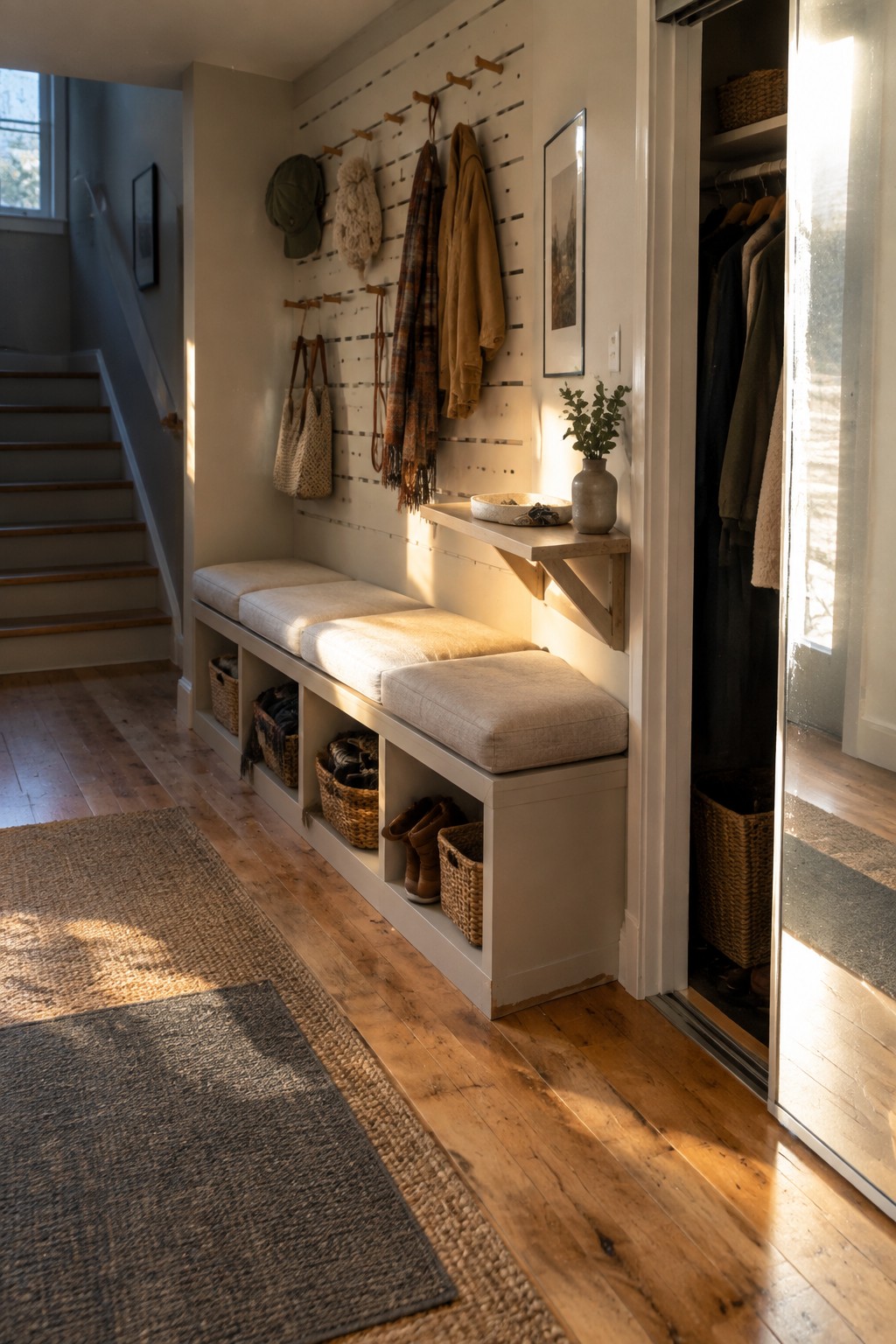
A built-in bench with open cubbies underneath gives you storage that can shift as your household changes. Baskets slide in and out easily, so you can adjust what goes where without any fixed dividers getting in the way.
This kind of seating works best in entryways or mudrooms that see daily traffic. It suits homes where coats, shoes, and bags pile up fast, since the open spaces let you reorganize quickly when seasons or routines shift.
Sleeper Sofas That Let One Room Do Two Jobs
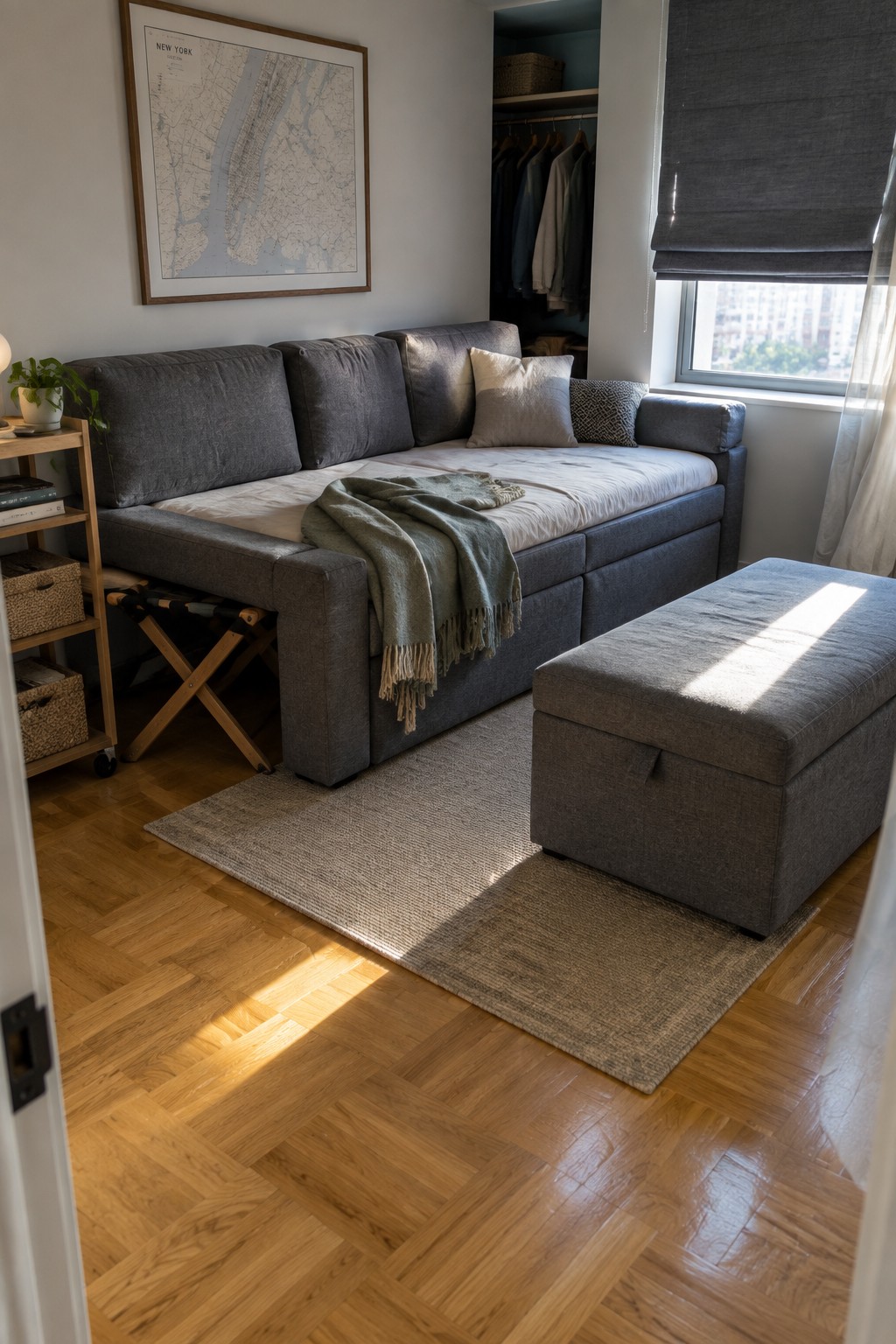
A sleeper sofa with a matching storage ottoman gives a small room real flexibility. The sofa pulls out into a bed when needed, while the ottoman tucks away blankets and pillows during the day. This setup works especially well in studio apartments or guest rooms where the space has to shift from living area to bedroom without much effort.
Place the sofa against the longest wall and keep the ottoman on casters so it can move easily. The look stays simple if you stick to one fabric for both pieces. Just watch the scale in very tight rooms, since oversized versions can crowd the floor when opened.
Modular Storage Units Around a Central Work Table
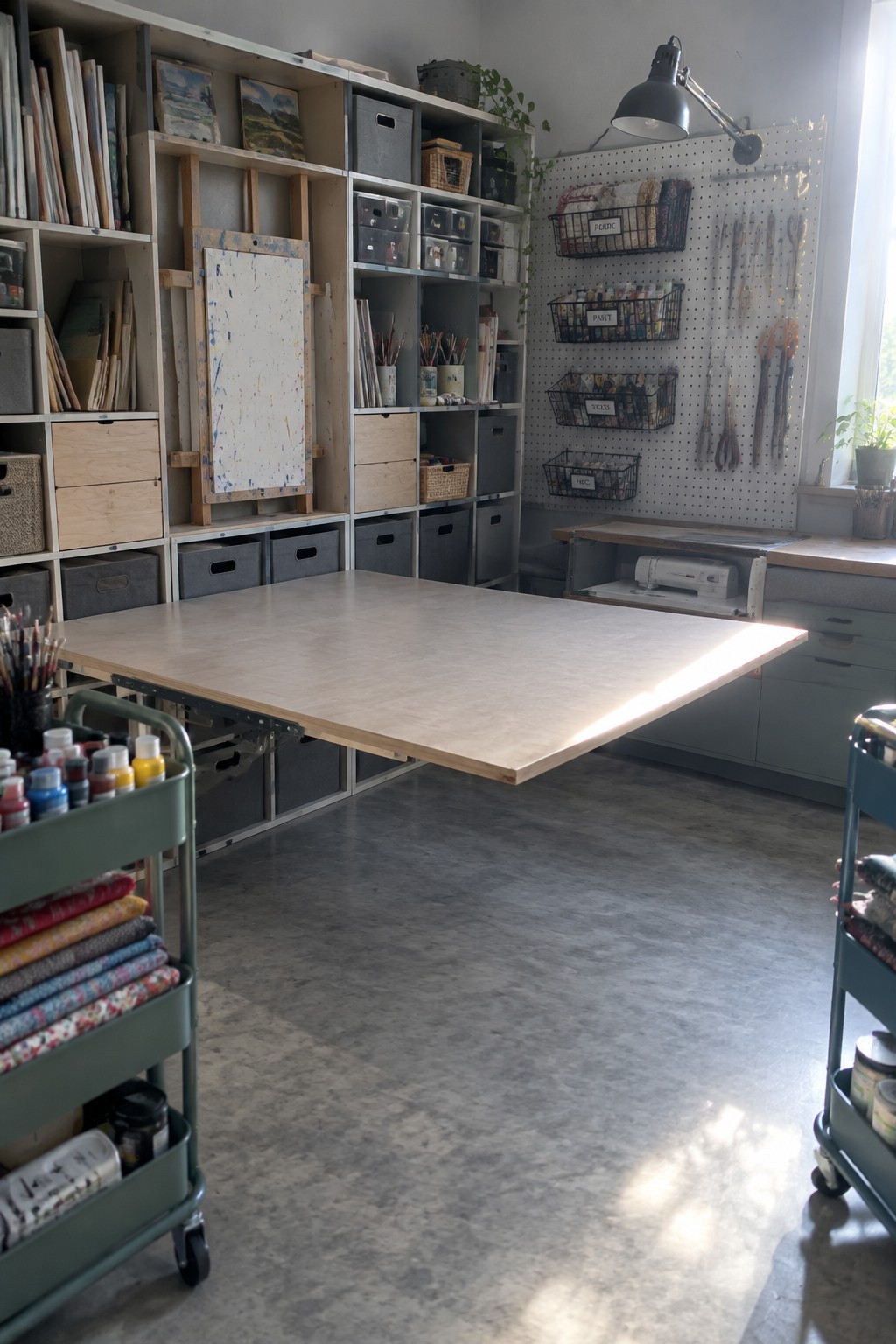
A big central table paired with modular shelving and wall storage makes it easy to shift a room between different uses. The open cubbies and bins keep supplies visible and reachable, while the table itself stays clear enough to handle large projects or multiple people at once.
This kind of setup suits craft rooms, studios, or any space that needs to serve more than one purpose during the week. Rolling carts add extra flexibility since they can be pulled in when needed and tucked away when the room needs to open up again.
Modular Ottomans That Rearrange Easily
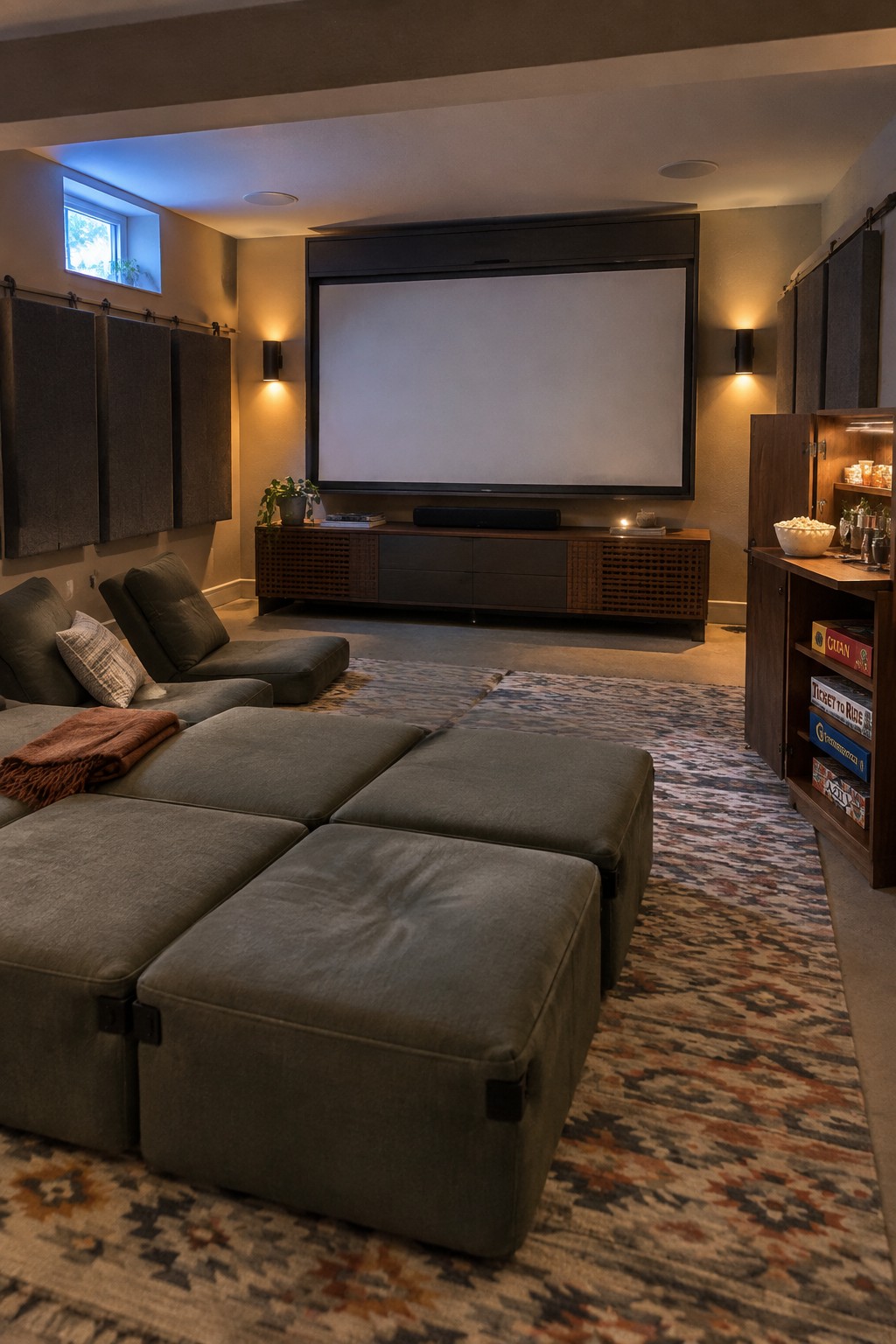
These big square ottomans work well because you can push them around to make a long lounge, a tighter grouping, or even separate seats when the room needs to shift for different groups. The fabric and simple shape let them blend into a media space without fighting the screen or the rug underneath.
They suit basements or family rooms where movie nights, game days, and casual hangs all happen in the same spot. Just keep the pieces light enough to move on your own and avoid filling every inch so you still have room to shift things when plans change.
Built-In Benches With Storage Bins
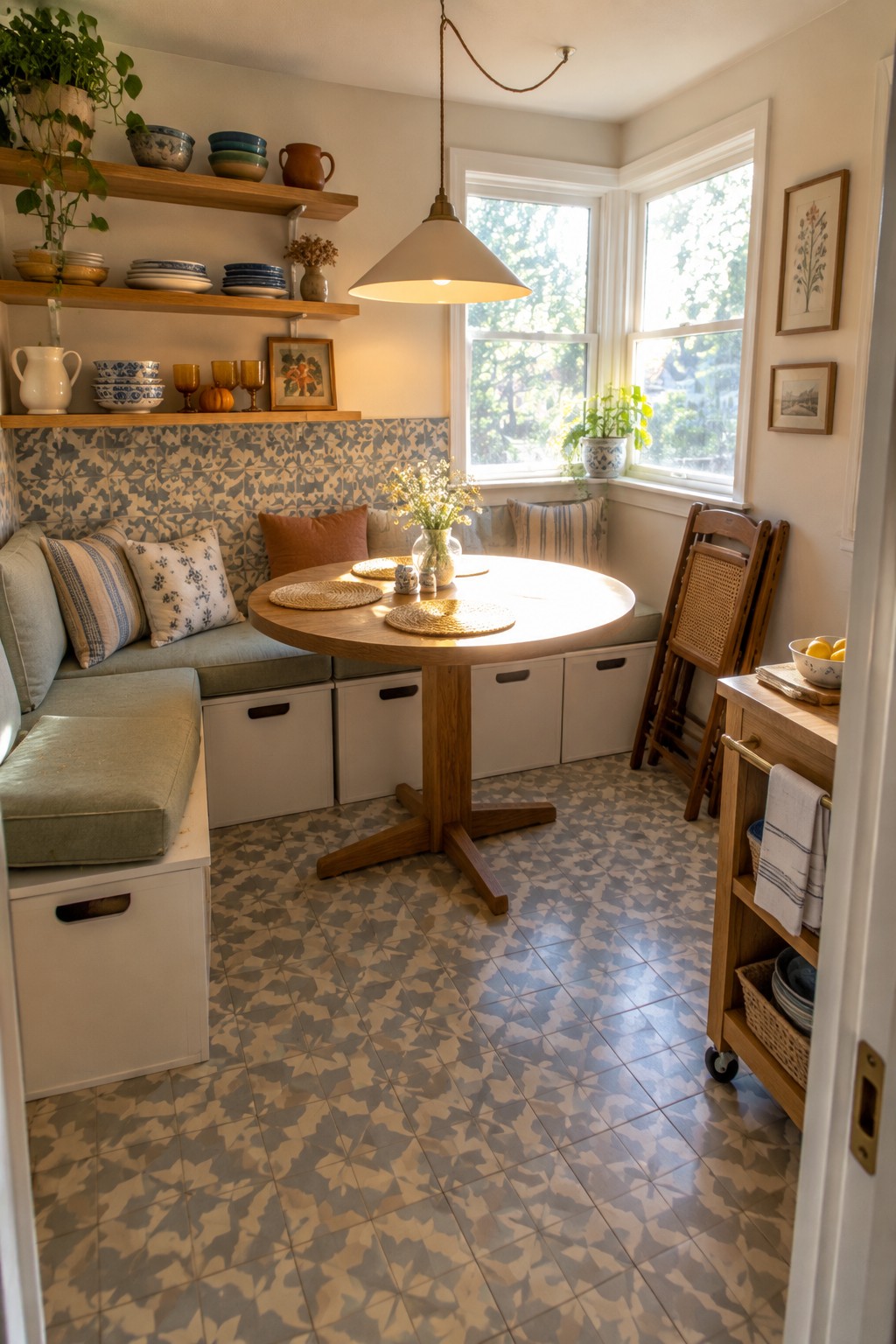
These benches sit right against the wall and hold large bins underneath the seat. You can tuck away extra dishes, table linens, or seasonal items without adding more furniture that crowds the floor. The round table on a single pedestal makes it simple to shift things around when the space needs to serve a different purpose.
This kind of seating works best in smaller homes or open rooms where the dining area might need to expand or shrink depending on the day. The bins keep everything close but out of sight, and you can add a rolling cart nearby if you want one more piece that moves easily.
Built-In Wall Units With Fold-Down Desks
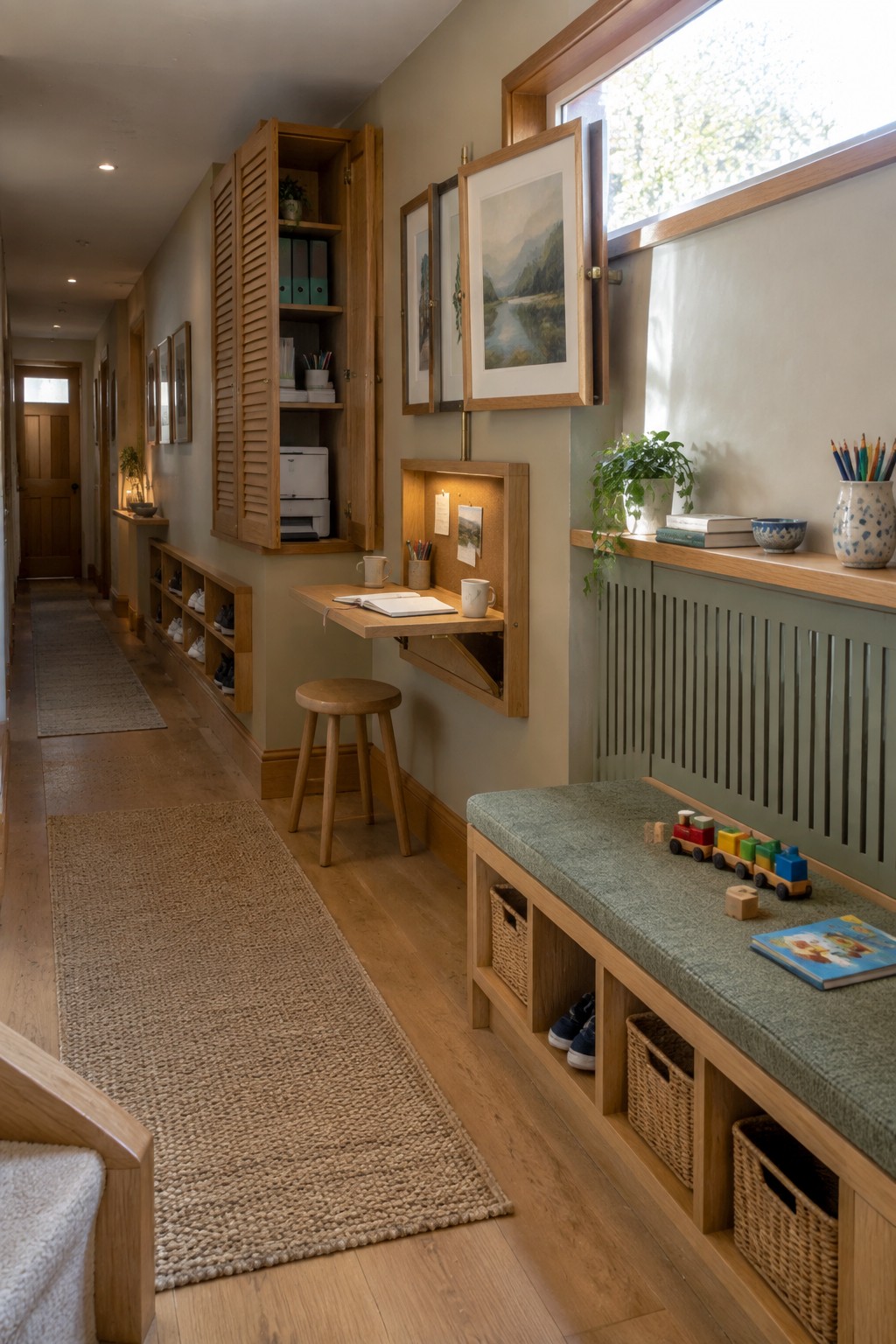
These units combine storage, a workspace, and seating along one wall so a hallway or narrow room can shift between uses without extra furniture. The desk drops down only when needed and tucks back up to keep the floor clear, which makes the space feel less crowded day to day.
They suit homes where one area has to handle homework, mail sorting, or quick projects alongside regular traffic. Add a low bench with cubbies underneath and you gain seating plus room for baskets and shoes without blocking the walkway.
Modular Cubes That Shift With Daily Use
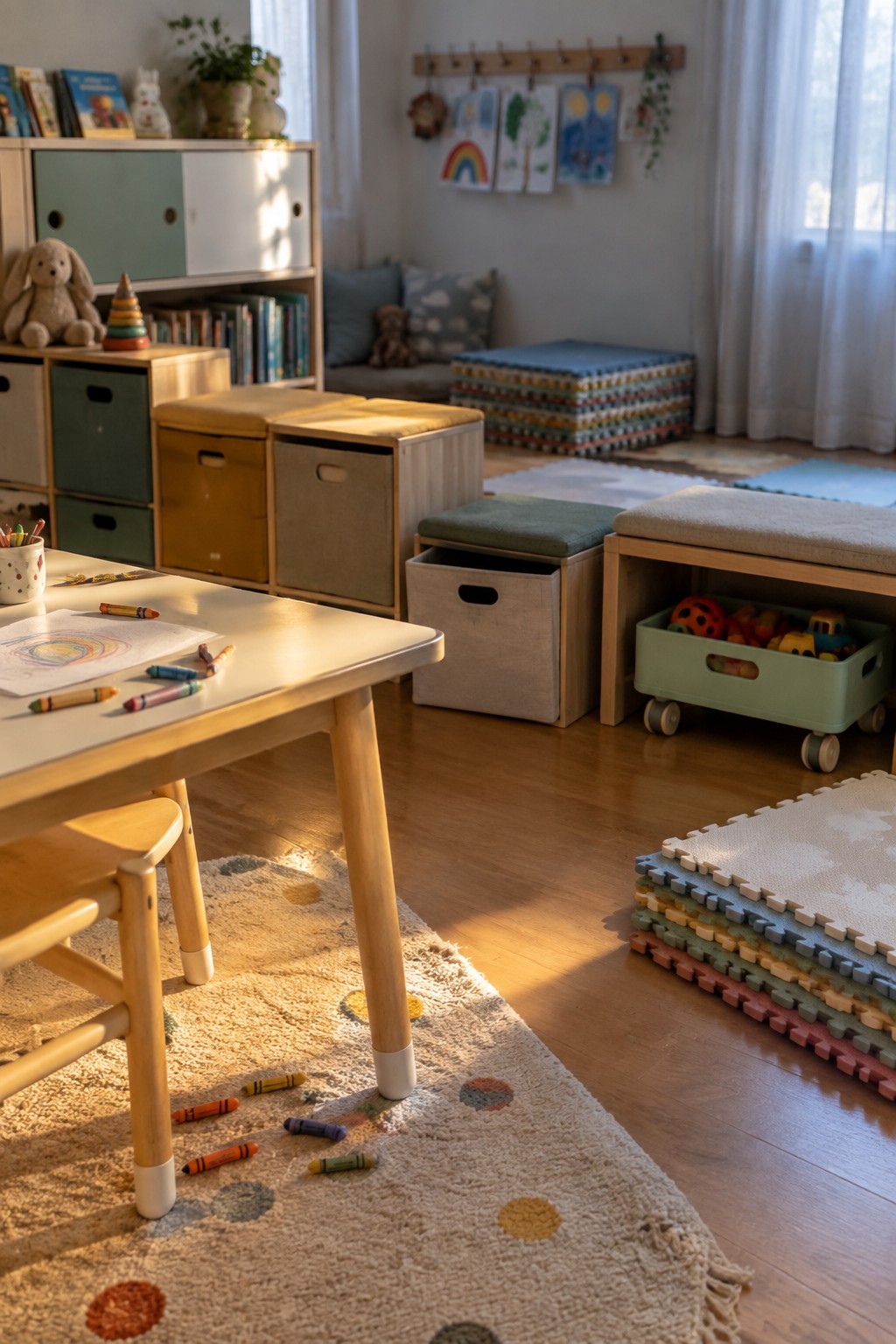
Modular cube storage works well in rooms that need to handle different activities throughout the day. The units can stand alone or stack, and the fabric bins slide out easily when you want to clear floor space or change the layout.
This setup fits homes where a single room serves as both play area and quiet space. Keep a few cubes lower for kids to reach and move the taller stacks against the wall when more open floor is needed.
Rolling Carts Keep Rooms Ready For Change
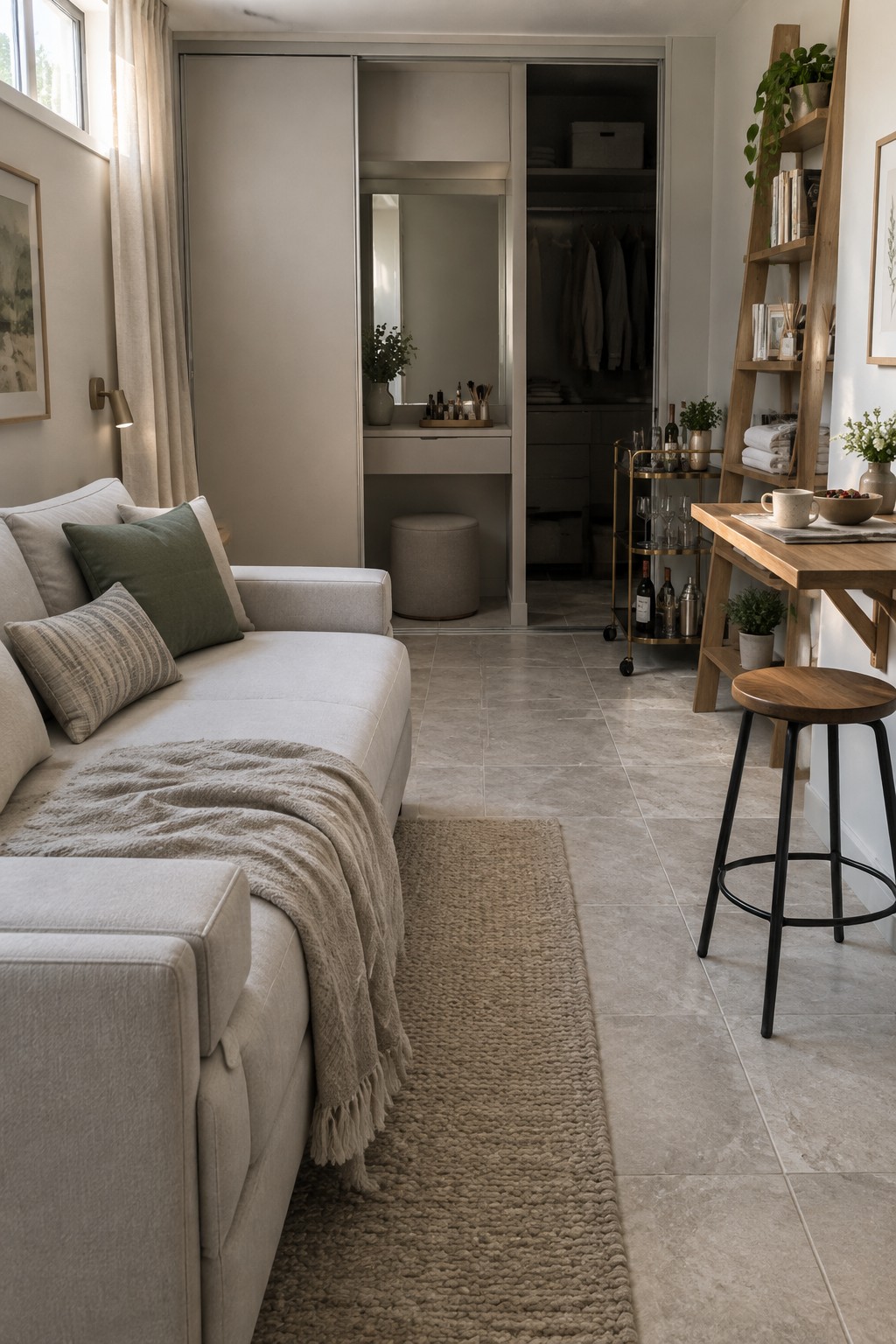
A rolling cart gives you storage and a serving surface without locking the room into one layout. Because it moves easily, you can shift it beside the sofa for drinks one evening and roll it against the wall the next day when you need open floor space.
This approach suits apartments or living rooms that handle guests, work, and daily lounging. Keep the cart stocked with what you use often and leave the wheels clear so it stays practical rather than decorative.
Daybed With Trundle For Flexible Sleeping Arrangements
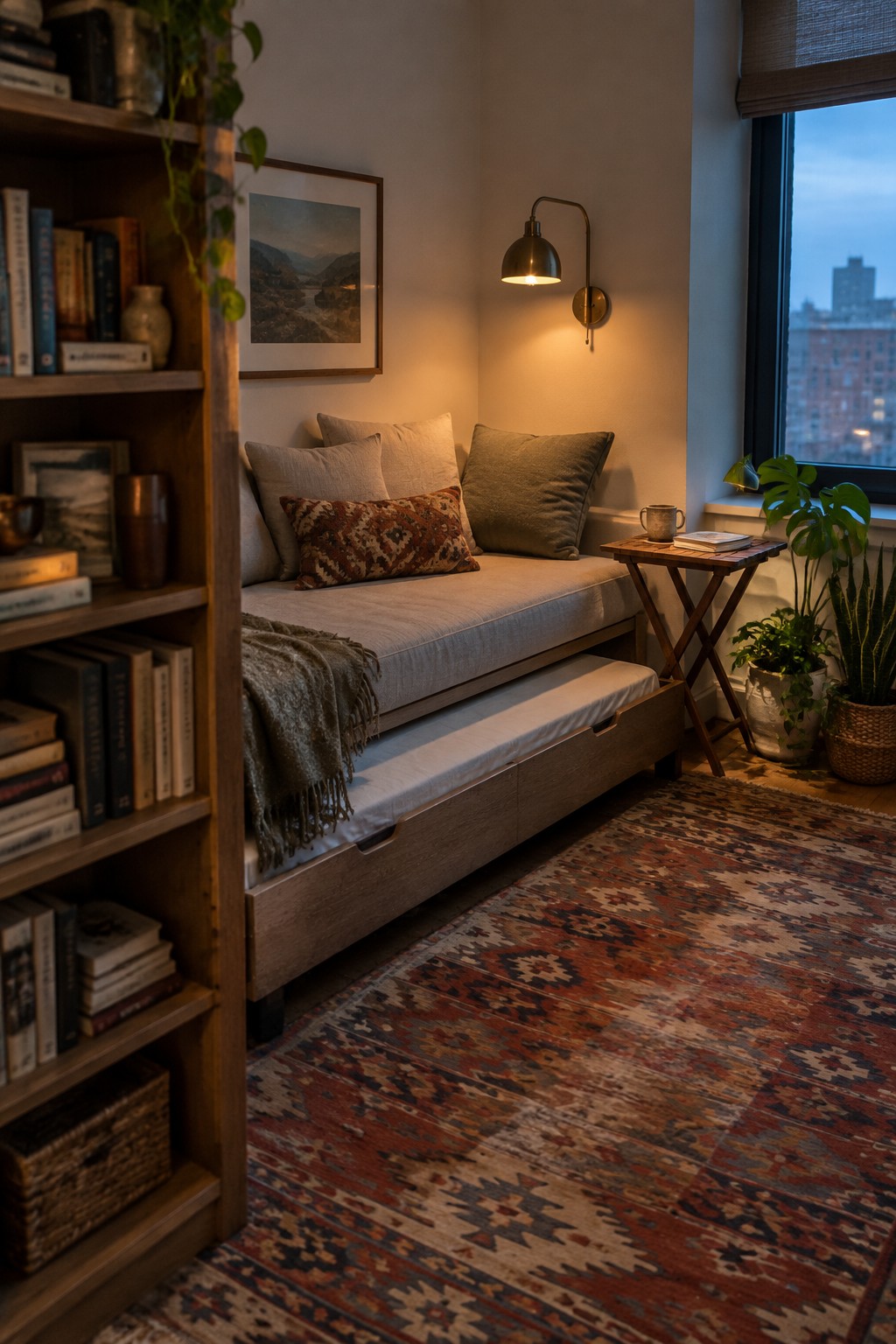
A daybed with a built-in trundle gives you seating by day and an extra bed whenever you need it. The lower mattress slides out easily, so the same corner can handle reading, lounging, or overnight guests without rearranging the whole room.
This works best in smaller bedrooms or living rooms that shift between daily use and occasional sleeping space. Keep the trundle mattress made up and ready, and add a few firm pillows so the daybed feels comfortable for sitting too.
Frequently Asked Questions
Q: How do I keep everything steady after I move the modules into a new spot?
A: Start by locking any connectors the pieces have before you test the setup. Give each new arrangement a firm push from different sides to check for wobbles right away.
Q: What if my apartment lease won’t let me attach anything to the walls?
A: Pick modules that stand on their own through weight and simple stacking. You can still create flexible zones without any wall mounts at all.
Q: Can these modular ideas work alongside my regular sofa and tables?
A: Match the height and depth of your existing pieces first. Then add one module at a time to fill in the gaps.
