

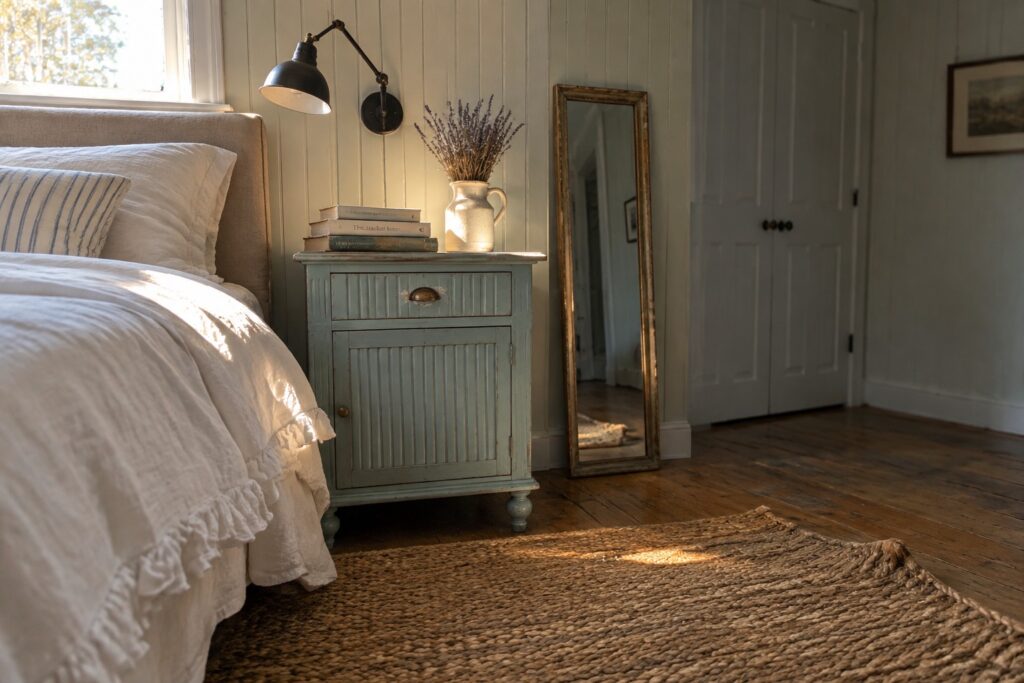
I have found that refreshing old furniture can shift how a whole room feels when people actually live in it.
Chalk paint makes it easy to cover surfaces without much prep, which suits busy weekends.
It changes the daily flow more than you expect.
Some finishes wear better than others once the kids or pets start using the area daily.
I usually test a new color on a small piece first before committing to anything larger in the main living areas.
Chalk Painted Nightstands
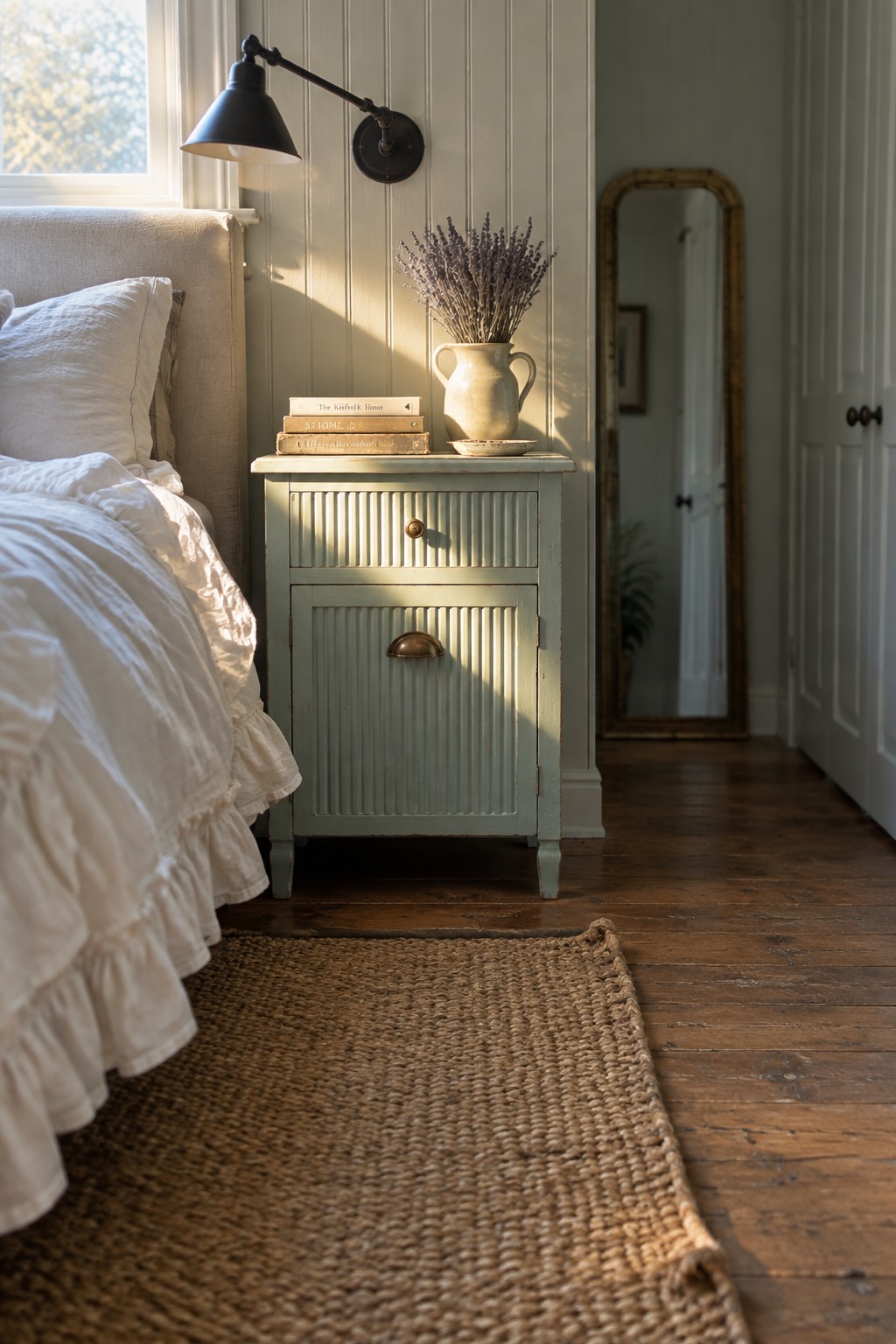
One easy way to refresh a bedroom is to chalk paint an old nightstand. The soft matte finish and light color keep the piece from feeling heavy while still giving it presence beside the bed.
This approach suits rooms with simple bedding and wood floors. Sand the surface lightly, brush on two coats, and swap the hardware if the originals look dated. The result feels calm without much cost or time.
Chalk Paint A Coffee Table For Quick Refresh
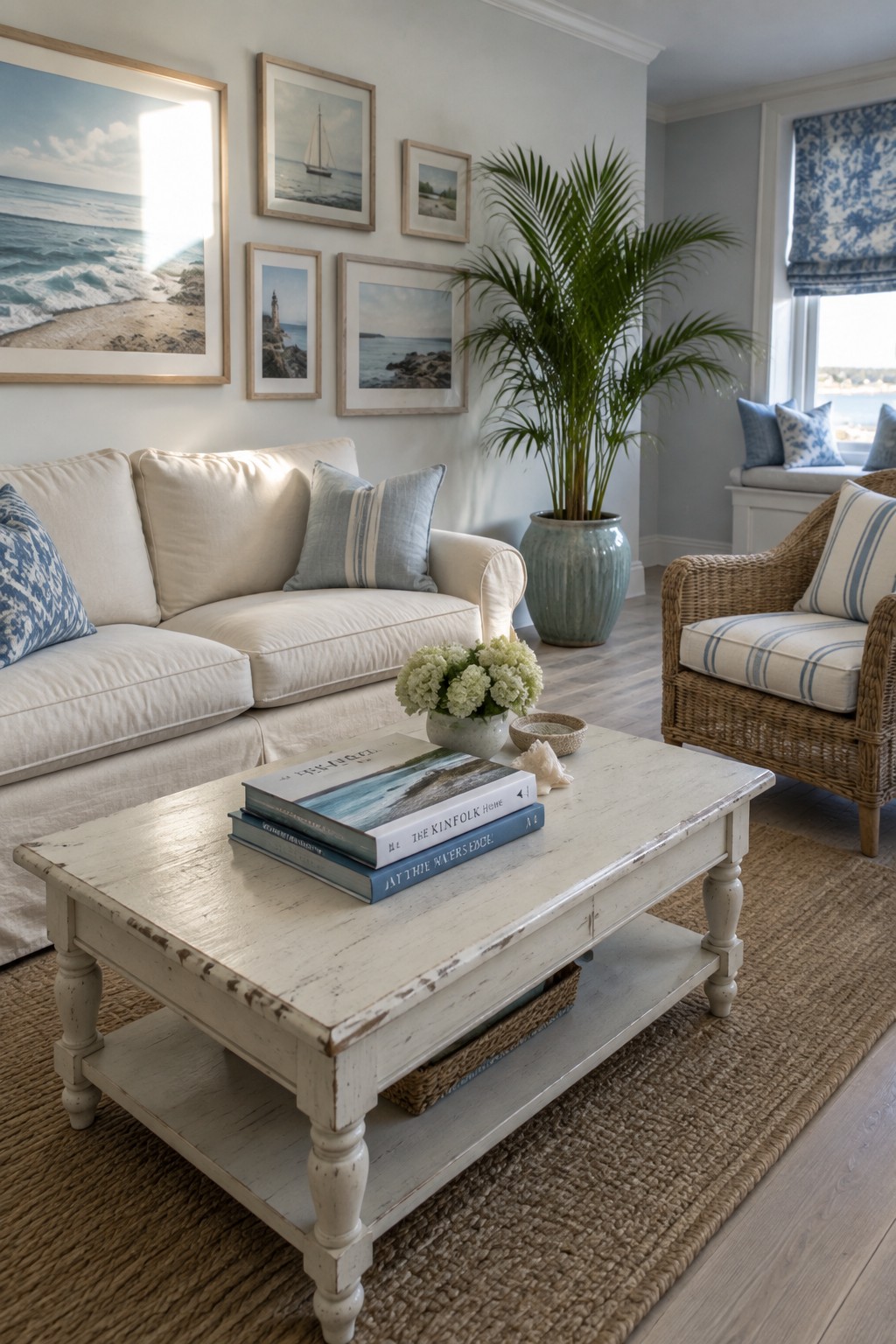
Chalk paint covers well and gives furniture that soft matte look without needing much prep work. It works especially well on a coffee table because the piece gets noticed but does not demand perfect edges or a glossy finish.
This approach fits best in rooms that already lean light and simple. Use it on older tables that have some wear, and add a clear sealer if the surface sees daily use from drinks and books.
Chalk Paint Your Kitchen Island
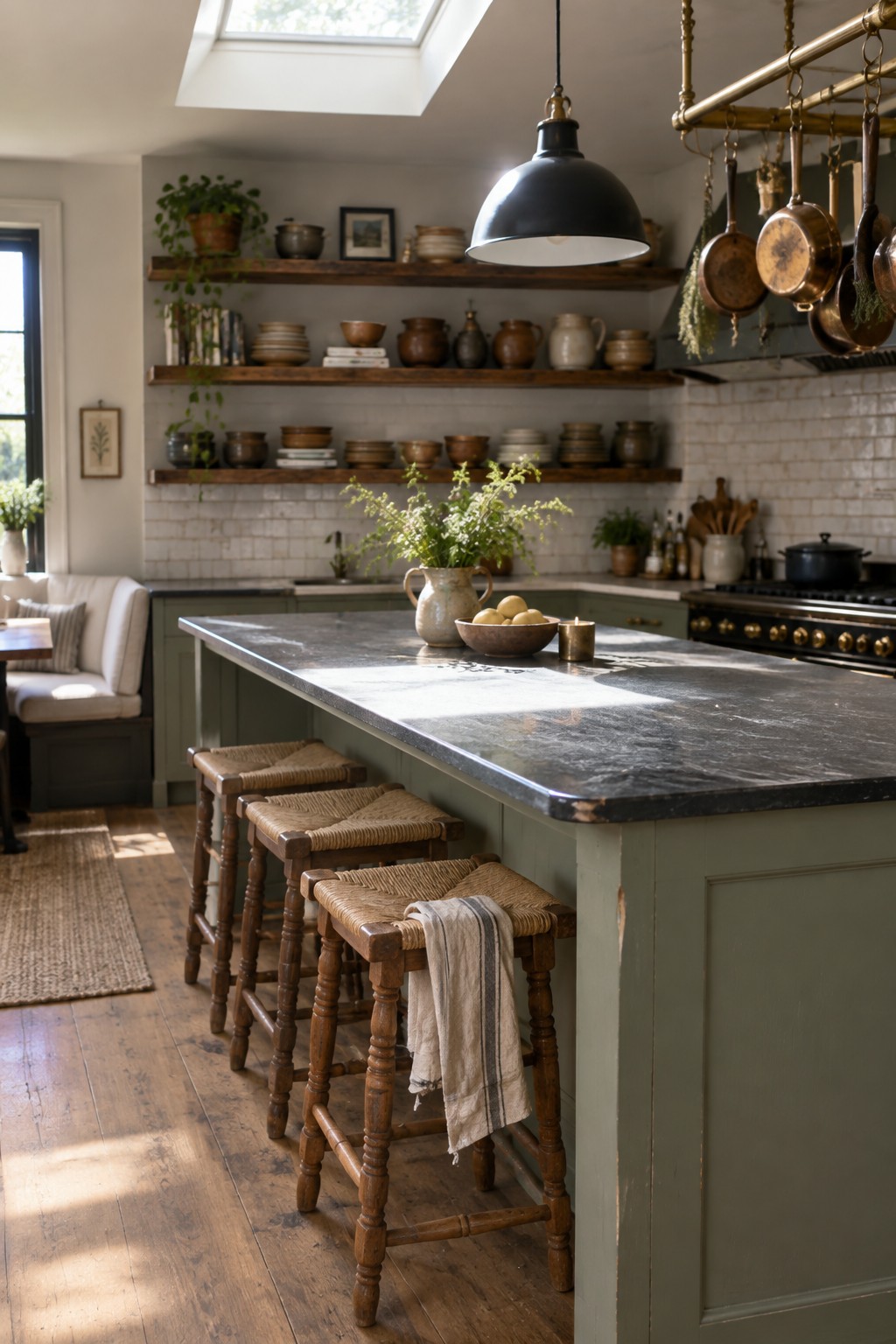
Chalk paint works especially well on a kitchen island because the piece is large enough to show off the soft matte finish. A muted green like the one here gives the room a calm, gathered look without needing new cabinets or a full remodel.
This approach suits older homes or any kitchen that already has wood tones and open shelving. Clean the surface, apply two thin coats, and add a light sealer if the island gets daily use. The natural wood stools next to it keep the whole setup from feeling too dressed up.
Chalk Painted Armoires for Hallway Storage
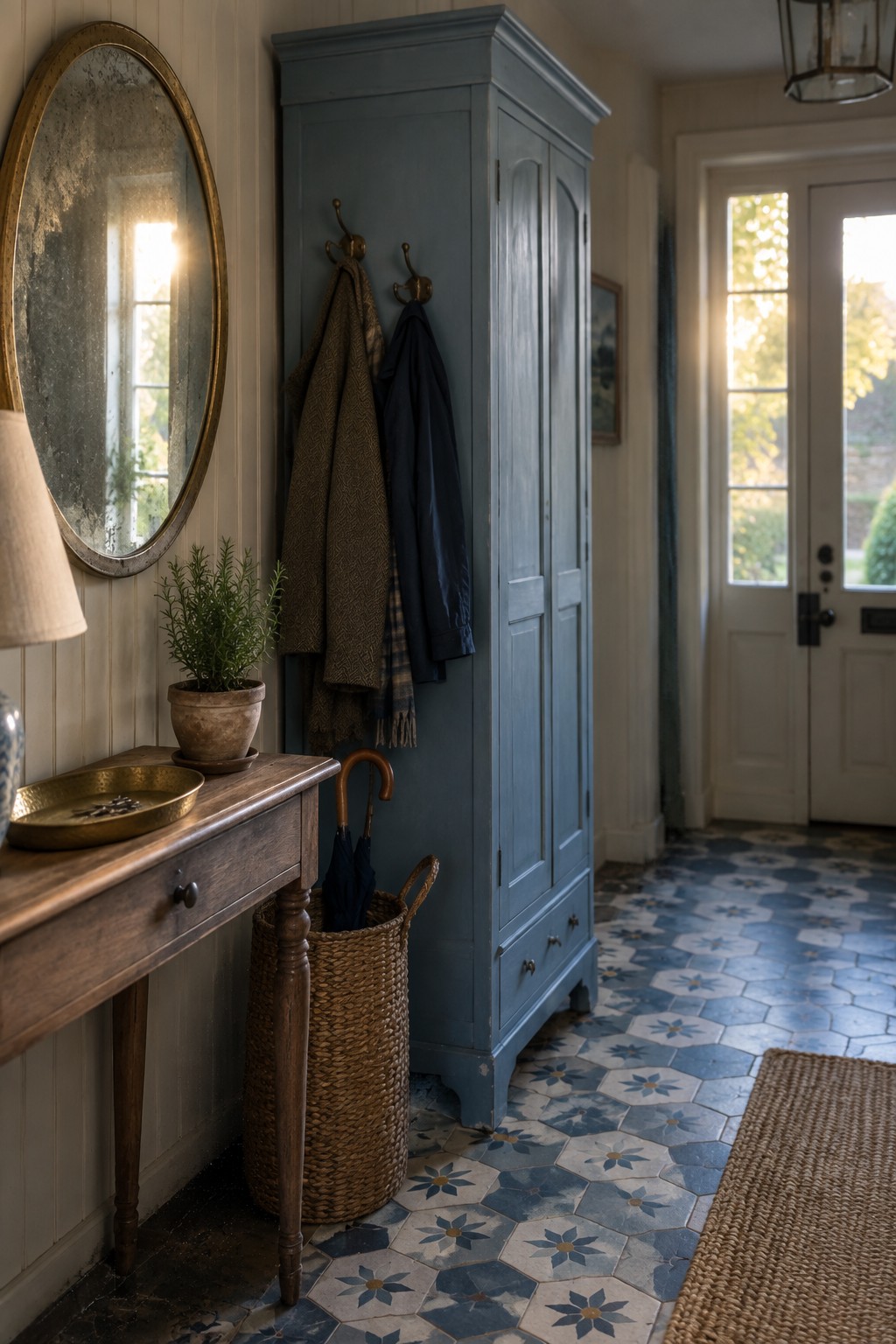
A tall armoire finished in chalk paint gives a hallway the storage it often lacks while adding a gentle color note. Many older homes have no closet near the front door, so a freestanding piece handles coats, boots, and everyday clutter without any wall work.
Set it against a clear stretch of wall where it will not block foot traffic. It suits homes with wood floors and simple trim, since the painted surface brings warmth without competing with the existing architecture.
Chalk Paint A Bathroom Vanity
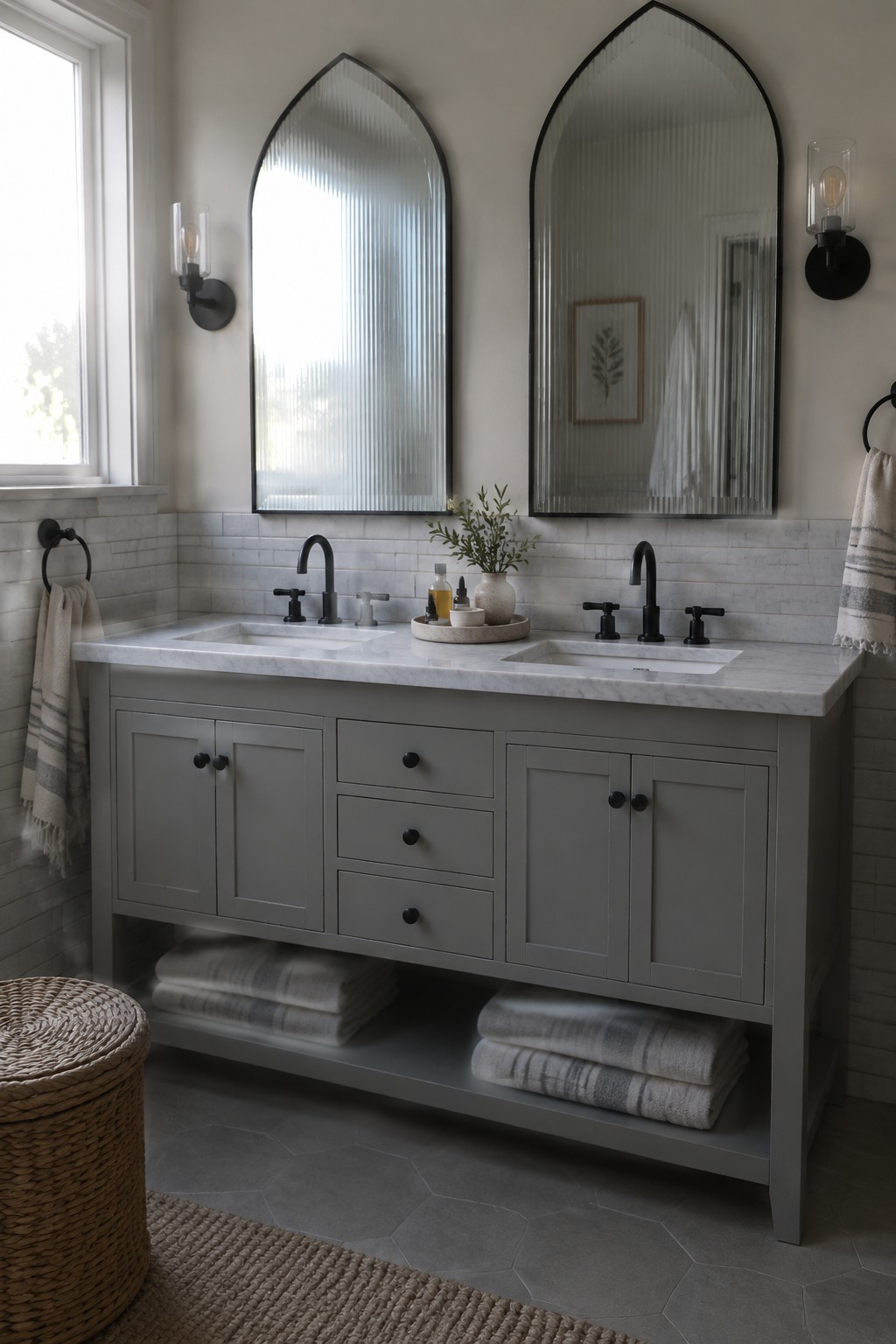
Chalk paint works especially well on bathroom vanities because it covers old finishes without heavy sanding. A soft gray tone like the one on this double vanity freshens the whole space while keeping things calm and simple. It pairs easily with marble tops and dark hardware, and the open lower shelf adds practical storage without crowding the room.
This finish suits homes that want a weekend update rather than a full remodel. It works best on wood vanities with clean lines and in bathrooms that get regular use. Seal the paint well if the piece will see water or cleaning products often.
Chalk Painted Dressers For A Calm Nursery
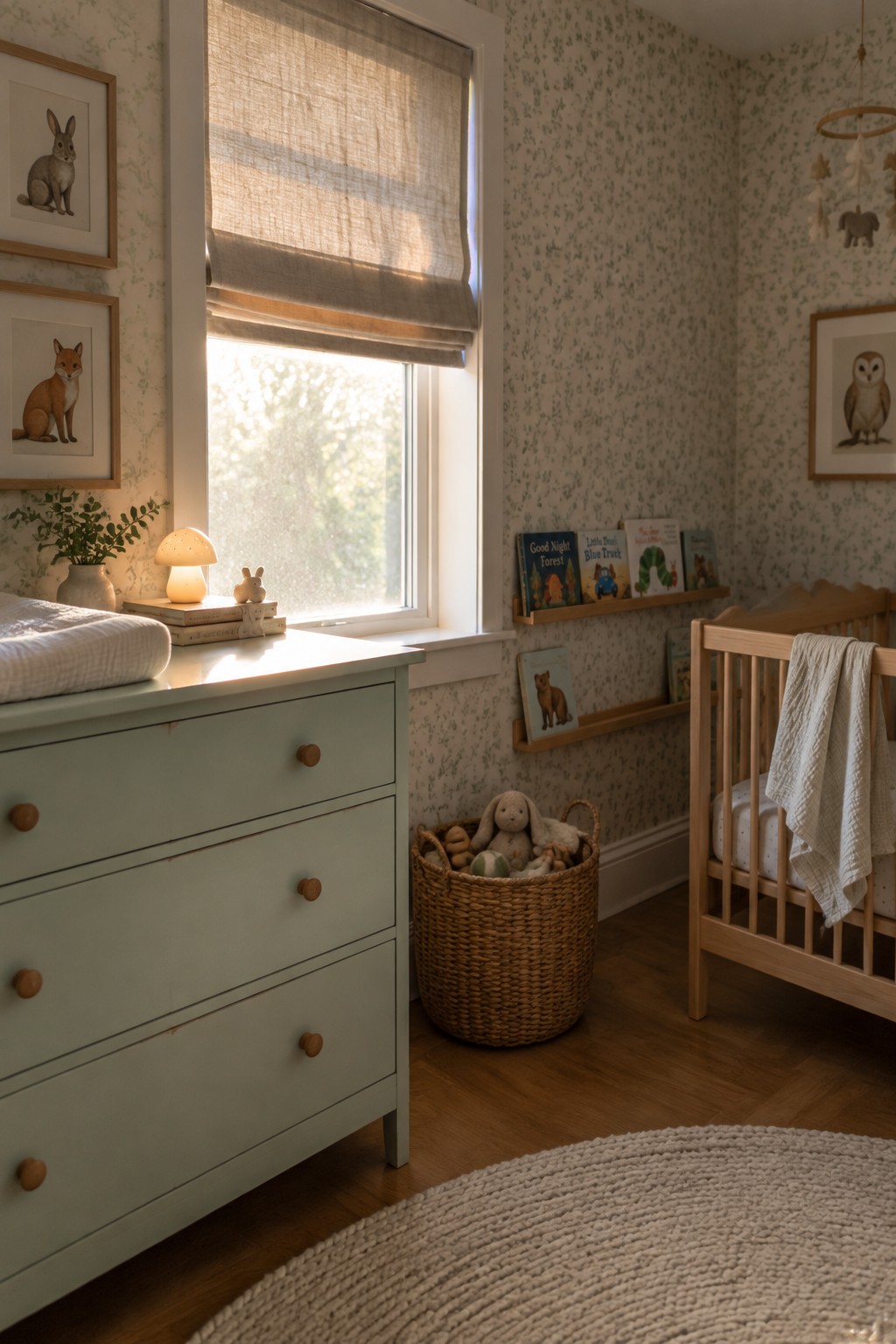
Chalk paint works well on dressers because it gives old pieces a smooth, matte finish without a lot of prep work. The soft green color here keeps the furniture from feeling heavy in a small room and pairs easily with light walls and simple wood tones.
This approach suits secondhand finds or basic pieces you want to update without changing the whole room. It works best when you keep the hardware simple and let the color stay muted rather than bright.
Refreshing An Old Hutch With Chalk Paint
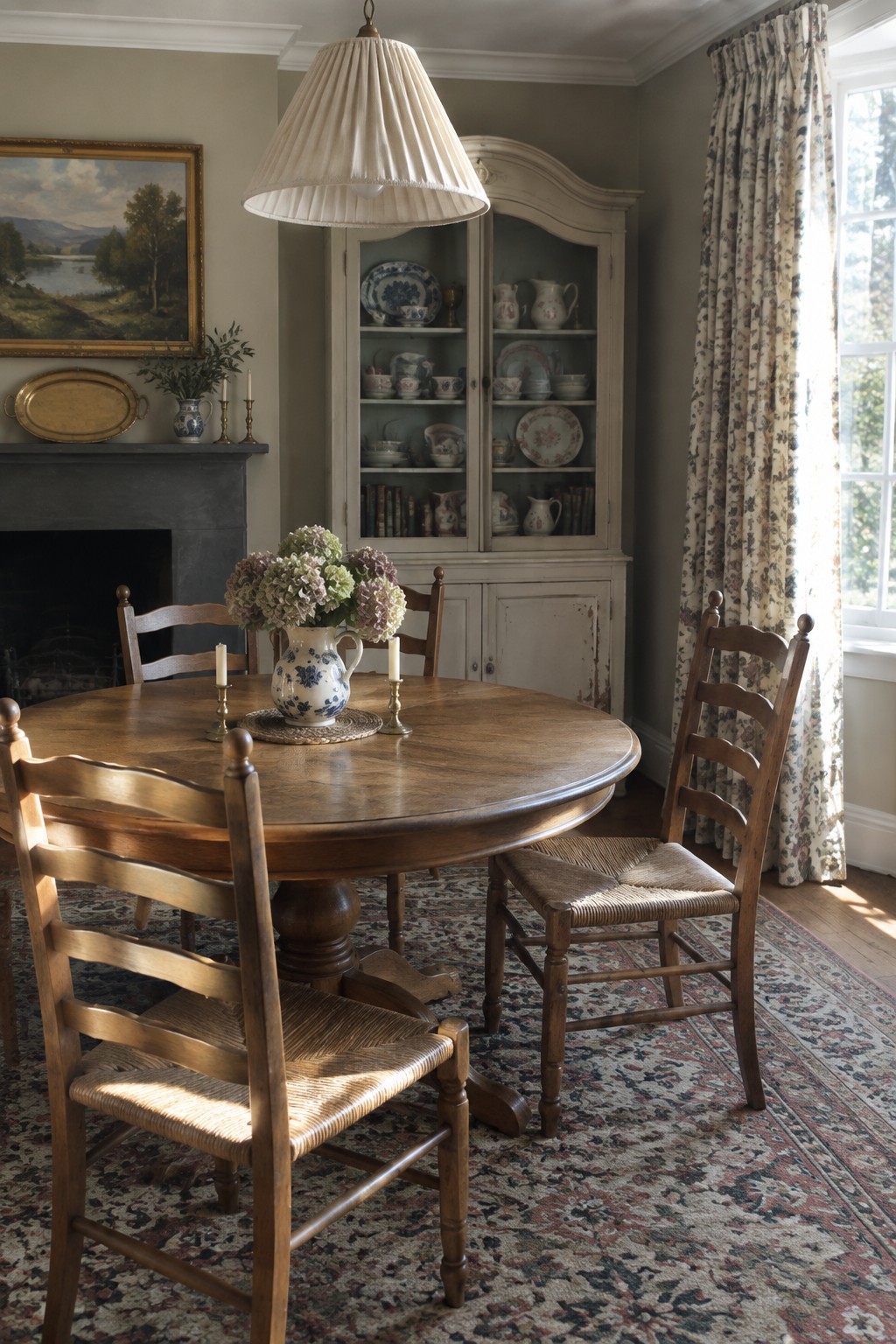
Chalk paint gives a large piece like this hutch a softer finish that helps it settle into the room instead of dominating it. The light tone and gentle wear keep the storage practical while making the whole corner feel calmer and less heavy.
It works best in older homes or dining spaces that already have wood furniture and patterned rugs. Clean the surface, apply two thin coats, and stop there if you want a simple update, or add light sanding along the edges for more age.
Chalk Paint A Desk For A Quiet Workspace
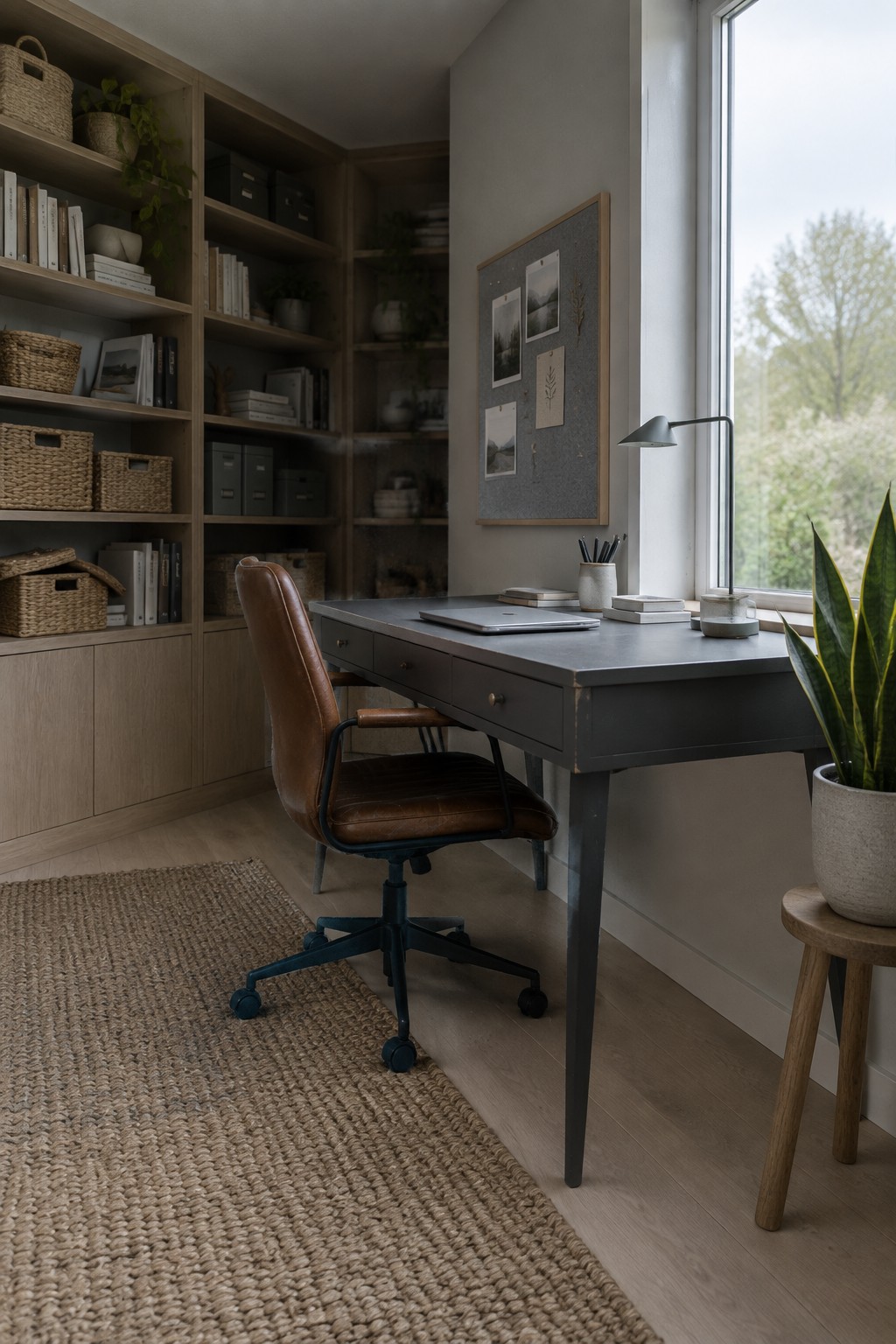
One simple way to update an old desk is to cover it with chalk paint in a soft dark gray. The finish feels matte and slightly textured, which helps the piece blend into a room without standing out too much.
This works well in a home office or study where you want the furniture to feel calm and practical. Chalk paint usually needs little prep, so it is an easy project for a weekend if the desk is in decent shape to begin with.
Chalk Paint On Kitchen Cabinets
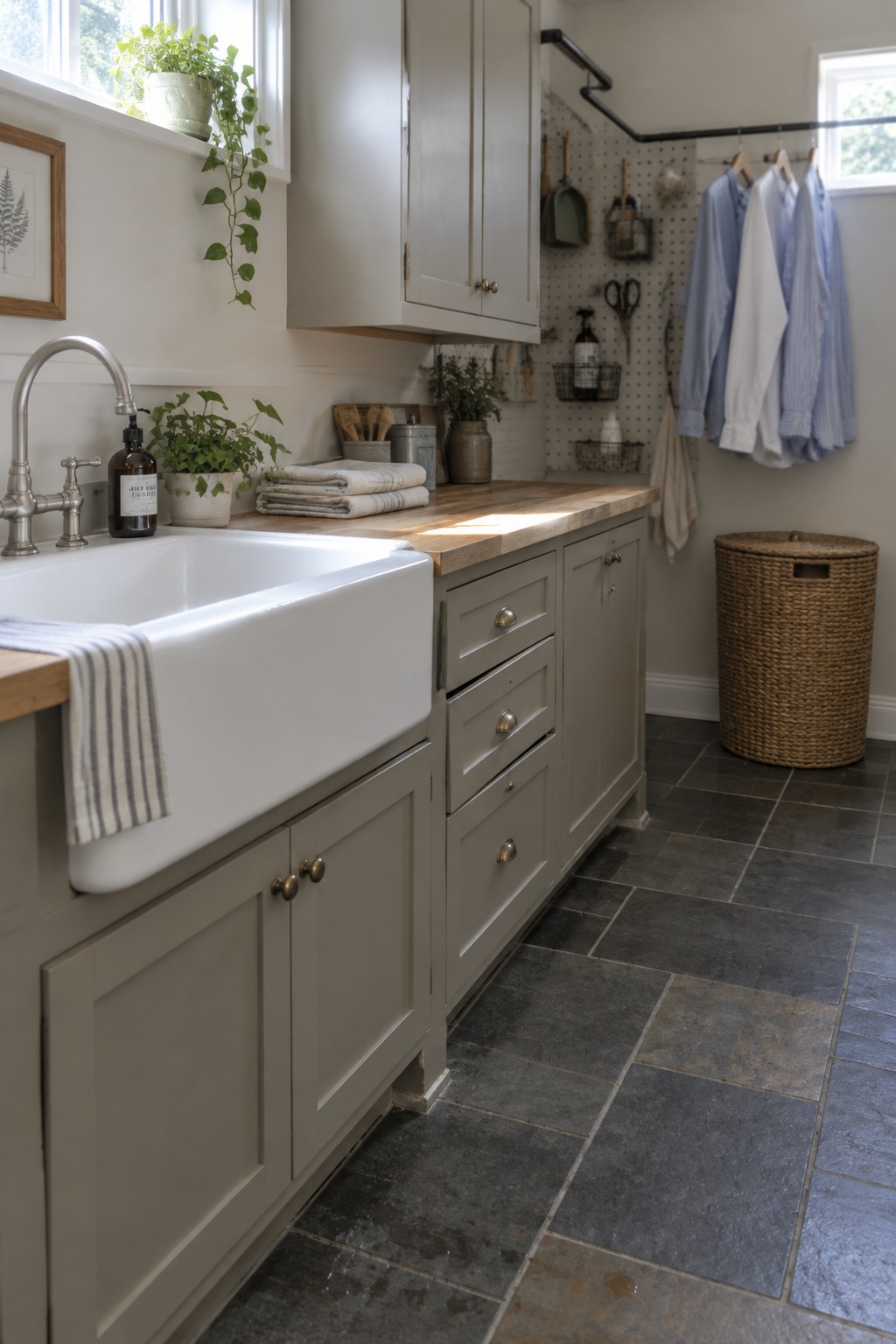
Chalk paint gives cabinets a soft matte finish that hides minor imperfections and feels right at home in older kitchens. It cuts down on prep work since you often skip sanding and priming, which makes it a good choice for a quick weekend project.
This approach works well in smaller kitchens or utility spaces where you want a gentle color without a full remodel. Stick to one or two coats and finish with a clear wax or sealant if the cabinets see daily use.
Chalk Paint an Armoire
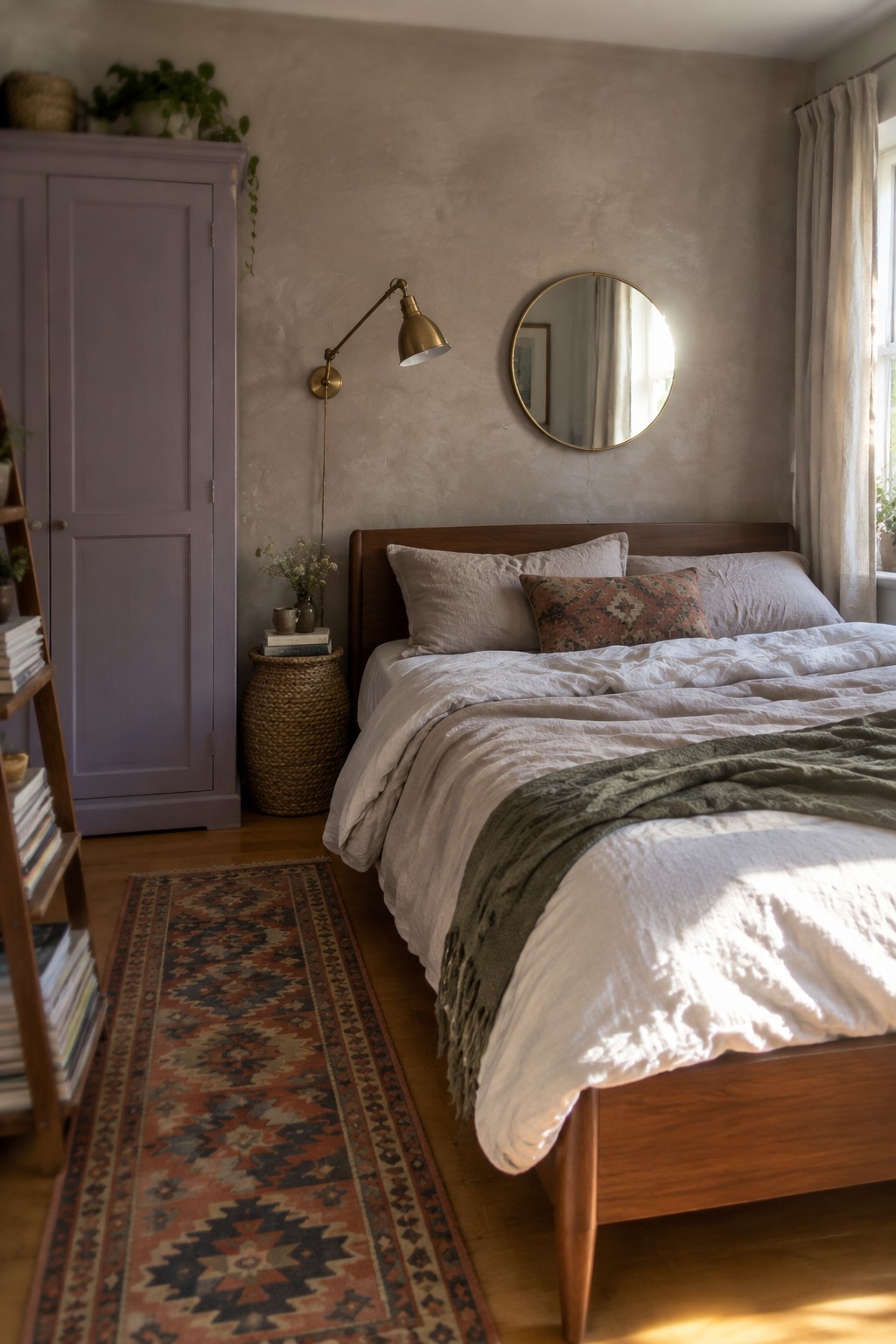
Painting a big storage piece like an armoire in chalk paint gives a room gentle color without much effort. The matte finish keeps the look soft and lets the wood tones in the rest of the space stay visible. It works especially well when the rest of the room stays quiet in tone.
This approach suits bedrooms that already have wood floors and simple linens. Clean the surface first, apply two thin coats, and add a light wax finish if the piece gets daily use. It works best on older furniture that already has some character.
Chalk Painted Console Tables For Hallways
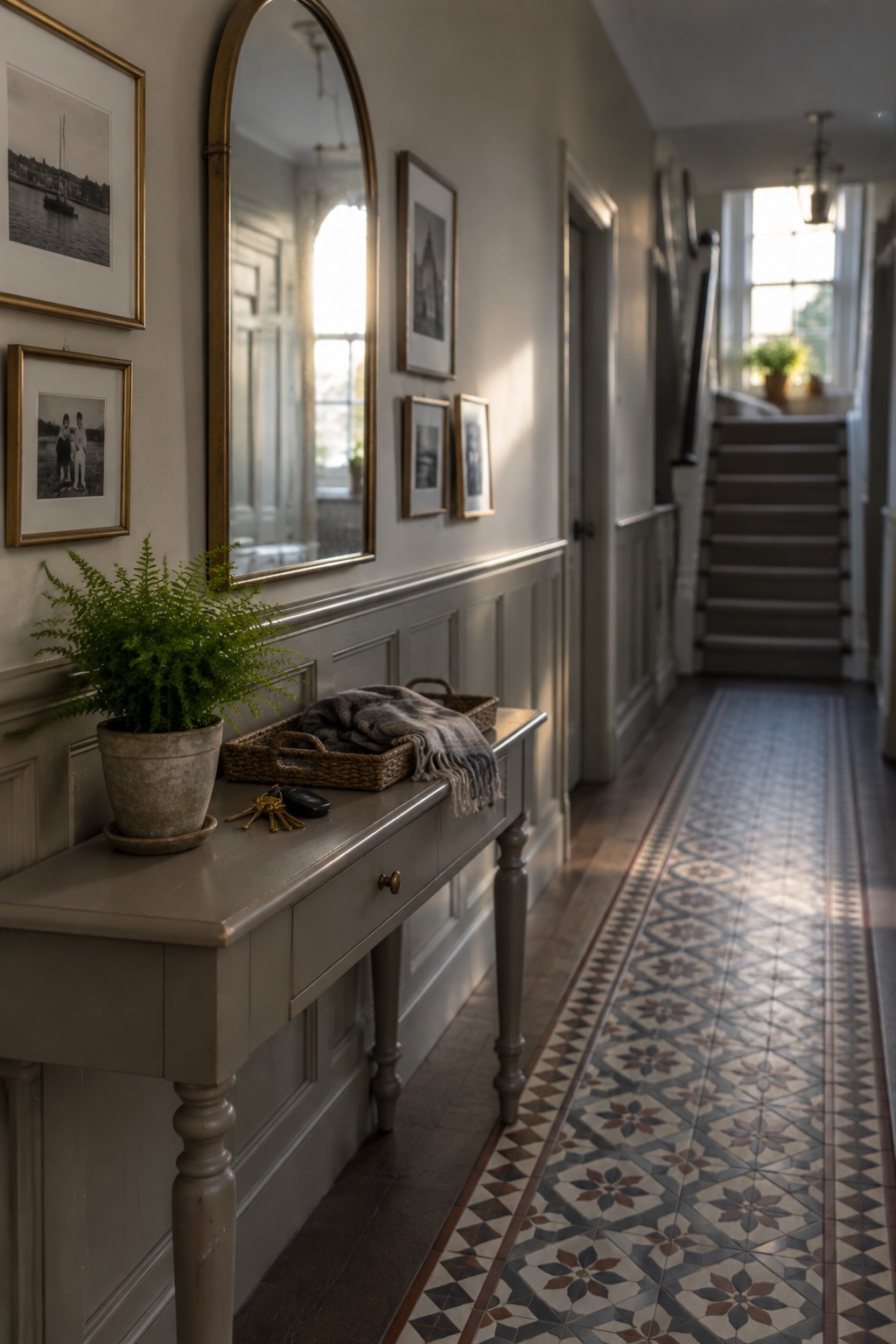
Chalk paint lets you refresh an old console without stripping or priming first. The soft matte finish works especially well in hallways where you want something useful but not too formal.
Pick a calm color that blends with your walls and trim. It suits older homes or any narrow space that needs a quick weekend update without moving heavy furniture around.
Chalk Paint On Built-In Benches
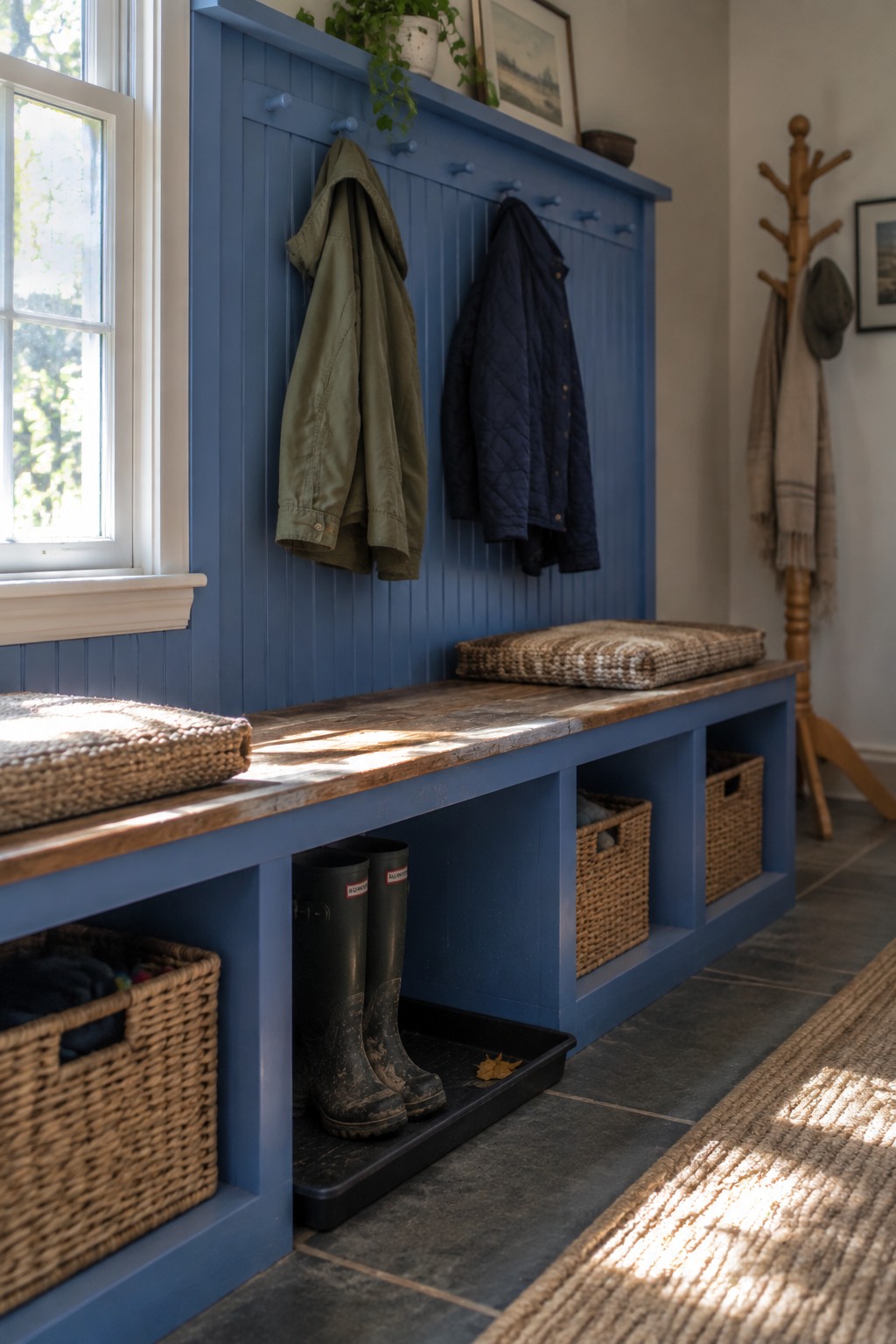
A built-in bench painted with chalk paint gives an entryway or mudroom solid storage without looking like plain cabinetry. The finish handles daily wear well, and the color can be refreshed easily if scuffs show up over time. Many people like how it blends storage, seating, and hooks into one piece that actually gets used.
This works best in homes that need a drop zone near the door. It suits older houses or any space where you want storage that feels custom rather than store-bought. Keep the top in a tougher material like wood so the painted surfaces do not take the heaviest abuse.
Chalk Paint A Bedroom Nightstand
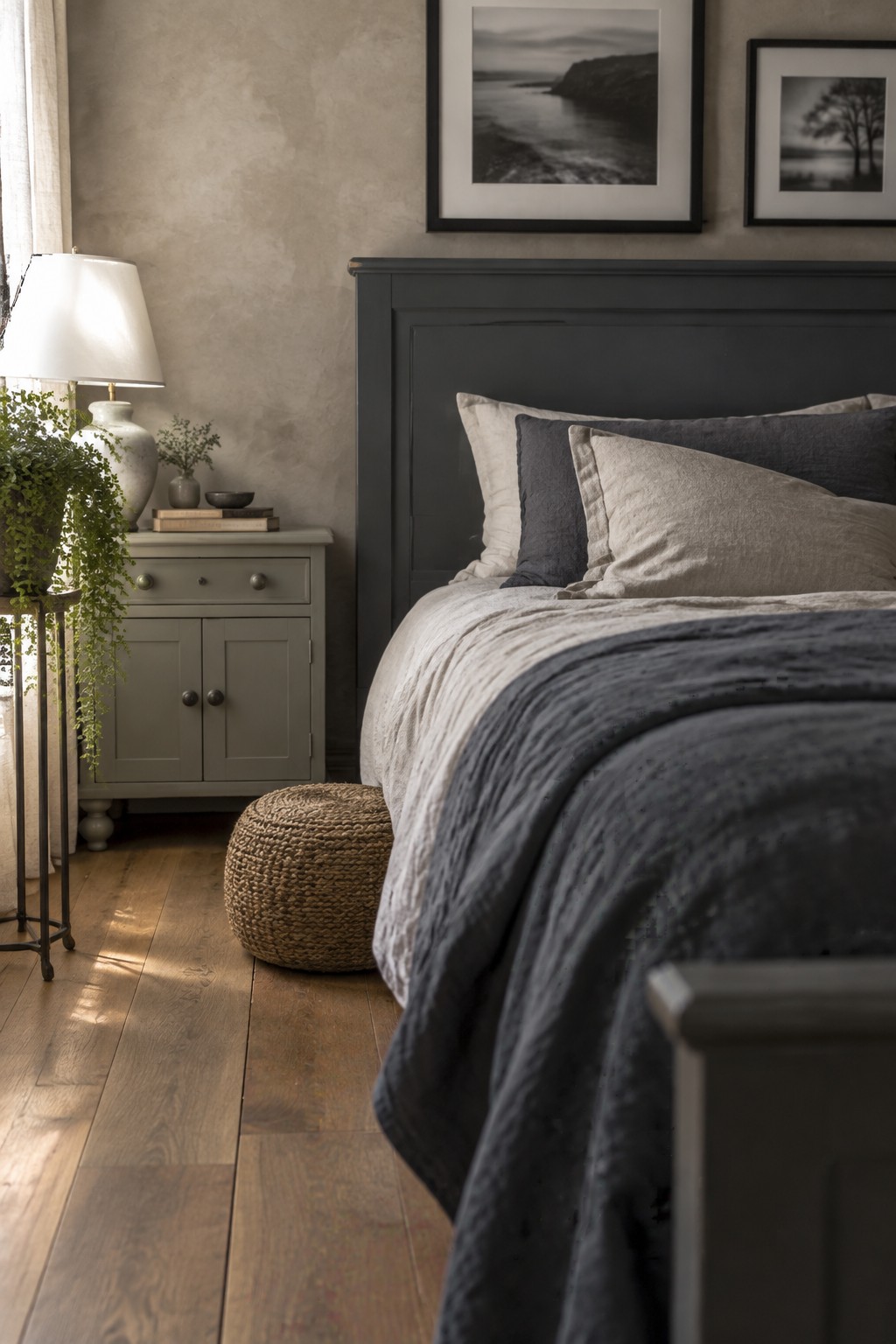
Chalk paint gives a nightstand that soft matte finish without sanding or priming first. The color stays calm and blends into the room instead of drawing attention, which works well in bedrooms where you want things to feel settled rather than busy.
This approach suits older wood pieces that need a quick update. Clean the surface, brush on two thin coats, and add a light wax or sealer if the piece gets daily use. It works best on smaller furniture like nightstands or side tables where the texture shows up nicely.
Chalk Paint a Large Bookcase
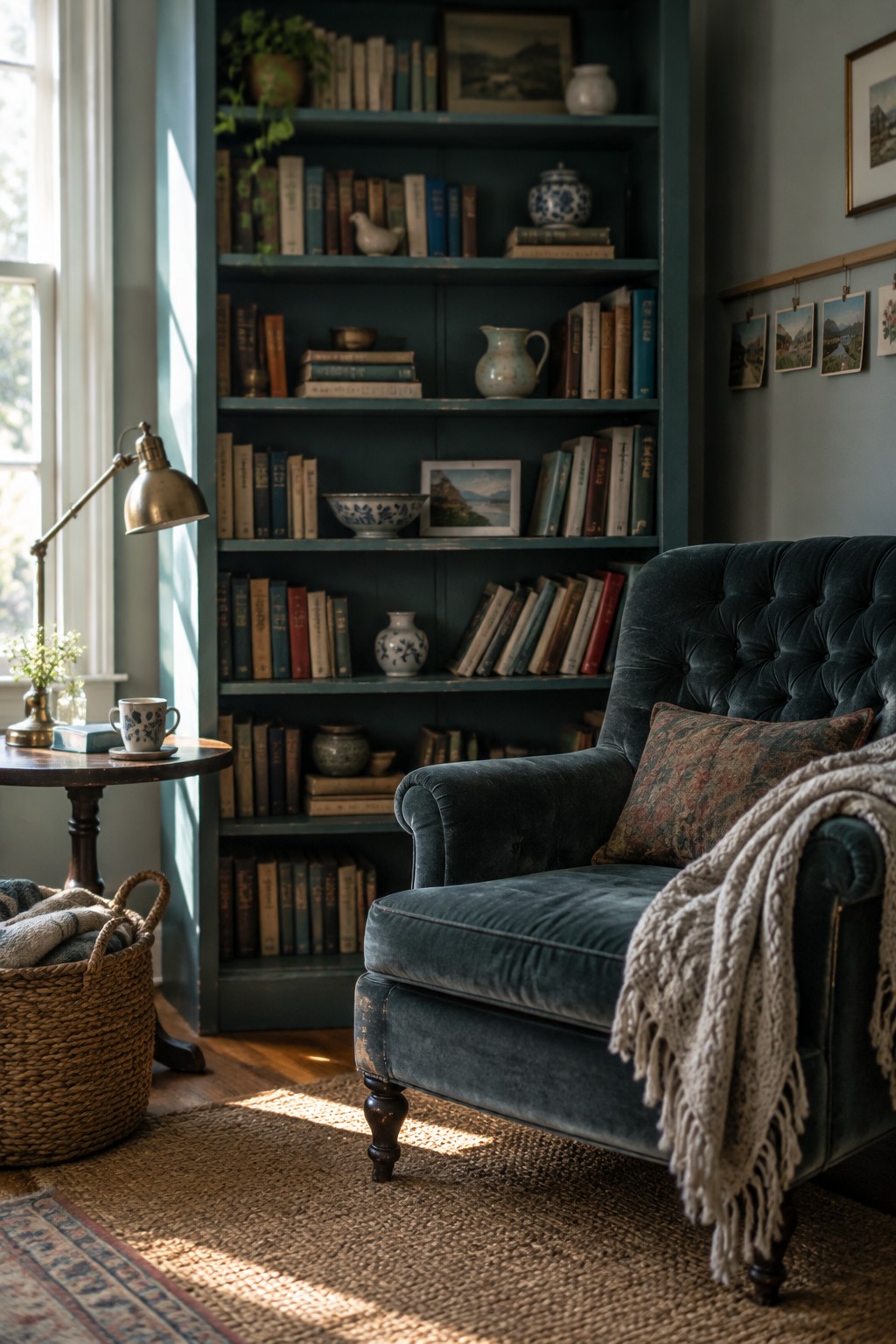
Chalk paint makes it easy to give an old bookcase a whole new look without stripping or priming first. A deep teal shade turns the piece into a quiet focal point that warms up the whole room and pulls together the surrounding furniture and textiles.
This approach suits older homes or smaller living spaces where you want color without a full renovation. Clean the surface, brush on two coats, and add a light distressing if you like the worn finish. It works best in rooms that already have some texture like wood floors or woven rugs.
Chalk Paint A Vanity For Simple Bathroom Updates
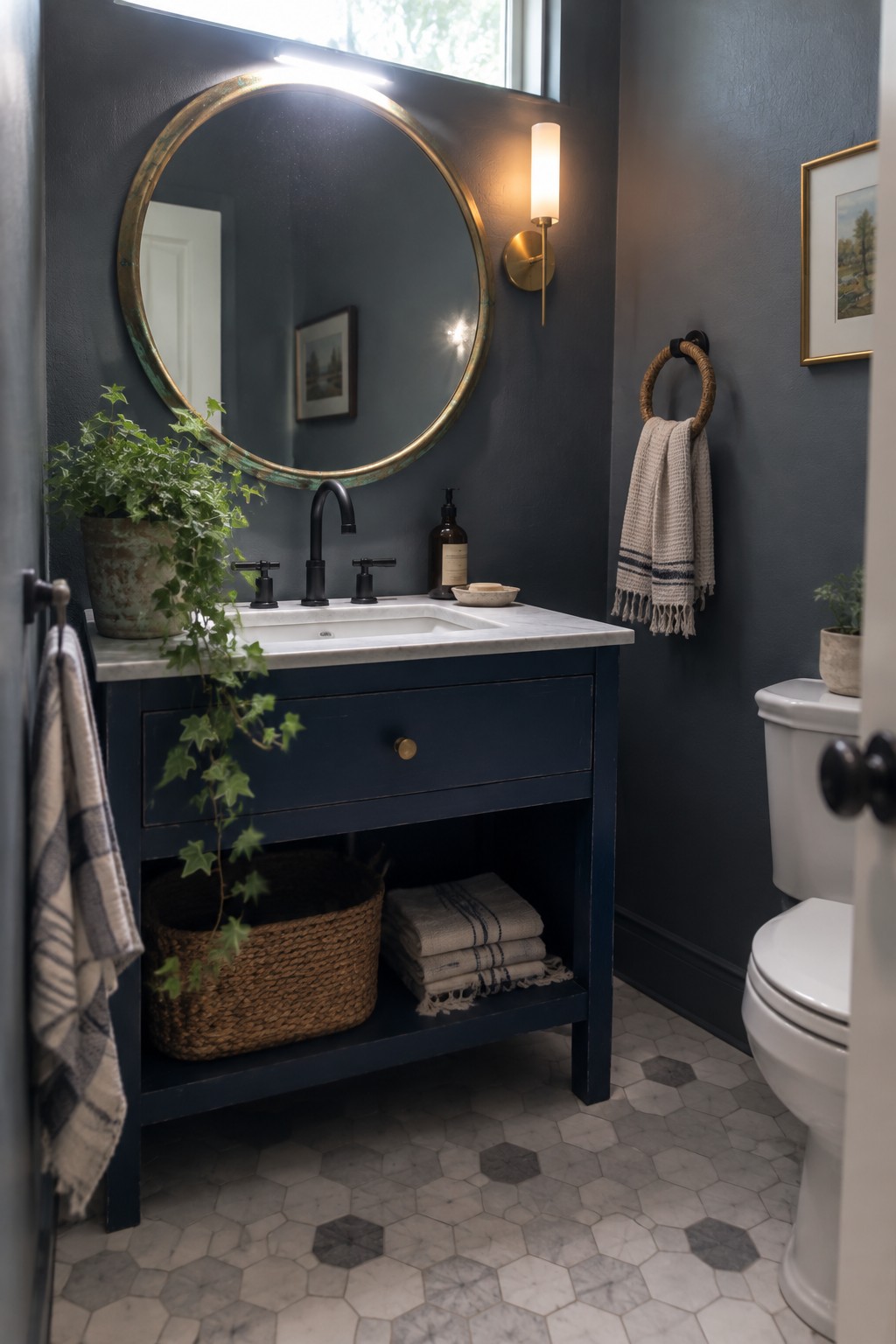
Chalk paint makes it easy to refresh a bathroom vanity without stripping the old finish or dealing with heavy sanding. The paint grips well to wood and gives a smooth matte look that feels custom. Many people choose deeper colors like navy because they hide wear and work with most tile and wall tones.
This approach fits small bathrooms or older homes where the vanity is still solid but dated. Apply two coats, let it cure fully, and add a water based sealer on surfaces that get splashed often. The open lower shelf stays useful for baskets and folded towels without crowding the space.
Chalk Paint A Vintage Cabinet For Your Craft Room
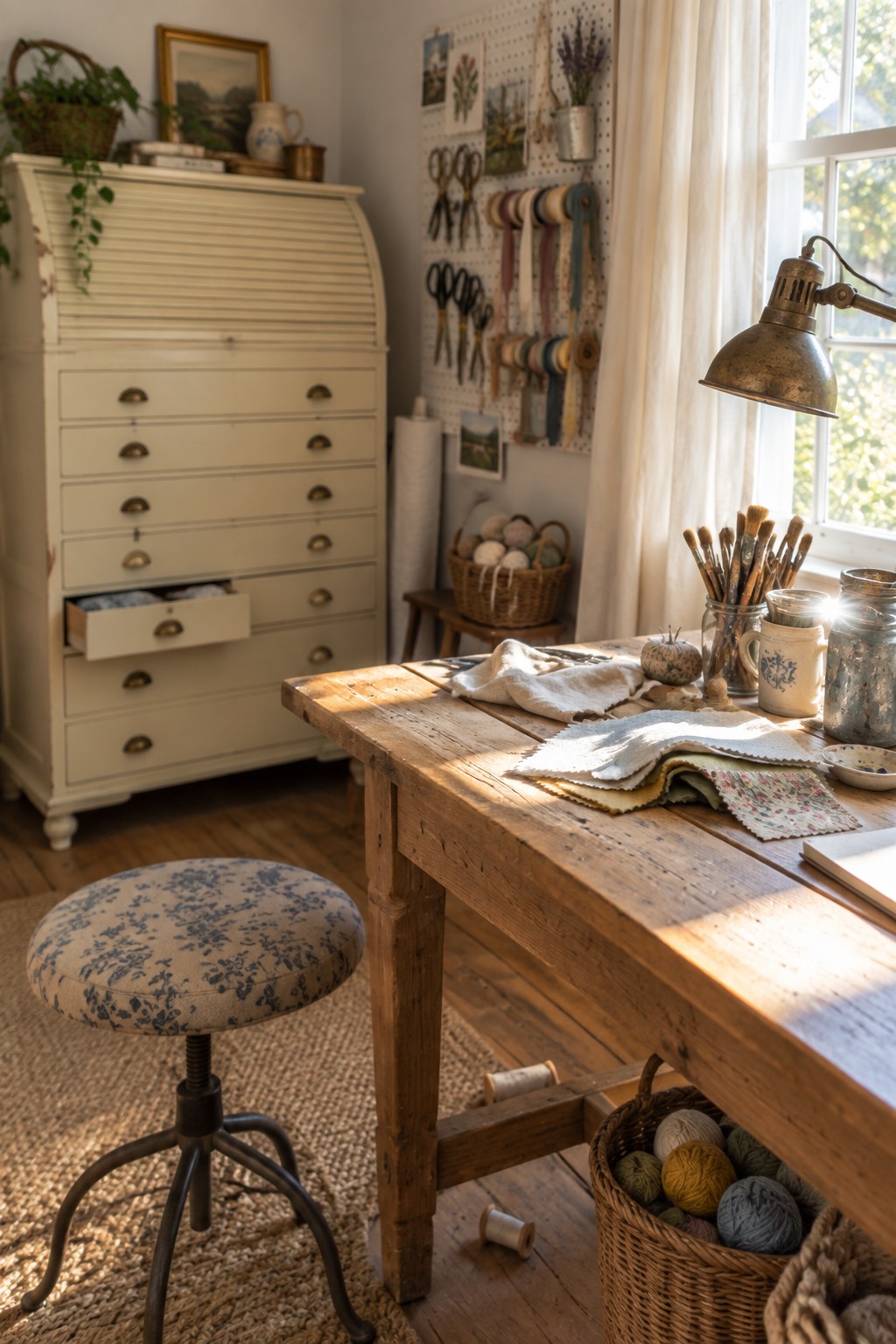
Chalk paint turns an old cabinet into the kind of storage piece that actually makes a room feel calmer. The soft finish hides imperfections and gives the furniture a gentle, lived-in look that works well with baskets, fabric, and everyday supplies.
This approach suits small work spaces where you need one large piece to hold a lot without making the room feel heavy. Choose a cabinet with drawers or a roll top, sand lightly if needed, and apply two thin coats. It is an easy weekend project that keeps the focus on the things you use rather than on perfect paint lines.
Painted Built-Ins For A Breakfast Nook
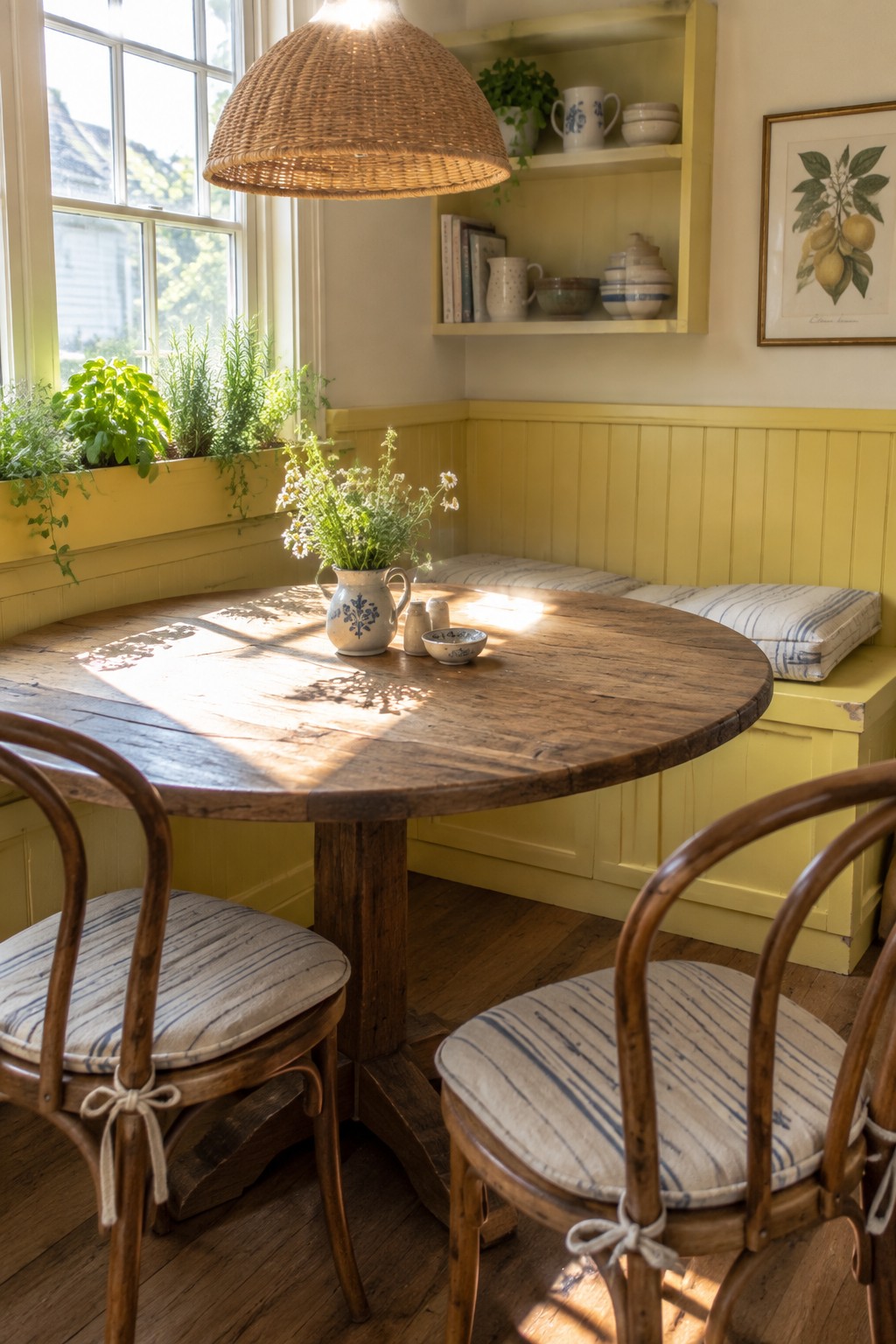
A built-in bench with matching lower cabinets gives a small dining spot extra seating and hidden storage without crowding the room. The soft yellow paint on the woodwork keeps everything light and ties the corner together in a simple way.
This works well in older homes or any kitchen with an awkward alcove. Chalk paint makes the job easy on a weekend since it sticks to most surfaces with little prep, and you can add cushions later for comfort. Just measure your space first so the bench fits the table height.
Chalk Paint a Sideboard in Deep Green
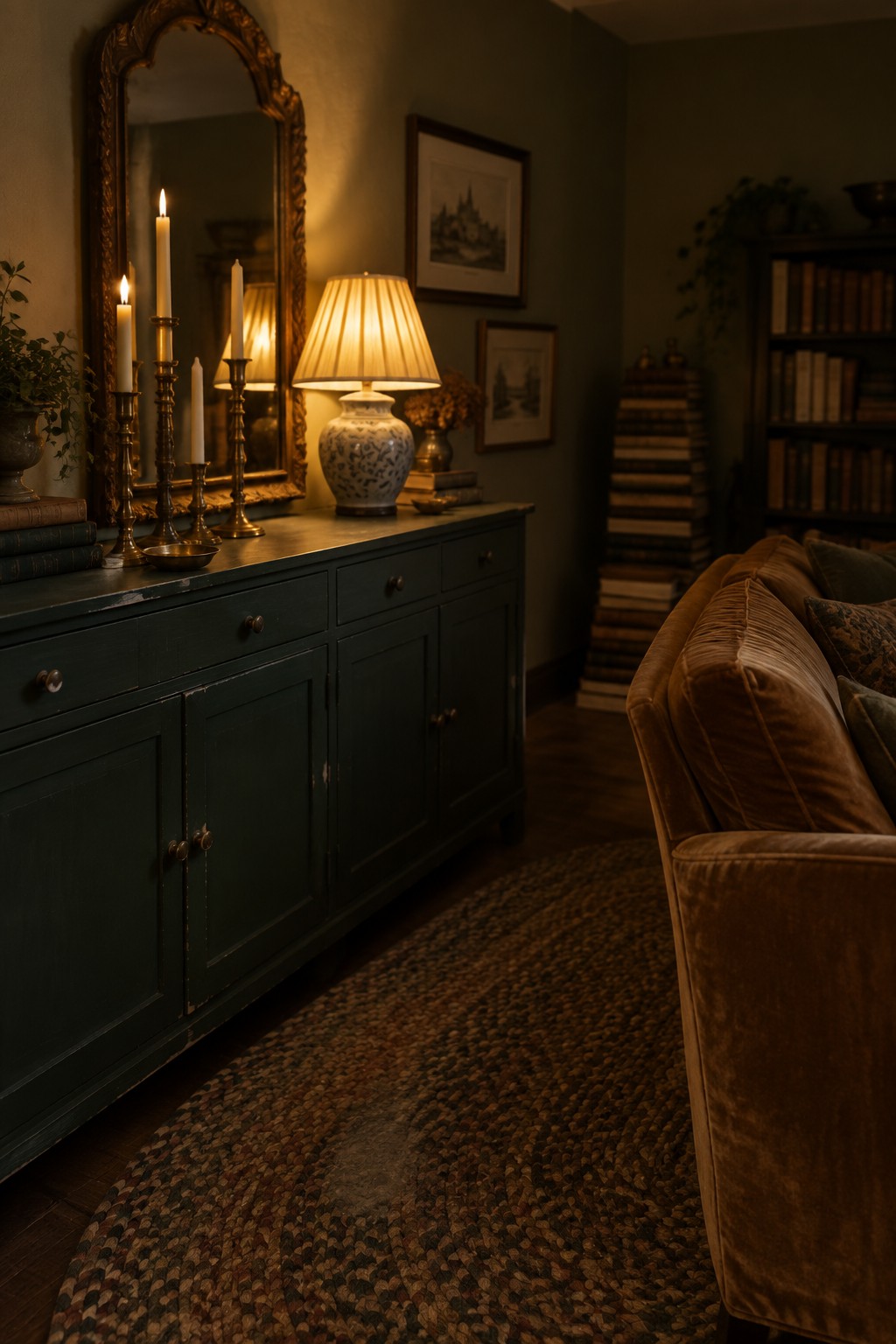
A sideboard finished in dark green chalk paint gives a room instant character without needing a full overhaul. The color adds weight and warmth, especially against softer wall tones, and turns a plain storage piece into something that feels collected over time.
This approach suits older homes or any space that already has wood tones and layered textures. Clean the surface well, apply two thin coats, and finish with a dark wax to bring out the depth. It works best on pieces with simple lines rather than heavy ornament.
Frequently Asked Questions
Q: Do I have to sand everything down before painting?
A: Light sanding helps the paint grip better on glossy surfaces. Just wipe away the dust and start brushing on the chalk paint. Most pieces in these ideas only needed a quick once-over.
Q: How do I avoid brush marks showing up?
A: Use a good quality brush and apply thin coats. Work in the direction of the grain if your piece has one. Let each coat dry fully before adding the next.
Q: What if the color looks different once it dries?
A: Chalk paint often dries a bit lighter than it goes on. Test a small spot first on the back or underside. You can always add another coat to deepen it.
Q: Can kids help with these makeovers?
A: Sure, let them do the distressing part after the paint dries. Keep the painting to adults though.
