

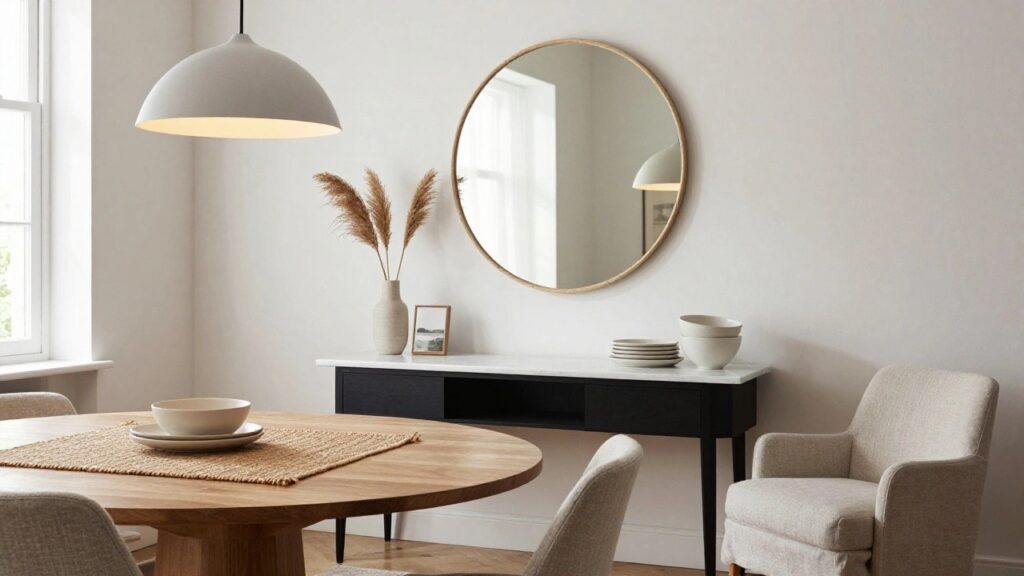
I have found that sideboards shape how a room handles both storage and daily clutter without taking over the floor space.
When I rearranged my dining area last year I realized the sideboard needed to match the table height so people could actually use the top surface comfortably.
Scale changes everything.
Modern versions often combine wood tones with metal legs in ways that keep the look light while still offering hidden drawers for linens or serving pieces.
Trying one or two of these setups in a real room shows quickly which proportions actually work day to day.
Slatted Sideboards Add Storage Without Feeling Heavy
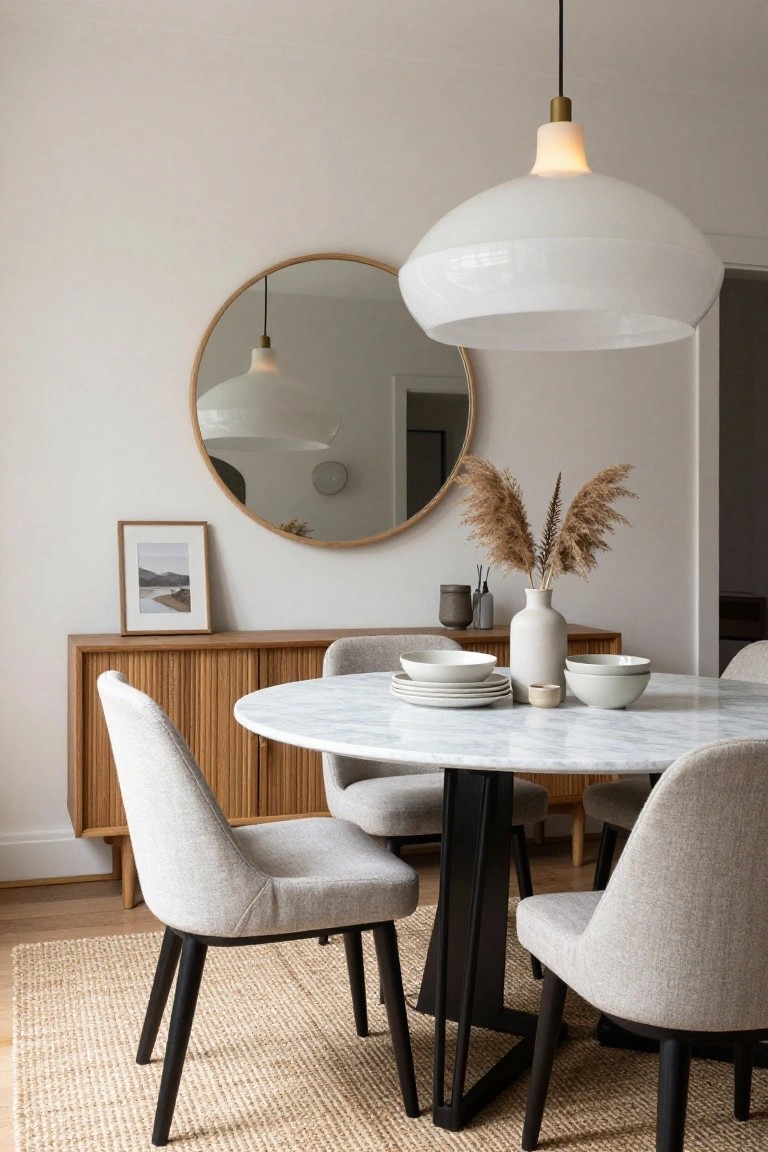
A sideboard with vertical slats gives you extra storage while keeping the room open. The wood brings a bit of warmth to spaces that might otherwise look too plain with all the white walls and light furniture.
This style works best in dining areas that already have a few natural textures. Place it along a main wall so it can hold dishes or a vase or two. Just keep the top fairly clear so the piece does not start to feel crowded.
A Simple Wooden Sideboard for Everyday Storage
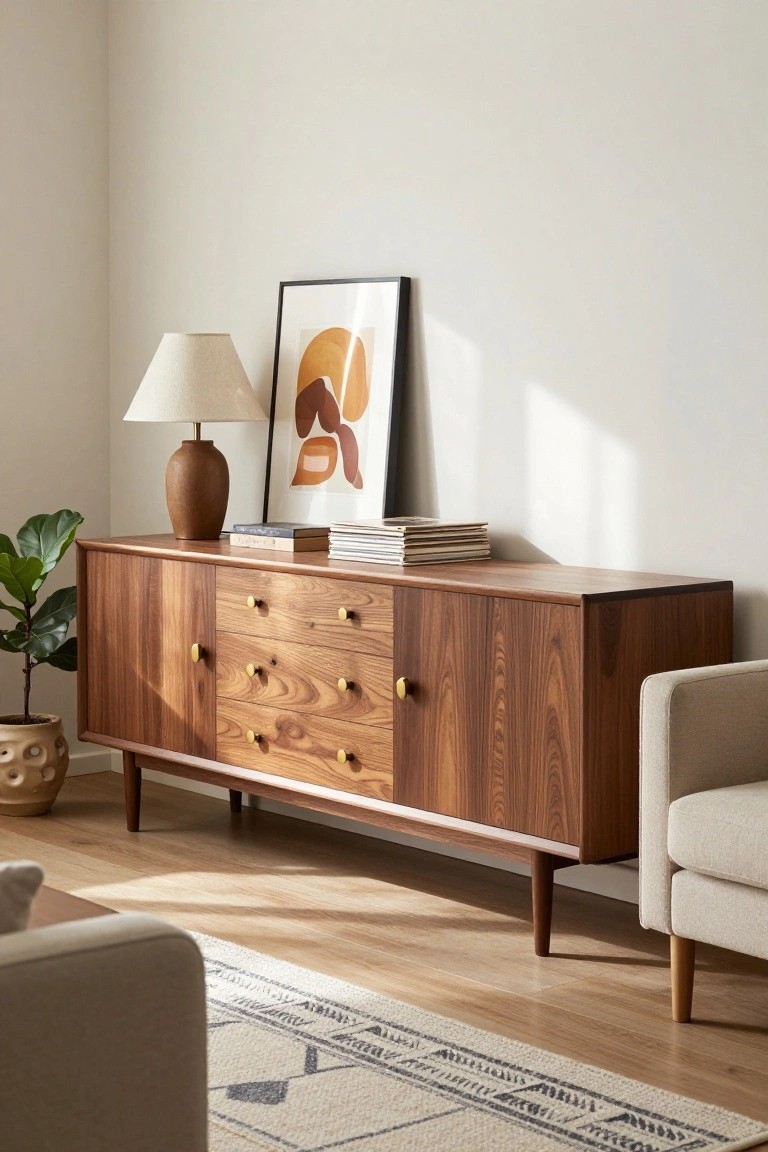
A low wooden sideboard like this one works well because it gives you plenty of hidden storage while keeping the room from feeling crowded. The drawers and cabinet doors handle everything from table linens to extra throws, and the flat top leaves room for a lamp or a few books without taking over the space.
This style fits best in living rooms or dining areas where you want storage that stays out of the way. It works in both smaller homes and open layouts, as long as you keep the surface fairly clear and match the wood tone to other pieces in the room.
Sideboards Built With Wood And Metal
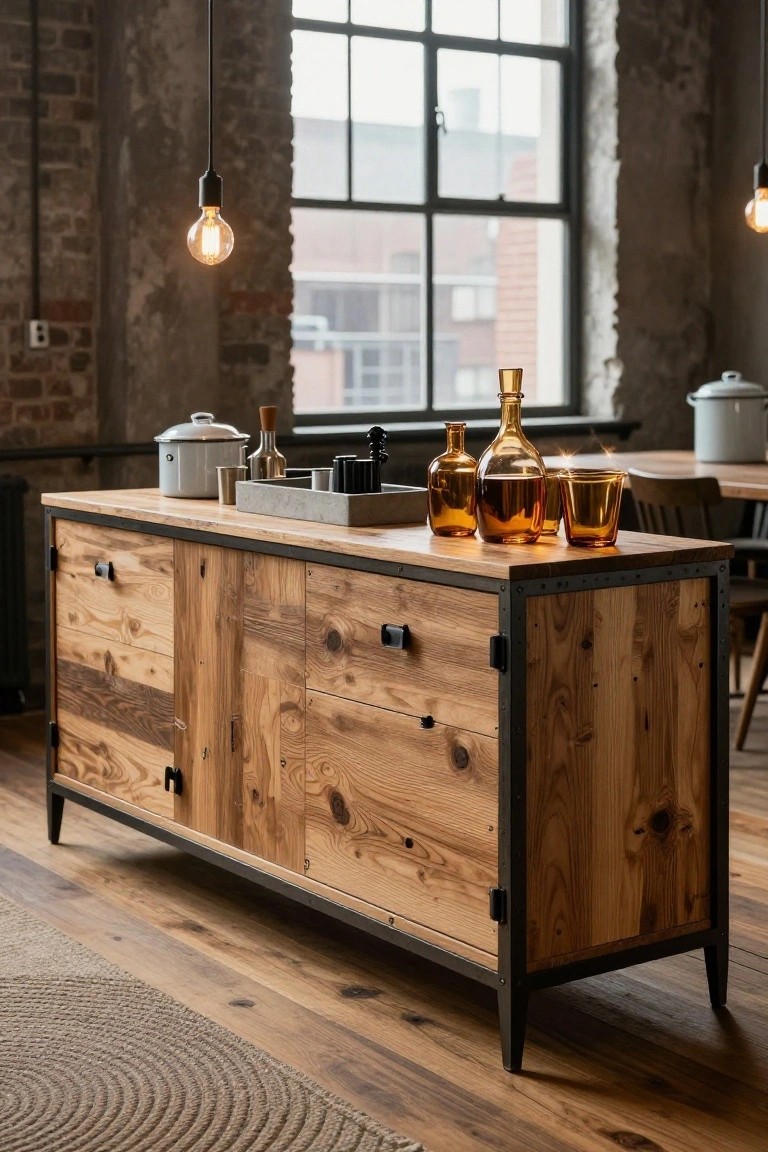
A sideboard made from solid wood with a black metal frame offers storage without making the room feel too heavy. The natural grain adds warmth while the metal keeps the piece looking clean and modern.
This kind of sideboard fits best in open living or dining areas where it can hold everyday items and serve as a display surface too. Keep the rest of the room simple so the wood tones and metal details stand out without competing.
Sideboards With Built In Basket Storage
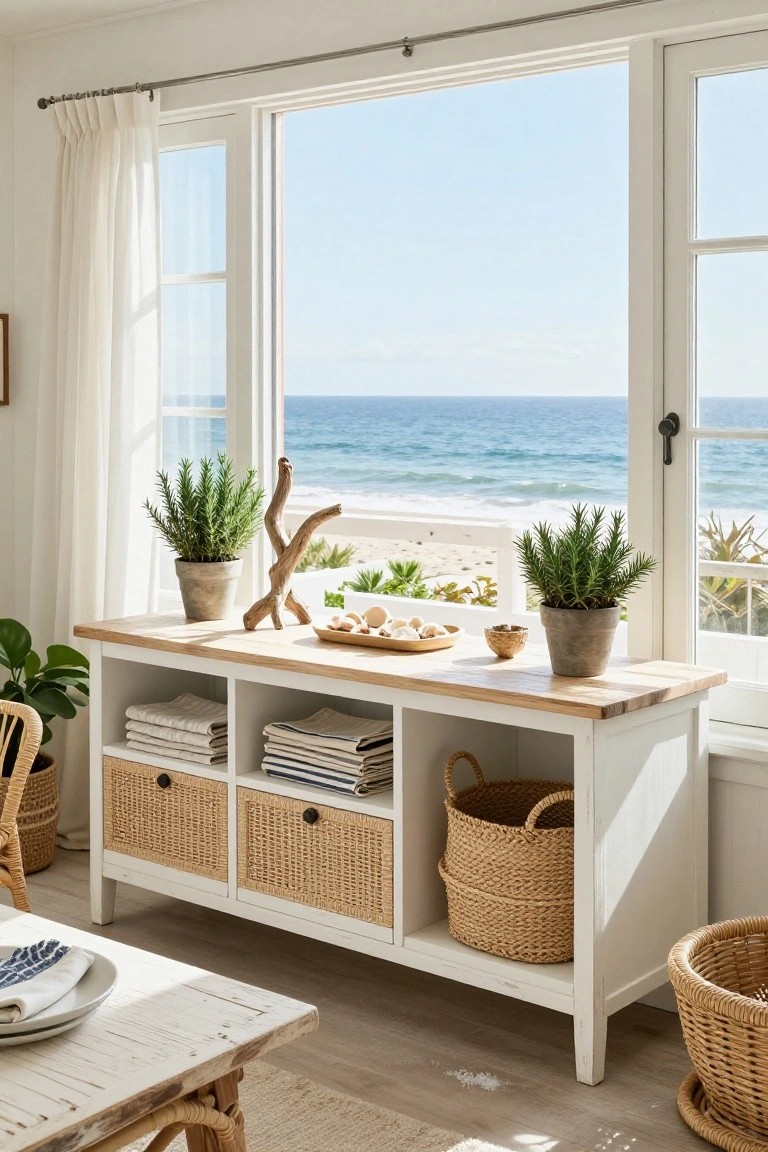
A sideboard that includes woven baskets in some of the cubbies gives you a simple way to hide everyday items without losing the open look. The baskets keep things like extra linens or small household goods out of sight while the rest of the shelves stay easy to reach.
This setup works best in a living room or dining area where you need extra storage but still want the piece to feel light. It suits homes that lean toward a relaxed coastal style and helps the surface stay clear for plants or a few decorative items.
Matte Gray Sideboards For Simple Hallway Storage
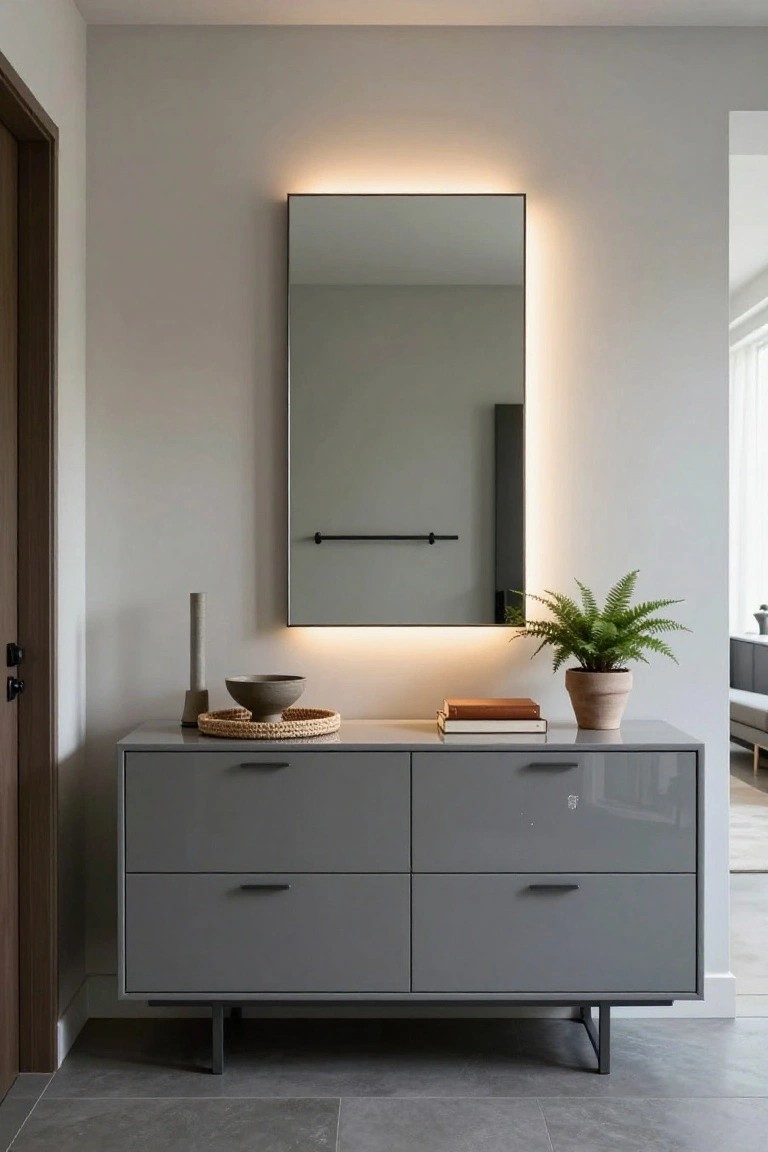
A low sideboard in a soft matte gray works nicely in a hallway because it adds storage without making the space feel crowded. The clean lines and slim legs keep everything feeling light, and the neutral color blends into the wall so the area stays calm rather than busy.
This style suits homes that need extra room for everyday items like mail, keys, or extra linens. Place it where you want storage but still need the walkway to feel open, and avoid overloading the top surface so the simple look stays intact.
Wood Sideboards With Cane Doors
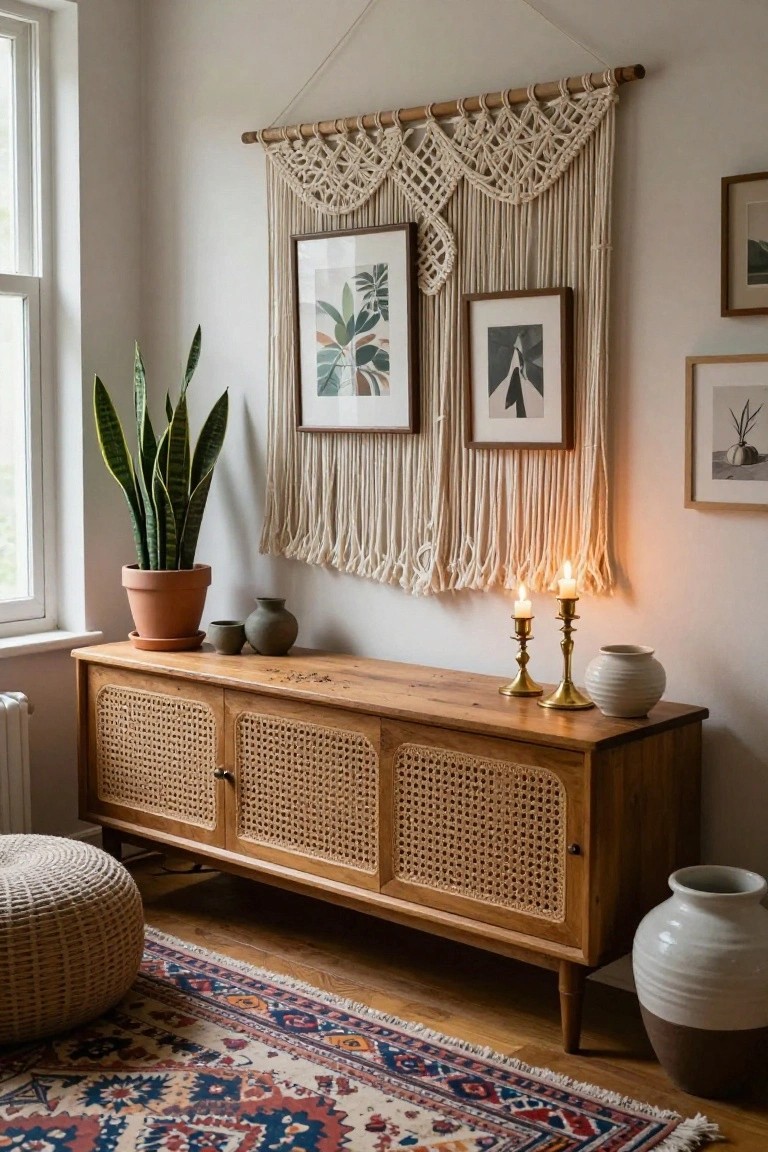
A sideboard made of solid wood with woven cane panels gives a room natural texture without adding bulk. The cane lets light and air pass through, which keeps the piece from feeling heavy even in smaller spaces. It pairs well with simple walls and a few plants or ceramics on top.
This style works best in living rooms or hallways where you need extra storage but want to avoid a solid block of furniture. It suits homes that lean modern but still want some warmth from natural materials. Keep the top fairly clear so the cane pattern stays visible.
A Painted Sideboard For Simple Daily Storage
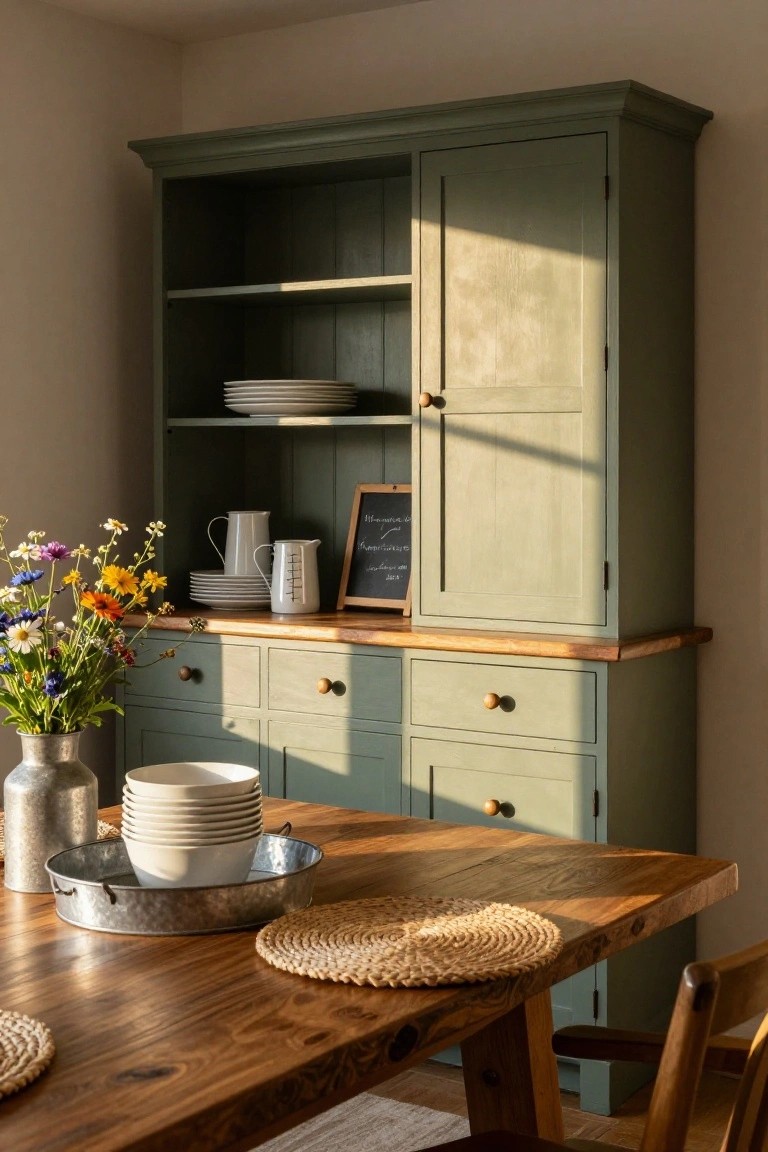
A softly painted sideboard works well because it adds storage without making the room feel crowded. The mix of open shelves and closed drawers lets you keep everyday dishes handy while tucking away the rest.
This setup suits homes that need extra space in the dining area but still want a calm look. The wood top adds warmth and gives you a spot for serving or setting things down during meals.
Marble Top Sideboards For A Simple Home Bar
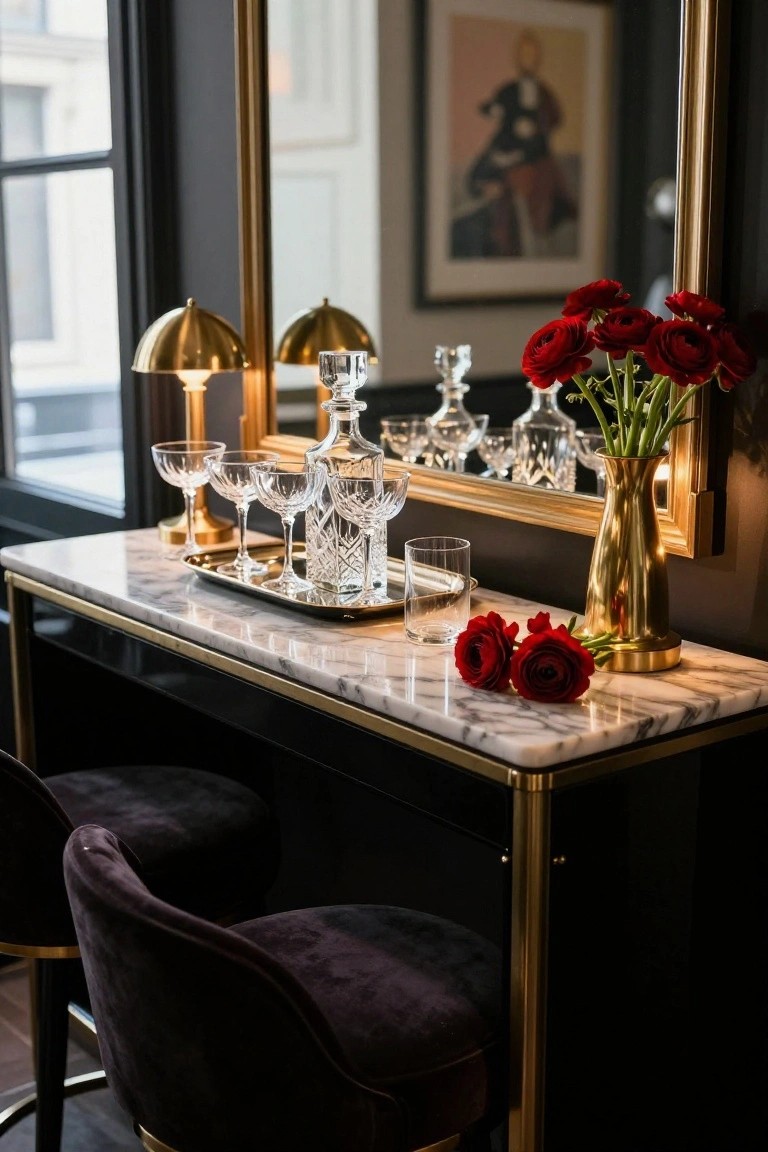
A marble top sideboard gives you a sturdy surface that holds up well to spills and daily use while keeping the whole setup looking clean. The stone pairs nicely with darker frames and metallic trim, which helps the piece feel substantial without taking over the room.
Place it against a wall in a living area or near a dining space where you serve drinks often. Stick to a few glass pieces and one or two small accents so it stays practical rather than overcrowded.
Low Sideboards Built Into Window Areas
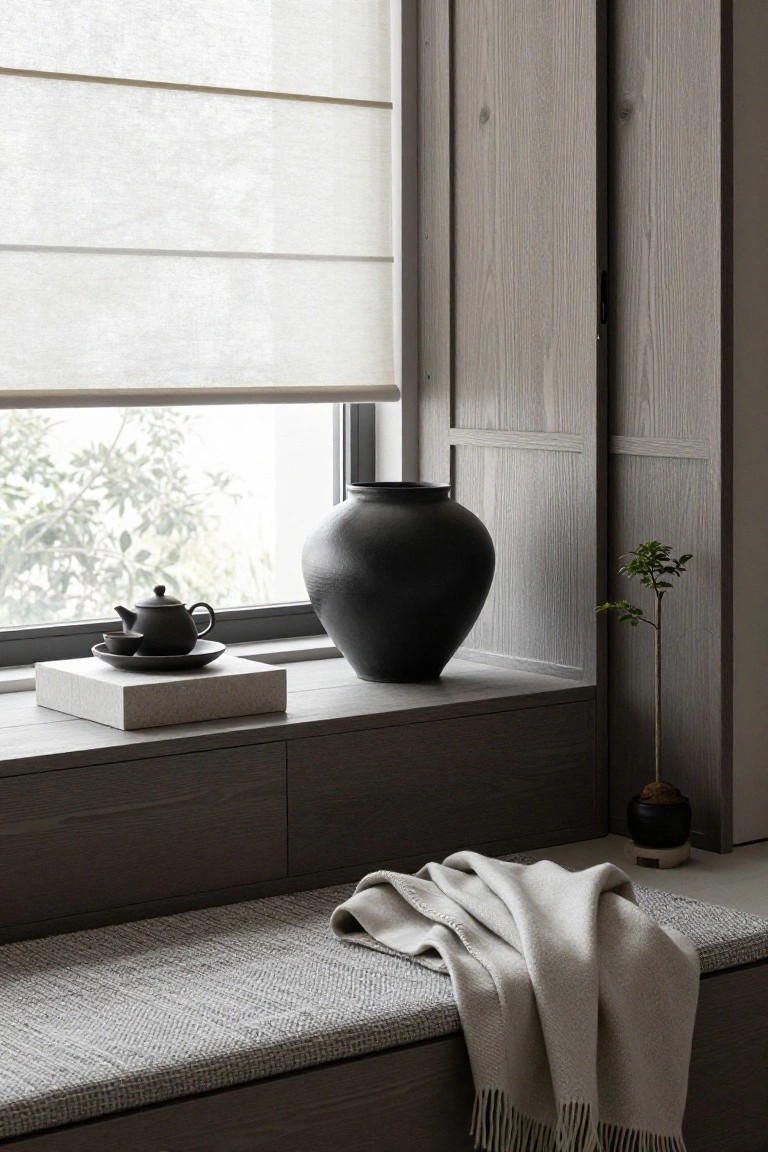
A low sideboard placed right under a window can give you useful storage without crowding the room. It keeps the top surface free for a few simple items while the cabinets below hold everyday things out of sight. This approach works especially well in smaller spaces where you need both function and a calm look.
It suits homes that already have built in seating or deep sills because the sideboard can line up with the window height. Try to match the wood tone to nearby doors or trim so the piece feels like part of the architecture rather than an added piece of furniture.
Sideboards with Carved Fronts
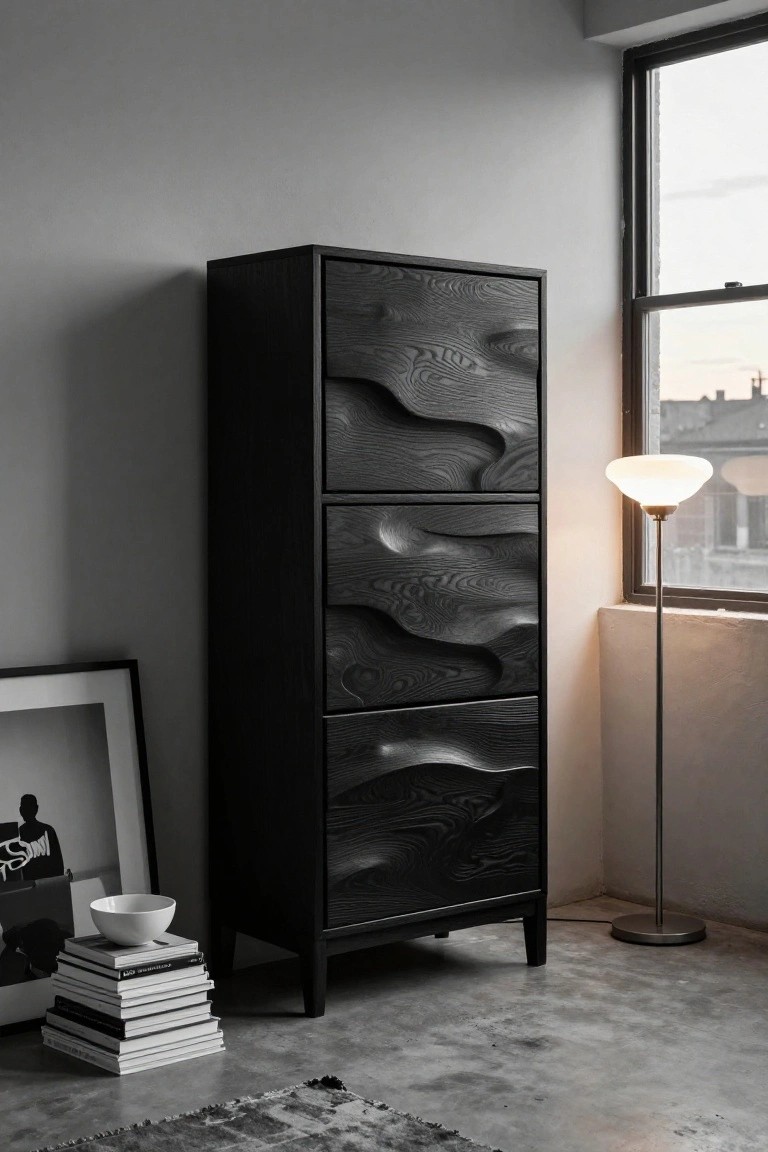
A sideboard with a carved front gives storage a bit more presence without needing extra pieces around it. The rippled texture on the drawers catches light and adds movement, which works well in rooms that otherwise stay simple and quiet.
This kind of piece suits modern spaces that already have clean lines and neutral colors. Keep the rest of the room light so the sideboard can stand out on its own rather than compete with other patterns or colors.
Open Shelves Under The Counter
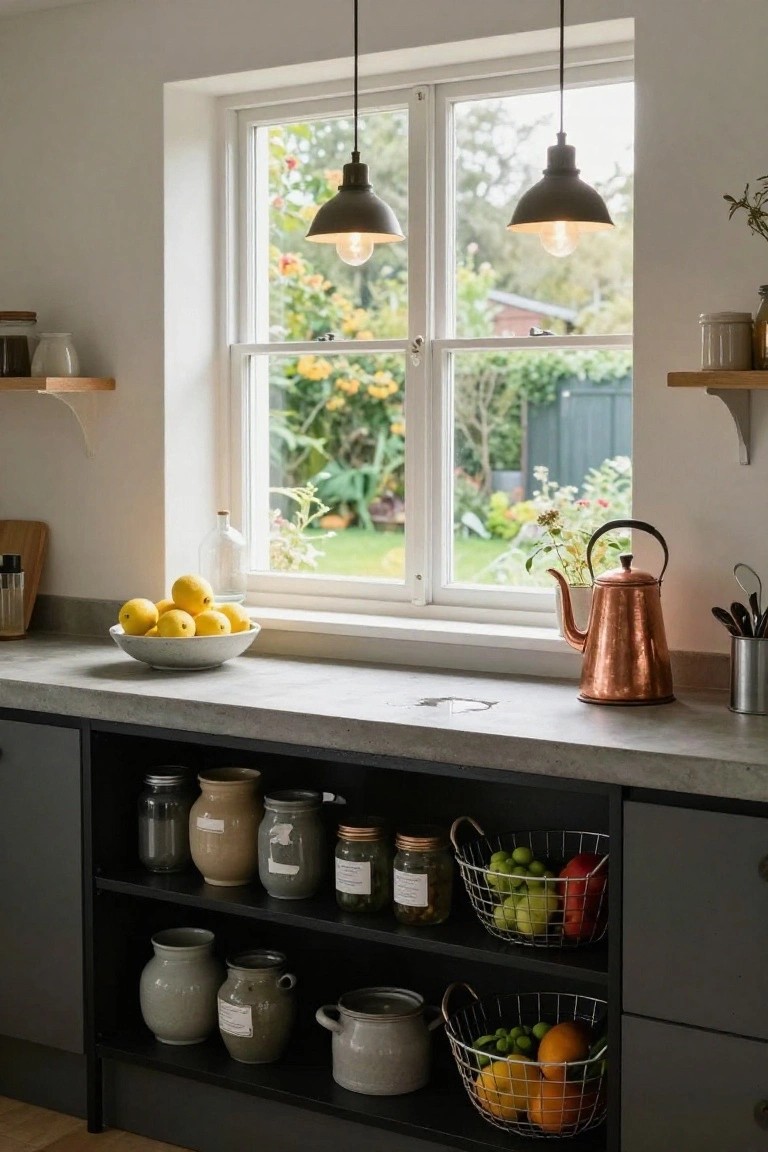
Open shelves below a counter give you storage that stays easy to reach without adding more pieces of furniture. It works especially well in kitchens or dining areas where you want to keep everyday items handy while still keeping the space open.
This approach suits modern homes that already have some closed cabinets nearby. Just stick to a few containers and baskets so the open area stays useful instead of turning into a catch all.
Natural Wood Sideboards in the Entry
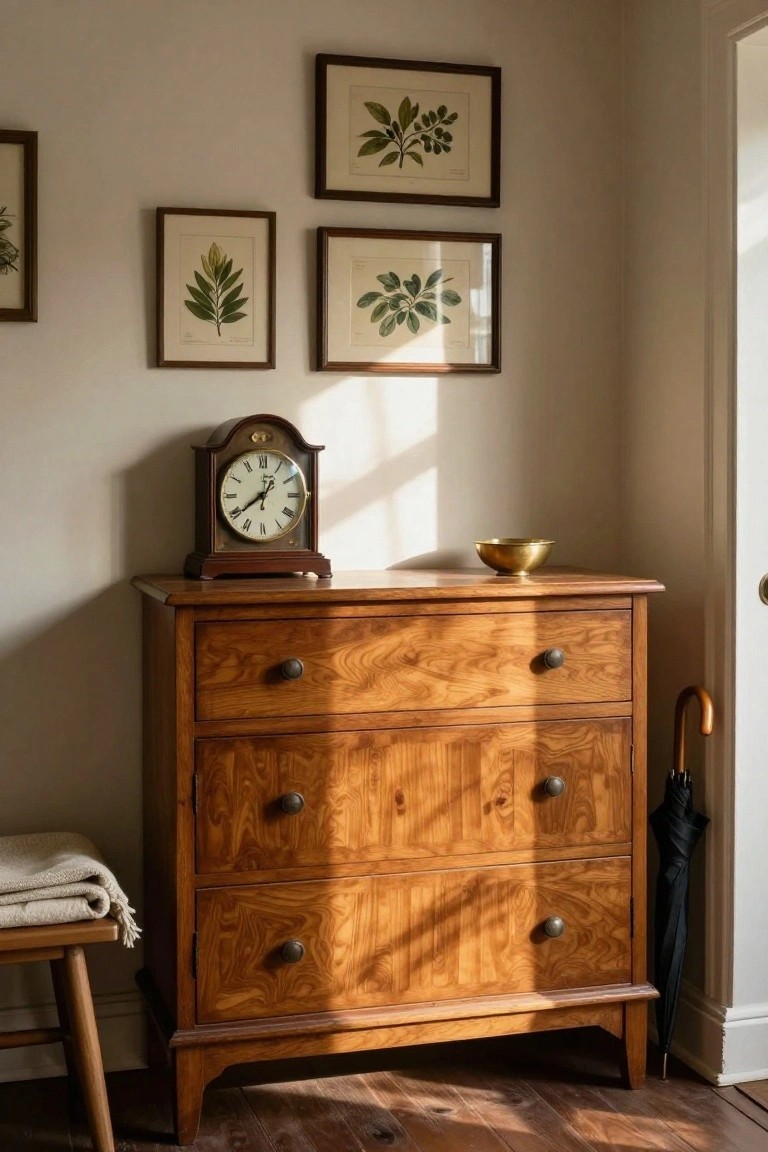
A solid wood sideboard fits well in an entry or hallway because it gives you useful storage without crowding the space. The drawers handle everyday items like gloves or mail, and the top stays simple for just a clock or a small bowl.
This choice works best in homes that lean toward a calm, lived-in look rather than something stark. Let the wood grain show and keep extra pieces off the surface so the piece feels like part of the room instead of added decoration.
Sideboards With Glass Fronts For Book Display
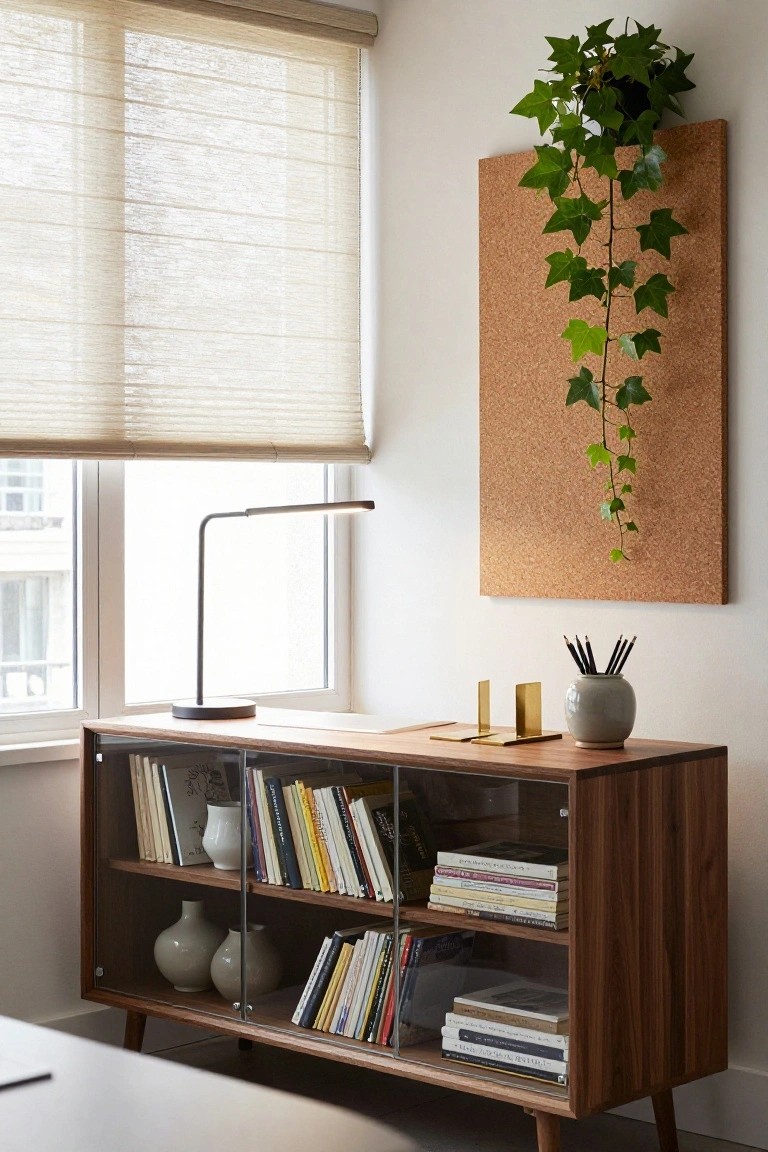
A sideboard with glass doors gives you a way to keep books visible without letting them turn into a messy pile. The see-through fronts show off the spines while the wood frame keeps the whole piece looking simple and solid. It works especially well in rooms where you want storage but still like having things out in the open.
This style fits best in living rooms or home offices that already have a fair amount of books. Keep the top fairly clear so the piece does not feel crowded, and let the books themselves do most of the visual work.
Sideboards With Open Shelves
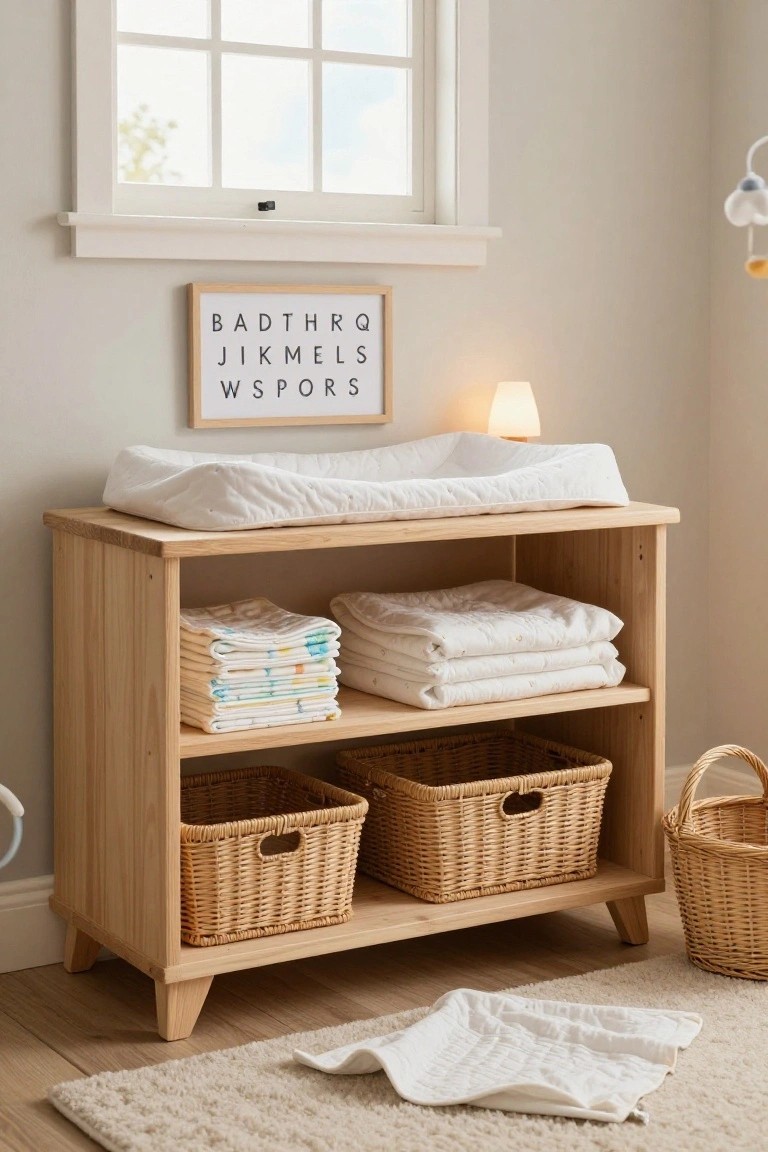
A sideboard with open lower shelves gives you a sturdy spot for a changing pad while keeping everyday items within reach. The open design cuts down on clutter since you can see what is stored and grab it quickly without opening doors or drawers.
This works well in a nursery or small bedroom where furniture needs to handle more than one task. Choose a low piece in a light wood tone and add a few simple baskets to hold linens and supplies so the space stays neat and easy to use.
Sideboards With Built-In Seating
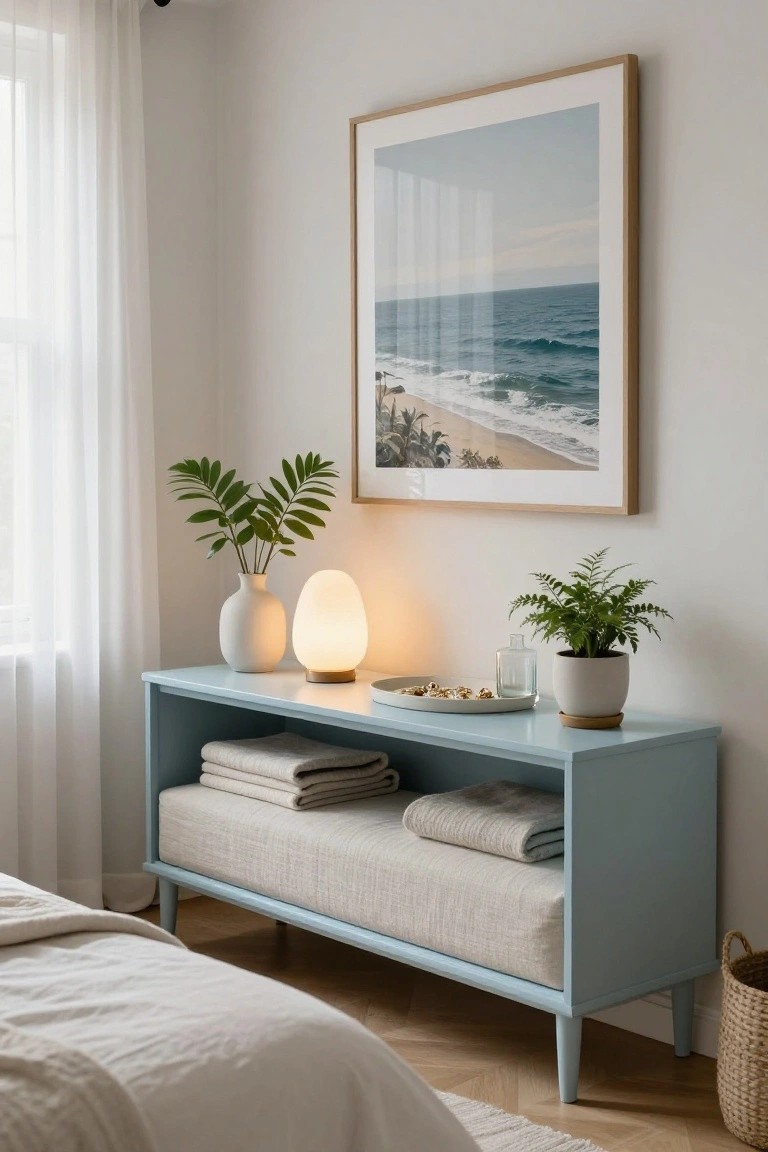
A sideboard with a bench built into the base gives you storage and extra seating in one piece. It works especially well in bedrooms or smaller living areas where you want to keep things simple but still have a place to sit while getting dressed or setting down bags.
This style suits homes that need flexible furniture without adding bulk. Choose a low, open shelf area so you can tuck in cushions or linens, and keep the top surface light with just a lamp and a couple of plants.
Using Plants On A Wood Sideboard
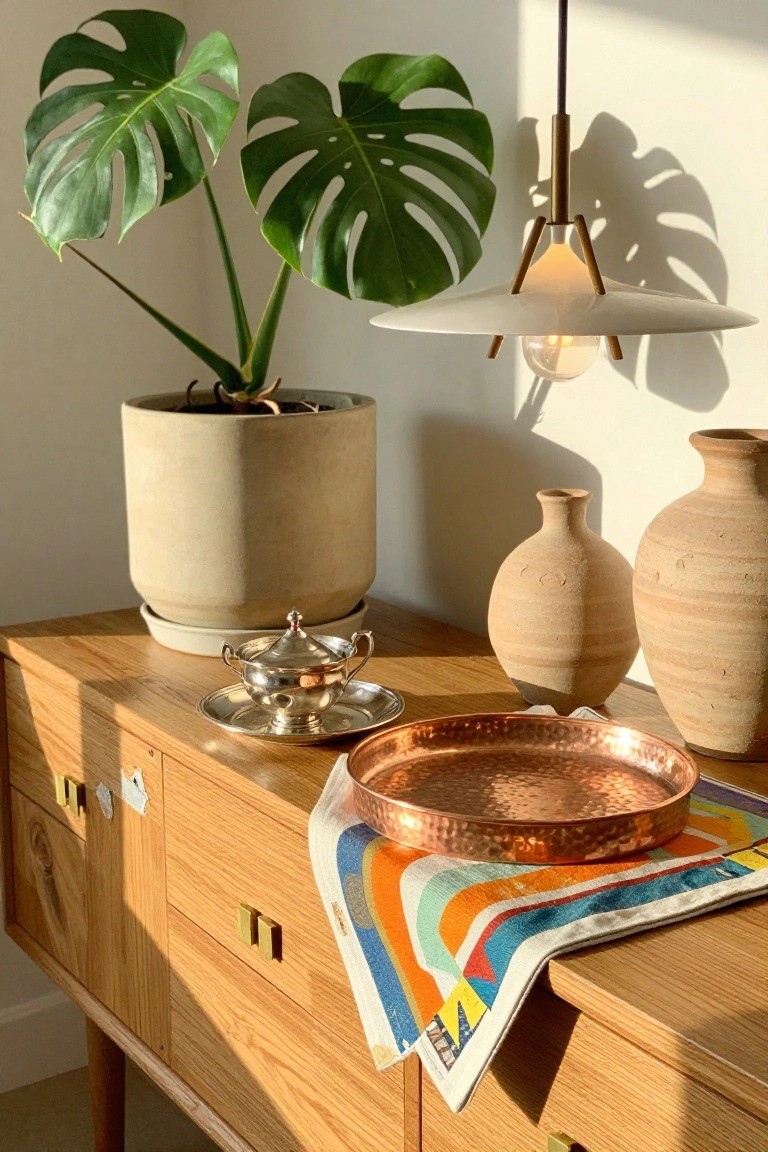
A wood sideboard often looks better when it has some life on top. Placing a big leafy plant next to a few simple clay pieces and a metal tray keeps the surface interesting without making it feel crowded.
This works especially well in living rooms or hallways where you want the furniture to feel relaxed rather than too styled. Just watch the scale so the plant does not overpower the rest of the arrangement.
Concrete Side Tables That Add Real Weight to a Room
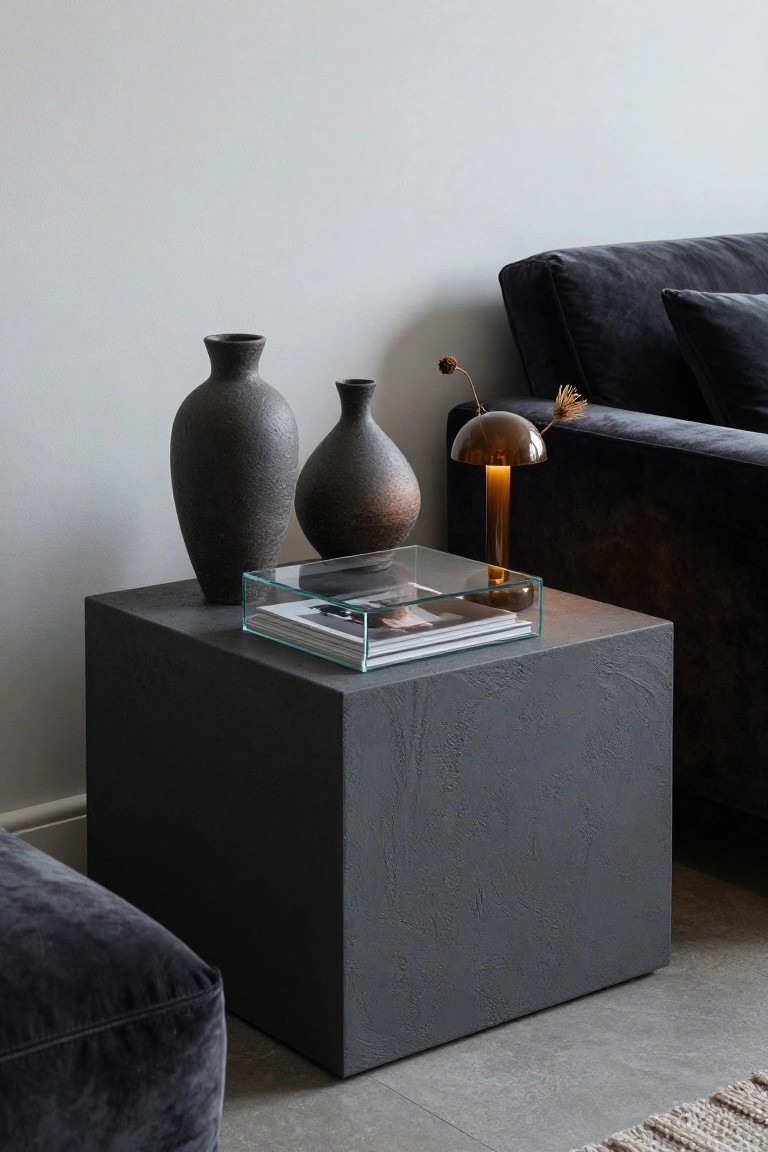
A big concrete side table can feel like the steady part of a living room when everything else is softer or lighter. The solid shape and rough texture give the space a grounded feel without needing extra pieces or busy styling around it.
Try one next to a dark sofa or sectional where you need room for a lamp and a few objects. It works best in simpler rooms that already have clean lines and darker tones, since the table itself does most of the visual work.
Sideboards That Mix Open Shelves And Cabinets
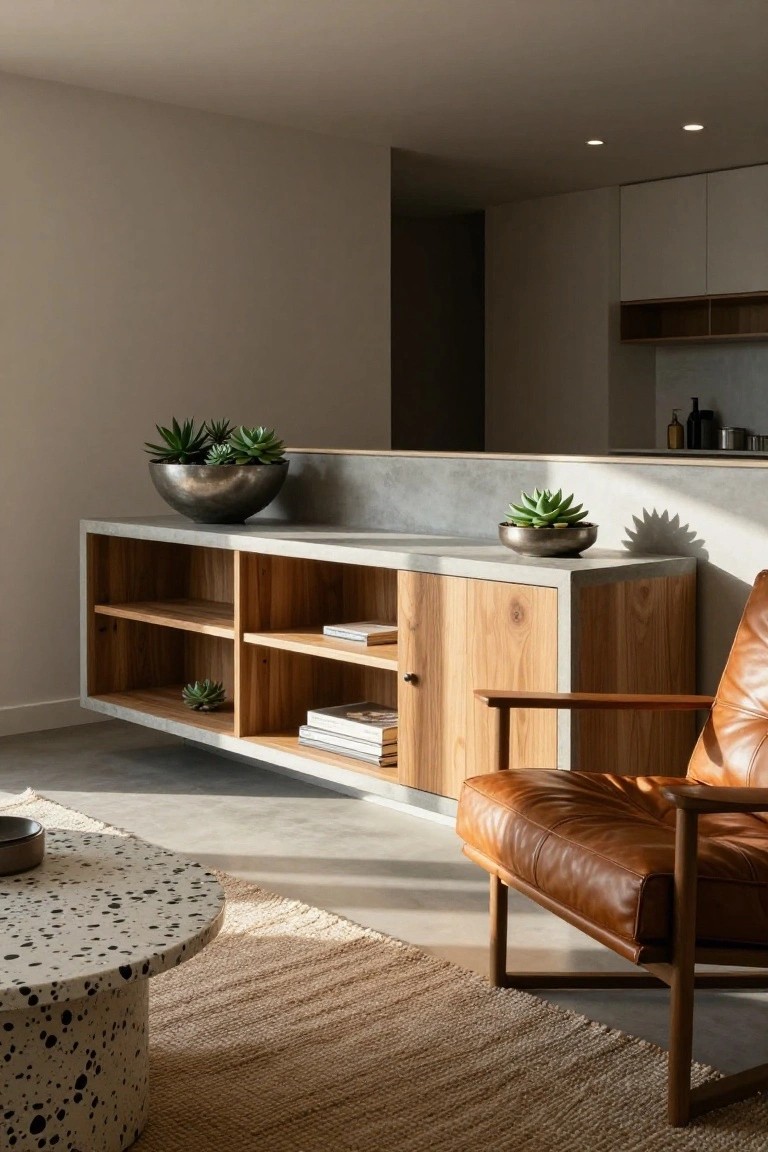
A sideboard with both open shelves and a closed cabinet gives you room to display a few items while tucking away the rest. This keeps the space feeling light and organized instead of cluttered with everything out in the open.
It works best in living rooms or open-plan areas where you need extra storage but do not want another big piece of furniture. Pair it with simple materials like wood and concrete so it blends in without drawing too much attention.
Sideboards With Gentle Curves
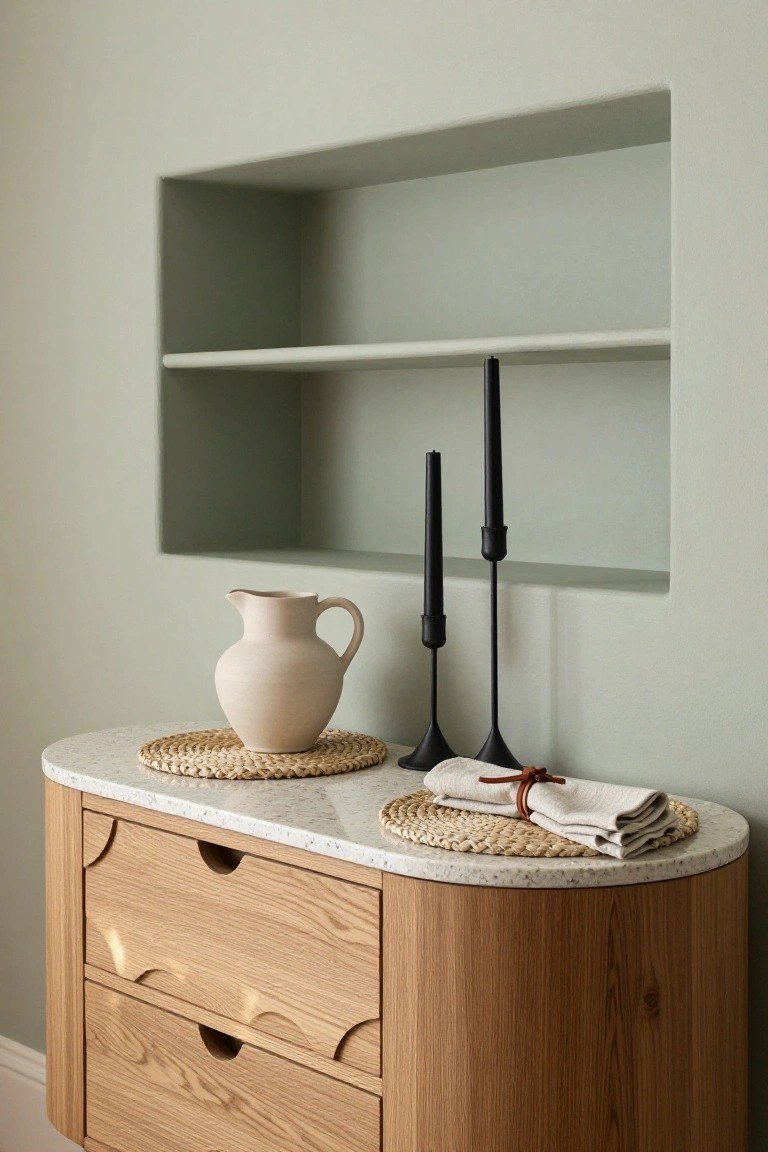
A sideboard with soft rounded edges brings a quiet warmth to modern rooms. Straight lines and sharp corners can feel a bit stark on their own, so the curve helps the piece sit more comfortably in the space without losing any of its clean style.
This approach works especially well in living rooms or open dining areas where you want the furniture to feel inviting rather than formal. Keep the top fairly simple so the shape stays noticeable, and choose wood tones that match other natural elements already in the room.
Sideboard Style Vanities For The Bathroom
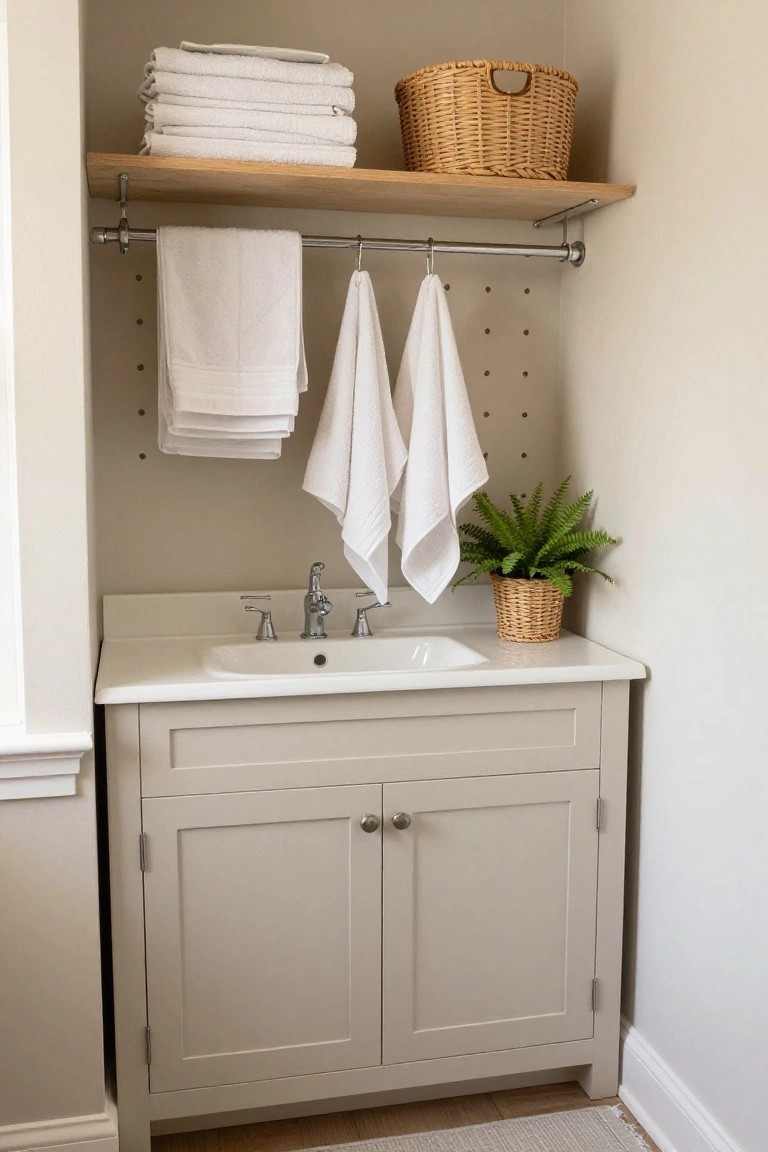
A sideboard can work well as the base for a bathroom vanity. The cabinet gives you solid storage for towels and supplies while the top stays clear for the sink and daily use.
This approach fits homes that want matching furniture pieces across rooms. Pick a finish that handles moisture and keep the hardware simple so the whole setup stays practical and easy to clean.
Frequently Asked Questions
Q: What size works if my dining area feels a bit tight already?
A: Pick a narrower sideboard (around 15 inches deep) that sits lower to the ground. This keeps the room open and lets light flow through. Measure twice so you get the proportions just right.
Q: How do I keep the top from turning into a catch all?
A: Limit yourself to three or four items at most. Group them by height for some visual interest.
Q: Are metal legs sturdier than wooden ones for daily use?
A: Both hold up well if the build quality is solid. Metal legs give a lighter look that suits many modern styles. Check the weight capacity if you plan to load the shelves.
