

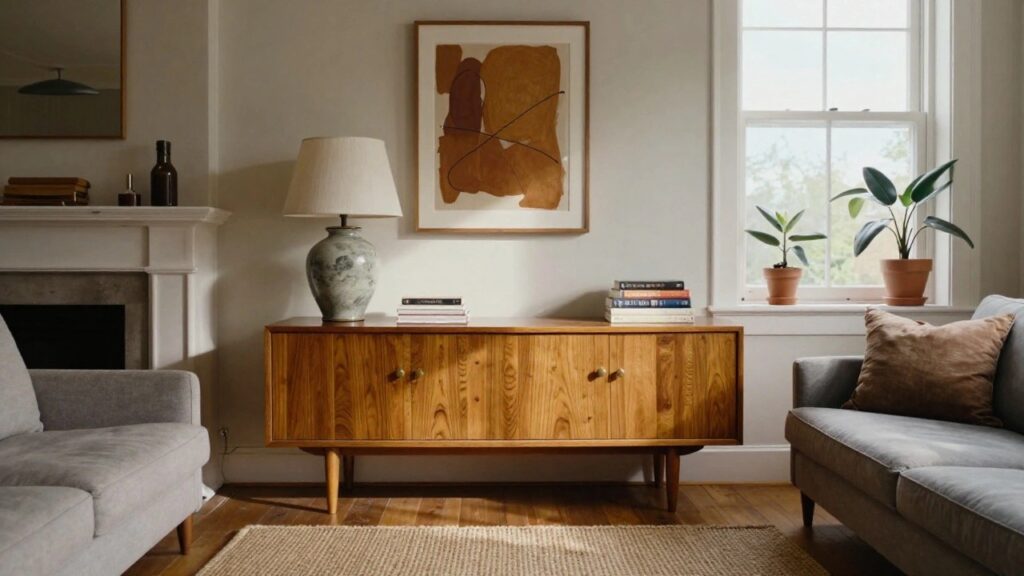
I have always noticed how the right wooden sideboard settles into a room and changes the daily rhythm of how we use the space around it.
The way the wood warms up the light and anchors everything else nearby often makes the difference between a room that feels pulled together and one that still looks unfinished.
Scale matters more than most people expect.
I once brought home a piece that looked fine on its own but ended up crowding the walkway between the table and the kitchen, so now I measure twice and picture the foot traffic first.
Ideas that leave room for both storage and a few simple objects on top tend to work better once real life moves in.
Light Wood Sideboards for Dining Areas
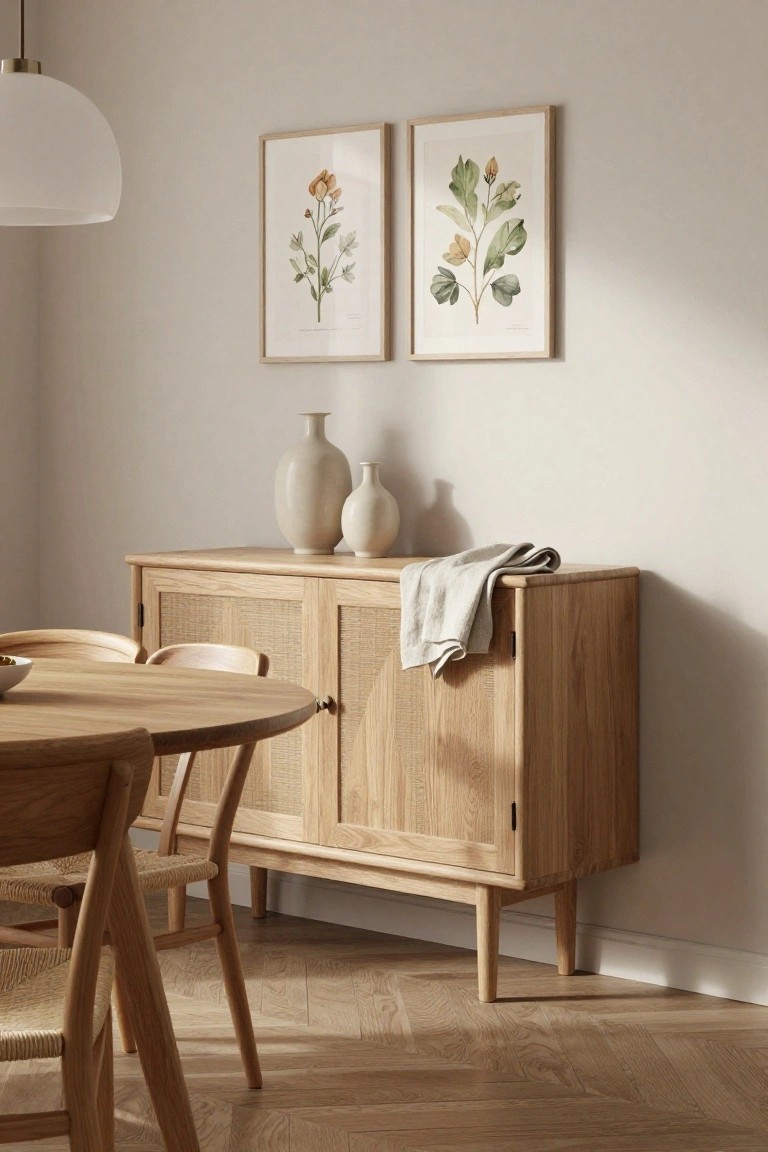
A light oak sideboard works well in dining spaces because it gives you useful storage without making the room feel heavy. The natural tone blends easily with other wood furniture and keeps the overall look calm and open.
This kind of piece suits homes that already lean toward simple, natural materials. Place it along a wall where you can keep serving items or linens inside, and leave the top fairly clear so it does not crowd the space.
Wood Tops On Painted Sideboards
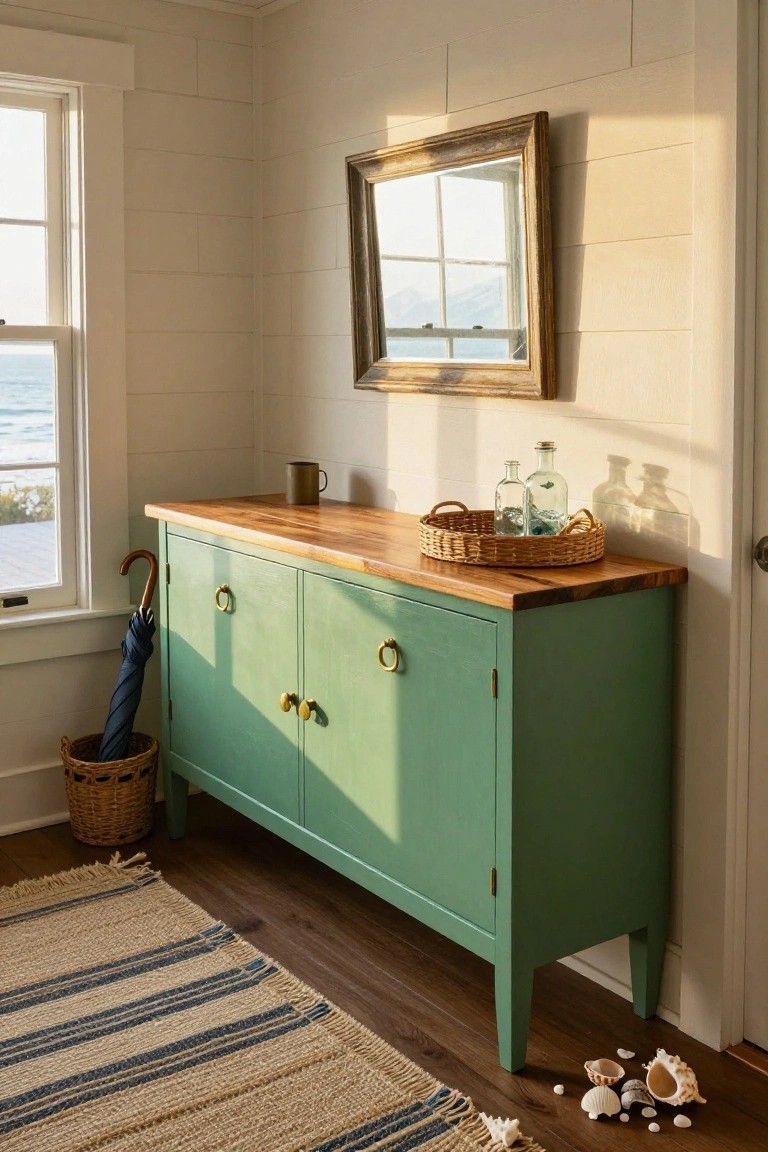
A painted sideboard with a wood top adds a bit of warmth without making the whole piece feel heavy. The natural grain on top softens the solid color below and helps the furniture fit into rooms that already have wood floors or trim.
This mix works best in smaller spaces like entryways or dining areas where you need storage but still want the room to feel open. Keep the base color simple and let the wood top carry most of the texture.
Open Shelves On A Wooden Sideboard Keep Daily Items Within Reach
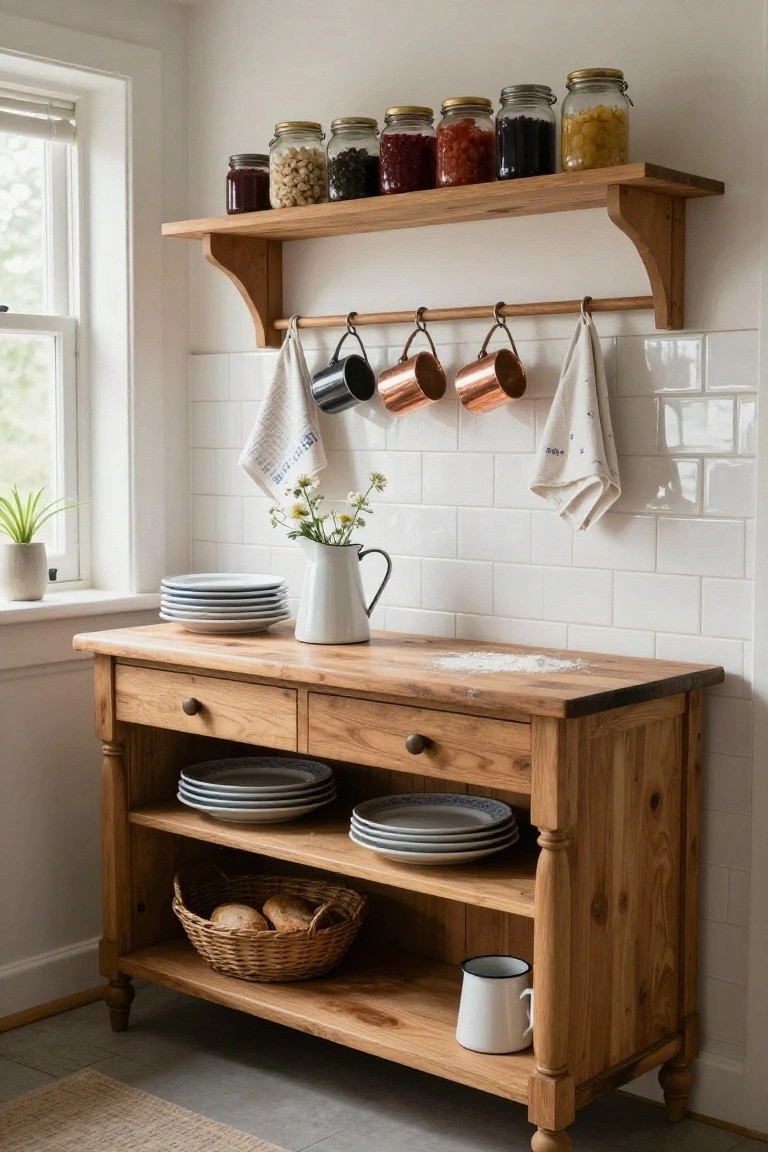
A wooden sideboard with open lower shelves gives you room to store dishes and baskets without hiding them away completely. This setup makes it simple to grab what you need during meals. The wood itself adds a cozy feel that fits many home styles.
It works best in kitchens where you want both storage and a bit of display. Place it near the dining area so plates stay handy. Just be sure to keep the shelves organized so the look stays neat.
Wooden Sideboards Add Storage Without Losing Style
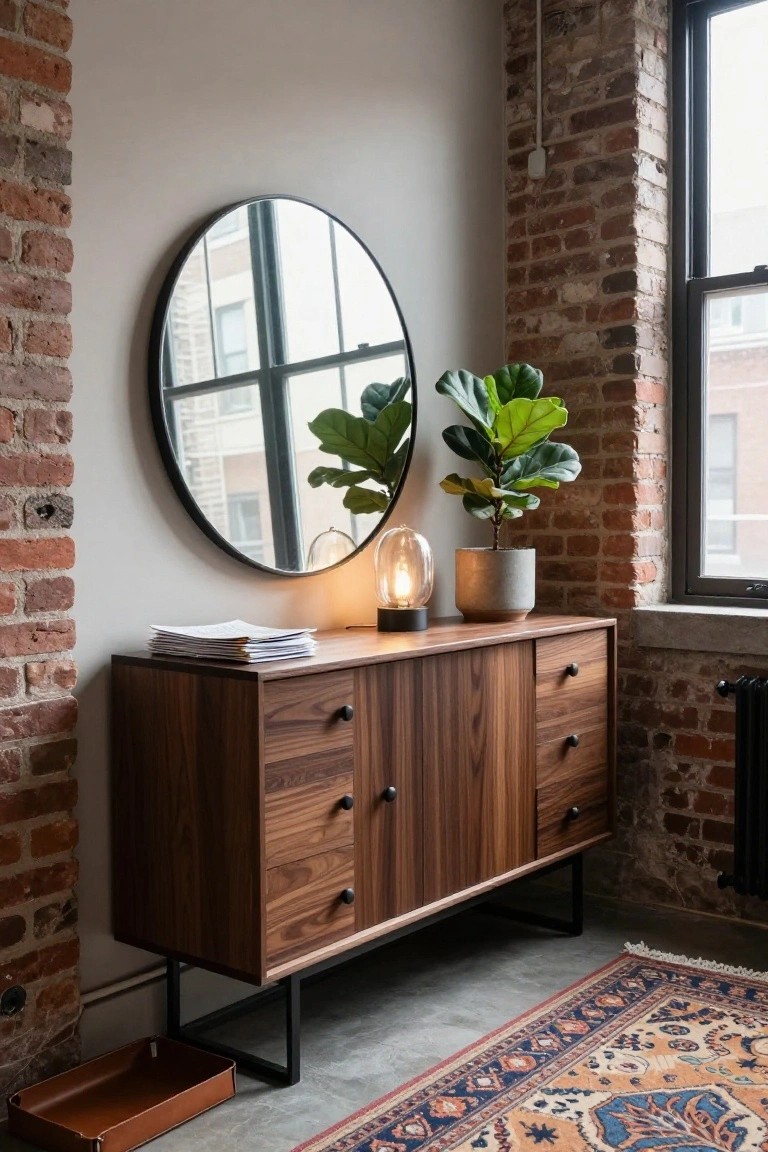
A wooden sideboard gives you a place to tuck away everyday items while keeping the room from feeling too bare. The natural grain shows up well against plain walls and adds a bit of warmth that painted furniture often lacks.
It suits entryways or living areas where you need surface space for mail or keys but do not want a bulky cabinet. Keep the top simple so the wood stays the main feature.
Wooden Sideboards in the Bedroom
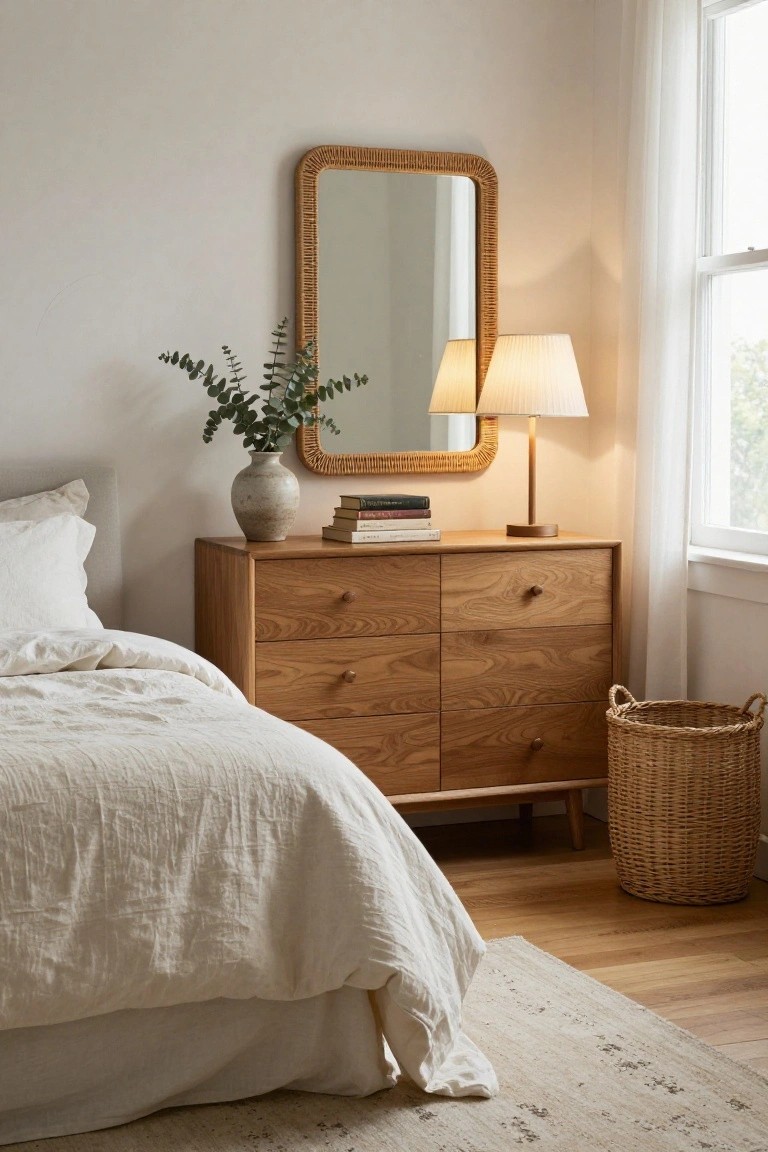
A wooden sideboard can work nicely as a dresser in the bedroom. The natural grain and simple lines give the room a steady, grounded feel that pairs well with soft bedding and plain walls.
This setup suits smaller bedrooms or guest rooms where you need storage without a bulky chest. Keep the surface mostly clear and add just one or two everyday items so the wood stays visible and the space does not feel crowded.
Wooden Sideboards As Bathroom Vanities
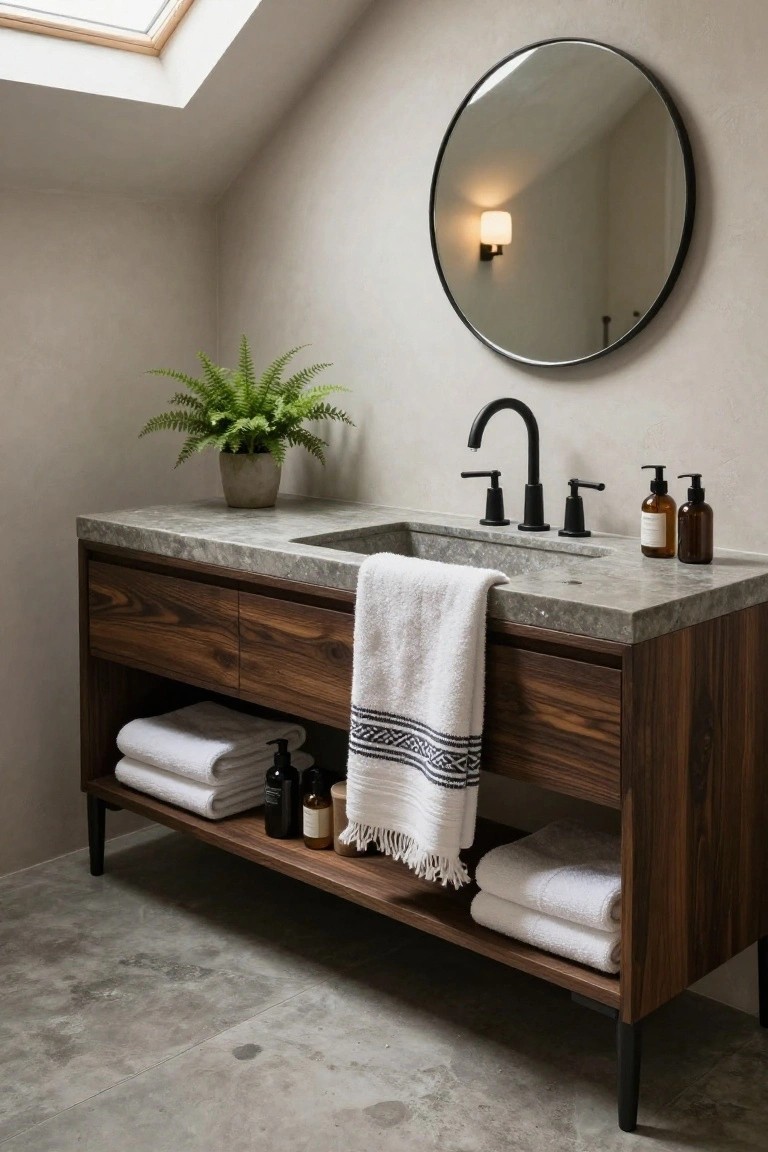
A wooden sideboard makes a strong choice for a bathroom vanity because it brings natural warmth and solid storage in one piece. The lower open shelf keeps towels and daily items within reach while the drawers hide the rest.
This works best in smaller baths or guest spaces where you want something practical without crowding the room. Darker wood tones pair well with lighter walls and simple fixtures so the vanity stays the focus without feeling heavy.
Natural Wood Sideboards for Nursery Storage
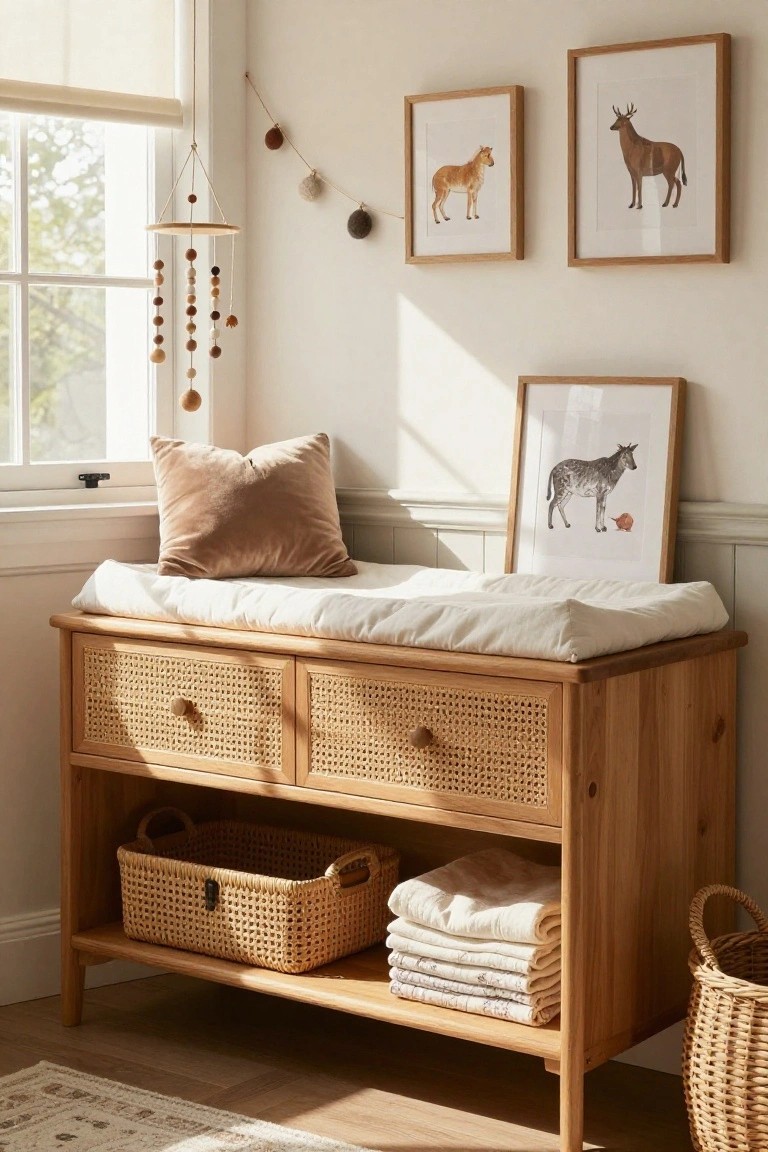
A wooden sideboard gives you a sturdy changing surface while keeping plenty of room for clothes, blankets, and supplies. The light oak tone and woven cane drawers add warmth without making the space feel heavy or cluttered.
Place baskets on the open lower shelf for items you reach for often. This works especially well in smaller rooms where one piece needs to handle both daily tasks and long-term storage.
Warm Wooden Sideboards for Home Offices
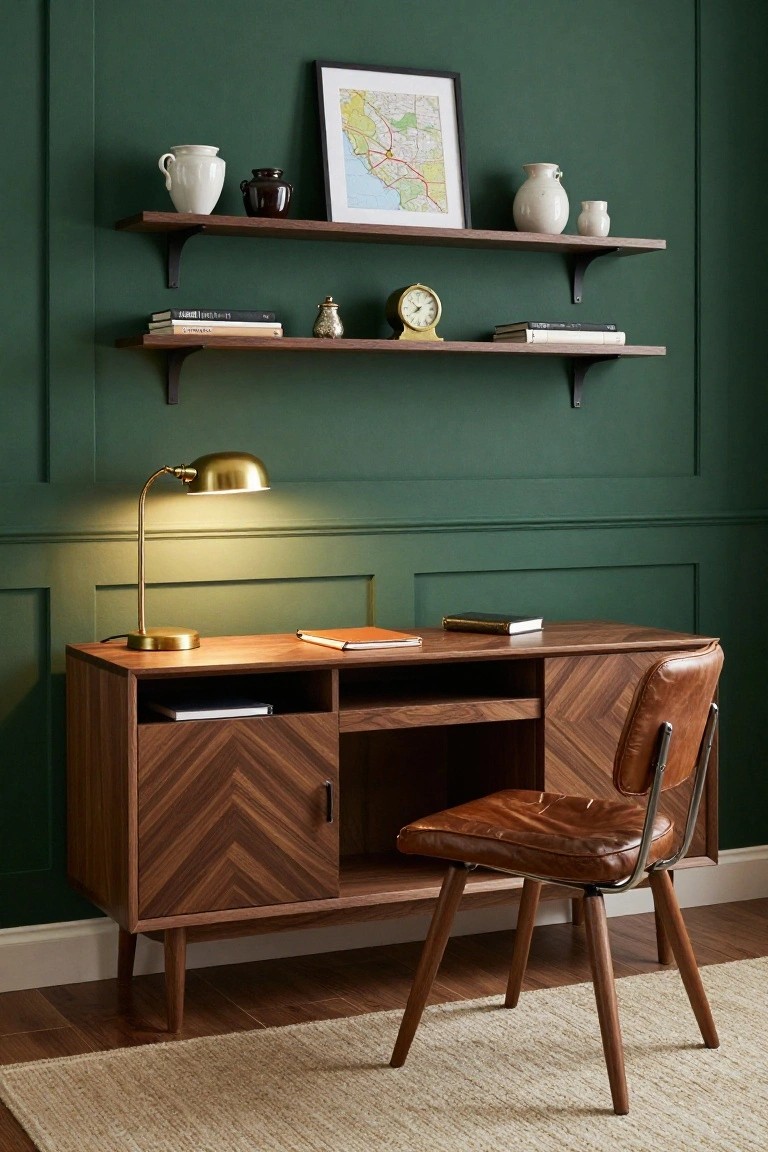
A wooden sideboard works well as a desk when you need both a workspace and extra storage. The solid top gives room for a lamp and notebooks while the cabinets keep clutter out of sight. Natural wood tones also bring a bit of warmth that plain desks often miss.
This approach suits smaller rooms where one piece has to handle several tasks. Keep the wall color deep so the wood stands out, and add a comfortable chair that can tuck in neatly at the end of the day.
Wooden Stools For Everyday Use

A wooden stool next to the sink makes a utility space feel more livable. It offers a spot to sit during long tasks and brings in some natural texture that softens all the hard surfaces around.
This idea suits older homes or smaller laundry rooms where every piece needs to earn its keep. Look for a stool with a simple design that can slide under the counter when not in use.
A Wooden Sideboard Suits Traditional Dining Rooms
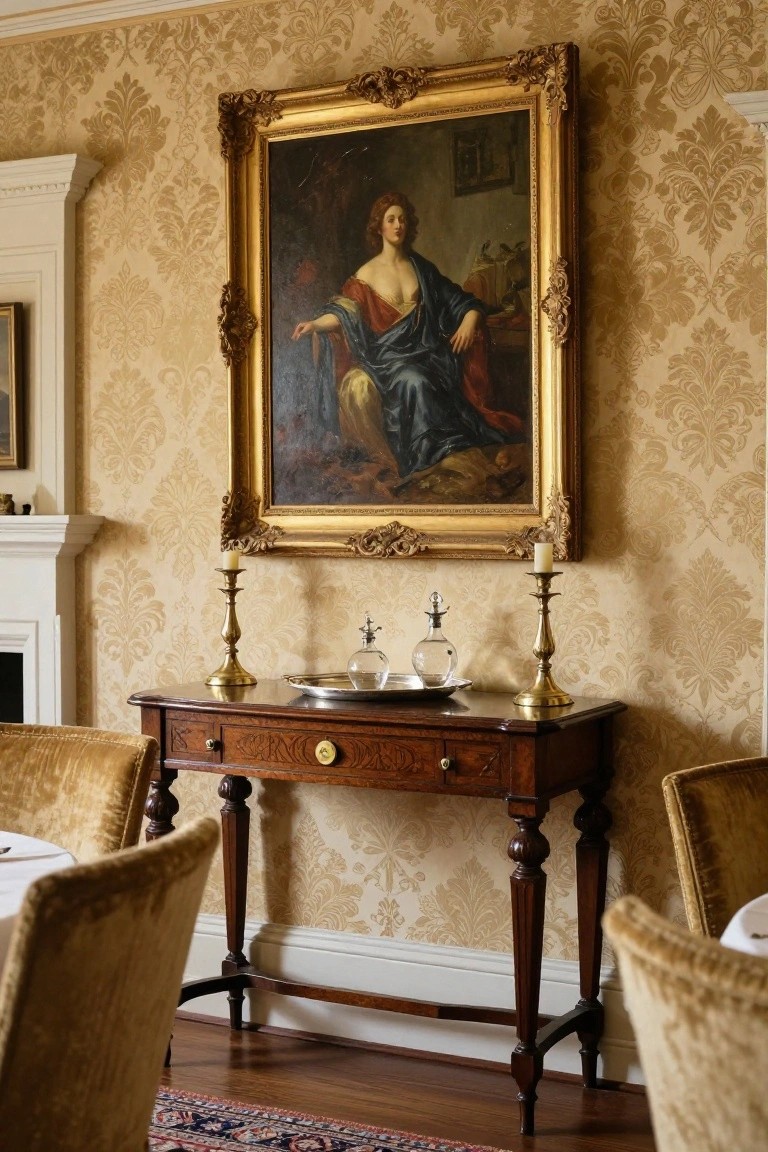
A wooden sideboard gives a dining room a steady, lived-in feel that newer pieces often lack. The dark finish and turned legs help it sit comfortably with patterned walls and upholstered chairs without competing for attention.
This style works best in homes that already lean classic or slightly formal. Keep the surface lightly styled with just a few practical items so the wood itself remains the main feature.
Low Dark Wood Sideboards for Everyday Storage
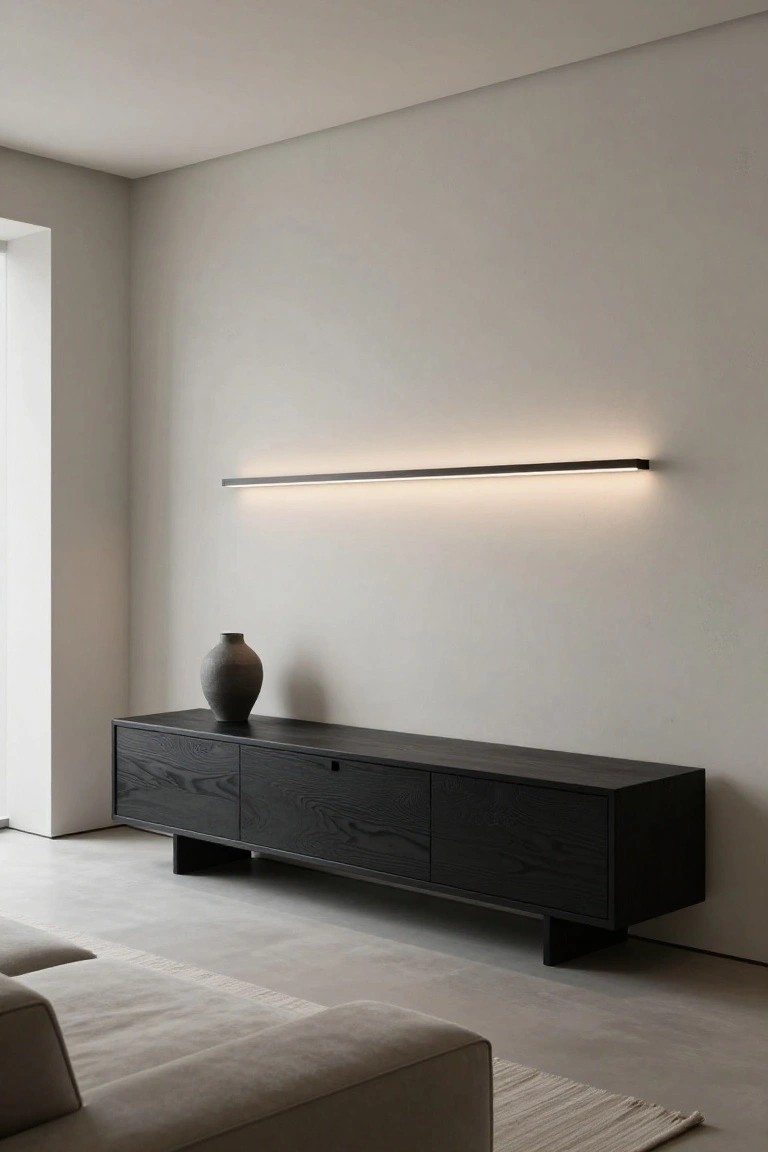
A low dark wood sideboard adds storage without crowding a room. The simple shape and deep tone bring a bit of warmth to light walls while keeping the overall feel calm and open.
This works well in living rooms or entry areas with neutral colors. Keep the top mostly clear except for one or two pieces and add a slim light above to highlight the wood grain without extra clutter.
Wooden Sideboards Add Warm Storage
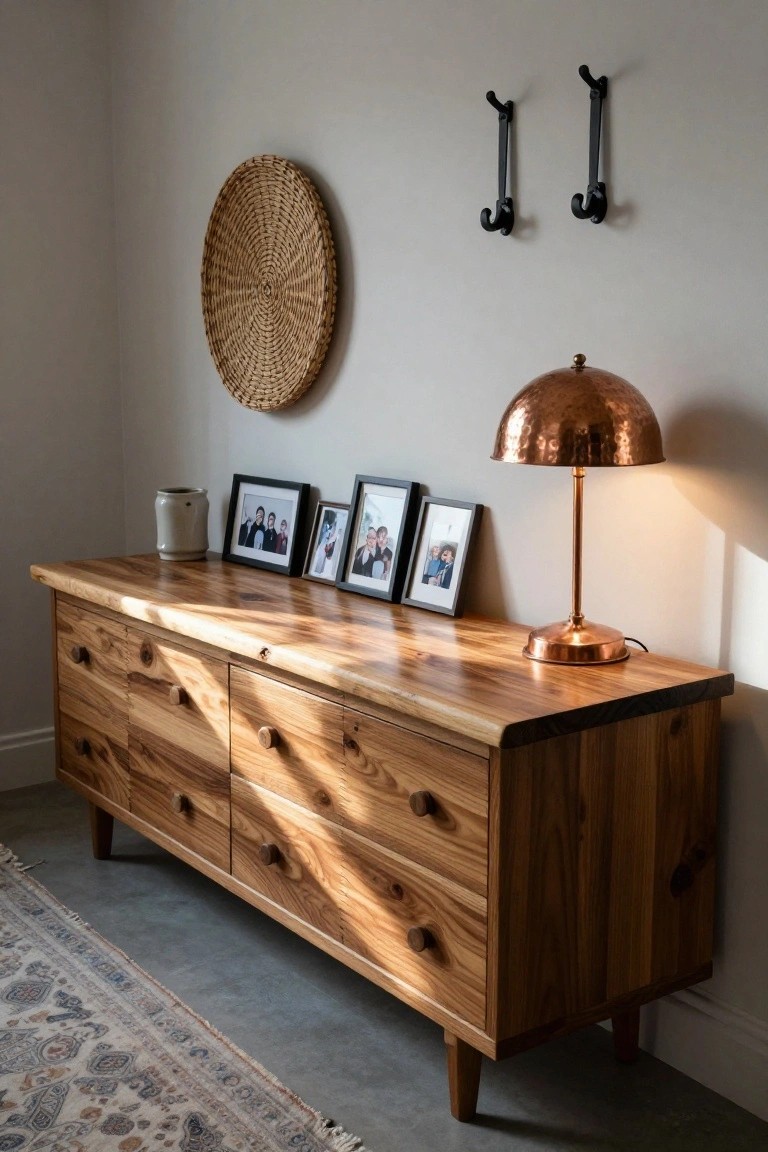
A solid wood sideboard like this one gives you plenty of room for both storage and display without feeling heavy. The natural grain shows through clearly, and the simple drawer layout keeps things organized while the top stays open for a few favorite pieces.
It works best in spaces that already lean neutral or earthy, where the wood can bring a bit of warmth without competing with other colors. Keep the styling light so the piece itself stays the focus rather than getting buried under too many accessories.
Wooden Sideboards For Bedroom Media Areas
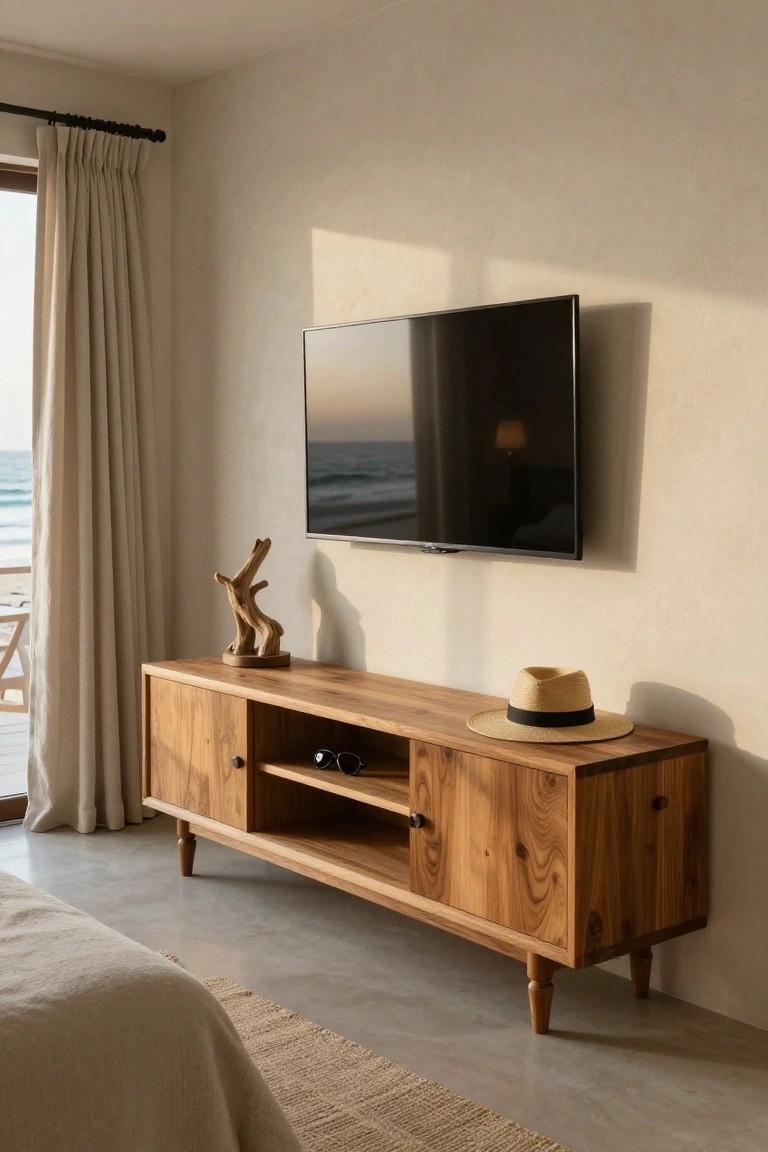
A low wooden sideboard makes a good choice when you need a place for the television in a bedroom. It keeps the screen at a comfortable height while giving you closed storage on the sides and a bit of open space in the middle for smaller items.
This setup works well in rooms where you want to avoid tall furniture that blocks light or makes the space feel smaller. Pick a piece with simple legs so air and floor space can flow underneath, and keep the top mostly clear except for the screen itself.
Wooden Shelving That Adds Warmth to a Bath

A concrete sink can feel stark on its own. Placing a simple wooden shelf unit beneath it brings in warmth and gives you open storage for towels and daily items without adding bulk to the room.
This setup works especially well in smaller baths or powder rooms where closed cabinets might crowd the space. Keep the wood tone natural and let the shelf sit low so the plumbing stays visible and easy to reach.
Wooden Sideboards Under Windows
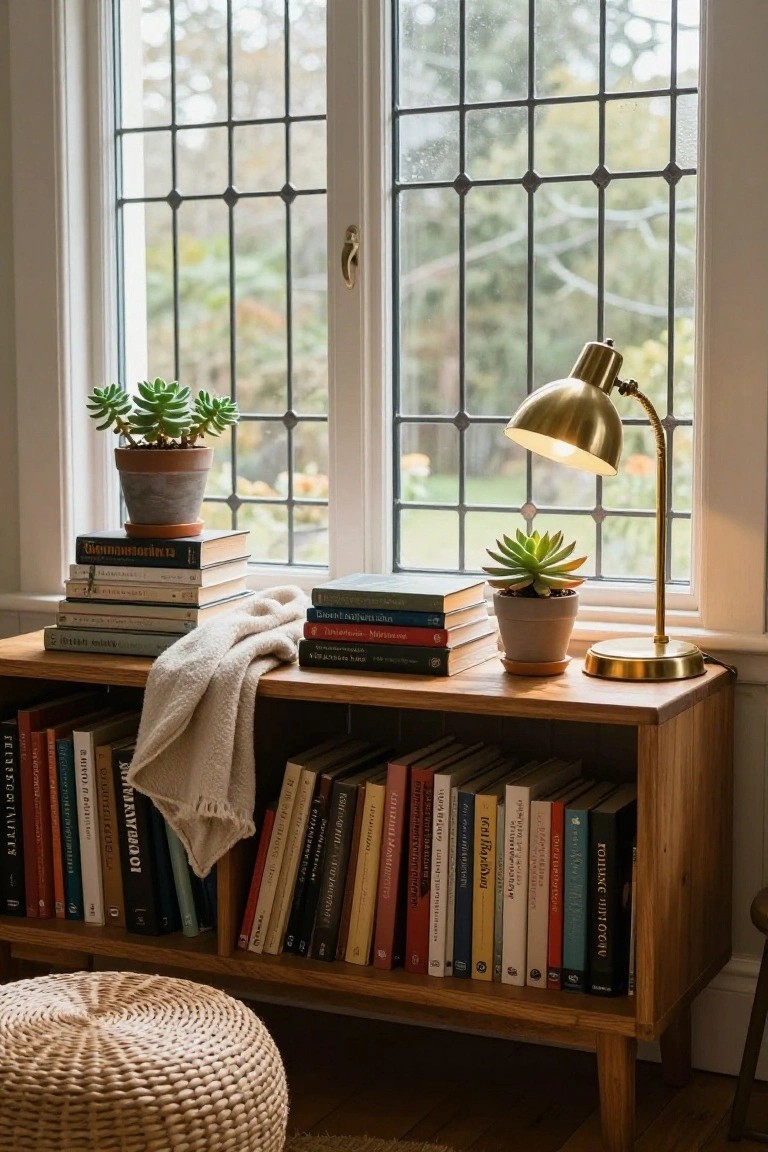
A wooden sideboard placed under a window gives you useful storage while keeping the area bright and open. The natural wood adds warmth that fits easily into many rooms, and it turns a simple wall into a spot for books and a few plants without much fuss.
This works well in living rooms or studies where you want everyday items close at hand. Keep the top fairly clear so light still comes through, and choose a lower piece if your windows sit close to the floor.
Frequently Asked Questions
Q: What wood type stands up best when kids and pets are part of the mix? A: Oak or walnut handles daily bumps better than softer woods like pine. Wipe spills fast and rub in a light oil once a year to protect the surface.
Q: How much room should I leave on either side of the sideboard? A: Give it at least a foot of clearance so drawers and doors swing open without trouble. That gap also keeps the wood from feeling cramped against other pieces.
Q: Can a warm wooden sideboard fit with my mostly modern setup? A: Pick one with straight lines and minimal hardware. The natural grain adds just enough warmth without fighting the clean look you already have.
