

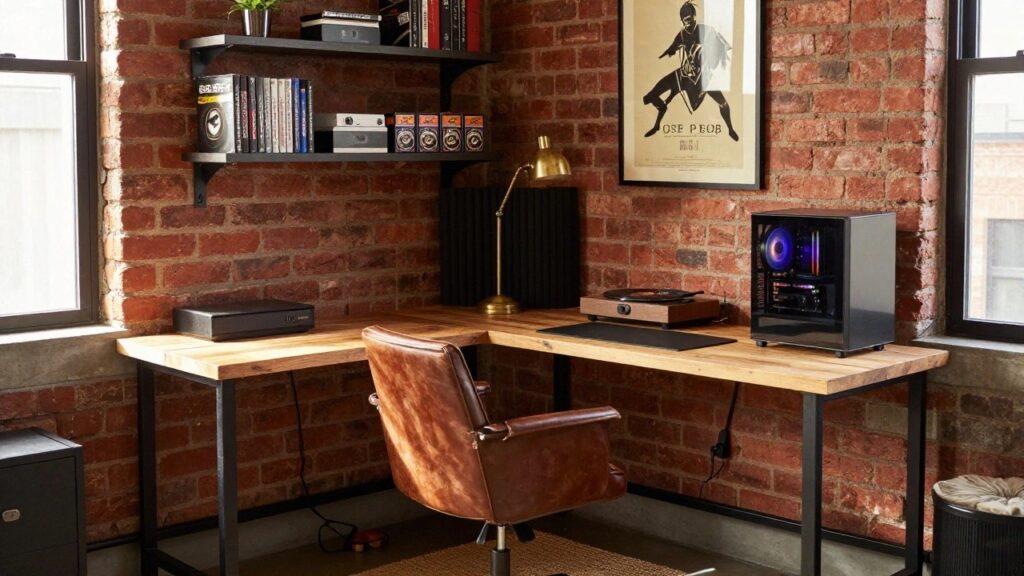
I have learned over time that a corner gaming desk needs to account for how you actually move around the room rather than just how it looks in photos.
The best setups I have seen balance monitor height and keyboard reach with enough space to pull the chair back without hitting other furniture.
Small adjustments here matter more than they appear.
Many corner designs handle those details without sacrificing monitor placement or storage options.
I would try adapting one of the more practical ideas first before committing to anything too bold in my own room.
Corner Desk Against Exposed Brick
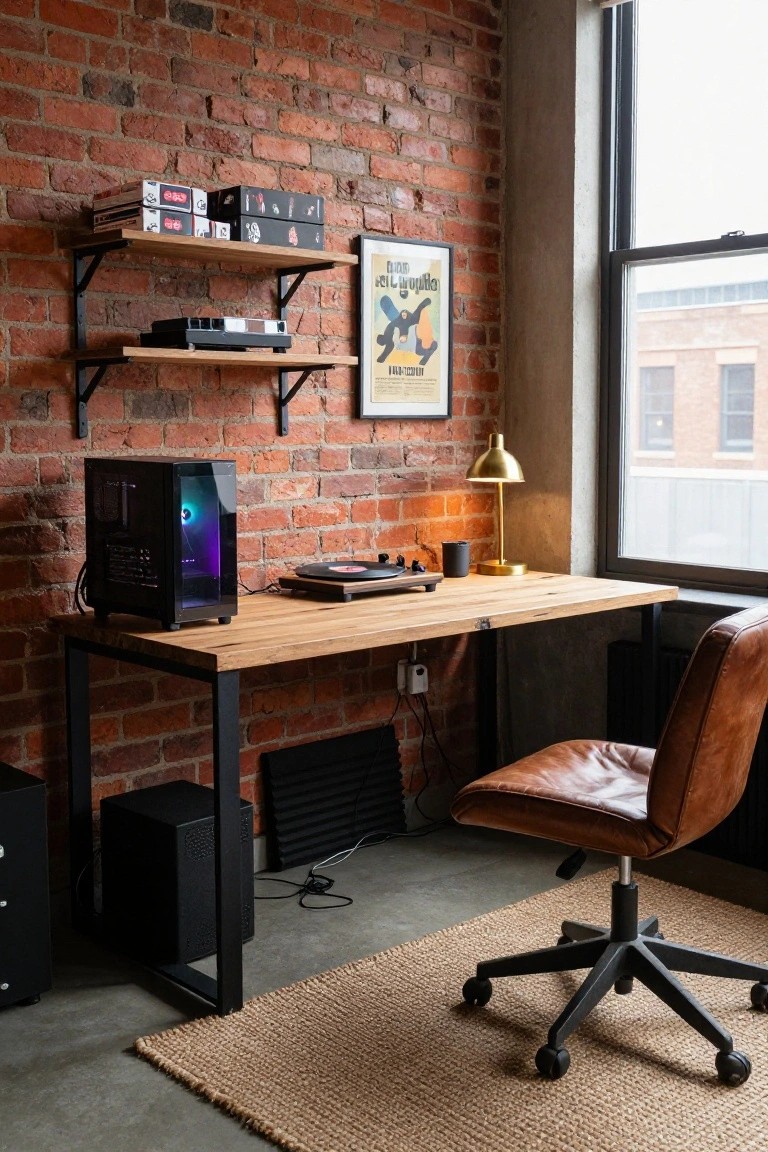
A corner gaming desk set against an exposed brick wall gives the whole setup a solid, grounded feel that stands out without extra effort. The rough texture of the brick pairs well with clean wood and black hardware, so the space feels bold but still practical for long sessions.
This approach works best in rooms that already have some industrial character, or in any space where you want the desk to blend into the architecture rather than fight it. Keep the surface fairly clear and use simple wall shelves above for games or gear so the brick remains the main feature.
Light Wood Desks Keep Corner Setups Feeling Open
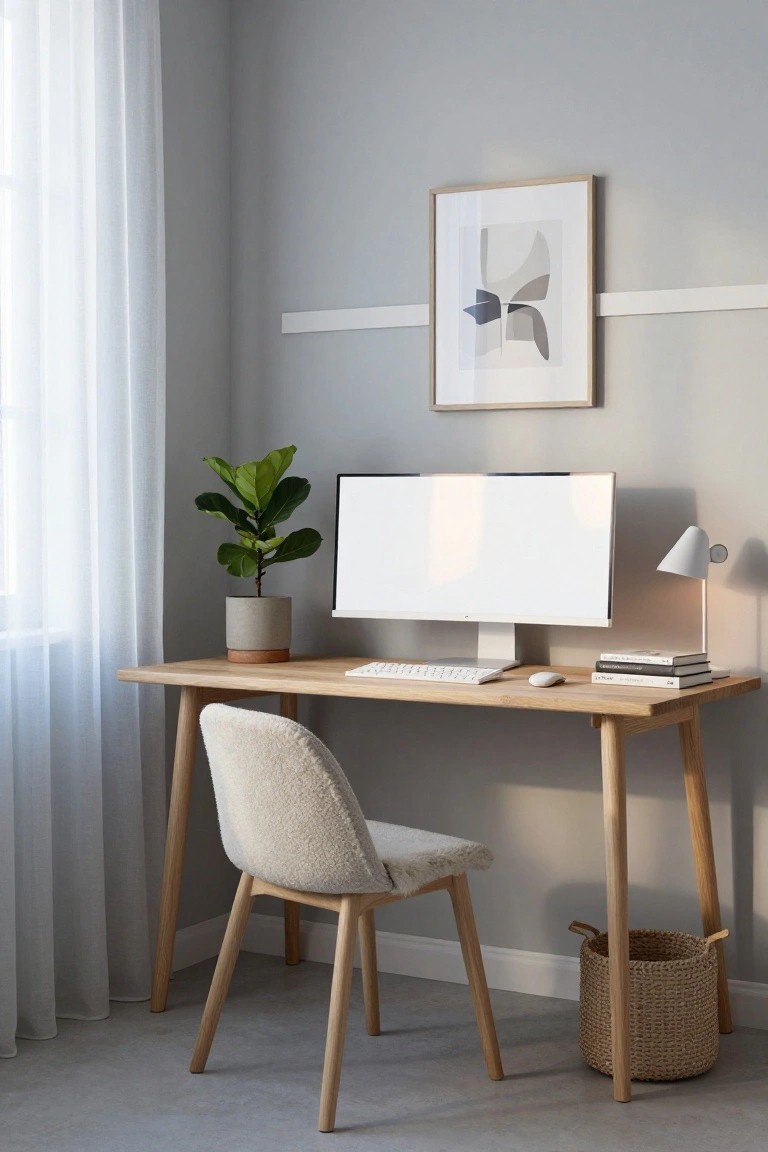
A light wood desk brings a quiet calm to a corner gaming spot. The natural tone keeps the area from feeling boxed in, and it pairs easily with most walls and floors without fighting for attention.
Use this style in smaller rooms or shared spaces where a darker or bulkier desk might close things in. Stick to one or two accessories and let the wood do the rest.
Acoustic Panels Help Control Sound in a Gaming Setup
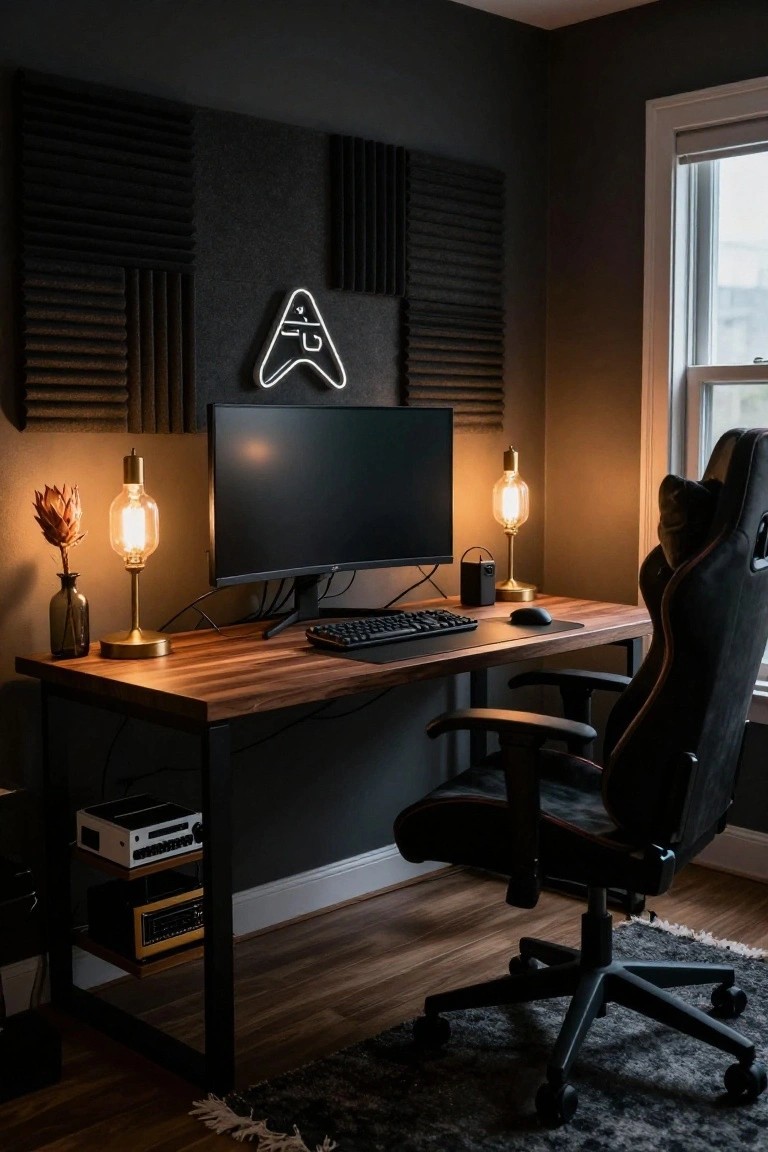
Acoustic panels on the wall behind a desk can make the whole area feel more contained. They cut down on echo and keep sound from bouncing around the room, which matters when you are using a headset or playing late at night.
This works especially well in smaller bedrooms or shared spaces. Stick a few panels in a loose grid above and beside the monitor, then keep the rest of the desk simple so the panels stay the main feature.
Corner Desks With Wall Shelves For Extra Storage
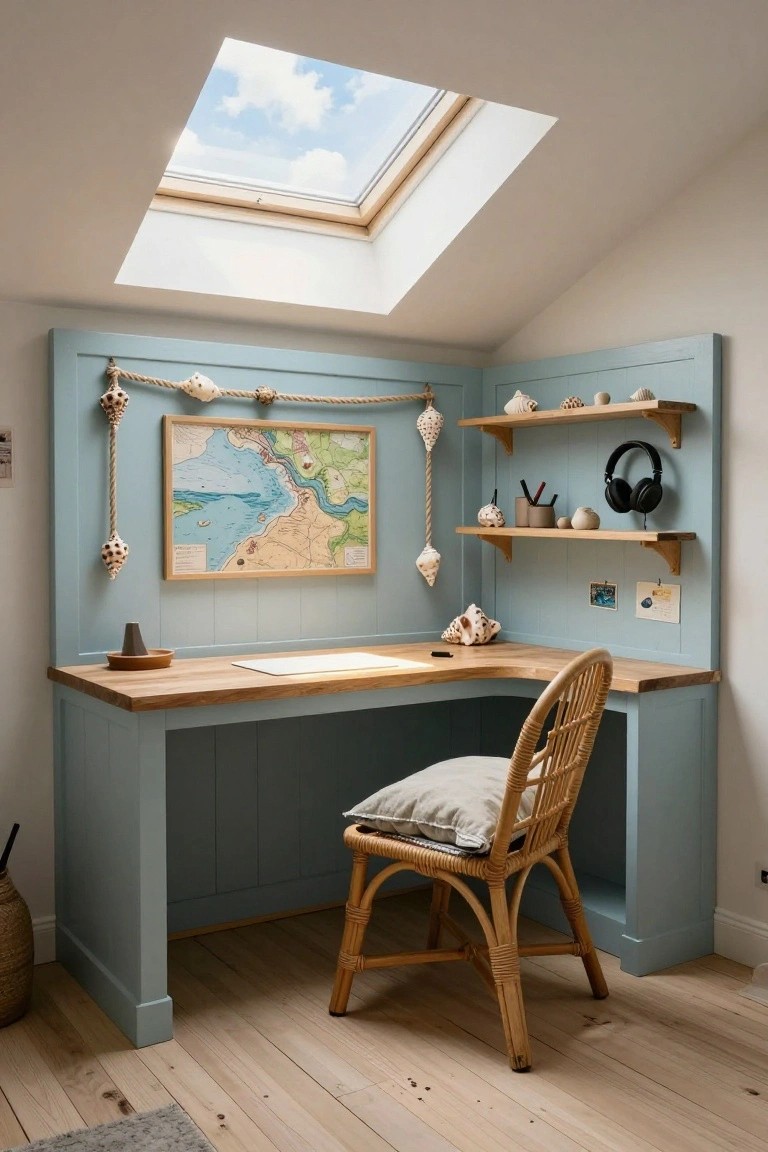
A corner desk already gives you more surface area than a straight one, but adding a couple of wall shelves above it takes the setup further. The shelves keep headphones, pens, and small gear off the desk without crowding the space, and they turn the corner into a self-contained spot that feels organized rather than cluttered.
This works especially well in smaller rooms or under sloped ceilings where floor space is limited. Mount the shelves at a comfortable height so you can reach what you need while seated, and keep the desk surface clear for your monitor and keyboard. It is a simple way to gain storage without buying a bigger desk.
Pegboard Storage Keeps Gaming Gear Organized
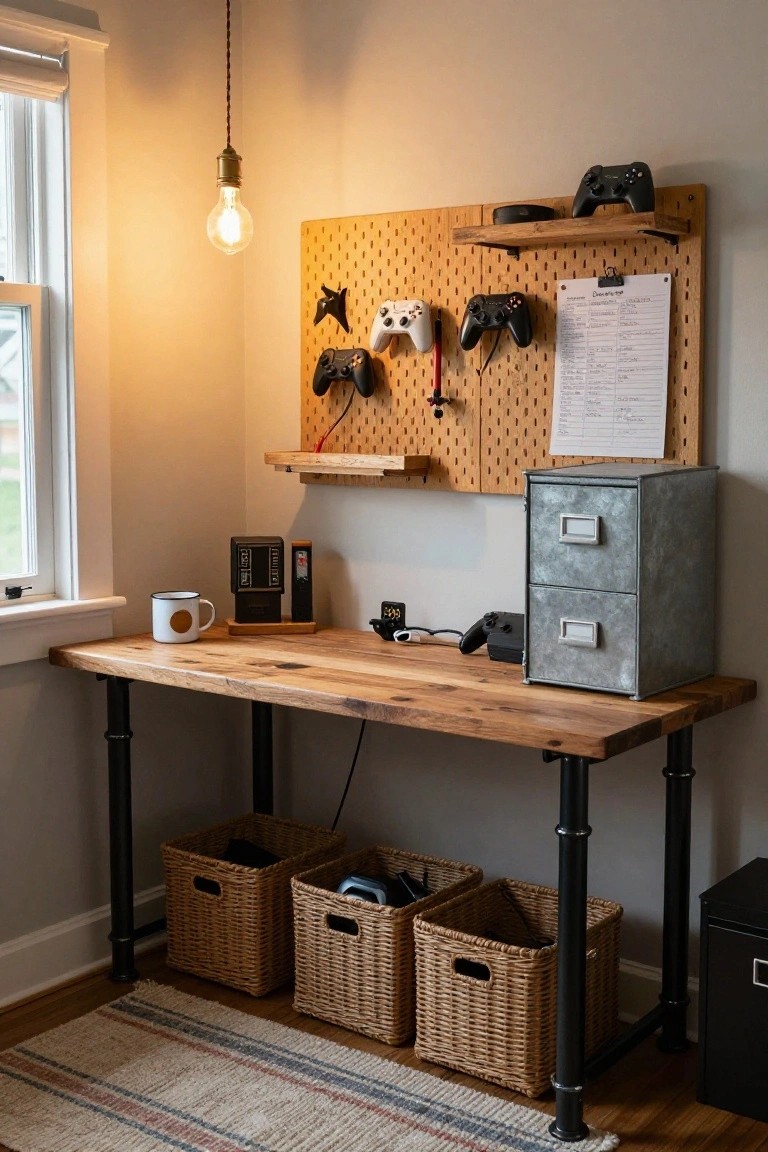
A pegboard mounted above the desk gives you a simple way to hang controllers and accessories so the surface stays clear for playing. It works well in a corner because it turns empty wall space into useful storage without crowding the room.
You can shift hooks and small shelves around as your setup changes, which makes it easy to keep everything in reach. This approach fits smaller spaces or apartments where you want the desk itself to stay practical rather than cluttered.
Dark Walls And Gold Accents For A Bold Desk Corner

A dark textured wall can turn an ordinary desk into something that feels more intentional. The deep color creates a sense of enclosure that helps the space feel like its own zone, especially when you add gold or brass details to catch the light.
This approach works best in smaller rooms or corners where you want the desk to stand out without adding much furniture. Keep the desk surface simple so the wall and metal accents carry the look, and test the lighting to avoid a cave-like feel during long sessions.
Built-In Corner Desk With Overhead Storage
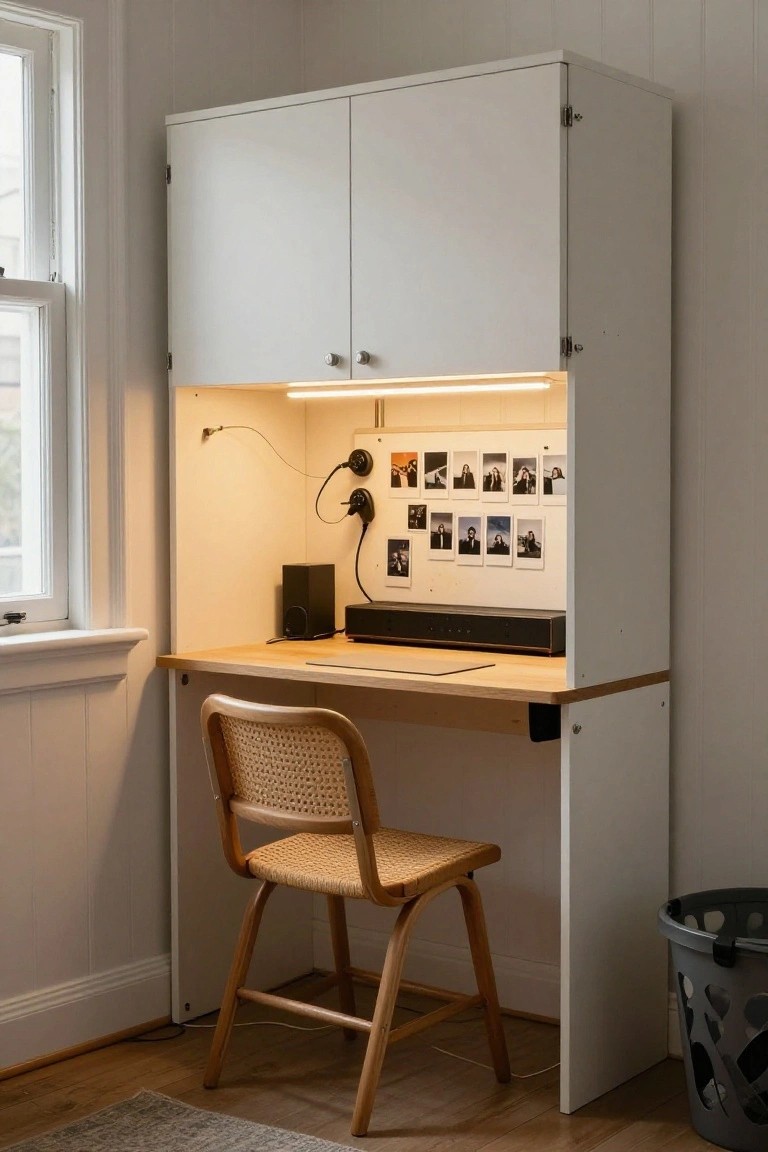
A built-in desk unit like this turns an empty corner into a complete gaming station without eating up extra floor space. The overhead cabinets give you room to hide cables and gear while the desk surface stays clear for a monitor and speakers.
This setup suits small bedrooms or apartments where you want everything in one spot. The under-cabinet lighting helps with visibility, and the enclosed sides keep the area from feeling too open.
Add A Monitor Shelf For A Cleaner Desk
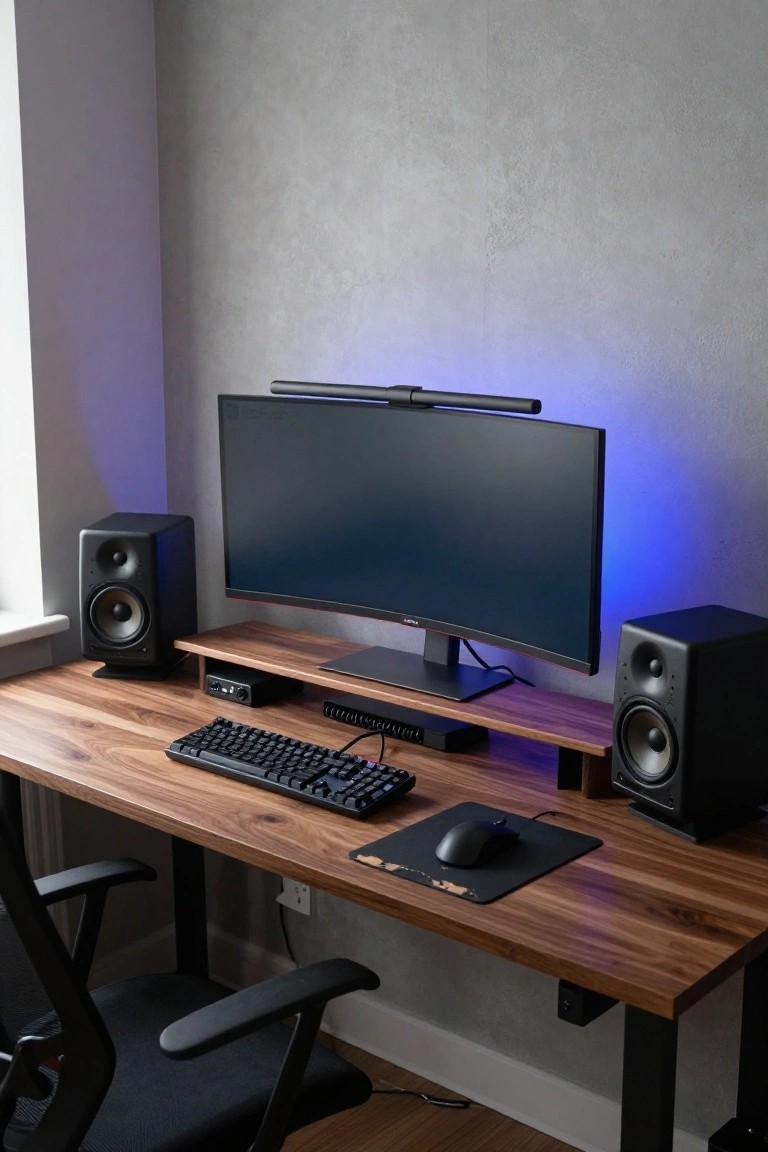
A monitor shelf gives you extra depth and lifts the screen to a better height without taking over the whole surface. It works especially well in a corner because it keeps the keyboard and mouse area open while the back of the desk stays organized. The wood tone also warms up the setup and makes the whole corner feel more finished.
This approach suits smaller rooms or apartments where you want a dedicated gaming spot that still looks calm. Keep the shelf fairly shallow so it does not push the monitor too far back, and run cables behind it for a tidy look. Pair it with side speakers if you want balanced sound without crowding the main work area.
Tucking Your Desk Into A Bright Corner
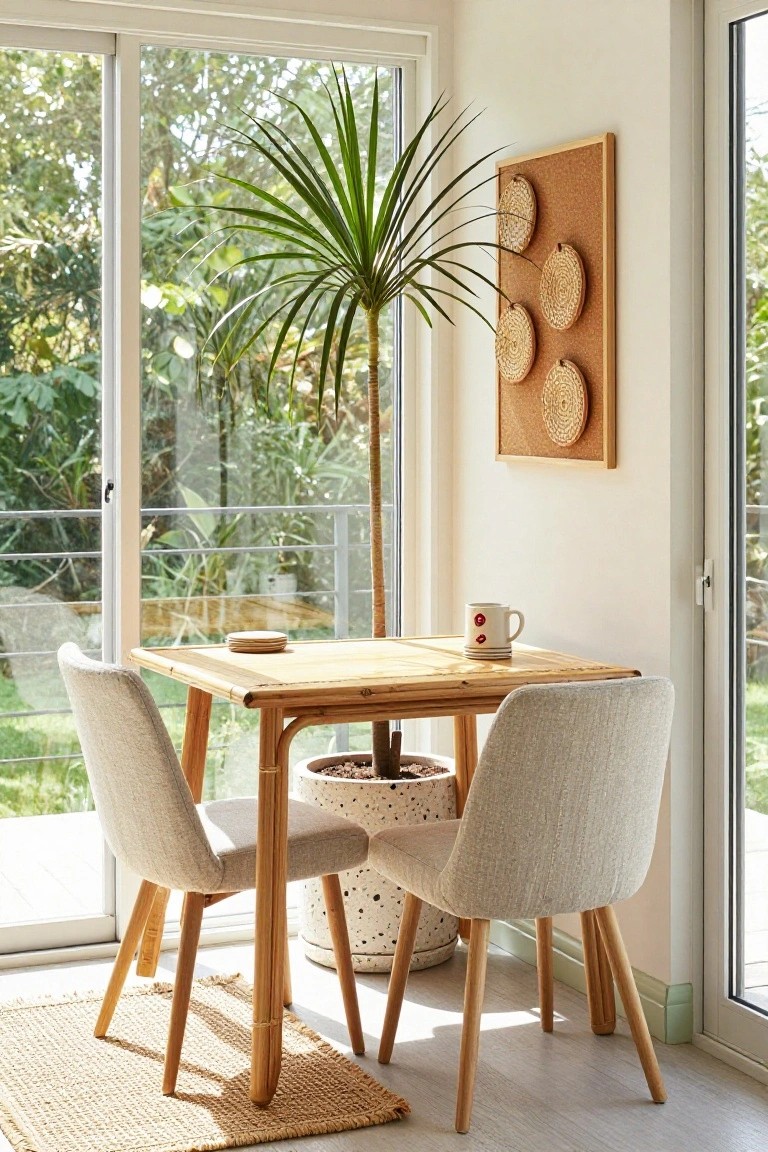
Putting a gaming desk in a corner next to big windows can make the whole setup feel lighter and less boxed in. The natural light helps the space stay usable during the day, and the view outside gives your eyes a break without you having to leave the room. It works especially well when the desk stays fairly compact so it does not block the flow.
This approach suits smaller rooms or homes that get good daylight. Keep the surrounding area simple, maybe with just a plant or two nearby, and angle the monitor so glare does not become an issue. It is a straightforward way to make a corner feel purposeful instead of leftover.
Corner Desks With Wall Storage Make The Most Of Tight Spaces
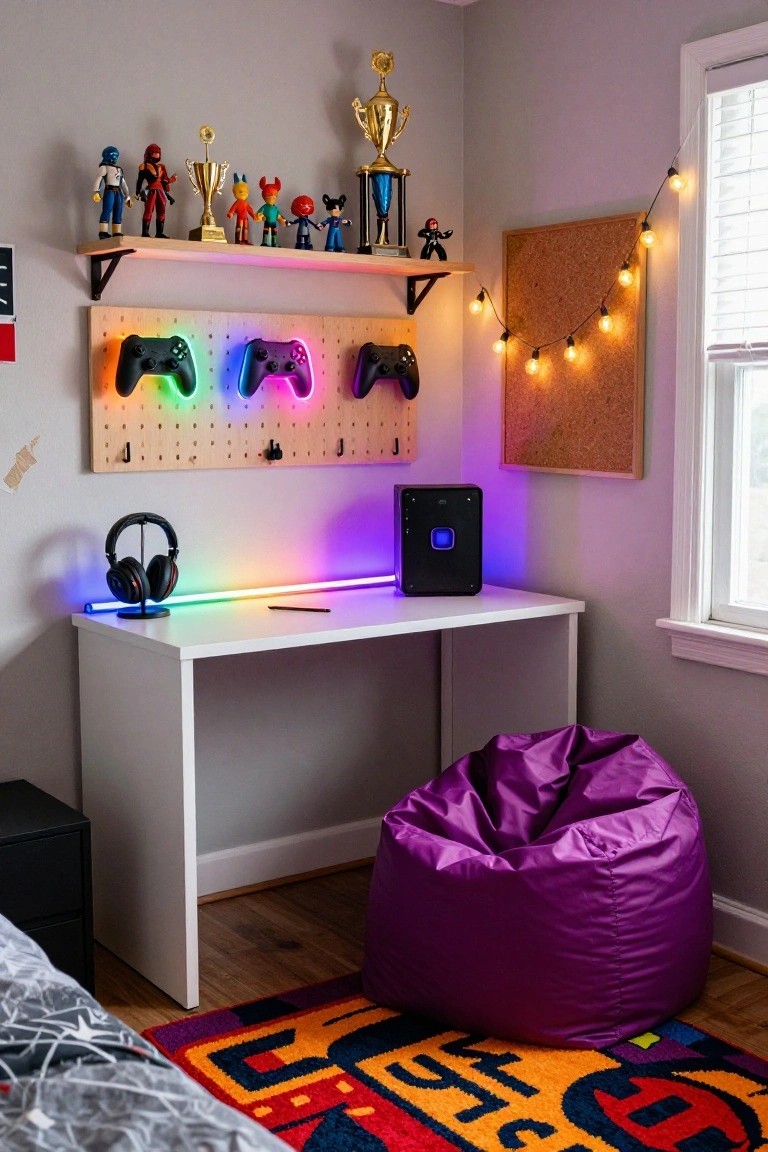
Many gamers place their desk in a corner to free up floor space in smaller rooms. A pegboard mounted right above the desk surface gives quick access to controllers and keeps the top clear for actual play.
This setup suits bedrooms or multi-use spaces where you need to fit a lot into limited square footage. Keep the shelf above simple so the area stays functional rather than overcrowded.
Corner Shelving For Everyday Storage
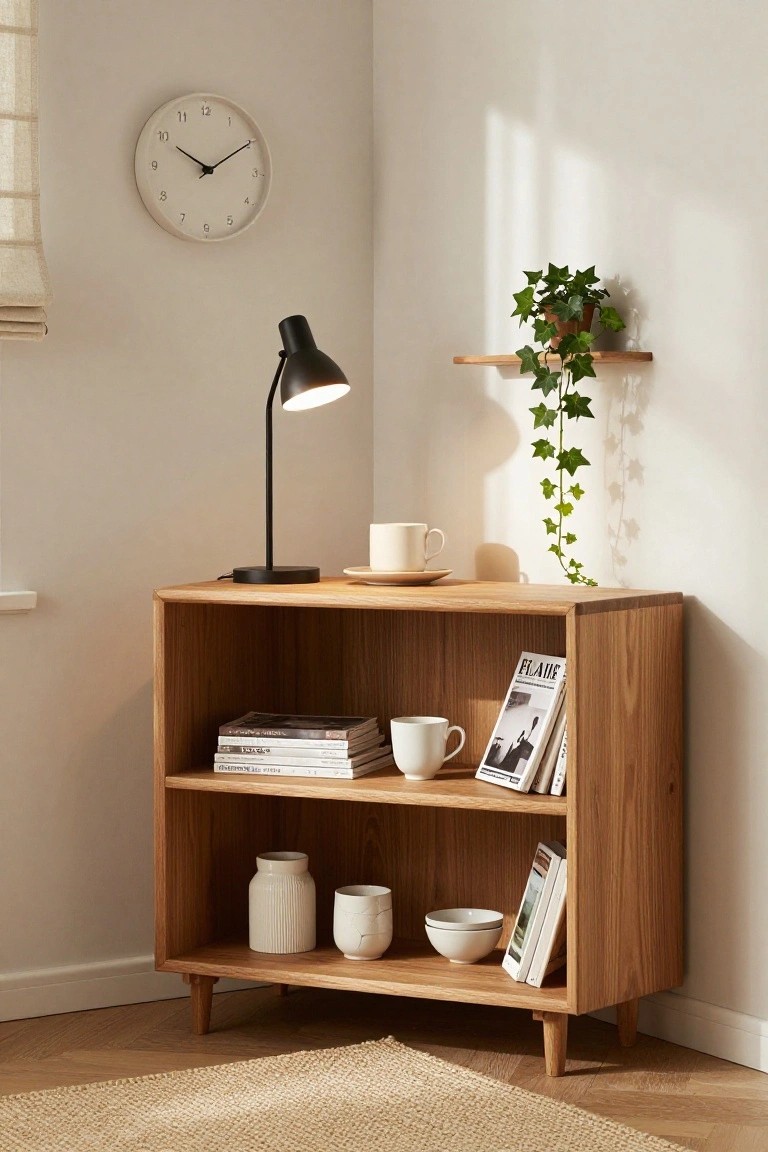
Tucking a low open shelf unit into a corner gives you extra room for books, dishes, and small items without crowding the rest of the space. The simple shape keeps things feeling open while still offering plenty of places to put stuff away.
This kind of piece works best in smaller rooms or apartments where you need storage but do not want heavy furniture. Keep the top surface clear for a lamp so the corner stays useful at night too.
Kitchen Corner Gaming Station
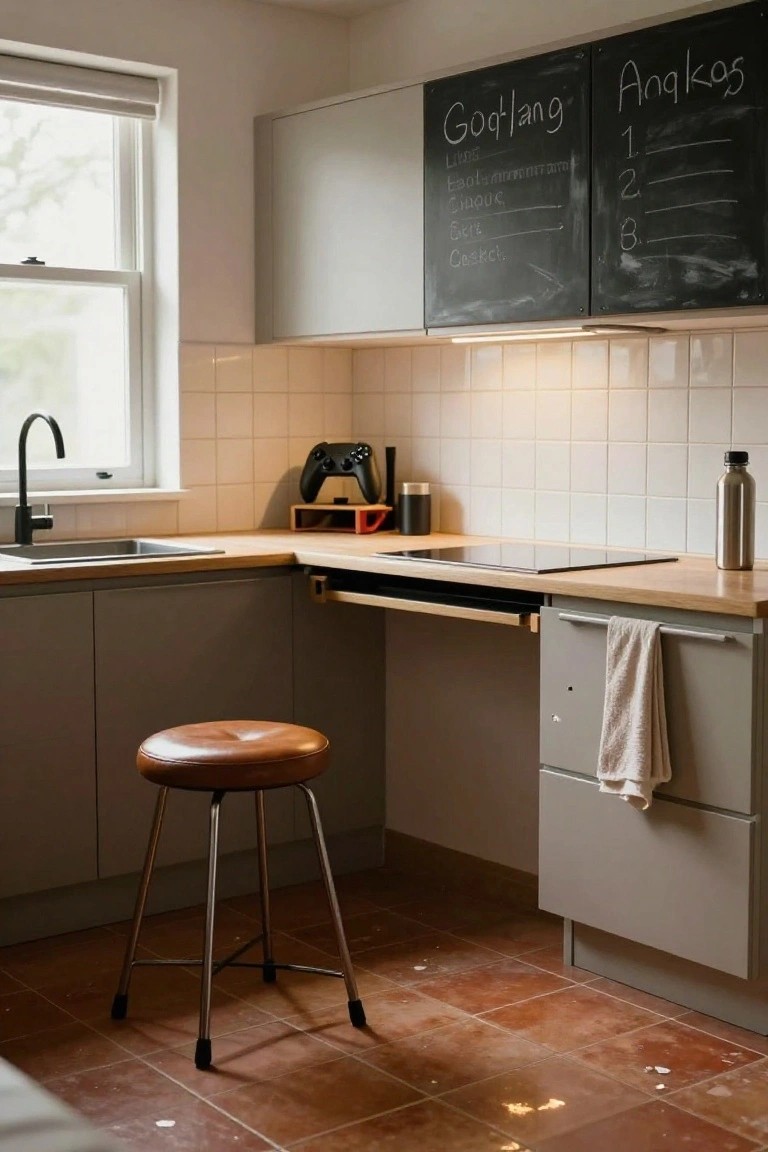
A kitchen corner can make a surprisingly practical spot for gaming when space is limited. The existing counter gives you a solid surface without needing extra furniture, and a simple stool lets you slide in and out quickly.
This works best in apartments or smaller homes where a full desk would feel too much. Keep only the essentials like a controller or small console on the counter so the area stays usable for cooking too.
Fit A Gaming Desk Under The Stairs
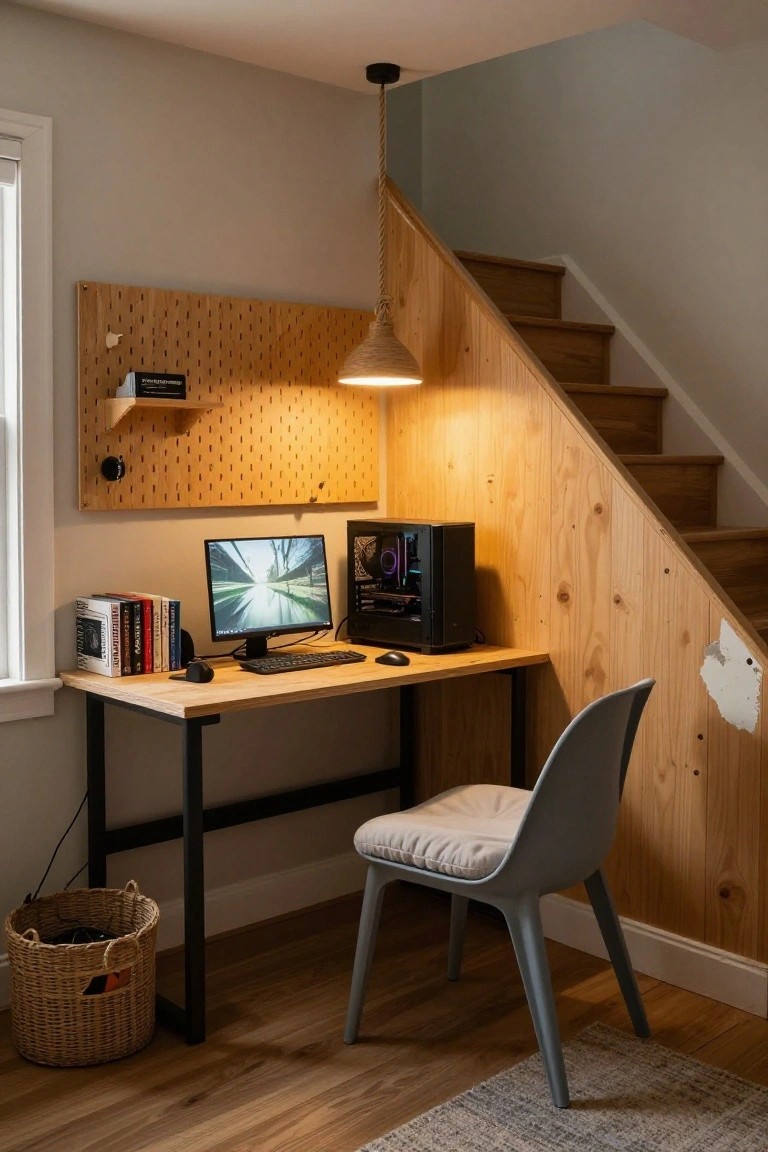
Many homes have an awkward empty spot right under the staircase that rarely gets used for much. Putting a gaming desk there turns that dead space into a real workstation without needing a separate room or large footprint.
This setup works best in smaller homes or open layouts where you want the computer out of the main living area. Keep the desk simple, add wall storage above it, and make sure the chair can slide in and out easily so the space stays practical day to day.
Add Floating Shelves Above Your Corner Desk
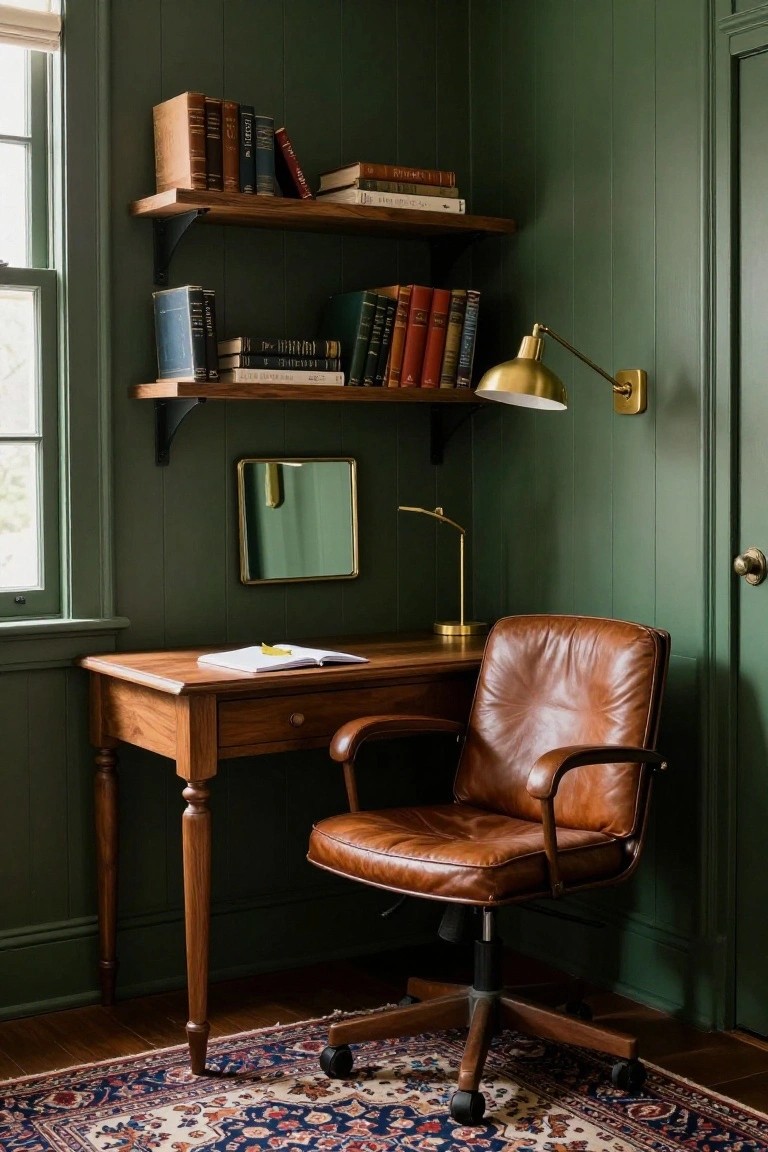
A corner desk can feel cramped once you add a monitor, keyboard, and all the usual gear. Floating shelves above the desk give you a simple way to lift books, speakers, or controllers off the surface without eating into legroom or desk depth. The setup stays open and easy to clean while still keeping everything close at hand.
This works best in smaller rooms or spare corners where floor space is tight. Keep the shelves at a height that lets you reach items without standing, and use them for the things you grab less often so the desk itself stays clear for gaming.
Use LED Backlighting To Define The Corner
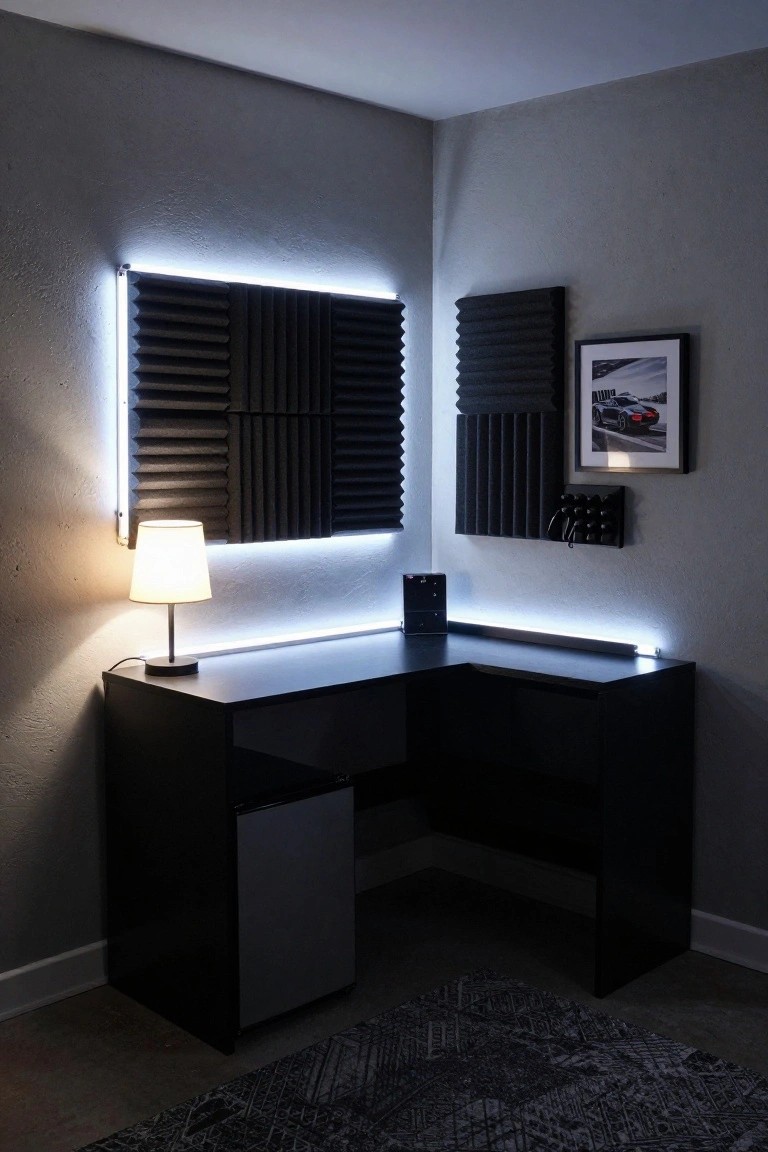
LED strips along the back edge of a corner desk can make the whole setup feel more intentional. The light creates a clean border that separates the gaming area from the rest of the room and helps the desk stand out even when the rest of the space stays dark.
This approach works best in smaller rooms where you want the desk to feel like its own zone. Run the strips along the wall behind the desk and under the edge so the light stays low and even. It pairs well with darker furniture and simple wall treatments, and it keeps the focus on the monitor without needing a lot of extra lamps.
Corner Desk With Window Views
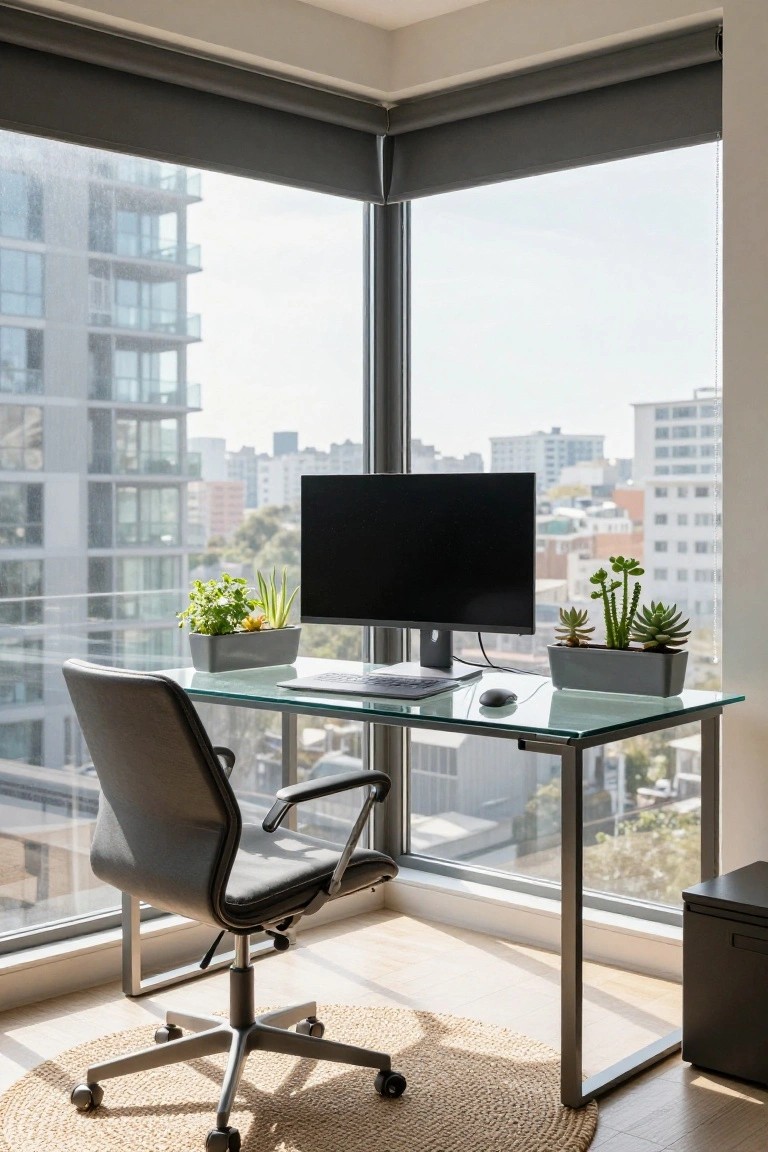
Placing a gaming desk right in a corner like this takes advantage of two big windows at once. The natural light cuts down on eye strain during long sessions and the open view makes the whole setup feel less boxed in.
This works best in apartments or homes where the corner lines up with a decent outlook. Keep the desk surface fairly clear so the light and view stay the main features, and add a simple rug underneath to define the spot without crowding the room.
Frequently Asked Questions
Q: How much clearance do I need around a corner desk so it does not feel boxed in?
A: Leave at least two feet on the open sides for your chair to roll back. Walk through the space a few times after setup to check if you bump elbows or trip on cords. Small adjustments now save daily frustration later.
Q: What’s the easiest way to manage cables behind a corner desk?
A: Tuck them into a cable raceway along the wall. This hides everything without extra tools or hassle.
Q: How do I keep long sessions comfortable when my chair sits at an angle in the corner?
A: Angle the monitor slightly toward your natural line of sight instead of forcing your neck to twist. Add a small footrest under the desk to support your legs. These tweaks reduce stiffness without buying new gear.
