

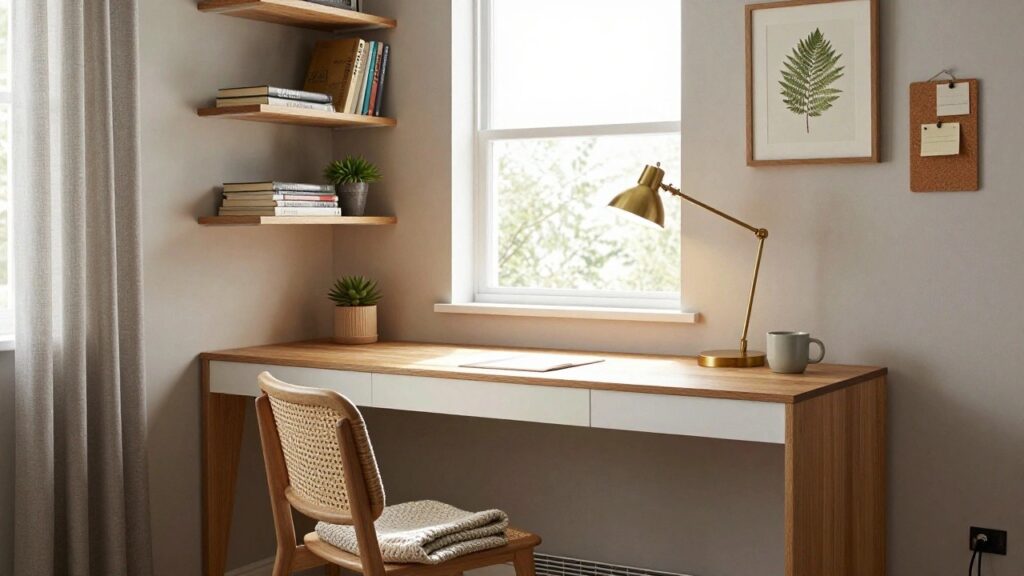
Corners in smaller rooms often end up as dead space because standard furniture does not fit the angles well.
I have noticed that once you place a desk that actually suits the shape, the room starts to feel more organized and easier to move around in.
Trying different heights and storage options helped me see what really keeps things from feeling cramped during a workday.
Many layouts improve when the corner serves a purpose instead of sitting unused.
A few setups work better than others depending on the room size.
Corner Desk With Overhead Shelving
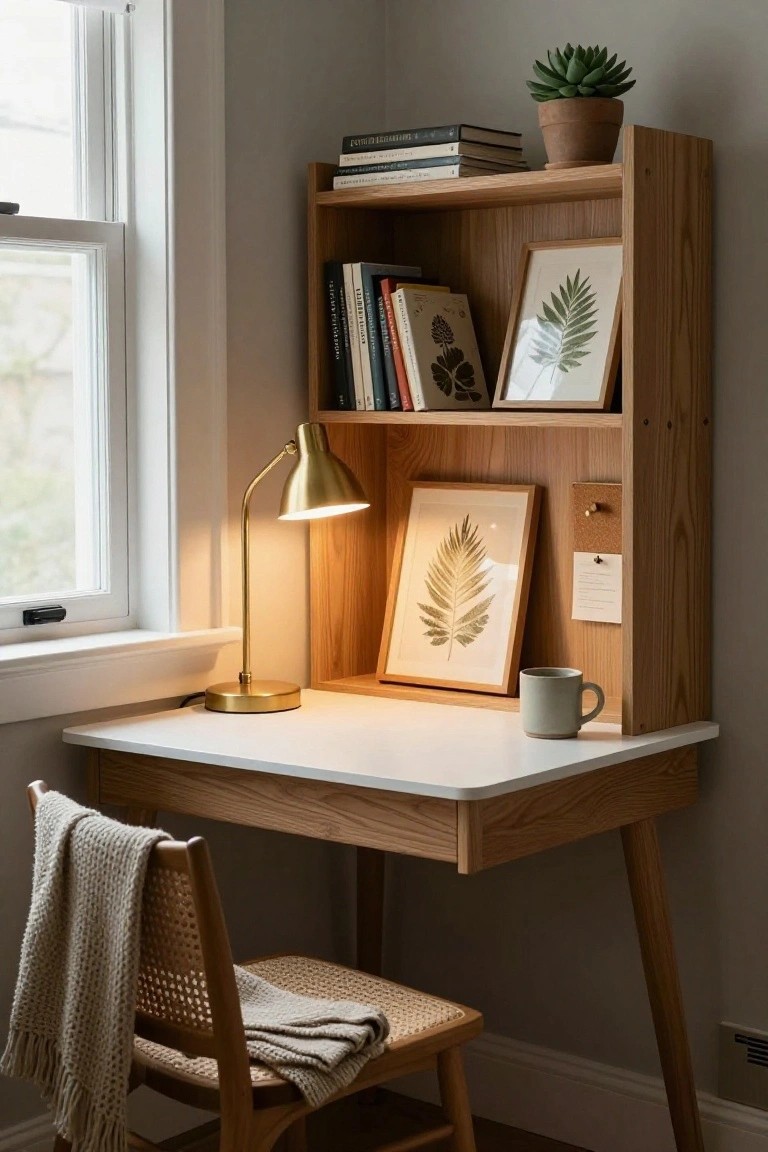
A corner desk that includes built-in shelves above it makes good use of space that often goes to waste. The shelves give you room for books, supplies, or a few personal items without adding another piece of furniture to the room.
This approach works especially well in smaller homes or bedrooms where floor space is limited. Keep the desk surface clear for daily work and use the shelves to hold what you reach for most often.
Built-In Corner Desks With Overhead Storage
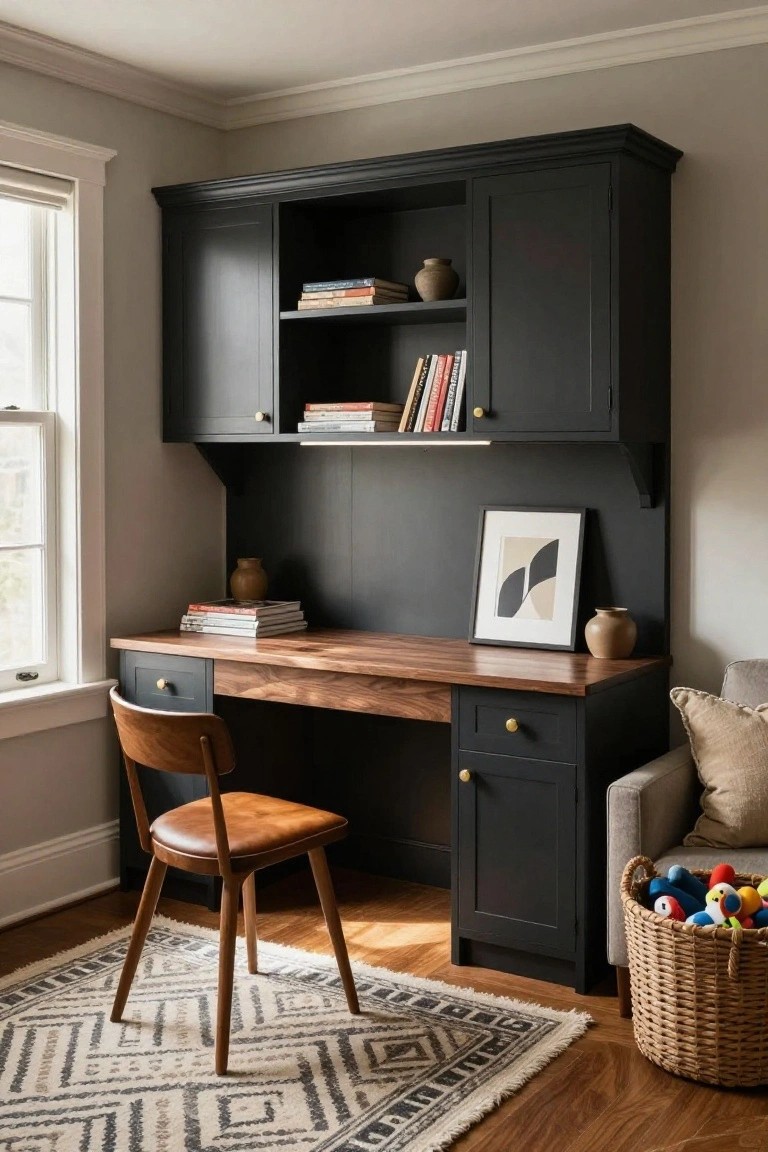
A built-in desk that runs into the corner and includes cabinets above can turn an awkward spot into a real workspace without eating up extra floor space. The upper cabinets keep books and supplies off the desk surface, while the lower drawers and doors handle the rest. This setup works especially well in smaller rooms where every inch counts.
It suits homes with older trim or standard ceilings because the cabinetry can be sized to fit the space. Keep the desktop depth reasonable so the chair still has room to pull out, and choose a finish on the cabinets that blends with the wall color if you want the whole thing to feel less bulky.
Use A Pegboard Back On Your Corner Desk
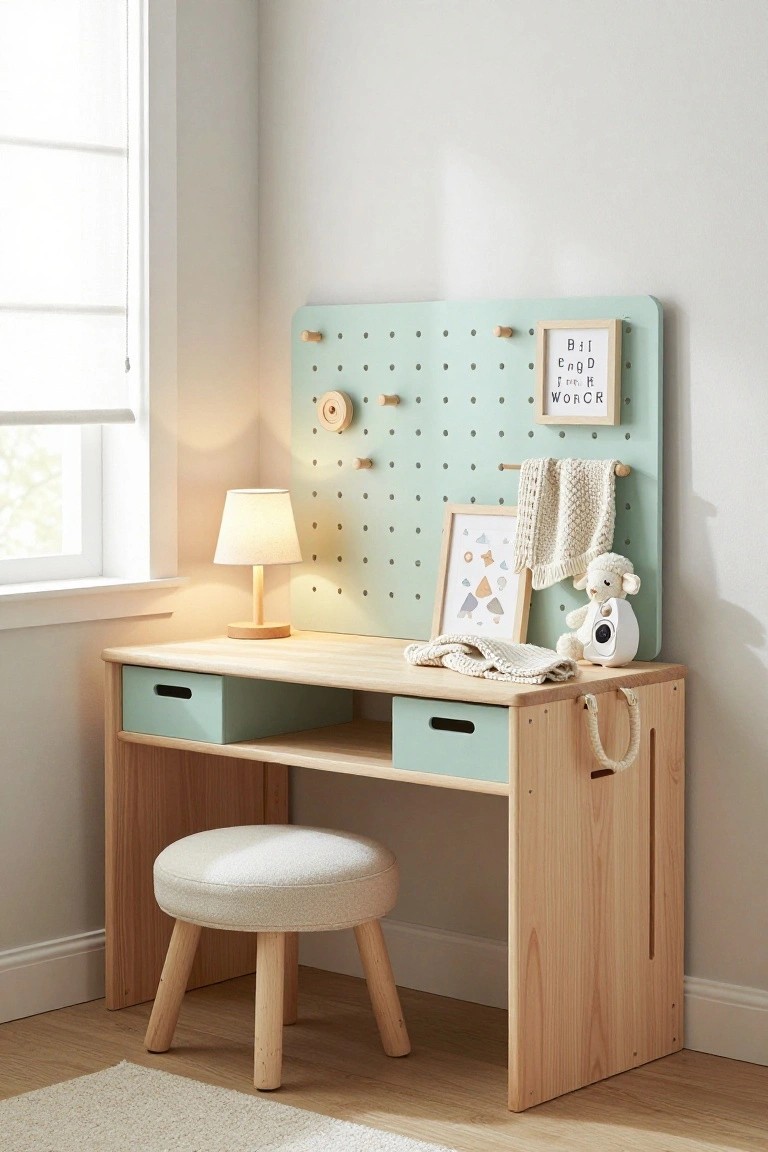
A pegboard panel turns the wall behind a corner desk into flexible storage. You can hang small hooks, clips, and shelves right where you need them, which keeps the desk surface clear and makes the whole setup feel more organized.
This idea works well in a kid’s room or a tight home office where every inch counts. Just mount the board to match the desk height and move the accessories around as things change.
Mount A Desk In The Corner With Overhead Hooks
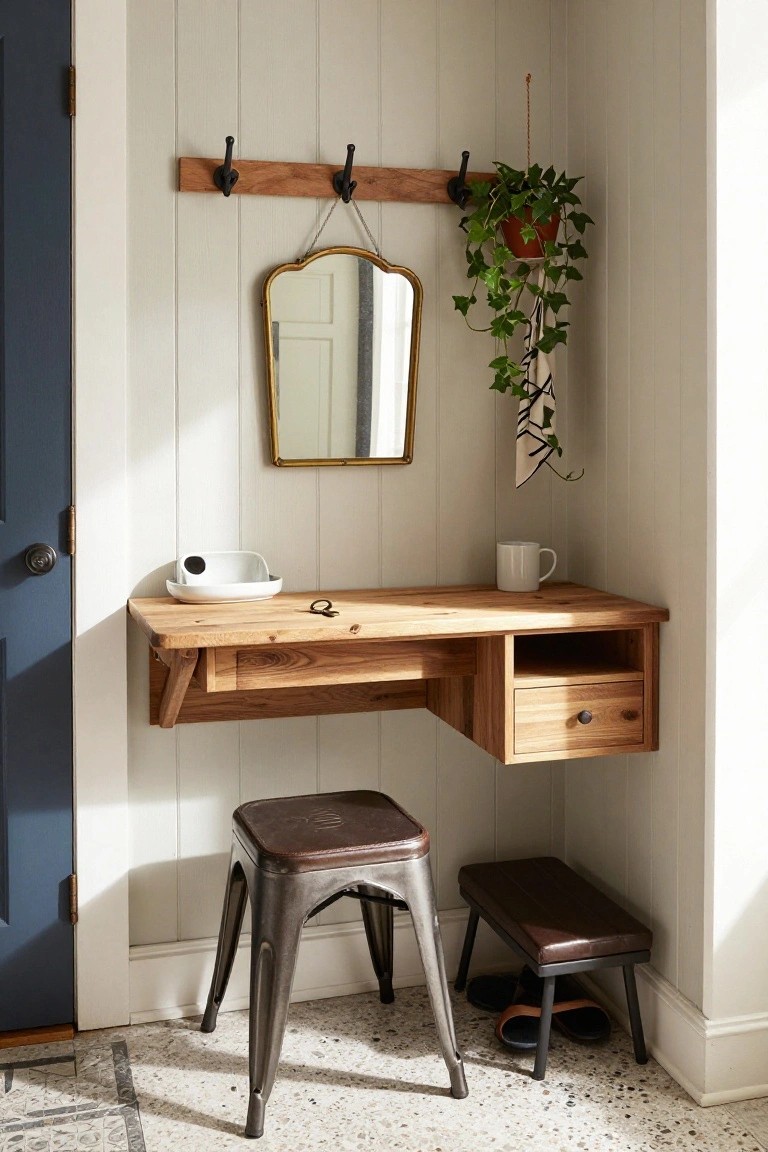
A corner desk like this works well because it uses both the wall and the floor space without taking up much room. The desk sits right against two walls, and the hooks above hold a mirror and a few plants so the area feels useful instead of empty. It turns a spot that often gets ignored into a place for quick tasks or daily drop-offs.
This setup suits small homes or entry corners where you need a surface but do not want bulky furniture. Keep the desk narrow, add a couple of hooks or a small shelf above it, and choose a stool that slides underneath when not in use. Just make sure the height works for sitting or standing so the space stays comfortable every day.
Corner Desks With Overhead Shelving
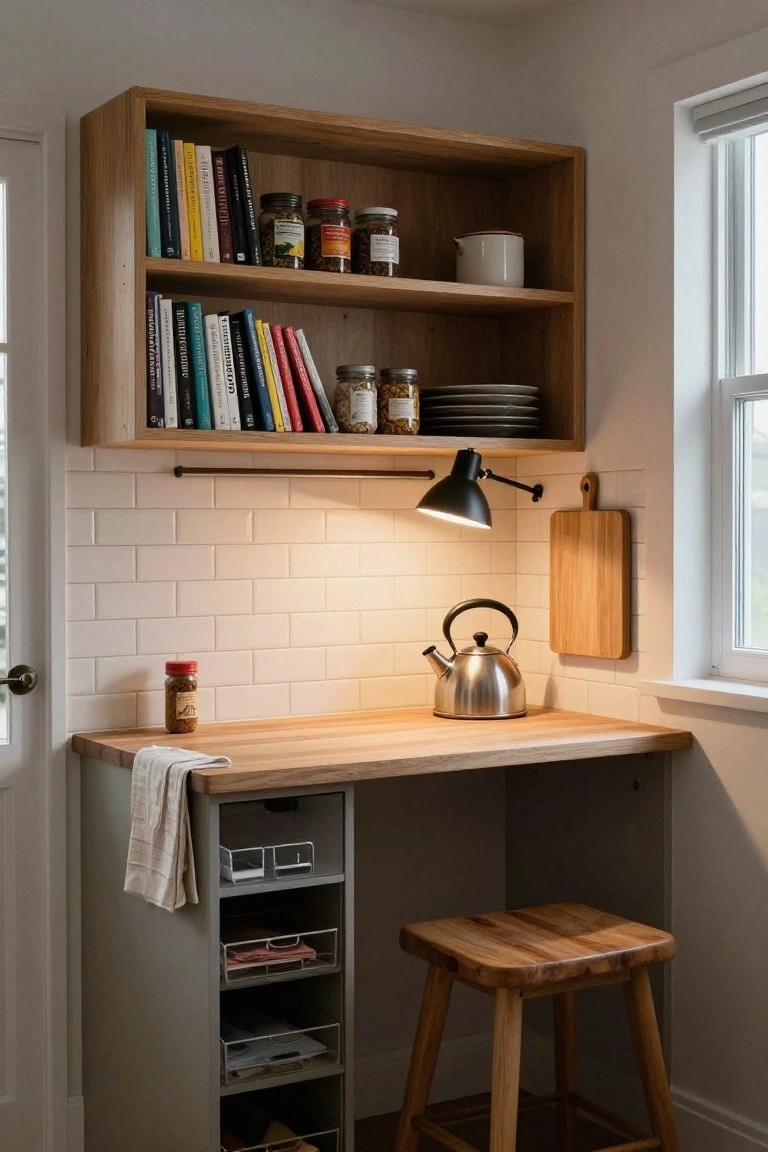
A simple corner desk can feel much more useful when you add open shelves right above it. The shelves turn what might be wasted wall space into storage for books, jars, or everyday items without needing a big cabinet. This keeps the surface clear for actual work while everything stays close at hand.
It suits small kitchens or home offices where floor space is tight. Keep the shelves shallow so the area does not feel closed in, and choose a wood tone that matches the desk for a clean look overall.
Corner Desks Feel More Useful With Storage Above
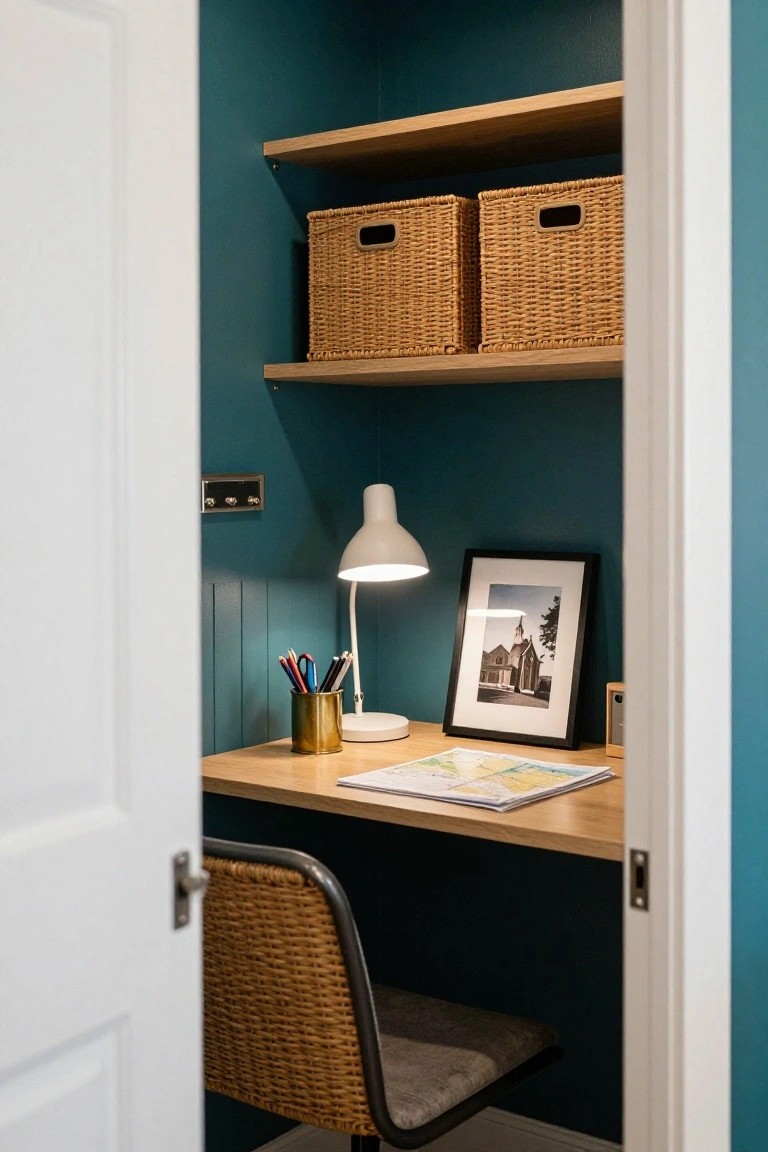
A small corner can become a real workspace once you add a simple desk and some open storage right above it. The shelves keep supplies close without eating into floor space, and the whole setup stays neat even in a tight room.
This works well in apartments or homes where every inch counts. Keep the colors calm so the area does not feel closed in, and choose baskets or bins that match the room. Just watch the depth of the desk so the chair still slides out easily.
Build A Floating Corner Desk Into An Unused Nook
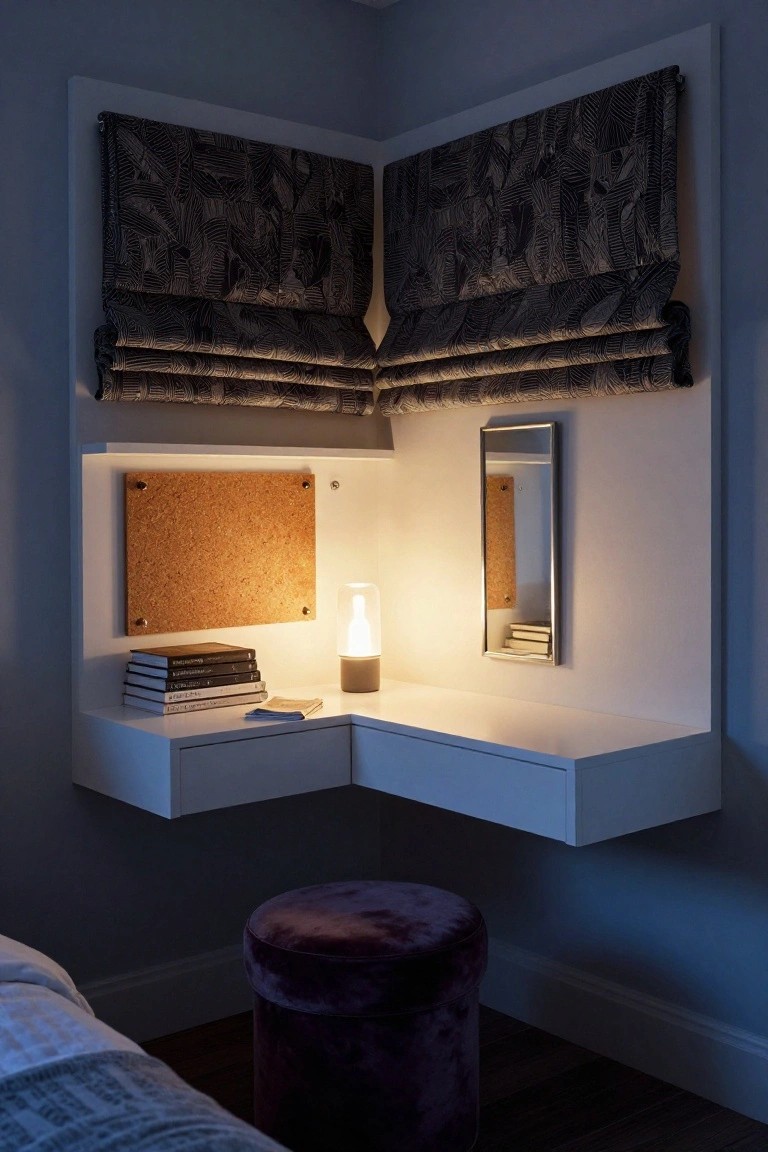
A floating desk that wraps around the corner turns wasted space into a practical workspace without crowding the floor. It keeps the area open underneath so the room still feels roomy even in smaller homes.
This works best in bedrooms or guest rooms where you need a spot to work but do not want heavy furniture. Add a few drawers for storage and some simple lighting above the surface to make the whole setup feel finished.
A Simple Desk Works In Tight Corners
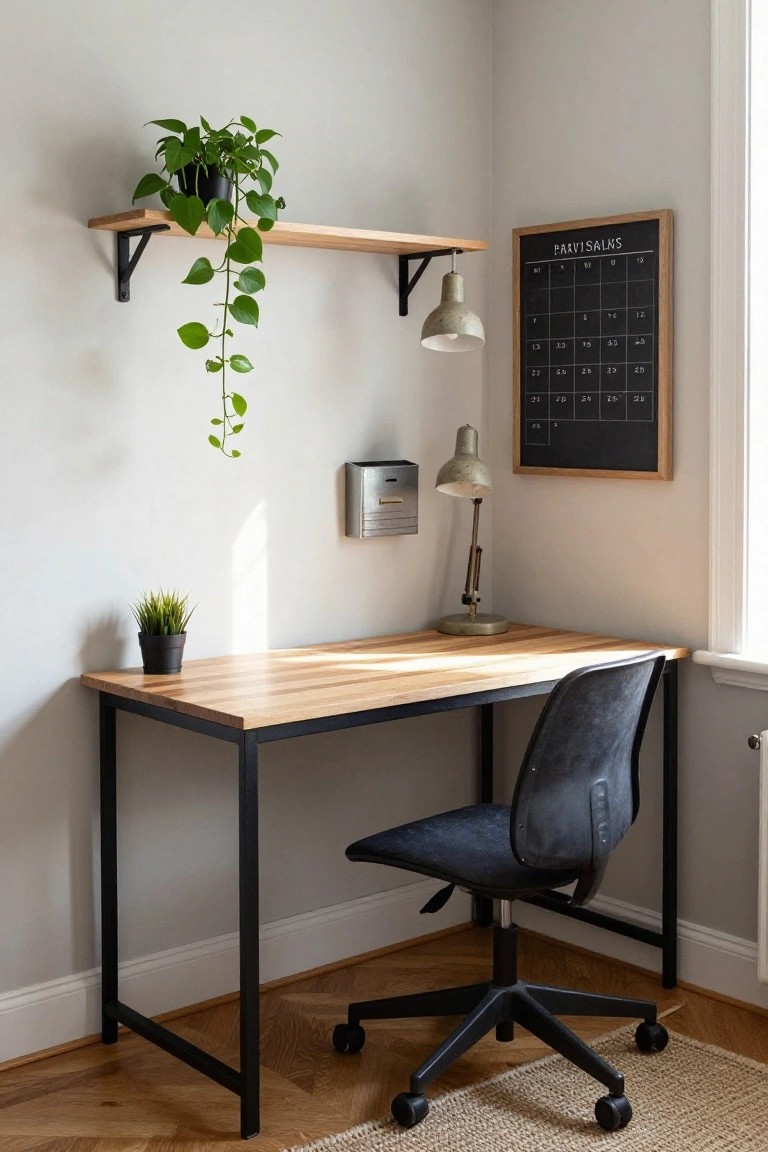
Placing a basic rectangular desk straight into the corner can turn an awkward spot into a usable workspace without much fuss. The slim black frame and light wood top keep the whole area feeling open instead of boxed in.
This approach suits small rooms or home offices where floor space is limited. Tuck a rolling chair underneath when not in use and add one floating shelf above for a few plants or supplies.
Narrow Desks With Built In Storage Cubby
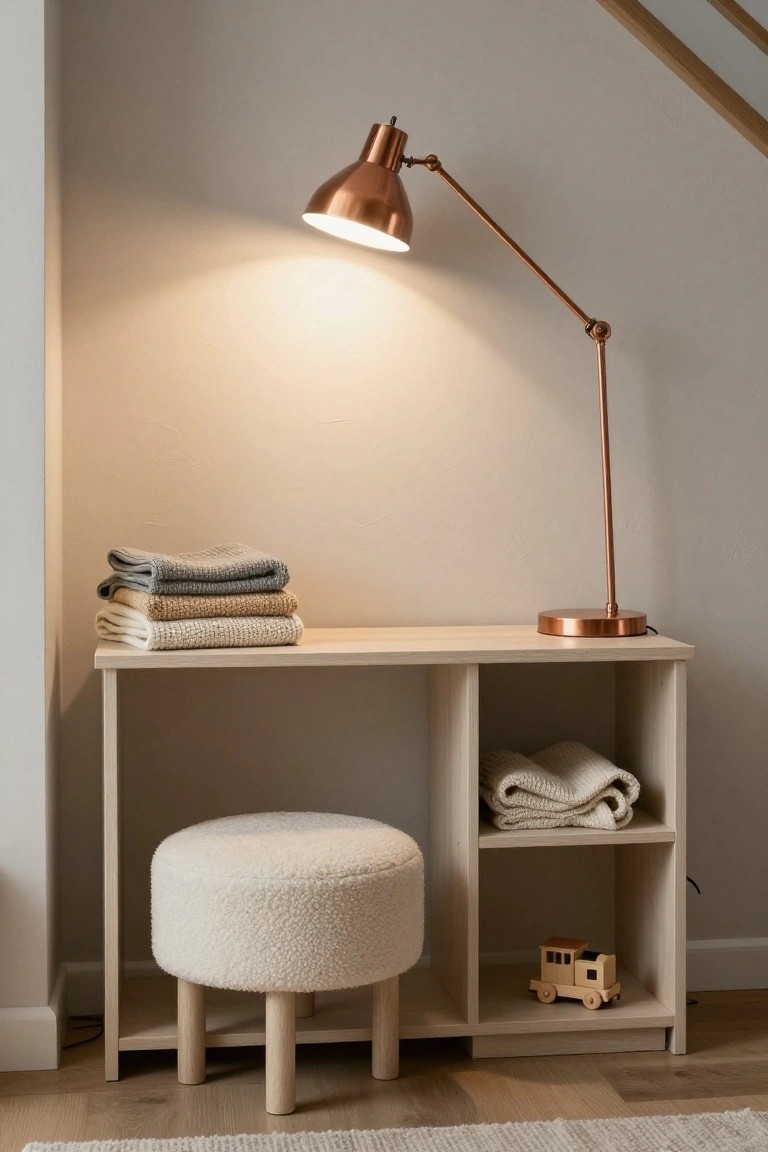
A slim desk like this can turn an empty corner into a real work spot without crowding the room. The open cubbies keep things organized while the top stays clear for daily use, which makes the whole setup feel lighter than a traditional desk.
This style works best in smaller homes or spots like under stairs where a full desk would feel too big. Keep the stool low so it slides underneath when not needed, and limit what you store in the cubbies to avoid a cluttered look.
Corner Shelf Workstation With Pegboard
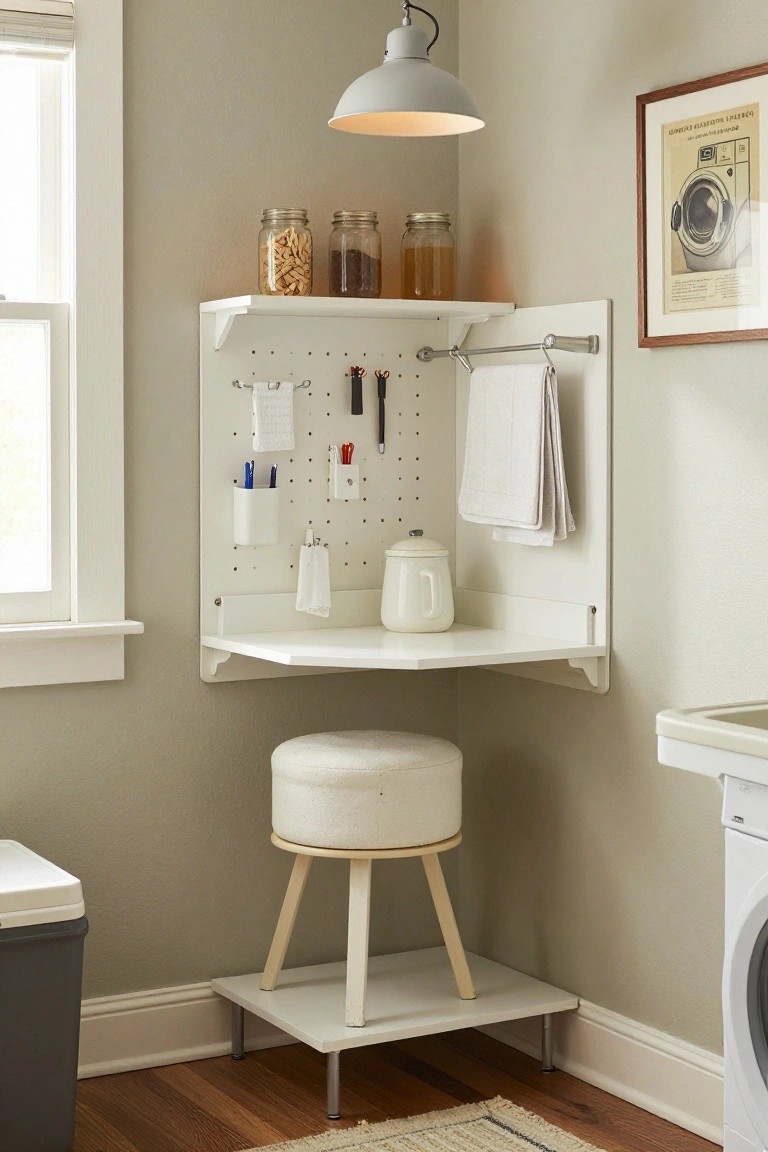
Mounting a simple shelf across a corner gives you a compact work surface without eating into floor space. The pegboard above keeps tools and supplies within reach while the low stool tucks neatly underneath when not in use. This approach works especially well in rooms that already feel crowded.
It fits best in laundry areas or utility corners where you need a spot to sort or repair items. Keep the shelf depth shallow so the area still feels open, and use the pegboard for the things you reach for daily rather than for display.
Curved Desks Fit Nicely Into Corners
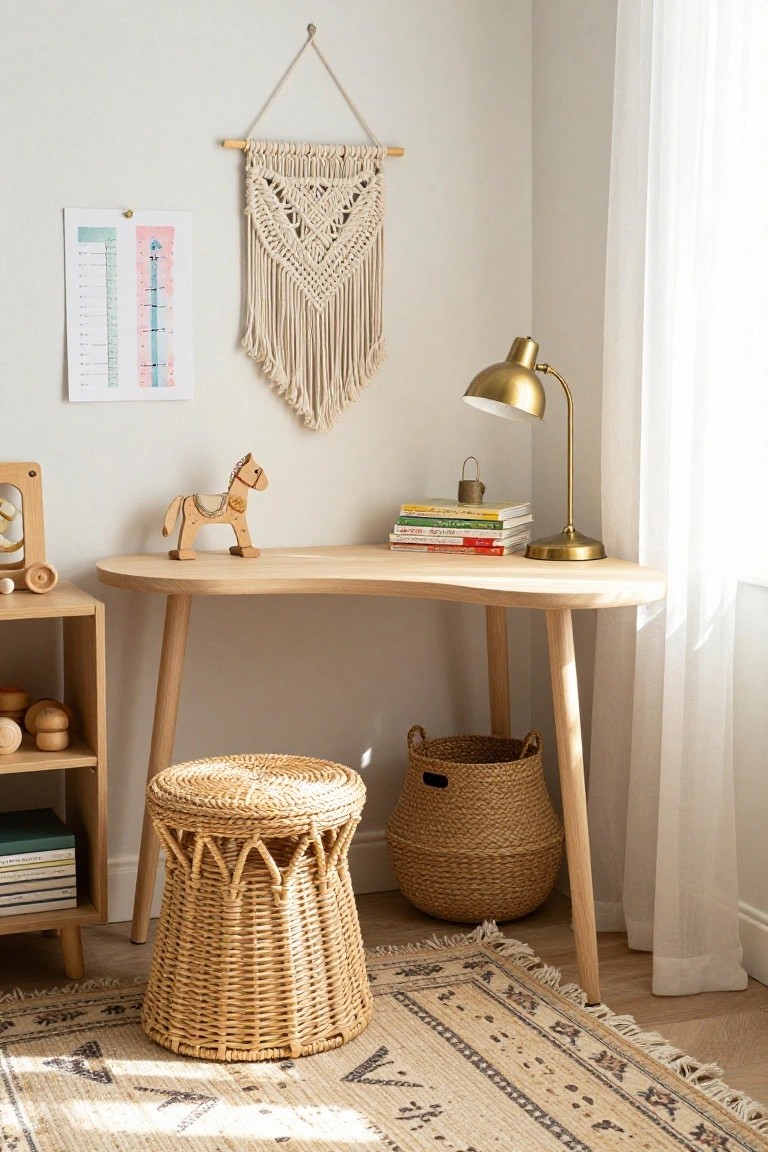
A desk with a soft curve along the front edge can sit right into a corner and still leave the rest of the room open. The rounded shape avoids the bulky feel that straight desks often create when pushed against two walls, and it leaves useful space underneath for seating or extra storage.
This style works well in small bedrooms or playrooms where floor space matters. Keep the rest of the setup light with a low stool that tucks away and a simple basket for books or supplies.
Corner Desks With Built In Storage
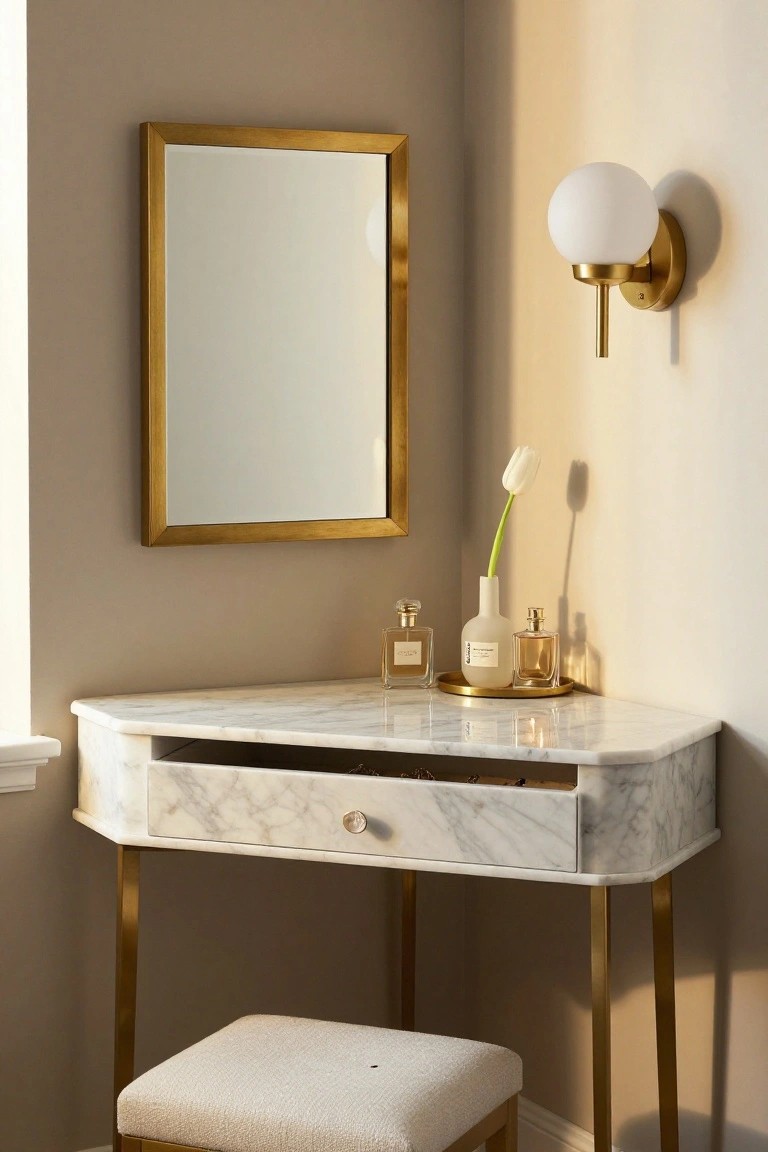
A small corner desk can turn an empty spot into something useful without taking over the room. This setup uses an angled marble top that sits neatly against the walls and includes a drawer for keeping small items out of sight. The slim gold legs also help the whole piece feel lighter so the space stays open.
This works best in bedrooms or dressing areas where you need a spot for daily items but do not have much floor space. Keep accessories minimal and choose a light finish on the walls so the desk does not feel heavy in the corner.
Tuck A Slim Desk Into A Window Corner
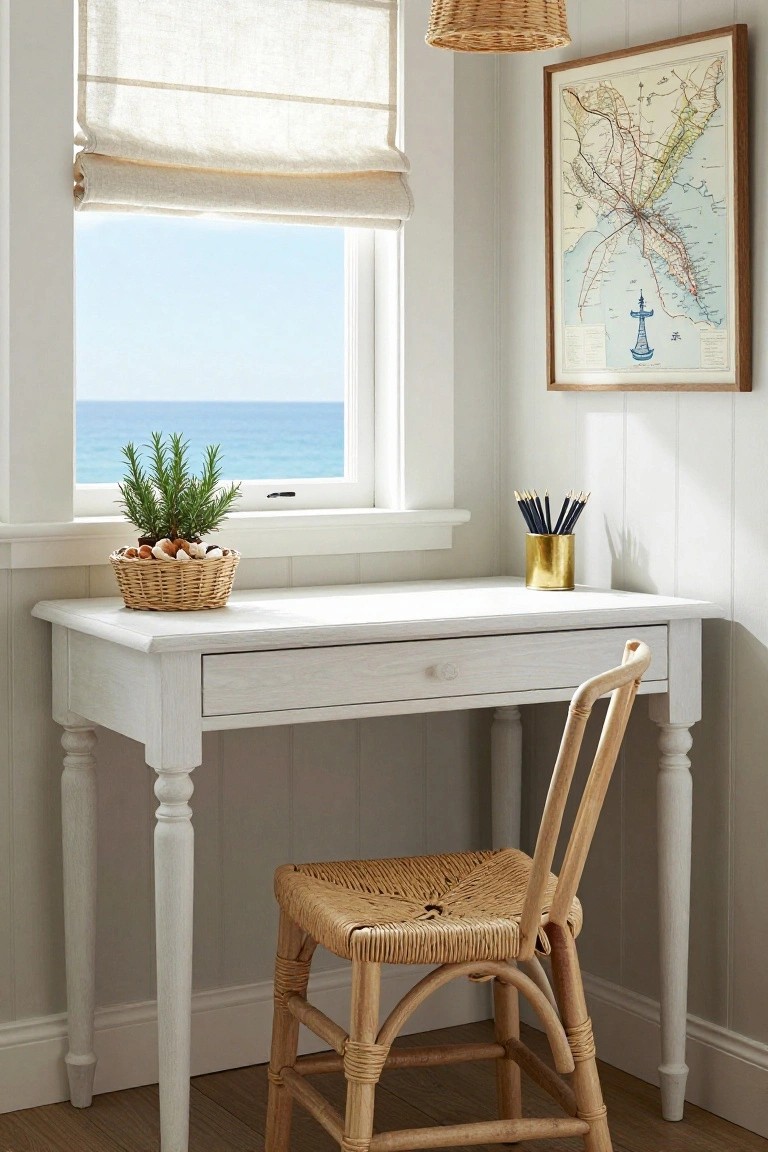
A narrow desk fits neatly into a corner when placed right under the window. This layout turns leftover wall space into a workable spot without crowding the room or blocking the view.
It suits small homes or guest rooms where you need a writing surface but do not want a bulky piece of furniture. Keep the desk shallow, choose a lightweight chair, and let the natural light do most of the work.
Corner Desk With Wall Shelves
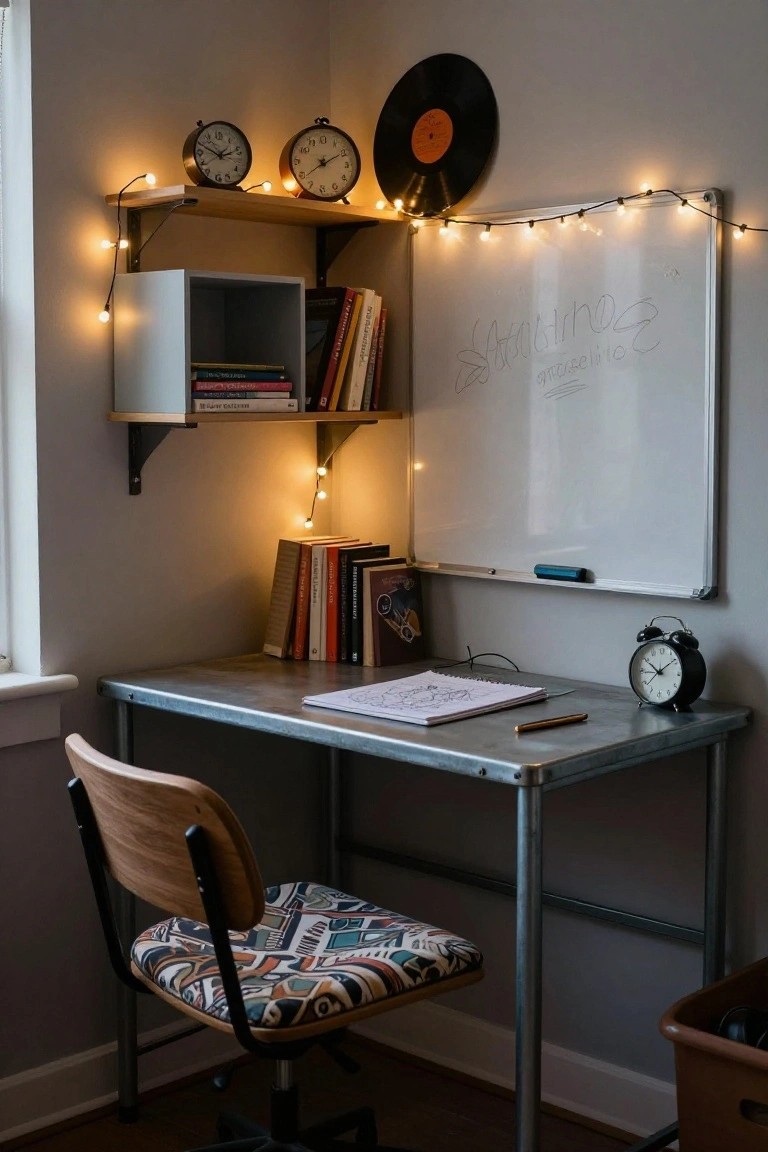
A small desk tucked into a corner works better when you add a couple of shelves right above it. This setup keeps books and supplies off the desk surface and turns the whole area into a working spot without taking up extra floor space.
It fits nicely in a bedroom or a small apartment where you need a place to study or pay bills. Keep the shelves simple, add a board for quick notes, and the corner stops feeling empty.
Wall Mounted Desks Save Space In Corners
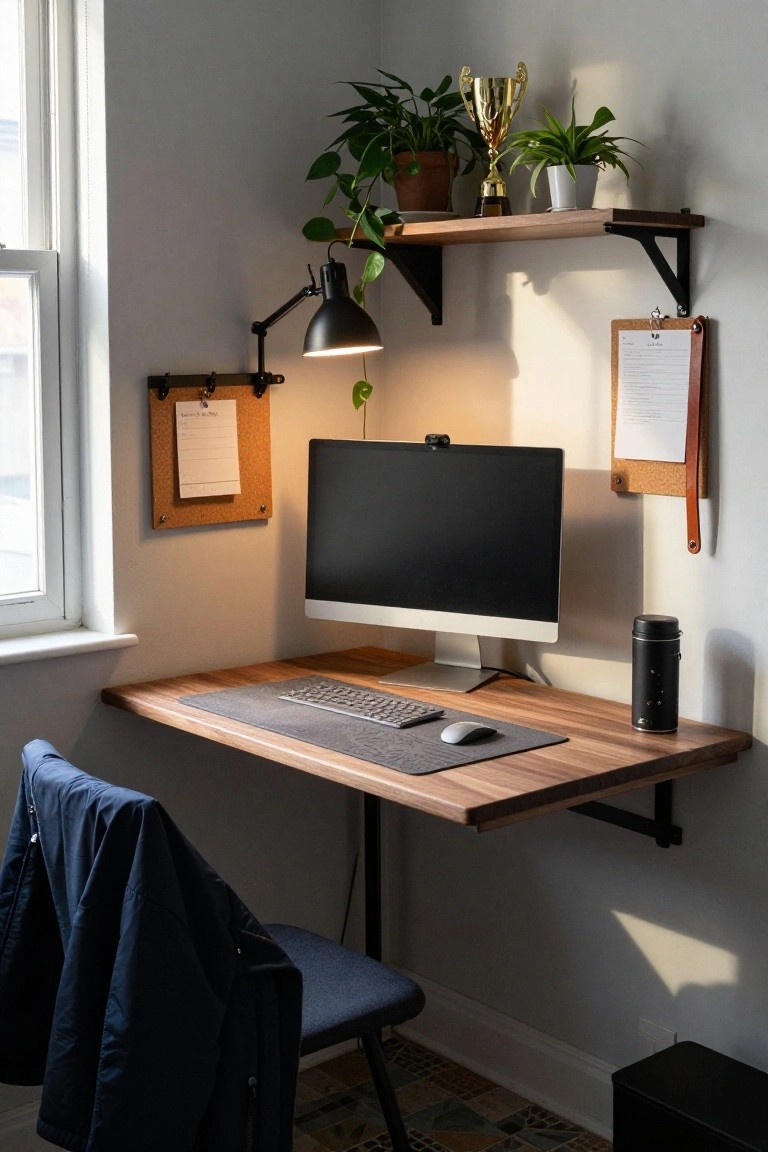
A wall mounted desk turns an empty corner into a usable workspace without eating into floor space. It keeps the room feeling open and makes it easier to move around the rest of the area.
This setup works best in smaller rooms or homes where every inch counts. Add a simple shelf above for a few items like plants, but leave the desk surface mostly clear so the space stays practical.
Tuck A Desk Into The Corner To Free Up Floor Space
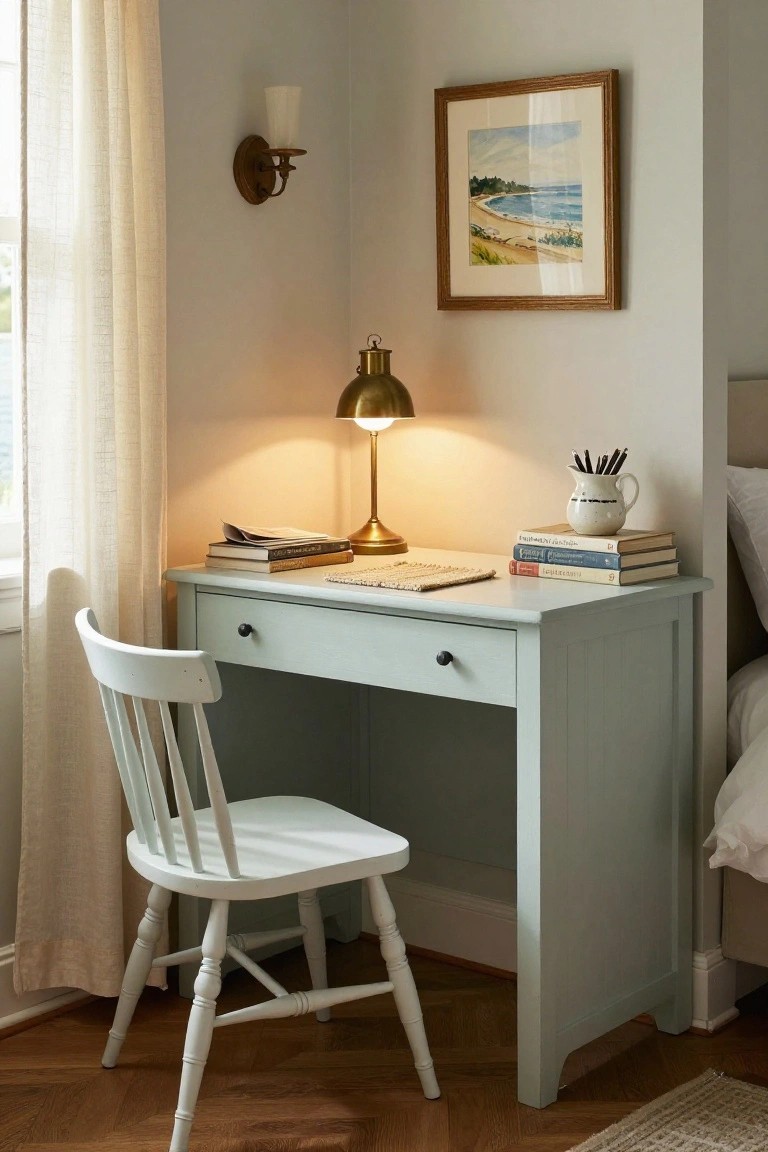
Many homes have a corner that feels too small for regular furniture. A compact desk placed right there turns that awkward spot into a quiet workspace without crowding the rest of the room.
This idea works best in bedrooms or guest rooms where floor space is limited. Keep the desk in a soft color so it blends with the walls, and use a simple chair that can tuck in neatly when not in use.
Corner Built-Ins Turn Tight Spaces Into Work Areas
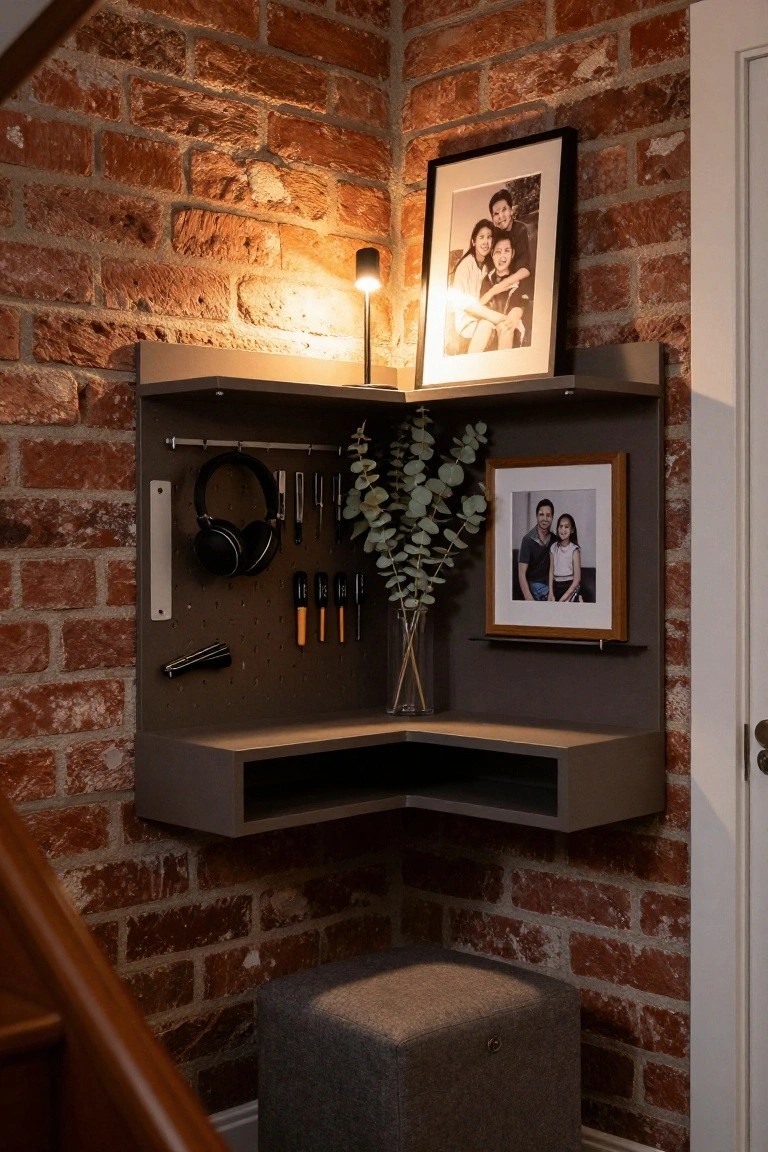
Awkward corners often sit empty because standard desks do not fit well. A simple built-in shelf unit with a pegboard back can change that by giving you both a work surface and places to keep tools or headphones within reach. The setup stays compact yet still feels useful for daily tasks.
This kind of corner unit works best in smaller homes or rooms where floor space is limited. Add a low stool underneath for seating and keep the pegboard clear enough to hang a few items without crowding the look. It suits brick walls especially well since the dark surface makes the floating shelves stand out.
Add A Raised Shelf For Extra Storage On A Corner Desk
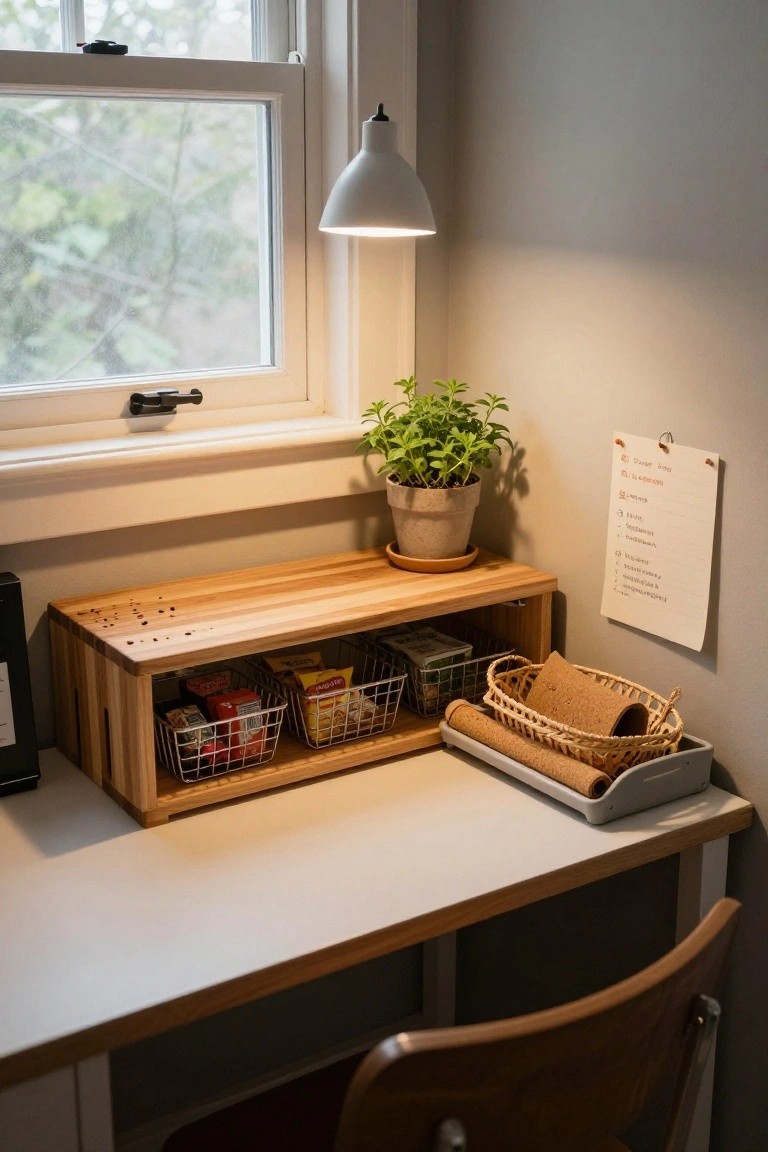
A raised shelf across the back of a corner desk gives you room to store everyday items without crowding the main surface. Wire baskets slide in easily underneath and keep things visible so you are not digging around for supplies.
This setup works well in smaller rooms or apartments where the corner already has a window. Place it where natural light hits the desk and keep the baskets open so the whole area stays practical rather than cramped.
Corner Desks That Fit Neatly Into Bedroom Corners
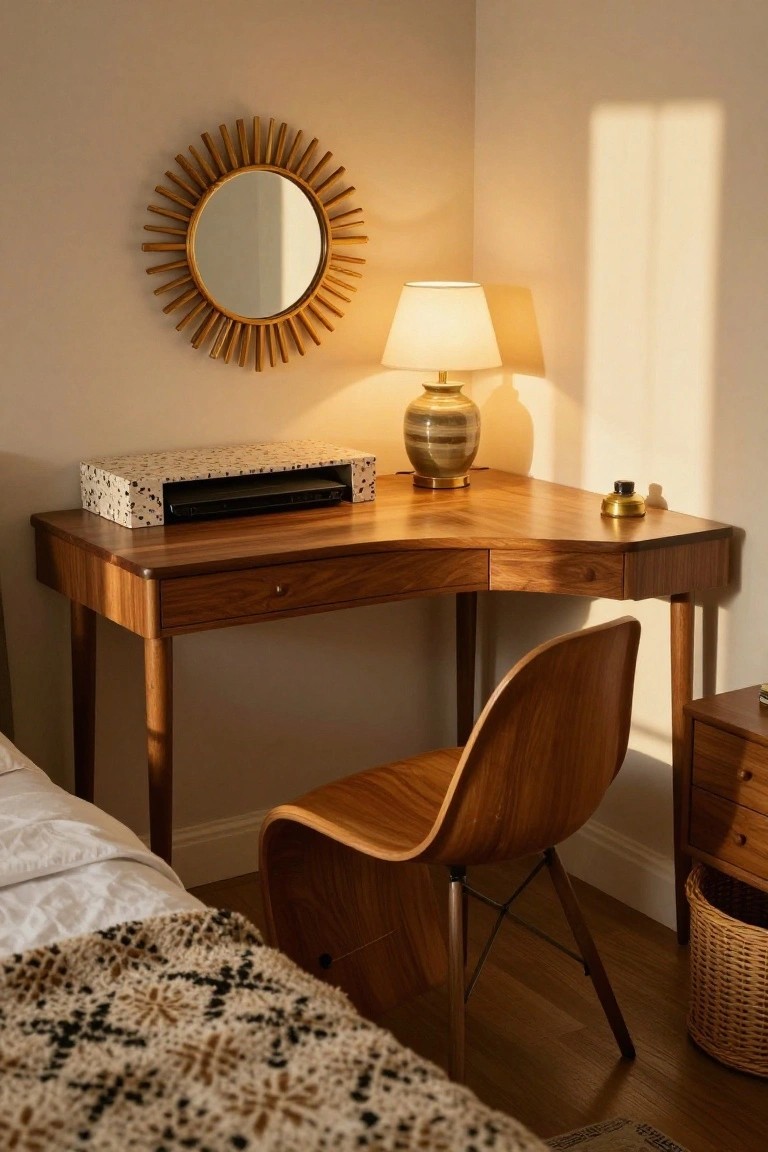
A desk that follows the walls in a corner gives you a real workspace without eating up the middle of the room. It turns an otherwise empty spot into something useful while keeping the rest of the floor open.
This works especially well in smaller bedrooms where every bit of space counts. Pick a desk with a shallow depth and a chair that can tuck in so the area does not feel crowded during the day.
Corner Desk By The Window
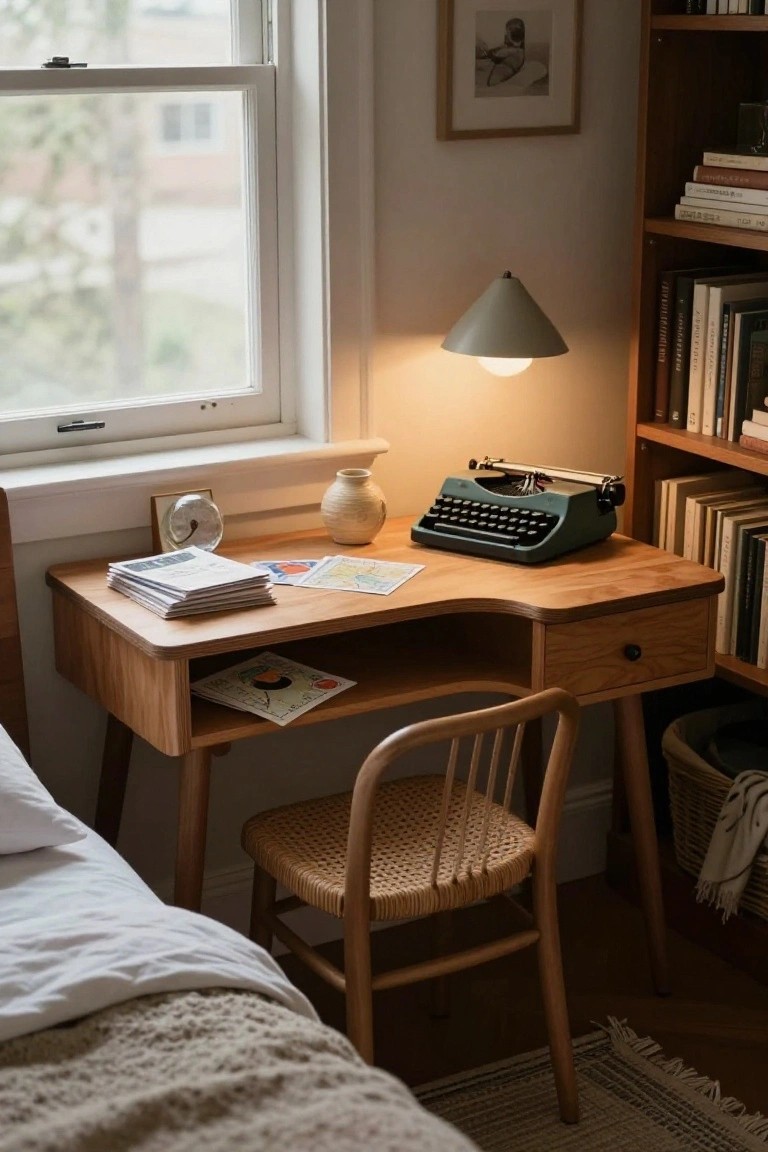
A corner desk can turn an awkward spot into a useful workspace. Placing it right under the window keeps the desk from taking up valuable floor space while still giving you a comfortable spot to work.
This layout suits small bedrooms or guest rooms where you need both sleeping and working areas. Stick with a simple wooden desk and a light chair so the corner stays open and easy to move around.
Built-In Corner Desks Add Storage Without Taking Extra Floor Space
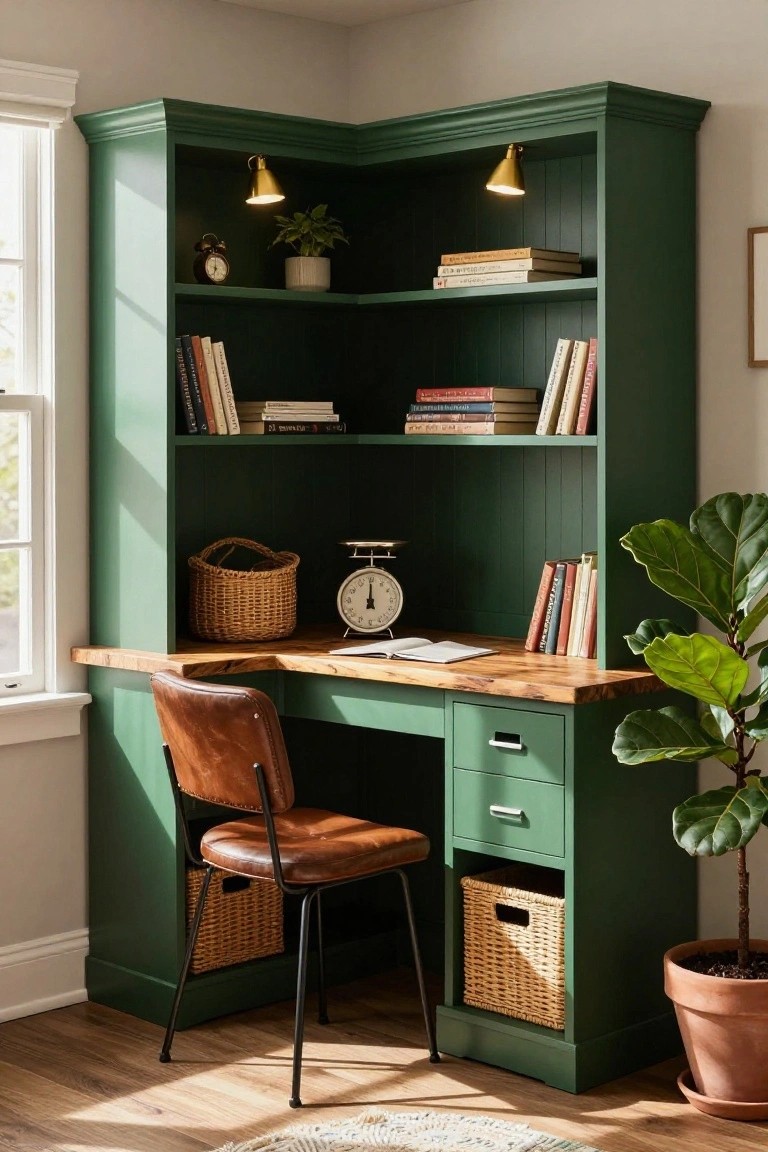
Many homes have corners that feel wasted because standard furniture does not fit well there. A built-in desk that wraps into the corner and includes shelves above gives you both a work surface and a place to store books and supplies without crowding the room.
This style works especially well in smaller offices or guest rooms where you need one focused spot rather than a full desk setup. Measure the walls first so the unit sits tight against both sides, and keep the finish simple so it blends with the rest of the room.
Storage Cubes Make Practical Corner Desks
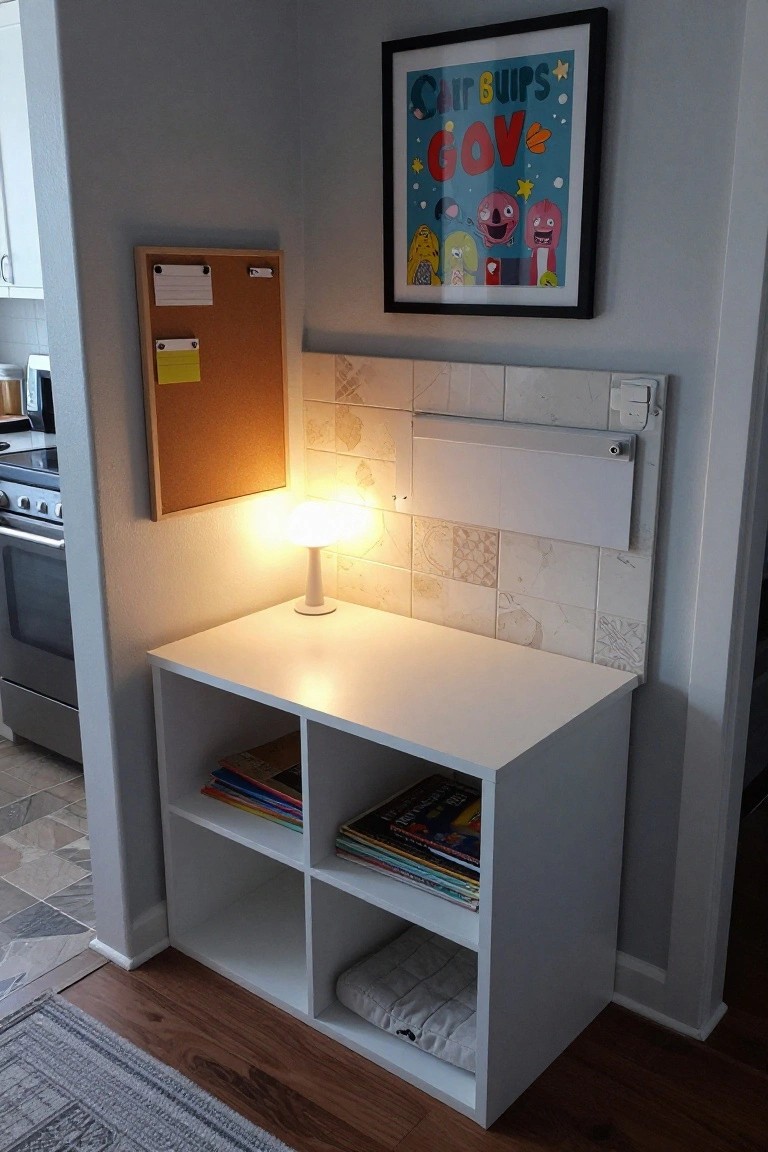
A basic cube unit can turn an unused corner into a small workspace without much effort. The low profile keeps the area open while the built-in compartments handle books and supplies right where you need them.
This setup suits small kitchens, hallways, or multi-use rooms where a full desk would feel too big. Keep the top clear for daily tasks and use the lower shelves for things you reach for less often.
Frequently Asked Questions
Q: How do I know which corner desk idea will fit my actual space without wasting room? A: Measure both walls from the corner and mark where the desk should stop on each side. Choose a shape that follows those lines closely so the surface sits flush against the walls. Tape out the footprint on your floor to check the flow before you build or buy.
Q: What if my corner has outlets I need to reach?
A: Leave a small gap along one wall for the cords to drop straight down. Run a power strip along the baseboard behind the desk legs. This keeps everything plugged in without extra drilling or visible clutter.
Q: Should I add a monitor to a corner desk setup?
A: Mount the screen on an arm that clamps to the back edge so it hovers over the surface. Angle it toward the center of the room for better posture. Keep the base clear for a keyboard that tucks away when you need the full desk.
