

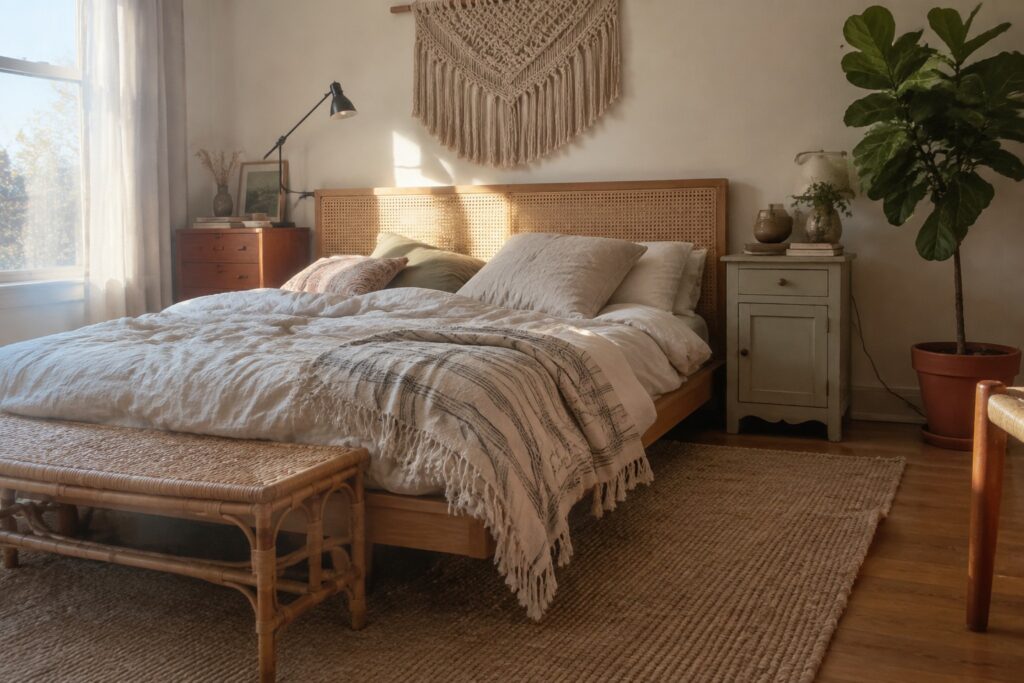
I have noticed that bedrooms often feel more lived in when the furniture does not all match perfectly from one store.
Mixing pieces lets you adjust the scale and storage so the room actually works for how you move through it each day.
The first thing that stands out in most bedrooms is whether the bed, dresser, and nightstands sit at heights that feel comfortable together.
I usually test a new combination by placing the main pieces first and living with them for a week before committing to the rest.
Some mixes work better in the actual space.
Mixing Wood And Woven Pieces
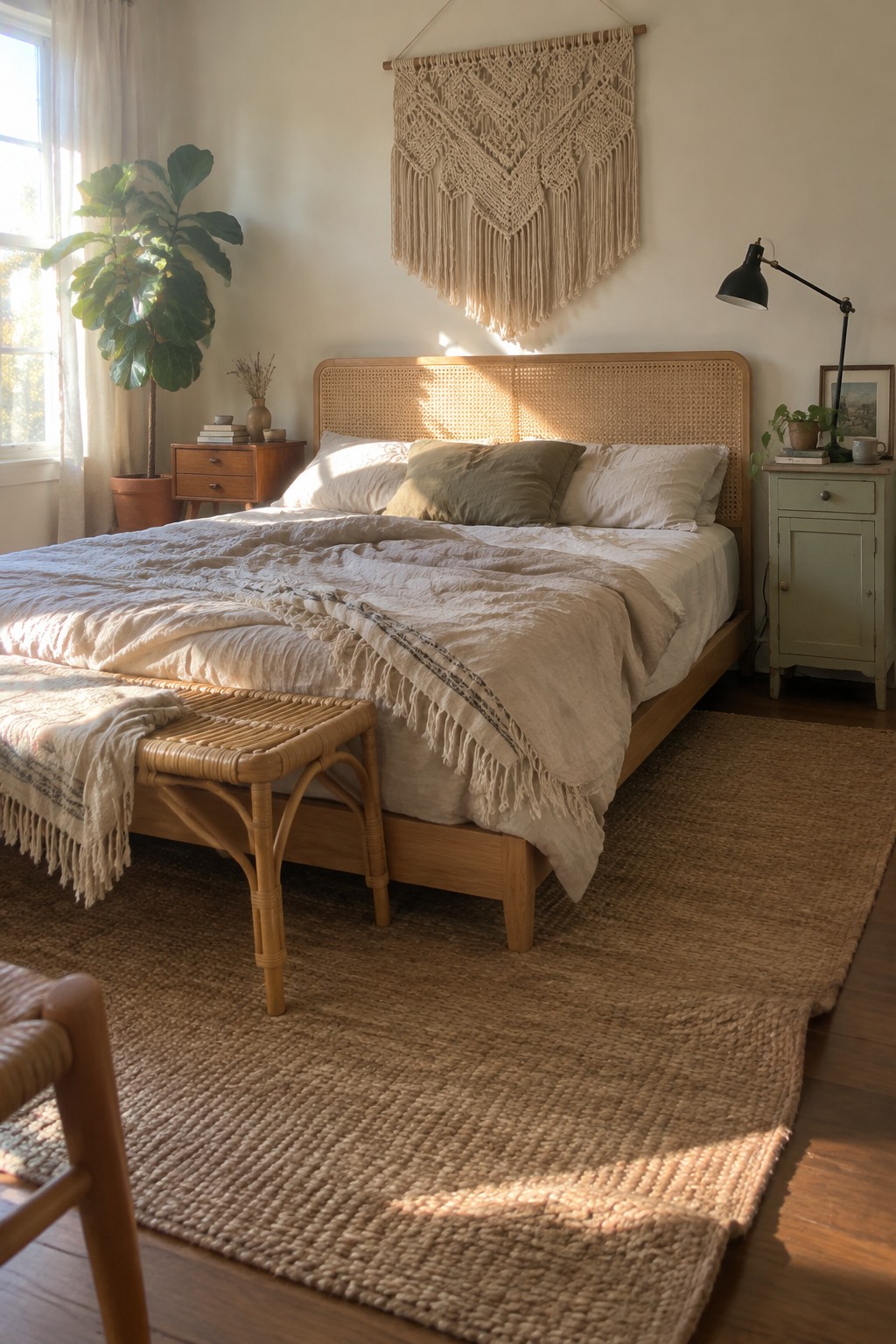
One simple way to add interest to a bedroom is mixing wood furniture with woven pieces like rattan or cane. The light wood bed frame and headboard sit next to a rattan bench without feeling forced. The different textures keep the room from looking too uniform.
This works well in spaces that already have neutral bedding and natural rugs. It suits homes that lean simple and relaxed. Stick to similar wood tones so the mix stays calm rather than busy.
Mix Metal Bed Frames With Wood Pieces
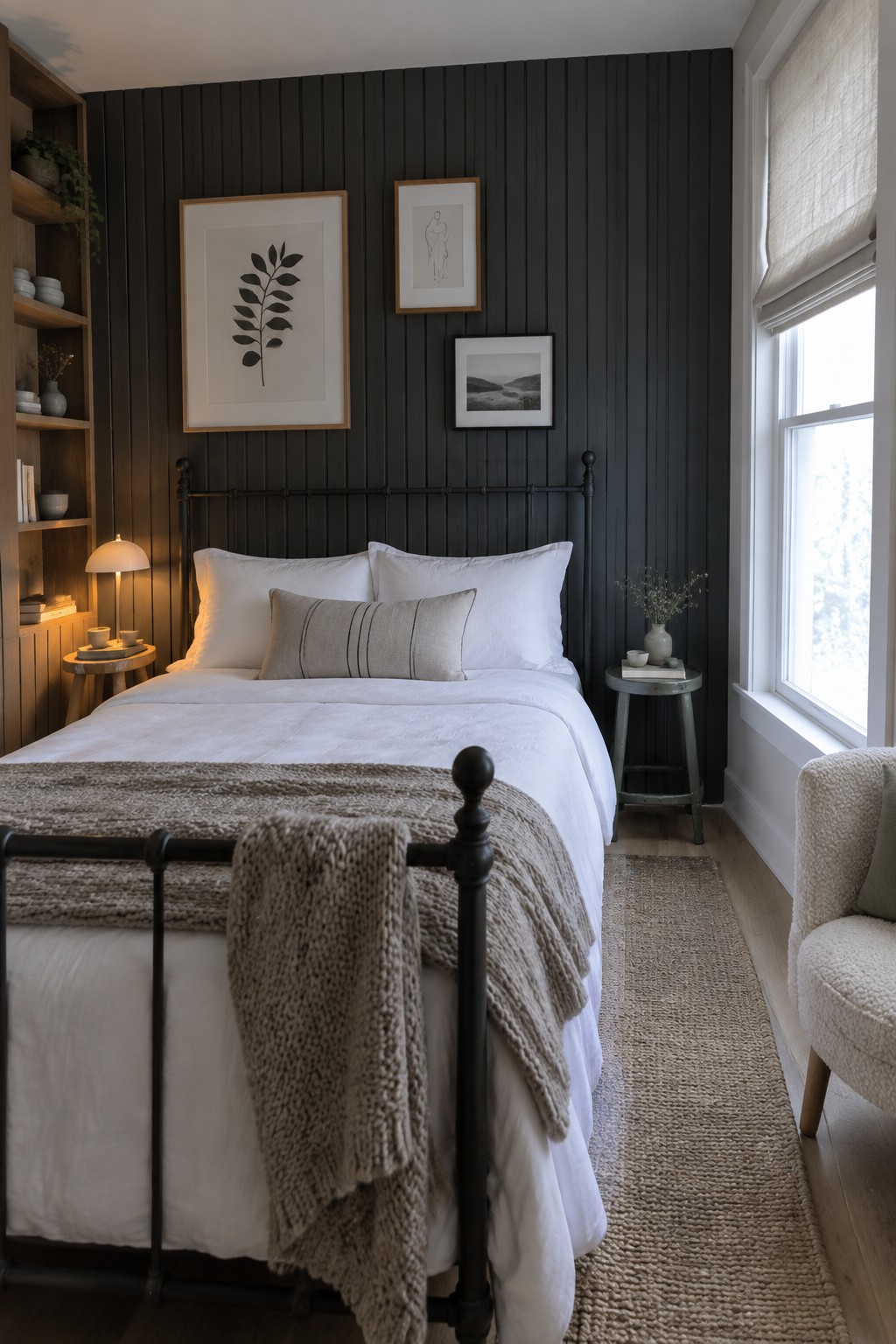
A black metal bed frame gives the room a clear starting point without making everything feel matchy. The wood built-ins and small side tables add warmth that keeps the dark wall and frame from taking over.
This works best in bedrooms that already lean neutral and need one stronger piece to hold the look together. Keep the rest of the furniture simple so the contrast between metal and wood stays balanced.
Foot of the Bed Benches for Storage
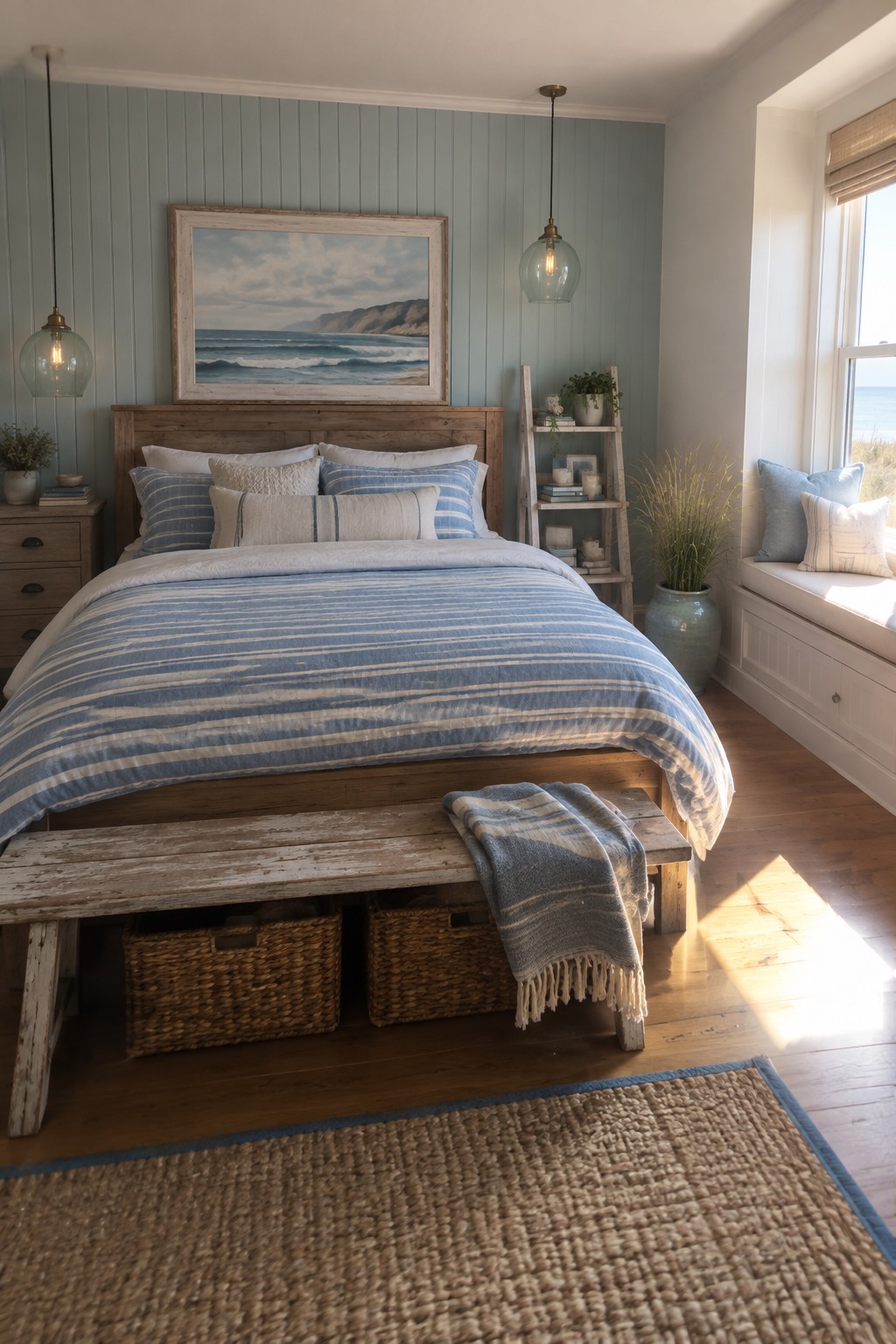
A bench at the foot of the bed gives you a spot to sit and a place to tuck away extra items without crowding the room. The mix of a solid wood bed frame with a lighter, worn bench keeps the setup from feeling too matched while still looking pulled together.
This works best in bedrooms that already have wood floors or simple built-ins like a window seat. Use baskets underneath for blankets or off-season clothes, and keep the bench low enough that it does not block the bed skirt.
Mixing Brass, Wood, And Metal Pieces
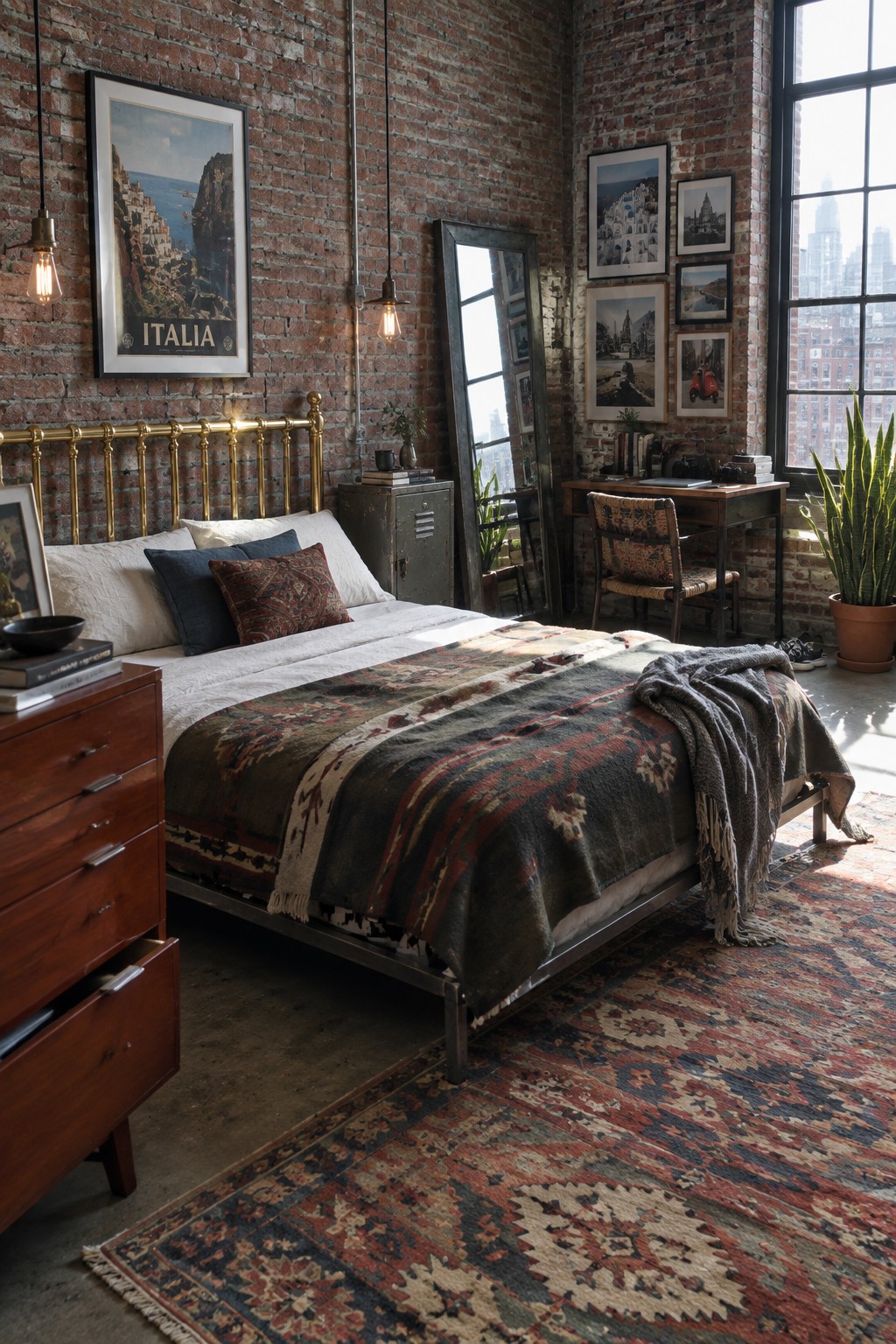
This approach keeps a bedroom from feeling too coordinated or flat. The different materials add contrast without needing a single style to carry everything.
It works especially well in older spaces with some texture already on the walls. Start with one main piece like a metal bed frame, then bring in wood and other metals that share a similar weight or finish so the mix feels collected rather than scattered.
Mixing Wood Furniture Styles In The Bedroom
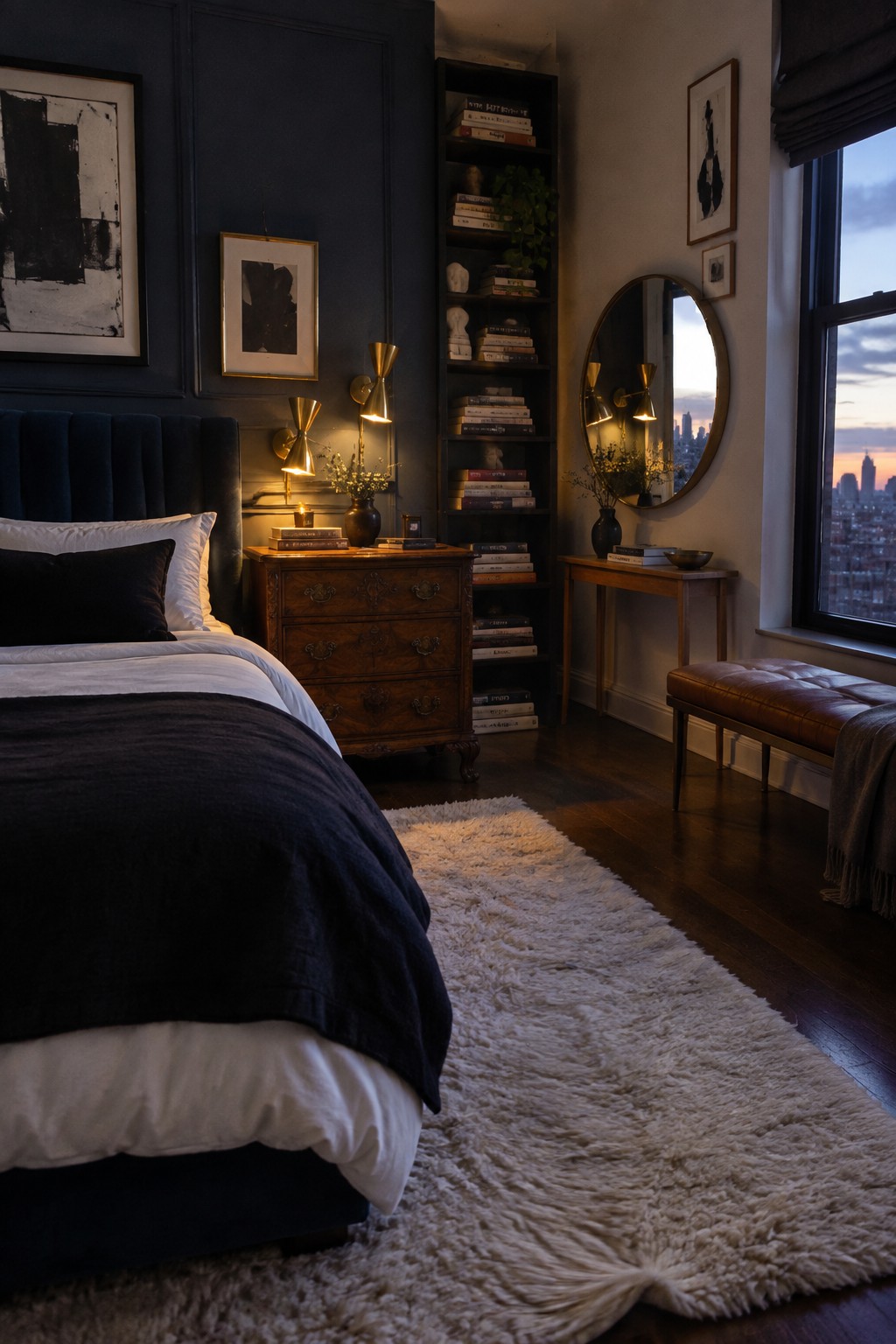
One approach that feels natural in a bedroom is mixing wood pieces that do not match exactly. A darker wood dresser with older hardware can sit beside taller open shelves without looking planned, and the contrast keeps the room from feeling too matched or flat. The wood tones add warmth against deep wall colors and help the space feel collected over time.
This works best in rooms where you already have one or two wood pieces you like and want to add more without starting over. Keep the mix to two or three wood finishes at most, and let the bed and rug stay simple so the furniture stands out on its own.
Mixing Painted Pieces With A Larger Wood Armoire
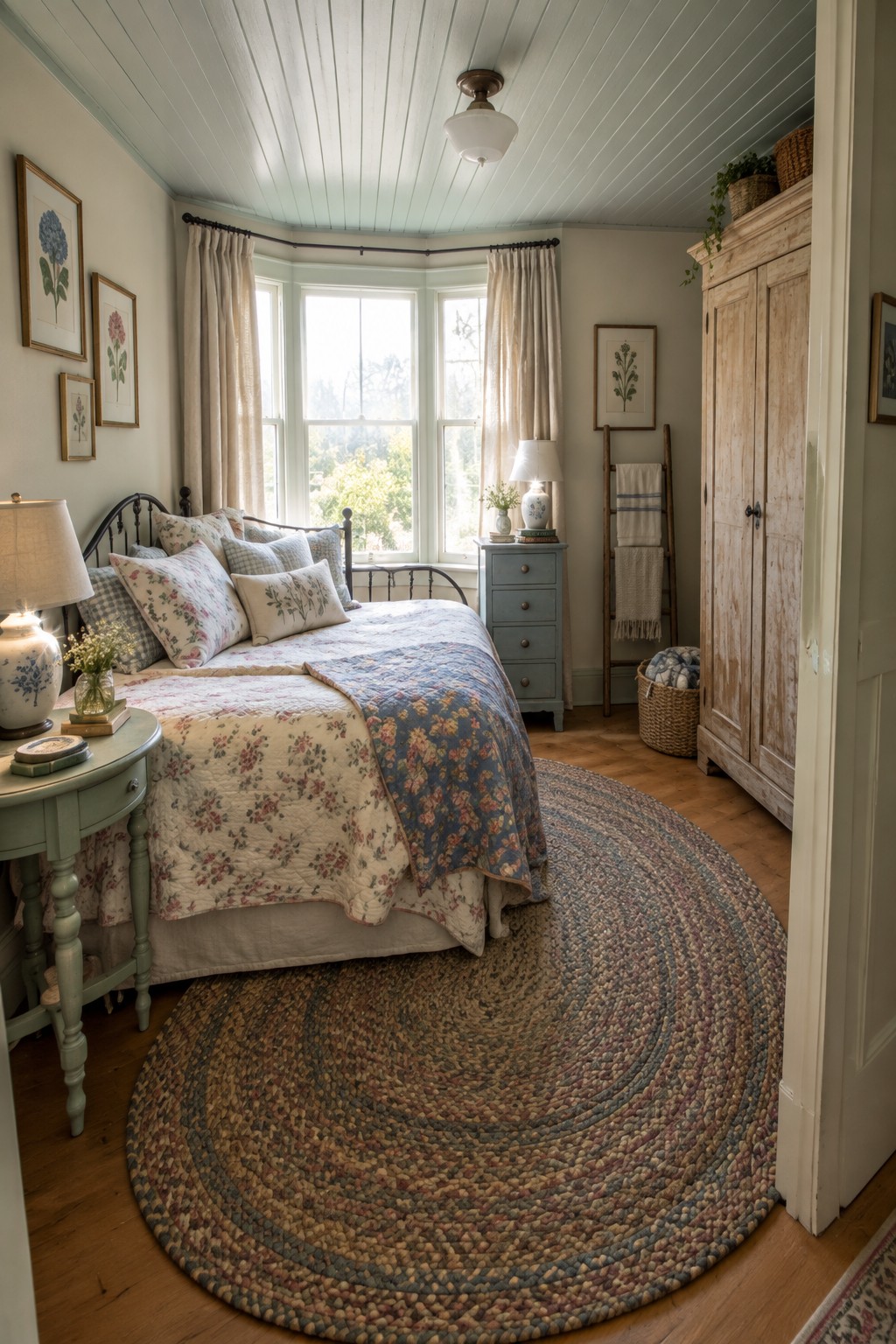
One way to get a bedroom that feels collected is to bring in painted furniture in soft colors and let one larger piece with a different finish do most of the work. The blue chest and green side table here sit comfortably next to the tall distressed armoire, and nothing feels like it was bought as a set.
This mix works best in older homes or smaller rooms where you already have a few pieces you like. Keep the painted items in similar tones so the wood piece can stand out without the whole room looking scattered.
Mixing Wood And Upholstered Pieces
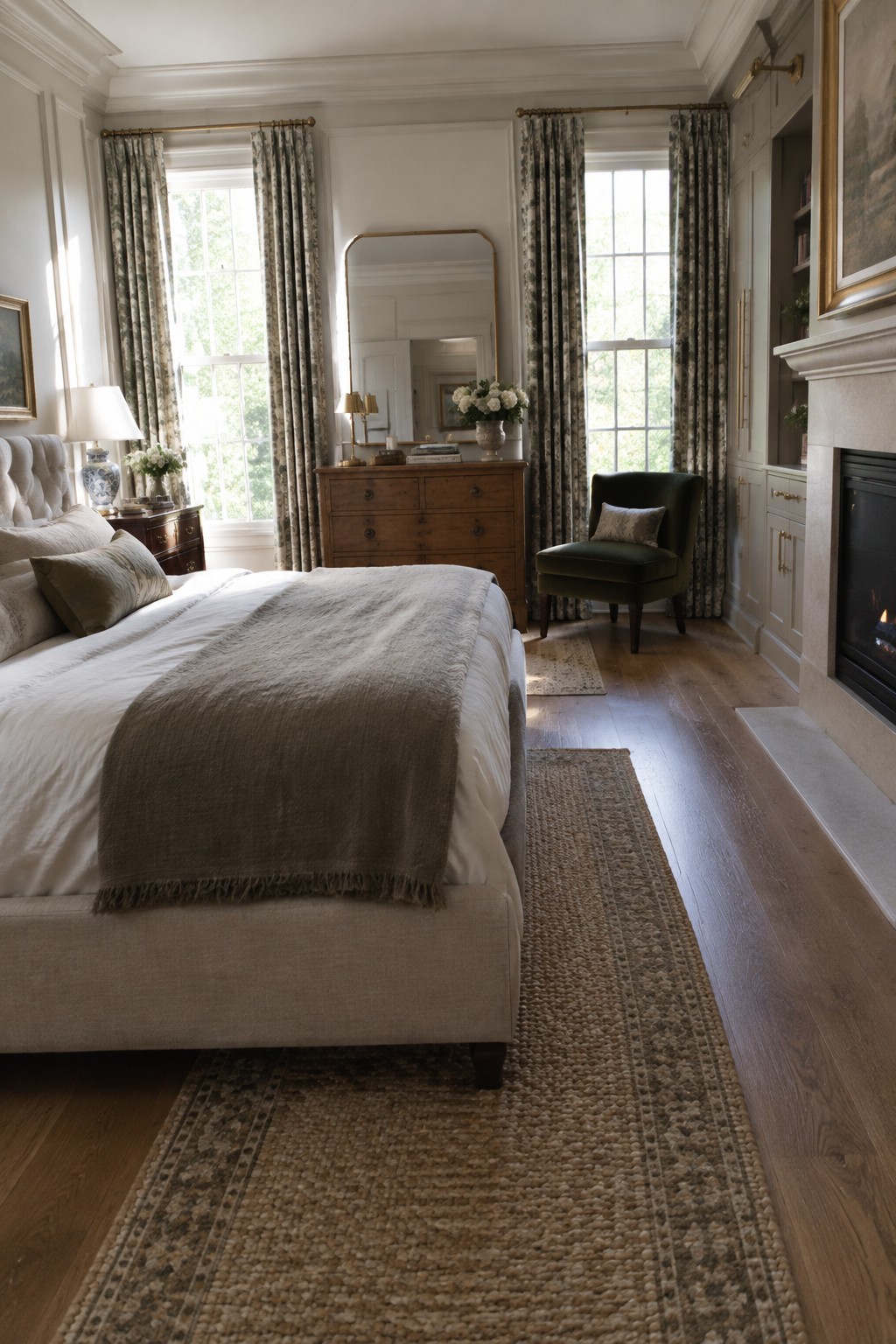
One simple way to make a bedroom feel more personal is to combine wood furniture with upholstered pieces instead of sticking to one matching set. The soft fabric bed frame next to the wooden dresser creates a natural contrast that keeps the room from looking flat or overly coordinated.
This approach works best in spaces that already have some built in character like trim or cabinetry. It suits homes with traditional or transitional style where you want the furniture to look collected rather than bought all at once. Just keep the wood tones within a similar range so the mix stays calm.
Mixing Wood and Metal Bed Frames
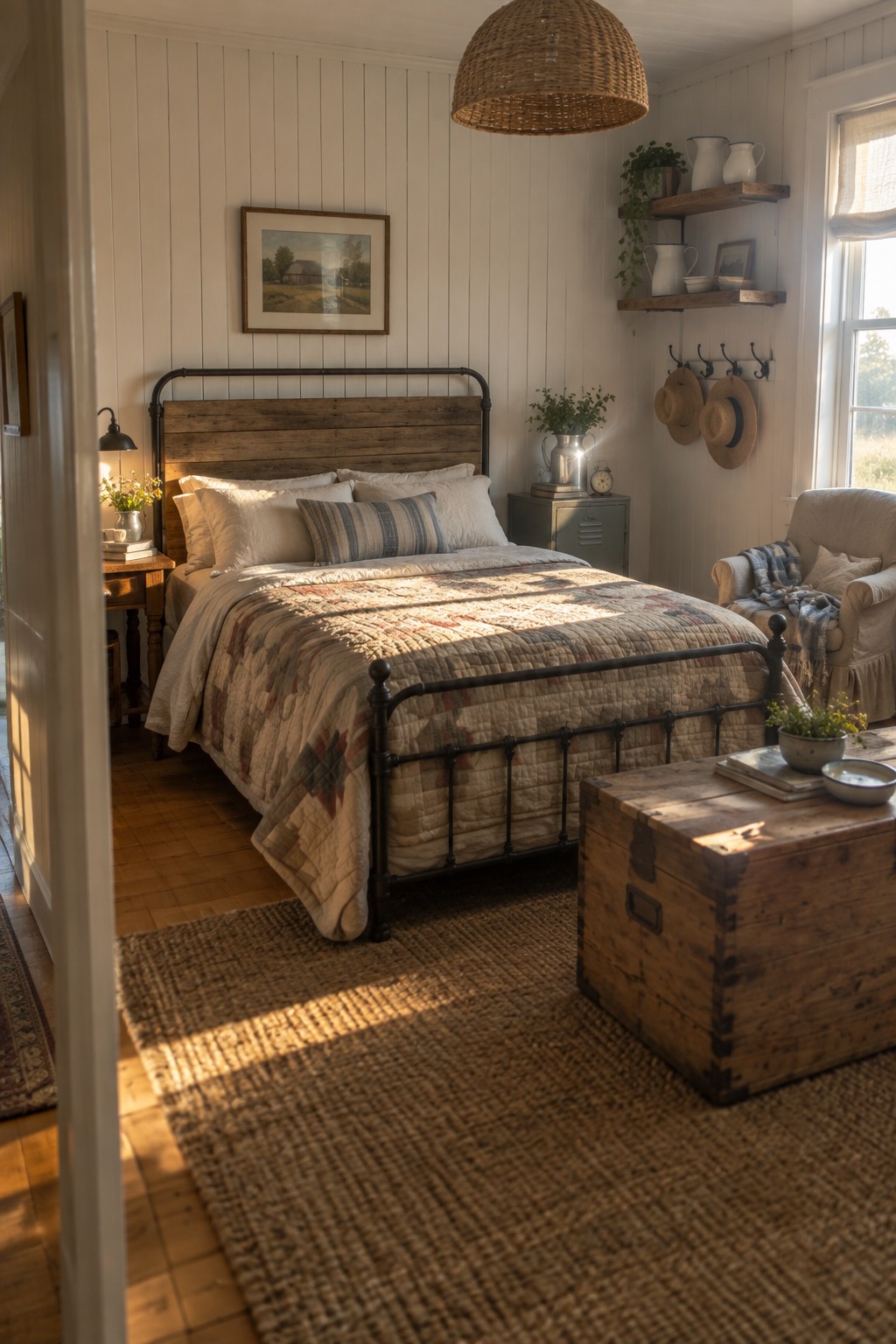
One simple way to add interest to a bedroom is mixing a wood headboard with a metal bed frame. The contrast brings warmth from the wood and a bit of edge from the metal, so the bed feels more collected than anything bought as a set.
This works best in rooms that already have some wood tones, like a nightstand or trunk at the foot of the bed. Keep the rest of the pieces fairly simple so the mix stays balanced rather than busy.
Mix a Low Platform Bed With a Dark Wood Chest
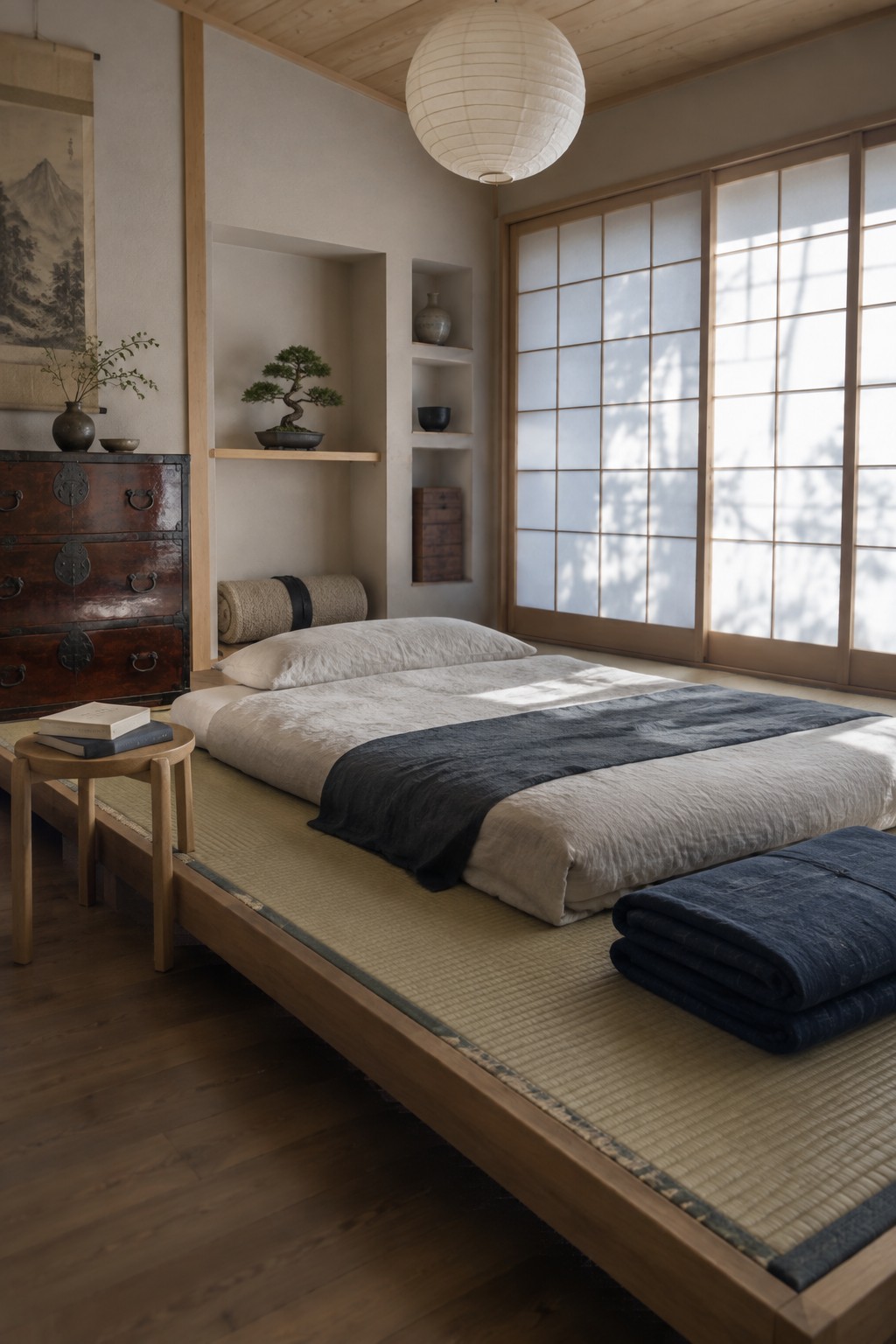
A low bed on tatami keeps the whole room feeling open and quiet. The dark tansu chest next to it adds weight and history, so the space does not feel too plain or light.
This works best in smaller bedrooms where you want storage without crowding the floor. Keep the rest of the pieces simple so the chest stands out without taking over.
Loft Beds That Free Up Space For Mixed Pieces
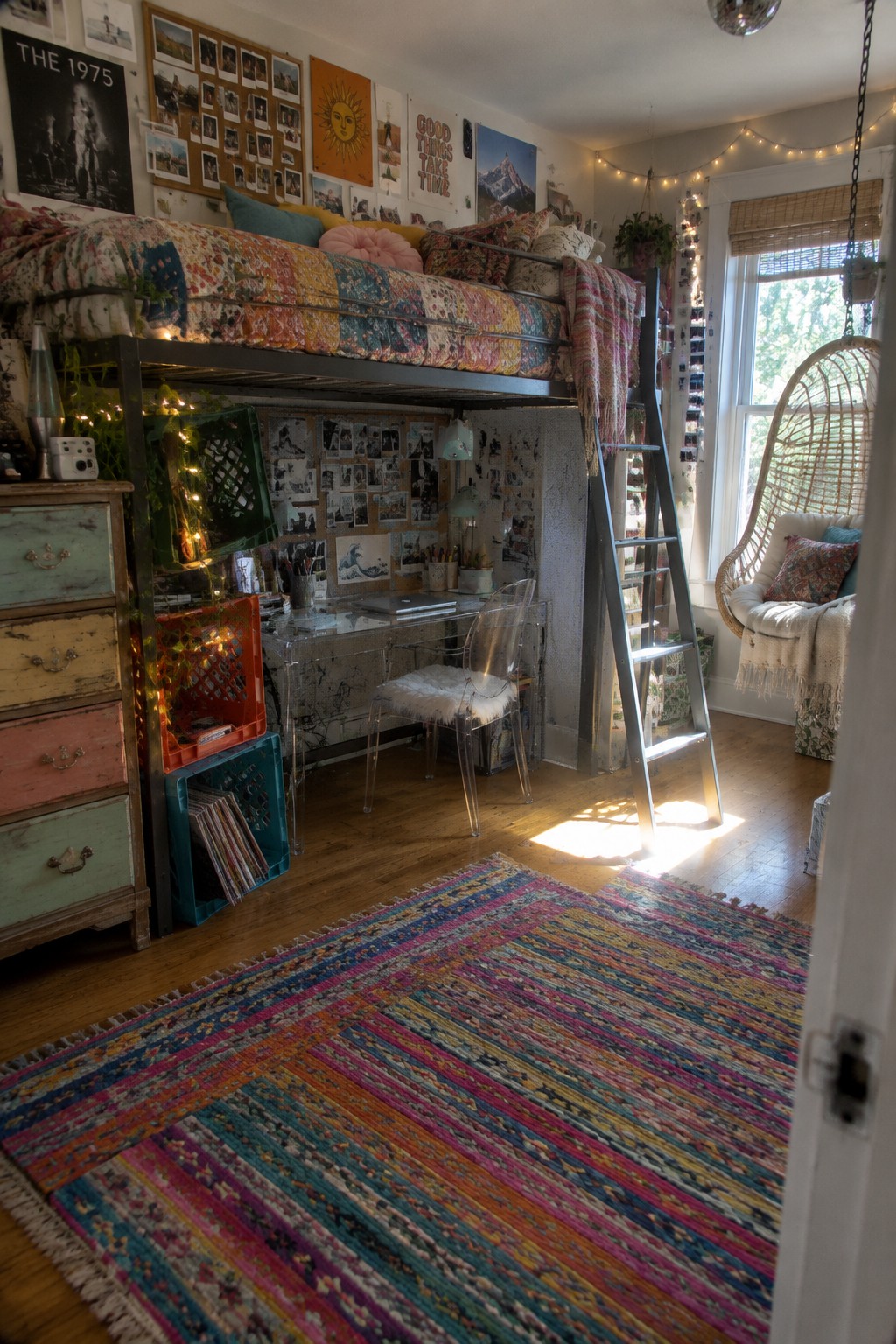
A loft bed works well when you want to bring in furniture from different eras without crowding the room. Raising the bed leaves the floor open for a desk, a dresser, or even a small seating spot underneath, so the pieces can sit side by side instead of competing for space.
This setup suits smaller bedrooms where you like collecting secondhand finds or mixing new and old. Keep the pieces simple in scale so the area below stays usable, and let one or two brighter items, like a painted chest or a colorful rug, pull the look together.
Mixing Old and New Furniture Pieces
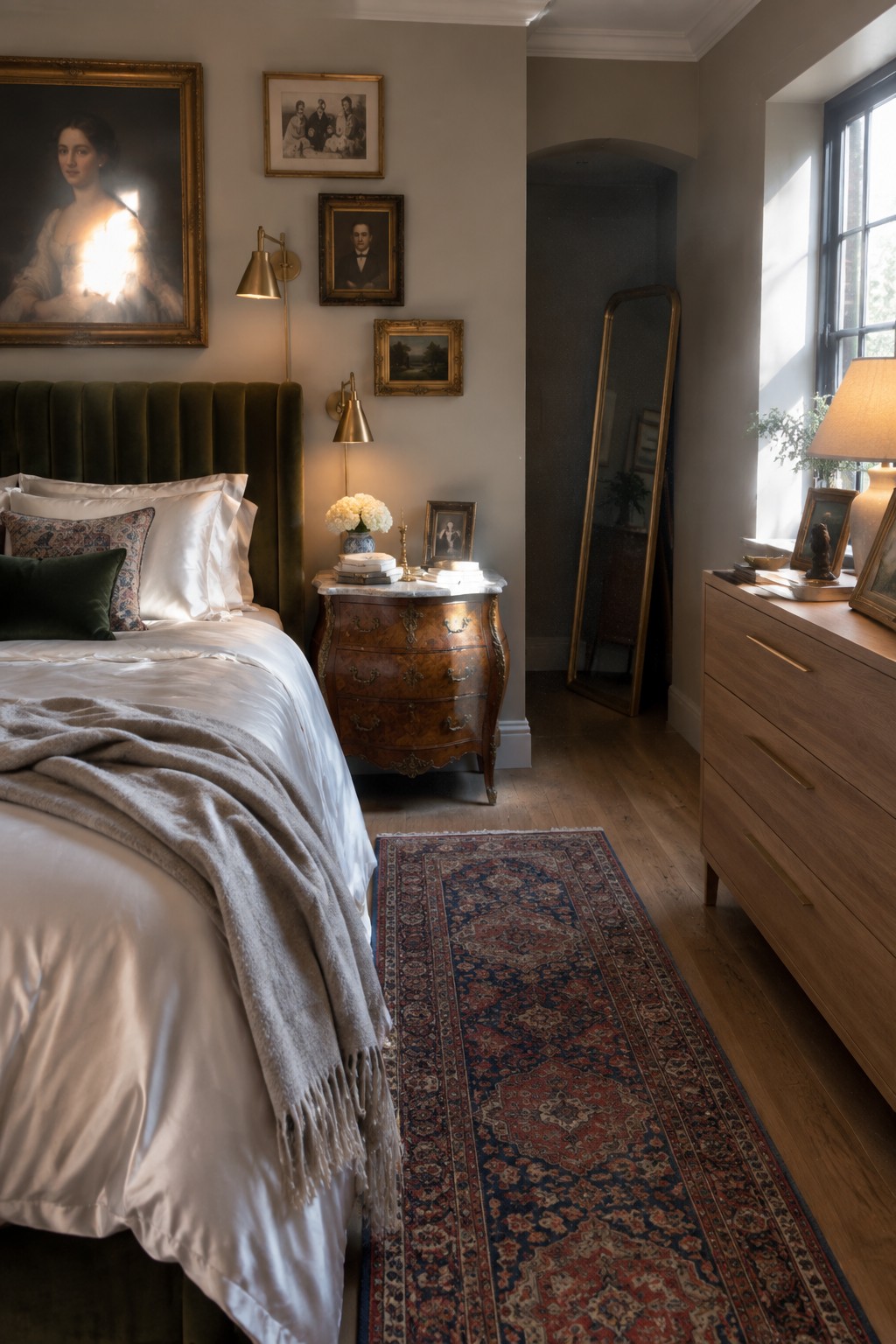
Many bedrooms gain more character when furniture from different periods sits side by side. A carved antique chest with a marble top next to a plain modern dresser creates contrast that feels collected rather than coordinated.
This mix works best in rooms that already have some age or detail. Keep the newer pieces simple so the older ones stand out, and limit the number of standout pieces so the space stays calm.
Mixing Wood Pieces In The Bedroom
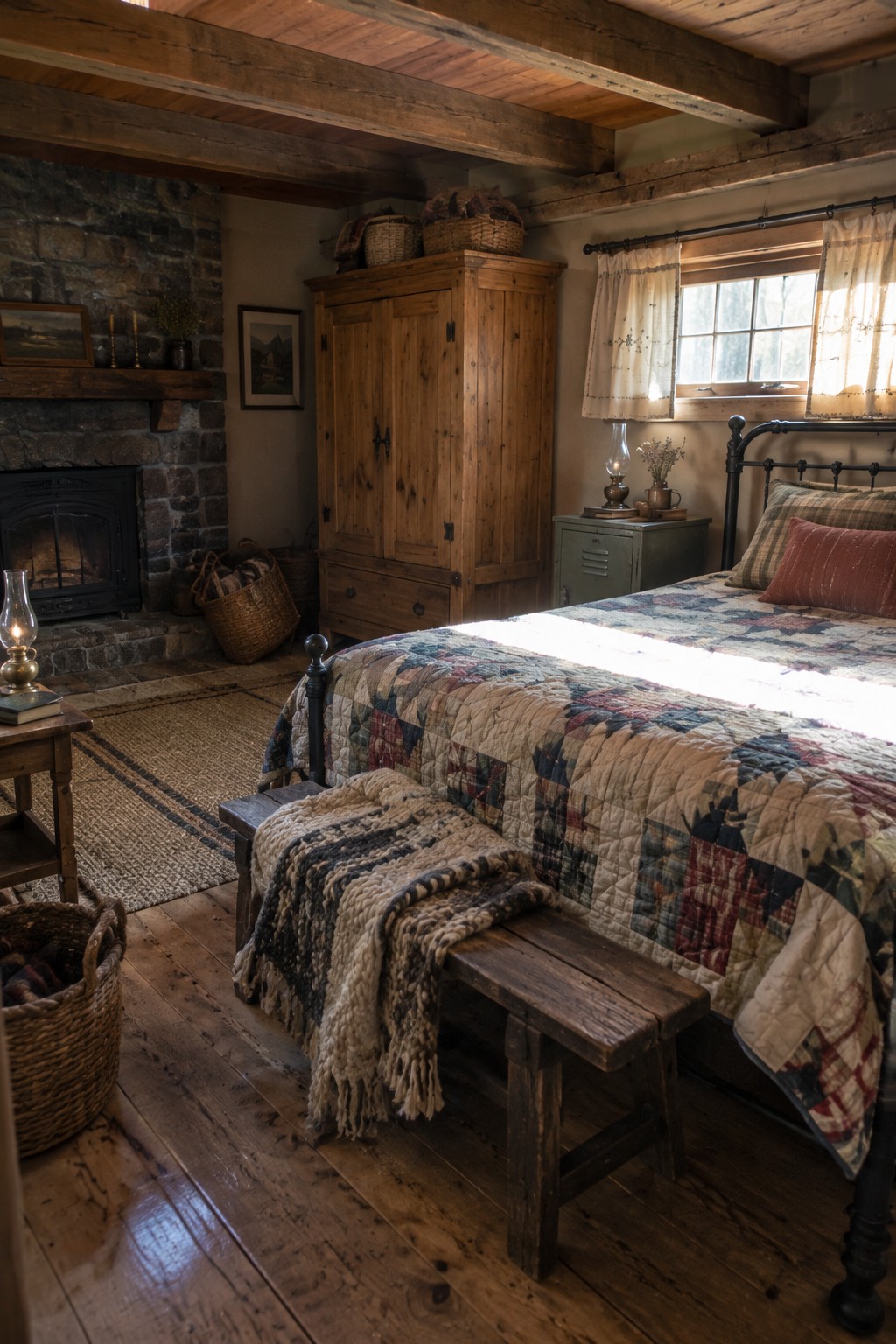
Bringing together wooden furniture with different finishes gives a bedroom that collected look without feeling planned out. The pieces do not need to match in tone or age, and that slight contrast is what makes the room feel warmer and more personal over time.
This works best in homes that already lean rustic or traditional. Start with one larger wood item and add smaller pieces around it, keeping the overall palette in the same warm range so the mix stays comfortable rather than scattered.
Mixing Furniture Pieces In A Child’s Room
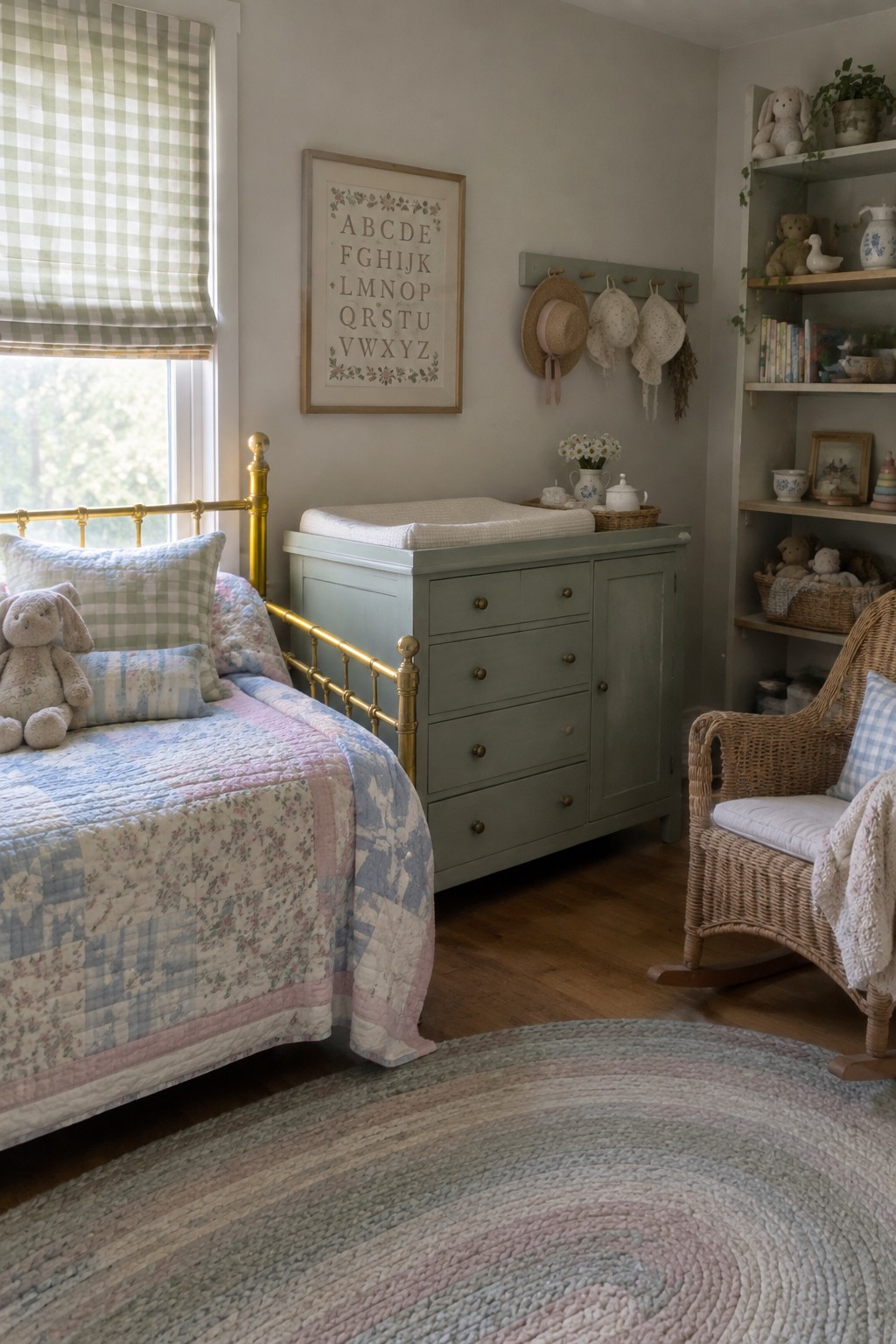
Many people like the look of a room that feels collected rather than matched. A brass bed frame next to a painted dresser and a woven rocking chair gives the space character without everything needing to come from the same set.
This works well in homes that already have a few older pieces or want to add items gradually. It suits smaller rooms too since the mix keeps things from feeling heavy or overly planned.
Wood Walls Behind the Bed
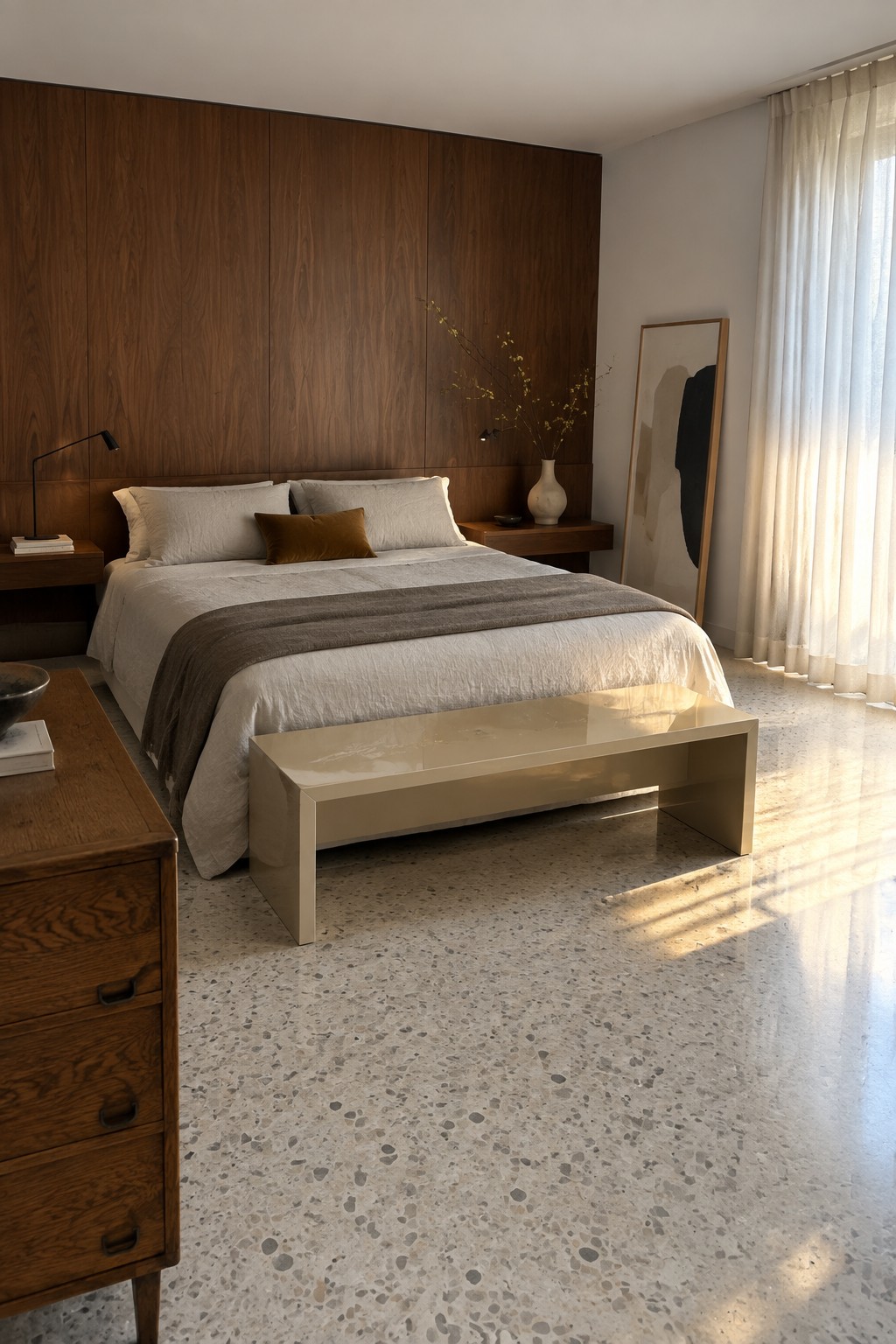
A full-height wood wall behind the bed gives the room a solid base without needing a separate headboard. It pulls the space together and makes it easier to mix other furniture pieces around it, since the wall already carries the warmth and weight.
This works well in rooms where you want a calm, grounded feel without everything matching. Try it in spaces with lighter wood tones or painted pieces nearby, and keep the rest of the furniture simple so the wall stays the focus.
Mixing Different Furniture Finishes In One Bedroom
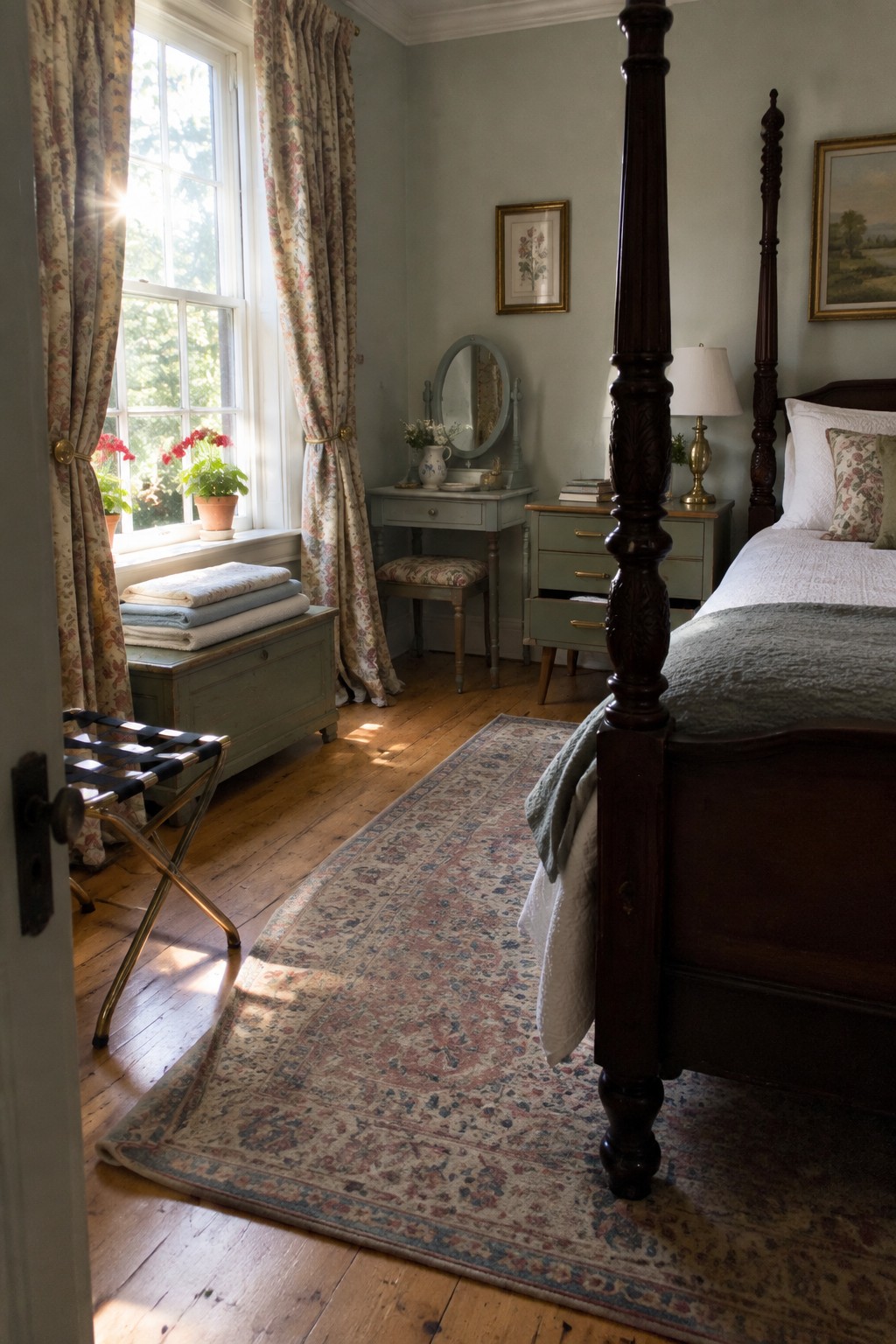
Many bedrooms feel flat when everything matches too closely. Bringing in pieces with different wood tones and painted finishes adds a bit of warmth and makes the room feel more lived in. The dark four-poster bed here works nicely against the lighter green pieces without fighting them.
This mix suits older homes or anyone who likes using furniture they already have. Keep the main tones within the same color family so the room still feels calm, and let one larger piece set the direction for the rest.
Mixing Patterns Through Furniture Choices
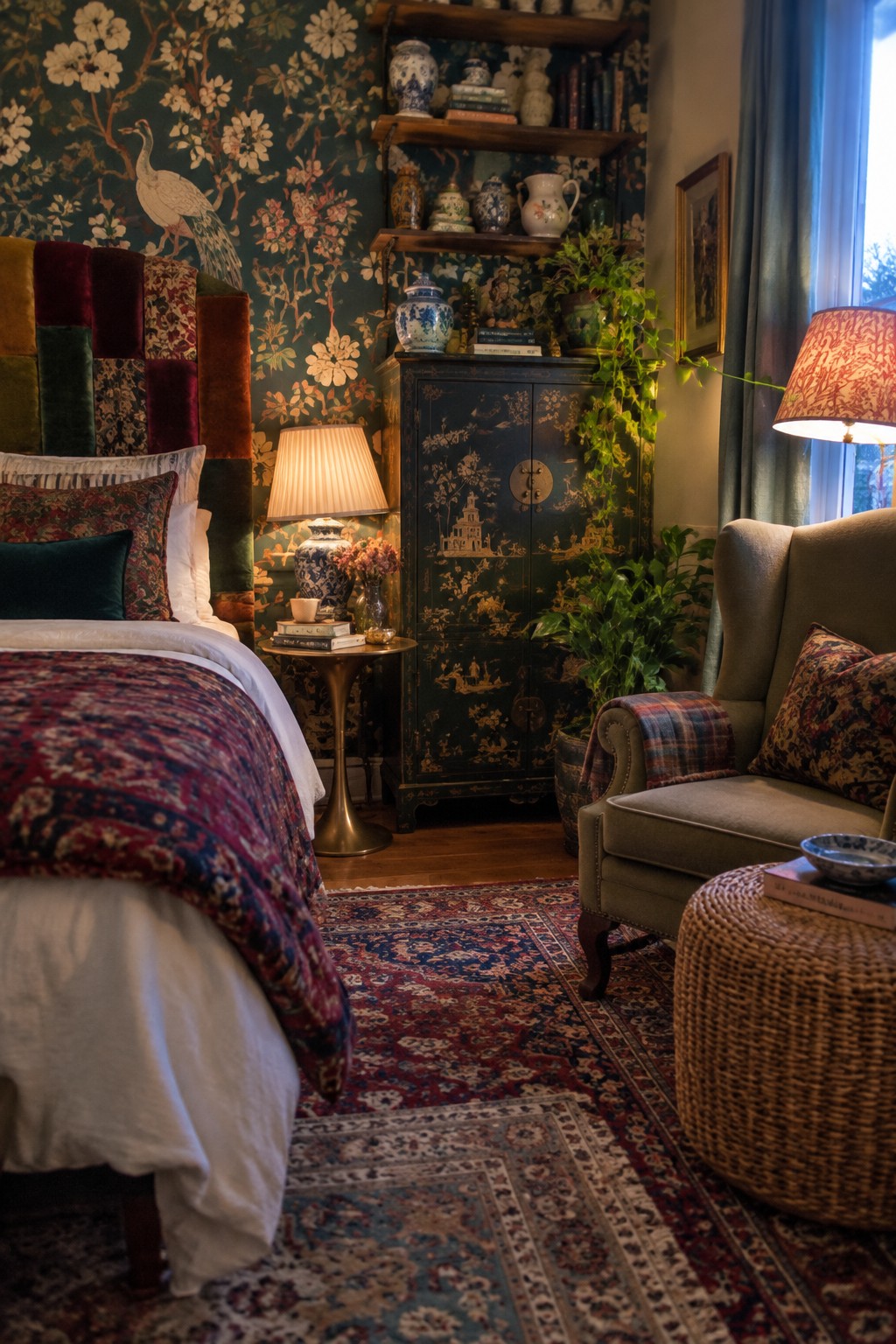
One way to give a bedroom more character is by mixing several patterns at once instead of keeping everything matched. A bold patchwork headboard can sit next to floral wallpaper and a plaid throw without clashing, as long as the colors overlap a little.
This works best in rooms that already have some older or traditional pieces. Start with one strong pattern on a large item like the headboard, then add smaller patterned textiles elsewhere so the mix feels collected rather than busy.
Mixing Wood Furniture With Upholstered Pieces
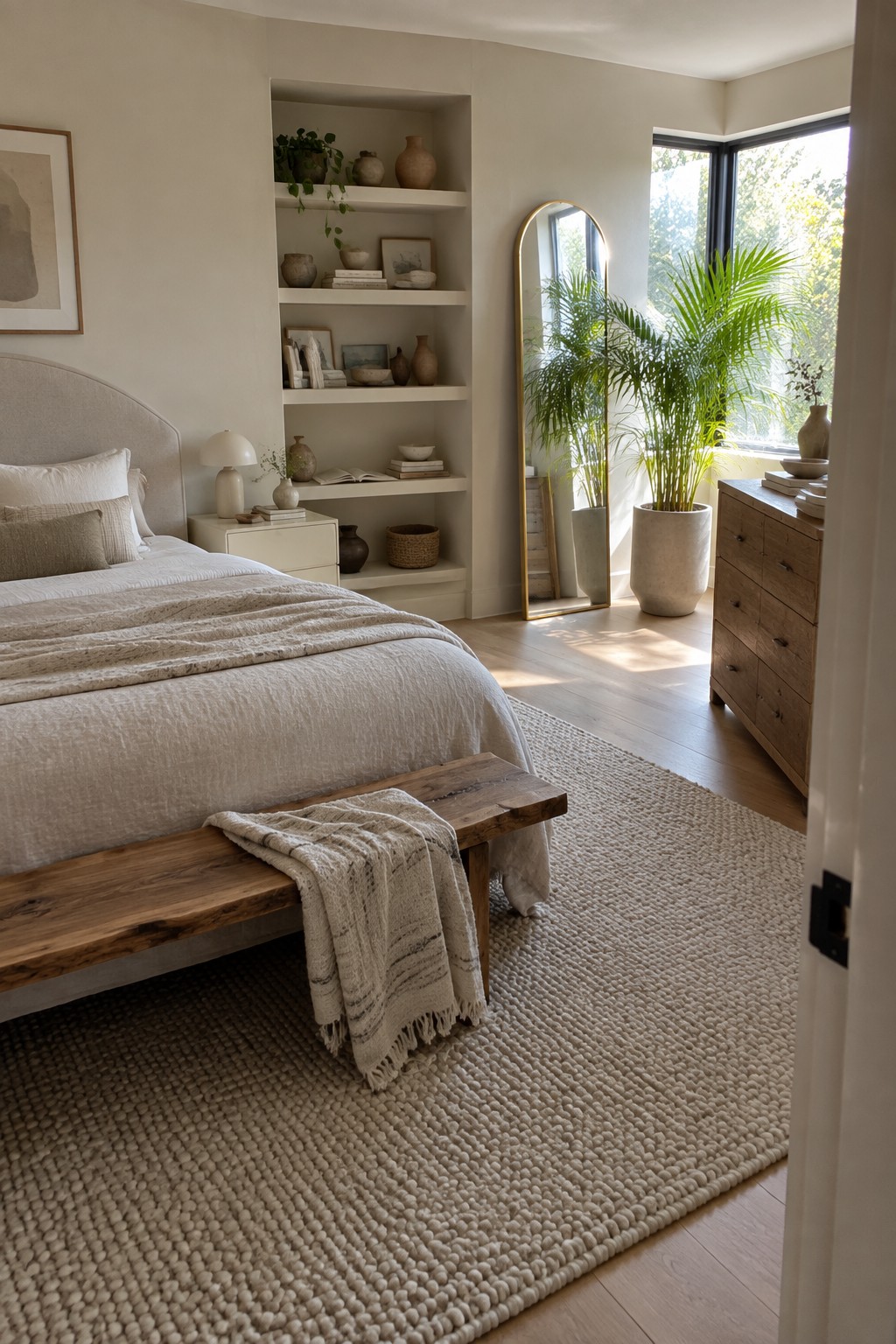
One of the easiest ways to give a bedroom character is to combine wood furniture with softer upholstered items. The wood brings warmth and structure while the fabric pieces keep the space from feeling too heavy or formal. This mix works especially well when the wood tones stay close to each other and the upholstery stays simple and light.
Try starting with one larger wood piece like a dresser or bench, then add an upholstered bed or headboard. Built-in shelves can hold smaller accessories without adding more visual weight. This approach suits most bedroom sizes and works in both older homes and newer builds where you want a relaxed, collected feel.
Mixing Metal Storage With Painted Wood
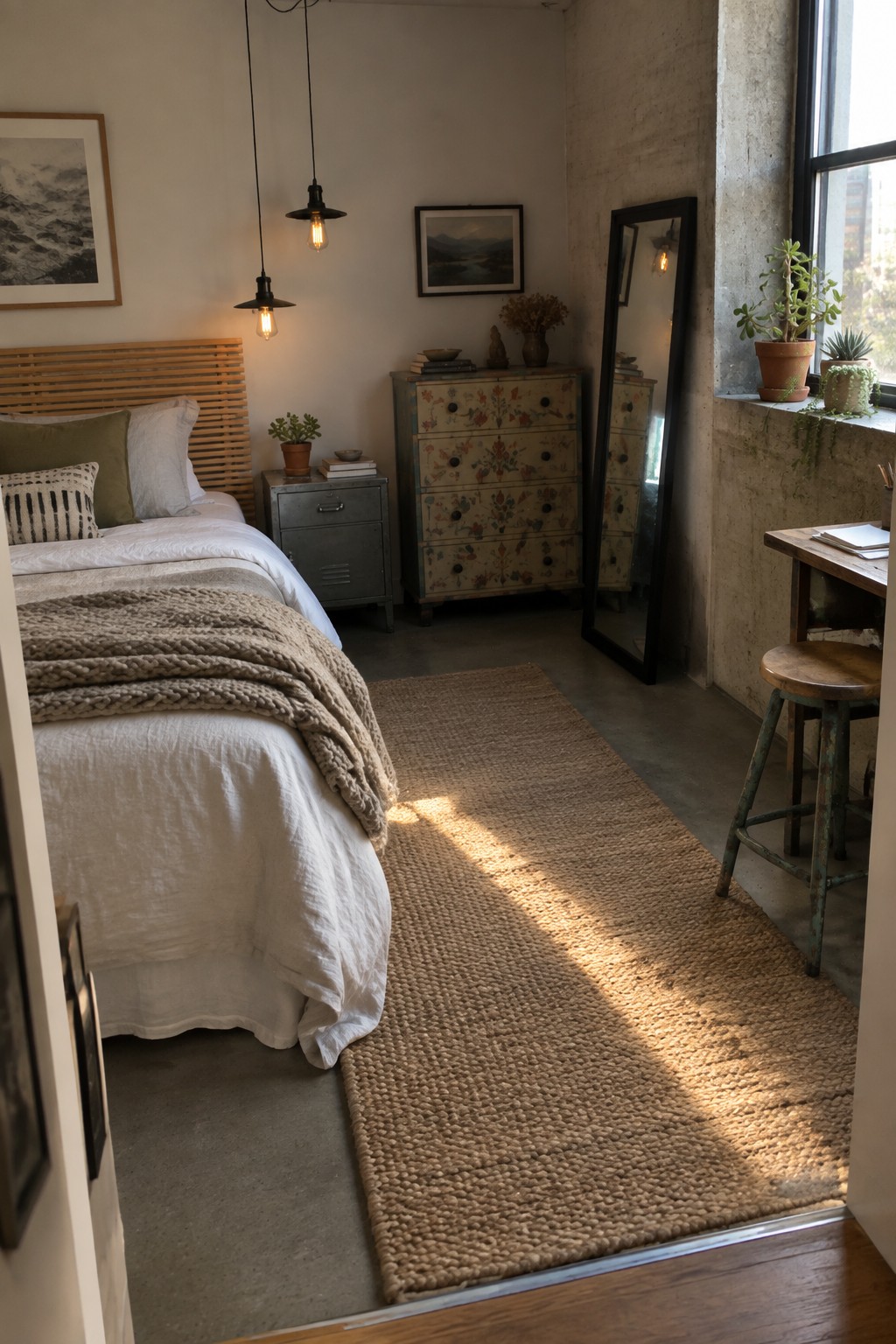
One simple way to make a bedroom feel more personal is to combine a metal piece with something painted in a softer style. The gray cabinet next to the colorful dresser shows how these two finishes can sit together without fighting for attention.
This approach works best in rooms that already have simple walls and concrete floors. Keep the rest of the space fairly quiet so the contrast between the metal and the painted wood can stand out on its own.
Frequently Asked Questions
Q: How do I start mixing a new bed with my existing dresser and nightstands? A: Begin by swapping just one piece like the bed frame. Then layer in similar colors or shapes from your old furniture through pillows or a throw. The rest falls into place naturally.
Q: Is it okay to mix different wood tones in one bedroom? A: Go for it if the tones share a warm or cool undertone. Place the pieces so the eye moves between them easily. One light and one dark wood often look great together.
Q: What if the mixed pieces feel too scattered? A: Group similar items like lamps or artwork to pull things together. Add a unifying element such as matching hardware on drawers.
