

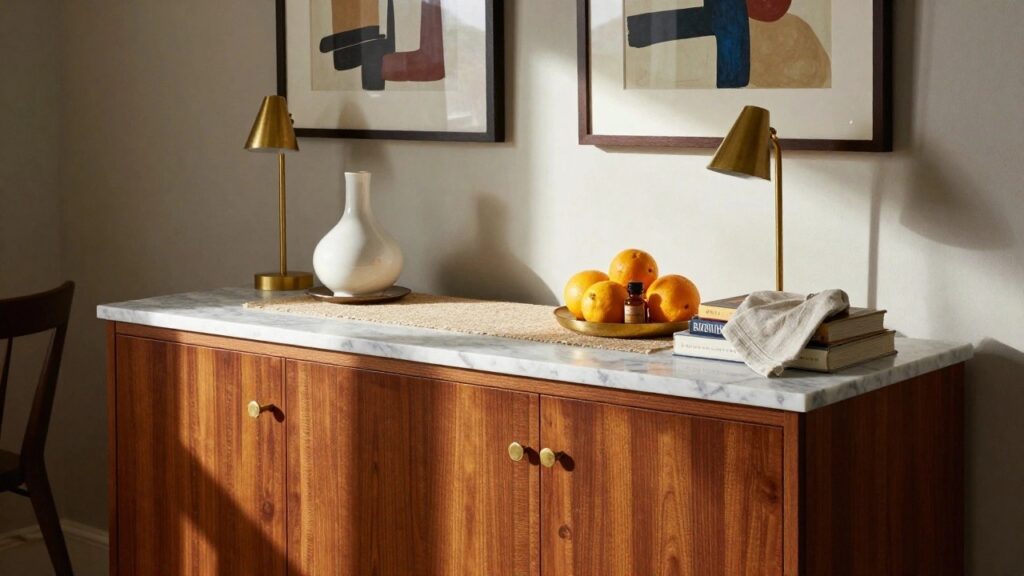
I have found that a sideboard turns into a useful bar only when its placement lines up with how people actually move through the dining or living space during a party.
In my home the flow between the kitchen and seating area decides whether guests can grab a drink without creating a bottleneck or leaving things scattered on nearby tables.
Some setups look fine on paper but fall short once you actually use them.
I usually try adding basic storage options first because that single change tends to keep the surface clear and the whole room feeling ready for both weeknight meals and weekend guests.
These choices help the space stay practical without requiring major furniture swaps or constant rearranging.
Sideboards With Marble Tops Make Practical Bar Stations
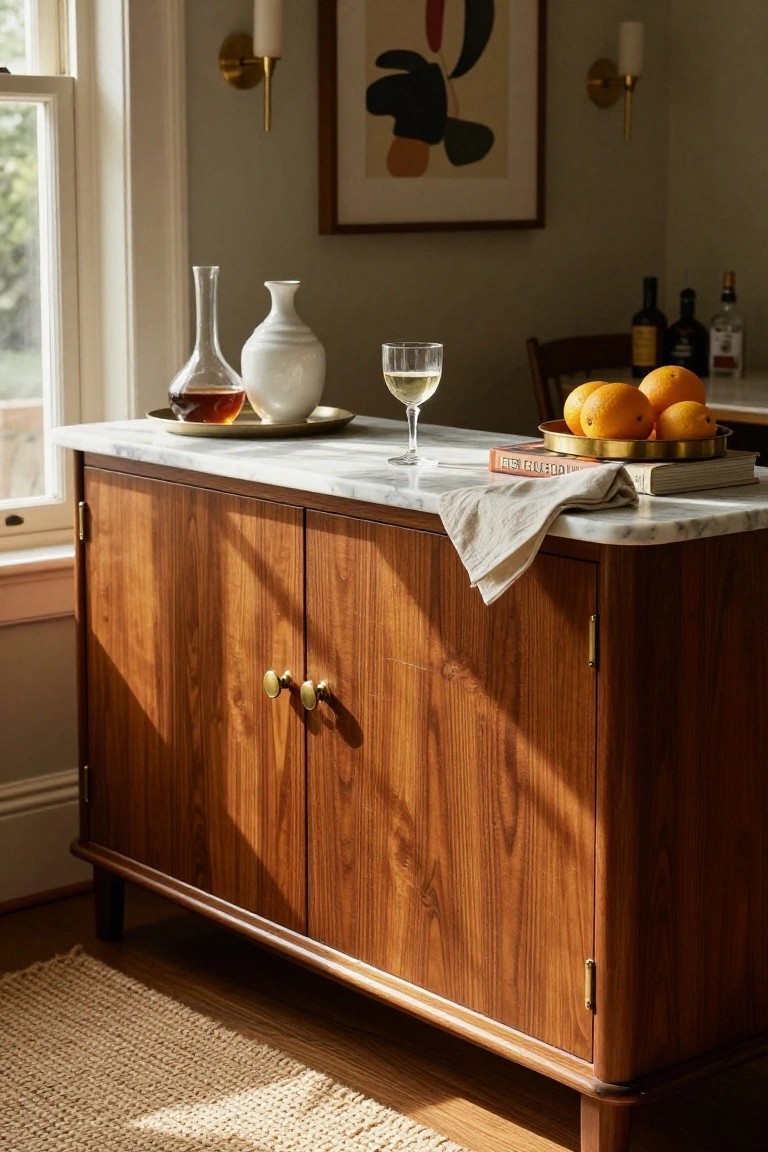
A sideboard with a marble top gives you a durable surface for mixing drinks and setting out glasses without worrying about rings or spills. The closed cabinets below keep bottles and bar tools out of sight but still close at hand, which helps the whole area stay tidy even when guests are helping themselves.
This works especially well in dining rooms or larger living spaces where you want a bar that feels like part of the regular furniture. Place it against a wall with room to walk around it, and keep the top clear except for a tray or two so it stays easy to use during parties.
Sideboard Bars with a Built-In Sink
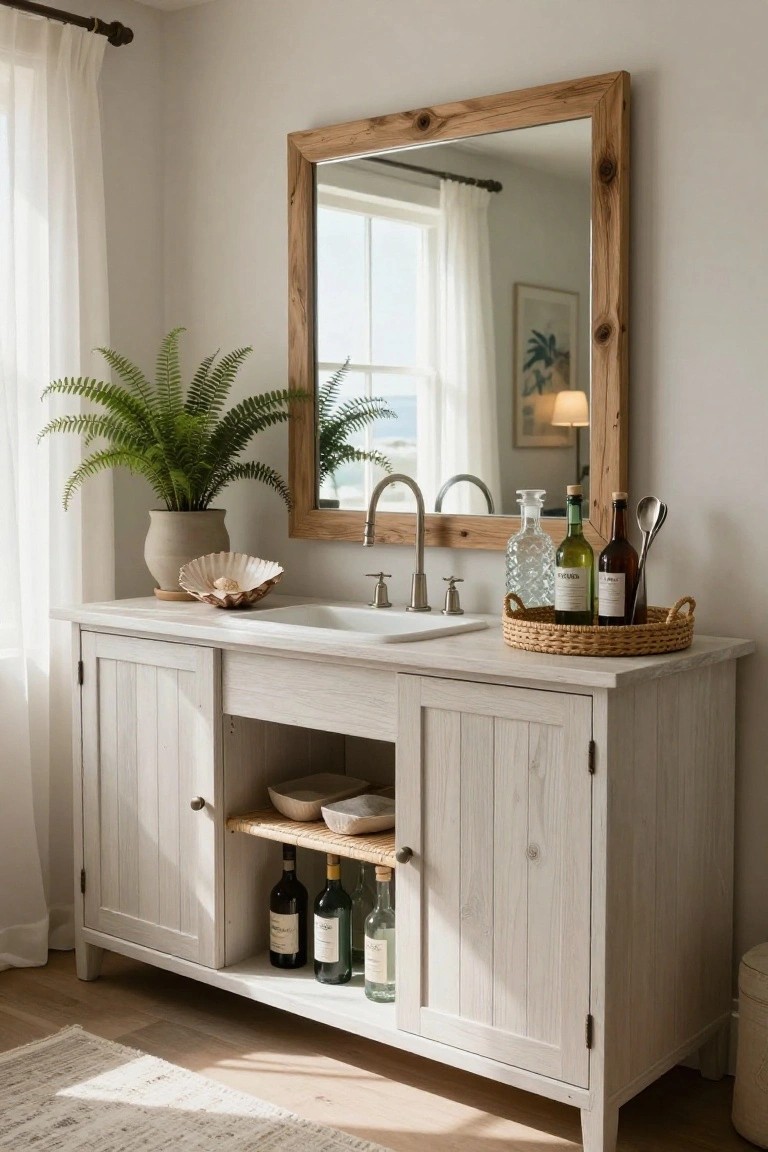
A sink built into the top of a sideboard makes the whole setup much more useful for drinks and quick cleanup. You can rinse glasses or fill a pitcher without leaving the area, and it keeps the bar feeling self-contained even in a smaller room.
This works best in open living spaces or dining areas where guests gather. Choose a piece with closed cabinets on the sides and an open shelf in the middle so bottles stay visible but still have a place to rest when not in use.
Sideboards With Built In Wine Storage
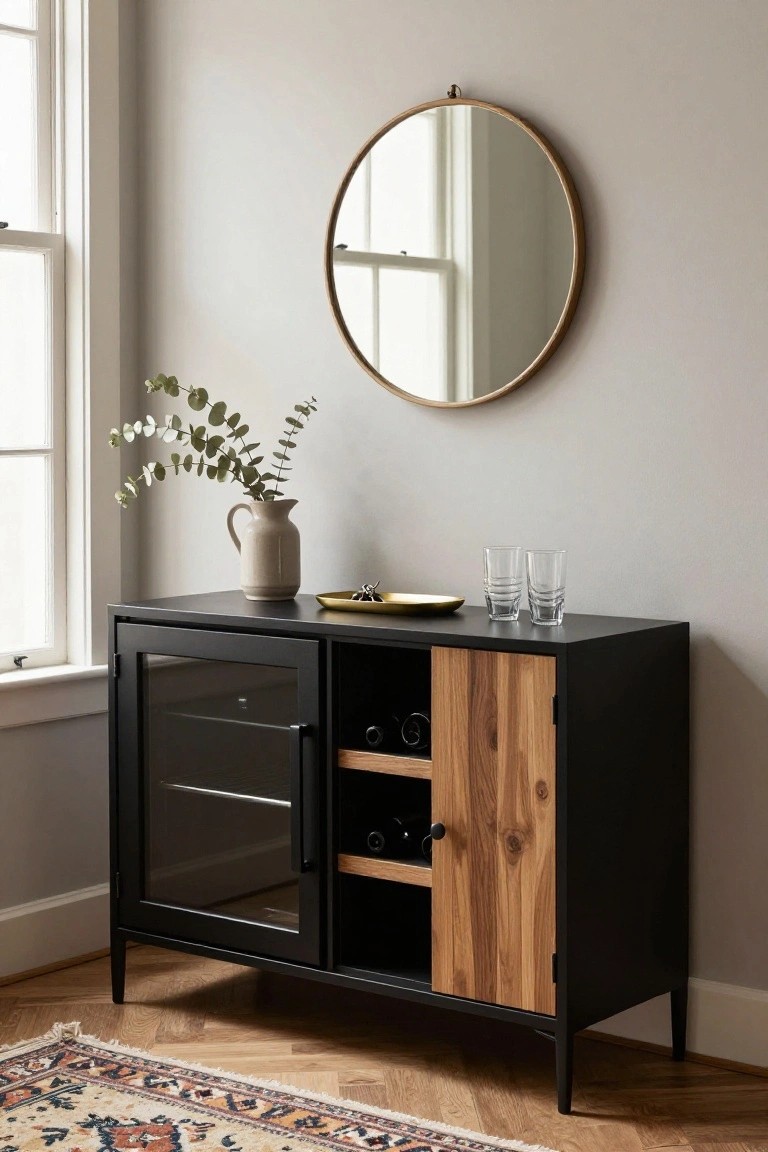
A sideboard that includes open racks for wine bottles makes entertaining simpler. You can grab a bottle without digging through cabinets, and the rest of the surface stays clear for glasses and serving pieces. The mix of open shelves and closed storage keeps the look tidy while still showing off a few bottles.
This setup works best in dining rooms or open living spaces where you serve drinks often. It suits homes that do not have room for a full bar cart or separate wine fridge. Just measure the shelf spacing to fit standard bottles before you buy.
Open Shelves Keep Bar Items Within Reach
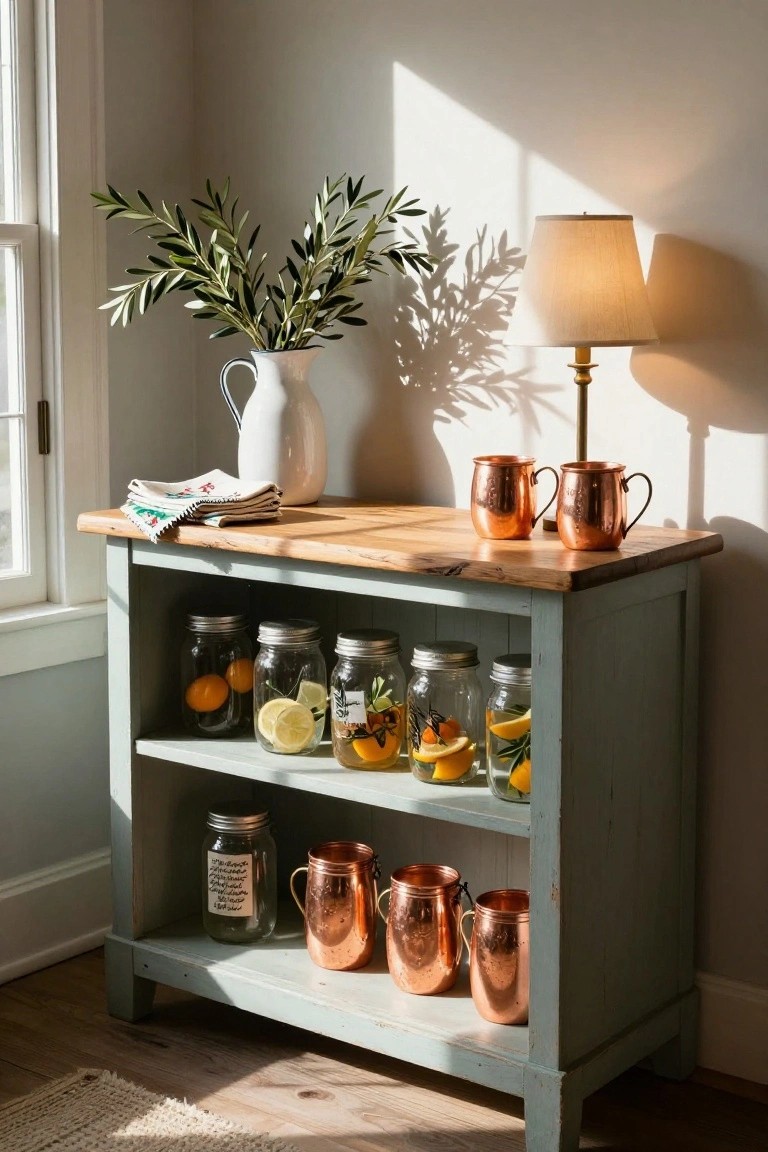
Many people like this kind of sideboard bar because the open shelves let you see and grab what you need without opening doors or moving things around. Jars of sliced citrus and copper mugs stay right where you can reach them during a gathering.
This works best in a dining room or living space where you entertain a few times a month. Just keep the shelves from getting overcrowded so the area stays easy to clean and restock.
A Simple Sideboard For Casual Hosting
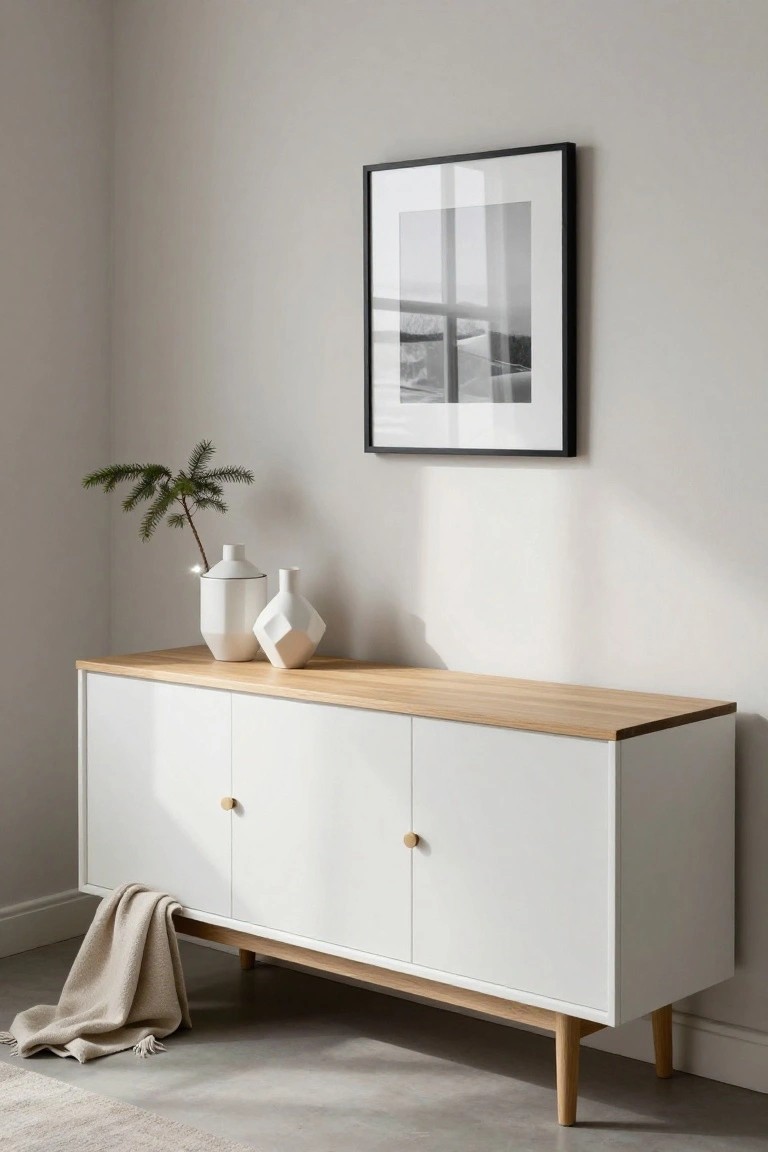
A low sideboard with a wood top gives you a steady place to set out drinks and snacks without crowding the room. The clean shape keeps the focus on the surface rather than on extra details.
This style works best in living rooms or open dining areas where you need storage but still want space to move around. Keep the finish light so it blends in and does not feel heavy when guests are over.
Sideboards That Work as Home Bars
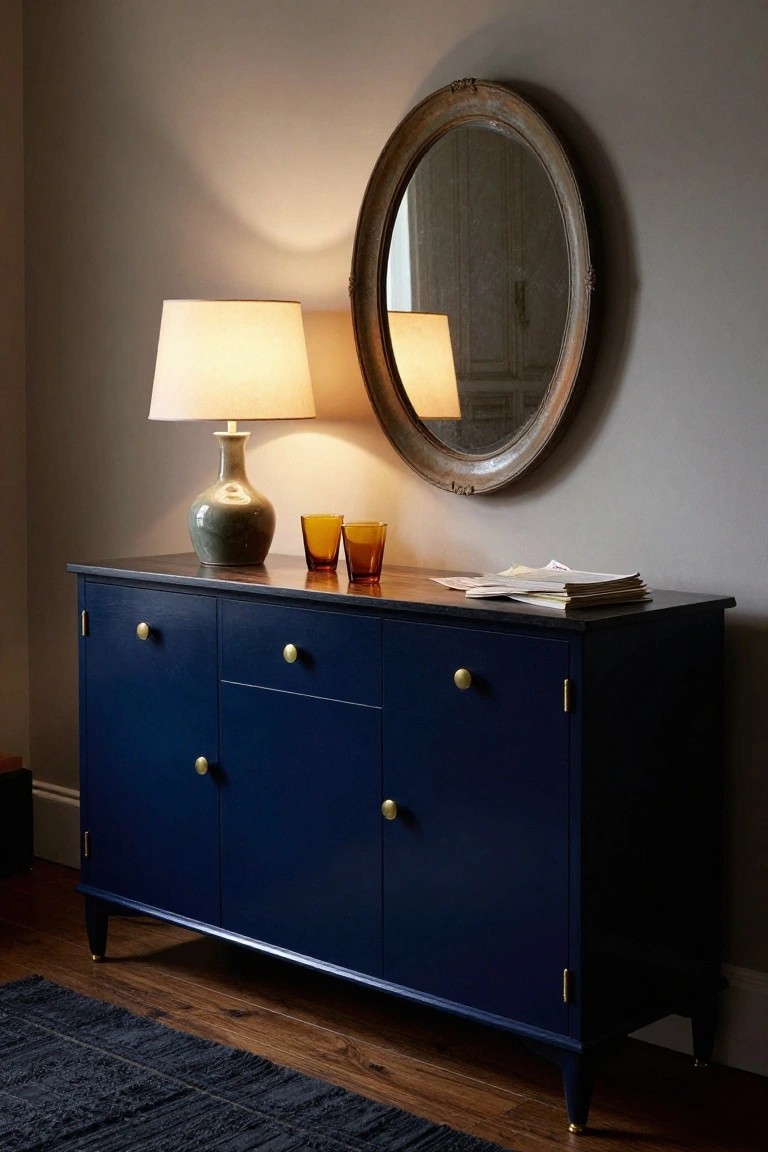
A sideboard can handle bar duties without much fuss. The flat top gives you room for glasses and bottles while the cabinets and drawers keep everything else out of sight. In this setup the deep blue finish blends into the room and the wood surface adds a bit of warmth that feels right for serving drinks.
This kind of piece works best in a living room, hallway, or dining area where guests move around. Choose one with solid doors so you can stash mixers and extra napkins, and keep the top clear except for a lamp or a couple of serving trays. It stays useful even when you are not entertaining.
Lower Shelves Keep Bottles Handy On A Sideboard Bar
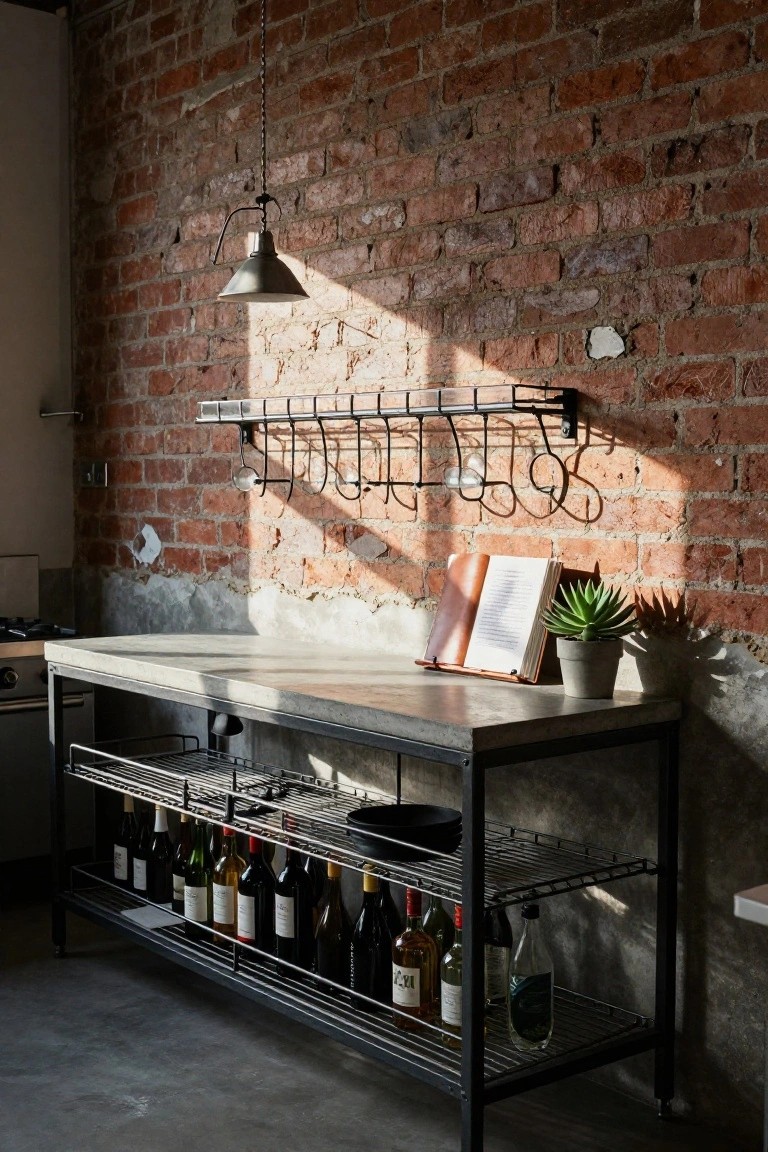
A sideboard with open lower racks gives you a simple way to store bottles without hiding them away. It keeps everything in view and easy to reach, which makes mixing drinks feel less like a chore when guests arrive.
This setup works best along a wall in a kitchen or dining area where you want the bar to blend into the room rather than stand out as a separate piece. Keep the top clear for serving and add a small rack overhead for glasses if space allows.
Sideboards With A Mix Of Drawers And Open Shelves
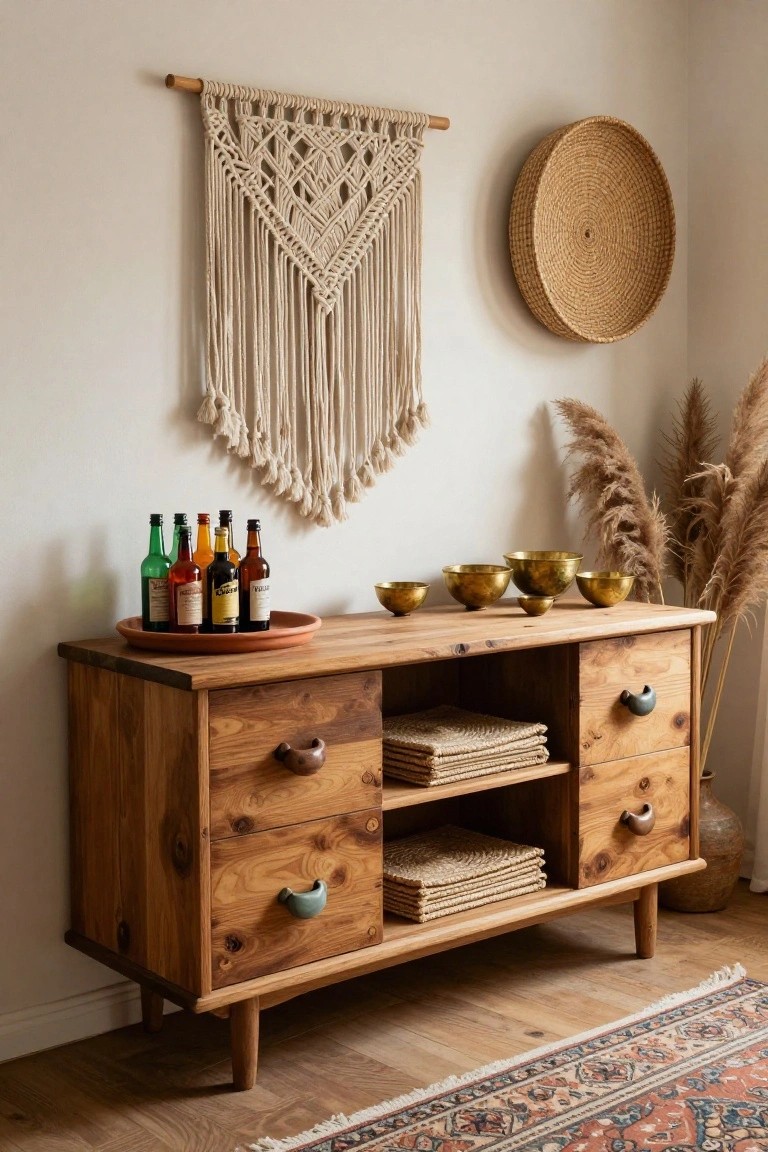
Many sideboards work well as bars because they give you places to tuck away extra supplies while still leaving room for the things you reach for often. The closed drawers keep glassware or napkins out of sight, and the open sections let you grab what you need without opening anything during a gathering.
This setup fits best in a dining room or living space where the bar stays part of the everyday room. Keep the open areas from getting crowded so the surface stays useful for serving drinks.
Sideboards That Work as Home Bars
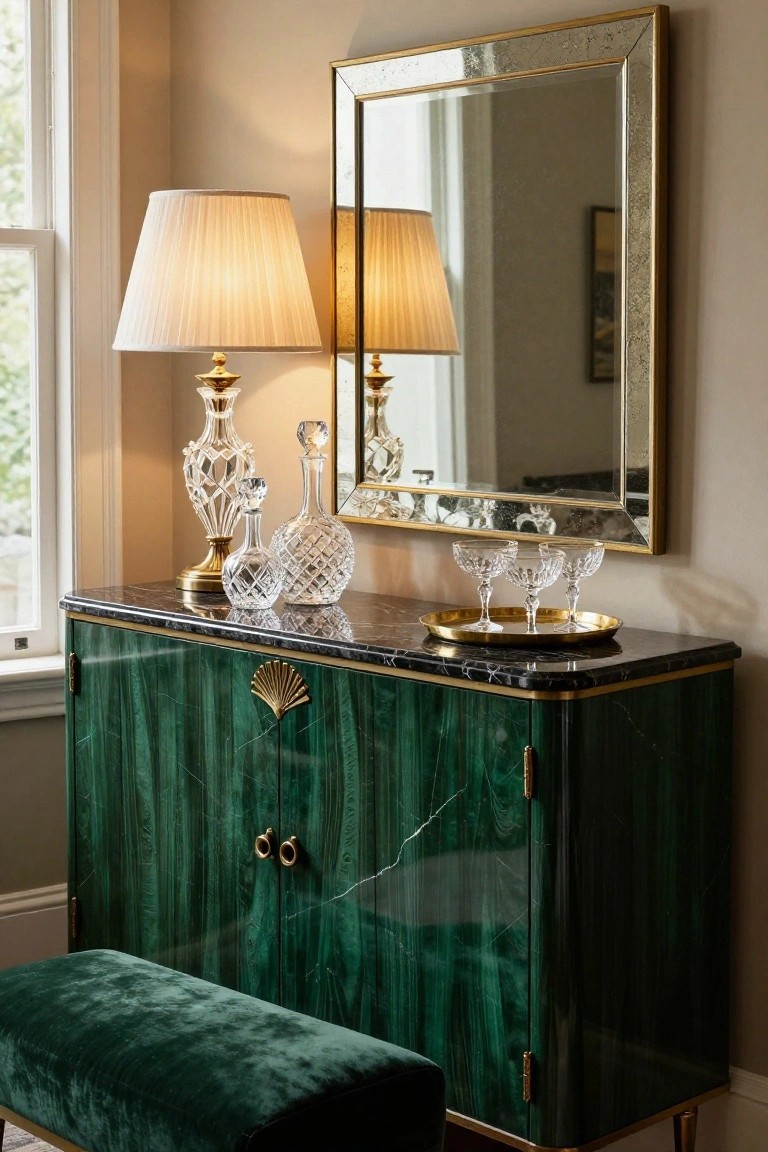
A sideboard can handle bar duties without turning the whole room into a dedicated drinking area. The top gives you room to set out bottles and glasses while the cabinet below keeps everything else tucked away.
This setup works best in dining rooms or open living spaces where guests gather. Choose a model with a sturdy surface like marble so spills wipe up easily and keep the styling to just a few pieces so it still reads as furniture first.
Sideboards With A Sink Built Right In
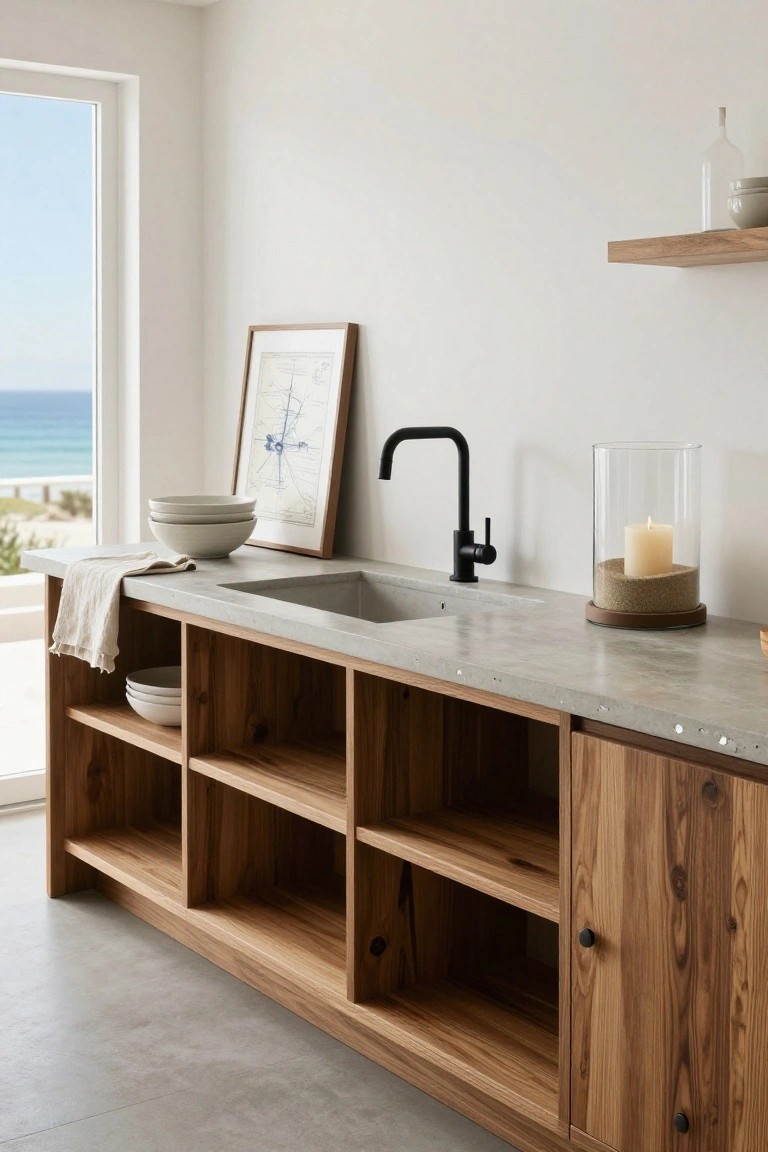
A sideboard that includes its own sink keeps the flow going during parties. You stay in one spot to rinse glasses or prep drinks instead of running back to the kitchen.
This works best in open living spaces where guests gather near the bar area. Make sure the plumbing lines up before you commit to the layout.
Combine A Sideboard With Open Shelving For Bar Storage
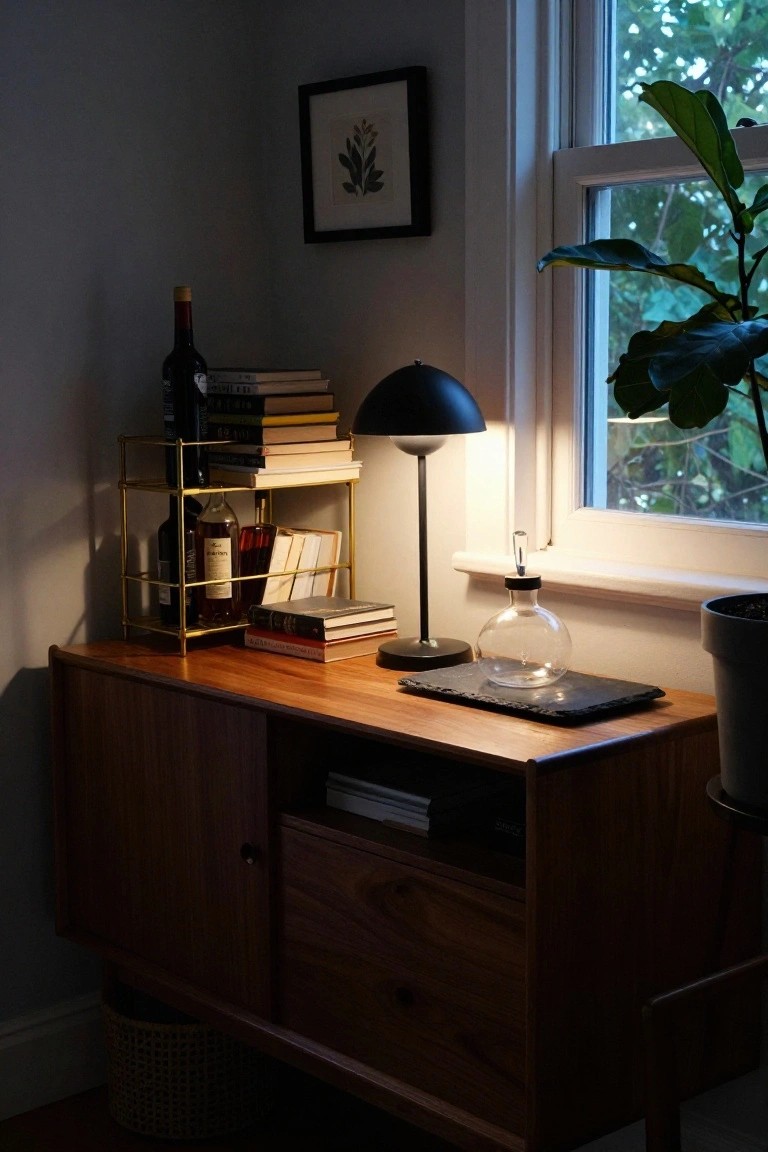
A sideboard already gives you a solid surface and hidden storage, but adding a small open rack on top makes it much easier to use as a bar. You can reach bottles and glasses without digging through cabinets every time.
This works especially well in living rooms or dining areas where you entertain casually. Keep the rack simple and match the finish to your sideboard so the whole setup feels intentional rather than cluttered.
A Console Table Works As A Compact Bar Station
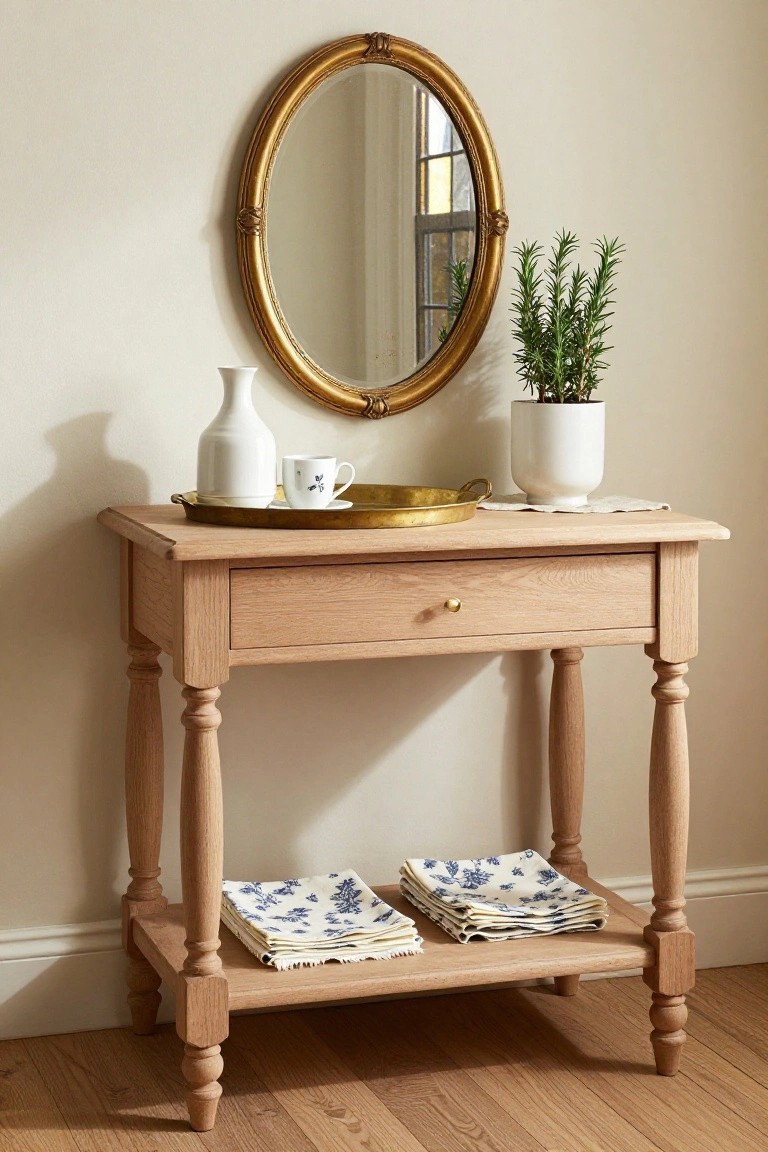
A narrow console table gives you a useful surface for drinks and serving without taking up much room. The drawer and open shelf below keep napkins, coasters, and extra glasses close at hand so everything stays organized during a gathering.
This kind of setup suits smaller homes or apartments where a full bar cart would feel crowded. Place it against a wall near the dining area or living room and keep a tray on top for quick resets between rounds.
Concrete Sideboards For A Simple Home Bar
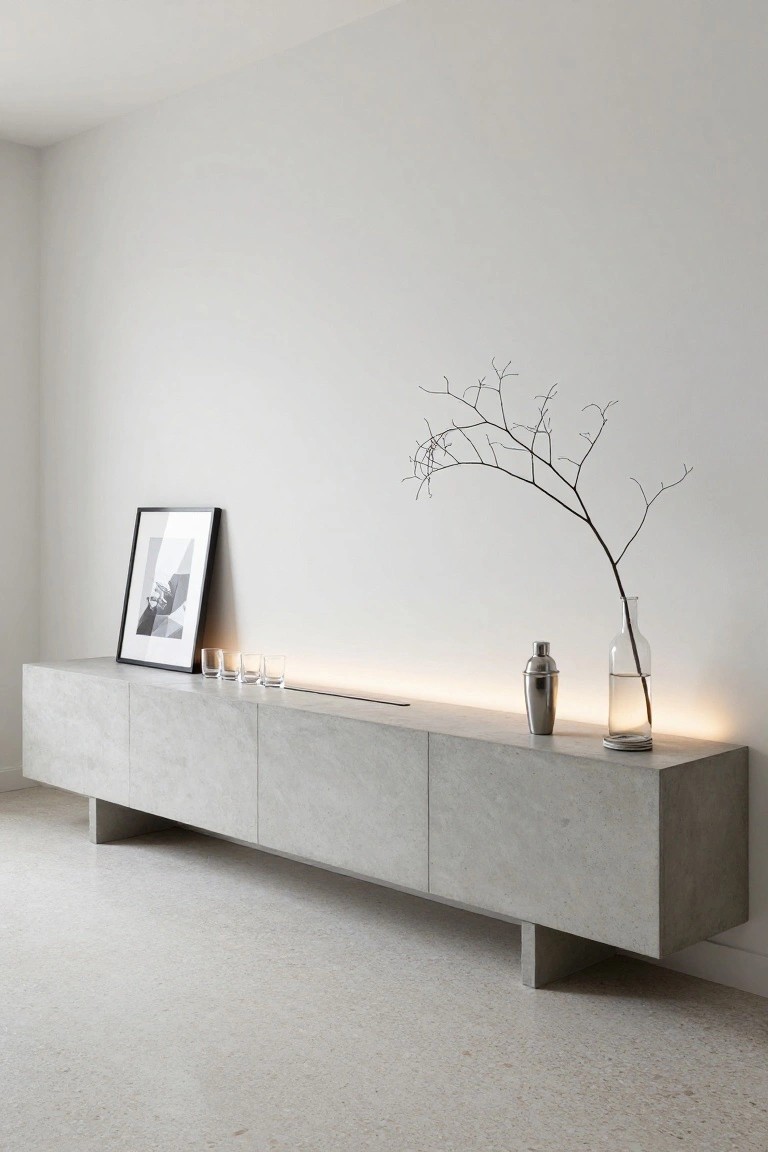
A low concrete sideboard like this one gives you a solid surface for drinks without adding bulk to the room. The material feels sturdy and the built-in light along the back helps keep the area visible when you are mixing or serving.
This setup works well in open living spaces where you want the bar to stay part of the main room rather than become a separate piece of furniture. It suits homes that already lean toward clean lines and neutral tones, and it stays practical as long as you keep the top clear enough for easy use.
Wooden Sideboards With Wine Storage
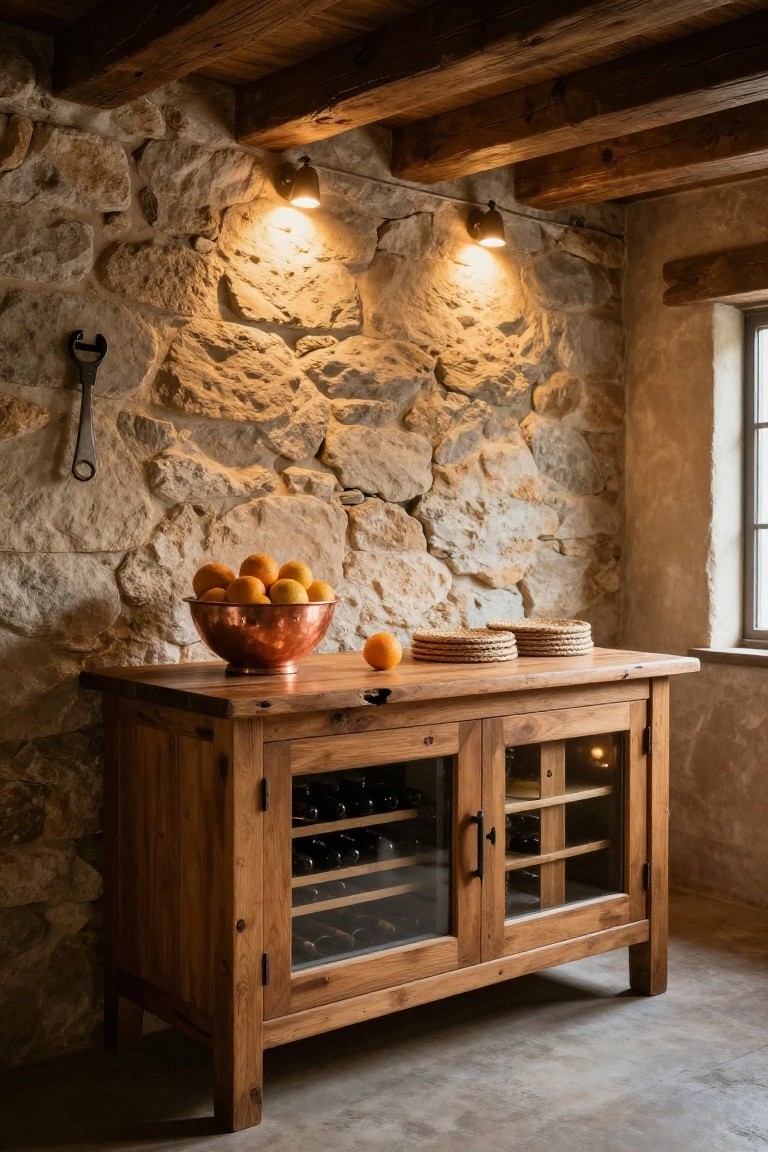
A wooden sideboard with glass doors gives you a simple way to keep wine on hand without needing a full bar setup. The lower shelves hold bottles in place while the top stays clear for mixing drinks or setting out glasses during a gathering.
This style works best in homes that already lean rustic or casual. Keep it against a main wall near the dining area so it stays handy but does not block traffic.
A Simple Wooden Sideboard For Casual Serving
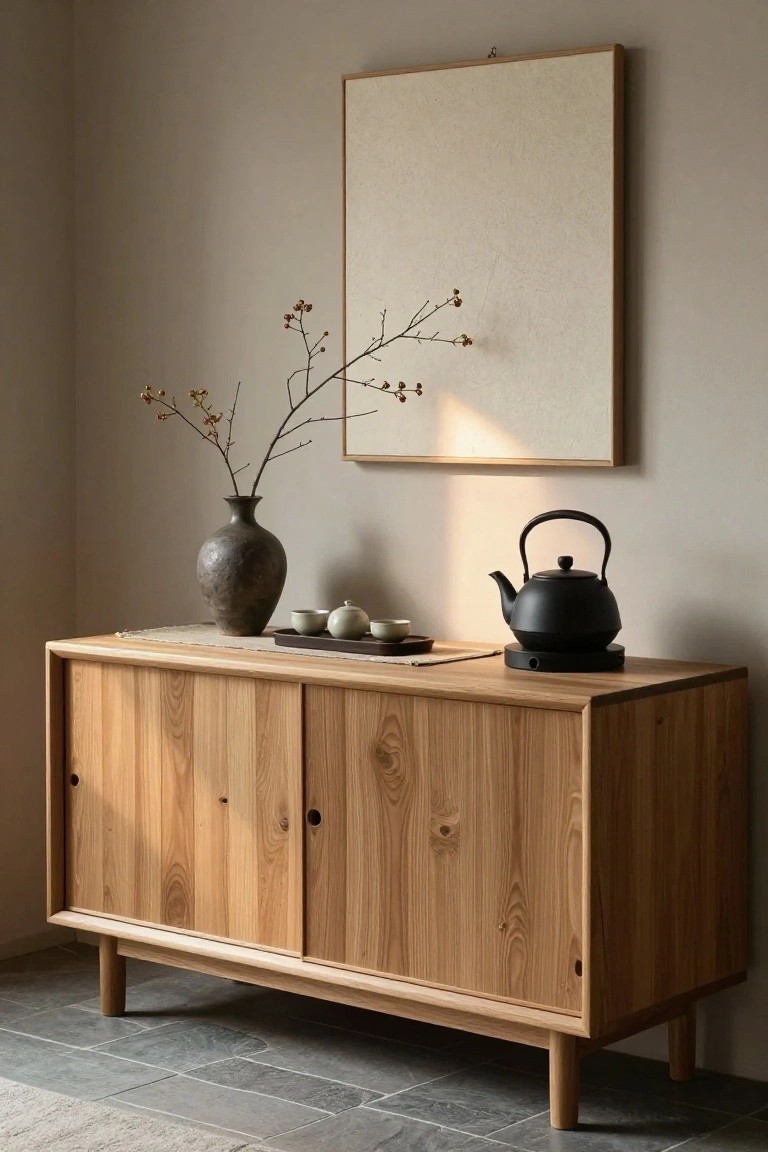
A low wooden sideboard with sliding doors gives you a practical surface for drinks and light bites without taking up much space. The natural grain keeps the look calm, and the height works well for people to stand around or grab what they need during a gathering.
Place it along a living room or dining wall where guests can help themselves. Keep the top clear except for a tray and a few serving pieces so it stays easy to use and quick to reset afterward.
Cane Door Sideboards For Bar Storage
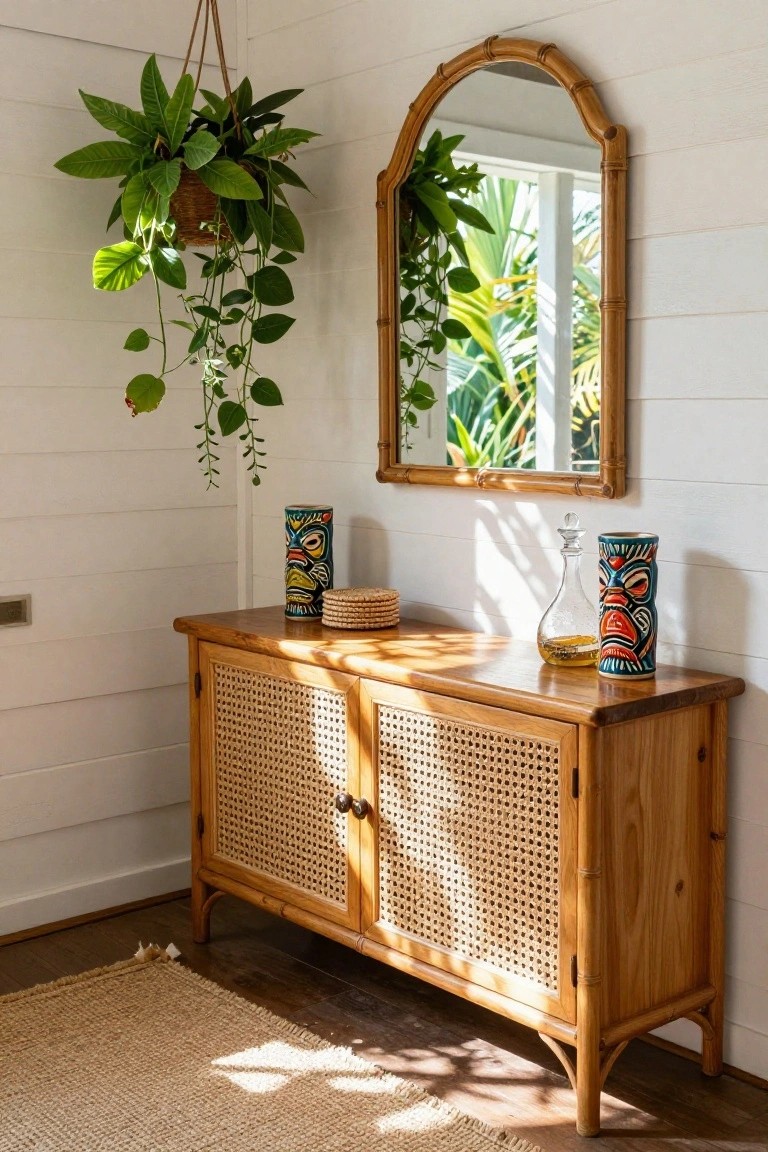
A sideboard with cane woven doors gives you closed storage for bottles and glasses while the surface stays clear for mixing drinks. The open weave keeps the piece from feeling bulky in a smaller room.
This setup works well in living areas or open dining spaces where you want the bar to feel casual. Keep the top uncluttered and use the cabinets for anything you do not need on display every day.
Setting Up a Sideboard Bar
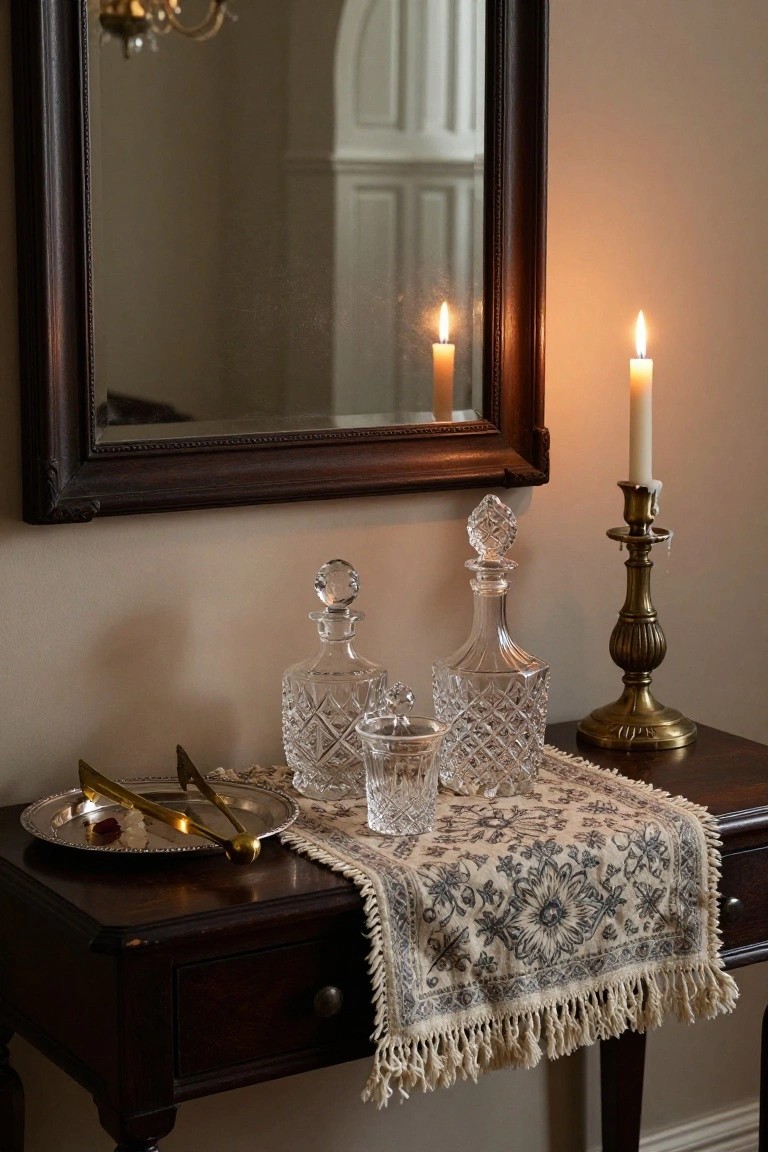
One useful approach for at-home entertaining is to turn a sideboard or console into a simple bar station. It keeps bottles, glasses, and tools in one place so you can serve drinks without running back and forth to the kitchen.
This works especially well in dining rooms or living areas that already have a sideboard for storage. Keep a tray on top for smaller items like tongs and a few glasses, and use a runner underneath to protect the surface and tie the look together.
Open Shelving Keeps a Bar Area Ready to Use
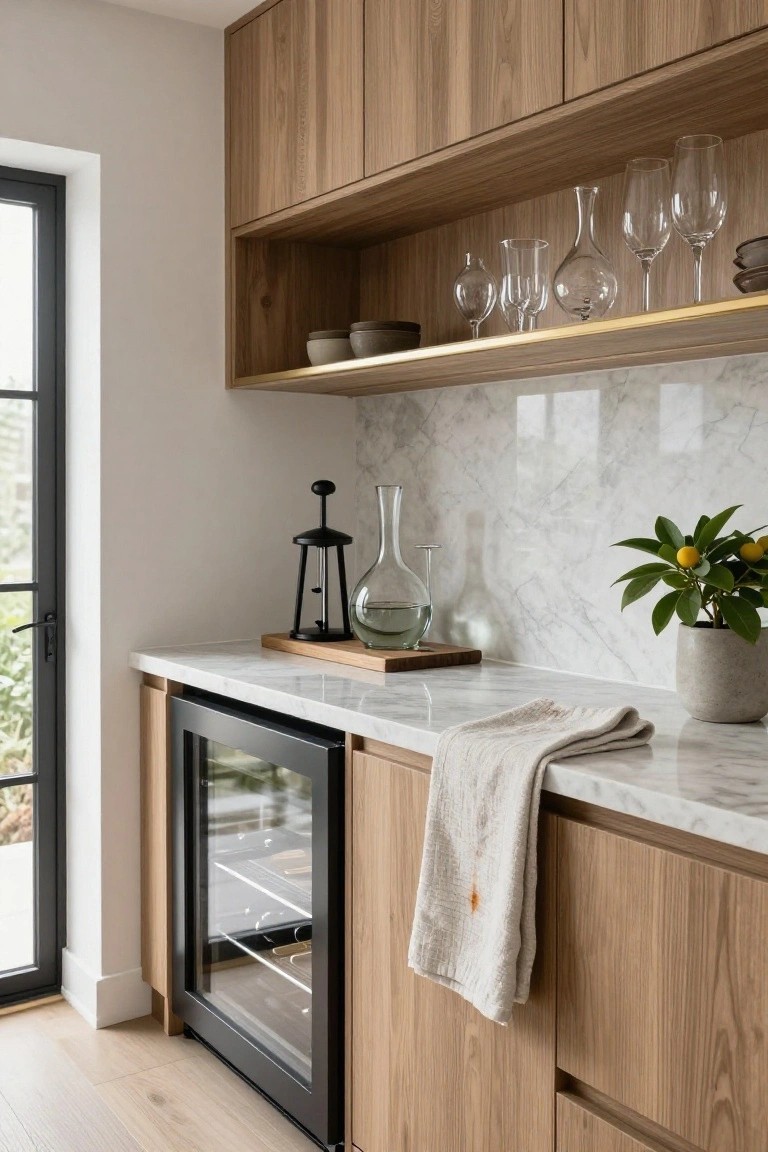
Open shelves above a bar counter give you quick access to glasses and bottles without having to open cabinets every time. This setup keeps the space feeling lighter and makes it easier to see what you already have on hand for entertaining.
It works especially well in kitchens or dining rooms where you host regularly. Just avoid overcrowding the shelves so the area stays practical and simple to keep tidy.
Glass Door Sideboards Keep Barware Easy to Grab
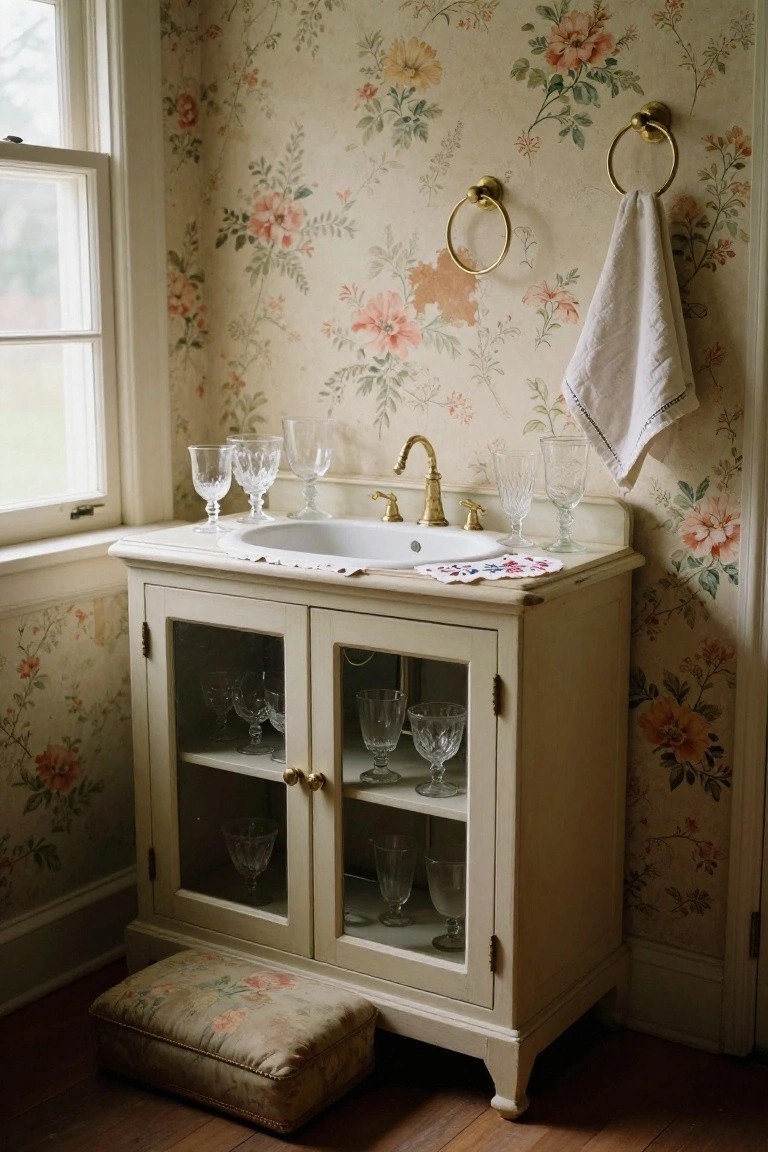
A sideboard with glass doors turns storage into something useful and visible at the same time. You can see what glasses are on hand without digging through cabinets, and it keeps everything close when you are mixing drinks or setting up for guests.
This works best in smaller entertaining spaces where you want storage that does not feel heavy or closed off. Pick one with solid shelves and simple hardware so it stays practical while still fitting the rest of the room.
Long Sideboards Work Well as Home Bars
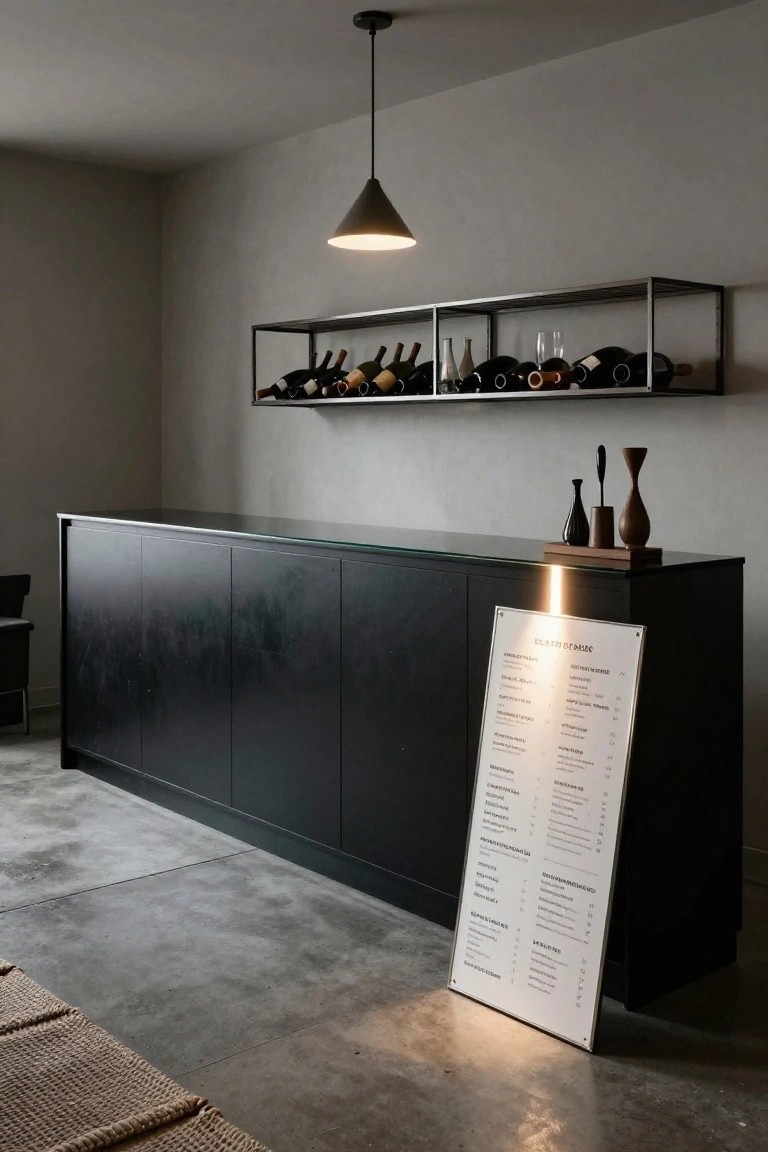
A long sideboard turns into a useful home bar when you add open shelves right above it. This setup gives you room to store bottles and glasses without needing a separate piece of furniture, and it keeps everything close at hand during gatherings.
It fits best in dining rooms or open living spaces where you serve drinks often. Pick a sturdy top that handles spills and daily use, and keep the shelves at an easy reach so the whole area stays practical.
Sideboards With Built-In Storage For Entertaining
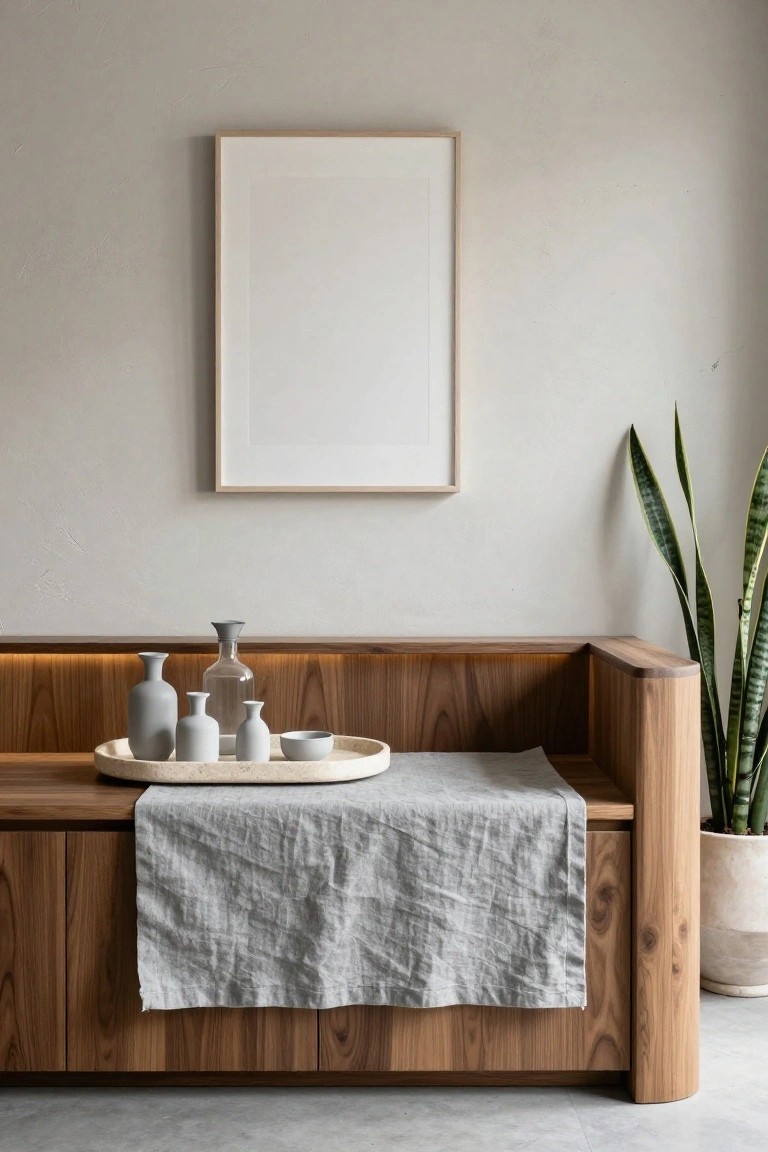
A sideboard with doors and drawers underneath gives you a place to keep glasses, bottles, and other bar items out of sight until you need them. This setup works nicely when you want the surface clear for serving but still have everything within reach during a gathering.
It fits best in a dining room or open living area where you entertain often. Keep the top fairly simple so there is room for trays and a few serving pieces without it feeling crowded.
Sideboards That Double As Bars
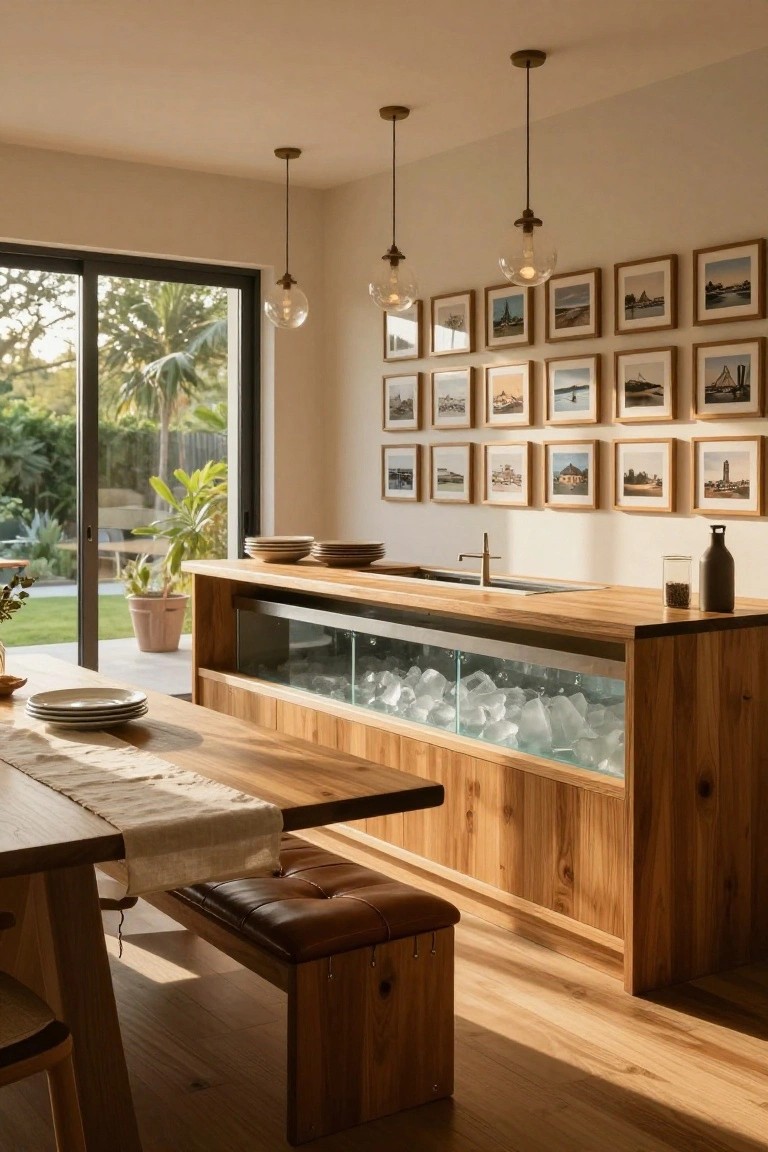
A sideboard with a built-in ice section turns a basic storage piece into something more useful for entertaining. The clear front lets you see the ice while keeping it contained, so drinks stay cold right where people are gathered.
This setup works best in homes with an open dining area that gets used for both meals and casual hosting. Keep the ice compartment easy to access and clean so it stays practical rather than becoming extra work.
Frequently Asked Questions
Q: How much space do I really need around the sideboard for guests to grab drinks?
A: Leave at least two feet of clearance on the main side where people stand. This lets two or three guests serve themselves without bumping elbows. Place it against a wall to keep the flow open in the rest of the room.
Q: What basics should I keep on the sideboard itself versus tucked away?
A: Put out the current bottles and a couple of glass styles. Store backups and less used tools in the drawers or on a lower shelf. You keep the top looking inviting and ready for use.
Q: Does the style of my sideboard need to match my other furniture exactly?
A: Choose similar tones or materials so it blends in naturally. Your room will still feel pulled together.
