

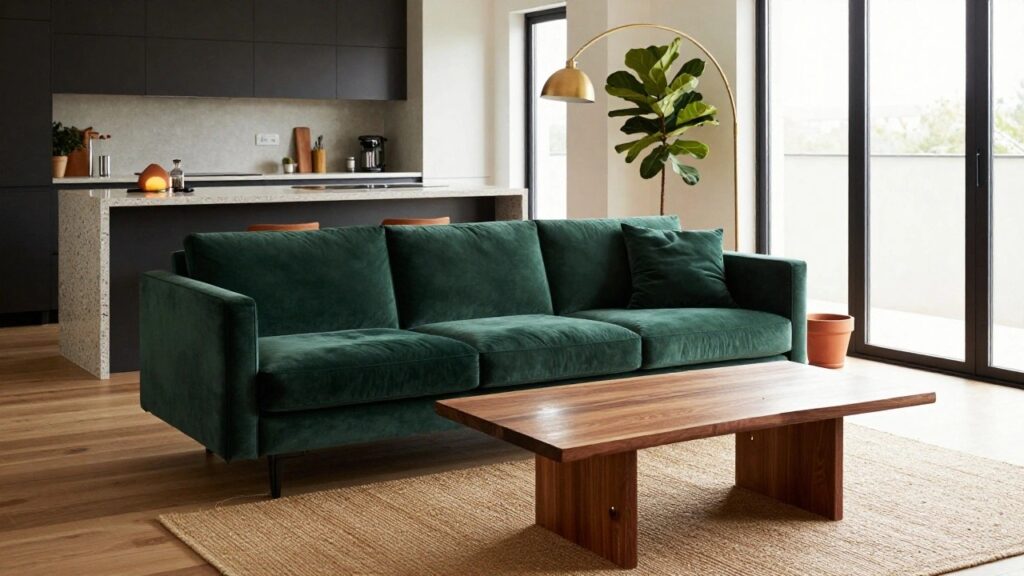
I’ve noticed how the sofa’s spot sets the tone in a living room right away, pulling eyes and dictating foot traffic. Get it wrong, and the room feels boxed in, no matter the rug or lamps. It anchors everything else. I once floated mine away from the wall in our old place, and suddenly the space breathed better for family nights. A few tweaks like that can reshape how your home actually works day to day.
Sofa Facing the Kitchen Bar
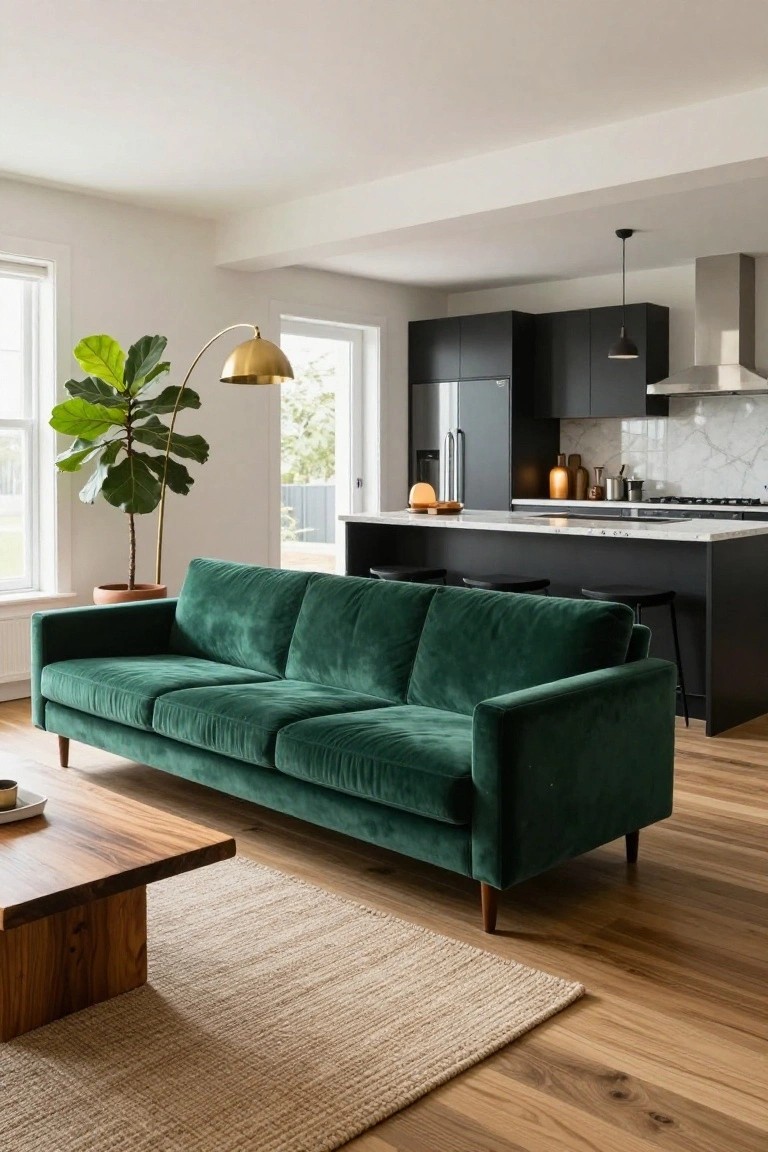
In open kitchen-living setups, turning your sofa to face the kitchen bar makes the space feel connected and practical. You get that easy flow for everyday life, like keeping an eye on dinner from the couch or chatting with guests at the island. A plush green velvet sofa like this one adds some comfort without taking over the room.
This placement shines in modern apartments or homes with no walls between zones. Pair it with a low wood coffee table to keep sightlines open, and add a tall plant nearby for a bit of green. Skip bulky pieces that might crowd the path to the kitchen.
Corner Sofa by the Window
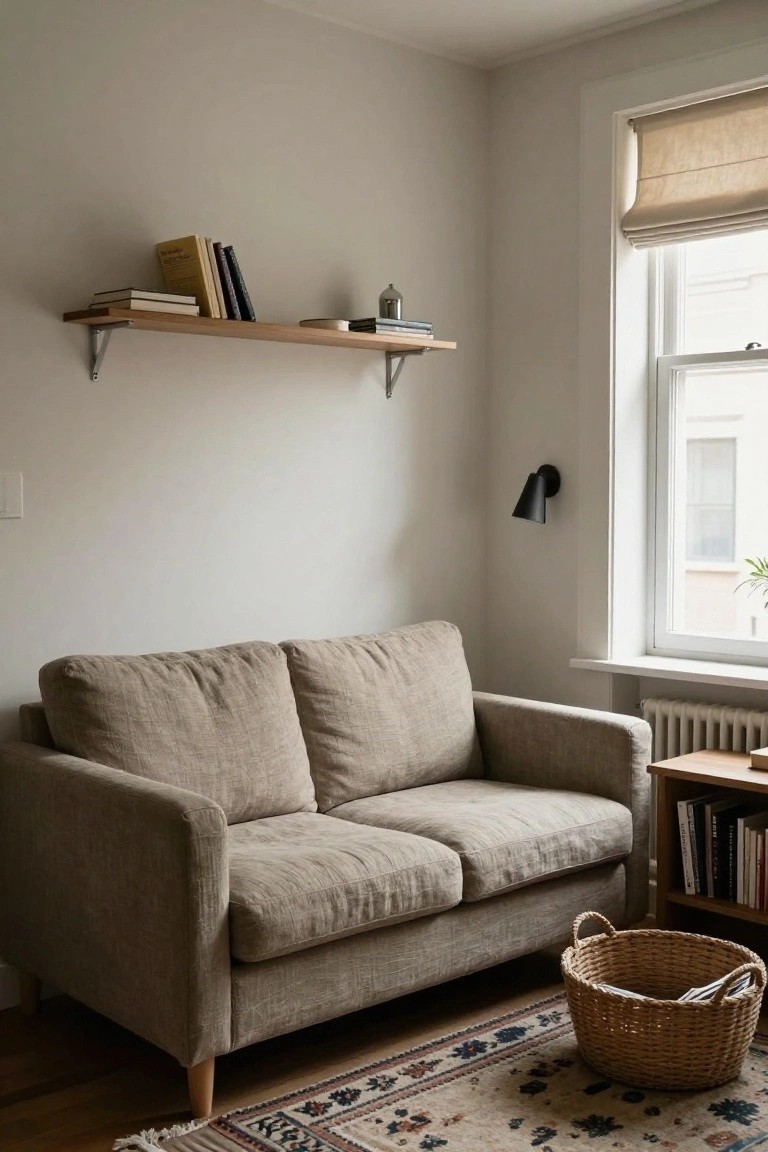
Tucking a sofa into the corner right under a window turns a simple spot into a quiet reading area. The light comes in strong, and those floating shelves up top keep books and a little vase close by without crowding the floor. It feels open yet snug, especially with the neutral fabric pulling it all together.
This setup shines in small living rooms or apartments where every inch counts. Slide a narrow side table next to it for a lamp or more books, and add a basket out front for blankets. It suits homes with tall windows… just check the sofa back clears the sill. Keeps the room practical and calm.
Sofas Facing the Fireplace
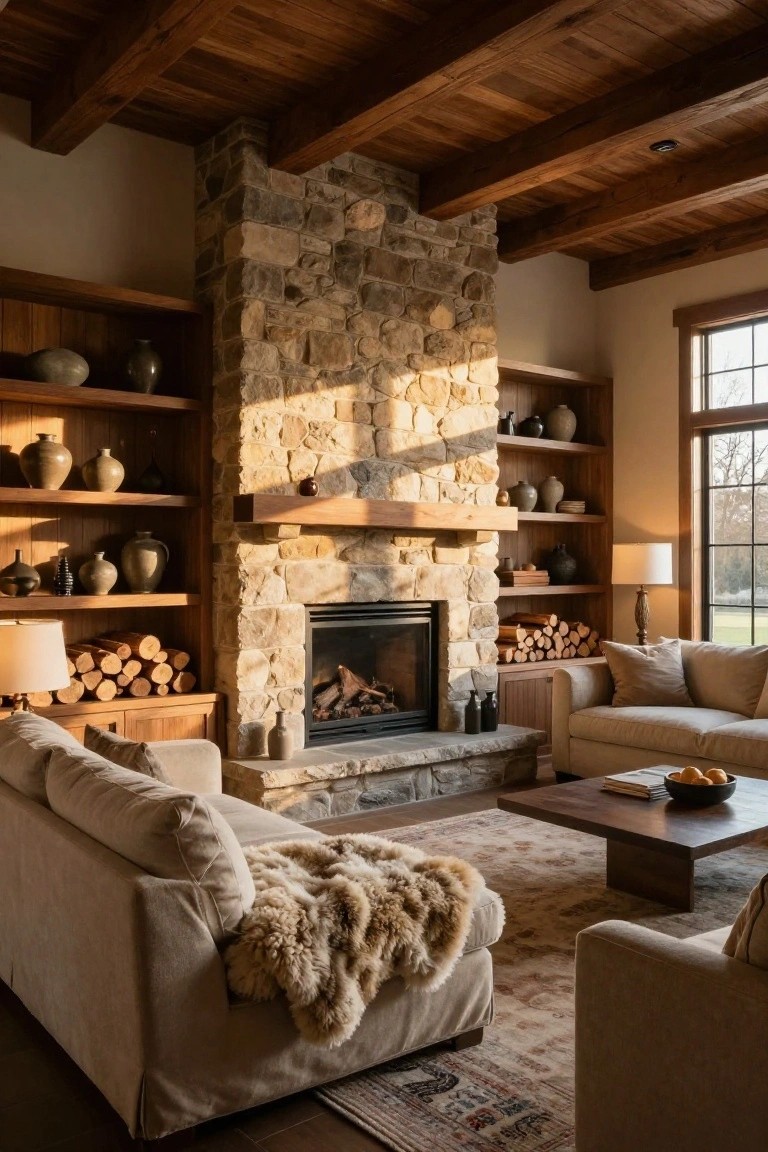
One smart way to arrange your living room is to place two sofas so they face the fireplace. This pulls the seating right into the warmth of the fire and sets up a natural spot for conversation. The fireplace becomes the main draw, and the sofas frame it without crowding the space.
Try this in any room where the hearth is already a standout feature. It works well with bigger stone or brick fireplaces that have some shelves nearby for wood stacks or simple decor. You get room for a low coffee table right in the middle… just keep the sofas far enough apart so people can walk through easily. Fits casual family spaces or cabin-style homes.
Sofa Along the Wall by the Window
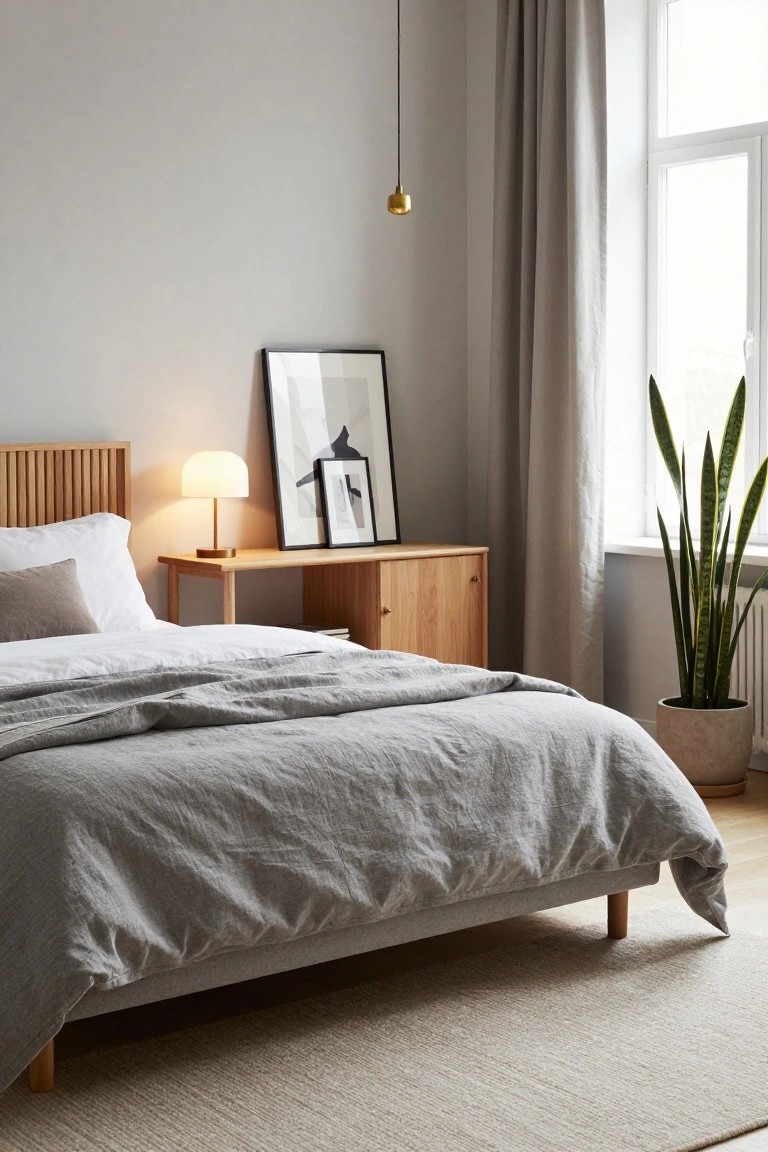
Putting your sofa right up against the wall next to a window works well in smaller rooms. It pulls in plenty of natural light over the seating area, just like the soft glow here on the gray linens and wood pieces. The layout leaves the center of the room open too. No crowding. Feels bigger right away.
Try this in a bedroom or living area where space is tight. Add a simple side table next to the sofa for a lamp or books, and tuck a tall plant in the corner by the radiator. It fits light gray walls and wood floors best. Keeps things practical… and the light flows under the furniture legs. Watch the scale though. Nothing too bulky.
Sofa in Front of the Fireplace Mantel
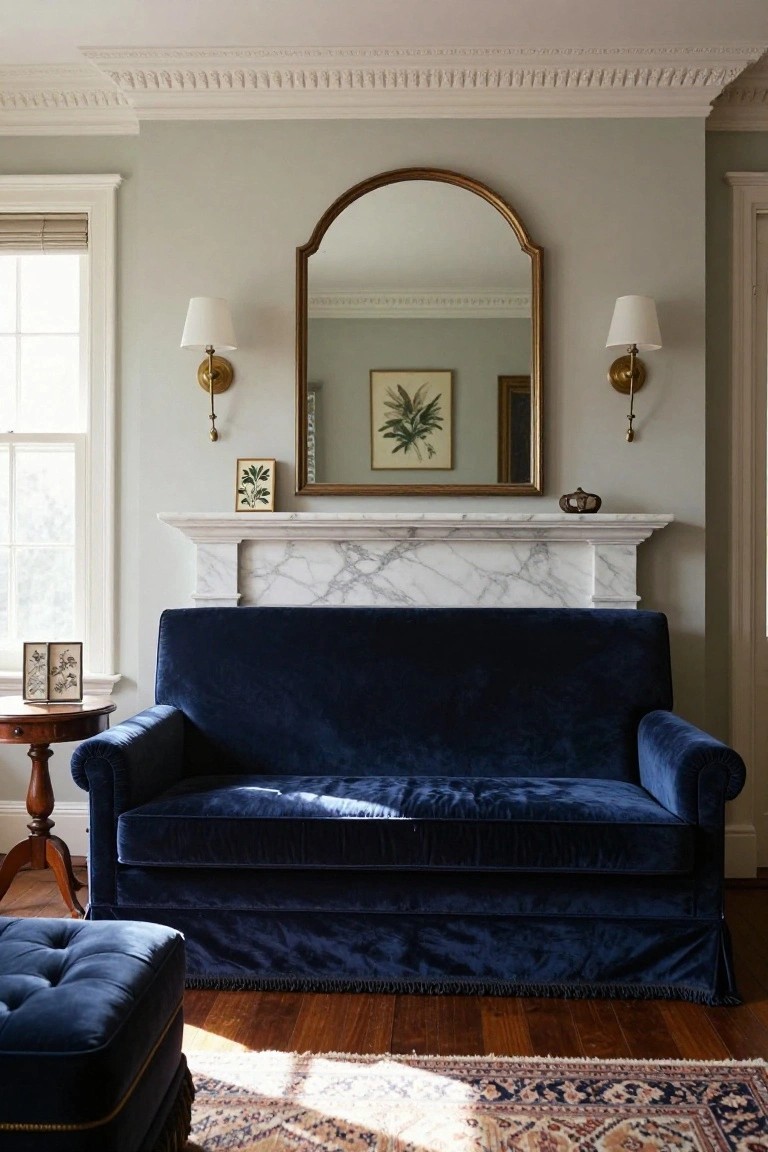
Putting a sofa right up against the fireplace mantel is one of those straightforward layouts that just works. It turns the hearth into the room’s main spot without much fuss. Here, the deep blue velvet sofa sits snug below the white marble surround, drawing eyes naturally while keeping things cozy.
This idea fits best in living rooms with a bit of classic trim or high ceilings. Slide the sofa close but leave room for a small table or ottoman in front. Skip it if your mantel is narrow, or the firebox sticks out too far. Older homes pull it off nicely.
Sofa Facing the Picture Window
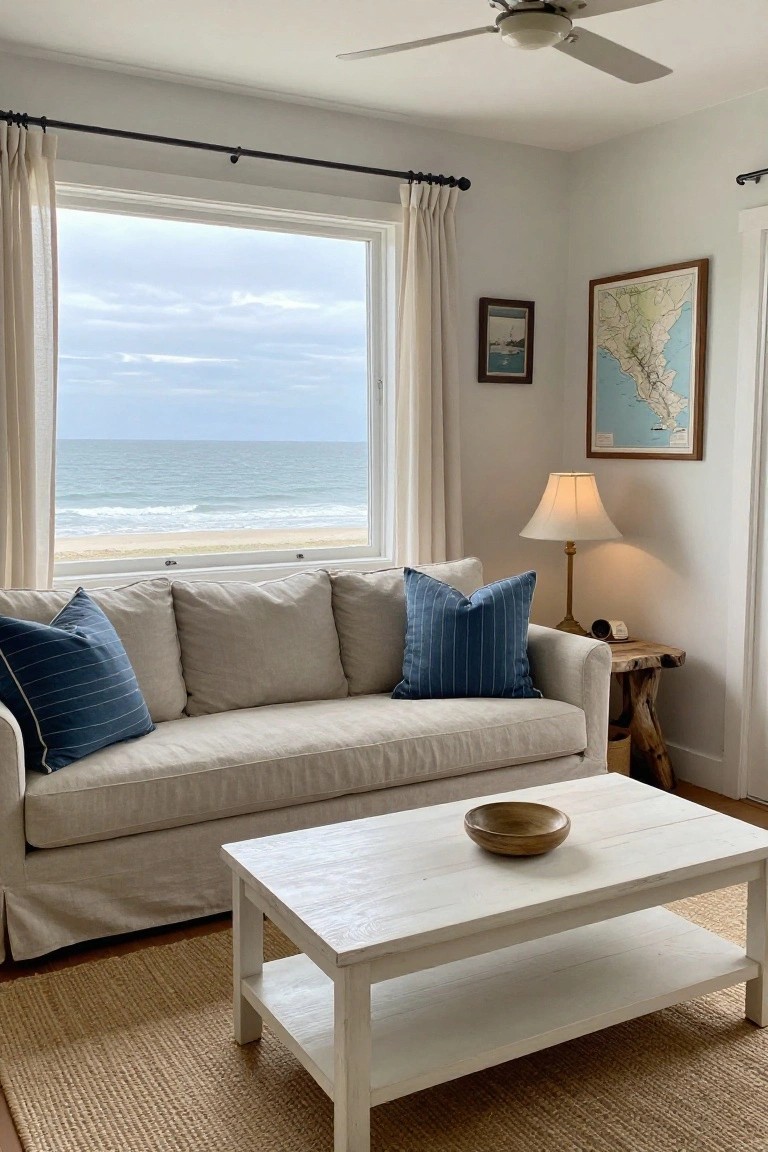
One simple sofa placement that really changes a room is putting it right in front of a large picture window. Here the beige sofa sits square with the ocean view, so every seat looks straight out to the water and beach. It turns the whole space into something calmer and more open. No TV or artwork needed on that wall.
This setup suits coastal homes or any room with a good outdoor view. Line up the sofa so it frames the window without blocking light. Keep the coffee table low and simple, like the white one here with a bowl on top. It keeps things easy to move around if you want.
Sofa Against Exposed Brick Walls
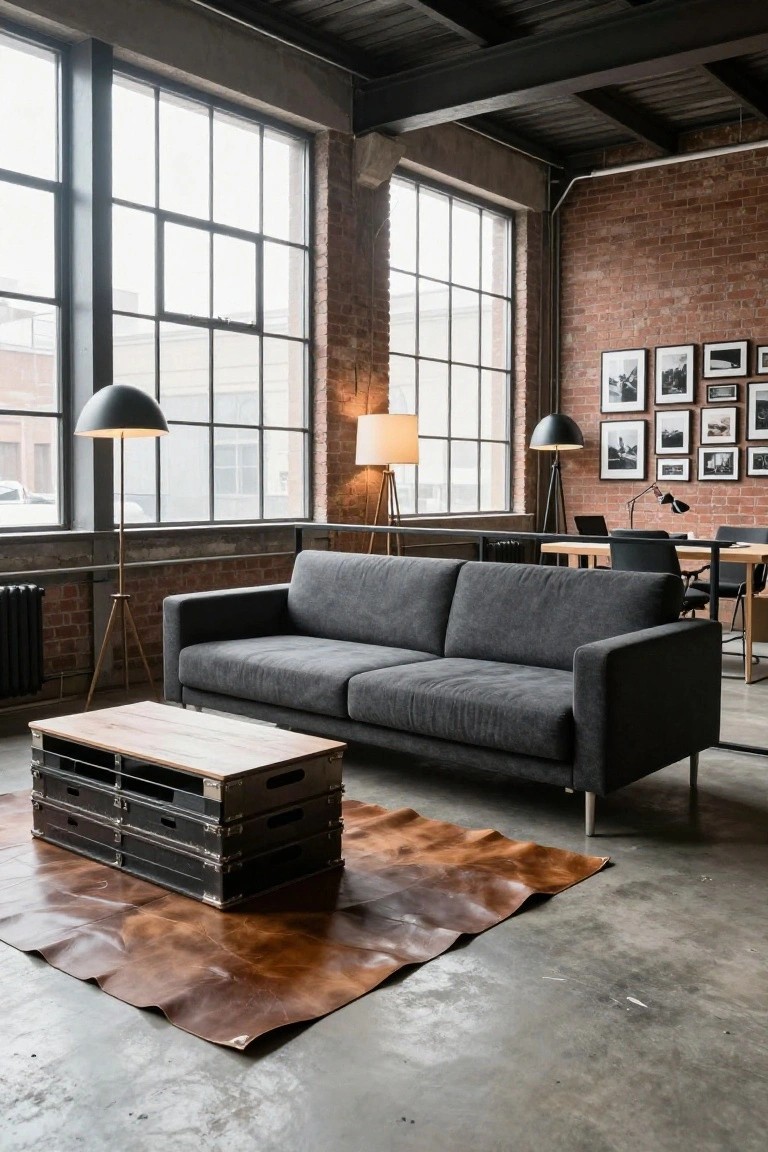
In big open rooms like lofts with high ceilings, sliding your sofa snug against an exposed brick wall works wonders for making the space feel more settled. That rough brick texture gives the back of the sofa some real character, and it helps define a living area without needing extra walls or dividers. Here the gray fabric sofa sits perfectly, facing out toward those tall factory windows for plenty of light.
This setup shines in industrial-style homes or converted warehouses where everything feels a bit too vast. Add a simple coffee table in front, maybe one made from wooden crates, and layer a large leather rug underneath to anchor it all. It keeps the room practical for everyday use. Just check that the brick isn’t shedding dust onto your cushions.
Recommended Products

Narrow Design + Built-In Outlet: At just 5.9" wide, this L shaped narrow console table slides right behind your sofa without taking up extra space. A built-in outlet with 2 AC, 1 USB-A, 1 Type-C, plus a 4.9-foot cord charges your laptop, phone, or lamp without reaching around the couch. Place a coffee mug or remote on the surface - easy to grab

Versatile Combinations: This extra long console table showcases 2 L shaped designs that hug sofa contours perfectly, while the straight design is tailored for corridors, enhancing item placement convenience. It can satisfy diverse home decor needs

Three Layout Options: This narrow console table offers two L-shaped and one straight installation configurations, easily adapting to various home spaces such as the living room, hallway, bedroom, and behind the sofa, meeting different spatial layout needs
Corner Sofa Placement
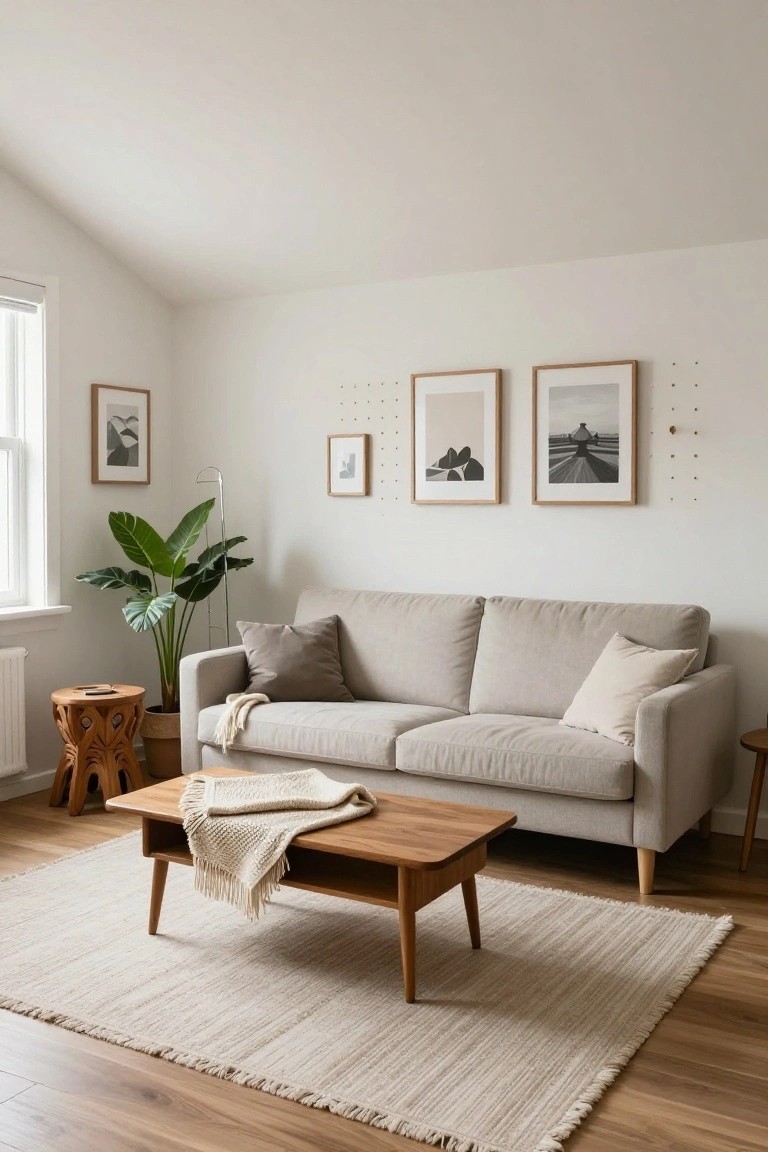
Tucking your sofa into a room corner like this opens up the rest of the space. Here, it’s right by the window with a tall plant standing guard beside it. That simple move turns what might be dead space into a cozy spot that feels intentional. The low wooden coffee table out front keeps things from crowding in.
This works best in smaller living rooms or ones with radiators under the windows. Pair it with a side table for drinks and maybe a throw on the sofa. Skip it in super formal setups… it shines in casual homes where you want flow without fuss.
Sofa Alongside the Dining Table
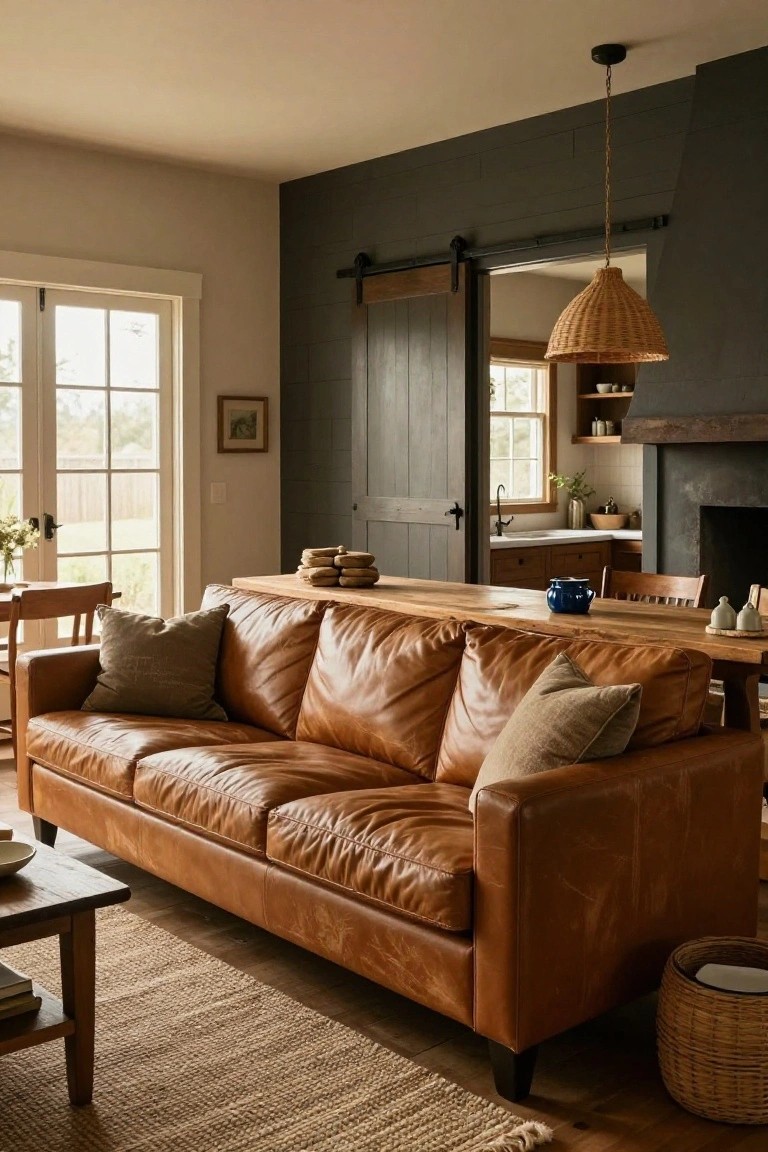
Sometimes the best way to make a small living area feel bigger is to slide the sofa right up next to the dining table. In this setup, a tan leather sofa sits snug against a long wooden table, turning the space into one continuous zone. It blurs the line between sitting and eating areas, which keeps things feeling open instead of chopped up.
This works great in open-plan kitchens or casual family rooms where you want everything handy. Just make sure the table is sturdy enough to handle double duty, and add a few pillows on the sofa for comfort. Skip it in super formal spots, though. It suits relaxed homes best.
Recommended Products

【3-Piece Modular Design with Endless Configuration Options】This 142" modular sofa comes in three separate pieces, giving you the freedom to arrange and rearrange your seating to fit any space or occasion. Switch between L‑shape or separate sections in seconds—perfect for movie nights, game days, or hosting parties. High‑density foam delivers the perfect balance—soft enough for lounging, yet firm enough to hold its shape

【NO ASSEMBLY REQUIRED】Be ready in 1 step! Setting up this cloud couch with ottoman is incredibly easy. Simply unbox the cushions, place them together, and let them naturally expand over 48-72 hours. No extra tools or complicated assembly steps are needed. It’s ready to use this cloud sofas for living room with minimal effort.

Curved Modular Sectional Sofa: Featuring a unique curved design with high-resilience foam throughout, Hobestluk L shape couch looks stylish and adds sophisticated style to any decor. The curved design of cloud couch sectional tucks neatly into corners, maximizing wall space and is great for any large or small spaces. This modular couch grip together firmly so your cloud couch sectional stays put, even when pets scramble up
Sofa Facing the Main Window
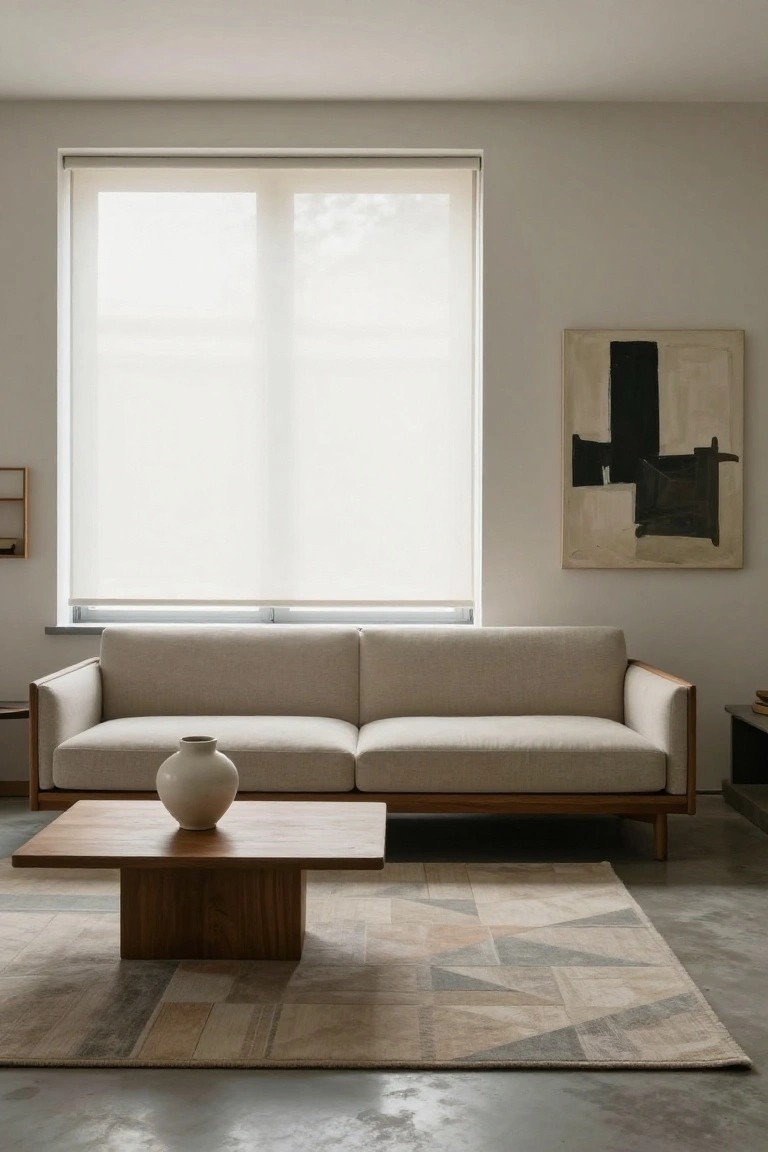
One smart way to place a sofa is right up against the wall, facing straight toward your room’s biggest window. That position lets natural light flood the seating area without anything blocking the view. In this setup, a simple beige sofa pairs with a low wooden coffee table and a subtle rug to keep things open and easy.
Try this in a living room where you want a calm spot for reading or relaxing. It works best in spaces with good window light, like apartments or open-plan homes. Just make sure the sofa isn’t too bulky… keeps the flow right.
Nestle a Sofa into a Bookshelf Corner
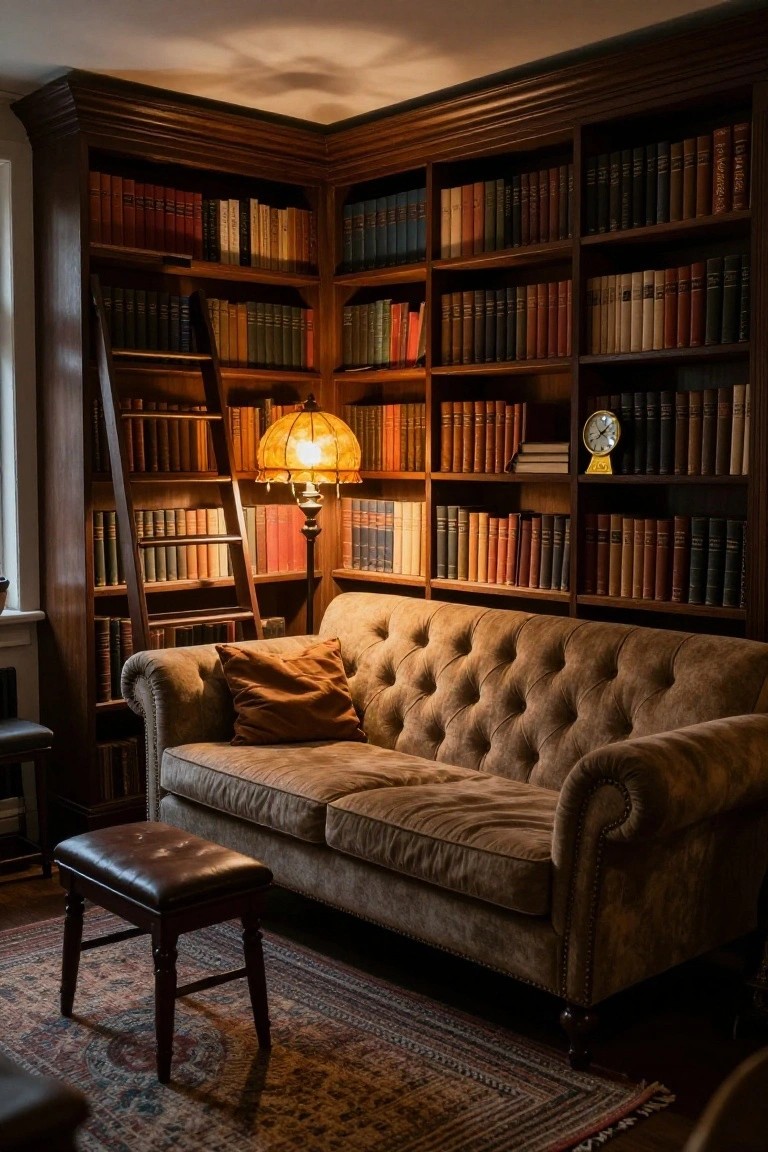
Putting a sofa snug against a wall of bookshelves turns any corner into a real reading spot. The shelves wrap around it nicely, keeping books close at hand without crowding the seat. That tufted sofa and the glow from the nearby lamp make it feel settled and easy to sink into for hours.
This works best in studies or spare rooms where you want a quiet zone. Keep the sofa low and the shelves deep enough for a ladder if you like. Add a footstool for your feet. Skip it in open living areas though. It suits tighter spaces better.
Sofa Facing a Prominent Fireplace Wall
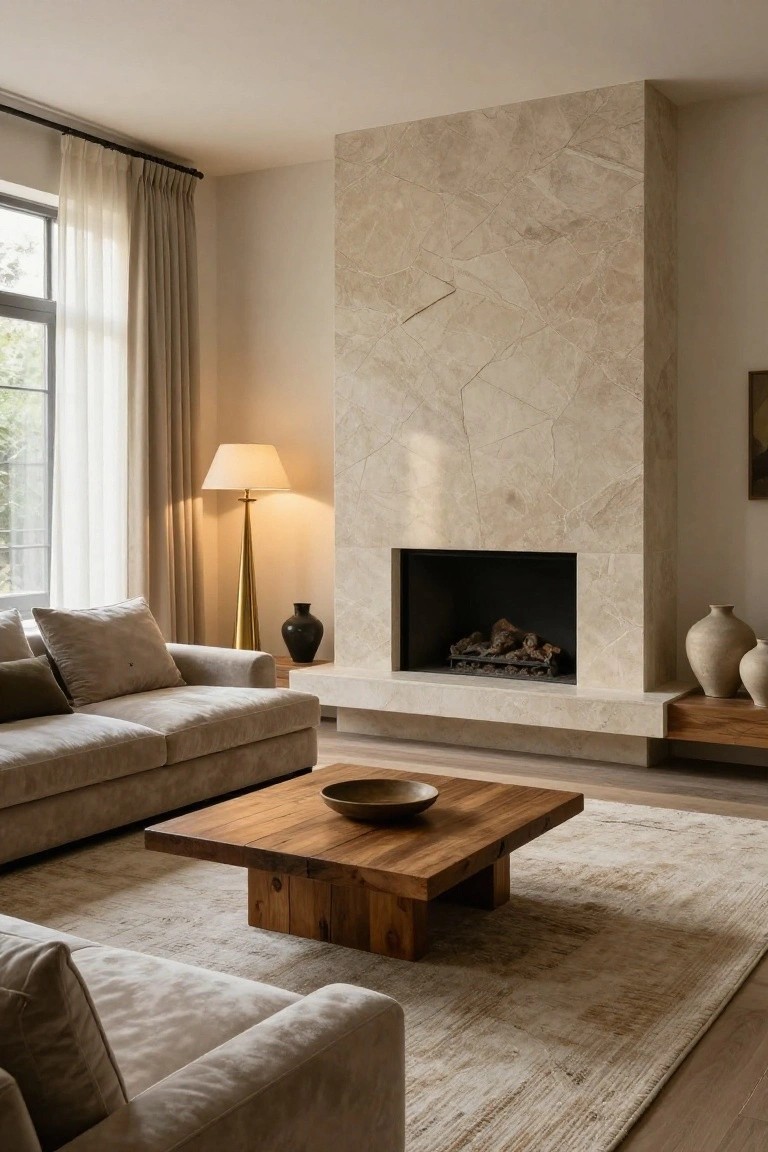
One reliable way to arrange your living room is to place the main sofa right across from a strong fireplace wall. It turns the hearth into the natural gathering spot without much fuss. In this setup, a simple neutral sofa sits low and wide, pulling the eye straight to the tall stone surround. That kind of layout just works because it gives everyone a good view of the fire on chilly nights.
Try this in rectangular rooms where the fireplace already stands out. Keep the coffee table simple, maybe wood with clean lines, so it doesn’t compete. It suits modern or minimalist homes best, but watch the scale, the sofa shouldn’t dwarf the space. Add a rug underneath to tie it together.
Cozy Corner Chair in the Nursery
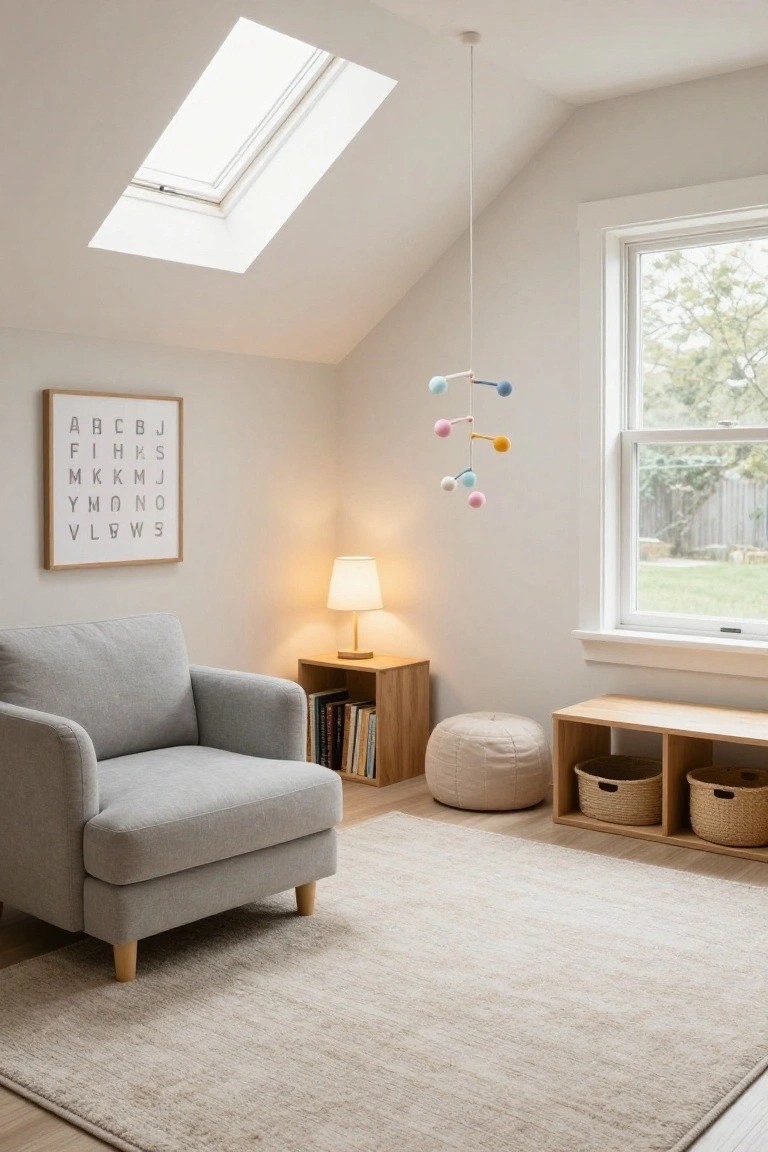
Placing a soft armchair snug in the corner like this turns a quiet spot into a go-to place for reading or rocking a baby. The light gray fabric keeps it neutral and easy on the eyes in a nursery, and that side table with lamp right there makes it practical for late nights or story time.
This works best in smaller upstairs rooms with good natural light from a skylight or window. Add a footstool for feet up, and use nearby benches for toy storage so the nook stays calm. Skip big sofas here. Small spaces thank you.
Seating in the Entry Hall
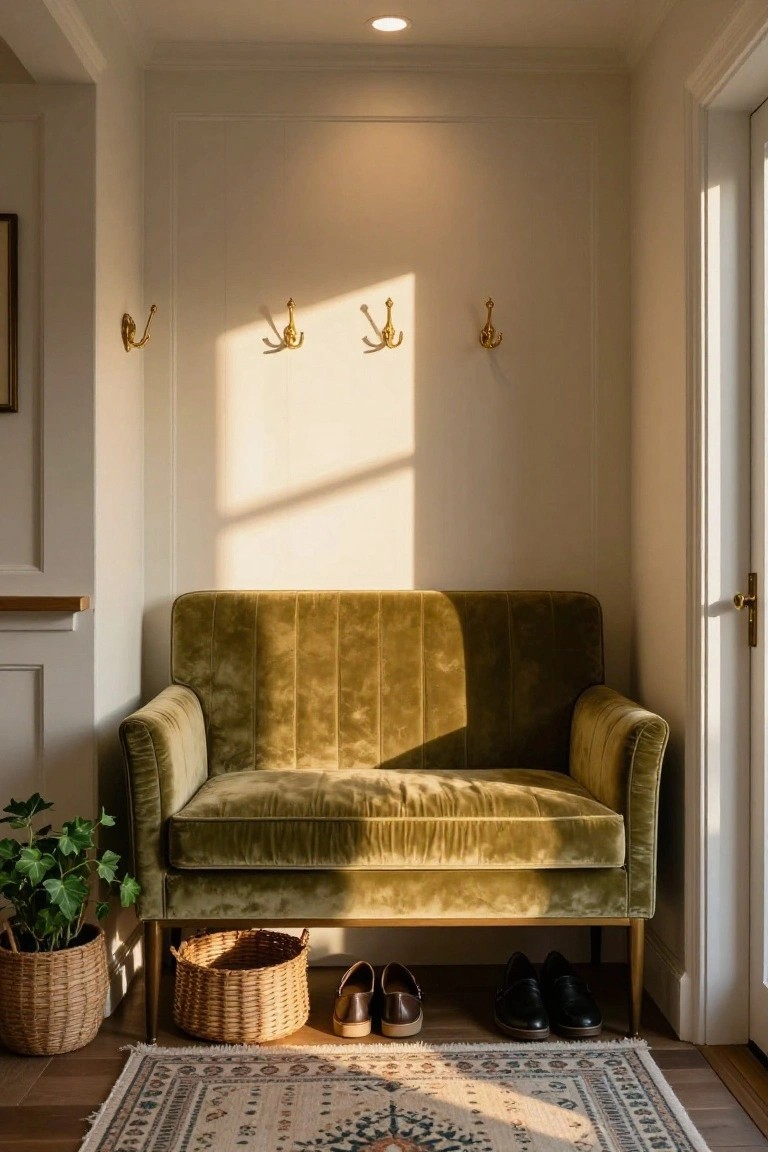
A small loveseat like this one fits right into a narrow entry hall. It gives you a place to sit while you slip off your shoes or grab your coat. That green velvet upholstery keeps things soft and homey without taking up much room.
Try this in tight spaces near the front door, especially apartments or older homes with skinny hallways. Add hooks above for bags and a basket nearby for stray items. Just measure twice. It can feel crowded if the sofa is too deep.
Sofa Facing Projector Console Setup
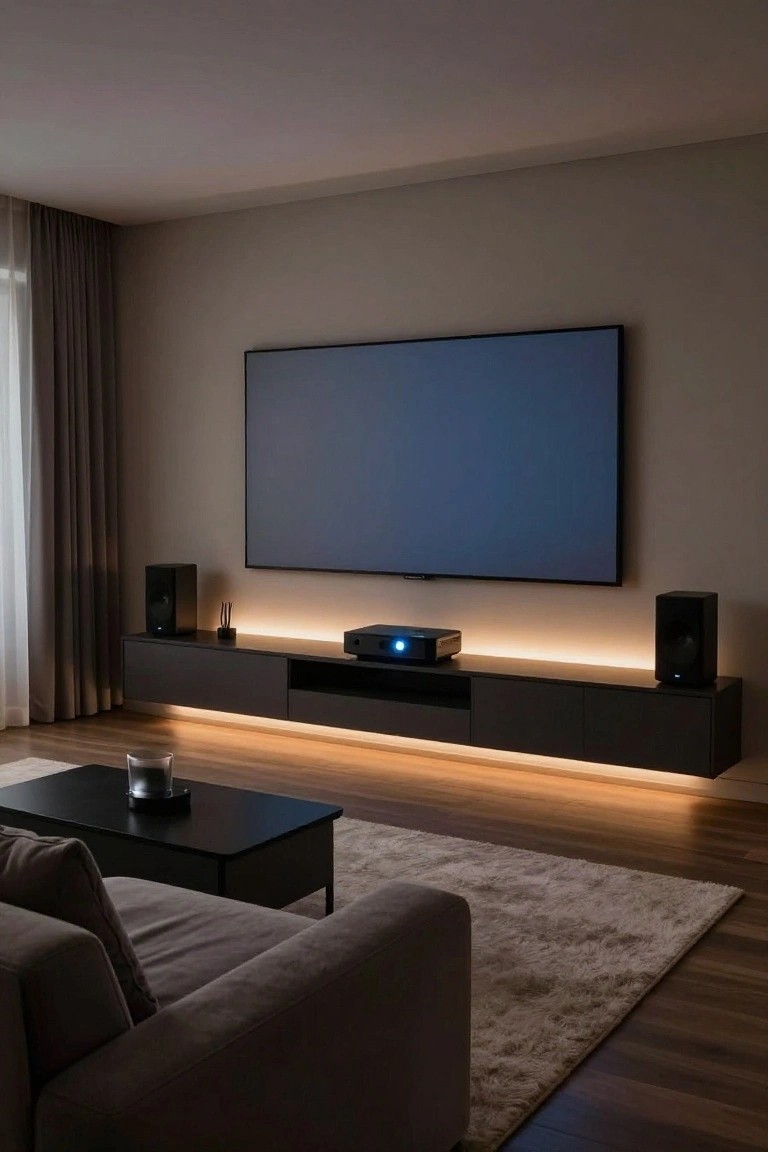
This layout puts the sofa right in front of a low floating media console holding the projector. The screen mounts high on the wall above it. That straight-on positioning turns a regular living room corner into a solid spot for movies or shows. The LED strip under the console adds a nice glow without extra lamps.
It works best in open living areas where you want focus on the screen. Keep the console slim to save floor space, and center the sofa for even viewing. Good for apartments or modern homes with 10 to 15 foot walls. Just run cables neatly behind the unit.
Foot-of-the-Bed Bench for Extra Seating
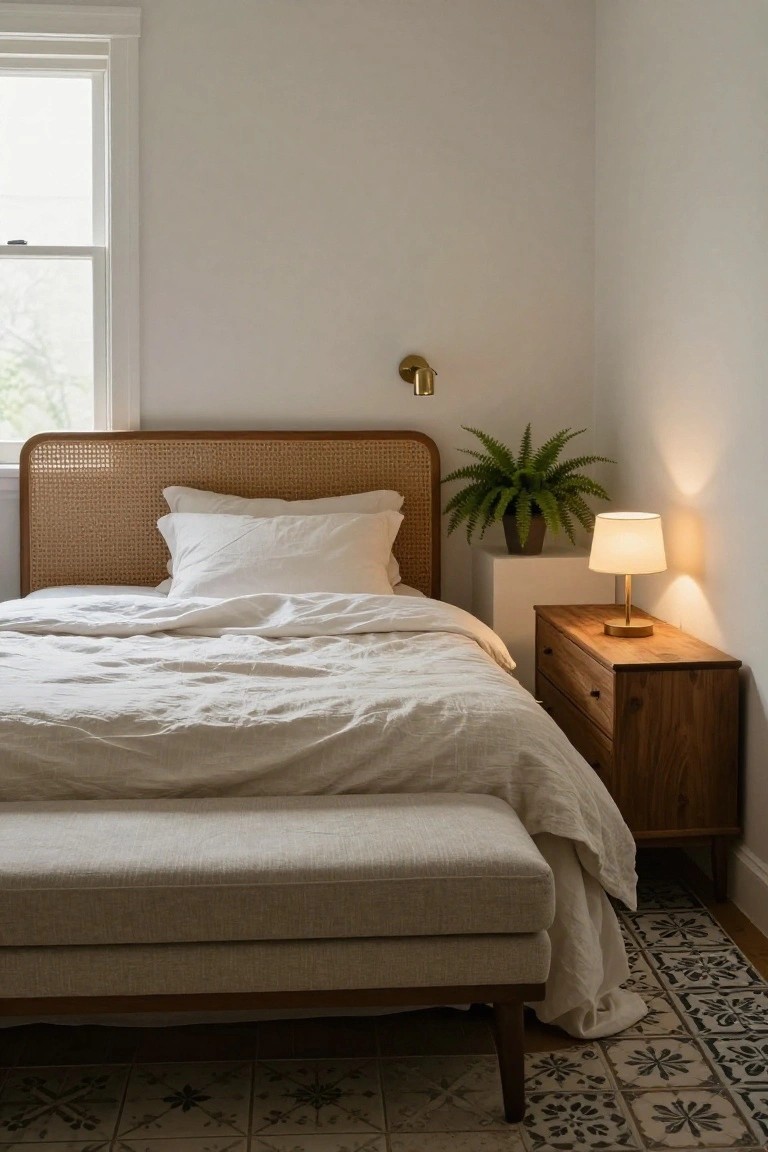
Putting a bench at the end of your bed is a simple way to add seating in a tight bedroom. It turns the space into something more useful, like a spot to get dressed or stack pillows at night. In this setup, the beige bench on wood legs sits neatly against the white linens and rattan headboard, keeping things open and calm.
This idea fits best in smaller rooms or corners where a full sofa won’t work. Pick one with legs to let light flow under it, and pair it with wood tones around the room. Just make sure it’s not too wide, or it might block the path to the nightstand.
Face Sofas Toward Open Sliding Doors
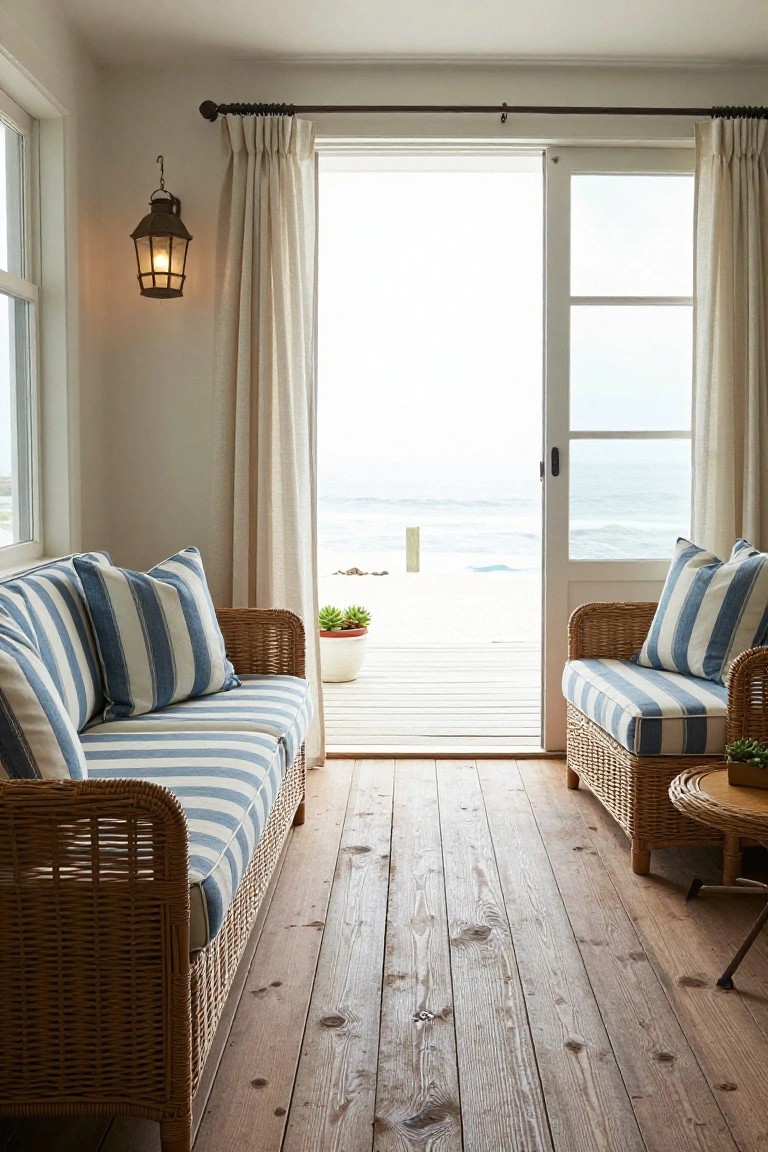
One smart way to set up a living area is placing two matching sofas facing each other right in front of big sliding glass doors. Here the rattan sofas sit parallel to the doors with just enough space between them for a walkway. That pulls the deck and ocean right into the room. It turns sitting down into looking out, without blocking the flow.
Try this in any room with doors to a porch or yard. Leave two feet or so between the sofas so people can pass easy. It suits casual beach spots or sunny family rooms best. Just make sure the sofas aren’t too deep or the path gets tight.
Sectional Sofa in the Corner
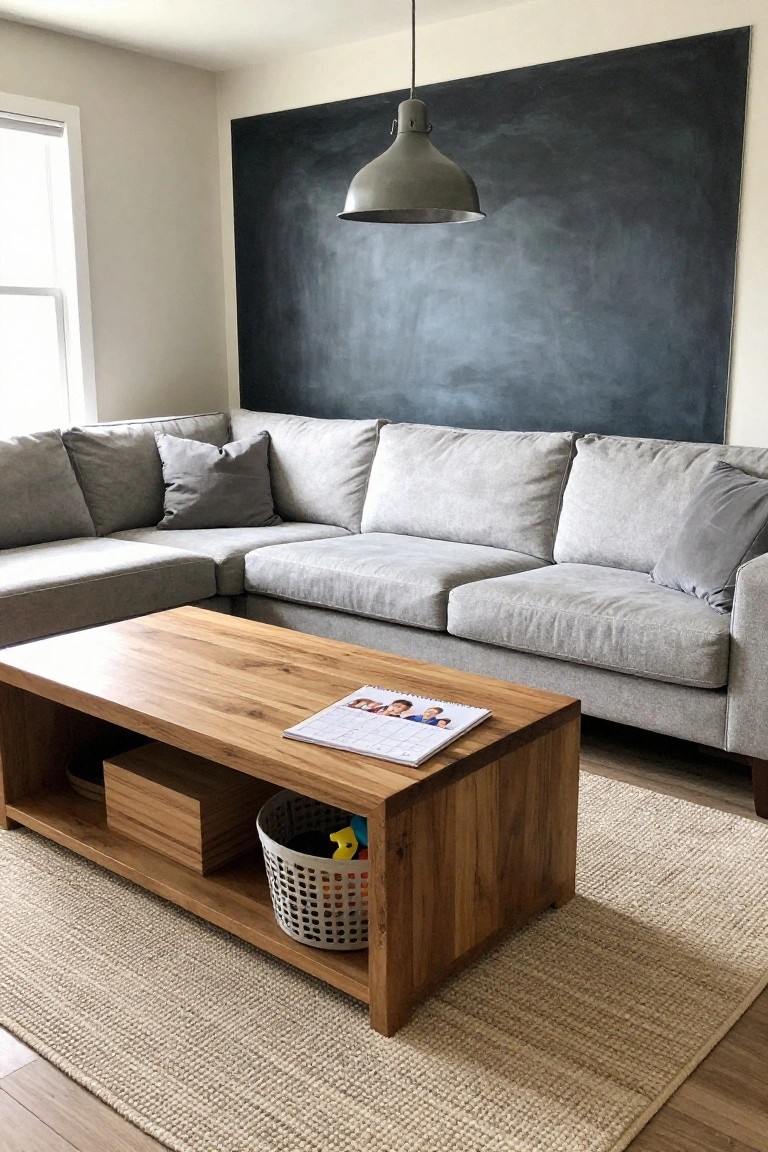
Tucking an L-shaped sectional into the corner gives your living room a natural focal point. It fills the space efficiently and pulls people together for conversation. That dark accent wall behind it adds quiet interest, keeping things from feeling too plain.
This placement shines in open-plan homes or rooms with limited wall space. Slide a low wooden coffee table in front, add a rug to define the edges, and you have a spot for family hangouts. Just make sure there’s room to walk around the other end.
Curve the Sofa Toward the Fireplace
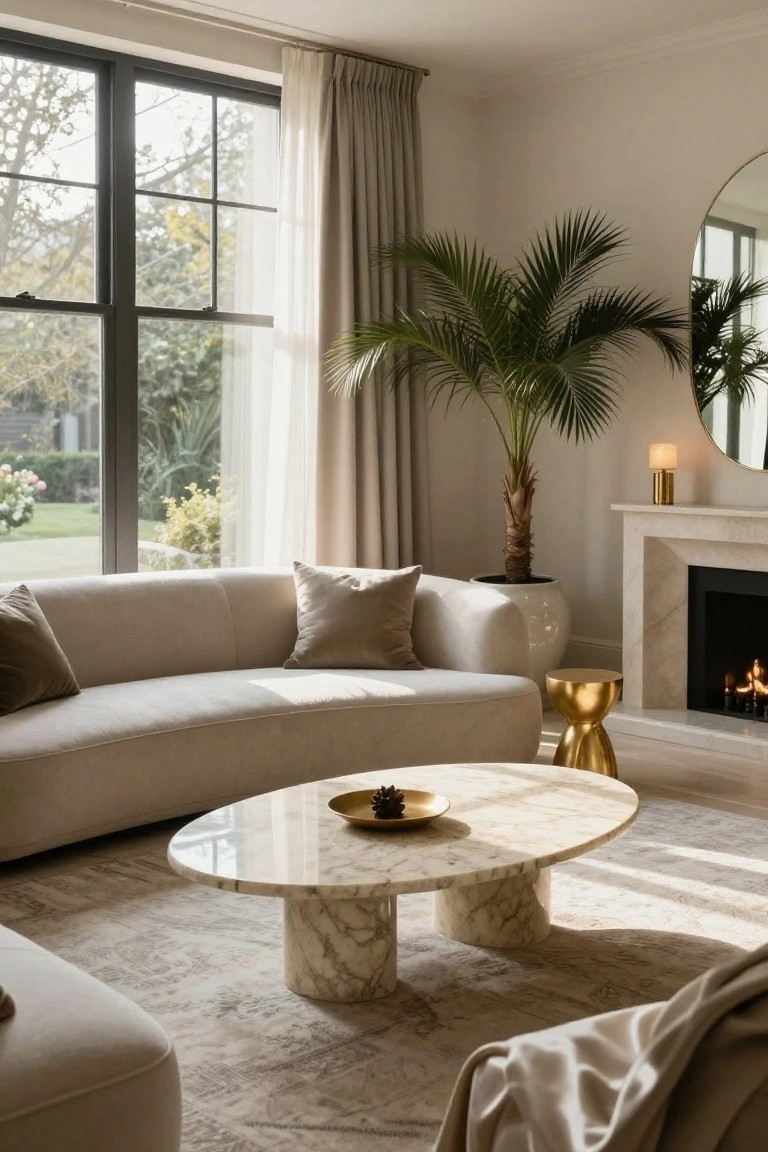
A curved sofa like this one pulls the seating right into the fireplace area without blocking the room’s flow. It sets up a natural spot for gathering, and with those big windows nearby, daylight floods in to keep things bright and open. The shape makes it feel less rigid than a straight couch.
This works best in longer living rooms where the fireplace sits along one wall. Pair it with a low coffee table in front, and you’re set for evenings by the fire or just lounging with the garden view. Stick to light fabrics so the light bounces around.
Corner Desk Nook
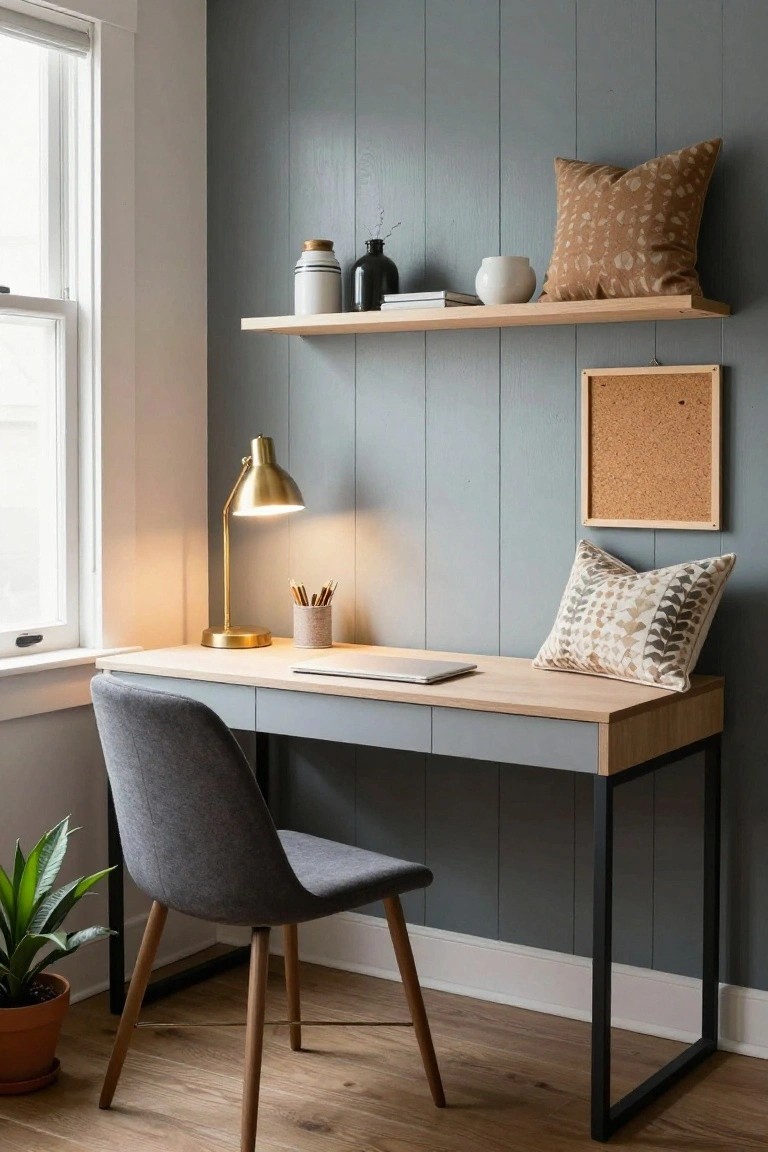
Tucking a desk right into the corner by a window turns dead space into a spot you’ll actually use. Natural light floods the surface for working without harsh overheads, and that slim profile keeps the room open. The light wood top and open shelves up top add storage without crowding things.
This works great in smaller homes or spare rooms where you need a quiet work area. Pair it with a comfy chair and a plant for that lived-in feel. Skip bulky furniture here. Just measure your corner first to fit the drawers.
Corner Sofa by Big Windows
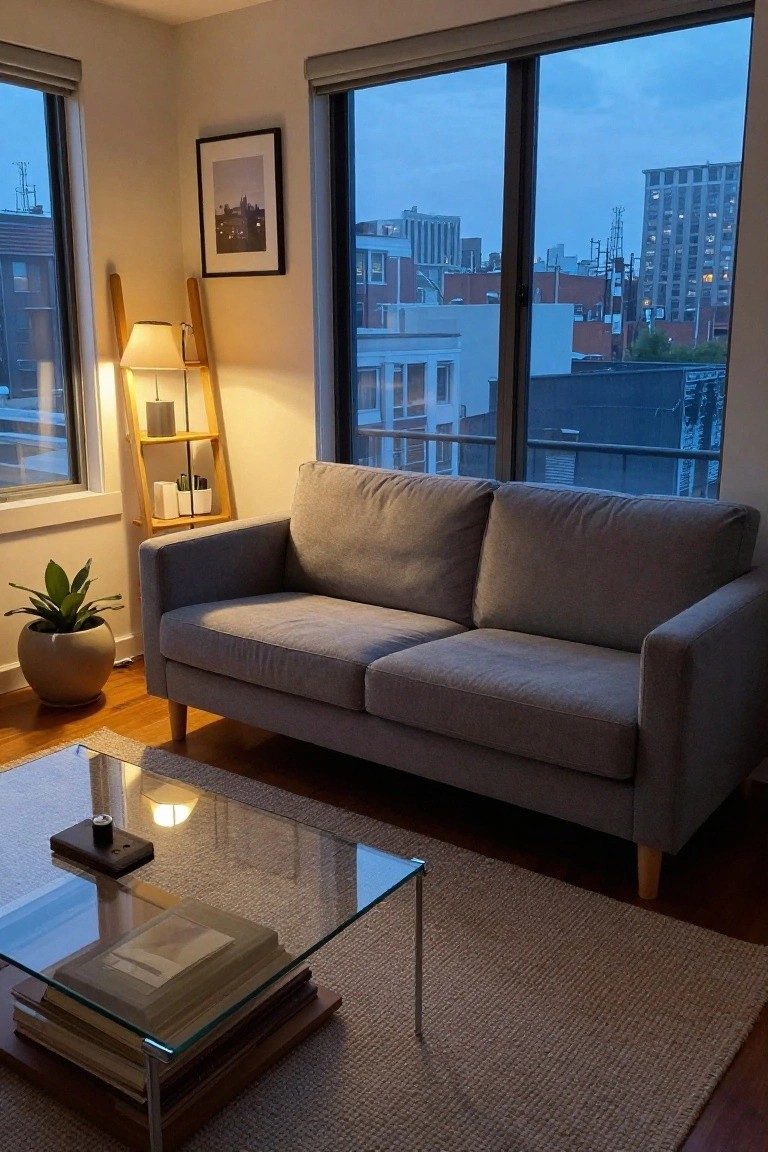
Tuck a simple sofa right into the corner by your largest windows. Like this gray two-seater setup. It pulls in all that natural light at dusk and frames the city view for relaxed evenings. The ladder shelf beside it holds lamps and plants without taking up floor space.
This works best in apartments or small living rooms with one standout window wall. Position the sofa to face outward. Pair it with a low glass coffee table so nothing blocks the sightlines. Skip heavy side tables here. It keeps the spot airy and makes the room feel bigger.
Recommended Products

【King-Size Convertible Sleeper Sofa Bed】: Tired of bulky furniture trapping your space? Our Floor Sofa Bed unleashes your creativity, breaking traditional sofa limits! Create a 3-Seat Sofa/Oversized Sleeper Bed/Lounge Recliner/Game Chair/Custom Sectional, perfect for living rooms, dorms, and game rooms — whether hosting guests or enjoying movie nights with family!

[Tool-Free Assembly & Instant Readiness]This Convertible Sofa Bed features a unique fixed-shape frame and requires no assembly, arriving fully ready for use. Simply unpack your sofa bed couch, let the high-density foam rebound for 48-72 hours, and snap the metal support framework into place tool-free. Set up your new boneless couch in minutes for home, office, or waiting room use.

[Tool-Free Assembly & Instant Readiness]: This Convertible Sofa Bed features a unique fixed-shape frame and requires no assembly, arriving fully ready for use. Simply unpack your sofa bed couch, let the high-density foam rebound for 48-72 hours, and snap the metal support framework into place tool-free. Set up your new boneless couch in minutes for home, office, or waiting room use
Sofa Against the Wall
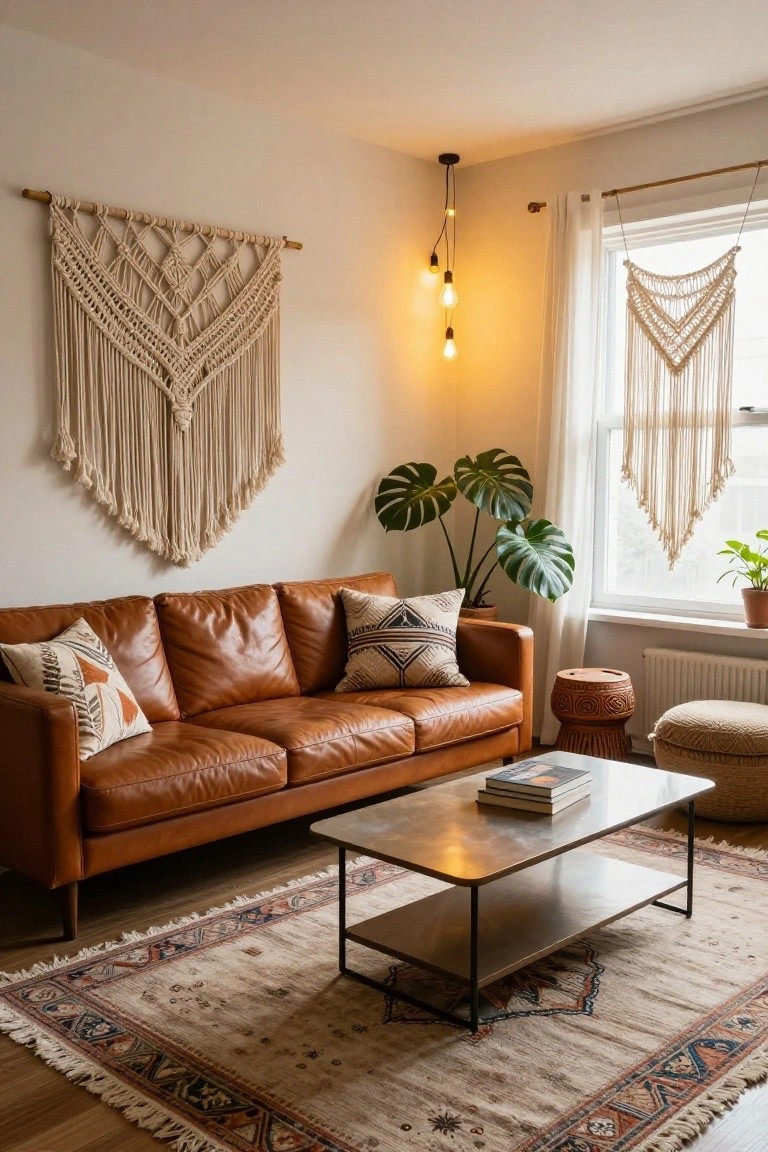
One easy sofa placement that works in many homes is backing it right up against the wall. You see it here with a tan leather sofa tucked along the side, leaving the room’s center open for the coffee table and rug. This keeps traffic flow smooth and lets natural light from the nearby window fill the space without the sofa blocking it.
Try this in rectangular living rooms or apartments where you need to fit more than just seating. It suits neutral walls best, so pair it with a bolder sofa color and a few plants or wall hangings for interest. Watch the scale though… too big a sofa can make the room feel pinched.
Sofa Under Large Wall Art
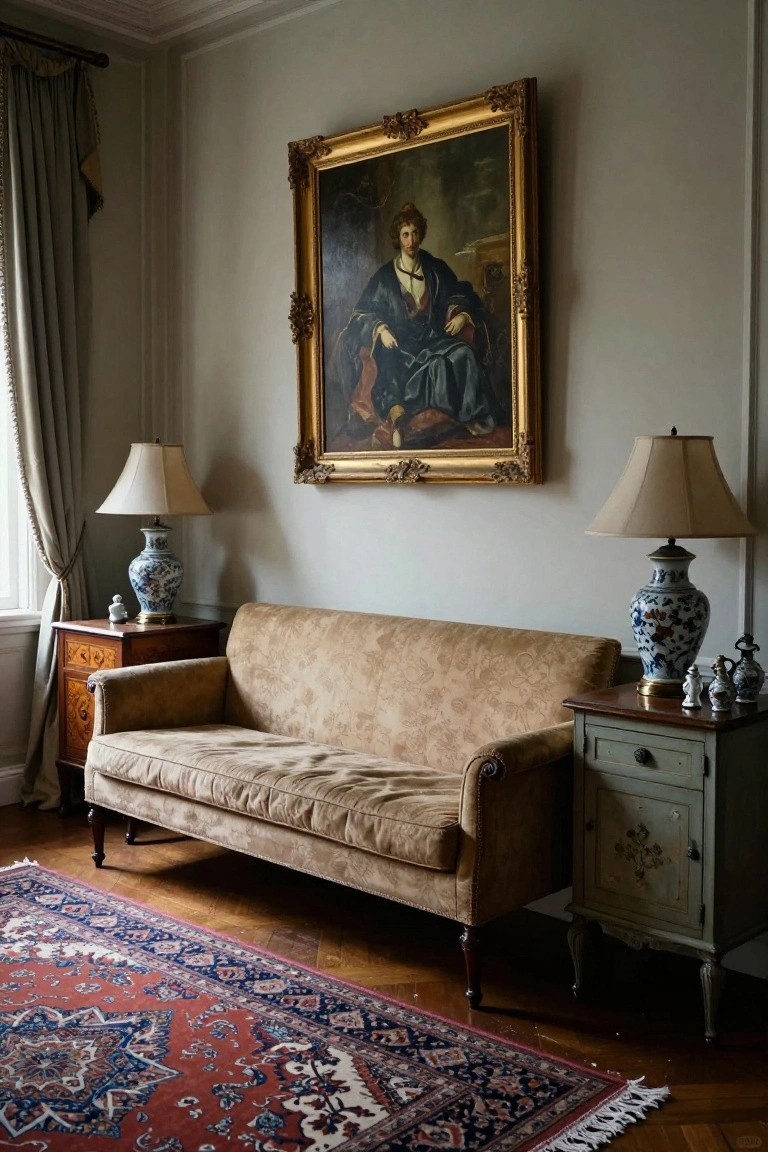
Putting the sofa snug against the wall directly under a big piece of art anchors the whole seating area nicely. Here, a classic portrait in a gold frame hangs right above the low-slung beige sofa. It pulls your eye up and makes the spot feel like the room’s natural heart, especially with those flanking lamps adding steady light.
This works best in longer living rooms or formal sitting spaces where you want a cozy nook without blocking flow. Scale the art to about two-thirds the sofa width, and keep side tables simple with just a lamp and vase or two. Skip it in super modern spots, though. It leans traditional.
Sofa Placement in Attic Rooms
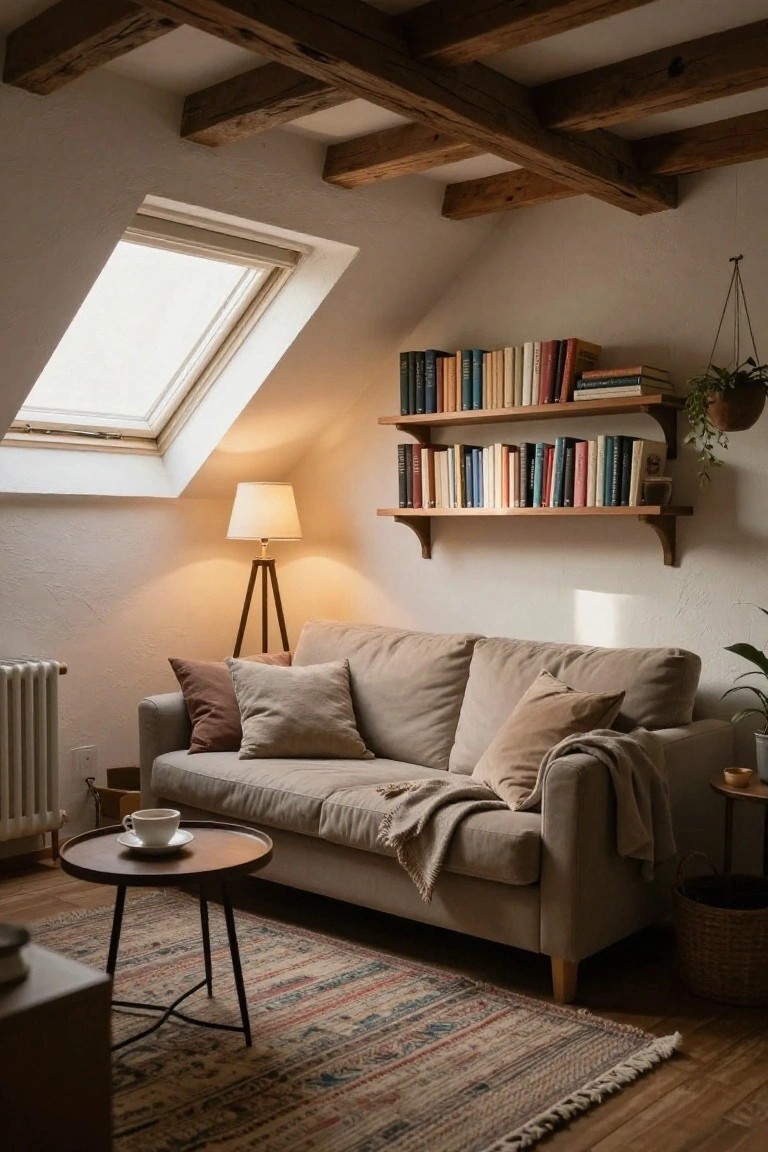
Tucking a sofa into an attic space like this works because it hugs the sloped ceiling without wasting headroom. The low-profile couch sits right under the eaves, backed by simple wooden shelves packed with books. That setup turns a tricky spot into a real hangout area… quiet and out of the way.
You can pull this off in any loft or attic bedroom or lounge. Just keep the sofa shallow and add a round coffee table in front for your mug or remote. It fits older homes with beams best, but watch the floor slope so legs don’t wobble.
Frequently Asked Questions
Q: My living room is tiny. How do I place the sofa without it swallowing the space?
A: Push the sofa right up against one wall to free up the center for walking or a rug. Angle it slightly toward a window if you can. That opens everything up fast.
Q: Should I always point the sofa at the TV?
A: Flip it sideways sometimes for better chats during movie nights. Guests love facing each other instead of craning necks. Try it and see how cozy it gets.
Q: We have a fireplace as the main focal point. Where does the sofa go?
A: Float the sofa a few feet out from the fireplace so you all face the flames together. Keep a narrow path behind it for easy access.
Q: The room has doors everywhere. How do I avoid blocking traffic?
A: Tuck the sofa into a corner and let it hug the wall nearest the least-used door. And leave at least 18 inches clear around edges for smooth flow.
