

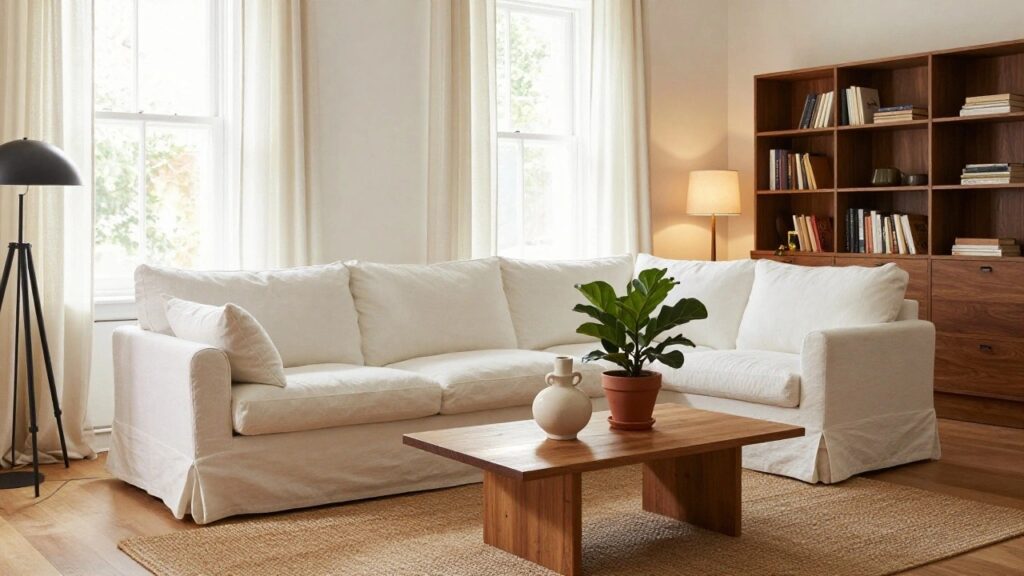
Long living rooms often feel like they go on forever, pulling your eye from one end to the other without much reason to linger.
I remember staring down my own narrow one years ago, realizing it worked better as a pathway than a place to unwind until I started playing with furniture zones.
People tend to notice first when a space lacks those natural breaks, leaving it echoey and underused no matter how nice the walls look.
Sofas offer a straightforward fix because they anchor areas without blocking light or flow.
One or two from here could reshape how yours functions day to day.
Corner Sofa for Long Living Rooms
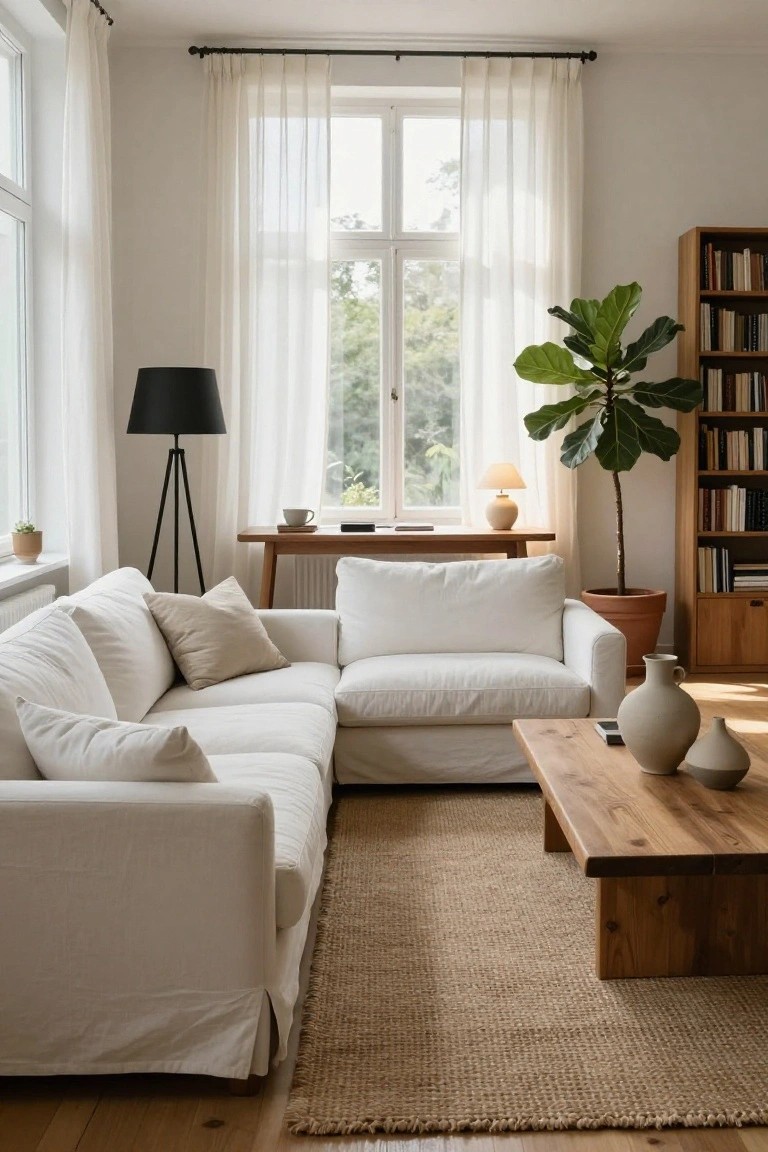
Long living rooms can feel stretched out and empty. A corner sofa like this one pulls the space together nicely. It sits against the wall in an L shape, creating a cozy seating area without blocking the flow. The white fabric keeps things light, and pairing it with a simple wood coffee table adds some warmth right in the middle.
This setup works best in rooms with good natural light from big windows. It breaks up the length visually, making the area feel more defined and lived in. Try it in apartments or older homes where you want to zone without adding walls. Just keep the sofa neutral so it doesn’t overpower the room.
Sofa and Bookshelf Divide Long Living Rooms
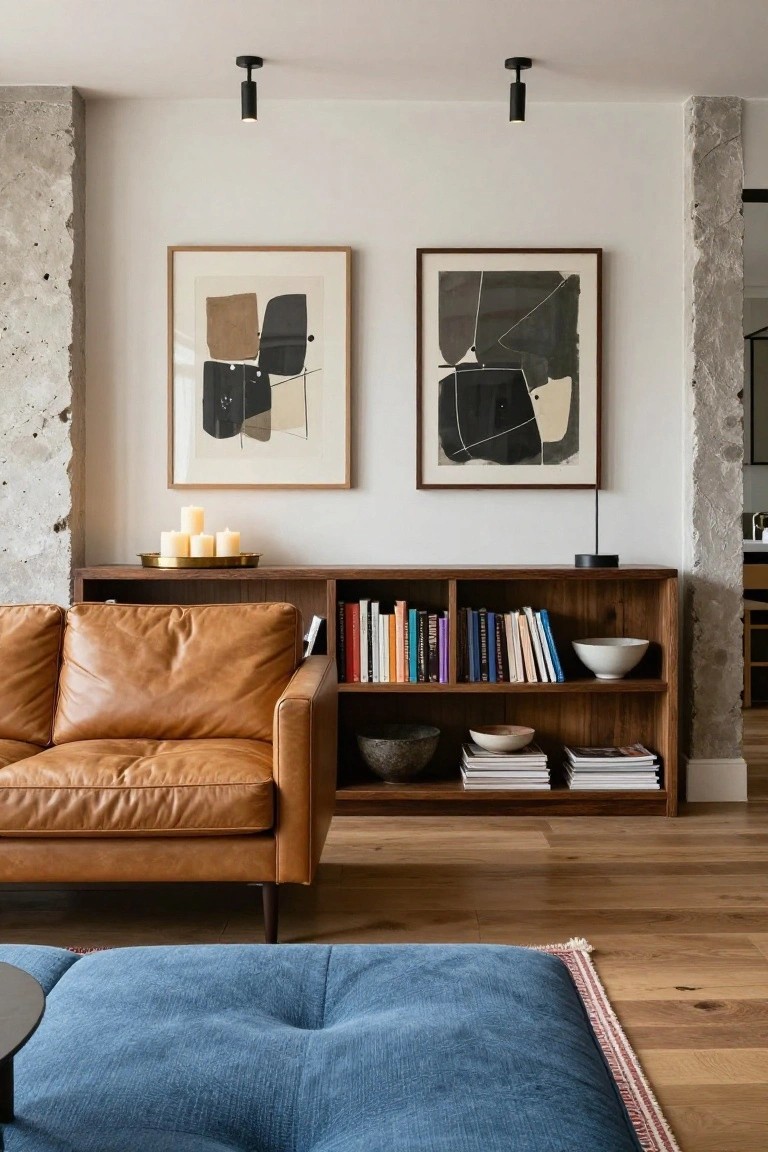
In long living rooms, a simple sofa pushed up against a tall bookshelf works well to break the space into zones. Here the tan leather sofa sits right in front of the wood shelves, creating a cozy seating nook without blocking the flow. It keeps things practical while making the room feel less like a hallway.
You can try this in narrow or stretched-out spaces where everything feels too open. Pick a low-profile sofa so it doesn’t overwhelm, and use the shelves for books or dishes to add everyday storage. It suits modern lofts or open-plan homes best, but watch the scale, the furniture can’t be too bulky or it closes things off too much.
L-Shaped Sofas for Long Living Rooms
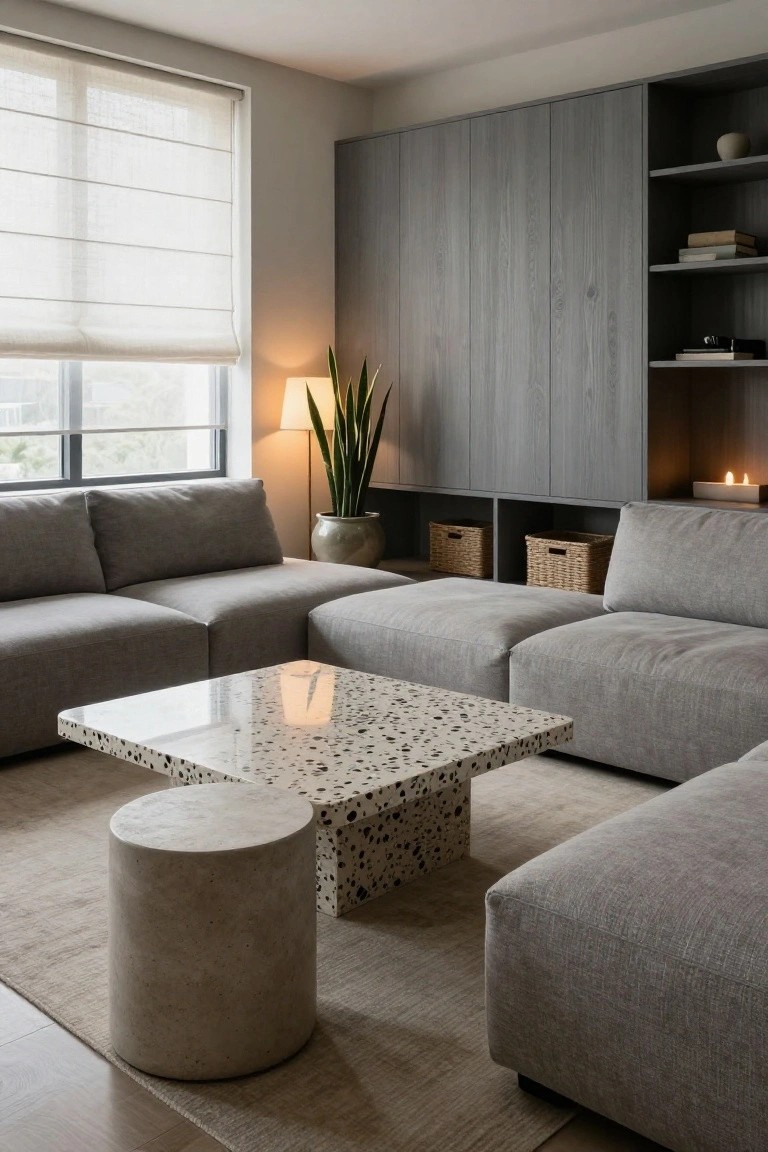
Long living rooms can feel stretched out and empty. One good fix is an L-shaped sofa like this gray modular one. It hugs the corner and creates a natural seating zone right in the middle of the space. The pouf and chunky coffee table fill it out without crowding. This setup makes the room feel more like a spot to settle in, instead of just passing through.
Put this kind of sofa where the room turns or meets another area. It works in apartments or open-plan homes with that narrow, hallway feel. Skip super skinny arms, go for plush ones that invite people to sit. Just measure twice, these big pieces need room to breathe.
Facing Sofas Break Up Long Rooms
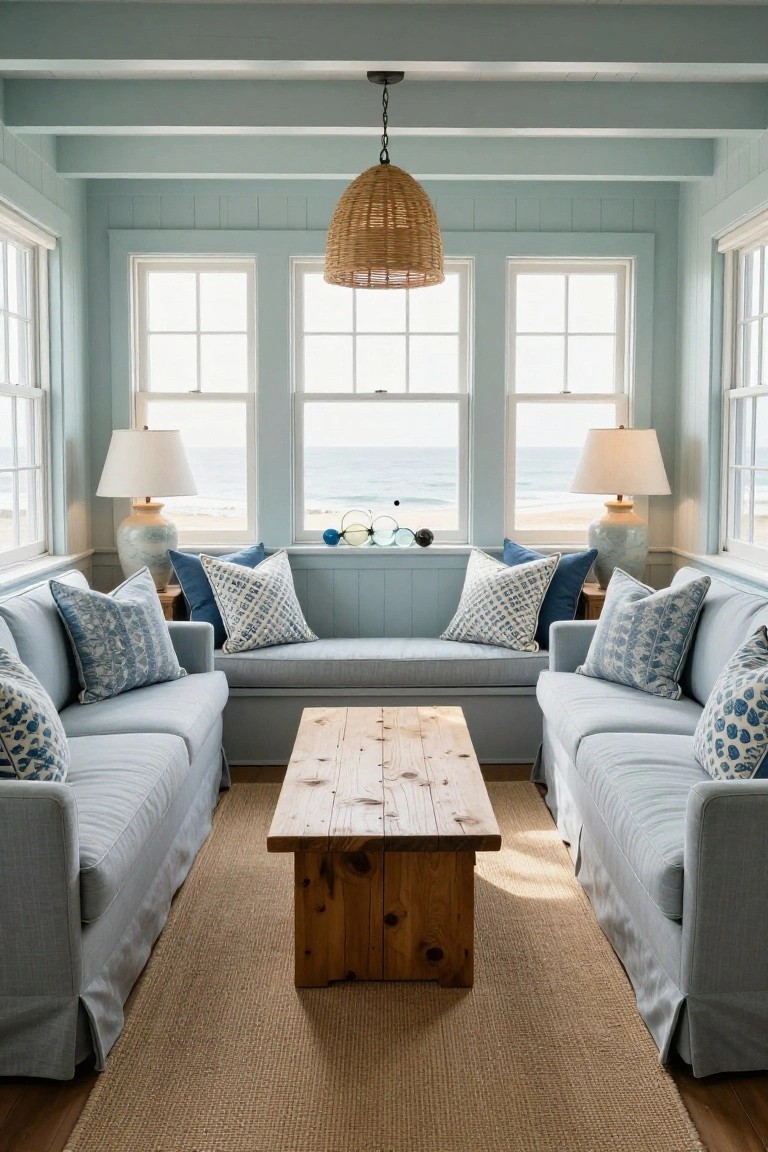
Long narrow rooms like sunrooms can feel stretched out and hard to settle into. One straightforward fix is two sofas facing each other across a low wood table. It pulls the space into a natural gathering spot right in the middle, making the whole area work better without adding extra furniture.
This layout shines in casual spots with great views, like beach houses or extended living areas. Pick slipcovered sofas for easy upkeep, and keep pillows simple. Scale matters though. In tighter widths, stick to armless styles so it stays open.
Curved Sofas for Long Living Rooms
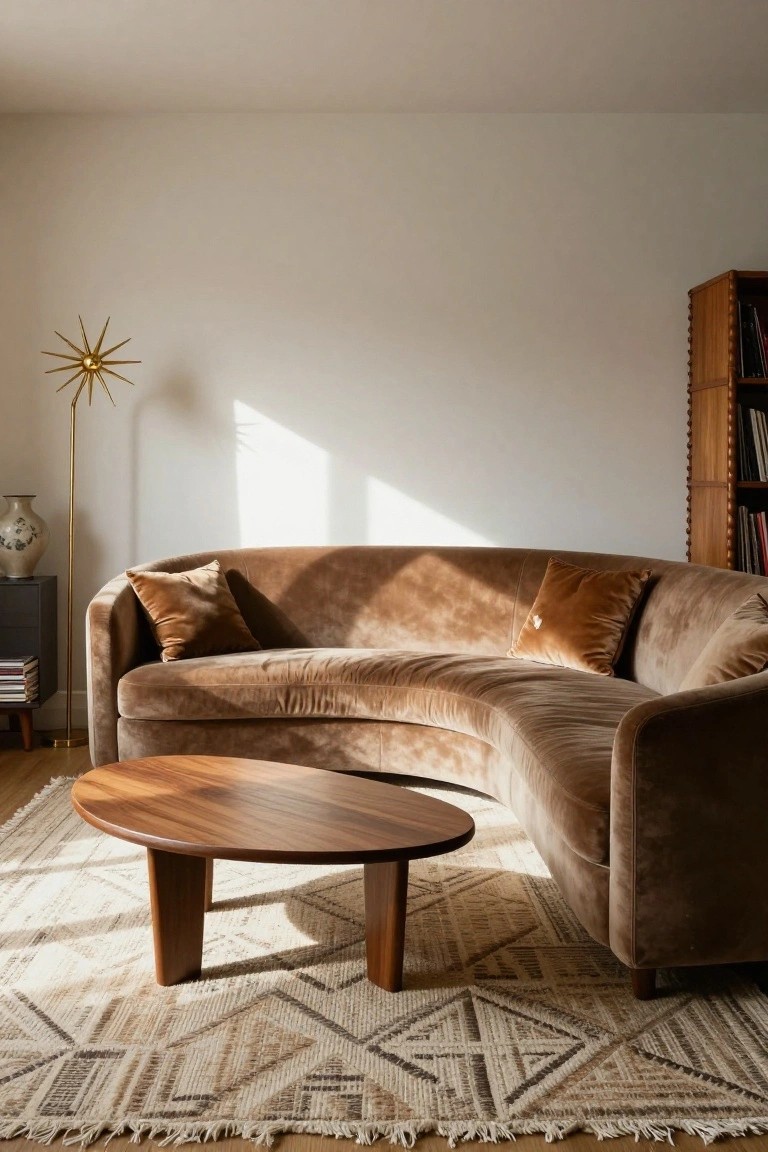
Long living rooms can feel stretched out and empty. A curved sofa pulls things together into a cozy spot right in the middle. This tan velvet one wraps around nicely, making the room feel more balanced without blocking flow.
Put a curved sofa where the room feels longest. Add a simple wooden coffee table in front and a rug underneath to settle it. It fits neutral spaces with wood accents or clean walls. Just keep the curve gentle so it does not crowd the path.
Gray Sofa Tucked Against Rough Wall
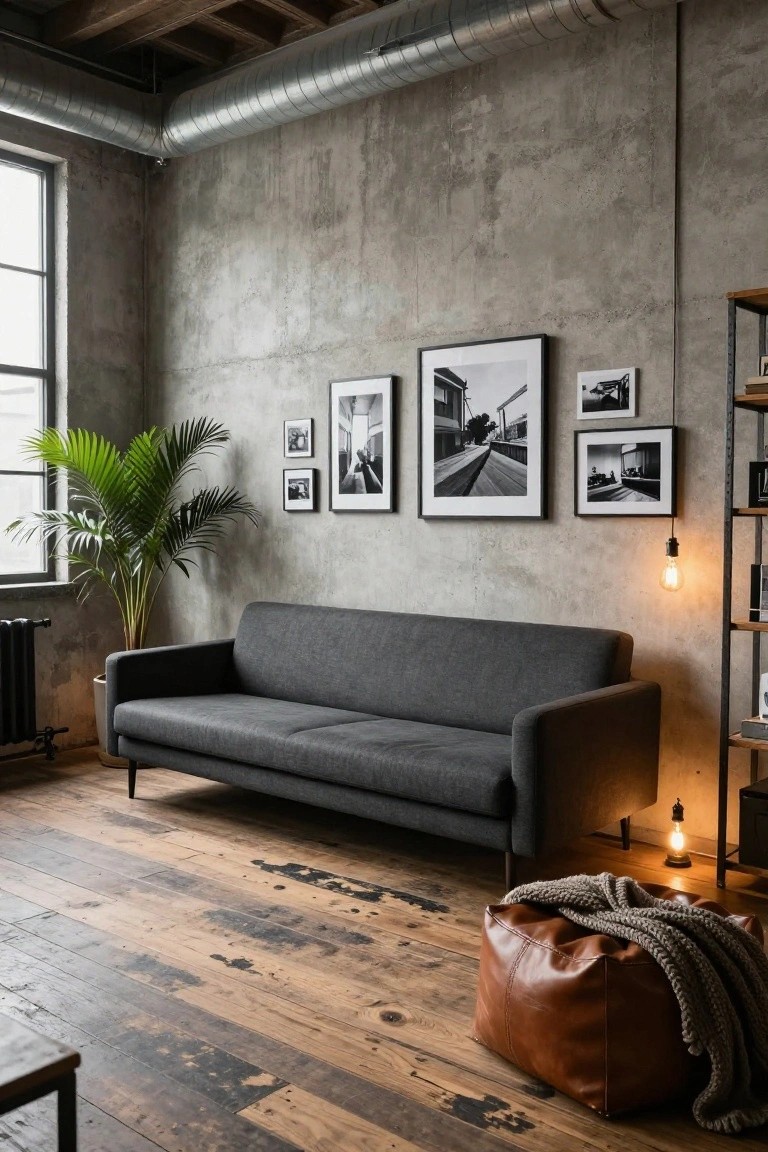
A low gray sofa hugged up to a textured wall like this one does a good job breaking up a long living room. It pulls the eye to one spot and stops that tunnel feeling you get in narrow spaces. The slim shape leaves room to breathe around it.
Put something like this at one end of a stretched-out room, maybe in an old loft or urban apartment. Add a pouf out front for feet up, but skip bulky tables nearby. Keeps things open while carving out a real hangout zone.
Sofa and Armchair Facing Across a Coffee Table
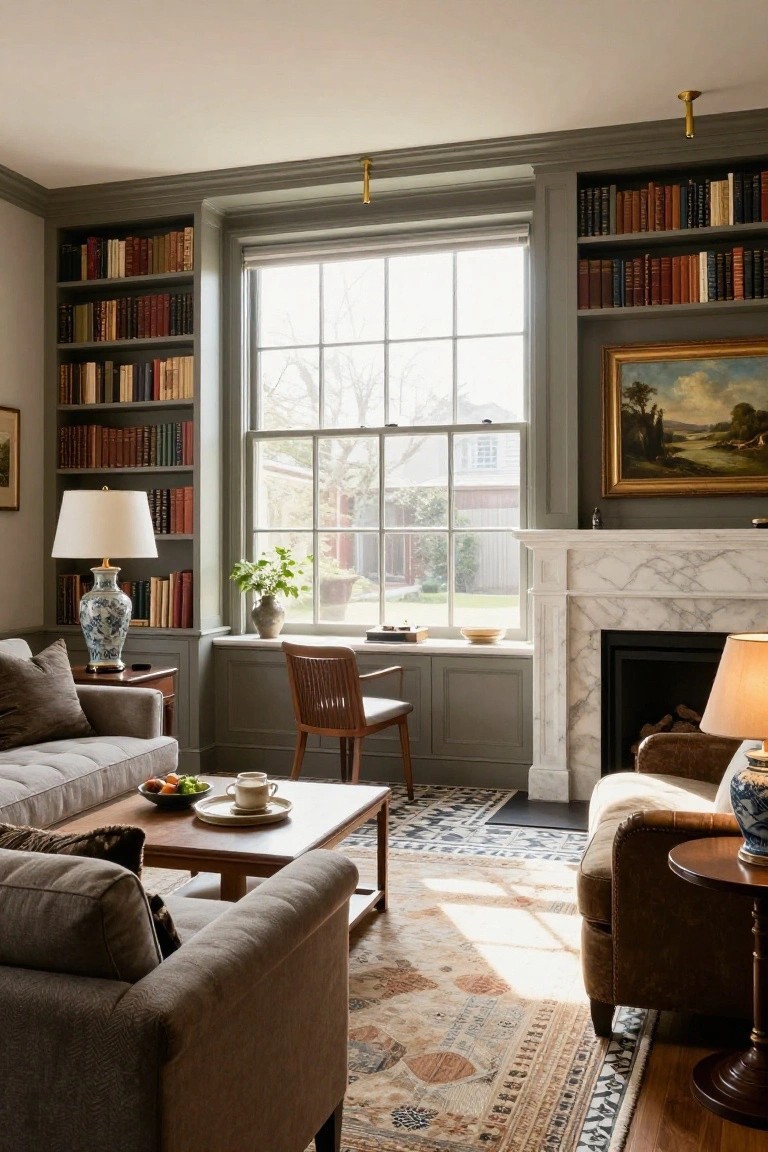
Long living rooms can drag on forever if you just line everything up along the walls. Instead, try putting a sofa opposite an armchair with a coffee table right in the middle. It carves out a real spot for sitting and chatting, like the one here tucked in front of the fireplace with tall bookshelves nearby. That setup makes the space feel broken into usable parts instead of one endless run.
This works best in rooms that have a focal point at the end, such as a mantel or big window wall. Stick to pieces in the same family, maybe neutral fabrics on both, so it stays balanced. Great for classic homes with high ceilings… just make sure the rug underneath ties the legs in, or it might float awkwardly.
Pairing Contrasting Sofas to Divide Long Rooms
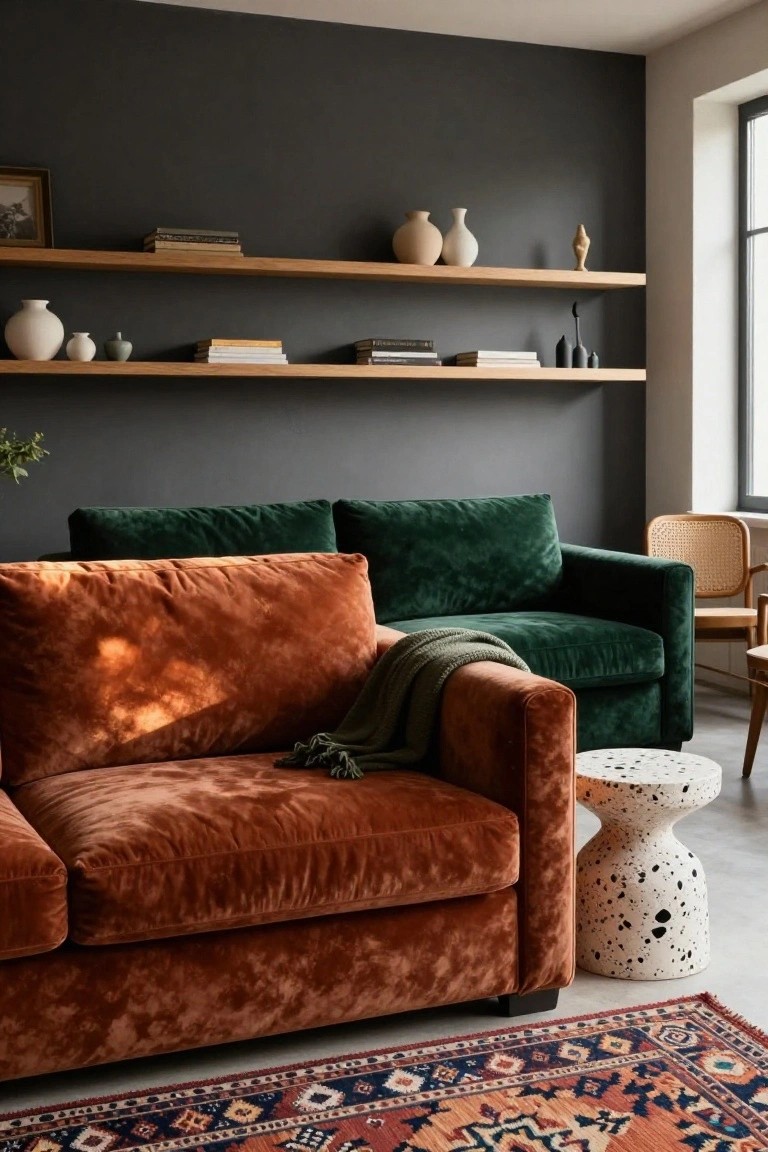
Long living rooms can feel stretched out and empty with just one sofa. But putting two different ones right next to each other changes that. A burnt orange velvet piece meets a deep green one here, creating a clear break in the space. It turns one long area into spots for lounging or chatting, all without adding walls or screens.
Try this in narrow rooms where a single sofa leaves too much floor empty. Pick colors that play off each other, like warm tones against cooler ones, and stick to similar styles for balance. It fits casual modern homes best. Just watch the scale so the sofas don’t overwhelm the room.
Add a Hanging Swing Near the Sofa
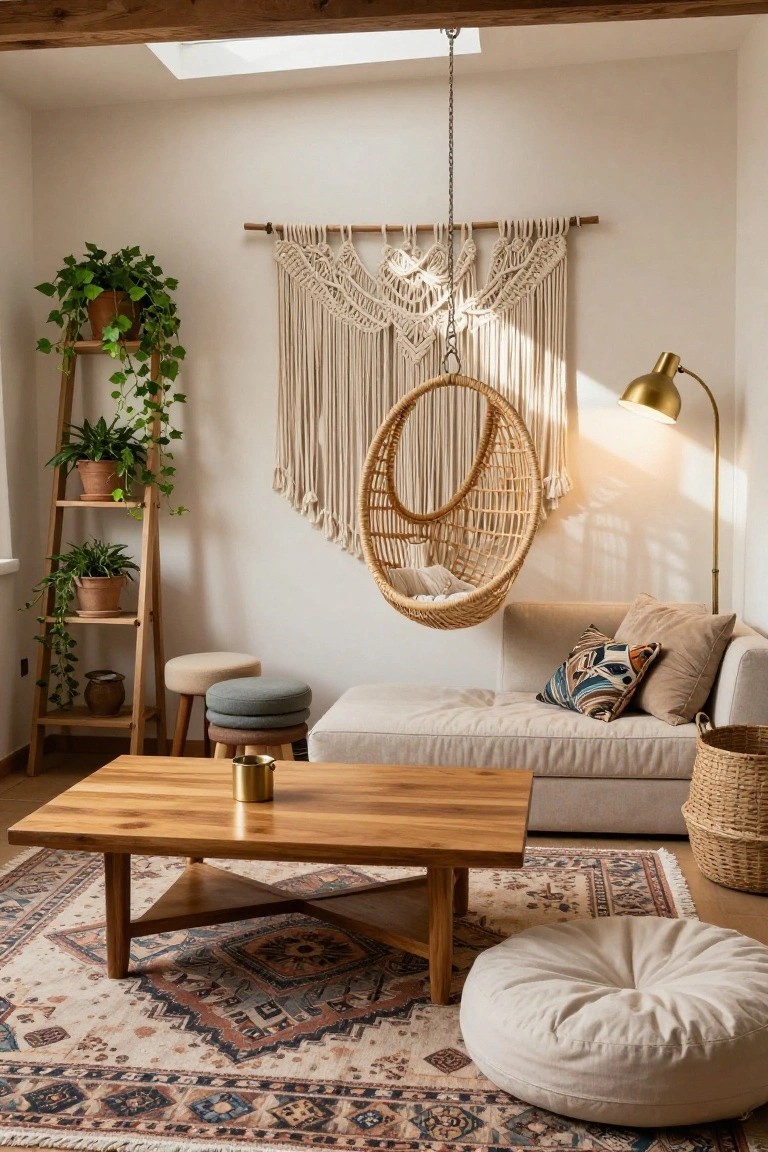
Long living rooms can feel stretched out, but placing a low beige sofa along one wall and hanging a rattan swing nearby changes that. The swing pulls focus and makes a natural break in the space, turning one long area into two cozy spots. With a wooden coffee table right in the middle, it keeps things practical too.
This works best in rooms with high ceilings or sturdy beams to hold the swing. Keep the sofa simple and low to let light flow through. It’s good for casual homes where you want a spot for reading or chatting without filling the whole length. Just check your ceiling strength first.
Gray Sofa with Low Round Table
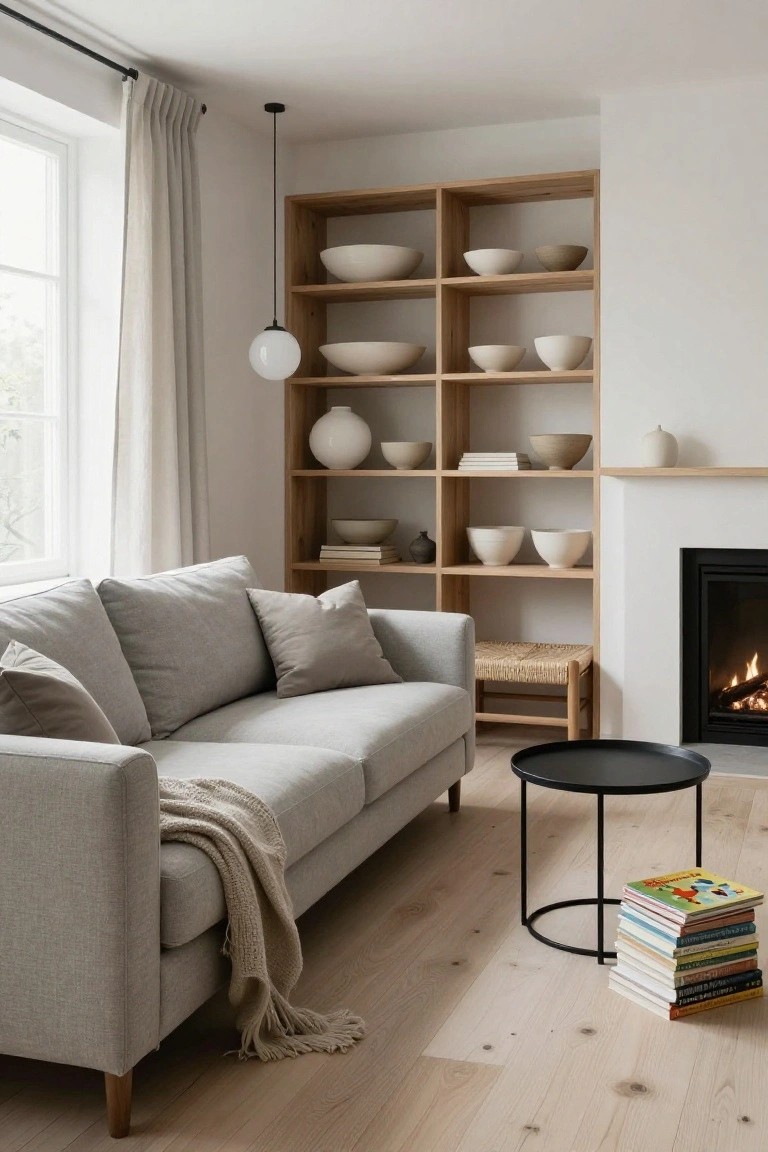
A gray fabric sofa tucked against the long wall turns one end of a stretched-out living room into a real spot to settle in. The throw tossed over the arm adds that easy layer, and the slim black metal table right in front holds a stack of books. It stops the room from feeling like one big empty runway.
This setup fits homes with light floors and clean walls, keeping the flow open. Place it near a fireplace or shelves for more pull. Good for families too, since those books bring color without mess. Just don’t overload the table.
Leather Sofa Facing the Fireplace
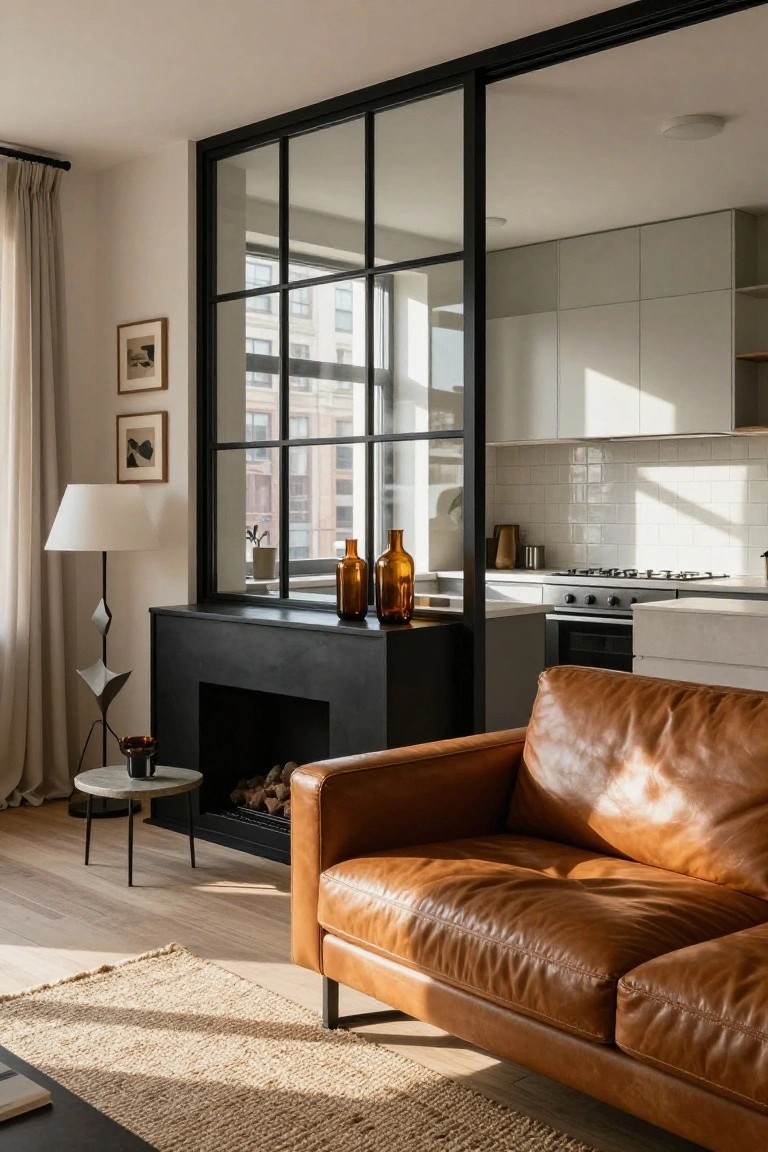
In long living rooms, a simple leather sofa tucked right up against the fireplace does a good job of pulling one end into a cozy seating spot. Here the tan leather piece sits snug along the black hearth wall, with logs ready to go. That setup stops the space from feeling like one endless run, especially when there’s a kitchen right behind a glass divider.
Try this in open-plan homes where the living area stretches out. A low-back sofa like this keeps sightlines open while the leather adds some heft. Just make sure the fireplace is wide enough, and throw a rug underneath to settle it all. It suits city apartments with tight footprints.
Facing Sofas Zone Long Living Rooms
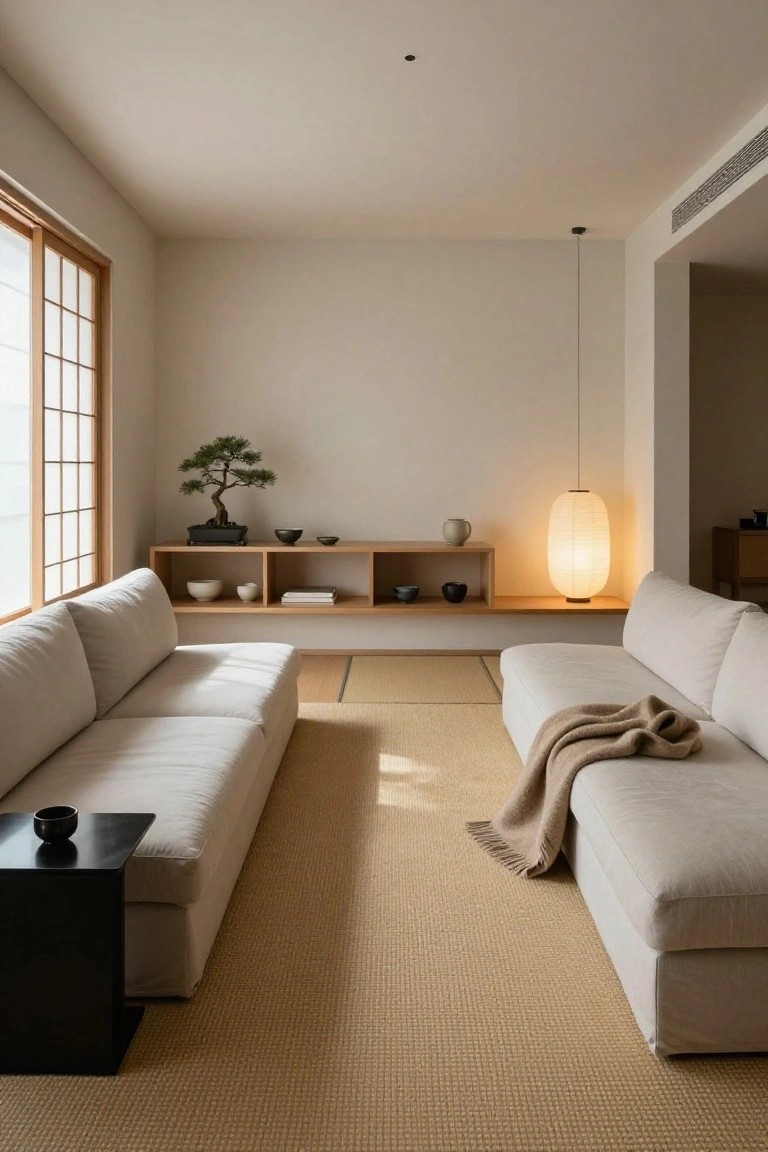
Long living rooms can stretch on forever. One straightforward fix is to place two low sofas facing each other right in the middle. This pulls the space together into a natural conversation area. It breaks up the length without crowding things. The low height keeps it airy too.
Try this in narrow or elongated rooms where traffic flows from one end to the other. Tuck a simple rug underneath, maybe tatami style, and slide a side table between. It suits calm setups like minimalist homes. Just make sure the sofas aren’t too bulky… or the walkway gets tight.
Glass Partition Zones Sofa from Work Area
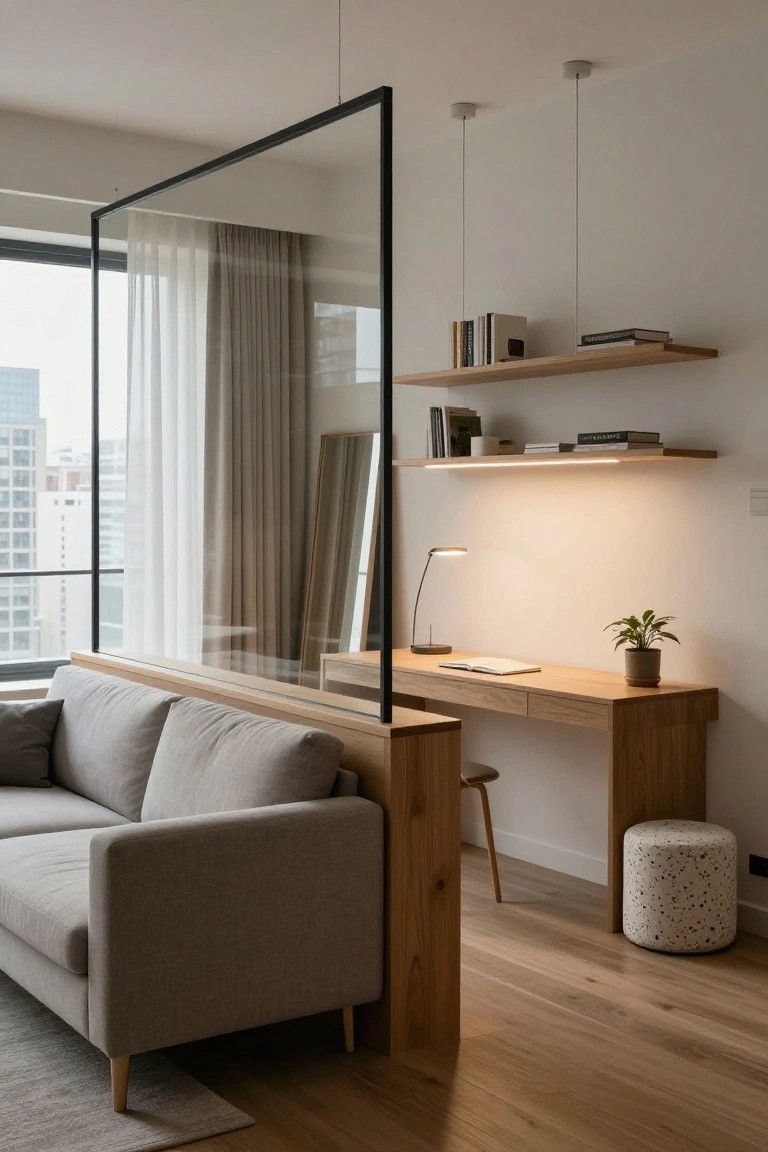
Long living rooms can feel stretched out and empty. This setup uses a tall glass partition with a wooden frame to split the space right in half. The gray sofa sits snug against one side, while a simple desk takes the other. It keeps everything open and airy since light flows through, and you still get that city view from the sofa.
Try this in narrow apartments or open-plan homes where you need separate spots for relaxing and working. The wood tones warm it up without overwhelming. Just make sure the glass is sturdy if you have kids running around.
Sofa Layouts with Facing Chairs
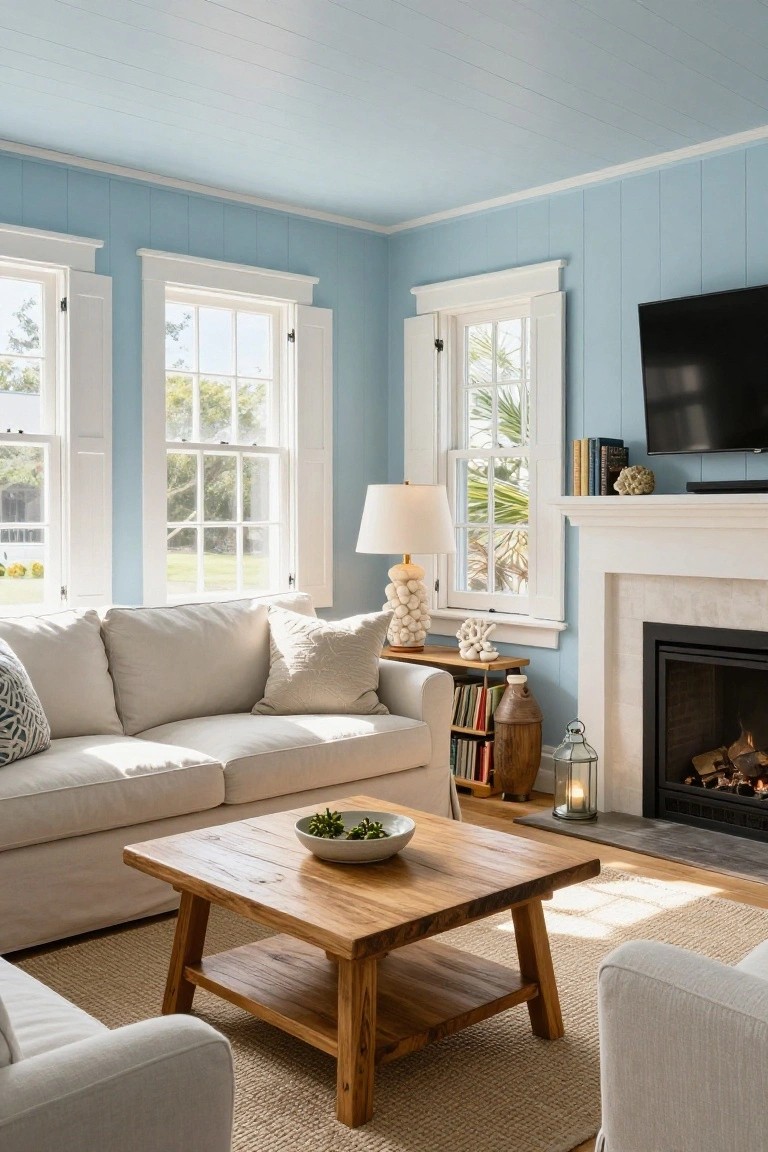
In long living rooms, pulling a sofa along one wall and adding chairs opposite it around a sturdy coffee table makes a clear spot to sit and talk. The white slipcovered sofa here pairs with a simple beige chair, and that chunky wood table with its lower shelf keeps everything feeling settled. It stops the room from dragging on forever.
This setup fits rooms with a fireplace or windows along the length. Keep the sofa low and neutral so the view stays open. Line up chairs at an angle if needed. Just watch the scale, the table can’t be too small or it all floats. Works in casual coastal spots like this one.
L-Shaped Sofa Sets Up an Outdoor Lounge
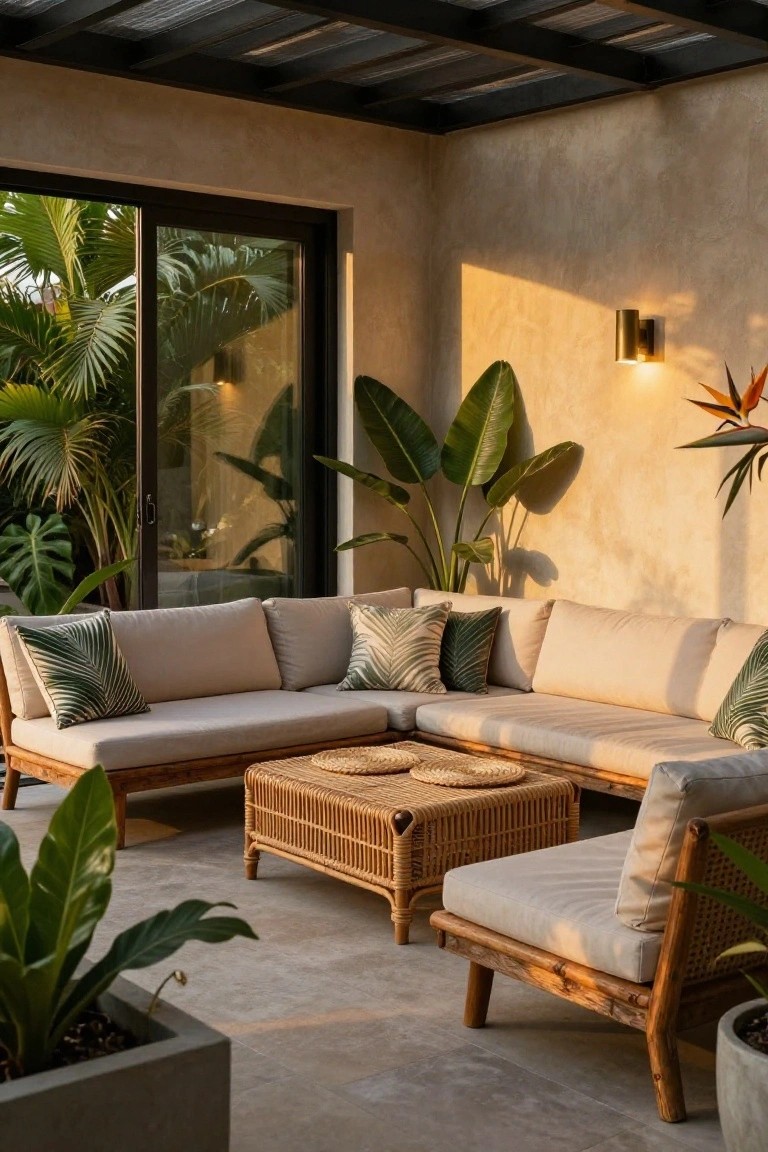
An L-shaped sofa works great outdoors when you want to carve out a real spot for hanging out. In this setup, the corner piece turns a simple covered patio into its own little lounge area. The light beige cushions and rattan frame keep it casual, and those green leaf pillows tie right into the plants nearby. It breaks up what could be a long empty space into something more defined and comfy.
You can pull this off on any terrace or porch that runs long. Go for weatherproof materials like rattan or teak, and add a low table in the middle. It suits tropical or relaxed backyards best, where you mix in some big-leaf plants for shade and feel. Just make sure the cover overhead keeps rain off.
Console Table Tucked Behind the Sofa
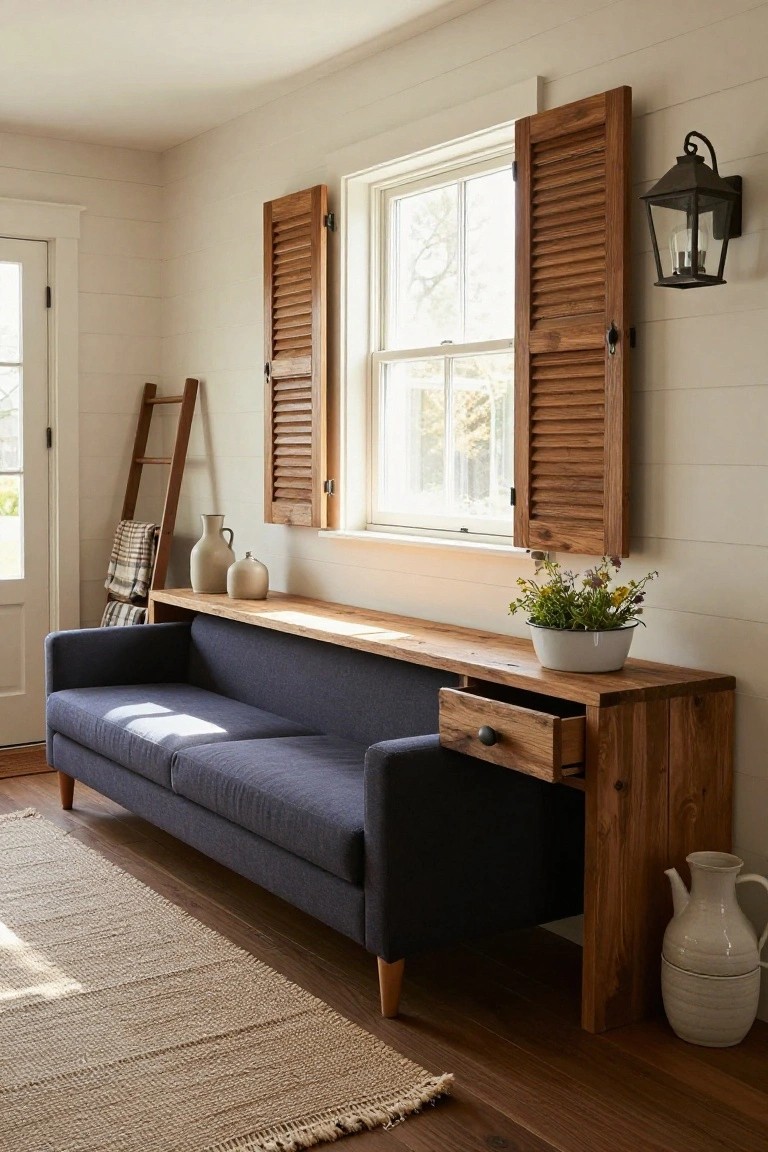
Long living rooms can feel stretched out, but sliding a console table right up against the back of the sofa helps divide the space into zones. This wooden one, with its open shelf and handy drawer, turns the area into a spot for everyday display. A navy sofa sits perfectly against it, keeping things practical without crowding the floor.
Try this in narrow rooms or ones that run the length of the house. Pick a table about the same length as your sofa, maybe in a natural wood finish to warm up white walls. It suits casual farm-style homes best, though watch the height so it doesn’t push the sofa forward too much.
Facing Sofas Break Up Long Rooms
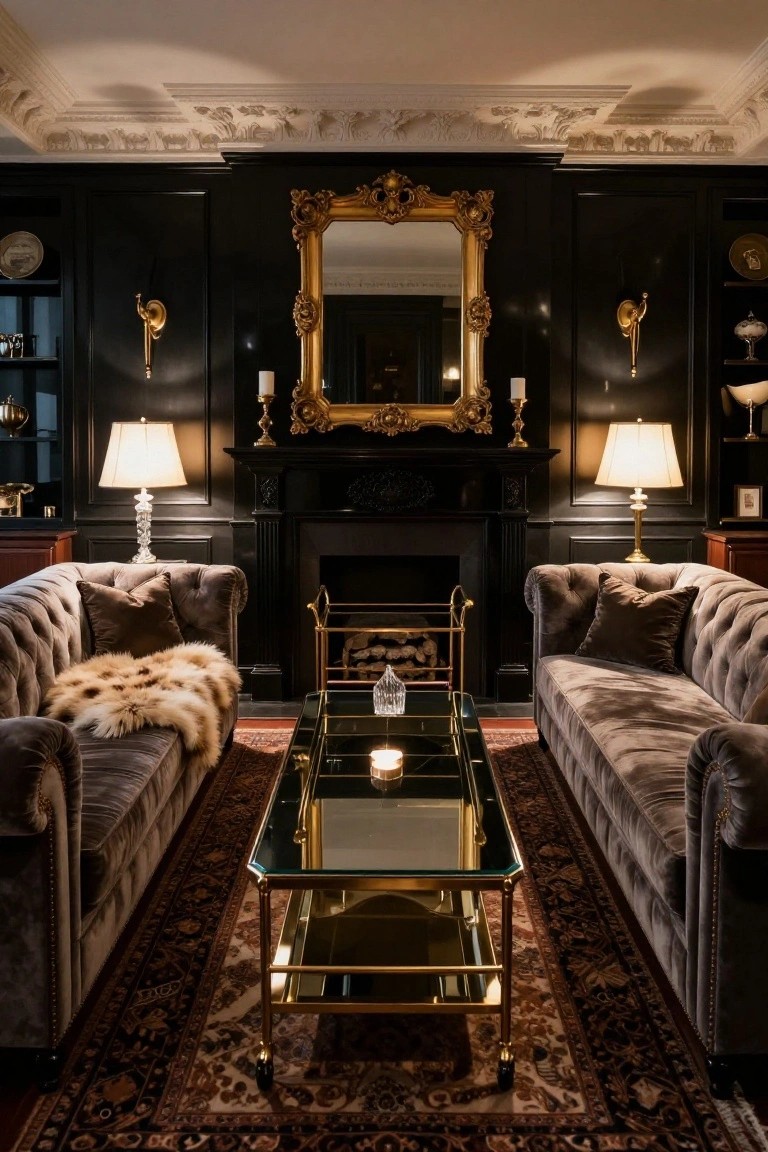
Long living rooms can feel stretched out, but facing two sofas toward each other pulls the space together into a cozy spot. You get a ready-made seating area that invites people to sit and talk, like these deep gray velvet ones with a simple glass table in between. A fur throw draped over one side keeps it casual and lived-in.
Try this in narrower or rectangular rooms to avoid that empty hallway look. Anchor everything on a patterned rug, and pick low tables so legs don’t bump. It suits traditional setups near a fireplace, but watch the scale, bigger rooms need fuller sofas.
Screens Behind the Sofa to Break Up Long Rooms
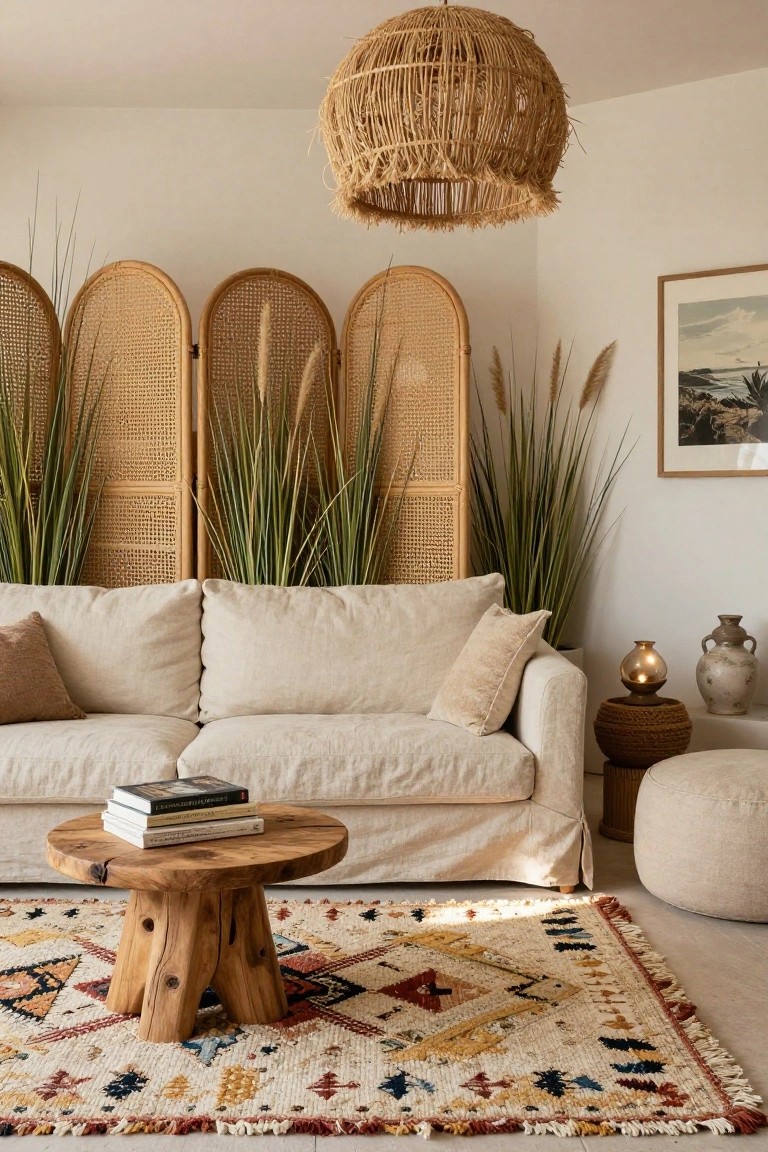
Long living rooms can feel stretched out and empty. One easy way to fix that is putting folding screens right behind the sofa. They make a little zone for sitting without blocking the whole space. In this setup, rattan screens with tall pampas grass add some height and softness. It pulls the sofa forward a bit and gives the room more shape.
These screens work best in open plans or narrow lengths where you want separation but still light and flow. Pick lightweight ones that fold easy, maybe in natural weaves. Add simple grasses or branches for that lived-in feel. They suit casual homes… just keep the sofa neutral so the screens stand out without clashing.
Curved Sofa in a Long Living Room
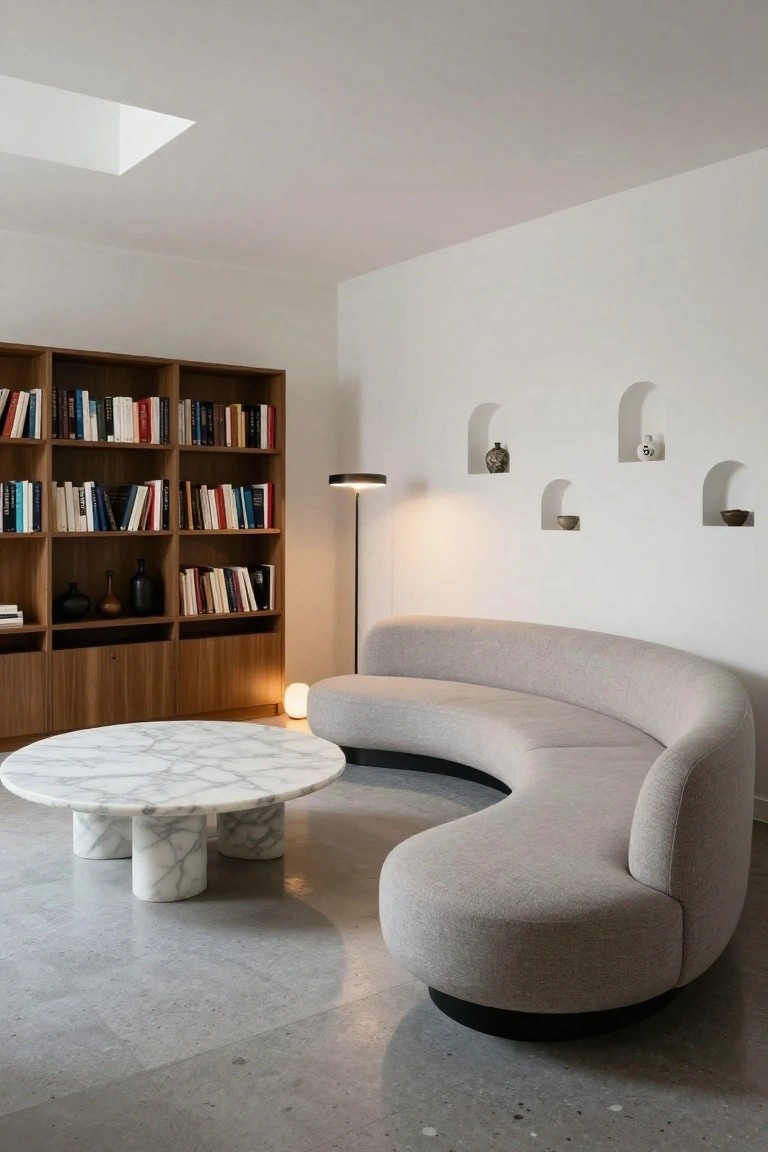
Long living rooms can feel stretched out and empty. A curved sofa like this gray one pulls the space together. It wraps around the marble coffee table and creates a natural seating spot. The shape breaks up the length without cutting off the room. Bookshelves on one side add balance too.
Try this in a room with white walls and wood built-ins. It works best where you want a modern feel but keep things open. Float the sofa away from the wall if the room is wide enough. Just make sure the curve faces the main traffic path.
Mixed Sofas Divide Long Living Rooms
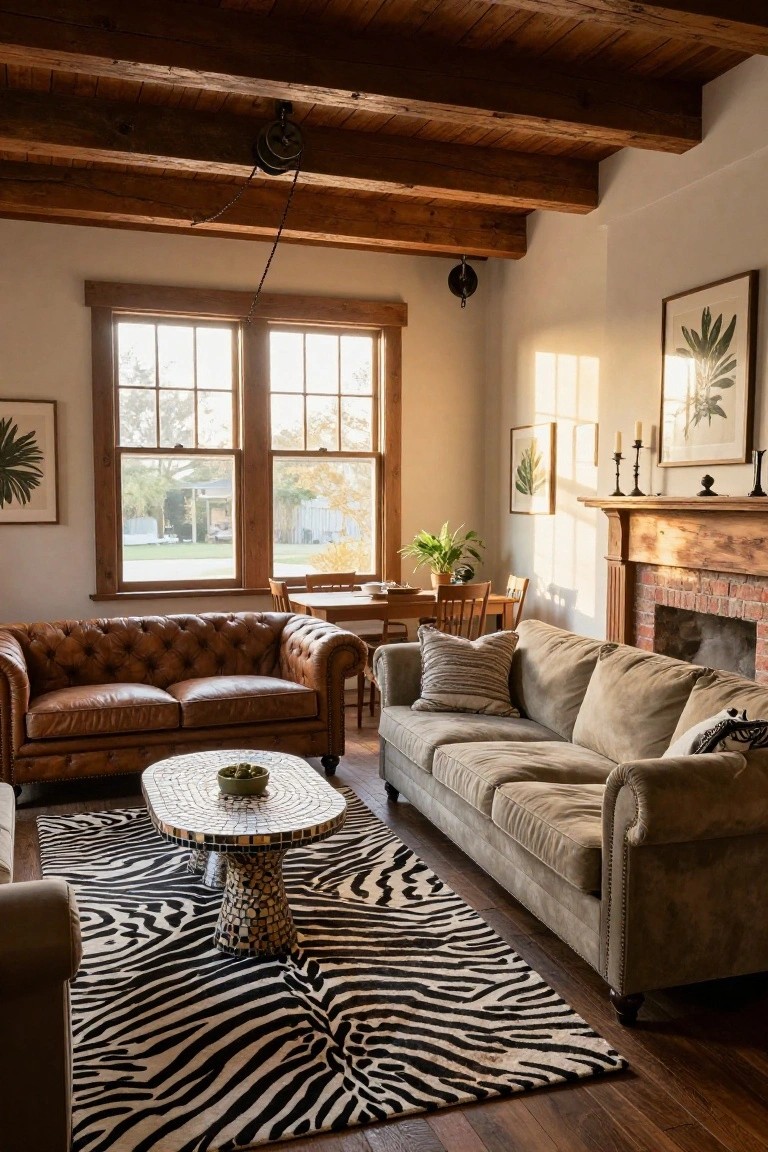
Long living rooms can feel stretched out, but two sofas in contrasting styles do a nice job of breaking that up. A tufted leather Chesterfield on one side faces off with a plush gray sectional on the other, and a bold zebra rug sits right in the middle to mark the shift. It turns one big area into two usable spots without much fuss.
Try this in skinny rectangular spaces where you need zones for TV watching and chatting. Pick pieces that match your room’s length, like shorter loveseats opposite bigger sectionals. Bold rugs help too, especially on wood floors. Just avoid matching fabrics, or it blends back together.
Built-In Bench Along the Stairs
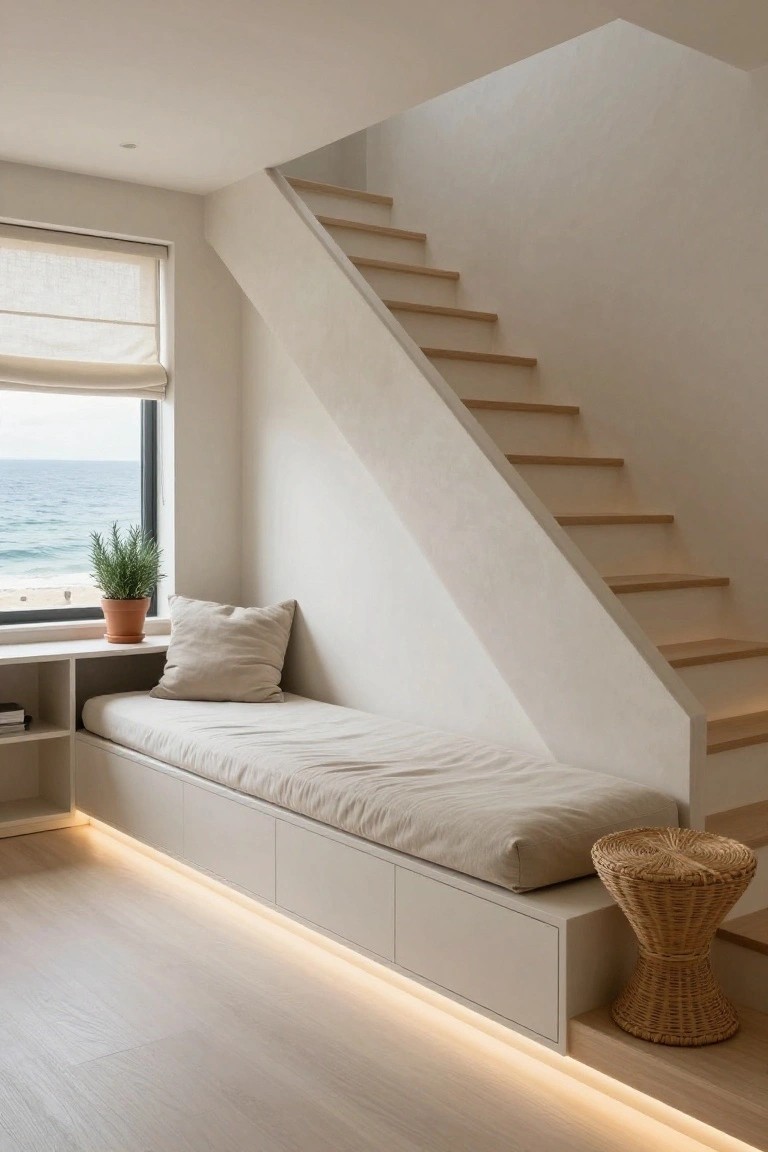
Long living rooms often have stairs that cut through the flow. A built-in bench right there solves that. It turns dead space into seating with cushions on top and drawers below. Here, the light wood bench matches the oak steps. A pillow and ocean view window make it cozy without trying too hard.
Put this in homes where stairs meet the main room. Match the bench height to the floor so it feels part of the layout. Use soft fabrics for the cushions. Add a shelf nearby for plants or books. It fits narrow spots best. Just keep storage simple so it stays practical.
Frequently Asked Questions
Q: How do I arrange sofas to divide a long room without blocking walkways?
A: Tuck one sofa along the longest wall to carve out a lounge zone right away. Angle a second one toward the center for seating that pulls people in. Walkways stay wide open.
Q: What if my long room is super narrow too?
A: Go for sleek loveseats or armless styles that hug the walls. Skip bulky sectionals. You keep breathing room.
Q: Can I make these ideas work without buying new sofas?
A: Rearrange your current pieces into L-shapes or pairs facing a focal wall. Layer in area rugs to ground them. Fresh vibe, zero shopping.
Q: How do I mix sofa styles without it looking messy?
A: Pick up on shared colors from pillows or throws across the pieces. Cluster them around a coffee table. And boom, it all clicks.
